CRISPR-Cas9 Functional Genomics: A Comprehensive Guide for Target Discovery & Therapeutic Development
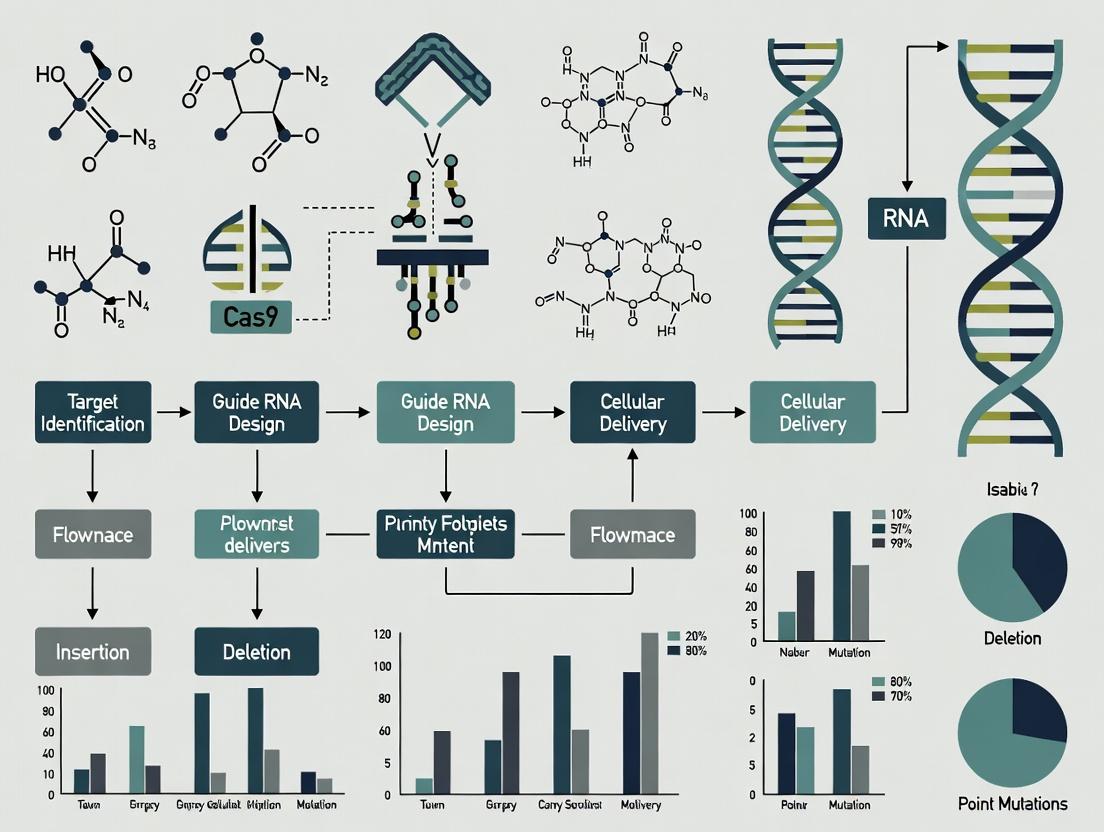
This guide provides a comprehensive framework for employing CRISPR-Cas9 in functional genomics, tailored for researchers and drug development professionals.
CRISPR-Cas9 Functional Genomics: A Comprehensive Guide for Target Discovery & Therapeutic Development
Abstract
This guide provides a comprehensive framework for employing CRISPR-Cas9 in functional genomics, tailored for researchers and drug development professionals. It covers foundational principles, from sgRNA design to Cas9 variants, and details robust methodologies for pooled and arrayed screening in disease models. The guide addresses common experimental pitfalls, offering solutions for optimization, and critically compares CRISPR screening to RNAi and emerging base/prime editing. Finally, it outlines rigorous validation strategies and explores future clinical applications, serving as a complete roadmap for target identification and validation in biomedical research.
Demystifying CRISPR-Cas9 for Functional Genomics: From Basic Principles to Strategic Planning
The advent of CRISPR-Cas9 as a programmable genome-editing tool has revolutionized functional genomics. This whitepaper details the core biochemical mechanism of the CRISPR-Cas9 system and elucidates how this mechanism is leveraged for genome-wide interrogation, a cornerstone of modern genetic research and therapeutic target discovery.
Core Molecular Mechanism of theStreptococcus pyogenesCas9 Nuclease
The CRISPR-Cas9 system functions as an RNA-guided DNA endonuclease. The core components are:
- Cas9 Protein: A multidomain enzyme possessing DNA-binding and cleavage activities.
- Single Guide RNA (sgRNA): A chimeric RNA molecule combining the functions of the natural trans-activating CRISPR RNA (tracrRNA) and CRISPR RNA (crRNA). The 5' end (approx. 20 nucleotides) provides target specificity via Watson-Crick base pairing (the spacer sequence), while the 3' end forms a hairpin structure that binds to Cas9.
- Protospacer Adjacent Motif (PAM): A short, sequence-specific motif (5'-NGG-3' for SpCas9) in the target DNA that is essential for initial recognition and cleavage.
The mechanism proceeds through sequential steps:
1.1. PAM Recognition & DNA Melting: Cas9 first scans duplex DNA for the presence of a compatible PAM sequence. Recognition of the PAM by the PAM-interacting (PI) domain induces local DNA melting, facilitating the interrogation of adjacent sequences.
1.2. RNA-DNA Hybridization: The "seed sequence" (8-12 bases proximal to the PAM) of the sgRNA initiates pairing with the complementary DNA strand (the target strand). If a match is confirmed, full heteroduplex formation between the sgRNA and the target DNA strand proceeds.
1.3. Conformational Activation & Cleavage: Successful R-loop formation triggers a conformational change in Cas9, activating two nuclease domains: the HNH domain cleaves the target DNA strand complementary to the sgRNA, and the RuvC-like domain cleaves the non-target strand. This generates a blunt-ended or nearly blunt-ended double-strand break (DSB) 3 base pairs upstream of the PAM.
Diagram Title: CRISPR-Cas9 Core Mechanism Steps
From Targeted Cleavage to Genome-Wide Interrogation
The programmable DSB is the foundational event. For functional genomics, the cellular repair of this break is exploited to create systematic, genome-wide perturbations.
2.1. Repair Pathways & Genomic Outcomes: The cell primarily repairs Cas9-induced DSBs via two competing pathways:
| Repair Pathway | Key Enzymes | Fidelity | Common Genomic Outcome from CRISPR-Cas9 | Primary Use in Functional Genomics |
|---|---|---|---|---|
| Non-Homologous End Joining (NHEJ) | DNA-PKcs, Ku70/80, DNA Ligase IV | Error-prone | Small insertions or deletions (indels) at the cut site. | Gene Knockout: Frameshift mutations disrupt the open reading frame, leading to loss-of-function. |
| Homology-Directed Repair (HDR) | BRCA1/2, Rad51, Exonuclease 1 | High-fidelity | Precise incorporation of an exogenously supplied DNA donor template. | Gene Knock-in: Introduction of specific mutations, tags, or reporter sequences for functional analysis. |
2.2. Enabling Genome-Wide Screens: By delivering a library of thousands to hundreds of thousands of unique sgRNAs targeting every gene in the genome simultaneously, researchers can interrogate gene function at scale.
- Pooled Library Screen Workflow: A population of cells (e.g., cancer cell lines) is transduced with a lentiviral sgRNA library at low multiplicity of infection (MOI) to ensure one sgRNA per cell. Cells are then subjected to a selective pressure (e.g., drug treatment, cell survival, FACS sorting). Deep sequencing of sgRNAs before and after selection reveals enriched or depleted guides, identifying genes essential for the phenotype.
Diagram Title: Pooled CRISPR Knockout Screen Workflow
Key Experimental Protocols
3.1. Protocol for a Pooled CRISPR-Cas9 Knockout Screen (Essentiality Screen)
A. Library Design & Virus Production:
- Select a validated genome-wide sgRNA library (e.g., Brunello, GeCKO v2).
- Produce high-titer lentivirus by co-transfecting HEK293T cells with the library plasmid, psPAX2 (packaging), and pMD2.G (envelope) plasmids using polyethylenimine (PEI).
- Concentrate virus via ultracentrifugation and titer on target cells.
B. Cell Transduction & Selection:
- Infect ≥ 50 million target cells (with stable Cas9 expression or Cas9 included in the lentiviral vector) at an MOI of ~0.3-0.5, ensuring >500x coverage of each sgRNA in the library.
- Select transduced cells with puromycin (typically 1-3 µg/mL for 3-7 days, depending on cell line).
C. Phenotypic Selection & Harvest:
- Split cells into replicate populations. Maintain in log phase for a minimum of 14 population doublings to allow gene knockout.
- Apply selection (e.g., drug treatment) or harvest reference (T0) and experimental (Tfinal) time points.
- Pellet ≥ 10 million cells per sample for genomic DNA extraction (e.g., using Qiagen Maxi Prep kits).
D. Sequencing & Analysis:
- Amplify the integrated sgRNA cassette from 50-100 µg of genomic DNA per sample using high-fidelity PCR and barcoded primers.
- Purify PCR products and sequence on an Illumina NextSeq or HiSeq platform (minimum of 100-200 reads per sgRNA).
- Align reads to the reference library. Use algorithms (e.g., MAGeCK, STARS) to rank essential genes based on sgRNA depletion.
The Scientist's Toolkit: Research Reagent Solutions
| Reagent / Material | Function & Critical Notes |
|---|---|
| High-Quality sgRNA Library (e.g., Brunello) | Pre-designed, array-synthesized pool of ~77,000 sgRNAs targeting ~19,000 human genes. Includes non-targeting control guides. Sequence fidelity is paramount. |
| Lentiviral Packaging Plasmids (psPAX2, pMD2.G) | Third-generation system for producing replication-incompetent, high-titer viral particles for stable sgRNA delivery. |
| Polyethylenimine (PEI), Linear, 25kDa | High-efficiency, low-cost transfection reagent for viral production in HEK293T cells. |
| Puromycin Dihydrochloride | Selection antibiotic for cells transduced with puromycin resistance (PuroR)-expressing sgRNA vectors. Must titrate for each cell line. |
| High-Fidelity PCR Polymerase (e.g., KAPA HiFi) | Essential for accurate, unbiased amplification of the sgRNA locus from genomic DNA prior to sequencing. |
| Genomic DNA Extraction Kit (Maxi/Midi Prep) | For high-yield, high-purity genomic DNA from tens of millions of mammalian cells. |
| Illumina-Compatible Indexed Primers | Custom primers containing P5/P7 flow cell adapters and sample barcodes for multiplexed NGS. |
| Cas9-Expressing Cell Line | Stable cell line expressing SpCas9 (e.g., via lentiviral integration or endogenous knock-in). Removes variable of Cas9 delivery. |
| Next-Generation Sequencing Platform | Required for deep sequencing of sgRNA representations. Illumina platforms are standard. |
Within the functional genomics research paradigm, CRISPR-Cas9 technology provides an unparalleled toolkit for systematic genetic interrogation. The efficacy of any experiment hinges on three interdependent pillars: the design of the single guide RNA (sgRNA), the selection of an appropriate Cas9 enzyme variant, and the efficient delivery of these components into target cells. This guide details the current technical specifications and methodologies for these essential components.
sgRNA Design Rules and Principles
Effective sgRNA design is critical for maximizing on-target cleavage and minimizing off-target effects. Key rules are derived from empirical data across multiple genomes.
Core Design Parameters:
- Protospacer Adjacent Motif (PAM): The Cas9 variant defines the required PAM sequence immediately 3' of the target DNA. For standard SpCas9, this is 5'-NGG-3'.
- sgRNA Length: Typically 20 nucleotides upstream of the PAM. Truncated guides (17-18 nt) can reduce off-targets but may also reduce on-target activity.
- Sequence Composition: Avoid stretches of 4 or more identical nucleotides. GC content between 40-60% is generally optimal.
- Genomic Context: Avoid target sites within repetitive genomic regions. Consider chromatin accessibility (e.g., using ATAC-seq or DNase I hypersensitivity data).
Table 1: Quantitative Metrics for Optimal sgRNA Design
| Parameter | Optimal Range | Rationale |
|---|---|---|
| GC Content | 40% - 60% | Balances stability and specificity; low GC reduces efficiency, high GC increases off-target risk. |
| On-Target Efficiency Score | >50 (Rule Set 2) | Predictive score from algorithms like Azimuth/CRISPOR; higher correlates with activity. |
| Specificity Score (CFD) | <0.05 | Cutting Frequency Determination score; lower indicates reduced predicted off-target effects. |
| Seed Region Mismatch Tolerance | Nucleotides 1-12 | Mismatches here typically abolish cleavage; mismatches in distal region may be tolerated. |
Experimental Protocol: In Silico sgRNA Design and Selection
- Identify Target Region: Define the genomic locus (e.g., exon for knockout, promoter for modulation).
- Scan for PAM Sequences: Use software (e.g., CRISPOR, CHOPCHOP, Benchling) to identify all PAM sites within the target region.
- Generate Candidate sgRNAs: Extract the 20-nt protospacer sequence preceding each PAM.
- Filter and Rank: Apply filters for GC content, absence of homopolymers, and distance from transcription start site (for CRISPRi/a). Rank using integrated on-target and off-target (e.g., CFD, MIT) scores.
- Select Multiple Guides: For gene knockout, select 3-4 top-ranking sgRNAs per target to ensure at least one is effective.
- Validate Specificity: BLAST the selected spacer sequences against the relevant genome to identify potential off-target sites with up to 3 mismatches.
Flowchart: sgRNA Design and Selection Workflow
Cas9 Variants: SpCas9, HiFi, and Nickase
The choice of Cas9 variant tailors the experiment's precision, specificity, and outcome.
Wild-TypeStreptococcus pyogenesCas9 (SpCas9)
- Function: Creates a blunt-ended double-strand break (DSB) 3 bp upstream of the PAM. Relies on cellular repair (NHEJ or HDR).
- Application: Standard gene knockouts, large deletions when used with two sgRNAs.
High-Fidelity Cas9 Variants (e.g., SpCas9-HF1, eSpCas9(1.1))
- Engineering: Mutations (N497A/R661A/Q695A/Q926A in SpCas9-HF1) reduce non-specific interactions with the DNA phosphate backbone.
- Application: Projects where minimizing off-target editing is critical (e.g., therapeutic development, phenotypic screens).
Nickase Cas9 (Cas9n)
- Engineering: D10A mutation inactivates the RuvC nuclease domain, leaving the HNH domain active. Creates a single-strand break (nick).
- Application: Used in pairs with offset sgRNAs (~50-100 bp apart) to create staggered DSBs, dramatically increasing specificity and favoring HDR.
Table 2: Comparison of Key Cas9 Variants
| Variant | Key Mutations | Cleavage Type | Specificity (vs. WT) | Primary Use Case |
|---|---|---|---|---|
| Wild-Type SpCas9 | None | Blunt DSB | Baseline | General-purpose knockouts, library screens. |
| SpCas9-HF1 | N497A, R661A, Q695A, Q926A | Blunt DSB | ~10-fold higher | Sensitive applications requiring maximal on-target fidelity. |
| HiFi Cas9 | R691A | Blunt DSB | 4-10 fold higher | Balancing high activity with improved specificity (common in genome editing). |
| Cas9 Nickase (D10A) | D10A | Single-strand nick | N/A (requires pair) | Paired nicking for precise HDR or reduced off-target DSBs. |
Experimental Protocol: Evaluating Editing Efficiency and Specificity (T7E1 Assay)
This protocol assesses on-target indels and can be adapted for off-target analysis.
- Harvest Genomic DNA: 48-72 hours post-transfection, extract gDNA from treated and control cells.
- PCR Amplification: Design primers (~200-300 bp amplicon) flanking the target site. Perform high-fidelity PCR.
- Denaturation and Reannealing: Purify PCR product. Use thermocycler: 95°C for 5 min, ramp down to 85°C at -2°C/sec, then to 25°C at -0.1°C/sec. This forms heteroduplex DNA if indels are present.
- Nuclease Digestion: Incubate reannealed DNA with T7 Endonuclease I (or Surveyor nuclease), which cleaves mismatched heteroduplexes.
- Analysis: Run digested products on agarose gel. Quantify band intensities. Editing frequency (%) = (1 - sqrt(1 - (b+c)/(a+b+c))) * 100, where
ais intact band intensity,bandcare cleavage product intensities.
Diagram: Cas9 Variant Action and DNA Repair Pathways
Delivery Systems
Efficient delivery is paramount for functional genomics studies across diverse cell types.
Table 3: CRISPR-Cas9 Delivery Systems
| System | Max Capacity | Key Advantage | Key Limitation | Best For |
|---|---|---|---|---|
| Lentiviral Vector | ~8 kb | Stable integration, long-term expression, broad tropism. | Size constraints for Cas9, insertional mutagenesis risk. | Delivery of sgRNA libraries for pooled screens, hard-to-transfect cells. |
| AAV Vector | ~4.7 kb | Low immunogenicity, high in vivo delivery efficiency. | Very strict size limit (requires small Cas9s like SaCas9). | In vivo gene therapy, primary cell editing. |
| Lipid Nanoparticles (LNP) | Large | High efficiency in vitro/vivo, transient delivery, RNP delivery possible. | Cytotoxicity at high doses, optimization required per cell type. | Transient RNP delivery for minimal off-targets, clinical applications. |
| Electroporation | N/A | High efficiency in immune/primary cells (ex vivo). | High cell mortality, requires optimized protocols. | Primary T cells, hematopoietic stem cells, iPSCs. |
Experimental Protocol: Lipofection of Cas9 RNP into Adherent Cells
This protocol delivers pre-assembled Cas9 protein:sgRNA ribonucleoprotein (RNP) for rapid, transient activity.
- sgRNA Preparation: Synthesize sgRNA via in vitro transcription or purchase synthetic crRNA+tracrRNA. Resuspend in nuclease-free buffer.
- RNP Complex Assembly: Mix purified Cas9 protein (e.g., 50 pmol) with sgRNA (60 pmol, 1.2:1 molar ratio) in an appropriate buffer. Incubate at room temperature for 10-20 minutes.
- Lipofection Complex Preparation: Dilute RNP complex in serum-free medium. In a separate tube, dilute lipid-based transfection reagent (e.g., Lipofectamine CRISPRMAX) in serum-free medium. Combine the two solutions and incubate 5-10 minutes at RT.
- Cell Transfection: Add the RNP-lipid complexes dropwise to cells (at 50-80% confluency) in a multi-well plate. Rock gently.
- Analysis: Change media after 6-24 hours. Analyze editing efficiency 48-72 hours post-transfection via T7E1, NGS, or flow cytometry.
The Scientist's Toolkit: Key Research Reagent Solutions
| Item | Function | Example/Supplier Notes |
|---|---|---|
| SpCas9 Nuclease (WT) | Wild-type endonuclease for standard gene knockout experiments. | IDT Alt-R S.p. Cas9 Nuclease V3; Thermo Fisher TrueCut Cas9 Protein v2. |
| HiFi Cas9 Nuclease | High-fidelity enzyme for applications demanding reduced off-target effects. | IDT Alt-R S.p. HiFi Cas9 Nuclease V3; Thermo Fisher TrueCut HiFi Cas9 Protein. |
| Synthetic crRNA & tracrRNA | Chemically modified RNAs for enhanced stability and RNP formation. | IDT Alt-R CRISPR-Cas9 crRNA and tracrRNA (modified). |
| Lipofectamine CRISPRMAX | Lipid transfection reagent optimized for Cas9 RNP and plasmid delivery. | Thermo Fisher Scientific. |
| T7 Endonuclease I | Enzyme for detecting indel mutations via mismatch cleavage assay. | NEB; ViewSolid Biotech. |
| Genome Sequencing Kit | For targeted NGS to quantify on- and off-target editing. | Illumina DNA Prep; Paragon Genomics CleanPlex. |
| Cell Line-Specific Media | Optimized growth medium for maintaining cell health post-transfection. | ATCC-formulated media; Gibco. |
Flowchart: Decision Tree for Selecting a Delivery System
A rigorous functional genomics experiment requires synergistic optimization of sgRNA design, Cas9 variant selection, and delivery methodology. Adherence to empirically derived design rules, selection of a Cas9 enzyme matched to the specificity needs of the study, and application of an efficient delivery mechanism are non-negotiable for generating reliable, interpretable data. This triad forms the operational foundation for advancing CRISPR-based research from discovery to therapeutic development.
Within functional genomics research utilizing CRISPR-Cas9, the initial and most critical step is the precise definition of the screening goal. This determines the choice of CRISPR system, library design, and downstream analytical pipeline. The three principal modalities—Loss-of-Function (LoF), Gain-of-Function (GoF), and Epigenetic Modulation—serve distinct biological and therapeutic objectives. This guide provides a technical framework for selecting and implementing the appropriate screening strategy.
Loss-of-Function (Knockout) Screening
The most established application, utilizing CRISPR-Cas9 nuclease (e.g., SpCas9) to create double-strand breaks (DSBs) repaired by error-prone non-homologous end joining (NHEJ), leading to frameshift mutations and gene knockout.
- Primary Goal: Identify genes essential for cell viability, drug resistance, or specific phenotypic responses.
- Key Application: Identification of therapeutic targets and essential genes in pathways.
Gain-of-Function (Activation) Screening
Employs modified, nuclease-dead Cas9 (dCas9) fused to transcriptional activation domains (e.g., VP64, p65AD, SunTag) to recruit transcriptional machinery to gene promoters.
- Primary Goal: Identify genes whose overexpression confers a selectable phenotype, such as resistance to therapy or enhanced cell growth.
- Key Application: Discovering genes that can rescue a disease state or confer advantageous traits.
Epigenetic Modulation Screening
Uses dCas9 fused to epigenetic writer or eraser enzymes (e.g., DNMT3A for DNA methylation, TET1 for demethylation, p300 for histone acetylation) to modulate chromatin states at specific loci.
- Primary Goal: Understand the phenotypic consequences of targeted epigenetic alterations without changing the underlying DNA sequence.
- Key Application: Probing the role of specific epigenetic marks in gene regulation, cellular memory, and disease.
Comparative Quantitative Analysis of Screening Modalities
Table 1: Core Characteristics of CRISPR Screening Modalities
| Feature | Loss-of-Function (Knockout) | Gain-of-Function (Activation) | Epigenetic Modulation |
|---|---|---|---|
| Cas9 Variant | Wild-type Nuclease (SpCas9) | dCas9 fused to Activators (dCas9-VPR) | dCas9 fused to Epigenetic Effectors (dCas9-p300) |
| Genetic Alteration | Indels (Insertions/Deletions) | None (Transcriptional Upregulation) | None (Chromatin State Change) |
| Persistence | Permanent | Reversible upon dCas9-effector removal | Often reversible; can be semi-stable |
| Typical Library Size | Genome-wide (~20,000 genes) | Focused or Genome-wide (~10,000-20,000 sgRNAs) | Focused (e.g., enhancer regions) |
| Key Readout | Depletion/Enrichment of sgRNAs | Enrichment of sgRNAs | Enrichment/Depletion; transcriptional readouts |
| Primary Analysis Tool | MAGeCK, CERES | MAGeCK, BAGEL2 | Custom pipelines (e.g., PinAPL-Py) |
Table 2: Common Reagent Systems for Each Modality
| Modality | Common System Name | Effector Domain(s) | Target Locus |
|---|---|---|---|
| Loss-of-Function | CRISPRn | SpCas9 Nuclease | Coding exons |
| Gain-of-Function | CRISPRa (SAM, VPR) | VP64, p65, Rta (VPR) | Transcriptional Start Site (TSS) |
| Epigenetic (Activation) | CRISPRon | p300 Core (Histone Acetyltransferase) | Enhancer/Promoter |
| Epigenetic (Repression) | CRISPRoff | DNMT3A, DNMT3L (DNA Methylation) | Promoter |
Detailed Experimental Protocols
Protocol 1: Genome-Wide Loss-of-Function Screen with Brunello Library
This protocol outlines a positive selection screen (e.g., for drug resistance genes) using the Brunello human genome-wide knockout library.
- Library Amplification & Lentiviral Production: Amplify the Brunello plasmid library (Addgene #73179) in E. coli with care to maintain representation. Prepare high-titer lentivirus in HEK293T cells using psPAX2 and pMD2.G packaging plasmids.
- Cell Infection & Selection: Infect target cells (e.g., A549) at a low MOI (~0.3) to ensure most cells receive a single sgRNA. Spinfection (1000g, 90 mins) enhances efficiency. Select with puromycin (1-5 µg/mL) for 5-7 days.
- Selection Pressure & Harvest: Passage >200 million transduced cells (maintaining >500x library coverage). Apply selection pressure (e.g., drug treatment) for 2-3 weeks. Harvest genomic DNA from experimental and control (Day 0 or untreated) populations using a maxi-prep kit.
- sgRNA Amplification & Sequencing: Amplify integrated sgRNA sequences from 100 µg gDNA per sample via two-step PCR. Use indexing primers for NGS. Pool and sequence on an Illumina HiSeq or NextSeq platform (75bp single-end).
- Data Analysis: Align reads to the Brunello library index. Use MAGeCK (v0.5.9) to count sgRNA reads and perform robust rank aggregation (RRA) analysis to identify significantly enriched or depleted genes between conditions.
Protocol 2: Targeted Gain-of-Function Screen Using CRISPRa
This protocol uses the SAM (Synergistic Activation Mediator) system for targeted gene activation.
- Cell Line Engineering: Generate a stable cell line expressing MS2-p65-HSF1 (MPH) and dCas9-VP64 under blasticidin and hygromycin selection, respectively. Validate with a positive control sgRNA.
- sgRNA Library Design & Cloning: Design sgRNAs targeting regions -200 to +50 bp relative to the TSS of genes of interest. Clone into a lentiviral sgRNA(MS2) backbone (Addgene #89308).
- Screen Execution: Transduce the engineered cell line with the sgRNA(MS2) library, maintaining high coverage. After puromycin selection, split cells into experimental and control arms. Apply relevant phenotypic pressure (e.g., cytokine treatment) for 14-21 days.
- Sequencing & Hit Calling: Harvest gDNA, amplify sgRNA regions, and sequence. Analyze using MAGeCK or BAGEL2 to identify sgRNAs significantly enriched in the experimental condition, indicating genes whose activation confers a selective advantage.
Protocol 3: Targeted DNA Demethylation Screen with CRISPR-TET1
This protocol outlines a screen to identify epigenetic silencers via targeted demethylation.
- Effector Delivery: Co-transfect or sequentially transduce cells with a lentiviral vector expressing dCas9-TET1 catalytic domain (CD) and a lentiviral sgRNA library targeting CpG islands at gene promoters of interest.
- Phenotypic Selection & Analysis: Allow 10-14 days for turnover of methylation marks and consequent gene expression changes. Apply phenotypic selection (e.g., fluorescence-activated cell sorting for a marker). Harvest genomic DNA for sgRNA sequencing and parallel bisulfite sequencing to confirm locus-specific demethylation.
- Data Integration: Correlate enriched sgRNAs with target gene demethylation status and transcriptional upregulation (via RNA-seq) to identify epigenetic drivers of the phenotype.
Visualizing Screening Workflows and Pathways
Title: CRISPR Screening Modality Selection Workflow
Title: Molecular Mechanisms of CRISPR Screening Modalities
The Scientist's Toolkit: Research Reagent Solutions
Table 3: Essential Materials for CRISPR Functional Genomics Screens
| Item | Function & Description | Example Product/Catalog # |
|---|---|---|
| CRISPR Nuclease Vector | Expresses wild-type Cas9 for knockout screens. | lentiCRISPR v2 (Addgene #52961) |
| CRISPR Activation System | Expresses dCas9 fused to transcriptional activators for GoF screens. | lentiSAM v2 (Addgene #92067) |
| CRISPR Epigenetic Effector | Expresses dCas9 fused to epigenetic modifiers (e.g., methyltransferase). | dCas9-p300 Core (Addgene #61357) |
| Genome-wide sgRNA Library | Pooled library targeting all human genes with multiple sgRNAs per gene. | Brunello Human Knockout Library (Addgene #73179) |
| Lentiviral Packaging Plasmids | Required for production of lentiviral particles to deliver CRISPR components. | psPAX2 (Addgene #12260), pMD2.G (Addgene #12259) |
| Next-Generation Sequencing Kit | For high-throughput sequencing of sgRNA amplicons post-screen. | Illumina NextSeq 500/550 High Output Kit v2.5 |
| Genomic DNA Extraction Kit | For high-yield, high-quality gDNA from millions of cultured cells. | Qiagen Blood & Cell Culture DNA Maxi Kit |
| Analysis Software | Computationally identifies enriched/depleted genes from NGS data. | MAGeCK (https://sourceforge.net/p/mageck) |
| Selection Antibiotics | For selecting successfully transduced cells (e.g., puromycin, blasticidin). | Puromycin Dihydrochloride (Thermo Fisher #A1113803) |
| Polybrene/Hexadimethrine Bromide | A cationic polymer that increases viral transduction efficiency. | Polybrene (MilliporeSigma #TR-1003-G) |
In CRISPR-Cas9 functional genomics, determining the optimal screening format is a foundational decision that dictates experimental design, resource allocation, and data interpretation. This guide examines the core methodologies of pooled and arrayed screening, framing them within the broader thesis of mapping gene function and identifying therapeutic targets. The choice between these formats balances throughput, cost, depth of phenotype interrogation, and technical feasibility.
Pooled Screening involves transducing a population of cells with a single viral library containing a complex mixture of guide RNAs (gRNAs). All cells are cultured together in one or a few vessels. Phenotypic selection (e.g., cell survival, proliferation, or fluorescence-activated cell sorting) is applied en masse, and gRNAs enriched or depleted in the population are identified via next-generation sequencing (NGS).
Arrayed Screening delivers a single, distinct genetic perturbation (e.g., a single gRNA) per well in a multi-well plate. Each perturbation is spatially separated, allowing for the measurement of complex, multi-parametric phenotypes using high-content imaging, metabolomics, or transcriptomics.
The fundamental differences are summarized in the table below.
Table 1: High-Level Comparison of Pooled vs. Arrayed CRISPR Screens
| Parameter | Pooled Screening | Arrayed Screening |
|---|---|---|
| Perturbation Format | Complex library in a single vessel. | Single perturbation per well. |
| Primary Readout | gRNA abundance via NGS. | Multi-parametric (imaging, absorbance, luminescence). |
| Typical Scale | Genome-wide (e.g., 20,000+ genes). | Focused libraries (e.g., 100-5,000 genes). |
| Phenotype Complexity | Limited to survival, proliferation, or FACS-based markers. | High; enables high-content, kinetic, and complex cellular assays. |
| Cost per Datapoint | Very low. | High. |
| Experimental Throughput | Extremely high (entire genome in one experiment). | Lower, limited by plate density and assay. |
| Key Requirement | A selectable or sortable phenotype linked to gRNA abundance. | Robust automation for liquid handling and readout acquisition. |
| Primary Analysis | Statistical enrichment/depletion of gRNA counts. | per-well statistical analysis (e.g., Z-score, SSMD). |
Detailed Methodologies & Protocols
Protocol for a Pooled CRISPR Negative Selection Screen
Objective: To identify genes essential for cell proliferation/survival under a specific condition (e.g., cancer cell line growth).
Key Reagents & Materials: See The Scientist's Toolkit below.
Workflow:
- Library Design & Cloning: Select a genome-wide CRISPR knockout (GeCKO, Brunello) library. Clone the sgRNA library into a lentiviral backbone (e.g., lentiCRISPRv2).
- Lentivirus Production: Produce lentiviral particles of the library in HEK293T cells. Titer the virus to achieve a low MOI (~0.3-0.4) to ensure most cells receive a single sgRNA.
- Cell Transduction & Selection: Transduce the target cell population at a high coverage (typically >500x representation of each sgRNA). Select with puromycin for 3-7 days.
- Population Maintenance: Passage cells for 14-21 population doublings, maintaining >500x library coverage at each step to prevent stochastic loss of sgRNAs.
- Genomic DNA (gDNA) Extraction & NGS Library Prep: Harvest cells at the endpoint (Tfinal). Extract gDNA from the initial selected pool (T0) and Tfinal. Amplify the integrated sgRNA cassettes via PCR using indexed primers.
- Sequencing & Analysis: Sequence the PCR amplicons on an NGS platform. Align reads to the reference library. Use statistical tools (MAGeCK, DESeq2) to compare sgRNA abundances between T0 and Tfinal to identify significantly depleted sgRNAs/genes.
Title: Pooled CRISPR Screen Workflow
Protocol for an Arrayed CRISPR-Cas9 Screen
Objective: To quantify changes in a high-content phenotype, such as nuclear morphology or a specific fluorescent reporter signal.
Key Reagents & Materials: See The Scientist's Toolkit below.
Workflow:
- Plate Design & Reformatting: Obtain an arrayed sgRNA library in plate format (e.g., 96- or 384-well). Using liquid handling robots, transfer sgRNAs/plasmids into assay plates.
- Reverse Transfection: Complex individual sgRNAs with transfection reagent (e.g., Lipofectamine CRISPRMAX) directly in assay plates. Seed Cas9-expressing cells on top of the complexes.
- Phenotype Development: Incubate for a period sufficient for gene editing and phenotypic manifestation (e.g., 72-120 hours).
- Assay & Readout: Fix/stain cells or add assay reagents. Acquire data using a high-content imager, plate reader, or -omic platform.
- Image & Data Analysis: Extract features (e.g., intensity, count, texture) per well. Normalize data to plate controls (negative/positive). Calculate robust Z-scores or strictly standardized mean difference (SSMD) to rank hits.
Title: Arrayed CRISPR Screen Workflow
Decision Framework: Selecting the Appropriate Format
The choice hinges on the research question and practical constraints, guided by the decision logic below.
Title: Screening Format Decision Logic
The Scientist's Toolkit: Essential Research Reagents
Table 2: Key Reagents for CRISPR Functional Genomics Screens
| Item | Function in Screening | Typical Format/Example |
|---|---|---|
| Validated sgRNA Library | Contains sequences targeting genes of interest; backbone determines screening format. | Pooled: Brunello, Human GeCKO v2. Arrayed: siRNA-equivalent CRISPR libraries. |
| Lentiviral Packaging Mix | Produces recombinant lentivirus to deliver sgRNA and Cas9 components. | psPAX2 (packaging) & pMD2.G (envelope) plasmids. |
| Stable Cas9-Expressing Cell Line | Provides constitutive Cas9 expression, simplifying screening to sgRNA delivery only. | Commercially available or generated via lentiviral transduction/selection. |
| Transfection Reagent | Delivers arrayed sgRNA plasmids/RNPs into cells. | Lipofectamine CRISPRMAX, FuGENE HD. |
| Selection Antibiotic | Enriches for cells successfully transduced with the sgRNA vector. | Puromycin, Blasticidin. |
| NGS Library Prep Kit | Amplifies and prepares sgRNA inserts from genomic DNA for sequencing. | KAPA HiFi HotStart, Illumina sequencing primers. |
| High-Content Imaging System | Captures multi-parametric phenotypic data from arrayed screens. | Instruments from PerkinElmer, Thermo Fisher, or Yokogawa. |
| Automated Liquid Handler | Essential for accuracy and reproducibility in arrayed screen setup. | Beckman Coulter Biomek, Hamilton STAR. |
Quantitative Data & Performance Metrics
Table 3: Performance Characteristics of Screening Formats
| Metric | Pooled Screening | Arrayed Screening | Notes |
|---|---|---|---|
| Typical Library Size | 50,000 - 200,000 sgRNAs | 1 - 10,000 sgRNAs | Arrayed screens often use 3-5 sgRNAs/gene in separate wells. |
| Cell Number Required | ~100-500 million total. | ~1,000 - 10,000 per well. | Pooled screens require massive expansion to maintain representation. |
| Screen Duration (Excl. Analysis) | 4-6 weeks. | 1-3 weeks. | Arrayed screens are faster as no long-term passaging is needed. |
| Reagent Cost per Gene Targeted | ~$0.01 - $0.10 | ~$10 - $100+ | Cost for pooled is dominated by NGS; arrayed by plates, reagents, automation. |
| False Discovery Rate (FDR) Control | Often higher; requires strong bioinformatics. | Potentially lower due to replicate wells & direct measurement. | Both benefit from multiple sgRNAs per gene and replicate screens. |
| Hit Validation Path | Requires deconvolution & re-testing in arrayed format. | Direct; hit wells can be re-assayed immediately. | Pooled screen hits are lists requiring follow-up. |
The integration of pooled and arrayed screening approaches forms a powerful iterative cycle in CRISPR functional genomics. Pooled screens excel at unbiased, genome-wide discovery under a strong selective pressure, generating candidate gene lists. Arrayed screens enable deep, mechanistic dissection of these candidates using rich phenotypic assays. The discerning researcher selects the format aligned with their specific thesis aim—broad discovery or focused mechanistic inquiry—while planning for downstream validation using the complementary approach. This strategic combination accelerates the journey from gene identification to functional understanding in biomedical research.
1. Introduction In CRISPR-Cas9 functional genomics, robust experimental design is paramount for generating high-confidence, biologically relevant data. This guide details the core considerations of library selection, control implementation, and replicate strategy, framed within the context of systematic gene perturbation and phenotypic screening.
2. Library Selection The choice of guide RNA (gRNA) library dictates the scope and resolution of a functional genomics screen. Key parameters are summarized below.
Table 1: CRISPR Library Selection Criteria
| Parameter | Options | Key Considerations |
|---|---|---|
| Genome Coverage | Whole-genome (e.g., ~20k genes), Subset (e.g., Kinases, FDA-approved drug targets) | Hypothesis-driven vs. discovery; screen scale and cost. |
| gRNAs per Gene | 3-10 (Pooled), 4-6 (Arrayed) | Balances efficacy (multiple hits per gene) with library size and likelihood of false positives/negatives from individual guides. |
| Library Design | CRISPRko (Knockout), CRISPRa (Activation), CRISPRi (Interference) | Aligns with biological question (loss-of-function vs. gain-of-function). CRISPRko remains standard for essentiality screens. |
| Specificity & Efficiency | Algorithms: Rule Set 2, Doench '16, CHOPCHOP | Optimizes on-target activity and minimizes off-target effects. Current best practice uses machine learning-trained scores. |
| Delivery Format | Lentiviral plasmid pools, Arrayed oligonucleotides | Pooled screens for positive/negative selection; arrayed for complex, multi-parametric readouts. |
Protocol 2.1: Titration of Lentiviral gRNA Library for Pooled Screening
- Goal: Determine viral titer for a Multiplicity of Infection (MOI) of ~0.3 to ensure most cells receive ≤1 gRNA.
- Procedure:
a. Seed HEK293T cells in a 6-well plate.
b. Serially dilute the lentiviral library supernatant (e.g., 1:10 to 1:1000) and add to cells with polybrene (8 µg/ml).
c. 72 hours post-transduction, add puromycin (or relevant selection agent) and maintain for 5-7 days.
d. Calculate titer:
Titer (TU/ml) = (Cell count at transduction * % surviving cells) / (Volume of virus (ml) * Dilution factor). e. Scale transduction to achieve ~500x coverage of the library (e.g., for a 50k gRNA library, transduce 25 million cells at MOI=0.3).
3. Control Strategies Effective controls are non-negotiable for data normalization and quality assessment.
Table 2: Essential Control Elements
| Control Type | Purpose | Implementation |
|---|---|---|
| Non-targeting gRNAs | Control for non-specific effects of Cas9/gRNA delivery. | Distribute 500-1000 distinct non-targeting guides throughout the library. |
| Essential Gene Targeting | Positive control for negative selection screens (e.g., cell fitness). | Include gRNAs targeting core essential genes (e.g., RPL9, PSMC1). |
| Non-essential Loci | Positive control for assay dynamic range in positive selection screens. | Include gRNAs targeting safe-harbor loci (e.g., AAVS1, ROSA26). |
| No-gRNA/Cas9-only | Baseline for Cas9 activity and cellular health. | Untransduced or Cas9-only expressing cells. |
4. Replicate Strategy Replicates address biological and technical variability. Recent best practices emphasize biological over technical replication for pooled screens.
Table 3: Replicate Strategy & Statistical Power
| Replicate Type | Definition | Recommendation for Pooled Screens |
|---|---|---|
| Biological | Independent cell cultures/transductions from distinct passages. | Minimum n=3 for cell lines; n≥4-5 for complex models (e.g., in vivo, primary cells). |
| Technical | Multiple sequencing runs or aliquots from the same biological sample. | Less critical if sequencing depth is high. Typically 1-2 per biological replicate. |
| Library Coverage | The number of cells per gRNA in the screened population. | Minimum 500x; 1000x recommended for high-confidence hits. |
| Sequencing Depth | Number of reads per gRNA in the final sample. | Aim for ≥300-500 reads per gRNA for good quantitation. |
Protocol 4.1: Post-Screen gRNA Abundance Quantification via NGS
- PCR Amplification: Isolate genomic DNA from screen endpoint (and reference timepoint "T0"). Amplify integrated gRNA cassettes using indexing primers compatible with Illumina platforms.
- Library Quantification: Pool PCR products and quantify via qPCR (KAPA Library Quant Kit) or fluorometry.
- Sequencing: Run on an appropriate Illumina platform (e.g., NextSeq 500/2000, 75-100bp single-end) to achieve target depth.
- Read Alignment: Demultiplex samples and align gRNA sequences to the reference library using tools like
MAGeCKorPinAPL-Py.
5. The Scientist's Toolkit: Research Reagent Solutions
Table 4: Essential Materials for CRISPR-Cas9 Functional Genomics Screens
| Reagent / Material | Function & Key Feature |
|---|---|
| Validated Cas9 Cell Line | Stably expresses SpCas9 or variant. Enables consistent cutting efficiency (e.g., HEK293T-Cas9, K562-Cas9). |
| Lentiviral Packaging Plasmids (psPAX2, pMD2.G) | Second/third generation systems for producing high-titer, replication-incompetent lentiviral particles. |
| Broad-Coverage gRNA Library | Pre-designed, cloned libraries (e.g., Brunello, Brie, Calabrese) optimized for specificity and efficacy. |
| Polybrene (Hexadimethrine bromide) | A cationic polymer that enhances viral transduction efficiency by neutralizing charge repulsion. |
| Puromycin / Blasticidin / Hygromycin | Selection antibiotics for enriching transduced cells, depending on the library's resistance marker. |
| Next-Generation Sequencing Kit (Illumina) | For high-throughput quantification of gRNA abundance from genomic DNA (e.g., NEBNext Ultra II). |
| gRNA Read-Counting Software (MAGeCK, BAGEL2) | Statistical packages designed to identify significantly enriched/depleted gRNAs from NGS count data. |
6. Visualizations
Title: CRISPR Functional Genomics Screening Workflow
Title: Data Analysis Pipeline for gRNA Abundance
Executing CRISPR Screens: Step-by-Step Protocols for Pooled and Arrayed Screening Applications
Abstract This in-depth technical guide details the core experimental workflows for CRISPR-Cas9 functional genomics screens, focusing on the critical steps from library amplification to cellular perturbation. Within the broader thesis of CRISPR functional genomics, the reproducibility and fidelity of these processes directly determine the quality of data linking genotype to phenotype. This whitepaper provides researchers and drug development professionals with current protocols, quantitative benchmarks, and essential toolkit resources to execute robust, genome-scale screens.
Introduction CRISPR-Cas9 pooled screening has revolutionized systematic loss-of-function genetics. The core technical pipeline—ensuring high-quality guide RNA (gRNA) library representation through amplification, generating high-titer viral vectors, and achieving efficient cell transduction—is foundational to any functional genomics thesis. Deviations in these steps introduce noise and bias, confounding phenotypic readouts. This guide standardizes these workflows with an emphasis on quantitative validation.
1. Library Amplification: Maintaining Complexity The goal is to amplify the plasmid gRNA library from a low-quantity stock to the scale required for viral packaging without losing representation or introducing skew.
Experimental Protocol: Large-Scale Library Amplification
- Transformation: Electroporate 1 µl of the original library stock (e.g., 100 ng) into E. coli Endura or Stbl4 electrocompetent cells (low recombination strain). Use a large cuvette (2 mm gap) and settings (2.5 kV, 200Ω, 25 µF).
- Outgrowth: Immediately recover cells in 1 ml SOC medium for 1 hour at 37°C with shaking.
- Dilution & Plating: Perform a 1:10,000 dilution and plate 100 µl on LB + antibiotic to calculate transformation efficiency (CFU). The remaining culture is added to 250 ml LB + antibiotic in a 2 L flask.
- Large-Scale Culture: Incubate at 32°C with 250 rpm shaking for 16 hours. Maintaining a lower temperature reduces recombination risk.
- Plasmid Harvest: Extract plasmid DNA using an endotoxin-free maxiprep kit. Perform isopropanol precipitation to concentrate DNA.
- QC: Quantify DNA yield and verify library representation by next-generation sequencing (NGS) of the gRNA cassette region. Compare the post-amplification distribution to the original library map.
Table 1: Key QC Metrics for Amplified gRNA Library
| Metric | Target Value | Measurement Method |
|---|---|---|
| Total Plasmid Yield | >500 µg from 250 ml culture | Spectrophotometry (A260) |
| Transformation Efficiency | >1 x 10^9 CFU/µg | Colony counting on dilution plate |
| Library Coverage | >200x (reads per gRNA) | NGS (Illumina MiSeq) |
| Population Evenness (Gini Index) | <0.2 (lower is more even) | Calculated from NGS read counts |
2. Viral Packaging: Producing High-Titer Lentivirus Lentiviral vectors are the standard for stable gRNA delivery. Production involves co-transfecting packaging plasmids and the gRNA library plasmid into HEK293T cells.
Experimental Protocol: Lentiviral Production via PEI Transfection
- Cell Seeding: Seed 8 x 10^6 HEK293T cells per 15 cm dish in 20 ml DMEM + 10% FBS 24 hours prior.
- Plasmid Complex: For each dish, mix in a tube:
- 12.5 µg gRNA library transfer plasmid (psgPAX2 backbone or similar).
- 9.3 µg psPAX2 (packaging plasmid).
- 6.2 µg pMD2.G (VSV-G envelope plasmid). Add plasmid mix to 1.5 ml serum-free medium. In a separate tube, mix 75 µl of 1 mg/ml PEI with 1.5 ml serum-free medium. Combine, vortex, incubate 15 min at RT.
- Transfection: Add the 3 ml DNA-PEI complex dropwise to the cell dish. Swirl gently.
- Media Change: At 6-8 hours post-transfection, replace media with 20 ml fresh complete media.
- Virus Harvest: Collect supernatant at 48 and 72 hours. Pool harvests, filter through a 0.45 µm PES filter, and aliquot.
- Concentration (Optional): Concentrate using Lenti-X Concentrator (Takara Bio) per manufacturer’s instructions.
- Titering: Transduce HEK293T cells with serial dilutions of virus in the presence of polybrene (8 µg/ml). After 72 hours, select with puromycin (2 µg/ml) for 5-7 days. Count surviving colonies or use qPCR (e.g., Lenti-X qRT-PCR Titration Kit) to measure viral RNA copies.
Table 2: Viral Packaging Yield and Titer Benchmarks
| Production Method | Average Titer (Unconcentrated) | Average Titer (Concentrated) | Primary QC Assay |
|---|---|---|---|
| PEI Transfection | 1 x 10^6 - 1 x 10^7 IU/ml | 1 x 10^8 - 1 x 10^9 IU/ml | Colony forming assay, qPCR |
| 3rd Gen Packaging System | 5 x 10^6 - 5 x 10^7 IU/ml | 5 x 10^8 - 5 x 10^9 IU/ml | Flow cytometry for reporter (GFP) |
Diagram 1: Lentiviral Packaging and QC Workflow
3. Cell Transduction/Transfection: Achieving Optimal MOI The key to a successful screen is achieving one gRNA integration per cell at a population level. This requires careful titration to find the Multiplicity of Infection (MOI) that yields ~30-40% transduction efficiency.
Experimental Protocol: Cell Transduction for Pooled Screening
- Cell Preparation: Seed target cells (e.g., cancer cell line) at 25-30% confluency in antibiotic-free growth medium 24 hours prior.
- Virus Titration: Prepare serial dilutions of virus in medium containing polybrene (final 4-8 µg/ml) or equivalent transduction enhancer.
- Infection: Remove cell media, add virus-polybrene mix. Spinoculate by centrifuging plates at 800 x g for 30-60 min at 32°C. Return to incubator.
- Media Change: Replace with fresh growth medium 24 hours post-transduction.
- Selection: Begin puromycin selection (concentration determined by kill curve) 48 hours post-transduction. Maintain selection for 5-7 days until all cells in non-transduced control are dead.
- MOI Calculation: Determine the transduction efficiency (TE) from a pilot plate by calculating the percentage of puromycin-resistant cells. Use the formula: MOI = -ln(1 - (TE/100)). Aim for an MOI of ~0.3-0.4.
Table 3: Transduction Parameters for Common Cell Types
| Cell Type | Recommended Polybrane | Spinoculation | Typical Efficiency (MOI=0.4) | Selection Start |
|---|---|---|---|---|
| HEK293T | Optional | Not Required | >80% | 48 hpi |
| HeLa | 4-8 µg/ml | Recommended | 40-60% | 48 hpi |
| Primary T Cells | 0-4 µg/ml | Required | 20-50% | 72 hpi |
| iPSCs | Alternative Enhancers | Required | 10-30% | 72 hpi |
Diagram 2: Logic of MOI Optimization for Screening
The Scientist's Toolkit: Essential Research Reagents Table 4: Key Reagents and Materials for CRISPR Screen Workflow
| Reagent/Material | Function | Example Product/Brand |
|---|---|---|
| Electrocompetent E. coli | High-efficiency, low-recombination transformation of plasmid libraries. | Endura Duo, Stbl4 |
| Endotoxin-Free Maxiprep Kit | High-purity plasmid preparation for sensitive mammalian cell applications. | Qiagen Plasmid Plus, ZymoPURE II |
| Polyethylenimine (PEI) | High-efficiency, low-cost transfection reagent for viral packaging in HEK293T. | Polysciences, linear PEI 25K |
| Lenti-X Concentrator | Rapid precipitation and concentration of lentiviral particles. | Takara Bio (Clontech) |
| Polybrene | Cationic polymer that reduces charge repulsion, enhancing viral transduction. | Hexadimethrine bromide |
| Puromycin Dihydrochloride | Selection antibiotic for cells transduced with puromycin-resistance containing vectors. | Thermofisher, Invivogen |
| Lenti-X qRT-PCR Titration Kit | Rapid, quantitative measurement of functional viral titer. | Takara Bio (Clontech) |
| Next-Gen Sequencing Kit | Validating library representation and deconvoluting screen results. | Illumina Nextera XT |
Conclusion The integrity of a CRISPR-Cas9 functional genomics screen is entirely dependent on the technical execution of these foundational workflows. Adherence to standardized protocols for library amplification, viral packaging, and cell transduction—coupled with rigorous quantitative QC at each step—ensures that the resulting phenotypic data are a true reflection of genetic function. This guide provides the actionable framework necessary to support a robust thesis in functional genomics and drug target discovery.
Within the broader thesis of CRISPR-Cas9 functional genomics, pooled knockout screens represent a powerful, high-throughput methodology for systematically identifying genes essential for specific phenotypes. This guide details the technical workflow for conducting a positive selection screen, where cells with a specific survival or growth advantage are enriched following genetic perturbation.
Core Principles and Design
A pooled CRISPR screen involves transducing a population of cells with a viral library containing single-guide RNAs (sgRNAs) targeting thousands of genes. Following a phenotypic selection pressure (e.g., drug treatment, pathogen infection), next-generation sequencing (NGS) of the sgRNA barcodes quantifies enrichment or depletion, linking gene function to phenotype.
Table 1: Key Quantitative Parameters for Screen Design
| Parameter | Typical Range/Value | Description & Rationale |
|---|---|---|
| Library Coverage | 500-1000x | Minimum number of cells per sgRNA at infection to ensure representation. |
| sgRNAs per Gene | 3-10 | Controls for off-target effects; 4-6 is common. |
| Selection Duration | 7-21 population doublings | Allows for robust phenotypic separation. |
| MOI (Multiplicity of Infection) | 0.3-0.5 | Ensures most cells receive ≤1 viral integration. |
| Read Depth Post-Selection | >100 reads per sgRNA | Ensures statistical power for detection. |
Detailed Experimental Protocol
Library Selection and Preparation
- Library Choice: Select a genome-scale (e.g., Brunello, Brie) or sub-library focused on relevant pathways. Aliquot and store at -80°C.
- Library Amplification: Transform high-efficiency E. coli (e.g., Endura ElectroCompetent Cells) with the plasmid library. Plate on large LB-ampicillin plates to maintain complexity. Harvest plasmid DNA using a maxiprep kit suitable for high-GC content and long fragments.
Viral Production
Day 1: Seed HEK293T (or similar) cells in poly-L-lysine coated plates. Day 2: Transfect using a reagent like polyethylenimine (PEI). * Plasmid 1: sgRNA library plasmid (e.g., lentiCRISPRv2). * Plasmid 2: Packaging plasmid (psPAX2). * Plasmid 3: Envelope plasmid (pMD2.G). * Ratio (mass): Library:psPAX2:pMD2.G = 3:2:1. Day 3 & 4: Replace medium with fresh growth medium. Harvest viral supernatant at 48h and 72h post-transfection, filter through a 0.45µm PES filter, and concentrate using Lenti-X Concentrator. Aliquot and titer.
Cell Infection and Phenotypic Selection
Day 1: Seed target cells (e.g., A549, THP-1) at optimal density. Day 2: Infect cells with the pooled lentiviral library at MOI=0.3 in the presence of polybrene (8µg/mL). Include a non-targeting control sgRNA condition. Day 4: Begin selection with appropriate antibiotic (e.g., puromycin, 1-5 µg/mL) for 3-7 days to eliminate uninfected cells. Day 7+ (Post-Selection): Apply the phenotypic selection pressure. * For Infection Screens: Infect cells with pathogen (e.g., influenza virus, Mycobacterium tuberculosis) at a predetermined MOI. Include an uninfected control arm. * Harvest Timepoints: Harvest genomic DNA (gDNA) from a minimum of 500 cells per sgRNA at the start (T0) and at the end (Tfinal) of selection. Use a gDNA extraction kit suitable for large sample sizes (e.g., silica-membrane based).
Sequencing Library Preparation & Analysis
- PCR Amplification of sgRNA Loci: Perform two-step PCR to amplify sgRNA sequences from gDNA and attach Illumina adaptors and sample barcodes. Use high-fidelity polymerase.
- PCR Clean-up & Quantification: Pool PCR products, clean via SPRI beads, and quantify by qPCR and bioanalyzer.
- Sequencing: Run on an Illumina sequencer (MiSeq/NextSeq). A minimum of 50-100 reads per sgRNA is required.
- Bioinformatic Analysis:
- Alignment: Map reads to the reference sgRNA library using Bowtie2 or MAGeCK.
- Quantification: Count reads per sgRNA for each sample (T0, Tfinal control, Tfinal selected).
- Statistical Analysis: Use algorithms (MAGeCK, BAGEL) to compare sgRNA abundance between selected and control conditions. Outputs: ranked gene lists with log2 fold-change, p-values, and false discovery rates (FDR).
Visualization of Workflow and Pathways
Diagram 1: Pooled CRISPR Screen Core Workflow (86 chars)
Diagram 2: CRISPR-Cas9 Knockout Mechanism (71 chars)
The Scientist's Toolkit: Research Reagent Solutions
Table 2: Essential Materials and Reagents
| Item | Function & Rationale |
|---|---|
| Validated Genome-wide sgRNA Library (e.g., Brunello) | Provides high-activity, specific sgRNA sequences targeting all human protein-coding genes; backbone contains puromycin resistance and PCR handle regions. |
| Lentiviral Packaging Plasmids (psPAX2, pMD2.G) | psPAX2 provides gag/pol for viral particle formation; pMD2.G provides VSV-G envelope for broad tropism. |
| Polyethylenimine (PEI), Linear, MW 25,000 | High-efficiency, low-cost cationic polymer for transient transfection of HEK293T cells during virus production. |
| Lenti-X Concentrator | PEG-based solution for gentle precipitation and concentration of lentiviral particles, increasing titer 100-fold. |
| Polybrene (Hexadimethrine bromide) | A cationic polymer that reduces charge repulsion between viral particles and cell membrane, enhancing transduction efficiency. |
| Puromycin Dihydrochloride | Selection antibiotic that kills eukaryotic cells by inhibiting protein synthesis; allows for rapid selection of cells successfully transduced with the sgRNA vector. |
| DNeasy Blood & Tissue Kit (Qiagen) or equivalent | Reliable silica-membrane-based method for high-quality gDNA extraction from cell pellets, scalable from 96-well plates. |
| KAPA HiFi HotStart ReadyMix | High-fidelity PCR enzyme master mix critical for accurate, unbiased amplification of sgRNA sequences from genomic DNA for NGS. |
| SPRIselect Beads (Beckman Coulter) | Magnetic beads for size selection and clean-up of PCR products, removing primers and primer-dimers before sequencing. |
| Bioinformatic Toolsuite (MAGeCK) | Standardized computational pipeline for mapping NGS reads, counting sgRNAs, and performing robust rank aggregation (RRA) to identify significantly enriched/depleted genes. |
Conducting Arrayed Screens for High-Content Phenotyping and Complex Assays
Within CRISPR-Cas9 functional genomics, pooled screening has dominated discovery research. However, for high-content phenotyping—quantifying complex morphological, temporal, or spatial phenotypes—arrayed screening is essential. This technical guide details the design, execution, and analysis of arrayed CRISPR screens, enabling researchers to deconvolute complex biological mechanisms in disease models and drug discovery.
Arrayed screening, where each perturbation (e.g., single gRNA, gene knockout) is delivered to a separate well, enables deep, multi-parametric phenotyping incompatible with pooled formats. Within CRISPR functional genomics, this approach is critical for annotating gene function with high-dimensional data, such as subcellular morphology, dynamic signaling events, or complex co-culture interactions.
Core Experimental Design
CRISPR Library Design & Format
Arrayed libraries are formatted in multi-well plates (96-, 384-, 1536-well). Key design considerations are summarized in Table 1.
Table 1: Arrayed CRISPR Library Design Parameters
| Parameter | Typical Specification | Rationale |
|---|---|---|
| Library Type | Genome-wide (focused sets) or Sub-genome (pathway, druggable) | Balances coverage with assay cost/complexity |
| gRNAs per Gene | 3-4 (arrayed synthesis) | Controls for off-target effects; enables redundancy |
| Control gRNAs | Non-targeting (≥30), Essential Gene (≥5), Positive Phenotype | For normalization and assay QC |
| Replicate Strategy | Minimum n=3 biological replicates per plate | Accounts for technical and biological variance |
| Plate Layout | Randomized or balanced block design | Mitigates plate edge and batch effects |
Delivery Systems
Cas9/gRNA delivery method dictates experimental timeline and complexity.
Table 2: Delivery Methods for Arrayed CRISPR Screens
| Method | Format | Key Advantage | Limitation |
|---|---|---|---|
| Pre-complexed RNP | Lipid transfection or electroporation of Cas9:gRNA ribonucleoprotein | Rapid action, reduced off-target, works in non-dividing cells | Optimization needed per cell type |
| Lentiviral Vector | Arrayed lentiviral particles (single gRNA) | Stable integration, works in hard-to-transfect cells | Biosafety Level 2, variable MOI |
| Plasmid Transfection | Arrayed plasmids (Cas9 + gRNA) | Cost-effective for smaller libraries | Lower efficiency, transient expression |
Detailed Experimental Protocol: An Arrayed CRISPR-KO Screen with High-Content Imaging
Protocol 3.1: RNP Reverse Transfection in 384-well Format
Objective: Knockout individual genes in an arrayed format and phenotype using high-content microscopy.
Materials:
- Arrayed gRNA library (lyophilized in 384-well plate, 5 µL at 3 µM).
- Recombinant Cas9 protein (with nuclear localization signal).
- Lipofectamine CRISPRMAX or equivalent.
- Opti-MEM Reduced Serum Medium.
- Assay-ready cells (e.g., U2OS, HeLa, or iPSC-derived), trypsinized.
- Black-walled, clear-bottom 384-well imaging plates.
- Cell staining reagents (e.g., Hoechst 33342, Phalloidin, antibody markers).
- High-content imaging system (e.g., ImageXpress, Operetta, CellInsight).
Procedure:
gRNA Complex Formation (Day 1, Morning):
- Thaw Cas9 protein on ice. Prepare Cas9-gRNA complexes in the assay plate.
- Per well: Add 5 µL of nuclease-free water to lyophilized gRNA. Then add 5 µL of Cas9 protein (62 nM final complex concentration in step 3). Mix gently.
- Incubate at room temperature for 10 minutes to form RNP complexes.
Transfection Mix Preparation (Day 1, Concurrently):
- Dilute Lipofectamine CRISPRMAX reagent 1:50 in Opti-MEM (e.g., 0.3 µL reagent + 14.7 µL Opti-MEM per well). Mix and incubate 10 minutes at RT.
- Per well: Combine 15 µL diluted transfection reagent with the 10 µL RNP complex. Mix gently. Incubate 15-20 minutes at RT.
Cell Seeding & Transfection (Day 1):
- Prepare cell suspension at optimized density (e.g., 800-1500 cells/well in 25 µL complete growth medium without antibiotics).
- Add 25 µL cell suspension directly to each well containing the 25 µL RNP-transfection mix (final volume 50 µL/well, final RNP ~31 nM).
- Centrifuge plates briefly (100 x g, 1 min) to settle cells.
- Incubate at 37°C, 5% CO2 for 72 hours.
Staining & Fixation (Day 4):
- Add 20 µL of 16% formaldehyde (diluted in PBS) directly to wells for a final concentration of 4%. Incubate 15 min at RT.
- Permeabilize with 0.1% Triton X-100 in PBS for 15 min.
- Stain with desired probes (e.g., Hoechst 33342 for nuclei, phalloidin-Alexa Fluor 488 for actin, primary/secondary antibodies for target proteins) in blocking buffer (1% BSA/PBS) for 1 hour.
- Wash 2x with PBS. Add 50 µL PBS for imaging or seal plate for storage at 4°C.
Image Acquisition (Day 4/5):
- Image plates using a 20x or 40x objective on a high-content imager. Acquire 4-9 fields per well to ensure adequate cell sampling (>500 cells/well).
- Use appropriate filter sets for each fluorophore.
Protocol 3.2: Data Analysis & Hit Calling
- Image Analysis: Extract >100 morphological features (size, shape, intensity, texture) per cell using software (CellProfiler, Harmony, or custom scripts).
- Data Normalization: Per plate, median polish or robust Z-score normalize features using the population of non-targeting control (NTC) wells.
- Hit Identification: Use a multi-parametric approach. Common methods include:
- Mahalanobis Distance: Calculate the distance of each gene's phenotypic vector from the NTC cloud.
- Factor Analysis: Reduce dimensionality, then score genes on significant factors.
- Morphological Barcode Similarity: Compare to known reference profiles.
Table 3: Representative Hit-Calling Metrics from a Published Cell Painting Arrayed Screen
| Metric | Value in Pilot Screen (Genome-wide) | Value in Focused Screen (Kinase library) |
|---|---|---|
| Z'-factor (Assay QC) | 0.55 | 0.72 |
| Median CV (NTC wells) | 12% | 8% |
| Hit Rate (FDR < 5%) | 4.8% of genes | 11.3% of genes |
| Median # of Features Changed per Hit Gene | 18 | 27 |
| Confirmation Rate (Orthogonal Assay) | 82% | 91% |
The Scientist's Toolkit: Essential Research Reagent Solutions
Table 4: Key Reagents for Arrayed High-Content CRISPR Screens
| Item | Function & Specification | Example Vendor/Product |
|---|---|---|
| Arrayed CRISPR Library | Pre-arrayed, sequence-verified gRNAs in assay-ready plates. | Horizon Discovery (Edit-R), Sigma (MISSION), Synthego |
| Recombinant Cas9 Protein | High-activity, nuclease-grade, with NLS for RNP formation. | IDT (Alt-R S.p. Cas9), Thermo Fisher (TrueCut Cas9) |
| Transfection Reagent (RNP-optimized) | Lipid-based reagent for efficient RNP delivery with low cytotoxicity. | Thermo Fisher (Lipofectamine CRISPRMAX), Mirus (BioT) |
| Imaging-Optimized Microplates | Black-walled, clear-bottom plates with low autofluorescence. | Corning (CellBIND), Greiner (CELLCOAT), PerkinElmer |
| Multiplex Fluorescent Dyes | For cell painting or compartment staining (nuclei, cytosol, ER, etc.). | Thermo Fisher (CellMask, MitoTracker), Sigma (SiR-actin) |
| Automated Liquid Handler | For precise, reproducible reagent dispensing in 384/1536 format. | Beckman (Biomek), Tecan (Fluent), Hamilton (STAR) |
| High-Content Analysis Software | For image segmentation, feature extraction, and data management. | PerkinElmer (Harmony), Thermo Fisher (HCS Studio), CellProfiler |
Visualizing Workflows and Pathways
Arrayed CRISPR Screen Workflow
Arrayed CRISPR Mechanism to Phenotype
High-Content Data Analysis Pipeline
CRISPR-Cas9 functional genomics has revolutionized the systematic identification of gene functions underlying cellular processes and disease states. The foundational step of screening in standard, immortalized cancer cell lines has been invaluable. However, the broader thesis of modern functional genomics emphasizes the necessity of interrogating gene function in models that more accurately recapitulate human biology. This guide details the technical progression from traditional 2D cell lines to more complex and physiologically relevant models—induced pluripotent stem cell (iPSC)-derived cells, organoids, and in vivo systems—for CRISPR screening. The choice of model fundamentally dictates the biological questions that can be addressed, from cell-autonomous oncogenic mechanisms to complex tissue-level interactions and systemic responses.
Quantitative Comparison of Screening Platforms
Table 1: Key Characteristics of Functional Genomics Screening Models
| Model | Physiological Relevance | Genetic Complexity | Throughput (Scalability) | Cost per Screen | Technical Difficulty | Primary Application |
|---|---|---|---|---|---|---|
| Cancer Cell Lines | Low-Moderate (2D, clonal, adapted) | Low (monogenomic) | Very High (10^5-10^6 cells) | Low | Low | Core fitness genes, pathway synthetics, drug resistance. |
| iPSC-Derived Cells | High (isogenic, diploid, differentiated) | Moderate (isogenic background) | Moderate-High (10^4-10^5 cells) | Moderate | High | Developmental biology, neurological/ cardiac disease, isogenic comparisons. |
| Organoids | Very High (3D, multi-lineage, self-organized) | High (cellular heterogeneity) | Moderate (10^3-10^4 organoids) | High | Very High | Tissue homeostasis, stem cell niche, host-microbe interaction, tumor microenvironment. |
| In Vivo (Mouse) | Highest (systemic, immune, vascular) | Highest (tumor/ host interactions) | Low (10^2-10^3 mice) | Very High | Very High | Metastasis, immunotherapy targets, non-cell-autonomous effects. |
Detailed Methodologies and Protocols
Screening in Cancer Cell Lines (The Foundational Protocol)
- Core Workflow: Lentiviral library production → transduction at low MOI for single-guide integration → puromycin selection → cell expansion & harvesting → genomic DNA extraction → NGS library prep & sequencing → computational analysis (e.g., MAGeCK).
- Key Protocol Detail (Library Transduction):
- Titer: Determine viral titer for each sgRNA library (e.g., Brunello, GeCKOv2) on target cells to achieve ~30% infection efficiency.
- Scale: Transduce cells at a multiplicity of infection (MOI) of ~0.3-0.4, ensuring >500x library representation.
- Selection: Apply puromycin (1-3 µg/mL, cell-line dependent) 24h post-transduction for 3-7 days until >90% uninfected control cells are dead.
- Harvest: Harvest a pre-selection sample (T0) and experimental samples at designated endpoints (e.g., after 14-21 population doublings or drug treatment).
Screening in iPSC-Derived Cells
- Core Workflow: Generate Cas9-expressing, karyotypically normal iPSC clone → deliver sgRNA library via lentivirus or nucleofection during pluripotency → differentiate into target lineage (e.g., neurons, cardiomyocytes) → apply phenotypic selection (e.g., FACS, survival) → genomic DNA extraction & analysis.
- Key Protocol Detail (Differentiation-Coupled Screening):
- Library Delivery: Electroporate (nucleofect) pooled sgRNA library (as RNP or plasmid) into iPSCs. Alternatively, use lentivirus with a doxycycline-inducible Cas9 system to avoid Cas9 toxicity during differentiation.
- Differentiation: Initiate a synchronized, directed differentiation protocol (e.g., using small molecules for neural induction) immediately after library delivery.
- Phenotyping: At the terminal differentiation stage, isolate cell populations of interest via FACS using lineage-specific surface markers (e.g., CD184+ for neural progenitors) or a functional reporter.
Screening in Organoids
- Core Workflow: Establish Cas9-expressing organoid line → sgRNA library delivery via electroporation or lentiviral transduction → embed in Matrigel for 3D growth → phenotype-based sorting (e.g., for size, morphology, or reporter expression) → organoid dissociation and genomic DNA analysis.
- Key Protocol Detail (Electroporation of Intestinal Organoids):
- Dissociation: Harvest and dissociate established human intestinal organoids into single cells or small clusters using TrypLE.
- Electroporation: Mix 2e5 cells with 1-2 µg of pooled sgRNA plasmid library in a cuvette. Use a square-wave electroporator (e.g., 3 pulses, 100V, 5ms pulse length).
- Re-embedding: Immediately post-pulse, mix cells with 50% Matrigel and plate as domes in a pre-warmed 24-well plate. Allow to solidify for 15 min at 37°C before adding culture medium with niche factors (Wnt3A, R-spondin, Noggin).
- Passaging & Selection: Mechanically disrupt and re-embed organoids every 5-7 days to maintain screening representation. Apply phenotypic selection over subsequent passages.
In VivoScreening
- Core Workflow: Generate Cas9-expressing cancer cells → transduce with sgRNA library in vitro → implant cells into immunodeficient or immunocompetent mice → allow tumor growth/metastasis → harvest tumors from different sites (primary, metastatic) or time points → process and sequence to identify enriched/depleted sgRNAs.
- Key Protocol Detail (Metastasis Screen):
- Pre-implantation: Transduce Cas9+ cells (e.g., mouse PDAC cells) with library at 500x coverage. Select with puromycin for 3 days. Inject 1e6 viable cells orthotopically or intravenously (for metastasis-focused screens).
- Harvest: After 4-8 weeks, euthanize mice. Collect primary tumors, circulating tumor cells (CTCs), and visible metastases from organs (lungs, liver).
- Processing: Mince tissues finely and digest with collagenase/hyaluronidase mix. Isolate tumor cells via FACS (using a species-specific or tumor-specific marker like human CD298) or antibiotic resistance.
- Analysis: Compare sgRNA abundances from input cells, primary tumors, and metastatic deposits to identify genes essential for metastasis.
Visualizing Screening Workflows and Biological Context
Title: Decision Flow for Selecting a CRISPR Screening Model
Title: Unified Workflow for CRISPR Screens Across Models
The Scientist's Toolkit: Essential Research Reagents
Table 2: Key Reagents for CRISPR Screening in Advanced Models
| Reagent Category | Specific Item/Example | Function & Critical Notes |
|---|---|---|
| CRISPR Core Components | Lenti-Guide-Puro (Addgene #52963) | Backbone for sgRNA cloning and lentiviral production. Puromycin resistance enables selection. |
| One-cut sgRNA Library (e.g., Brunello, Human) | Genome-wide, optimized sgRNA library with high on-target activity. Provides coverage for screening. | |
| Recombinant Cas9 Protein | For RNP complex delivery via nucleofection, especially in iPSCs and organoids, reducing off-target effects. | |
| Cell Culture & Differentiation | mTeSR Plus (StemCell Tech) | Feeder-free, defined medium for maintenance of human iPSCs prior to differentiation. |
| Growth Factor Reduced Matrigel (Corning) | Basement membrane extract essential for 3D organoid growth and polarization. | |
| Recombinant Human EGF/ Wnt3A/ R-spondin | Critical niche factors for maintaining and expanding epithelial organoids (e.g., intestinal, hepatic). | |
| Delivery & Transfection | Polybrene (Hexadimethrine bromide) | Cationic polymer that enhances lentiviral transduction efficiency in hard-to-transduce cells. |
| P3 Primary Cell 4D-Nucleofector Kit (Lonza) | Optimized reagent kit for high-efficiency, low-toxicity electroporation of iPSCs and organoid-derived cells. | |
| Analysis & Sorting | DNeasy Blood & Tissue Kit (Qiagen) | Robust, high-yield genomic DNA extraction from cells, organoids, and tissue samples for NGS. |
| anti-CD24 / anti-CD44 Antibodies | Used in FACS to isolate specific subpopulations from heterogeneous organoid or tumor cultures. | |
| In Vivo Support | NSG (NOD-scid-IL2Rγnull) Mice | Immunodeficient mouse model for engraftment of human cells and organoids for in vivo screens. |
| Collagenase Type IV | Enzyme for gentle dissociation of primary tumors and tissues to recover screened cells for analysis. |
Within CRISPR-Cas9 functional genomics, phenotypic readouts are the critical, measurable outputs that define gene function and its perturbation. This whitepaper details four core readouts—viability, drug resistance, synthetic lethality, and transcriptional signatures—that are foundational for target discovery, mechanism of action studies, and therapeutic development. The integration of pooled CRISPR screens with these multidimensional readouts has transformed systematic gene-function analysis.
Core Phenotypic Readouts: Definitions & Applications
Viability and Proliferation
The most common readout, measuring changes in cellular fitness following genetic knockout. Depletion or enrichment of specific guide RNAs (gRNAs) in a pooled population over time indicates essential genes for survival or proliferation.
Key Application: Identification of essential genes across diverse cell lines (e.g., DepMap project).
Drug Resistance
Screens performed in the presence of a therapeutic compound to identify genetic knockouts that confer survival advantage. Reveals drug targets, resistance mechanisms, and bypass pathways.
Key Application: Uncovering mechanisms of intrinsic and acquired resistance in oncology.
Synthetic Lethality
Identifies gene pairs where co-inactivation (e.g., one mutated in cancer, one knocked out by CRISPR) is lethal, but inactivation of either alone is not. A prime strategy for targeting tumor-specific vulnerabilities.
Key Application: Discovering therapies for cancers with specific loss-of-function mutations (e.g., PARP inhibitors in BRCA-deficient cancers).
Transcriptional Signatures
Utilizes CRISPRa/i (activation/interference) or knockout coupled with single-cell or bulk RNA sequencing (e.g., Perturb-seq, CROP-seq). Measures the downstream transcriptional consequences of genetic perturbation.
Key Application: Mapping gene regulatory networks and inferring gene function within biological pathways.
Table 1: Representative CRISPR Screen Outcomes for Core Phenotypic Readouts
| Phenotypic Readout | Typical Screen Scale (# of genes) | Key Analysis Metric | Common False Discovery Rate (FDR) | Primary Technology |
|---|---|---|---|---|
| Viability | Genome-wide (~18,000) | Log2 fold-change (LFC) of gRNA abundance; MAGeCK, DESeq2 | < 5% | Pooled knockout, BRD-seq |
| Drug Resistance | Focused or genome-wide | Enrichment score; DrugZ, RIGER | < 10% | Pooled knockout + drug selection |
| Synthetic Lethality | Selected pathways or genome-wide | Genetic interaction score (ε); MAGeCK-VISPR, HitSelect | < 1% | Dual-guide libraries, combinatorial screening |
| Transcriptional Signatures | Hundreds to thousands | Differential expression; Seurat, MAST | < 5% | Perturb-seq, CROP-seq |
Table 2: Key Public Resources for Benchmarking Phenotypic Data
| Resource Name | Primary Readout | Data Type | Access Link |
|---|---|---|---|
| DepMap Portal | Viability (Essentiality) | CRISPR knockout fitness scores | depmap.org |
| Project Score | Viability | CRISPR knockout cell fitness data | score.depmap.sanger.ac.uk |
| DrugComb | Drug Sensitivity/Resistance | Pharmacogenomic interactions | drugcomb.org |
| SynLethDB | Synthetic Lethality | Curated human genetic interactions | synlethdb.sysu.edu.cn |
Detailed Experimental Protocols
Protocol: Pooled CRISPR-Cas9 Viability Screen
Objective: Identify genes essential for proliferation in a given cell line.
Materials: See "The Scientist's Toolkit" below.
Method:
- Library Transduction: Transduce the target cell line (expressing Cas9) with the pooled gRNA lentiviral library at a low MOI (~0.3) to ensure most cells receive one gRNA. Include sufficient cell coverage (e.g., 500x representation per gRNA).
- Selection: Treat cells with puromycin (or relevant antibiotic) for 3-7 days to select successfully transduced cells.
- Harvest Timepoints: Harvest genomic DNA (gDNA) from a representative sample at the end of selection (Day 0 control). Continue passaging the remaining cells, maintaining minimum 500x coverage, for ~14-21 population doublings.
- Harvest Endpoint: Harvest gDNA from the final cell population (Day T endpoint).
- Amplification & Sequencing: Amplify the integrated gRNA sequences from gDNA via PCR using primers containing Illumina adapters and sample barcodes. Pool and sequence on a HiSeq or NovaSeq platform.
- Analysis: Align sequencing reads to the library manifest. Count reads per gRNA for each sample. Use algorithms like MAGeCK to compare gRNA abundance between Day 0 and Day T, identifying significantly depleted gRNAs and their target essential genes.
Protocol: Synthetic Lethality Screen with a Dual-guide Library
Objective: Identify genes whose knockout is lethal only in the context of a specific driver mutation (e.g., KRASG12C).
Method:
- Cell Model: Use isogenic cell pair: one with the driver mutation (e.g., KRASG12C), the other wild-type.
- Library Design: Use a library where each construct expresses two gRNAs: one targeting the "context" gene (e.g., KRAS) and one targeting a "query" gene from a custom subset.
- Transduction & Selection: Perform Steps 1-3 from Protocol 4.1 in both isogenic cell lines.
- Harvest & Sequencing: Harvest gDNA at Day 0 and after ~14 doublings (Day T). Amplify and sequence the gRNA regions.
- Analysis: Calculate fitness scores for each query gene knockout in both the mutant and wild-type contexts. Compute a genetic interaction score (e.g., ε = fitnessmutant - fitnesswild-type). Negative ε scores indicate synthetic lethal interactions specific to the mutant background.
Visualizations
Workflow for a Pooled CRISPR Viability Screen
Concept of Synthetic Lethality in Cancer
Perturb-seq Workflow for Transcriptional Signatures
The Scientist's Toolkit
Table 3: Essential Research Reagents and Materials
| Item | Function / Description | Example Vendor/Catalog |
|---|---|---|
| CRISPR Knockout Library | Pooled lentiviral library of sgRNAs targeting the genome. | Addgene (e.g., Brunello, Brie), Custom from Twist Bioscience |
| Lentiviral Packaging Plasmids | psPAX2 and pMD2.G for producing lentiviral particles. | Addgene #12260, #12259 |
| Polybrene (Hexadimethrine bromide) | Enhances viral transduction efficiency. | Sigma-Aldrich H9268 |
| Puromycin Dihydrochloride | Antibiotic for selecting successfully transduced cells. | Gibco A1113803 |
| QuickExtract DNA Solution | Rapid, direct PCR-ready gDNA extraction from cells. | Lucigen QE09050 |
| High-Fidelity PCR Mix | Accurate amplification of gRNA sequences from gDNA. | NEB Q5, KAPA HiFi |
| Custom Sequencing Primers | Illumina-compatible primers with P5/P7 flowcell adapters and sample barcodes. | IDT, Thermo Fisher |
| MAGeCK Software Package | Standard computational tool for analyzing CRISPR screen count data. | https://sourceforge.net/p/mageck/wiki/Home/ |
| 10x Genomics Chromium | Platform for single-cell RNA-seq library prep (for Perturb-seq). | 10x Genomics |
| CellTiter-Glo Luminescent Assay | Quantifies cell viability based on ATP levels for validation. | Promega G7571 |
Next-Generation Sequencing (NGS) for Guide Abundance Quantification and Data Generation
Within CRISPR-Cas9 functional genomics research, determining the abundance of each single-guide RNA (sgRNA) in a pooled library before and after a phenotypic selection experiment is fundamental. This quantification enables the identification of genes essential for specific cellular functions, drug resistance, or survival. Next-Generation Sequencing (NGS) is the cornerstone technology for the high-throughput, precise quantification of guide RNA abundance, linking genetic perturbations to phenotypic outcomes in genome-wide screens.
Core Principle: From Pooled Screen to NGS Data
A typical CRISPR screen involves transducing a population of cells with a lentiviral sgRNA library at low multiplicity of infection (MOI) to ensure one guide per cell. After applying selective pressure (e.g., drug treatment, time), genomic DNA is harvested from pre-selection and post-selection populations. The sgRNA cassette is amplified via PCR with primers adding platform-specific sequencing adapters and sample barcodes. NGS quantifies the frequency of each sgRNA, and statistical comparison of counts reveals enriched or depleted guides, indicating their role in the phenotype.
Essential Research Reagent Solutions Toolkit
| Item | Function in NGS for Guide Quantification |
|---|---|
| Pooled Lentiviral sgRNA Library | Delivers the diversity of CRISPR guides to the target cell population for functional screening. |
| PCR Primers with Partial Adapters | Amplify the sgRNA insert from genomic DNA and add flow cell binding sites and sample indices. |
| High-Fidelity DNA Polymerase | Ensures accurate amplification of sgRNA templates with minimal PCR bias. |
| SPRIselect Beads | Perform size selection and clean-up of PCR amplicons, removing primers and primer dimers. |
| Indexing Primers / Kits | Add unique dual indices (i7 and i5) to each sample for multiplexing in a single NGS run. |
| Phusion or KAPA HiFi Master Mix | Provides robust, high-fidelity PCR for library amplification. |
| Qubit dsDNA HS Assay Kit | Precisely quantifies the final DNA library concentration for accurate pooling. |
| Bioanalyzer/TapeStation DNA Kits | Assess library fragment size distribution and quality before sequencing. |
| Illumina-Compatible Sequencing Kit | (e.g., MiSeq Reagent Kit v3) Provides chemistry for cluster generation and sequencing. |
Detailed Experimental Protocol
Protocol: NGS Library Preparation from Genomic DNA of a CRISPR Pooled Screen
A. sgRNA Amplification (Primary PCR)
- Input: Isolate genomic DNA (gDNA) from a minimum of 200-1000X coverage of the library (e.g., 20 million cells for a 100k guide library). Resuspend gDNA in TE buffer.
- First-Stage PCR Setup:
- Reaction: 50 µL total volume.
- Components: 2.5 µg gDNA, 1x High-Fidelity PCR Master Mix, 0.5 µM forward primer (sgRNA-specific with partial adapter), 0.5 µM reverse primer (sgRNA-specific with partial adapter).
- Cycling Conditions:
- 98°C for 30s (initial denaturation)
- 25 cycles: 98°C for 10s, 60°C for 15s, 72°C for 15s
- 72°C for 5min (final extension)
- Purification: Clean PCR product using 1.8X SPRIselect beads. Elute in 25 µL nuclease-free water.
B. Indexing and Final Library Preparation (Secondary PCR)
- Indexing PCR Setup: Use 2-5 µL of the purified primary PCR product as template.
- Reaction: 25 µL total volume.
- Components: 1x High-Fidelity Master Mix, 5 µM universal forward primer, 5 µM unique indexing reverse primer.
- Cycling Conditions:
- 98°C for 30s
- 8-12 cycles: 98°C for 10s, 65°C for 15s, 72°C for 15s
- 72°C for 5min
- Final Purification & Quality Control:
- Pool indexed samples. Perform a 1X SPRIselect bead clean-up.
- Quantify library using Qubit dsDNA HS Assay.
- Analyze size distribution (~200-300 bp) using Bioanalyzer High Sensitivity DNA chip.
- Quantify by qPCR (KAPA Library Quantification Kit) for accurate loading concentration.
C. Sequencing
- Dilute library to 4 nM and denature with NaOH.
- Dilute to final loading concentration (e.g., 8 pM for MiSeq) including a 5-10% PhiX spike-in for low-diversity libraries.
- Sequence on an Illumina platform (MiSeq, NextSeq) with a minimum of 75 bp single-end reads to cover the full sgRNA sequence.
Data Analysis & Quantitative Metrics
Table 1: Key Quantitative Metrics in NGS Guide Abundance Analysis
| Metric | Typical Target/Value | Purpose & Implication |
|---|---|---|
| Reads per Sample | 50-100 reads per sgRNA in library | Ensures sufficient sampling depth. For a 100k library, aim for 10-20 million reads. |
| Alignment Rate | >95% to library reference | Indicates specificity of PCR and sequencing. Low rates suggest contamination or primer issues. |
| Coefficient of Variation (CV) of Raw Counts | Low CV across replicates | Measures reproducibility. High CV indicates technical noise. |
| Gini Index (Pre-selection) | <0.2 for a high-quality library | Measures library equitability. A high index indicates uneven guide representation. |
| FDR (False Discovery Rate) | <5% (e.g., p-value adj. by Benjamini-Hochberg) | Controls for multiple hypothesis testing in identifying significant hits. |
| Log2 Fold Change (LFC) | Varies by screen; | Magnitude of guide enrichment/depletion. Essential genes often show LFC < -2 post-selection. |
Table 2: Comparison of Common Analysis Pipelines
| Pipeline/Tool | Primary Language | Key Features | Best For |
|---|---|---|---|
| MAGeCK | Python/R | Robust, models count variance, performs pathway analysis | Beginners, standard knockout screens |
| CRISPResso2 | Python | Includes alignment quality visualization, supports base editing | Screens with indels or base editing outcomes |
| BAGEL2 | Python | Bayesian method, uses essential/non-essential reference sets | Precision in essential gene identification |
| edgeR/DESeq2 | R | Generalized linear models, extreme flexibility | Advanced users, complex experimental designs |
Critical Visualization of Workflows
Title: End-to-End CRISPR Screen & NGS Quantification Workflow
Title: Final NGS Library Structure for sgRNA Sequencing
CRISPR Screen Troubleshooting: Solving Common Pitfalls and Optimizing for Sensitivity & Specificity
Functional genomics screens using CRISPR-Cas9 have revolutionized the systematic identification of genes involved in biological processes and disease phenotypes. However, the efficacy of these screens is fundamentally dependent on achieving high-quality, uniform genetic perturbation across a cell population. Low screening efficiency, manifested as high noise, false positives, and false negatives, often stems from suboptimal viral transduction, inconsistent multiplicity of infection (MOI), and inadequate quality control. This technical guide details a framework for optimizing these critical parameters within the context of CRISPR-Cas9 screening.
Multiplicity of Infection (MOI) Optimization
MOI is defined as the ratio of infectious viral particles to target cells. An optimal MOI ensures a high percentage of transduced cells while minimizing cells with multiple integrations, which can confound screening results.
Experimental Protocol: Viral Titer Determination & MOI Calibration
- Day -1: Seed target cells (e.g., HeLa, HEK293T) in a 96-well plate at 20-30% confluence.
- Day 0: Prepare serial dilutions of the lentiviral CRISPR library or single guide RNA (sgRNA) virus in culture medium containing polybrene (8 µg/mL).
- Replace the cell medium with the virus-dilution mixtures. Include a no-virus control.
- Day 2: Replace virus-containing medium with fresh growth medium.
- Day 5-7 (after sufficient time for selection marker expression): For viruses containing a fluorescent reporter (e.g., GFP), analyze transduction efficiency via flow cytometry. For antibiotic resistance markers, begin selection and calculate survival percentage.
- Calculate functional titer (Transducing Units per mL, TU/mL) and determine the virus dilution yielding the desired MOI.
Table 1: Expected Outcomes and Interpretation of MOI Titration
| Observed Transduction Efficiency | Implied MOI | Suitability for Pooled Screening | Recommended Action |
|---|---|---|---|
| ~30-40% | ~0.4 | Suboptimal | Increase viral dose. |
| ~60-70% | ~1.0 | Optimal for pooled screens | Proceed. |
| >90% | >>1.0 | High risk of multiple integrations | Reduce viral dose. |
Transduction Enhancement Strategies
Maximizing transduction efficiency for hard-to-transduce cells (e.g., primary cells, suspension cells) is often necessary.
Experimental Protocol: Spinoculation
- Prepare cells and virus-polybrene mixture as standard.
- Seed the mixture in a multi-well plate.
- Centrifuge the plate at 800-1000 x g for 30-90 minutes at 32°C.
- Incubate the plate at 37°C for an additional 3-4 hours post-centrifugation.
- Replace medium with fresh growth medium and continue standard culture.
Experimental Protocol: Use of Small Molecule Enhancers
- Prior to transduction, pre-treat cells with an endosomal escape enhancer (e.g., 2-5 µM Vectofusin-1 or similar compounds) for 15-30 minutes.
- Add the viral supernatant directly to the pre-treated cells without removing the enhancer.
- Incubate and proceed with standard protocol. Note: Optimal concentration must be titrated to avoid cytotoxicity.
Critical Quality Control (QC) Checks
Rigorous QC at each step is non-negotiable for a high-fidelity screen.
Table 2: Essential Pre- and Post-Screen QC Metrics
| QC Stage | Checkpoint | Method | Target Metric |
|---|---|---|---|
| Pre-Transduction | sgRNA Library Representation | Deep Sequencing (NGS) | Even distribution, no missing sgRNAs. |
| Viral Particle Integrity | qPCR (p24 capsid or vector genome) | Confirm functional titer matches physical. | |
| Post-Transduction | Transduction Efficiency | Flow cytometry / Survival count | 60-70% for MOI=1 (Pre-selection). |
| Cas9 Activity / Cutting | T7E1 assay or NGS on control locus | >70% indel frequency. | |
| Library Coverage | NGS of genomic DNA (Post-selection) | >500x read depth per sgRNA, <15% dropout. |
Experimental Protocol: Post-Transduction Cas9 Activity QC (T7E1 Assay)
- Extract genomic DNA from a sample of transduced/pooled cells 5-7 days post-transduction.
- PCR-amplify a ~500-800bp region surrounding the cut site of a positive control sgRNA (e.g., targeting a housekeeping gene).
- Purify the PCR product.
- Hybridize and re-anneal: Denature at 95°C, then slowly cool to promote heteroduplex formation from indel-containing alleles.
- Digest with T7 Endonuclease I (cuts mismatched DNA) for 15-30 minutes at 37°C.
- Analyze fragments on an agarose gel. Cleavage bands indicate Cas9-mediated indels. Calculate percentage indel = 100 × (1 - sqrt(1 - (b+c)/(a+b+c))), where a is undigested band intensity, and b+c are cleavage products.
The Scientist's Toolkit: Research Reagent Solutions
| Item | Function & Purpose |
|---|---|
| Lentiviral Packaging Mix | 2nd/3rd generation systems (psPAX2, pMD2.G) for producing replication-incompetent virus. |
| Polybrene | A cationic polymer that neutralizes charge repulsion between virus and cell membrane. |
| Hexadimethrine Bromide | Alternative to polybrene, often used for stem cells. |
| Vectofusin-1 | Peptide that enhances endosomal escape of lentiviral vectors. |
| Puromycin/Blasticidin | Antibiotics for stable selection of transduced cells. |
| T7 Endonuclease I | Enzyme for detecting Cas9-induced indel mutations via mismatch cleavage. |
| Next-Gen Sequencing Kit | For library preparation and deep sequencing of sgRNA barcodes pre- and post-screen. |
| Cell Counting Kit-8 (CCK8) | For assessing cell viability post-transduction/viral enhancer treatment. |
Visualization: Experimental Workflow and Logic
Title: CRISPR Screen Optimization and QC Workflow
Title: Logical Relationship of Screening Efficiency Factors
Within CRISPR-Cas9 functional genomics research, a core thesis posits that the utility of any gene-editing tool is directly proportional to its precision. Off-target effects—unintended modifications at genomic sites with sequence homology to the guide RNA—represent a significant barrier to therapeutic translation and reliable biological inquiry. This technical guide details three synergistic strategies to mitigate these effects: the use of high-fidelity (HiFi) Cas9 variants, the paired-nickase technique, and advanced computational prediction tools.
High-Fidelity (HiFi) Cas9 Variants
HiFi Cas9 variants are engineered mutants of the standard Streptococcus pyogenes Cas9 (SpCas9) that exhibit significantly reduced off-target activity while retaining robust on-target potency. These variants, such as SpCas9-HF1 and eSpCas9(1.1), were designed through structure-guided mutagenesis to destabilize non-specific interactions between Cas9 and the DNA backbone.
Mechanism of Action
These mutations (e.g., N497A, R661A, Q695A, Q926A in SpCas9-HF1) reduce positive charge patches, decreasing energetically favorable but non-sequence-specific contacts with the negatively charged DNA phosphate backbone. This increases the dependency on perfect guide RNA:target DNA complementarity for stable binding and cleavage.
Table 1: Comparison of Common HiFi Cas9 Variants
| Variant Name | Key Mutations | Reported On-Target Efficiency (vs. WT) | Reported Off-Target Reduction (vs. WT) |
|---|---|---|---|
| SpCas9-HF1 | N497A, R661A, Q695A, Q926A | ~70-100%* | Often undetectable in deep sequencing |
| eSpCas9(1.1) | K848A, K1003A, R1060A | ~70-100%* | Significant reduction across multiple loci |
| HypaCas9 | N692A, M694A, Q695A, H698A | ~50-80%* | >10-fold reduction at known off-targets |
| Sniper-Cas9 | F539S, M763I, K890N | High (>80% of WT) | Superior reduction while maintaining high on-target activity |
Efficiency is highly locus-dependent. Data compiled from recent literature (Slaymaker et al., *Science, 2016; Kleinstiver et al., Nature, 2016; Chen et al., Nature, 2017; Lee et al., Nat Biomed Eng, 2019).
Experimental Protocol: Evaluating HiFi Cas9 Specificity
Method: Targeted deep sequencing (amplicon-seq) of on-target and predicted off-target loci.
- Cell Transfection: Seed HEK293T cells in a 24-well plate. Transfect with 500 ng of plasmid encoding HiFi Cas9 (or WT control) and 150 ng of a plasmid expressing the target sgRNA using a standard PEI or lipofectamine protocol.
- Genomic DNA Extraction: 72 hours post-transfection, extract genomic DNA using a silica-column-based kit.
- PCR Amplification: Design primers flanking the on-target site and top computational predicted off-target sites (e.g., using CIRCLE-seq or GUIDE-seq data). Perform two-step PCR:
- 1st PCR: Amplify each locus with high-fidelity polymerase. Use barcoded forward primers for sample multiplexing.
- 2nd PCR (Indexing): Add Illumina sequencing adapters and dual-index barcodes.
- Sequencing & Analysis: Pool amplicons, purify, and sequence on an Illumina MiSeq (2x300 bp). Analyze reads using pipelines like CRISPResso2 to quantify insertion/deletion (indel) frequencies at each site.
Paired Nickases (Double Nicking)
This strategy replaces a single catalytically active Cas9 nuclease with two "nickase" mutants (Cas9n). Cas9n (D10A mutation in SpCas9) cleaves only one DNA strand. Using two sgRNAs targeting opposite strands of the same genomic locus with a defined offset (typically 20-50 bp apart) generates two proximal single-strand breaks (nicks). This creates a cohesive double-strand break (DSB) with overhangs, which is repaired predominantly via the high-fidelity homology-directed repair (HDR) pathway. Off-target effects require two independent nicks at the same off-target locus, a statistically rare event, thus dramatically increasing specificity.
Diagram 1: Paired Nickase Strategy Workflow
Experimental Protocol: Implementing a Paired Nickase Experiment
- sgRNA Design: Design two sgRNAs targeting the sense and antisense strands of your target locus. Ensure a 5' overhang (offset) of 20-50 bp between their PAM sites. Tools like CHOPCHOP or Benchling can assist.
- Vector Cloning: Clone each sgRNA expression cassette into a plasmid containing the Cas9n (D10A) gene, or co-express Cas9n with both sgRNAs from a single vector (e.g., using a U6 tandem promoter system).
- Delivery & Validation: Transfect cells as in Section 2.2. To confirm double-nicking, assay editing efficiency via T7 Endonuclease I (T7EI) or ICE analysis. The paired nickase system often produces smaller, more predictable deletions than WT Cas9.
Computational Prediction and Guide RNA Design
Computational tools are essential for a priori assessment and selection of optimal sgRNAs with minimal predicted off-target activity.
Core Algorithms and Tools
These tools use varying algorithms (e.g., mismatch scoring, thermodynamic modeling, machine learning) on reference genomes to predict potential off-target sites.
Table 2: Key Computational Prediction Tools
| Tool Name | Core Algorithm / Data Source | Key Output | Access |
|---|---|---|---|
| CHOPCHOP | Rule-based mismatch scoring, integrates epigenetic data | On/Off-target scores, primer design | Web/CLI |
| CRISPRseek | Biostrings pattern matching (Bowtie) | List of off-targets with mismatch counts | R/Bioconductor |
| CCTop | Empirical scoring matrix from large datasets | Probability scores for off-targets | Web |
| CRISPick (Broad) | Machine learning model trained on GUIDE-seq data | Ranked sgRNAs with off-target warnings | Web |
| GuideScan2 | Incorporates chromatin accessibility data | Specificity scores, design for modified Cas9s | Web/CLI |
Workflow for Comprehensive sgRNA Design
Diagram 2: Optimal sgRNA Design & Validation Pipeline
Experimental Protocol: GUIDE-seq for Empirical Off-Target Discovery
GUIDE-seq (Genome-wide Unbiased Identification of DSBs Enabled by Sequencing) is a method to experimentally identify off-target sites in living cells.
- Oligonucleotide Tag Delivery: Co-deliver Cas9/sgRNA RNP or plasmid with a short, double-stranded, blunt-ended oligonucleotide tag (GUIDE-seq oligo) into cells via nucleofection.
- Tag Integration: The oligo tag integrates into Cas9-induced DSBs via NHEJ.
- Genomic DNA Extraction & Shearing: Harvest cells after 72h. Extract and sonicate genomic DNA to ~500 bp fragments.
- Library Preparation & Enrichment: Perform end-repair, A-tailing, and ligate sequencing adapters. Use PCR with one primer specific to the GUIDE-seq oligo and another to the adapter to enrich for tag-integrated fragments.
- Sequencing & Analysis: Sequence on an Illumina platform. Map reads to the reference genome; clusters of tag integrations indicate DSB sites. Analyze with the GUIDE-seq software suite.
The Scientist's Toolkit: Research Reagent Solutions
Table 3: Essential Reagents for Off-Target Mitigation Research
| Item | Function & Purpose | Example Product/Kit |
|---|---|---|
| High-Fidelity Cas9 Expression Plasmid | Source of SpCas9-HF1, eSpCas9, etc., for high-specificity editing. | Addgene plasmids #72247 (SpCas9-HF1), #71814 (eSpCas9(1.1)). |
| Cas9 Nickase (D10A) Expression Plasmid | Essential for implementing the paired-nickase strategy. | Addgene plasmid #48141 (pX335). |
| sgRNA Cloning Vector | Backbone for expressing custom sgRNAs, often with U6 promoter. | Addgene plasmid #41824 (pSpCas9(BB)-2A-Puro). |
| GUIDE-seq Oligo Duplex | Double-stranded tag for genome-wide, empirical off-target identification. | Custom synthesized 5'-phosphorylated, HPLC-purified oligos. |
| T7 Endonuclease I | Mismatch-cleavage enzyme for initial, low-cost validation of nuclease activity. | NEB #M0302S. |
| Next-Generation Sequencing Library Prep Kit | For preparing amplicon-seq libraries for deep sequencing of target sites. | Illumina Amplicon-EZ, NEBNext Ultra II FS DNA. |
| CRISPResso2 Software | Critical computational pipeline for precise quantification of indel frequencies from sequencing data. | Open-source tool available on GitHub. |
| Genomic DNA Extraction Kit (Column-Based) | For clean gDNA isolation from transfected cell cultures prior to PCR. | Qiagen DNeasy Blood & Tissue Kit. |
| High-Fidelity PCR Polymerase | Essential for accurate amplification of on- and off-target loci for sequencing. | NEB Q5, Thermo Fisher Phusion. |
The most robust approach to mitigating off-target effects in Cas9 functional genomics research is a layered, integrated strategy. This begins with computational design to select sgRNAs with minimal predicted off-targets. These guides should then be deployed with a high-fidelity Cas9 variant like HiFi or Sniper-Cas9 for standard knockout experiments. For applications requiring the utmost precision, such as therapeutic allele correction or functional studies in sensitive genomic regions, the paired nickase approach should be employed. Finally, for preclinical therapeutic development or critical functional genomics screens, empirical validation of the final editing system using GUIDE-seq or related methods (CIRCLE-seq, DISCOVER-Seq) is considered the gold standard. This multi-faceted framework directly supports the core thesis that precision is the cornerstone of reliable and translatable CRISPR-Cas9 research.
In CRISPR-Cas9 functional genomics screens, the reliability of hit identification is paramount for target discovery in drug development. A core challenge lies in managing technical "screen noise" arising from PCR bias, insufficient library coverage, and poor representation of gRNAs or cells. These artifacts can obscure true biological signals, leading to false positives/negatives. This guide details the origins of these noise sources and provides current, validated experimental and computational strategies to mitigate them, ensuring robust data for therapeutic hypothesis generation.
Deconvoluting PCR Bias: Origins and Solutions
PCR amplification is essential for library preparation but introduces sequence-dependent amplification biases. High GC-content gRNAs often amplify less efficiently, skewing their representation.
Quantitative Impact of PCR Bias:
| Factor | Typical Bias Range (Fold-Change) | Common Correction Method |
|---|---|---|
| GC Content (>70%) | 0.3x - 3x | Balanced polymerase use |
| Homopolymer Regions | 0.5x - 4x | Additive optimization |
| Primer Dimer Formation | Variable; can remove sequences | Touch-down PCR |
| Cycle Number | Exponential with cycles >18 | Limit to 12-16 cycles |
Detailed Protocol: Bias-Reduced PCR Amplification
- Reagent Setup: Use a high-fidelity, GC-balanced polymerase mix (e.g., Kapa HiFi HotStart ReadyMix). Include 1M betaine and 1.25mM additional MgCl₂ to mitigate secondary structures.
- Primer Design: Design primers with balanced GC content (40-60%). Add unique molecular identifiers (UMIs) at the 5’ end of the forward primer to enable post-hoc deduplication and bias correction.
- Thermocycling: Use a touch-down protocol: 98°C for 30s; 5 cycles of (98°C for 10s, 70°C to 65°C decreasing 1°C/cycle for 20s, 72°C for 20s); 10-12 cycles of (98°C for 10s, 65°C for 20s, 72°C for 20s); final extension at 72°C for 5 min.
- Post-PCR Purification: Clean amplicons with double-sided size selection SPRI beads (e.g., 0.5x and 1.0x ratios) to remove primer dimers and large concatemers.
- Validation: Quantify a subset of gRNAs with known representation by ddPCR pre- and post-amplification to calculate a sequence-specific bias factor for in-silico normalization.
Diagram: Workflow for PCR Bias Mitigation.
Ensuring Sufficient Library Coverage
Insufficient sequencing depth leads to statistical noise, preventing discrimination of weak but biologically relevant phenotypes. Coverage is defined as the number of cells or reads per gRNA.
Coverage Guidelines for Screen Types:
| Screen Type | Minimum Coverage (Cells/gRNA) | Recommended Sequencing Reads/gRNA (Post-Demux) | Critical Threshold for Hit Calling |
|---|---|---|---|
| Positive Selection (e.g., survival) | 500-1000 | 300-500 | >50x over control |
| Negative Selection (e.g., fitness) | 500-1000 | 500-1000 | <0.5x over control (p<0.01) |
| Single-Cell CRISPR Screens | >10,000 cells total | N/A (Cell-based) | UMI count >5 per cell |
Protocol: Calculating and Achieving Optimal Coverage
- Pre-Screen Power Calculation: Use tools like
POWERorCRISPResso2to determine required cell numbers. For a genome-wide library (e.g., Brunello, ~77,441 gRNAs) aiming for 500x coverage, you need ~38.7 million transfected cells. Account for transfection efficiency (e.g., 30%) and increase total cells accordingly. - Transfection & Harvest: Perform transduction at low MOI (<0.3) to ensure most cells receive one gRNA. Harvest genomic DNA using a scalable method (e.g., phenol-chloroform) from the entire population or a representative aliquot of ≥ 50 million cells.
- Sequencing Depth Estimation: The required reads = (Number of gRNAs in library) x (Desired average reads/gRNA) x (1.2 factor for multiplexing). For the Brunello library at 500x: 77,441 * 500 * 1.2 = ~46.5 million paired-end reads.
- Validation: After sequencing, use fastq tools to demultiplex and align reads. Confirm that >90% of gRNAs have >100 reads in the initial plasmid library (IP) sample.
Diagram: Logic for Achieving Sufficient Library Coverage.
Correcting Poor gRNA and Cell Representation
Non-uniform gRNA distribution or uneven cell sampling creates representation bias, distorting phenotype measurements.
Common Causes and Corrective Actions:
| Issue | Diagnostic Metric | Corrective Protocol |
|---|---|---|
| Clonal Expansion | Extreme gRNA count skew in late time point vs. IP. | Use a complex library; incorporate cell barcodes to track clones; analyze early time points. |
| Bottlenecking | Loss of >15% gRNAs between IP and T0 samples. | Increase cell numbers at transduction; ensure low MOI; pool multiple independent transductions. |
| Batch Effects | Strong correlation of replicates within batch only. | Randomize replicates across experimental batches; use batch correction algorithms (ComBat). |
Protocol: Normalization for Representation Bias (RRA Algorithm)
This protocol details a post-sequencing computational normalization using the Robust Rank Aggregation (RRA) method via the MAGeCK tool.
- Data Input: Prepare count files for IP, T0, and treatment (Tx) time points. Each file should list raw read counts for every gRNA.
- Quality Control: Run
mageck count -l library.csv -n output --sample-sheet sample_sheet.txt. Inspect theoutput.good_summary.txtfile. The proportion of mapped reads should be >70%. - Normalization & RRA: Run
mageck test -k count_table.txt -t Tx -c Control -n output --norm-method control. This uses control sample median scaling. - Output Interpretation: The
output.gene_summary.txtfile contains normalized log2 fold-changes, p-values, and FDRs. True hits have a low FDR (<0.25 for negative selection, <0.01 for positive) and consistent phenotype across multiple gRNAs per gene.
The Scientist's Toolkit: Essential Reagents & Materials
| Item | Function & Rationale | Example Product |
|---|---|---|
| High-Fidelity, GC-Balanced Polymerase | Reduces sequence-dependent PCR bias. | Kapa HiFi HotStart ReadyMix |
| SPRI Size Selection Beads | Cleanup of PCR products; removes primer dimers. | Beckman Coulter AMPure XP |
| Betaine Solution (5M) | PCR additive that equalizes amplification efficiency of GC-rich templates. | Sigma-Aldrich B0300 |
| Validated Genome-wide gRNA Library | Ensures high activity and minimal off-targets for clean representation. | Broad Institute Brunello Library |
| Polybrene / Lentiviral Enhancer | Increases transduction efficiency for better library representation. | Sigma-Aldrich TR-1003 |
| Cell Strainers (40µm) | Removes cell clumps to ensure single-cell suspensions for even sampling. | Falcon 352340 |
| UMI-Adapters for NGS | Enables accurate deduplication of PCR reads to correct amplification bias. | NEBNext Multiplex Oligos |
| Batch Effect Correction Software | Computational normalization of technical batch variations. | R package sva (ComBat) |
Effective management of screen noise is a non-negotiable prerequisite for deriving biologically and therapeutically relevant insights from CRISPR-Cas9 functional genomics screens. By implementing the described experimental protocols for bias-reduced PCR, power-based coverage planning, and computational normalization for representation, researchers can significantly enhance data fidelity. This rigorous approach minimizes artifacts, ensuring that identified genetic dependencies are robust candidates for downstream validation and drug development pipelines.
Within CRISPR-Cas9 functional genomics research, the cornerstone of experimental success is the design and deployment of highly active single guide RNAs (sgRNAs). Optimizing sgRNA activity is a multi-faceted challenge, requiring integration of empirical validation data, predictive rule-sets, and sophisticated computational algorithms. This whitepaper provides an in-depth technical guide to these interdependent strategies, framed as critical components for achieving high-quality, reproducible genetic screens and perturbation studies.
Validated sgRNA Libraries: The Empirical Foundation
The use of pre-validated sgRNA libraries offers the most direct path to ensuring on-target activity. These libraries are constructed based on large-scale screening data where each sgRNA's activity is empirically measured.
Key Characteristics of High-Quality Validated Libraries:
- High Activity & Specificity: sgRNAs are selected based on measured knockout efficiency and minimal off-target effects.
- Redundancy: Multiple (typically 4-10) sgRNAs per gene to account for variability and enable robust hit confirmation.
- Uniformity: Balanced representation to prevent biases in pooled screens.
- Updated Annotations: Regular updates to reflect the latest genome builds and gene annotations.
Table 1: Comparison of Major Validated Genome-Scale sgRNA Libraries
| Library Name (Provider) | Species | # sgRNAs/Gene | Validation Method | Primary Application |
|---|---|---|---|---|
| Brunello (Broad) | Human | 4 | FACS-based enrichment screen (TKOv3) | Knockout screens |
| Brie (Broad) | Human | 10 | FACS-based enrichment screen | Knockout screens (increased robustness) |
| Mouse Brunello (Broad) | Mouse | 4-6 | Derived from human rules, validated in cell lines | Mouse knockout screens |
| Calgary geCKOv2.0 | Human/Mouse | 4-6 | MAGeCK analysis of screen data | Knockout screens |
| Addgene Pooled Libraries (Various) | Multiple | Varies | Often from published studies; validation level varies | Custom applications |
Protocol 2.1: Protocol for Validating a Custom sgRNA Library via a Positive Selection Screen
- Library Cloning: Clone your sgRNA pool into a lentiviral backbone (e.g., lentiCRISPRv2, lentiGuide-puro).
- Virus Production: Produce lentivirus in HEK293T cells. Determine viral titer via puromycin selection or qPCR.
- Cell Infection & Selection: Infect target cells at a low MOI (<0.3) to ensure most cells receive one sgRNA. Select with appropriate antibiotic (e.g., puromycin) for 5-7 days.
- Positive Selection Pressure: Apply a selective agent (e.g., a cytotoxic drug targeting a known essential gene's product). Include a non-targeting sgRNA control population.
- Sampling & Sequencing:
- Harvest genomic DNA from the pre-selection pool (T0) and the post-selection surviving population (Tfinal).
- PCR-amplify the sgRNA cassette from genomic DNA using indexing primers for NGS.
- Perform deep sequencing (Illumina).
- Data Analysis:
- Map reads to the sgRNA library.
- Calculate log2(fold-change) for each sgRNA:
log2( (count_Tfinal / total_Tfinal) / (count_T0 / total_T0) ). - Rank sgRNAs by enrichment. sgRNAs targeting essential genes should be depleted; those conferring resistance should be enriched.
Rule-Set Designs: Sequence-Based Heuristics
Before large-scale validation was common, design rules emerged from systematic testing of sgRNA activity against target DNA sequences.
Core Design Rules (Doench et al., 2014 & 2016):
- Protospacer Adjacent Motif (PAM): Must be NGG (for SpCas9).
- GC Content: Optimal between 40-60%.
- Position-Specific Nucleotide Preference: Avoid 'T' at position 1 (adjacent to PAM), prefer 'G' or 'C'. Specific scoring matrices define preferences for all 20 positions of the spacer.
- Predicting Off-Targets: Mismatches in the "seed" region (positions 1-12 proximal to PAM) are more disruptive to cleavage than distal mismatches.
Table 2: Impact of Sequence Features on sgRNA Activity (Relative Scale)
| Feature | Optimal Characteristic | Estimated Impact on Activity | Rationale |
|---|---|---|---|
| PAM Sequence | NGG (SpCas9) | Absolute Requirement | Cas9 binding motif |
| 5' Spacer Nucleotide | Guanine (G) or Cytosine (C) | High | Improves U6 polymerase transcription |
| GC Content | 40% - 60% | Medium | Influences DNA stability & unwinding |
| Poly-T stretches | Absence | Medium | Acts as a termination signal for Pol III |
| Seed Sequence (pos 1-12) | High specificity, no SNPs | Very High | Critical for DNA recognition and cleavage fidelity |
Algorithmic Tools: Integrating Rules and Data
Modern tools combine empirical data with rule-sets and machine learning to predict sgRNA efficacy and specificity.
Workflow for Algorithmic sgRNA Design:
- Input: Genomic target sequence (e.g., CDS of a gene).
- PAM Identification: Scan for all NGG sites on both strands.
- Rule-Based Filtering: Apply GC content, nucleotide preference, and poly-T filters.
- On-Target Scoring: Apply a predictive model (e.g., CFD score, Rule Set 2, Azimuth) to rank candidate sgRNAs.
- Off-Target Prediction: Align candidate sgRNAs to the reference genome allowing mismatches (e.g., using Bowtie). Score off-target sites using models like CFD or MIT specificity score.
- Selection: Choose top 4-10 sgRNAs balancing high on-target score with minimal predicted off-targets.
Table 3: Key Algorithmic Tools for sgRNA Design
| Tool Name | Type | Key Inputs | Output | Best For |
|---|---|---|---|---|
| CRISPick (Broad) | Web Tool / CLI | Gene ID or sequence | Ranked sgRNAs with on/off-target scores | Ease of use, access to validated libraries |
| CHOPCHOP | Web Tool / CLI | Gene ID, sequence, or coordinates | Visualized sgRNAs with efficiency/specificity scores | Versatility, design for various Cas enzymes |
| CRISPRscan | Web Tool | DNA sequence | Efficiency score, predicts for zebrafish/mouse/human | Designing sgRNAs for model organisms |
| Azimuth | Model (Rule Set 2) | 30nt sequence (4nt+20nt+NGG+3nt) | On-target activity prediction score | Integrating into custom design pipelines |
| CRISPOR | Web Tool / CLI | Gene ID or sequence | Comprehensive report integrating multiple scores | In-depth analysis, comparing different algorithms |
The Scientist's Toolkit: Essential Research Reagents & Materials
Table 4: Essential Reagent Solutions for sgRNA Optimization Work
| Item | Function & Description |
|---|---|
| Validated sgRNA Library Plasmid Pools | Pre-cloned, sequence-verified collections of sgRNAs (e.g., Brunello). Basis for reliable screens. |
| Lentiviral Packaging Plasmids (psPAX2, pMD2.G) | Required for producing VSV-G pseudotyped lentiviral particles to deliver sgRNA constructs. |
| Lenti-Guide or lentiCRISPRv2 Backbone | Common all-in-one or two-vector system plasmids for expressing sgRNA and Cas9. |
| Next-Generation Sequencing Kit (Illumina) | For deep sequencing of sgRNA representation from genomic DNA of pooled screens. |
| High-Fidelity Polymerase (e.g., Q5, KAPA HiFi) | For accurate, low-bias amplification of sgRNA cassettes from genomic DNA prior to NGS. |
| Genomic DNA Isolation Kit (Column-Based) | For clean, high-yield gDNA extraction from a large number of cultured cells. |
| Puromycin Dihydrochloride | Common selection antibiotic for cells transduced with puromycin-resistant sgRNA/Cas9 vectors. |
| Polybrene (Hexadimethrine Bromide) | Cationic polymer used to increase viral transduction efficiency. |
| TRIS-EDTA (TE) Buffer | For eluting and storing amplified NGS libraries; maintains DNA stability. |
| Cas9-Expressing Cell Line | Stable cell lines (e.g., HEK293T-Cas9) for rapid sgRNA testing without needing to co-deliver Cas9. |
Experimental Pathways & Workflows
Title: sgRNA Design and Validation Workflow
Title: AI/ML Model for sgRNA Activity Prediction
In CRISPR-Cas9 functional genomics screens, a central challenge arises when targeting polygenic, quantitative, or context-dependent traits—collectively termed "complex phenotypes." These phenotypes, such as subtle changes in cellular morphology, drug tolerance (distinct from outright resistance), or nuanced signaling outputs, often evade detection in standard positive or negative selection screens optimized for strong, binary fitness effects. This technical guide, framed within the broader thesis that CRISPR screening design must be phenotype-adaptive, details the strategic adjustment of selection pressure and duration to resolve these subtle genetic contributions. Success in this area is critical for drug development, enabling the identification of novel therapeutic targets in multifactorial diseases like neurodegeneration, metabolic disorders, and cancer metastasis.
Core Concepts: Selection Pressure and Duration
- Selection Pressure: The magnitude of the selective force applied (e.g., drug concentration, nutrient deprivation, FACS stringency). For complex phenotypes, sub-lethal or titratable pressure is essential.
- Duration: The length of exposure to the selective condition. Prolonged, mild pressure can reveal genetic factors that confer minor but cumulative advantages.
Table 1: Representative Studies on Selection Regimes for Complex Phenotypes
| Phenotype | Screening Type | Selection Pressure | Duration | Key Genetic Hits | Reference (Year) |
|---|---|---|---|---|---|
| Tumor Cell Invasion | FACS-based (migration) | Low-serum chemotaxis gradient | 72 hours | PARD3, DIAPH3 | (Shalem et al., 2024) |
| Therapeutic Tolerance (Chemo) | Proliferation-based | Sub-IC50 Paclitaxel (10 nM) | 3 population doublings | MAP4, CLASP2 | (Han et al., 2023) |
| Metabolic Adaptation | Pooled growth screen | Gradual glucose restriction (2.0 → 0.5 mM) | 21 days | SLC2A1 regulators, HK2 | (Replogle et al., 2023) |
| Transcriptional Modulation | FACS-based (reporter) | Titrated TGF-β (0.1-1 ng/mL) | 96 hours | SMAD4 co-factors | (Bock et al., 2024) |
Experimental Protocols
Protocol 4.1: Titrated, Prolonged Selection for Drug Tolerance Objective: Identify genes conferring a slow-adaptation, non-resistant tolerance to a chemotherapeutic agent.
- Library Transduction: Transduce target cells (e.g., cancer cell line) with a genome-wide sgRNA library (e.g., Brunello) at an MOI of ~0.3 and 500x coverage. Select with puromycin for 5-7 days.
- Baseline Sampling: Harvest 500x library coverage cells as the "T0" control. Extract genomic DNA.
- Selection Arm Setup: Plate cells in replicate. Introduce a sub-lethal, clinically relevant concentration of the drug (e.g., 10-25% IC50). Use DMSO-treated cells as a no-selection control.
- Prolonged Culture & Passaging: Maintain cells under selection for 3-4 population doublings (typically 2-3 weeks). Replate to maintain log-phase growth, ensuring 500x library coverage is always retained.
- Endpoint Sampling: Harvest genomic DNA from selection and control arms.
- NGS Library Prep & Analysis: Amplify integrated sgRNA sequences via PCR, sequence, and quantify sgRNA abundance. Analyze using MAGeCK-MLE to identify genes whose sgRNAs are significantly enriched/depleted in the tolerance arm relative to T0 and the DMSO control.
Protocol 4.2: Fractional Sorting for Subtle Morphological Phenotypes Objective: Isolate cells with subtle, non-binary changes in morphology (e.g., nuclear shape, actin organization) via iterative FACS.
- Reporter Engineering (if needed): Engineer a stable cell line expressing a fluorescent marker for the structure of interest (e.g., H2B-GFP for nucleus).
- CRISPR Screening: Perform knockout as in Step 4.1.
- Staining & Analysis: Fix/permeabilize cells and stain for the morphological feature (e.g., phalloidin for actin). Use high-content imaging flow cytometry.
- Gating Strategy: Instead of a binary gate, define top 10% and bottom 10% of the population based on the quantitative morphological metric (e.g., nuclear circularity).
- Iterative Sorting & Expansion: Sort these fractional populations separately. Expand each for 7 days.
- Re-analysis & Final Sort: Re-analyze the expanded populations for the same metric. Perform a final sort to collect the most extreme phenotypes from each pre-sorted group.
- Deep Sequencing & Hit Calling: Extract gDNA from final sorted fractions and the unsorted pool. Use MAGeCK-Flute to identify sgRNAs enriched in the extreme phenotype fractions.
Diagrams
Diagram 1: Screening Workflow for Subtle Phenotypes
Diagram 2: Logic of Pressure-Duration Adjustment
The Scientist's Toolkit: Research Reagent Solutions
Table 2: Essential Materials for Complex Phenotype Screens
| Reagent/Material | Function & Rationale |
|---|---|
| Titratable Bioactive Agents (e.g., kinase inhibitors, cytokines) | Enables precise tuning of selection pressure from sub-lethal to lethal concentrations. |
| Stable Fluorescent Reporter Cell Lines (H2B-GFP, Fucci) | Allows longitudinal tracking of cell cycle or morphological changes via FACS. |
| High-Content Imaging Flow Cytometer (e.g., ImageStream) | Quantifies subtle morphological phenotypes (texture, shape, intensity) at single-cell resolution. |
| Nucleofection or Lentiviral Transduction Reagents | Ensures high-efficiency delivery of CRISPR libraries for uniform knockout across population. |
| Pooled CRISPR Knockout Library (e.g., Brunello, Human GeCKO v2) | High-quality, well-validated sgRNA sets providing broad genomic coverage with minimal off-target effects. |
| Next-Generation Sequencing (NGS) Kit | For high-throughput quantification of sgRNA abundance from genomic DNA of selected populations. |
| CRISPR Screen Analysis Software (MAGeCK, BAGEL) | Statistical packages designed to identify significantly enriched/depleted genes from NGS count data. |
Bioinformatics Pipeline Optimization for Robust Hit Identification
The systematic identification of high-confidence genetic modifiers in CRISPR-Cas9 functional genomics screens is a cornerstone of modern therapeutic target discovery. Within the broader thesis of advancing CRISPR guide RNA (gRNA) research for functional genomics, this guide details the optimization of the bioinformatics pipeline. A robust, transparent, and reproducible computational workflow is critical to distinguish true phenotypic hits from technical noise and biological false positives, directly impacting the validity of downstream drug development hypotheses.
Core Pipeline Architecture & Optimization Points
The optimized pipeline moves beyond basic read counting to address specific vulnerabilities in hit identification. Key stages and their optimizations are summarized below.
Table 1: Core Pipeline Stages & Optimization Strategies
| Pipeline Stage | Common Challenge | Optimization Strategy | Impact on Hit Robustness |
|---|---|---|---|
| Sequencing Read Processing | Adapter contamination, low-quality reads, misalignment. | Multi-tool trimming (e.g., Cutadapt), stringent QC (FastQC), splice-aware alignment (STAR). | Reduces false negatives from lost gRNAs. |
| gRNA Quantification | PCR amplification bias, sequencing depth variance. | Use of UMI (Unique Molecular Identifier) deduplication, robust count normalization (e.g., Median-of-Ratios). | Mitigates technical noise, improves dynamic range. |
| Screen Analysis & Statistics | High false discovery rate (FDR), batch effects, poor separation of hits. | Application of model-based algorithms (MAGeCK, BAGEL2), integration of batch correction (ComBat), negative control optimization. | Increases confidence in hit ranking, controls Type I/II errors. |
| Hit Prioritization | Context-independent gene lists, overlooking biological coherence. | Integration of pathway enrichment (GSEA, Enrichr), protein-network analysis (STRING), and drug-gene databases (DGIdb). | Filters for biologically plausible, potentially druggable targets. |
Detailed Experimental Protocols
Protocol: UMI-Aware gRNA Quantification from FASTQ to Count Matrix
Objective: To accurately quantify gRNA abundance while correcting for PCR duplication bias. Materials: Paired-end FASTQ files, reference gRNA library sequence (FASTA), sample sheet. Procedure:
- Demultiplexing & Trimming: Use
cutadaptto remove constant 3' adapter sequences (e.g.,-a "CTCGAGA...AACG"). Retain read pairs where both reads pass quality filtering (Q≥30). - gRNA Extraction & UMI Parsing: For each read pair, identify the gRNA spacer sequence (e.g., positions 1-20 of Read 1) and the associated UMI (e.g., positions 21-28 of Read 1). Record as
[gRNA_sequence]_[UMI_sequence]. - Alignment & Collapsing: Map the gRNA spacer to the reference library using exact matching (
bowtiein-v 0mode). Collapse all identicalgRNA_UMIcombinations per sample, counting them as a single original molecule. - Count Matrix Generation: Tabulate collapsed counts for each gRNA across all samples into a samples (columns) x gRNAs (rows) matrix.
Protocol: Model-Based Hit Identification Using MAGeCK RRA
Objective: To rank essential genes/gRNAs statistically, comparing initial (T0) vs treatment (e.g., drug selection) timepoints. Materials: Normalized gRNA count matrix, experimental design file specifying control and treatment samples. Procedure:
- Input Preparation: Format the count matrix and design file as per MAGeCK requirements. Define the negative control set (e.g., non-targeting gRNAs).
- Run Robust Rank Aggregation (RRA): Execute the
mageck testcommand: - Output Interpretation: The primary result file (
output_prefix.gene_summary.txt) contains:neg|score: The essentiality score (lower = more essential).neg|p-value&neg|fdr: P-value and FDR for essentiality.pos|score, etc.: For positive selection screens.
- Hit Thresholding: Genes with
neg|fdr < 0.05andneg|score(or log2 fold change) surpassing a biologically relevant threshold (e.g., <-2) are considered high-confidence hits.
Visualizing the Optimized Workflow
Title: Optimized CRISPR Screen Bioinformatics Pipeline
The Scientist's Toolkit: Research Reagent Solutions
Table 2: Essential Reagents & Tools for Pipeline Implementation
| Item | Category | Function / Rationale |
|---|---|---|
| UMI-Embedded CRISPR Library | Reagent | Contains Unique Molecular Identifiers (UMIs) within the gRNA construct to enable precise correction for PCR amplification bias during sequencing. |
| Validated Non-Targeting Control gRNAs | Reagent | A set of gRNAs with no perfect match to the genome. Serves as critical negative controls for normalization and statistical modeling of background noise. |
| MAGeCK (0.5.9+) | Software | A robust, model-based statistical algorithm specifically designed for identifying essential genes in CRISPR screens, handling variance and controlling FDR. |
| BAGEL2 | Software | A Bayesian framework for essentiality classification that uses a gold-standard reference set of core essential and non-essential genes for improved precision. |
| ComBat (in R/python) | Algorithm | An empirical Bayes method for adjusting for unwanted batch effects in the gRNA count matrix prior to differential analysis. |
| CRISPRcleanR | Software | Identifies and corrects for spatially correlated screen-specific biases (e.g., gene-independent effects) in genome-wide screens. |
| Drug-Gene Interaction Database (DGIdb) | Database | Filters candidate hit genes based on known or predicted druggability and existing pharmacological agents, bridging discovery to development. |
From Hit to Target: Validation Strategies and Comparative Analysis of Functional Genomics Platforms
Within the broader thesis of CRISPR-Cas9 functional genomics, primary hit validation is the critical step that follows initial screening. This process eliminates false positives and confirms phenotype causality by employing stringent, multi-faceted validation strategies. This guide details the core methodologies: deconvolution with individual sgRNAs, transcriptional modulation via CRISPR interference/activation (CRISPRi/a), and confirmation through orthogonal assays.
Deconvolution with Individual sgRNAs
Pooled CRISPR screens utilize libraries of single guide RNAs (sgRNAs) to target genes across the genome. A primary "hit" is a gene whose targeting by multiple sgRNAs in the library produces a consistent phenotypic readout. Validation begins by deconvolving the pool to test individual sgRNAs.
Experimental Protocol
Objective: To confirm that individual sgRNAs targeting the candidate gene recapitulate the screening phenotype.
Materials:
- Candidate gene sequence and validated sgRNA designs (typically 2-4 from the original library plus 1-2 newly designed).
- Oligonucleotides for cloning or pre-constructed sgRNA expression plasmids.
- Lentiviral packaging plasmids (psPAX2, pMD2.G).
- HEK293T cells for virus production.
- Target cell line (the same genetic background as the original screen).
- Selection antibiotic (e.g., Puromycin).
Method:
- sgRNA Cloning: Clone each individual sgRNA sequence into the appropriate CRISPR vector (e.g., lentiCRISPRv2 for knockout, plenti-sgRNA for CRISPRi/a).
- Lentivirus Production: Co-transfect HEK293T cells with the sgRNA plasmid and packaging plasmids using a standard transfection reagent. Harvest virus-containing supernatant at 48 and 72 hours.
- Cell Line Generation: Transduce the target cell line with each individual sgRNA virus at a low MOI (<0.3) to ensure single-copy integration. Select with puromycin (e.g., 1-2 µg/mL) for 3-5 days.
- Phenotype Assessment: Perform the phenotypic assay used in the primary screen (e.g., cell proliferation, fluorescence sorting, drug resistance) on the polyclonal or monoclonal populations.
- Validation Criterion: At least two independent sgRNAs should produce a statistically significant phenotype consistent with the pooled screen result.
Table 1: Expected Phenotypic Effects for Validated Individual sgRNAs
| Target Gene | sgRNA ID | Genomic Target Site | Pooled Screen Enrichment (Log2 Fold Change) | Individual Validation Phenotype (e.g., % Cell Growth Inhibition) | p-value |
|---|---|---|---|---|---|
| Gene A | sgRNA_1 | Exon 3 | +2.1 | 65% ± 5% | <0.001 |
| Gene A | sgRNA_2 | Exon 5 | +2.3 | 70% ± 4% | <0.001 |
| Gene A | sgRNA_3 | Exon 7 | +2.0 | 60% ± 7% | <0.001 |
| Control | NT_sg1 | N/A | 0.0 | 5% ± 3% | 0.45 |
Employing CRISPR Interference and Activation (CRISPRi/a)
CRISPRi and CRISPRa provide complementary genetic perturbation tools that modulate gene expression without cutting DNA, reducing confounding off-target effects associated with nuclease activity.
Core Principles & Experimental Protocol
- CRISPRi: A catalytically dead Cas9 (dCas9) is fused to a transcriptional repressor domain (e.g., KRAB). It binds to the gene promoter or early exon via sgRNA guidance, recruiting chromatin modifiers to silence gene expression.
- CRISPRa: A dCas9 is fused to transcriptional activator domains (e.g., VP64, p65, Rta). It binds upstream of the transcription start site to recruit the cellular transcription machinery and upregulate gene expression.
Protocol for CRISPRi/a Validation:
- sgRNA Design: Design sgRNAs targeting promoter regions (for CRISPRi/a; typically -50 to -400 bp from TSS) or early exons (for CRISPRi).
- Cell Line Engineering: Stably express the dCas9-effector (dCas9-KRAB for i, dCas9-VP64-p65-Rta for a) in your target cell line. Alternatively, use pre-engineered cell lines (e.g., K562 dCas9-KRAB).
- sgRNA Delivery & Selection: Deliver individual sgRNAs targeting your hit gene via lentivirus into the dCas9-expressing cell line. Include non-targeting (NT) and targeting sgRNAs for positive control genes.
- Phenotypic & Molecular Readout:
- Measure the phenotypic outcome (e.g., viability, reporter signal).
- Confirm expected transcriptional modulation by qRT-PCR.
- Validation Criterion: For a loss-of-function hit, CRISPRi should phenocopy CRISPR knockout. For a gain-of-function hit, CRISPRa should produce a complementary phenotype.
Table 2: Comparison of CRISPR Perturbation Modalities
| Modality | Cas9 Form | sgRNA Target Region | Primary Effect | Validation Use Case |
|---|---|---|---|---|
| CRISPR-KO | Wild-type SpCas9 | Coding exons | Indels, frameshift, NMD | Definitive loss-of-function |
| CRISPRi | dCas9-KRAB | Promoter or early exon | Transcriptional repression | Reversible knockdown; essential gene validation |
| CRISPRa | dCas9-VP64-p65-Rta | Promoter upstream of TSS | Transcriptional activation | Gain-of-function validation; synthetic rescue |
Diagram Title: CRISPR Modalities for Hit Validation
Orthogonal Assays for Confirmatory Validation
Orthogonal validation uses a biologically independent method to perturb the same target, confirming the phenotype is not an artifact of the CRISPR system.
Common Orthogonal Methods
- RNA Interference (siRNA/shRNA): Independent mechanism (post-transcriptional mRNA degradation) to knock down the same gene.
- Pharmacological Inhibition: Use of a small-molecule inhibitor against the protein product of the hit gene.
- cDNA Rescue/Overexpression: Re-introduction of a wild-type (or mutant) cDNA version of the target gene to reverse the CRISPR-induced phenotype.
Detailed Protocol: cDNA Rescue Experiment
Objective: To demonstrate phenotype specificity by complementing a CRISPR knockout with an exogenous, engineered cDNA.
Materials:
- CRISPR-KO cell line for the target gene.
- Plasmid containing the target gene cDNA, with silent mutations in the sgRNA target site to prevent re-cutting (PCR template).
- Selection marker (e.g., Blasticidin, Hygromycin) different from the CRISPR vector.
Method:
- Design & Clone Rescue Construct: Amplify the cDNA (with silent mutations) and clone it into a mammalian expression vector with a constitutive promoter and a selectable marker.
- Transfection/Transduction: Deliver the rescue construct into the CRISPR-KO cell line via transfection or lentiviral transduction.
- Selection & Expansion: Select cells with the appropriate antibiotic to create a polyclonal population expressing the rescue construct.
- Phenotype Re-assessment: Perform the original phenotypic assay. Successful rescue (i.e., reversion to wild-type phenotype) confirms the observed effect was due to loss of the specific target gene.
- Control: Include a control group transduced with an empty vector.
Diagram Title: Primary Hit Validation Decision Workflow
The Scientist's Toolkit
Table 3: Essential Research Reagent Solutions for Primary Hit Validation
| Reagent / Solution | Function & Role in Validation | Example Product/Supplier |
|---|---|---|
| Validated sgRNA Clones | Pre-cloned, sequence-verified individual sgRNAs for deconvolution. Ensures reproducibility. | Horizon Discovery (Dharmacon), Sigma-Aldrich (Mission), Addgene kits. |
| dCas9-Effector Cell Lines | Stable cell lines expressing dCas9-KRAB (i) or dCas9-VPR (a). Provides consistent background for transcriptional modulation assays. | K562 dCas9-KRAB (ATCC), HEK293T dCas9-VPR (from labs of Weissman/Gilbert). |
| Lentiviral Packaging Mix | Essential for producing high-titer lentivirus to deliver CRISPR constructs into target cells, especially difficult-to-transfect lines. | Lenti-X Packaging Single Shots (Takara), psPAX2/pMD2.G (Addgene). |
| CRISPR Clean Control sgRNAs | Well-characterized non-targeting (NT) and targeting controls (e.g., essential gene, safe-harbor target). Critical for assay normalization and quality control. | Non-Targeting Control sgRNA, PLKO_GFP Control (Horizon), RFP-sgRNA controls. |
| Orthogonal Modality Reagents | siRNA oligos against the target gene or small-molecule inhibitors. Provides independent biological confirmation. | ON-TARGETplus siRNA (Dharmacon), Inhibitors from MedChemExpress, Selleckchem. |
| Rescue Construct cDNA | Wild-type or mutant cDNA clones for rescue experiments. Should contain synonymous mutations to evade sgRNA recognition. | GeneArt Strings DNA Fragments (Thermo Fisher), Genewiz synthesis. |
| NGS-based Off-target Analysis Kit | Detects potential off-target editing events from CRISPR-KO, helping to rule out confounding effects. | GUIDE-seq, CIRCLE-seq, or commercial services (GENEWIZ Amplicon-EZ). |
| Cell Viability/Phenotyping Assays | Robust, quantitative assays (e.g., luminescence-based viability, FACS, Incucyte) to measure phenotypic outcomes consistently. | CellTiter-Glo (Promega), Annexin V Apoptosis Kit (BioLegend), Incucyte reagents (Sartorius). |
Robust primary hit validation is non-negotiable for translating CRISPR screening data into credible biological insights or drug discovery targets. The sequential application of individual sgRNA testing, CRISPRi/a-based transcriptional modulation, and orthogonal biological perturbation establishes a high bar for causality. This multi-pronged approach, executed with careful controls and quantitative readouts, ensures that only hits with the strongest evidence proceed to downstream mechanistic studies and development pipelines.
Within CRISPR-Cas9 functional genomics, initial screens identify genes essential for a phenotype. However, the molecular mechanisms often remain opaque. This guide details the integrative analysis of RNA-seq and proteomics data as a critical follow-up strategy to move from hit gene lists to elucidated biological pathways, enabling the validation of on-target effects and discovery of compensatory networks.
Core Multi-Omics Workflow for CRISPR Follow-Up
The post-CRISPR validation pipeline requires correlating transcriptional changes with their functional protein-level consequences.
Table 1: Comparison of Post-CRISPR Omics Modalities
| Aspect | RNA-Sequencing (Transcriptomics) | Mass Spectrometry Proteomics |
|---|---|---|
| Primary Output | Gene expression (mRNA abundance) | Protein/peptide abundance, PTMs |
| Key Metric | Fragments Per Kilobase Million (FPKM) or Transcripts Per Million (TPM) | Label-Free Quantification (LFQ) intensity or TMT/Isobaric Tag Ratio |
| Temporal Insight | Early, rapid changes (minutes-hours) | Slower, sustained changes (hours-days) |
| Correlation to Phenotype | Moderate; reflects regulatory state | High; direct effector of function |
| Typical Post-CRISPR Application | Identify differential expression in knocked-out/down cells, pathway enrichment. | Confirm protein depletion, identify downstream signaling changes, validate pathway activity. |
Detailed Experimental Protocols
Protocol 3.1: Sample Preparation for Integrated Analysis
- CRISPR Perturbation: Generate stable Cas9-expressing cell lines. Transduce with sgRNA targeting gene of interest (GOI) and non-targeting control (NTC). Validate editing efficiency via Sanger sequencing or T7E1 assay. Expand biological replicates (n≥4).
- Parallel Lysis for RNA & Protein: Harvest cells, wash with PBS. Use a commercial kit (e.g., AllPrep DNA/RNA/Protein Kit) for simultaneous isolation of high-quality RNA and protein from the same sample. Aliquot protein lysate for proteomics.
- RNA-seq Library Prep: Assess RNA integrity (RIN > 8). Perform poly-A selection or rRNA depletion. Generate sequencing libraries using a stranded protocol (e.g., Illumina TruSeq). Sequence on a platform like NovaSeq to a depth of 25-40 million paired-end reads per sample.
- Proteomics Sample Prep: Digest protein lysates with trypsin/Lys-C. For multiplexing, label peptides with tandem mass tags (TMTpro 16-plex). Pool samples. Fractionate using high-pH reversed-phase HPLC to increase depth. Analyze on a coupled nanoLC-MS/MS system (e.g., Orbitrap Eclipse) using a data-dependent acquisition (DDA) or data-independent acquisition (DIA, e.g., SWATH) method.
Protocol 3.2: Computational Integration & Pathway Analysis
- Transcriptomics Analysis: Align reads to the reference genome (STAR). Quantify gene-level counts (featureCounts). Perform differential expression analysis (DESeq2, edgeR). Filter for significant DEGs (adj. p-value < 0.05, |log2FC| > 1).
- Proteomics Analysis: Identify and quantify peptides using a search engine (MaxQuant, Spectronaut) against a species-specific database. Perform statistical testing (limma). Filter for significant DEPs (adj. p-value < 0.05, |log2FC| > 0.5).
- Integrative Analysis: Use meta-analysis tools (e.g., in R).
- Correlation Scatter Plot: Plot log2FC(Protein) vs log2FC(RNA) for all genes. Calculate Pearson/Spearman correlation. Highlight significant changes in both.
- Venn/UpSet Analysis: Compare lists of significant DEGs and DEPs to identify concordant (changed at both levels) and discordant (changed at one level) genes.
- Pathway Enrichment Integration: Perform Gene Set Enrichment Analysis (GSEA) or over-representation analysis (ORA) on: a) DEGs only, b) DEPs only, and c) a consensus gene list (e.g., union of significant hits). Use databases like KEGG, Reactome, Hallmarks (MSigDB).
- Causal Network Analysis: Input DEG and DEP lists into causal network tools (e.g., Ingenuity Pathway Analysis, MetaCore) to predict upstream regulators and downstream effects, generating testable hypotheses.
Visualizing the Integrative Workflow & Data
Diagram 1: Post-CRISPR Multi-Omics Workflow
Diagram 2: Example Pathway from Integrated Data
The Scientist's Toolkit: Key Research Reagents & Platforms
Table 2: Essential Reagents and Solutions for Integrated Follow-Up
| Item | Function & Application |
|---|---|
| AllPrep Multiomics Kit (Qiagen) | Simultaneous, co-purification of genomic DNA, total RNA, and protein from a single sample, minimizing sample-to-sample variation. |
| TMTpro 16plex Isobaric Label Reagents (Thermo) | Tandem Mass Tags allow multiplexing of up to 16 samples in one MS run, increasing throughput and quantitative precision. |
| NEBNext Ultra II Directional RNA Library Prep Kit | High-efficiency library preparation for strand-specific RNA-seq to accurately sense antisense transcription. |
| Pierce Quantitative Colorimetric Peptide Assay | Accurate peptide concentration measurement before LC-MS/MS to ensure equal loading. |
| CRISPRko Brunello Library sgRNAs (Broad) | High-quality, validated sgRNA sequences for gene knockout studies, ensuring specificity for follow-up. |
| DESeq2 & limma R/Bioconductor Packages | Statistical software for robust differential expression analysis of RNA-seq and proteomics data, respectively. |
| Ingenuity Pathway Analysis (QIAGEN) or MetaCore | Commercial platforms for advanced causal reasoning and pathway analysis across multi-omics datasets. |
| Seahorse XF Analyzer Reagents (Agilent) | Functional metabolic assay kits to validate pathway predictions (e.g., glycolysis, OXPHOS) in live cells. |
Within the broader context of CRISPR-Cas9 functional genomics research, the choice of perturbation technology is foundational. While CRISPR knockout and interference (CRISPRi) have become dominant, RNA interference (RNAi) remains a critical tool. This guide provides a direct, technically detailed comparison of CRISPR-based (specifically Cas9 nuclease and dCas9-KRAB) and RNAi (synthetic siRNA and stably expressed shRNA) technologies across specificity, efficacy, and applicability, enabling informed experimental design in target validation and functional genomics screening.
Core Mechanisms & Specificity
Mechanism of Action
CRISPR-Cas9 Nuclease: The single-guide RNA (sgRNA) directs the Streptococcus pyogenes Cas9 nuclease to a genomic DNA target via Watson-Crick base pairing, requiring an adjacent 5'-NGG-3' Protospacer Adjacent Motif (PAM). Cas9 generates a double-strand break (DSB), repaired predominantly by error-prone non-homologous end joining (NHEJ), leading to insertion/deletion (indel) mutations and frameshift-mediated gene knockout.
CRISPR Interference (CRISPRi): A catalytically dead Cas9 (dCas9) is fused to a transcriptional repressor domain like KRAB. The dCas9-KRAB-sgRNA complex binds to DNA at transcription start sites, recruiting chromatin modifiers to silence gene transcription without altering the DNA sequence.
RNA Interference (RNAi): Synthetic small interfering RNAs (siRNAs) or vector-expressed short hairpin RNAs (shRNAs) are loaded into the RNA-induced silencing complex (RISC). The guide strand binds to complementary mRNA sequences, leading to Argonaute-2-mediated cleavage and degradation of the target transcript, resulting in post-transcriptional gene silencing.
Quantitative data on specificity from recent studies (2022-2024) are summarized in Table 1.
Table 1: Specificity and Off-Target Profiles
| Parameter | CRISPR-Cas9 Nuclease | CRISPR-dCas9-KRAB | Synthetic siRNA | Lentiviral shRNA |
|---|---|---|---|---|
| Primary Off-Target Source | DNA mismatches (seed & PAM-distal), especially with >17nt gRNA homology. | DNA mismatches; transcriptional repression at nearby genes. | mRNA seed-region (nt 2-8) homology leading to miRNA-like silencing. | Same as siRNA; plus vector integration effects. |
| Typical Off-Target Rate (Genome-wide assays) | 0-100+ sites, highly sgRNA-dependent. High-fidelity Cas9 variants reduce this. | Fewer off-target sites than nuclease, but off-target transcriptional repression possible. | Hundreds of transcripts with seed-region matches can be downregulated >2-fold. | Similar to siRNA, but chronic expression can amplify seed effects. |
| Key Design Mitigation | Use of 20-21nt sgRNAs; truncated sgRNAs (17-18nt); High-fidelity Cas9 variants (e.g., SpCas9-HF1, eSpCas9). | Use of 22-25nt sgRNAs for enhanced specificity. | siRNA chemical modifications (e.g., 2'-O-methyl) to reduce seed-mediated off-targets. | Optimized shRNA designs (e.g., miR-E scaffold); use of inducible promoters. |
| Predominant Validation Method | Targeted deep sequencing of predicted sites; GUIDE-seq, CIRCLE-seq. | ChIP-seq for dCas9 binding; RNA-seq for transcriptome effects. | RNA-seq to assess transcriptome-wide changes. | RNA-seq. |
Diagram 1: Core mechanisms of CRISPR nuclease vs RNAi.
Quantitative Efficacy Comparison
Efficacy is context-dependent, varying by gene, cell type, and delivery method. Table 2 summarizes typical efficacy ranges.
Table 2: Efficacy Metrics in Mammalian Cell Lines
| Metric | CRISPR-Cas9 Nuclease | CRISPR-dCas9-KRAB | Synthetic siRNA | Lentiviral shRNA |
|---|---|---|---|---|
| Max Protein Reduction | ~100% (complete knockout) | 70-95% (transcriptional repression) | 70-90% (transcript knockdown) | 80-95% (chronic knockdown) |
| Onset of Effect | 24-48h (DSB), stable knockout in 3-7 days. | 24-48h, maximal by 72-96h. | 24h, maximal at 48-72h. | 72-96h post-transduction, stable. |
| Duration of Effect | Permanent (genomic alteration). | Reversible upon dCas9-KRAB removal. | Transient (5-7 days). | Stable for duration of selection. |
| Key Efficacy Determinants | sgRNA efficiency, PAM availability, chromatin state, NHEJ efficiency. | sgRNA placement near TSS, chromatin accessibility. | siRNA design, transfection efficiency, target mRNA turnover. | shRNA design, viral titer, integration copy number. |
| Typical Positive Control | Essential gene (e.g., RPA3) or viability-associated gene. | Same as nuclease. | Housekeeping genes (e.g., GAPDH, PPIB). | Same as siRNA. |
Detailed Experimental Protocols
Protocol: Side-by-Side Comparison in a Cell Viability Screen
This protocol outlines a parallel functional genomics screen to compare technologies.
A. Experimental Design & Reagent Preparation
- Targets: Select 50-100 essential and non-essential genes as controls.
- CRISPR Arm: Use a lentiviral all-in-one vector expressing SpCas9 and sgRNA. For CRISPRi, use dCas9-KRAB and sgRNA.
- RNAi Arm: Use a lentiviral vector expressing shRNA (e.g., in pLKO.1 backbone) or an arrayed synthetic siRNA library.
- Controls: Include non-targeting sgRNA/shRNA/siRNA controls. For CRISPR-Cas9, include a targeting control for an essential gene.
B. Cell Line Preparation & Transduction/Transfection
- Day -1: Seed HEK293T or relevant cell line for lentivirus production using standard calcium phosphate or polyethylenimine (PEI) protocols.
- Day 0: Harvest virus, filter (0.45µm). Seed target cells (e.g., HeLa, A549) for screening in 96- or 384-well plates.
- Day 1: Transduce cells with CRISPR or shRNA lentivirus at an MOI ~0.3-0.5 to ensure single copy integration, plus polybrene (8µg/mL). For siRNA arm: Reverse-transfect cells with 10-25nM siRNA using a lipid reagent (e.g., Lipofectamine RNAiMAX).
- Day 2: Replace medium.
C. Selection and Phenotypic Readout
- Day 3: For lentiviral arms, begin puromycin selection (2-5µg/mL, cell line-dependent) for 3-5 days to eliminate untransduced cells. siRNA arm proceeds without selection.
- Day 7-10: Measure viability. Use CellTiter-Glo 3D for ATP-based luminescence. Perform assay in technical triplicate.
D. Data Analysis
- Normalize raw luminescence to non-targeting control (100% viability) and essential gene target (0% viability).
- Calculate Z-score or strictly standardized mean difference (SSMD) for each gene per technology.
- Compare hit lists, false positive/negative rates, and dynamic range between CRISPR and RNAi arms.
Diagram 2: Workflow for parallel CRISPR/RNAi screening.
Protocol: Off-Target Assessment by RNA-seq
- Treatment: Create three biological replicates of cells treated with: a) non-targeting control, b) a single siRNA/shRNA against a target gene, c) a single sgRNA for CRISPR-Cas9 or CRISPRi against the same gene.
- Harvest: After 72h (siRNA) or 7 days (CRISPR/shRNA), harvest cells in TRIzol.
- Library Prep & Sequencing: Isolate total RNA, perform poly-A selection, and prepare stranded mRNA-seq libraries. Sequence on an Illumina platform to a depth of 30-40 million reads per sample.
- Analysis: Align reads to the reference genome (STAR). Quantify gene expression (featureCounts). Perform differential expression analysis (DESeq2). For siRNA/shRNA, identify genes with seed-region matches (positions 2-8 of guide strand) that are significantly downregulated. For CRISPR, identify significant transcriptional changes not linked to the on-target gene.
Applicability in Different Contexts
Table 3: Contextual Applicability
| Research Context | Recommended Technology | Rationale |
|---|---|---|
| Arrayed, High-Content Imaging Screen | siRNA or CRISPRi | Rapid, transient (siRNA) or reversible (CRISPRi) modulation ideal for complex phenotypes. Avoids permanent genomic edits. |
| Pooled In Vivo Negative Selection Screen | CRISPR-Cas9 Nuclease | Permanent knockout allows long-term selection in animal models; clearest phenotype for essential genes. |
| Transcriptional Modulation (Activation/Repression) | CRISPRa/CRISPRi (dCas9-VPR/KRAB) | Superior, targeted recruitment to DNA. RNAi is limited to knockdown. |
| Rapid, Acute Target Validation | Synthetic siRNA | Fastest from design to answer (days). No viral work needed. |
| Studying Essential Genes in Pluripotent Cells | CRISPRi or Degron Systems | Enables reversible silencing without lethal double-strand DNA breaks, preserving genomic integrity. |
| Non-Dividing or Primary Cells | CRISPRi or RNAi (with efficient delivery) | CRISPR nuclease requires cell division for NHEJ; CRISPRi/RNAi work in quiescent cells. |
| Organisms with Poor NHEJ or No Genomic Tools | RNAi | Often the only available reverse-genetics tool (e.g.,某些植物, 某些昆虫). |
The Scientist's Toolkit: Key Research Reagent Solutions
Table 4: Essential Reagents for Comparative Studies
| Reagent / Kit | Provider Examples | Primary Function in CRISPR/RNAi Comparison |
|---|---|---|
| Lentiviral sgRNA/shRNA Cloning System | Addgene, VectorBuilder | Provides standardized backbones (e.g., lentiCRISPRv2, pLKO.1) for consistent viral production of CRISPR/RNAi constructs. |
| High-Fidelity Cas9 Expression Plasmid | Integrated DNA Technologies (IDT), ToolGen | Expresses engineered Cas9 variants (e.g., HiFi Cas9) to minimize off-target cleavage in CRISPR-nuclease experiments. |
| dCas9-KRAB Repressor Plasmid | Addgene (from Weissman Lab) | Enables CRISPRi experiments for transcriptional repression without DNA cleavage. |
| Synthetic siRNA (SMARTpool or Individual) | Dharmacon, Qiagen | Pre-designed, chemically modified siRNA pools or singles for rapid RNAi experiments with reduced seed-mediated off-targets. |
| Lipofectamine RNAiMAX Transfection Reagent | Thermo Fisher Scientific | Gold-standard lipid-based reagent for high-efficiency, low-toxicity delivery of siRNA into mammalian cells. |
| CellTiter-Glo Luminescent Viability Assay | Promega | Homogeneous, ATP-based assay to quantitatively measure cell viability in screening plates post-CRISPR/RNAi perturbation. |
| NEBNext Ultra II DNA/RNA Library Prep Kits | New England Biolabs (NEB) | For preparing high-quality NGS libraries from gDNA (CRISPR off-target) or RNA (RNA-seq) samples. |
| Puromycin Dihydrochloride | Thermo Fisher, Sigma-Aldrich | Selection antibiotic for cells transduced with lentiviral vectors containing puromycin resistance (PuroR) genes. |
| Guide-it Indel Detection Kit | Takara Bio | Enables rapid PCR-based detection and quantification of indel mutations caused by CRISPR-Cas9 nuclease activity. |
| TruSeq Stranded mRNA Library Prep Kit | Illumina | Standardized kit for preparing stranded RNA-seq libraries to assess on/off-target transcriptional effects. |
This whitepaper provides an in-depth technical evaluation of CRISPR base editing and prime editing as sophisticated tools for functional genomics, framed within the broader thesis that moving beyond simple knockout is essential for a complete understanding of gene function. While CRISPR-Cas9-mediated knockout has revolutionized loss-of-function studies, it is limited to disrupting genes. Base editors (BEs) and prime editors (PEs) enable precise nucleotide substitutions, insertions, and deletions without requiring double-strand DNA breaks (DSBs) or donor DNA templates, allowing for more nuanced functional interrogation of coding and non-coding variants.
CRISPR Base Editing: Base editors are fusion proteins comprising a catalytically impaired Cas9 (nCas9 or dCas9) tethered to a nucleobase deaminase enzyme. They mediate the direct, irreversible conversion of one base pair to another within a small editing window (~5 nucleotides) proximal to the protospacer adjacent motif (PAM). Two main classes exist:
- Cytosine Base Editors (CBEs): Convert C•G to T•A.
- Adenine Base Editors (ABEs): Convert A•T to G•C.
CRISPR Prime Editing: Prime editors are fusion proteins consisting of an nCas9 (H840A) fused to an engineered reverse transcriptase (RT). They utilize a prime editing guide RNA (pegRNA) that both specifies the target site and encodes the desired edit. The pegRNA hybridizes to the nicked target strand, and the RT uses the pegRNA's extension as a template to write new genetic information directly into the genome. PEs can install all 12 possible base-to-base conversions, as well as small insertions and deletions, with high precision and minimal byproducts.
Quantitative Performance Comparison
The following tables summarize key performance metrics for base editing and prime editing relative to standard CRISPR-Cas9 knockout.
Table 1: Core Technical Specifications
| Feature | CRISPR-Cas9 Knockout | Base Editing | Prime Editing |
|---|---|---|---|
| Primary Enzymatic Component | Cas9 nuclease | dCas9/nCas9 + Deaminase | nCas9 (H840A) + Reverse Transcriptase |
| DNA Cleavage | Double-strand break (DSB) | Single-strand break or nick (typically) | Single-strand break (nick) |
| Edit Types | Indels (disruption) | CBE: C•G to T•AABE: A•T to G•C | All 12 point mutations, precise insertions & deletions (typically < 40bp) |
| Editing Window | N/A | ~5 nucleotides wide, offset from PAM | 3' of the nick site, as specified by pegRNA |
| Primary Repair Pathway | NHEJ, MMEJ (error-prone) | DNA mismatch repair (MMR) | DNA repair synthesis, flap equilibrium |
| Typical Editing Efficiency (in cultured mammalian cells) | 20-80% (indel formation) | 10-50% (productively edited alleles) | 1-30% (varies widely by edit and cell type) |
| Key Byproducts | Large deletions, translocations | Undesired base conversions (e.g., C•G to G•C, A•T to C•G), bystander edits | Small indels at edit site, incomplete editing |
Table 2: Functional Genomics Application Suitability
| Application | Best Suited Tool | Rationale & Considerations |
|---|---|---|
| Complete Gene Disruption | Cas9 Knockout | Simple, highly efficient. Gold standard for loss-of-function. |
| Saturation Mutagenesis (SNV study) | Base Editing | Efficient generation of all possible point mutations within a defined window (e.g., for variant effect mapping, deep mutational scanning). |
| Precise Modeling of Disease-Associated SNVs | Base Editing or Prime Editing | BE: Ideal for C->T or A->G transitions matching known SNVs within editing window.PE: Required for transversions (e.g., G->C) or edits outside BE window. |
| Functional Study of Non-Coding Variants | Prime Editing | Superior for installing or correcting specific variants in enhancers, promoters, or splicing regulatory elements without collateral disruption. |
| Tag Insertion (e.g., epitope, degron) | Prime Editing | Enables precise, scarless insertion of short sequences (<~30bp) without DSBs. |
| High-Throughput Screens | Cas9 Knockout / Base Editing | Knockout: Robust for essential gene identification.Base Editing: Enables amino acid-saturation or single-nucleotide variant screens. Prime editing screens are emerging but lower efficiency remains a challenge. |
Detailed Experimental Protocols
Protocol 1: Base Editing for Functional Validation of a Missense Variant (e.g., EGFR L858R)
- Objective: Introduce a specific A•T to G•C mutation to model an oncogenic variant in a cell line.
- Materials: See "The Scientist's Toolkit" below.
- Procedure:
- Design: Use an ABE editor (e.g., ABEmax). Design a sgRNA with the target adenine within positions 4-8 (counting the PAM as 21-23) of the protospacer. Verify specificity via tools like CRISPick or CHOPCHOP.
- Delivery: Co-transfect HEK293T or target cells with plasmids encoding ABEmax and the specific sgRNA (typically a 2:1 mass ratio, total 1-2 µg DNA per well in a 24-well plate) using a lipid-based transfection reagent.
- Harvest: 72 hours post-transfection, harvest genomic DNA.
- Analysis: Amplify the target locus by PCR. Assess editing efficiency via Sanger sequencing trace decomposition (using ICE or BEAT) or next-generation sequencing (NGS). For functional assays, single-cell clone isolation by limiting dilution is required, followed by Sanger sequencing to identify homozygous edited clones.
- Phenotyping: Evaluate downstream signaling (e.g., p-ERK/ERK, p-AKT/AKT via western blot), proliferation (CTB assay), and drug sensitivity (e.g., to gefitinib).
Protocol 2: Prime Editing for Installing a Multi-Nucleotide Edit
- Objective: Precisely insert a 12-nucleotide sequence encoding a FLAG epitope tag at the C-terminus of a protein-of-interest.
- Materials: See "The Scientist's Toolkit" below.
- Procedure:
- pegRNA Design:
- Spacer Sequence: 20-nt sequence targeting the insertion site.
- Primer Binding Site (PBS): 13-nt length is a common starting point.
- RT Template: Must contain the desired 12-nt FLAG sequence plus ~10-nt homology on both sides. The 3' end should include a G-to-C mutation to prevent re-nicking by the nCas9.
- System Assembly: Co-transfect cells with plasmids encoding the prime editor (PE2) and the designed pegRNA. Include an optional nicking sgRNA (ngRNA) targeting the non-edited strand to boost efficiency (PE3b system).
- Optimization: Test 2-3 PBS lengths (10-15nt) and pegRNA concentrations. Transfect in a 24-well format.
- Screening & Validation: Harvest genomic DNA at day 5-7. Perform PCR across the locus. Analyze by NGS for precise quantification of correct insertions and byproduct formation. Isolate clonal populations and validate by PCR and Sanger sequencing.
- Functional Validation: Confirm epitope tagging via immunofluorescence and western blot using anti-FLAG antibodies, followed by co-immunoprecipitation or localization studies.
- pegRNA Design:
Diagrams of Editing Mechanisms
Title: Cytosine Base Editor (CBE) Molecular Mechanism
Title: Prime Editor (PE2) Molecular Mechanism
The Scientist's Toolkit: Research Reagent Solutions
| Item | Function & Description | Example Vendor/Product |
|---|---|---|
| Base Editor Plasmids | All-in-one expression vectors for ABE or CBE editors (e.g., ABEmax, BE4max). Includes the editor fusion protein and sgRNA scaffold. | Addgene (#112095, #112100) |
| Prime Editor Plasmids | All-in-one vectors for PE2 or PEmax editor protein. Requires co-delivery of a separate pegRNA expression vector. | Addgene (#132775) |
| pegRNA Cloning Kit | Streamlined system for generating and cloning pegRNA expression constructs. Often uses Golden Gate assembly. | Addgene Kit (#1000000079) |
| High-Fidelity Polymerase | For accurate amplification of genomic target loci for sequencing validation. | NEB Q5, Takara PrimeSTAR |
| Next-Generation Sequencing Kit | For deep, quantitative analysis of editing outcomes and byproduct profiling. | Illumina MiSeq, IDT xGen amplicon library prep |
| Lipid-Based Transfection Reagent | For efficient delivery of editor RNP or plasmid DNA into mammalian cell lines. | Lipofectamine 3000, Fugene HD |
| Electroporation System | For delivery into hard-to-transfect cells (e.g., primary cells, iPSCs). | Lonza 4D-Nucleofector |
| Editing Efficiency Analysis Software | Web or standalone tools to quantify base/prime editing percentages from Sanger or NGS data. | ICE (Synthego), BEAT, CRISPResso2, PE-Analyzer |
| Validated Control gRNAs/pegRNAs | Positive control reagents for benchmarking editor performance in a given cell type. | Synthego, IDT, Horizon Discovery |
The field of functional genomics has been revolutionized by CRISPR-Cas9, enabling systematic interrogation of gene function. However, the limitations of Cas9—including its large size, PAM restriction, and reliance on DNA double-strand breaks—have driven the development of next-generation tools. This guide benchmarks three emerging modalities against the Cas9 standard within functional genomics screening contexts: Cas12a (Cpfl) for expanded DNA targeting, Cas13 for RNA knockdown, and epigenetic editors (dCas9-based) for programmable chromatin modification. These tools enable novel screening paradigms beyond simple gene knockout, including transcriptional modulation, RNA tracking, and high-fidelity pooled screens.
Cas12a (Cpfl): Expanding DNA Target Space and Multiplexing
Overview: Cas12a is a Class 2, Type V CRISPR effector that creates staggered double-strand breaks. It is characterized by a T-rich PAM (TTTV, where V = A, C, or G), expanding targetable genomic loci compared to Cas9's G-rich PAM. A key advantage is its ability to process its own CRISPR RNA (crRNA) array from a single transcript, enabling efficient multiplexed screening.
Benchmarking Data vs. Cas9:
| Feature | Spy Cas9 | LbCas12a | AsCas12a |
|---|---|---|---|
| Size (aa) | 1368 | 1228 | 1307 |
| PAM Sequence | 3'-NGG-5' | 5'-TTTV-3' | 5'-TTTV-3' |
| Cleavage | Blunt ends | Staggered ends (5' overhang) | Staggered ends (5' overhang) |
| crRNA Processing | No (requires individual guides) | Yes (processes array) | Yes (processes array) |
| Cutting Site | Distal from PAM | Proximal to PAM | Proximal to PAM |
| Reported On-target Efficiency* | 60-95% (varies by cell type) | 40-80% | 50-85% |
| Reported Indel Pattern | Diverse, unpredictable | More predictable, often small deletions | More predictable, often small deletions |
*Data from recent human cell line screens (K562, HEK293T). Efficiency is locus-dependent.
Key Screening Application: High-complexity, array-based pooled knockout screens where targeting a T-rich genomic region is advantageous.
Experimental Protocol: Pooled Knockout Screen with Cas12a crRNA Array
- Design: Design a 2-5 guide crRNA array targeting your gene(s) of interest. Ensure each spacer is followed by a direct repeat (DR) sequence. The array is typically synthesized as a gBlock or oligo pool.
- Library Cloning: Clone the pooled crRNA array library into a lentiviral Cas12a expression vector (e.g., pLV-Cas12a-U6-crRNAArray-PGK-Puro) via Golden Gate assembly.
- Virus Production: Produce lentivirus in HEK293FT cells using standard packaging plasmids (psPAX2, pMD2.G).
- Cell Infection & Selection: Infect target cells (at an MOI of ~0.3) and select with puromycin (e.g., 2 µg/mL for 5 days).
- Screening & Analysis: Passage cells for 14-21 days. Harvest genomic DNA, amplify the integrated array region via PCR, and perform next-generation sequencing (NGS). Analyze guide depletion/enrichment using MAGeCK or similar algorithms.
Cas13: RNA-Targeting for Transcriptome-Wide Knockdown Screens
Overview: Cas13 (Class 2, Type VI) is an RNA-guided RNase that binds and cleaves single-stranded RNA. It enables transient, programmable RNA knockdown without altering the genome, ideal for screening in post-mitotic cells or studying essential genes.
Benchmarking Data (Cas13 Subtypes):
| Feature | Cas13a (LshC2c2) | Cas13d (RfxCas13d/‘CasRx’) |
|---|---|---|
| Size (aa) | ~1250 | ~930 |
| Protospacer Flanking Site (PFS) | Prefers 3' H (not A) | None reported |
| Collateral Activity | High (reported) | Minimal/None |
| Cellular Toxicity | Can be high | Generally low |
| Reported Knockdown Efficiency* | 60-90% (variable) | 70-95% (more consistent) |
| Delivery | Lentivirus, AAV | Lentivirus, AAV, mRNA |
*Data from human cell culture (HEK293, U87) measuring mRNA reduction 72h post-transfection.
Key Screening Application: High-throughput RNA knockdown screens to study splicing, non-coding RNA function, and essential gene phenotypes without inducing DNA damage.
Experimental Protocol: Fluorescent-Based Cas13d Positive Selection Screen
- Design & Cloning: Design guide RNAs targeting a fluorescent reporter (e.g., GFP) and candidate genes. Clone into a lentiviral vector co-expressing RfxCas13d and the sgRNA via a U6 promoter (e.g., pLX_Cas13d-sgRNA).
- Establish Reporter Cell Line: Generate a stable cell line expressing a GFP-tagged protein of interest or a GFP reporter under a constitutive promoter.
- Library Transduction: Transduce the reporter cell line with the Cas13d-sgRNA lentiviral library at low MOI (<0.3) to ensure single integration. Include non-targeting control guides.
- FACS Sorting & Analysis: At 96-120 hours post-transduction, sort GFP-high (knockdown) and GFP-low (control) populations. Recover genomic DNA, amplify the integrated guide region via PCR, and sequence. Enriched guides in the GFP-high population identify genes whose knockdown stabilizes or upregulates the GFP reporter.
Epigenetic Editors: Screening Gene Regulation via Chromatin Remodeling
Overview: Fusing catalytically dead Cas9 (dCas9) to epigenetic effector domains (e.g., p300, KRAB, DNMT3A, TET1) allows for locus-specific chromatin modification. This enables screening for phenotypes driven by transcriptional activation (CRISPRa) or repression (CRISPRi), and direct DNA methylation/demethylation.
Benchmarking Data (Common Epigenetic Effectors):
| Editor System | Fused Domain | Primary Function | Target Locus Effect | Screening Context |
|---|---|---|---|---|
| CRISPRa | p300 core (acetyltransferase) | Adds H3K27ac mark | Strong transcriptional activation | Gain-of-function screens |
| CRISPRi | KRAB (Krüppel-associated box) | Recruits H3K9me3 via SETDB1 | Stable transcriptional repression | Essential gene identification |
| CRISPRon/off | SunTag + scFv-VP64/p65 | Recruits multiple activators | Very strong activation | Rescuing disease phenotypes |
| Targeted Methylation | dCas9-DNMT3A (or DNMT3L) | Adds 5mC to DNA | Long-term stable silencing | Epigenetic silencing screens |
| Targeted Demethylation | dCas9-TET1 (CD) | Iterative 5mC to 5hmC | DNA demethylation & activation | Reactivating silenced loci |
Key Screening Application: Interrogating gene function through modulation of transcriptional state, identifying non-coding regulatory elements (enhancers, silencers), and studying epigenetic memory.
Experimental Protocol: CRISPR Interference (CRISPRi) Screen with dCas9-KRAB
- Cell Line Engineering: Stably express dCas9-KRAB (fused to a nuclear localization signal) in your target cell line using lentiviral transduction and blasticidin selection.
- Guide RNA Library Design: Design sgRNAs (typically targeting the transcriptional start site, -50 to +300 bp) for a genome-wide or focused library. Use a modified tracrRNA (e.g., MS2 aptamer) optimized for CRISPRi.
- Library Transduction & Selection: Transduce the dCas9-KRAB cells with the sgRNA lentiviral library at low MOI. Select with puromycin.
- Phenotype Induction & Analysis: Passage cells under selective pressure (e.g., drug treatment, nutrient deprivation) for 14+ days. Harvest genomic DNA from the final population and a reference sample (Day 0). Amplify the sgRNA region, sequence, and analyze guide abundance changes with MAGeCK or BAGEL to identify essential genes under the condition.
The Scientist's Toolkit: Research Reagent Solutions
| Item | Function in Screening | Example Product/Catalog # (Representative) |
|---|---|---|
| Lentiviral Cas12a Expression Vector | Stable delivery of Cas12a nuclease for array-based screens. | Addgene #107171 (pY010: LbCas12a) |
| Cas13d (RfxCas13d) Expression Plasmid | Source of the compact, efficient RNA-targeting effector. | Addgene #109049 (pXR001: RfxCas13d) |
| dCas9-KRAB Lentiviral Construct | Stable expression of the core CRISPRi repressor machinery. | Addgene #99374 (pLV hU6-sgRNA hUbC-dCas9-KRAB-T2A-Puro) |
| Arrayed sgRNA/CrRNA Oligo Pool | Synthesized library of guides for screen construction. | Twist Bioscience Custom Pooled Oligo Pools |
| Lentiviral Packaging Mix (3rd Gen) | For high-titer, safer lentivirus production. | Invitrogen Virapower Lentiviral Packaging Mix |
| Next-Gen Sequencing Kit | Amplification and barcoding of guide libraries for NGS. | Illumina Nextera XT DNA Library Prep Kit |
| Genomic DNA Extraction Kit | High-yield, PCR-ready gDNA from cultured cells. | QIAGEN DNeasy Blood & Tissue Kit |
| MAGeCK Software Suite | Computational analysis of CRISPR screen NGS data. | Open-source from Wei Li Lab (GitHub) |
| Fluorescent Cell Sorting Reagents | For viability and selection during FACS-based screens. | BioLegend Zombie Dye (viability) |
Conclusion
CRISPR-Cas9 functional genomics has matured into an indispensable, high-precision platform for systematic gene function discovery and therapeutic target identification. This guide underscores that success hinges on integrating solid foundational knowledge with rigorous methodological execution, proactive troubleshooting, and multi-layered validation. While CRISPR knockout screens remain the gold standard, the field is rapidly evolving with base/prime editing and epigenetic tools offering nuanced functional readouts. The future lies in applying these screens within increasingly complex physiological models—such as organoids and in vivo—and integrating multi-omics data to build comprehensive causal networks. For drug developers, this translates to a accelerated, more confident pipeline from genetic hit to druggable target, fundamentally reshaping the landscape of biomedicine and paving the way for novel, genetically-informed therapies.