Viral vs. Non-Viral CRISPR Delivery: A Comprehensive Guide for Therapeutic Development
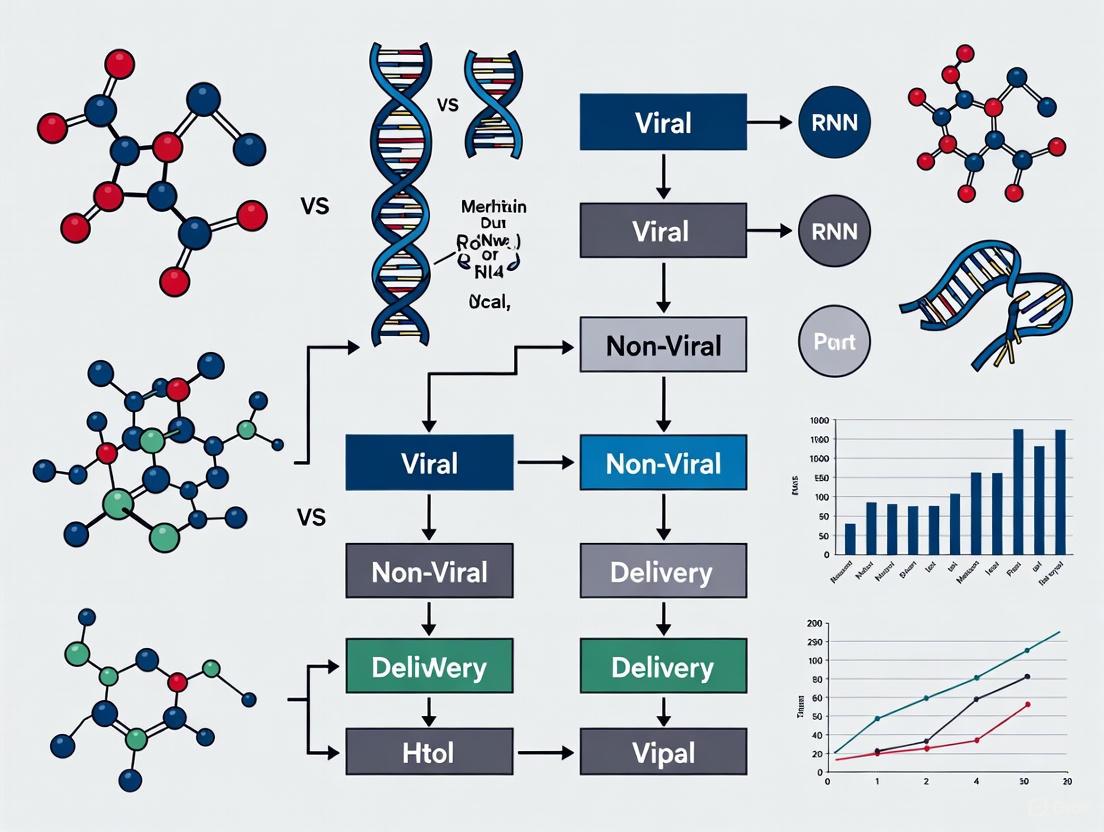
This article provides a definitive comparison of viral and non-viral methods for delivering the CRISPR/Cas9 system, tailored for researchers and drug development professionals.
Viral vs. Non-Viral CRISPR Delivery: A Comprehensive Guide for Therapeutic Development
Abstract
This article provides a definitive comparison of viral and non-viral methods for delivering the CRISPR/Cas9 system, tailored for researchers and drug development professionals. It covers the foundational mechanisms of leading delivery platforms, their specific applications in research and clinical settings, and strategic optimization for challenging cell types. The content synthesizes the latest preclinical and clinical data, including 2025 trial updates, to offer a validated, comparative framework for selecting the optimal delivery strategy to maximize editing efficiency, ensure safety, and accelerate therapeutic translation.
Understanding the CRISPR Delivery Landscape: Cargo, Vehicles, and Core Mechanisms
The therapeutic application of CRISPR-Cas9 technology is fundamentally constrained by a single, pivotal challenge: delivery. The efficacy and safety of genome editing are dictated not only by the choice of viral or non-viral delivery methods but also by the form in which the CRISPR machinery is ferried into the cell—DNA, mRNA, or Ribonucleoprotein (RNP) [1] [2] [3]. Each cargo form presents a unique profile of editing kinetics, durability, and biosafety, making the selection a critical determinant in experimental and therapeutic design [1] [4]. This guide provides an objective comparison of these three cargo forms, situating them within the broader context of delivery vectors to aid researchers in making informed decisions for their specific applications.
Comparative Analysis of Cargo Forms
The table below summarizes the core characteristics, advantages, and disadvantages of the three primary CRISPR cargo forms.
Table 1: Comprehensive Comparison of CRISPR Cargo Forms
| Feature | DNA (Plasmid) | mRNA | Ribonucleoprotein (RNP) |
|---|---|---|---|
| Cargo Composition | Plasmid encoding Cas9 and sgRNA [2] [4] | mRNA encoding Cas9 + separate sgRNA [2] | Pre-assembled complex of Cas9 protein and sgRNA [2] [5] |
| Key Advantage(s) | Cost-effective; stable; enables long-term expression [1] [4] | No risk of genomic integration;瞬时 expression; reduced off-targets vs. DNA [1] [6] | Immediate activity; highest specificity; lowest off-target effects; no genetic material delivered [2] [5] [6] |
| Primary Disadvantage(s) | High off-target effects; risk of random integration into host genome; cytotoxicity; requires nuclear entry [1] [2] [6] | Relatively unstable; can trigger immune responses; requires in vivo translation [1] [3] | More complex production and delivery; shorter editing window [1] [5] |
| Editing Kinetics | Slow (requires transcription and translation) [6] | Moderate (requires translation only) [1] | Fast (immediately active) [2] [6] |
| Persistence of Editing | Long-lasting (high risk of prolonged, unregulated activity) [1] [6] | Transient (short half-life) [1] | Very transient (degrades rapidly after delivery) [6] |
| Typical Editing Efficiency | Variable and can be low [6] | High [1] | High to very high [5] [6] |
| Cytotoxicity | Higher (especially with transfection reagents) [6] | Moderate [1] | Lower [5] [6] |
| Ideal Use Case | Stable cell line generation; research requiring sustained Cas9 expression [6] | In vivo therapies where transient activity is desirable (e.g., liver-targeting) [1] [7] | Therapeutic applications requiring high precision; hard-to-transfect cells (e.g., primary cells, stem cells) [5] [6] |
Interaction with Delivery Methods
The choice of cargo form is intrinsically linked to the selection of a delivery vehicle, which can be broadly categorized into viral and non-viral systems.
Viral Vector Delivery
Viral vectors are engineered viruses that efficiently infect cells. Their compatibility with different cargo forms is largely constrained by packaging capacity and safety.
- Adeno-Associated Viruses (AAVs): Primarily used for DNA cargo delivery [1] [2]. AAVs are favored for their low immunogenicity and tissue tropism but have a severe limitation: a packaging capacity of only ~4.7 kb [1] [2]. The commonly used SpCas9 gene is already接近 this limit, making it difficult to package additional components like sgRNA and donor DNA. Strategies to overcome this include using smaller Cas orthologs (e.g., SaCas9) or dual-AAV systems [2].
- Lentiviruses (LVs): Also used for DNA delivery, LVs can integrate into the host genome, which poses a significant safety risk for CRISPR therapies due to potential insertional mutagenesis and sustained Cas9 expression leading to elevated off-target effects [1] [2].
- Adenoviruses (AdVs): Suited for DNA delivery with a much larger packaging capacity (~36 kb) than AAVs, but their use can be limited by pre-existing immunity and stronger immune responses in hosts [2].
Non-Viral Delivery
Non-viral methods have gained prominence due to their improved safety profiles, scalability, and flexibility in delivering all cargo forms.
- Lipid Nanoparticles (LNPs): These are the leading platform for in vivo delivery of mRNA and RNP [1] [7]. LNPs protect their cargo from degradation and facilitate cellular uptake. They are particularly effective for liver-targeted therapies, as seen in clinical trials for hereditary transthyretin amyloidosis (hATTR) and hereditary angioedema, where CRISPR-mRNA LNPs achieved >90% and 86% reduction in disease-causing proteins, respectively [7]. A key advantage is the potential for re-dosing, which is difficult with viral vectors due to immune responses [7].
- Polymeric Nanoparticles: Cationic polymers can form stable complexes with nucleic acids or proteins. A recent study used a cationic hyper-branched cyclodextrin-based polymer (Ppoly) to deliver RNP complexes, achieving a remarkable 50% knock-in efficiency in CHO-K1 cells with low cytotoxicity [5].
- Virus-Like Particles (VLPs): VLPs are engineered capsids that lack viral genetic material, making them non-integrating and safer. They are emerging as a promising vehicle for delivering pre-assembled RNP complexes [1] [2].
- Electroporation: This physical method is highly effective for ex vivo delivery, particularly for RNP complexes into immune cells or stem cells, as it avoids the need for a carrier vector and minimizes off-target effects [6].
Experimental Data and Protocols
Quantitative Performance Comparison
The following table synthesizes key quantitative findings from recent studies, highlighting the performance differences between cargo forms and delivery systems.
Table 2: Experimental Data from Recent CRISPR Delivery Studies
| Cargo Form | Delivery Vehicle | Cell Type / Model | Key Performance Metric | Result | Citation |
|---|---|---|---|---|---|
| RNP | Cationic Cyclodextrin Polymer (Ppoly) | CHO-K1 cells | GFP Knock-in Efficiency | 50% | [5] |
| RNP | Commercial Reagent (CRISPRMAX) | CHO-K1 cells | GFP Knock-in Efficiency | 14% | [5] |
| RNP | Cationic Cyclodextrin Polymer (Ppoly) | CHO-K1 cells | Cell Viability | >80% | [5] |
| mRNA | LNP (Clinical Trial) | Human (hATTR patients) | Serum TTR Reduction | ~90% (sustained) | [7] |
| mRNA | LNP (Clinical Trial) | Human (HAE patients) | Kallikrein Reduction | 86% (high dose) | [7] |
| DNA (Plasmid) | N/A | Immortalized cell lines | Overall Experimental Duration | Baseline | [6] |
| RNP | N/A | Immortalized cell lines | Overall Experimental Duration | Reduced by 50% | [6] |
| RNP | LNP-Spherical Nucleic Acid (SNA) | Human & animal cell lines | Gene-Editing Efficiency | 3x increase vs. standard LNP | [8] |
Detailed Experimental Protocol: RNP Delivery via Cyclodextrin Polymer
The following workflow and protocol detail the method used to achieve high knock-in efficiency with RNP cargo, as referenced in [5].
Protocol Steps:
- RNP Complex Preparation: Pre-assemble the ribonucleoprotein complex by incubating purified Cas9 protein with in vitro-transcribed sgRNA at a optimal molar ratio in a suitable buffer. Incubate for 10-20 minutes at room temperature to allow the complex to form fully [5] [6].
- Donor DNA Preparation: Instead of a circular plasmid, use a linearized double-stranded DNA (dsDNA) donor template. The donor should contain the gene of interest (e.g., GFP) flanked by homology arms (1,000 base pairs in the cited study) that are homologous to the target genomic locus [5].
- Nanoparticle Complexation: Mix the pre-assembled RNP complexes with the cationic hyper-branched cyclodextrin-based polymer (Ppoly). The positive charges on the polymer electrostatically interact with the negative charges of the RNP and nucleic acids, leading to the formation of stable nanoparticles with over 90% encapsulation efficiency [5].
- Cell Transfection: Deliver the RNP/Ppoly complexes and the linearized donor DNA into the target cells (e.g., CHO-K1). The cited study used this mixture without specifying a further commercial transfection reagent, suggesting the Ppoly itself facilitates delivery [5].
- Post-Transfection Culture and Analysis:
- Culture the transfected cells and subject them to antibiotic selection to enrich for successfully edited cells.
- Isolve single-cell clones to establish pure populations.
- Validate precise genomic integration via junction PCR and sequencing to confirm the correct knock-in of the target gene [5].
The Scientist's Toolkit: Key Research Reagents
This table lists essential materials and their functions for executing CRISPR experiments, particularly those involving RNP delivery.
Table 3: Essential Reagents for CRISPR RNP Experiments
| Reagent / Material | Function | Example & Notes |
|---|---|---|
| Cas9 Nuclease | The enzyme that cuts the target DNA. | Purified S. pyogenes Cas9 protein is standard. Smaller variants (SaCas9) are available for size-restricted delivery [2]. |
| sgRNA | Synthetic guide RNA that directs Cas9 to the target sequence. | Chemically synthesized, high-purity sgRNA can be modified to enhance stability and reduce immune responses [6]. |
| Cationic Delivery Polymer | Forms nanoparticles with CRISPR cargo, protecting it and facilitating cell entry. | Cationic hyper-branched cyclodextrin-based polymer (Ppoly) [5]. Other options include polyethylenimine (PEI). |
| Linear Donor DNA Template | Provides the DNA sequence for precise integration via HDR. | In vitro-linearized dsDNA with long homology arms (e.g., 1kb) to enhance HDR efficiency [5]. |
| Cell Culture Reagents | Supports the growth and maintenance of target cells. | Cell-specific media and supplements. For primary cells, use specialized media formulations [6]. |
| Transfection Reagent / Electroporator | Physically or chemically delivers cargo into cells. | Chemical reagents for polymer-based delivery; Electroporation systems (e.g., Neon, Amaxa) for hard-to-transfect cells [5] [6]. |
| (S)-3-Hydroxylauroyl-CoA | (S)-3-Hydroxylauroyl-CoA, MF:C33H58N7O18P3S, MW:965.8 g/mol | Chemical Reagent |
| 9-methylnonadecanoyl-CoA | 9-methylnonadecanoyl-CoA, MF:C41H74N7O17P3S, MW:1062.1 g/mol | Chemical Reagent |
The choice between DNA, mRNA, and RNP cargo is a fundamental decision that directly impacts the success and safety of a CRISPR experiment or therapy. DNA is stable and cost-effective but carries the highest safety risks. mRNA offers a safer profile with transient activity and is well-suited for non-viral in vivo delivery via LNPs. RNP complexes represent the pinnacle of precision, with immediate activity, minimal off-target effects, and no risk of genomic integration, making them ideal for sensitive therapeutic applications [1] [2] [6].
The ongoing synergy between cargo engineering and delivery vector development—exemplified by advanced LNPs [7], novel polymers [5], and nanostructures like LNP-SNAs [8]—continues to overcome the historical barriers of efficiency and specificity. As the field progresses, the selection of the optimal cargo-vehicle combination will remain the cornerstone of effective CRISPR-based research and medicine.
The advent of CRISPR-Cas9 technology has revolutionized biological research and therapeutic development, enabling precise genome editing with unprecedented accuracy and efficiency. A critical factor determining the success of any CRISPR experiment or therapy is the delivery method used to introduce editing components into target cells. Delivery strategies are broadly categorized into viral and non-viral systems, each with distinct advantages and limitations. Viral vectors, engineered from viruses, have emerged as powerful tools due to their high transduction efficiency and ability to target specific cell types. Among these, lentivirus (LV), adeno-associated virus (AAV), and adenovirus (AdV) have become the most widely utilized platforms in both basic research and clinical applications. This guide provides a detailed, objective comparison of these three prominent viral vectors, focusing on their performance in delivering CRISPR cargo, to inform researchers and drug development professionals in selecting the optimal system for their specific experimental or therapeutic goals.
Vector Fundamentals and Key Characteristics
The following table summarizes the core properties of lentivirus, AAV, and adenovirus, providing a foundational comparison for researchers.
| Characteristic | Lentivirus (LV) | Adeno-Associated Virus (AAV) | Adenovirus (AdV) |
|---|---|---|---|
| Virus Type | Enveloped RNA virus (Retrovirus) [9] | Non-enveloped, single-stranded DNA virus [2] [10] | Non-enveloped, double-stranded DNA virus [2] |
| Genomic Integration | Integrates into host genome [2] [9] | Primarily persists as episomal DNA [2] [10] | Non-integrating [2] [9] |
| CRISPR Cargo Capacity | High (~8-10 kb) [2] [9] | Low (~4.7 kb) [2] [11] [12] | Very High (up to ~36 kb) [2] |
| Typical Expression Kinetics | Long-term, stable [2] | Long-term, sustained [10] | Short-term, transient [9] |
| Immunogenicity | Moderate [9] | Low, mild immune responses [2] [11] | High, strong immune response [2] [9] |
| Production Complexity | Complex [9] | Complex [9] | Complex, but high titers possible [2] |
Performance Comparison for CRISPR Delivery
When applied to CRISPR genome editing, the fundamental characteristics of each vector translate directly into experimental performance. The table below compares key performance metrics critical for experimental planning.
| Performance Metric | Lentivirus (LV) | Adeno-Associated Virus (AAV) | Adenovirus (AdV) |
|---|---|---|---|
| Typical Editing Efficiency | High [13] | Moderate [13] | Moderate [13] |
| Risk of Off-Target Effects | Higher (due to persistent Cas9 expression) [2] | Lower (expression can be tuned) [2] | Variable (transient expression reduces risk) [9] |
| Ideal Application Context | In vitro studies, ex vivo cell engineering (e.g., CAR-T, HSCs) [2] [9] [13] | In vivo gene therapy, preclinical disease models, CNS and retinal applications [2] [11] [10] | In vivo delivery requiring large cargo, vaccination, oncology research [2] [9] |
| Key CRISPR Delivery Challenge | Insertional mutagenesis risk; persistent Cas9 expression increases off-target potential [2] [9] | Limited payload capacity requires small Cas9 variants or dual-vector systems [2] [11] [12] | Strong immune response triggers inflammation and limits re-administration [2] [9] |
| Common CRISPR Cargo Format | DNA plasmid encoding Cas9 and gRNA [2] | DNA encoding small Cas9 variants and gRNA, or separate vectors for Cas9 and gRNA [2] [13] | DNA plasmid encoding Cas9 and gRNA, or large editors like base/prime editors [2] |
Experimental Workflow for Viral Vector Production and Use
Producing and utilizing viral vectors for CRISPR delivery follows a multi-stage process. The diagram below outlines the generalized workflow from vector design to experimental application.
Detailed Experimental Protocols
1. Vector Design and Cloning:
- CRISPR Cargo Selection: The CRISPR machinery can be delivered as a DNA plasmid encoding both Cas9 and guide RNA (gRNA), as mRNA for Cas9 with a separate gRNA, or as a pre-assembled Ribonucleoprotein (RNP) complex. Viral vectors typically deliver DNA cargos [2] [13].
- Plasmid Construction: For lentiviruses, the CRISPR expression cassette (e.g., Cas9 gene under a strong promoter like CMV and gRNA under a U6 promoter) is cloned into a lentiviral transfer vector. For AAV, the cassette must be under 4.7 kb, often requiring the use of compact promoters and/or smaller Cas9 orthologs (e.g., SaCas9) [12] [13]. Adenoviral vectors can accommodate large constructs with standard SpCas9 [2].
- Component Segregation (for AAV): To overcome AAV's payload limit, a common strategy is to package Cas9 and the gRNA into two separate AAVs. Cells are then co-transduced, and successful co-infection is screened for functional editing [2].
2. Viral Particle Production:
- Lentivirus: The transfer vector is co-transfected into a packaging cell line (e.g., HEK293T) with packaging plasmids (e.g., psPAX2) and an envelope plasmid (e.g., pMD2.G for VSV-G pseudotyping). Supernatant containing viral particles is collected after 48-72 hours [2] [14].
- AAV: The transfer vector and a rep/cap packaging plasmid are transfected into HEK293 cells. A helper plasmid or adenovirus provides essential genes for AAV replication. Cells are harvested after 48-72 hours, and viruses are purified via ultracentrifugation or chromatography [10].
- Adenovirus: Production typically involves transfection of a linearized adenoviral plasmid or homologous recombination in permissive cells like HEK293. Viruses are then amplified and purified using cesium chloride gradient centrifugation or column-based methods [2].
3. Transduction and Analysis:
- Titration: Vector titers are determined before use (e.g., by qPCR for genomic titer). The appropriate Multiplicity of Infection (MOI) is determined empirically for each cell type.
- Transduction: Target cells are incubated with the viral vector. For in vivo delivery, administration routes are chosen based on the viral tropism (e.g., intravenous for AAV9, subretinal for retinal targeting AAVs) [10] [13].
- Efficiency and Safety Assessment:
- Editing Efficiency: Genomic DNA is harvested from transduced cells. The target locus is amplified by PCR and analyzed by T7 Endonuclease I assay, TIDE, or next-generation sequencing to quantify indel percentages [15].
- Off-Target Analysis: Potential off-target sites are predicted bioinformatically and analyzed by targeted sequencing. RNP delivery via other methods is noted for having reduced off-target effects compared to prolonged viral expression [2] [16].
- Immunogenicity: In vivo, immune responses are monitored by measuring cytokine levels and the presence of neutralizing antibodies against the viral capsid or the Cas9 protein itself [15].
The Scientist's Toolkit: Essential Research Reagents
Successful implementation of viral vector-based CRISPR experiments requires a suite of specialized reagents and materials. The table below details key solutions and their functions.
| Reagent / Material | Function and Application Notes |
|---|---|
| Packaging Cell Lines | HEK293T cells are the workhorse for producing lentiviral, AAV, and adenoviral particles due to their high transfection efficiency and provision of necessary viral functions [2]. |
| Transfer and Packaging Plasmids | Plasmids are used to engineer viral vectors. These include the transfer vector (containing the CRISPR cargo), packaging plasmids (providing structural and replication genes), and the envelope plasmid (determining tropism, e.g., VSV-G) [2] [13]. |
| Purification Kits/Reagents | Cesium chloride gradients or commercial chromatography kits are essential for purifying and concentrating viral particles from cell lysates or supernatants to achieve high titers [2]. |
| Titer Quantification Assays | qPCR kits quantify vector genome copies (genomic titer). ELISA kits against viral proteins (e.g., p24 for lentivirus) measure physical particle concentration [15]. |
| Cell Type-Specific Media | Specialized media is critical for maintaining the viability of primary cells (e.g., hematopoietic stem cells) during ex vivo transduction, often supplemented with cytokines to enhance engraftment potential [9] [16]. |
| D-(+)-Cellotetraose Tetradecaacetate | D-(+)-Cellotetraose Tetradecaacetate, MF:C52H70O35, MW:1255.1 g/mol |
| (10Z,13Z,16Z)-docosatrienoyl-CoA | (10Z,13Z,16Z)-docosatrienoyl-CoA, MF:C43H72N7O17P3S, MW:1084.1 g/mol |
Lentivirus, AAV, and adenovirus each occupy a distinct niche in the CRISPR delivery landscape. Lentiviral vectors are unparalleled for ex vivo applications requiring permanent genetic modification, such as the generation of engineered cell therapies. AAV vectors stand out as the leading platform for in vivo gene therapy due to their excellent safety profile and long-term, tissue-specific expression, despite cargo constraints. Adenoviral vectors offer a potent solution for applications demanding high transient expression of large or complex CRISPR cargos, though their clinical use is tempered by significant immunogenicity.
The choice between them is not a matter of superiority but of strategic alignment with experimental objectives. Researchers must weigh factors such as the target cell type, required duration of editing, cargo size, and safety considerations. As the field advances, the convergence of viral vector engineering with emerging non-viral methods like lipid nanoparticles (LNPs) and virus-like particles (VLPs) promises to overcome existing limitations, paving the way for more precise, efficient, and safer CRISPR-based therapeutics [2] [17] [15].
The Clustered Regularly Interspaced Short Palindromic Repeats (CRISPR)-Cas9 system has revolutionized biological science, enabling precise genome editing with unprecedented accuracy and efficiency for studying gene function, modifying crops, and developing treatments for genetic disorders [13]. However, a primary obstacle that requires attention is the transportation of CRISPR-Cas components into the nucleus of target cells to render them suitable for clinical implementation [18]. Delivery systems for CRISPR-Cas9 broadly fall into two categories: viral and non-viral vectors. While viral vectors (such as AAV, lentivirus, and adenovirus) offer high transduction efficiency, they present significant challenges including immunogenicity, insertional mutagenesis risks, limited cargo capacity, and difficulties in large-scale production [9] [19] [3].
Non-viral delivery systems have emerged as promising alternatives to overcome these limitations, offering superior safety profiles, reduced immunogenicity, scalability for manufacturing, and structural reconfigurability to accommodate various cargo sizes [19]. These advantages have propelled increased research investment, with the non-viral drug delivery systems market projected to grow from USD 9.23 billion in 2025 to USD 23.10 billion by 2032, reflecting a compound annual growth rate of 14.00% [20]. This review provides a comprehensive comparison of two major non-viral delivery categories—physical methods and nanoparticle-based systems—focusing on their performance characteristics, experimental protocols, and applications within CRISPR research.
Physical Delivery Methods
Physical methods deliver CRISPR components directly into cells by temporarily disrupting the cell membrane, allowing the cargo to enter the cytoplasm through physical forces rather than biological or chemical interactions [21]. These techniques are particularly valuable for in vitro applications and ex vivo gene editing.
Mechanism and Workflow
Physical methods function by creating transient pores in the cell membrane through various physical forces. Electroporation applies controlled electrical pulses to cells in suspension, inducing temporary permeability by creating nanopores in the lipid bilayer [13]. Microinjection uses fine glass capillaries to mechanically inject CRISPR components directly into individual cells under microscopic guidance [9]. The general workflow involves: (1) preparing cells in appropriate buffer systems, (2) mixing cells with CRISPR cargo (DNA, mRNA, or RNP), (3) applying the specific physical force to facilitate cargo entry, and (4) recovering cells in fresh culture medium to allow membrane repair and gene editing to occur [13].
The following diagram illustrates the decision pathway for selecting appropriate physical delivery methods based on experimental requirements:
Comparative Performance Analysis
Physical delivery methods vary significantly in their efficiency, applications, and cellular impact. The table below summarizes key performance characteristics based on current experimental data:
Table 1: Performance Comparison of Physical Delivery Methods for CRISPR Components
| Method | Optimal Cargo Format | Efficiency Range | Primary Applications | Cell Viability Impact | Technical Complexity |
|---|---|---|---|---|---|
| Electroporation | RNP, mRNA | 70-90% (varies by cell type) [13] | Ex vivo editing of hematopoietic stem cells, T-cells, clinical applications (e.g., Casgevy) [13] | Moderate to high toxicity (30-60% cell death) [13] | Moderate (specialized equipment required) |
| Microinjection | RNP, mRNA | >80% (per injected cell) [9] | Zygote editing, transgenic animal creation, single-cell studies [9] | Technically demanding (requires skilled operator) | High (single-cell precision) |
Experimental Protocol: Electroporation for RNP Delivery
The following detailed protocol for delivering CRISPR ribonucleoprotein (RNP) complexes via electroporation is adapted from methods used in clinical trials, including the approved therapy Casgevy for sickle cell anemia [13]:
RNP Complex Formation: Incubate purified Cas9 protein with synthetic guide RNA at a molar ratio of 1:1.2 in a nuclease-free buffer. Incubate at 25°C for 10-20 minutes to allow complex formation [22].
Cell Preparation: Harvest and wash the target cells (e.g., hematopoietic stem cells, T-cells) with appropriate buffer. Resuspend cells at a concentration of 10-20 million cells per mL in electroporation buffer. Keep cells on ice until electroporation.
Electroporation Setup: Mix the cell suspension with pre-formed RNP complexes (typically 1-10µg RNP per 100,000 cells). Transfer the cell-RNP mixture to an electroporation cuvette with the appropriate gap size (usually 2-4mm).
Pulse Parameters: Apply one or more electrical pulses using optimized parameters. For primary human T-cells, typical parameters include: voltage 1500-2000V, pulse width 10-20ms, 1-3 pulses [13]. Specific parameters must be optimized for each cell type.
Post-Electroporation Recovery: Immediately transfer electroporated cells to pre-warmed complete culture medium. Incubate at 37°C with 5% CO₂ for 10-15 minutes before further processing or analysis.
Editing Assessment: Analyze editing efficiency 48-72 hours post-electroporation using T7 endonuclease assay, tracking of indels by decomposition (TIDE), or next-generation sequencing.
Nanoparticle-Based Delivery Systems
Nanoparticle-based systems represent the second major category of non-viral CRISPR delivery, utilizing engineered nanocarriers to package and transport CRISPR components into cells through biological uptake mechanisms [3] [21]. These systems are particularly promising for in vivo applications where physical methods are impractical.
Classification and Design Principles
Nanoparticle delivery systems for CRISPR can be categorized by their composition and structural properties. Lipid nanoparticles (LNPs) are the most advanced clinically, consisting of ionizable lipids, phospholipids, cholesterol, and PEG-lipids that self-assemble into vesicles around CRISPR cargo [2] [22]. Polymeric nanoparticles use cationic polymers such as polyethyleneimine (PEI) or biodegradable poly(lactic-co-glycolic acid) (PLGA) to complex with nucleic acids through electrostatic interactions [19]. Inorganic nanoparticles including gold, silica, and metal-organic frameworks offer tunable surface chemistry and responsive release properties [21]. Extracellular vesicles (EVs) are natural lipid nanoparticles derived from cells that inherently possess biocompatibility and tissue-homing capabilities [2].
The design of effective nanoparticle systems must address multiple biological barriers, including: (1) protection of CRISPR cargo from degradation during circulation, (2) efficient cellular uptake through endocytosis, (3) endosomal escape to prevent lysosomal degradation, and (4) intracellular release of functional CRISPR components [3] [21]. Advanced "smart" nanoparticles incorporate stimuli-responsive elements that release their cargo in response to specific intracellular triggers such as pH changes, redox potential, or enzyme activity [3].
Performance Comparison of Nanoparticle Platforms
The editing efficiency and application suitability of nanoparticle systems vary significantly based on their composition, size, and surface properties. The table below provides a comparative analysis of major nanoparticle platforms:
Table 2: Performance Comparison of Nanoparticle Delivery Systems for CRISPR
| Nanoparticle Type | Optimal Cargo Format | Editing Efficiency Range | Targeting Capability | Biocompatibility | Clinical Translation Stage |
|---|---|---|---|---|---|
| Lipid Nanoparticles (LNPs) | mRNA, RNP | 30-60% in hepatocytes (in vivo) [23] | Moderate (SORT technology enables organ targeting) [2] | High (components FDA-approved) | Phase 1-3 trials for various indications |
| Gold Nanoparticles | RNP, DNA | 10-40% (in vitro) [21] | High (surface functionalization easy) | Excellent (inert core) | Preclinical development |
| Polymeric Nanoparticles | DNA, RNP | 15-50% (in vitro) [19] | Moderate to high (ligand conjugation possible) | Variable (cationic polymers can be cytotoxic) | Preclinical to early clinical |
| Extracellular Vesicles | mRNA, RNP | 20-45% (in vitro) [2] | High (inherent tissue tropism) | Excellent (natural origin) | Early-stage clinical trials |
Recent innovations have substantially improved nanoparticle performance. For instance, Northwestern University researchers developed lipid nanoparticle spherical nucleic acids (LNP-SNAs) that demonstrated threefold higher cellular entry and editing efficiency compared to standard LNPs across various human and animal cell types, including skin cells, white blood cells, and human bone marrow stem cells [23]. These structures feature a protective DNA shell that facilitates receptor-mediated uptake and enhances endosomal escape.
Experimental Protocol: LNP Formulation for mRNA Delivery
The following protocol details the preparation of LNPs encapsulating CRISPR-Cas9 mRNA and sgRNA using microfluidic mixing technology, based on methods with proven efficacy in preclinical models:
Lipid Mixture Preparation: Dissolve ionizable lipid, DSPC, cholesterol, and PEG-lipid at molar ratios (typically 50:10:38.5:1.5) in ethanol. The total lipid concentration should be 10-20 mM. Maintain mixture at 35-40°C to ensure complete dissolution [22].
Aqueous Phase Preparation: Dissolve CRISPR-Cas9 mRNA and sgRNA in citrate buffer (pH 4.0) at a concentration of 0.1-0.2 mg/mL. The mRNA and sgRNA should be in a 1:1 mass ratio. Maintain this aqueous phase at 35-40°C.
Nanoparticle Formation: Use a microfluidic device with staggered herringbone mixer architecture. Simultaneously pump the lipid solution and aqueous mRNA solution at a flow rate ratio of 3:1 (aqueous:organic) with total flow rate of 12 mL/min. Collect the effluent in a tube.
Buffer Exchange and Purification: Dialyze the formed LNPs against phosphate-buffered saline (PBS) at pH 7.4 for 4-6 hours at room temperature using a dialysis membrane with 100 kDa molecular weight cutoff. Alternatively, use tangential flow filtration for larger volumes.
Characterization: Measure particle size and zeta potential using dynamic light scattering. Determine encapsulation efficiency using Ribogreen assay after particle disruption with 1% Triton X-100. Sterile filter through a 0.22µm membrane for cell culture or in vivo applications.
In Vivo Administration: For liver targeting, administer via intravenous injection at mRNA doses of 0.5-1 mg/kg. Editing efficiency peaks at 48-72 hours post-administration [23].
Advanced Nanoparticle Engineering Strategies
Stimuli-Responsive Systems for Controlled Release
Recent advances in nanoparticle engineering have focused on developing stimuli-responsive "smart" systems that activate only under specific conditions, enhancing precision and reducing off-target effects [3]. pH-responsive nanoparticles utilize ionizable lipids or polymers that become positively charged in acidic endosomal environments (pH 5.5-6.5), facilitating endosomal escape through the proton-sponge effect or membrane disruption [22]. Redox-responsive systems incorporate disulfide bonds that cleave in the reducing environment of the cytoplasm (high glutathione concentrations), triggering cargo release [3]. Enzyme-responsive nanoparticles are designed with linkers that degrade in the presence of specific intracellular enzymes (e.g., esterases, proteases) overexpressed in target cells [3].
The development of Selective Organ Targeting (SORT) nanoparticles represents a significant breakthrough in tissue-specific delivery. By incorporating supplemental SORT molecules into LNPs, researchers can precisely control organ tropism. For example, adding 20% 1,2-dioleoyl-3-trimethylammonium-propane (DOTAP) enables lung targeting, while 7.5% 1,2-distearyl-3-succinylglycerol (DSSG) directs particles to the spleen, and 15% 1,2-dimyristoyl-rac-glycero-3-methoxypolyethylene glycol-2000 (DMG-PEG) facilitates liver targeting [2].
The Scientist's Toolkit: Essential Research Reagents
Successful implementation of non-viral CRISPR delivery requires specific reagents and materials optimized for each platform. The following table details key research solutions and their functions:
Table 3: Essential Research Reagents for Non-Viral CRISPR Delivery Studies
| Reagent/Material | Function | Application Notes |
|---|---|---|
| Ionizable Lipids (e.g., DLin-MC3-DMA, SM-102) | Core component of LNPs that enables cargo encapsulation and endosomal escape [22] | Critical for in vivo applications; structure affects efficiency and toxicity |
| Cationic Polymers (e.g., PEI, PBA-rich polymers) | Condense nucleic acids through electrostatic interactions; facilitate cellular uptake [21] | Higher molecular weight PEI offers higher transfection but increased cytotoxicity |
| Gold Nanocarriers (e.g., nanorods, clusters) | Inorganic platform for RNP delivery; easily functionalized for targeting [21] | Protamine-capped clusters (~3.5nm) show 30% editing in U2OS-EGFP cells [21] |
| Electroporation Systems (e.g., Neon, Nucleofector) | Apply controlled electrical pulses for membrane disruption | Parameters must be optimized for each cell type; high viability impact |
| Purified Cas9 Protein | RNP complex formation for direct delivery | Higher specificity and reduced off-target effects compared to nucleic acid delivery |
| Chemically Modified gRNA | Enhanced stability and reduced immunogenicity | 2'-O-methyl, phosphorothioate modifications improve editing efficiency [22] |
| 5b-Pregnane-3a,20a-diol-d5 | 5b-Pregnane-3a,20a-diol-d5, MF:C21H36O2, MW:325.5 g/mol | Chemical Reagent |
| 1,2-Diphenylethane-d4 | 1,2-Diphenylethane-d4, MF:C14H14, MW:186.28 g/mol | Chemical Reagent |
The optimal choice between physical methods and nanoparticle systems depends on specific research requirements, target cells, and application contexts. Physical methods, particularly electroporation, offer high efficiency for ex vivo applications where cell viability impact can be managed, as demonstrated by clinically approved therapies. Nanoparticle systems provide a versatile platform for in vivo applications, with continuing innovations enhancing their efficiency, specificity, and safety profiles.
Emerging technologies such as LNP-SNAs that combine structural advantages with functional delivery components [23] and stimuli-responsive systems that enable spatiotemporal control of editing activity [3] represent the next frontier in non-viral CRISPR delivery. As these technologies mature, they will expand the therapeutic potential of CRISPR-based interventions across a broader range of genetic disorders, infectious diseases, and cancer applications.
Researchers should consider the following key factors when selecting a delivery system: (1) target cell type and accessibility, (2) required editing efficiency, (3) tolerable off-target effects, (4) scalability needs, and (5) regulatory pathway for intended application. By strategically matching delivery platforms to specific research goals, scientists can maximize the potential of CRISPR-based genome editing while mitigating the limitations associated with each method.
Key Molecular and Cellular Barriers to Efficient Delivery
The remarkable potential of CRISPR-based gene therapy is fundamentally constrained by a single, significant challenge: the efficient delivery of editing machinery to target cells. The journey from administration to successful genomic modification is fraught with numerous biological hurdles that can degrade, misdirect, or hinder therapeutic cargo. Within the ongoing scientific discussion of viral versus non-viral delivery methods, understanding these barriers is paramount for developing safe and effective treatments. This guide provides a structured comparison of these barriers, objectively examining how leading viral and non-viral delivery platforms perform against these challenges, supported by current experimental data and protocols.
Cellular Journey and Key Barriers
The path to successful gene editing is a complex cellular journey. The following diagram maps the critical pathways and barriers that delivery vehicles and their cargo must navigate, from initial administration to final genomic action.
Viral vs. Non-Viral Delivery: A Barrier-Based Comparison
The choice between viral and non-viral delivery systems involves significant trade-offs. Each platform interacts differently with the cellular barriers outlined above, leading to distinct performance profiles in transduction efficiency, cargo capacity, immunogenicity, and editing kinetics.
Table 1: Performance Comparison of Viral vs. Non-Viral Delivery Platforms
| Feature | Adeno-Associated Viruses (AAVs) | Lentiviruses (LVs) | Lipid Nanoparticles (LNPs) | Electroporation |
|---|---|---|---|---|
| Primary Mechanism | Receptor-mediated endocytosis [24] | Receptor-mediated fusion & endocytosis [24] | Membrane fusion & endocytosis [2] | Physical membrane disruption [25] |
| Transduction Efficiency | High in permissive cells [24] | High in dividing/non-dividing cells [2] | Variable; high in liver [7] [26] | Very high in vitro [25] |
| Cargo Capacity | Low (~4.7 kb) [2] | High (≥8 kb) [2] | High (varies with formulation) [26] | High (RNP, mRNA, DNA) [2] |
| Immunogenicity | Moderate; pre-existing immunity, capsid response [24] | Moderate; immune response to viral components [2] | Low; infusion reactions, but no viral antigens [7] | N/A (ex vivo) |
| Genome Integration | No; predominantly episomal [24] | Yes; random integration [2] | No; transient expression [26] | No; transient expression (RNP/mRNA) [25] |
| Editing Kinetics/Duration | Slow onset; long-term expression (months/years) [24] | Slow onset; long-term expression [2] | Rapid onset (hours); transient (days) [26] [2] | Rapid onset (hours); transient (days) [2] |
| Key Manufacturing Consideration | Scalable production; capsid purity critical [24] | Scalable production; safety testing for replication-competent LVs [2] | Scalable, good manufacturing practice (GMP) production [7] | Primarily for ex vivo use; cell viability critical [25] |
Quantitative Data from Key Experiments
Direct, head-to-head comparisons provide the most objective basis for platform selection. The following table summarizes critical experimental data quantifying the performance of different delivery systems.
Table 2: Experimental Data from Comparative Delivery Studies
| Study System | Cargo Format | Key Quantitative Results | Reported Off-Target Effects | Reference |
|---|---|---|---|---|
| LNP (mRNA/sgRNA) vs. LNP (RNP) in vivo in mice | Cas9 mRNA + sgRNA vs. Cas9 RNP | mRNA LNP: ~60% editing in hepatocytes.RNP LNP: No detectable in vivo editing [26]. | Not specified in this study [26]. | Eur J Pharm Biopharm. 2024 [26] |
| LNP for hATTR (Phase I Trial) | Cas9 mRNA + sgRNA (LNP) | ~90% reduction in serum TTR protein sustained at 2-year follow-up [7]. | No serious side effects; mild/moderate infusion reactions common [7]. | N Engl J Med. 2024 [7] |
| LNP for HAE (Phase I/II Trial) | Cas9 mRNA + sgRNA (LNP) | 86% reduction in kallikrein; 8 of 11 high-dose participants attack-free [7]. | Not specifically reported [7]. | N Engl J Med. 2024 [7] |
| AAV for LCA10 (Clinical Trial EDIT-101) | SaCas9 + sgRNA (AAV5) | Successful delivery and editing; trial milestone achieved [27]. | No serious safety concerns in initial patient [27]. | Nat Commun. 2025 [27] |
| Electroporation (Ex vivo T-cell editing) | CRISPR-Cas9 RNP | High knockout efficiency (>70% in primary T-cells) [25]. | Lower off-targets vs. plasmid DNA transfection [2]. | Ann Biomed Eng. 2012 [25] |
Detailed Experimental Protocol: LNP-Mediated mRNA vs. RNP Delivery
The following protocol details a direct comparison between two non-viral LNP delivery formats, providing a methodology for generating quantitative performance data.
Objective: To quantitatively compare the gene editing efficiency and biodistribution of LNPs loaded with Cas9 mRNA and sgRNA versus LNPs loaded with pre-complexed Cas9 Ribonucleoprotein (RNP) in vitro and in vivo [26].
Materials and Reagents:
- CRISPR Components: Cas9 mRNA, target-specific sgRNA, single-stranded DNA HDR template (if applicable), purified Cas9 protein for RNP formation.
- Lipid Mixture: Ionizable cationic lipid, phospholipid, cholesterol, PEG-lipid [26].
- Cells: HEK293T reporter cells, HEPA 1-6 cells [26].
- Animals: Ai9 reporter mice [26].
- Formulation Buffer: Aqueous buffer (e.g., citrate, acetate) for RNA/RNP encapsulation.
Methodology:
- LNP Formulation:
- mRNA/sgRNA LNPs: Prepare lipid mixture in ethanol. Mix Cas9 mRNA and sgRNA in aqueous buffer at a defined ratio. Combine aqueous and ethanol phases using microfluidics or T-tube mixing to form particles. Dialyze against PBS to remove ethanol [26].
- RNP LNPs: Pre-complex Cas9 protein and sgRNA to form RNP complexes. Encapsulate the pre-formed RNP complexes into LNPs using the same mixing technique as above [26].
In Vitro Characterization:
In Vitro Transfection and Editing Assessment:
- Treat HEK293T and HEPA 1-6 cells with both LNP formulations.
- Viability: Measure 48-72 hours post-transfection using a metabolic assay (e.g., MTT, CellTiter-Glo).
- Editing Efficiency: Analyze 3-5 days post-transfection. For reporter cells, use flow cytometry. For endogenous loci, use next-generation sequencing (NGS) of PCR-amplified target regions or T7E1 assay [26].
In Vivo Biodistribution and Editing:
- Systemically administer both LNP formulations to Ai9 mice via tail-vein injection.
- Biodistribution: Image mice at 24h and 48h post-injection using an in vivo imaging system (IVIS) if using fluorescently labeled LNPs. Alternatively, quantify organ accumulation via qPCR for the CRISPR payload in harvested tissues (liver, spleen, lungs) [26].
- In Vivo Editing Efficiency: Harvest tissues 7 days post-injection. Isolate genomic DNA from liver, spleen, and lungs. Quantify indel percentage at the target locus using NGS [26].
The Scientist's Toolkit: Essential Reagents and Materials
Success in navigating delivery barriers depends on a suite of specialized reagents and tools.
Table 3: Key Research Reagent Solutions for CRISPR Delivery Studies
| Reagent/Material | Function | Example Application |
|---|---|---|
| Ionizable Cationic Lipids | Forms the core of LNPs, encapsulates nucleic acids, promotes endosomal escape [2]. | In vivo mRNA/sgRNA delivery to the liver [7] [26]. |
| AAV Serotypes (e.g., AAV5, AAV9) | Determines tissue tropism; different capsids bind distinct cell surface receptors [24]. | AAV5 for retinal cells (EDIT-101); AAV9 for CNS targeting [27]. |
| Purified Cas9 Protein | Enables formation of pre-complexed RNP for delivery, reducing off-target effects and enabling immediate activity [2]. | Ex vivo editing of primary T-cells via electroporation [25]. |
| Chemically Modified mRNA | Enhances stability, reduces immunogenicity, and improves translation efficiency of the Cas9 nuclease [2]. | LNP-based in vivo therapies (e.g., hATTR, HAE trials) [7]. |
| HDR Template | Provides the DNA template for precise gene correction or insertion via homology-directed repair. | Can be co-encapsulated in LNPs or delivered via AAVs for precise editing [26]. |
| Selective Organ Targeting (SORT) Molecules | A class of lipids engineered to alter LNP tropism, enabling delivery beyond the liver (e.g., to spleen, lungs) [2]. | Developing targeted LNPs for tissues outside the liver. |
| NHEJ Inhibitors | Small molecule inhibitors that tilt DNA repair toward the more precise HDR pathway, improving knock-in efficiency. | Enhancing precise gene correction in hematopoietic stem cells [28]. |
| Purine phosphoribosyltransferase-IN-1 | Purine phosphoribosyltransferase-IN-1, MF:C11H15N5Na4O10P2, MW:531.17 g/mol | Chemical Reagent |
| CIlastatin ammonium salt | CIlastatin ammonium salt, MF:C16H29N3O5S, MW:375.5 g/mol | Chemical Reagent |
The molecular and cellular barriers to efficient CRISPR delivery are formidable, yet the evolving toolkit of viral and non-viral platforms provides multiple paths to overcome them. The optimal choice is not universal but is dictated by the specific application. Viral vectors like AAVs offer high efficiency and longevity for in vivo gene disruption, while LNPs excel at transient, high-efficiency editing in hepatocytes with a superior safety profile. For ex vivo cell engineering, electroporation of RNP complexes remains the gold standard, offering high efficiency and control. Future progress hinges on developing next-generation delivery platforms with enhanced tissue specificity, reduced immunogenicity, and the capacity to deliver larger or more complex payloads, ultimately unlocking the full therapeutic potential of CRISPR gene editing.
Selecting a Delivery System: From In Vitro Models to In Vivo Therapies
In the rapidly advancing field of gene therapy and CRISPR research, viral vectors have established themselves as indispensable tools for the efficient delivery of genetic payloads into target cells. While newer non-viral methods are emerging, viral vectors remain the dominant delivery platform for both research and clinical applications, offering high transduction efficiency and sustained transgene expression. This guide provides an objective comparison of viral vector workflows, focusing on their application within the broader context of viral versus non-viral delivery methods for CRISPR-based research.
Viral vectors, including adeno-associated virus (AAV), lentivirus (LV), and adenovirus (AdV), serve as engineered vehicles to deliver CRISPR-Cas9 components—whether as DNA, mRNA, or ribonucleoprotein (RNP) complexes—into target cells [2]. Their use is particularly critical for in vivo applications where delivery efficiency and tissue-specific targeting are paramount. However, the selection of an appropriate vector requires careful consideration of multiple parameters, including packaging capacity, immunogenicity, and integration profile, which this guide examines through comparative data and experimental workflows.
Viral Vector Comparison: Key Characteristics and Applications
The selection of an appropriate viral vector requires careful consideration of multiple parameters. The table below provides a comparative overview of the most commonly used viral vectors in gene therapy and CRISPR research.
Table 1: Comparative Analysis of Major Viral Vector Systems
| Characteristic | Adeno-Associated Virus (AAV) | Lentivirus (LV) | Adenovirus (AdV) | Gamma-Retrovirus (γRV) |
|---|---|---|---|---|
| Packaging Capacity | ~4.7 kb [29] [30] | ~8 kb [2] | Up to 36 kb [2] | ~8 kb |
| Integration Profile | Predominantly non-integrating (episomal) [30] | Integrating [31] [30] | Non-integrating [31] | Integrating [31] |
| Transduction Efficiency | High for certain serotypes [31] | High in dividing and non-dividing cells [30] | High across immune cell types [31] | Requires actively proliferating cells [31] |
| Immunogenicity | Low [29] [30] | Moderate | High [31] [29] | Moderate |
| CRISPR Cargo Delivery | Limited by small capacity; requires compact Cas variants [2] | Suitable for larger CRISPR constructs [2] | Can deliver full CRISPR systems with ease [2] | Suitable for larger CRISPR constructs |
| Primary Applications | In vivo gene therapy (heart, liver, CNS) [30]; CRISPR delivery with size constraints | Ex vivo cell engineering (CAR-T, CAR-NK); in vivo applications [31] | Vaccines; transient expression needs; oncolytic therapy [31] | Early CAR-T therapies; ex vivo cell engineering [31] |
Viral Vector Production Workflows
Upstream Production Processes
The initial stage of viral vector production involves upstream processing to generate the viral particles. The most common approach uses transient transfection of HEK293 cells with multiple plasmids, which is effective but resource-intensive [32] [33]. For AAV production, this typically requires two or three plasmids, while lentivirus production often requires four plasmids [32].
Key considerations in upstream processing include:
- Cell Culture Systems: Industry is shifting from adherent cultures in multilayer vessels to suspension-based bioreactors for better scalability and control [32] [34]. Fixed-bed bioreactor systems offer a closed, automated alternative for adherent cell culture, reducing labor costs and improving vector yield consistency [32].
- Emerging Alternatives: Stable producer cell lines are being developed to eliminate the need for repeated plasmid transfection [32] [33]. These cell lines already express necessary viral components, requiring only induction for vector production. The baculovirus-insect cell (Sf9) system represents another alternative for AAV production, offering higher yields and simplified protocols [33].
Downstream Purification and Quality Control
Following upstream production, downstream processing is critical for isolating and purifying viral vectors while maintaining functionality.
- Purification Challenges: AAV vectors face issues with empty and full capsid separation, while lentiviral vectors are particularly sensitive to purification stresses due to their fragile lipid envelope [32] [30]. Purification typically involves multiple steps including affinity capture, anion-exchange chromatography, and ultracentrifugation [32].
- Quality Control Metrics: Essential quality attributes include vector titer, infectivity, identity, purity, and potency [31] [33]. Empty-to-full capsid ratio is particularly critical for AAV products, with analytical ultracentrifugation and electron microscopy being common assessment methods [33]. For lentiviral vectors, droplet digital PCR (ddPCR) has emerged as the gold standard for accurate vector copy number quantification [31].
Table 2: Critical Quality Attributes (CQAs) for Virally Transduced Immune Cells
| Critical Quality Attribute | Measurement Techniques | Target Ranges/Values |
|---|---|---|
| Transduction Efficiency | Flow cytometry, qPCR for Vector Copy Number (VCN), functional assays | Clinical CAR-T manufacturing: 30-70% [31] |
| Cell Viability & Function | Trypan blue exclusion, Annexin V/7-AAD staining, IFN-γ ELISpot, cytotoxicity assays | Varies by cell type and application [31] |
| Vector Copy Number (VCN) | Droplet digital PCR (ddPCR) | Generally maintained below 5 copies per cell for clinical programs [31] |
| Transgene Expression | Flow cytometry, Western blot, functional assays | Dependent on therapeutic application |
| Cell Phenotype & Identity | Flow cytometry, immunophenotyping | Specific to cell type (e.g., CD4+/CD8+ ratios for T cells) |
Diagram 1: Viral vector production workflow encompassing upstream processing, downstream purification, and quality control stages.
Viral Transduction Protocols and Optimization
Critical Process Parameters for Efficient Transduction
Successful viral transduction depends on optimizing several critical process parameters (CPPs) that significantly impact transduction efficiency and cell viability [31].
- Multiplicity of Infection (MOI): Defined as the ratio of infectious viral particles to target cells. MOI must be carefully titrated to balance transduction efficiency against potential cellular toxicity from excessive viral load [31]. Different cell types require different MOI optimization—T cells generally transduce efficiently at lower MOIs, while NK cells may require higher MOIs due to innate antiviral defenses [31].
- Cell Quality and Activation State: Target cells must be in an optimal physiological state. T cells require CD3/CD28 activation to upregulate viral receptors and enable efficient transduction [31]. Cell passage number, viability, and culture conditions significantly impact transduction susceptibility.
- Transduction Enhancers: Various additives can significantly improve transduction efficiency. Polycations like polybrene facilitate virus-cell binding, while spinoculation (centrifugation during transduction) enhances cell-virus contact [31]. Specific cytokines (IL-2 for T cells, IL-15 for NK cells) support cell survival and function post-transduction [31].
Experimental Transduction Protocol
The following detailed protocol for transducing human T cells with lentiviral vectors to express a chimeric antigen receptor (CAR) incorporates evidence-based optimization strategies.
Table 3: Key Reagents and Materials for Viral Transduction Experiments
| Reagent/Material | Function/Purpose | Examples/Alternatives |
|---|---|---|
| HEK293T Cells | Production of lentiviral vectors; high transfection efficiency [2] | HEK293, HEK293FT; suspension-adapted variants for scale-up |
| Packaging Plasmids | Provide viral structural and regulatory proteins in trans | psPAX2, pMD2.G for lentivirus; pAAV-RC, pHelper for AAV |
| Transfer Plasmid | Contains transgene expression cassette | CAR construct, CRISPR-Cas9 system |
| Polyethylenimine (PEI) | Transfection reagent for plasmid delivery | Lipofectamine, calcium phosphate |
| Retronectin | Enhoves viral attachment to target cells; improves transduction | Polybrene, Protamine Sulfate |
| Cytokines | Maintain cell health and promote expansion | IL-2 for T cells; IL-15 for NK cells [31] |
Day 1: T Cell Activation
- Isolate PBMCs from leukapheresis product using Ficoll density gradient centrifugation.
- Isolate T cells using negative selection magnetic bead kit.
- Activate T cells using CD3/CD28 activation beads at a 1:1 bead-to-cell ratio in complete media (RPMI-1640 + 10% FBS).
- Add IL-2 (100-200 IU/mL) to promote T cell proliferation and priming for transduction [31].
- Incubate at 37°C, 5% CO₂ for 24 hours.
Day 2: Transduction
- Pre-coat non-tissue culture treated plates with Retronectin (10-20 μg/mL) for 2 hours at room temperature.
- Block plates with 2% BSA in PBS for 30 minutes.
- Wash plates with PBS before adding viral supernatant.
- Add lentiviral vector supernatant at optimized MOI (typically 3-10 for T cells).
- Centrifuge plates at 2000 × g for 90 minutes at 32°C (spinoculation) to enhance virus-cell contact [31].
- After spinoculation, incubate at 37°C, 5% CO₂ for 6-24 hours.
Day 3: Media Replacement and Expansion
- Carefully remove viral supernatant and replace with fresh complete media containing IL-2.
- Continue culture, monitoring cell density and viability daily.
- Expand cells for 7-14 days, maintaining cell concentration between 0.5-2 × 10ⶠcells/mL.
Day 10-14: Analysis and Harvest
- Assess transduction efficiency by flow cytometry for transgene expression.
- Evaluate cell phenotype and functionality through cytokine release assays and cytotoxicity assays [31].
- Harvest cells for cryopreservation or downstream applications.
Manufacturing Challenges and Emerging Solutions
Current Limitations in Viral Vector Production
Despite technological advances, viral vector manufacturing faces several persistent challenges that impact cost, scalability, and accessibility.
- Scalability and Yield Issues: Traditional adherent cell culture systems using multilayer vessels present significant barriers to commercial-scale production [32]. AAV-based therapies often require high doses for therapeutic effect, highlighting yield issues as a critical bottleneck [33].
- Cost Considerations: The high cost of goods (COGs) remains a major challenge, with GMP-grade plasmid DNA accounting for a substantial portion of upstream costs [32]. The complexity of downstream purification and low recovery rates further contribute to high costs.
- Analytical Challenges: Comprehensive characterization of viral vector products requires sophisticated methods to assess vector identity, potency, and purity. Distinguishing between full and empty capsids remains technically challenging for AAV products [33].
Innovative Approaches and Future Directions
The field is rapidly evolving with new technologies addressing key manufacturing constraints.
- Synthetic DNA: Enzymatically produced synthetic DNA eliminates bacterial fermentation, reduces production timelines, and lowers costs while eliminating bacterial contaminants [32].
- Stable Producer Cell Lines: Engineered cell lines that stably express viral components eliminate the need for plasmid transfection, offering superior consistency and productivity [32] [33].
- Process Intensification: Implementation of perfusion processes and continuous manufacturing can significantly increase productivity and reduce footprint.
- Advanced Analytics: Implementation of process analytical technologies (PAT) and automation enables real-time monitoring and improved process control. AI and machine learning are being applied to optimize coding sequences and predict genotoxicity [33].
Viral vectors remain essential tools for CRISPR delivery and gene therapy applications, each with distinct advantages and limitations. AAV vectors excel in safety and in vivo applications despite packaging constraints, while lentiviral vectors offer larger capacity and stable integration for ex vivo cell engineering. Adenoviral vectors provide high transduction efficiency with transient expression, and gamma-retroviral vectors continue to find application in specific ex vivo settings.
The future of viral vector workflows will be shaped by innovations in manufacturing, including stable producer cell lines, synthetic biology approaches, and advanced purification technologies. As the field progresses, the integration of quality-by-design principles and improved analytical methods will further enhance the safety, efficacy, and accessibility of viral vector-based therapies. For CRISPR researchers, selection of the optimal delivery system requires careful consideration of the specific application, target cells, and desired duration of expression, with viral vectors remaining a powerful option among the growing arsenal of gene delivery tools.
The advancement of CRISPR-based gene therapies hinges on the efficient and safe delivery of editing components—such as Cas nuclease and guide RNA—into target cells. While viral vectors have been a mainstay, non-viral methods are gaining prominence due to their improved safety profiles, reduced immunogenicity, and greater manufacturing simplicity [9]. Among these, electroporation and lipid nanoparticles (LNPs) represent two of the most widely adopted and promising strategies. Electroporation, a physical method, uses electrical pulses to create transient pores in the cell membrane, allowing nucleic acids or ribonucleoproteins (RNPs) to enter the cytoplasm. In contrast, LNPs are synthetic, lipid-based vesicles that encapsulate CRISPR cargo and facilitate its delivery through fusion with the cell membrane [2]. This guide provides an objective, data-driven comparison of these two techniques, equipping researchers with the information needed to select the optimal method for their specific experimental or therapeutic goals.
Performance Comparison: Electroporation vs. Lipid Nanoparticles
Direct comparative studies reveal significant differences in the performance of electroporation and LNPs, particularly concerning cell health, editing efficiency, and immunogenicity. The table below summarizes key quantitative findings from recent preclinical studies.
Table 1: Direct Comparative Performance of Electroporation and LNPs
| Performance Metric | Electroporation | Lipid Nanoparticles (LNPs) | Experimental Context |
|---|---|---|---|
| Cell Viability | ~50% apoptotic/necroptic cells post-procedure [35] | Near abolition of procedure-related cell death [35] | Human CD4+ T cells edited via RNP delivery [35] |
| Cell Growth | Significant initial delay or halted growth [35] | Ameliorated cell growth post-treatment [35] | Human CD4+ T cells [35] |
| Immune Response | Upregulation of inflammatory and apoptotic genes [35] | Transient transcriptomic changes, mostly related to cholesterol loading [35] | Multiomics analysis of human T cells [35] |
| Editing Efficiency | Robust editing (e.g., ~75% NHEJ, ~50% HDR) [35] | Comparable editing efficiencies achieved [35] | Human HSPCs and T cells [35] |
| Immunogenicity (Cellular Immunity) | Inferior induction of antigen-specific CD8+ T cell responses [36] | Superior induction of antigen-specific CD8+ T cell responses [36] | Mouse model intramuscular HPV DNA vaccine [36] |
| Clonogenic Activity | Reduced clonogenic activity and reconstitution potential [35] | Higher clonogenic activity and similar or higher reconstitution by HSPCs [35] | Human hematopoietic stem and progenitor cells (HSPCs) [35] |
Beyond these direct comparisons, each method has inherent strengths and weaknesses, as outlined below.
Table 2: General Characteristics of Electroporation and LNPs
| Characteristic | Electroporation | Lipid Nanoparticles (LNPs) |
|---|---|---|
| Method Type | Physical delivery [16] | Chemical/Carrier-based delivery [2] |
| Key Cargo Formats | DNA, mRNA, RNP (all formats) [37] | mRNA, RNP (Protein/RNA formats) [16] [2] |
| Primary Advantages | • Broadly applicable to various cargo types• High efficiency for many hard-to-transfect cells (e.g., HSCs) [16]• Well-established protocols | • Significantly improved cell viability and health [35]• Amenable to in vivo delivery [7]• Reduced activation of DNA damage response in HSPCs [35] |
| Primary Limitations | • High cytotoxicity and cell death [35]• Requires specialized, expensive equipment [36]• Can induce inflammatory responses [35] | • Potential for lipid-related transient toxicity (e.g., from cholesterol loading) [35]• Optimization of lipid composition is critical• Endosomal escape can be a limiting factor [2] |
Experimental Protocols and Workflows
Protocol for LNP-Mediated RNP Delivery to Hematopoietic Cells
This protocol, adapted from Vavassori et al. (2023), details the use of commercial LNP kits for efficient RNP delivery into human T cells and HSPCs with reduced toxicity [35].
- CRISPR RNP Complex Assembly: Assemble the ribonucleoprotein (RNP) complex by incubating a 1:2 molar ratio of SpCas9 protein with synthetic sgRNA for 10-20 minutes at room temperature [35].
- LNP Formulation: Formulate LNPs using a commercial kit (e.g., GenVoy-ILM T Cell Kit). The standard lipid composition includes an ionizable lipid, phospholipid, cholesterol, and PEGylated lipid dissolved in ethanol. The aqueous phase consists of the RNP complex in a citrate buffer (e.g., 10 mM sodium acetate, pH 3). Mix the ethanol and aqueous phases using a micromixer or microfluidics device to form uniform LNPs [35].
- LNP Post-Processing: Dialyze the freshly formed LNP suspension against phosphate-buffered saline (PBS) at pH 7.4 to remove residual ethanol and adjust the ionic strength. Optionally, concentrate the LNPs using 30-kDa Amicon Ultra centrifugal filters [35].
- Cell Preparation and Transfection: Isolate and stimulate primary human T cells or HSPCs for 3 days in culture. Seed 3-5 × 10^5 cells per condition and resuspend them in a medium supplemented with 0.1 µg/mL recombinant human ApoE to enhance LNP uptake. Incubate the cells with the prepared RNP-loaded LNPs for approximately 24 hours.
- Recovery and Analysis: Wash the cells with DPBS to remove excess LNPs and reseed them in fresh culture medium. Assess editing efficiency (e.g., via T7 endonuclease assay or next-generation sequencing) and cell health (viability, apoptosis, transcriptomics) 48-72 hours post-transfection [35].
Protocol for Electroporation-Based Delivery
Electroporation remains a standard method, particularly for hard-to-transfect cells like hematopoietic stem cells (HSCs). This protocol is commonly used for RNP delivery [16].
- Cargo Preparation: For RNP delivery, pre-complex the Cas9 protein and sgRNA at a recommended molar ratio (e.g., 1:1.5 to 1:2) and incubate at room temperature for 10-20 minutes before electroporation [35].
- Cell Preparation: Harvest and count the target cells (e.g., HSCs, T cells). Stimulate primary cells if necessary. Resuspend the cells in an electroporation-compatible buffer specific to the cell type.
- Electroporation Setup: Combine the cell suspension with the CRISPR cargo (RNP complex, mRNA, or plasmid DNA) in an electroporation cuvette. Use a specialized electroporator (e.g., Neon Transfection System, Nepa21 electroporator). Typical parameters for HSCs might include pulses of 60 V, though conditions must be optimized for each cell type and instrument [36] [35].
- Post-Electroporation Recovery: Immediately after pulsing, transfer the cells to pre-warmed culture medium. The recovery phase is critical, as electroporation induces significant stress. Monitor cell viability and growth closely over the following days [35].
Diagram 1: LNP-mediated RNP delivery workflow.
Cellular Response and Signaling Pathways
The choice of delivery method profoundly impacts cellular physiology, triggering distinct signaling pathways that ultimately dictate the success of the editing experiment.
Cellular Response to Electroporation: Electroporation is a significant source of cellular stress. Multiomics analyses reveal that the electric pulses themselves, independent of the CRISPR cargo, are the main culprit for cytotoxicity [35]. The procedure causes:
- Activation of DNA Damage and Stress Pathways: Transcriptomic and proteomic profiling shows strong upregulation of the p53 pathway, apoptosis-related genes, and inflammatory response genes [35].
- Metabolic and Functional Disruption: Key pathways related to cell cycle progression and energy metabolism are negatively impacted. This leads to high levels of apoptosis, cell cycle delay, and reduced clonogenic potential, which is particularly detrimental for sensitive primary cells like HSPCs [35].
Cellular Response to LNP Delivery: LNP-based delivery presents a less disruptive alternative. The primary cellular response is not driven by massive DNA damage or stress, but rather by the nature of the lipid cargo itself.
- Reduced DNA Damage Response: In HSPCs, LNP delivery dampens the p53 pathway activation compared to electroporation, leading to better preservation of stem cell function and reconstitution capacity [35].
- Metabolic Adaptation to Lipid Loading: The transcriptomic changes observed are largely transient and attributed to cellular loading with exogenous cholesterol and other lipid components. This response can be mitigated by limiting the exposure time to LNPs [35].
Diagram 2: Cellular signaling pathways and outcomes for electroporation versus LNP delivery.
The Scientist's Toolkit: Key Reagent Solutions
Successful implementation of these delivery methods relies on specific reagents and equipment. Below is a list of essential tools for researchers.
Table 3: Essential Research Reagents and Tools
| Reagent / Tool | Function | Example Products / Components |
|---|---|---|
| Ionizable Lipids | Critical LNP component for RNA encapsulation and endosomal escape; determines tropism and efficiency [36]. | SM-102 (Moderna's mRNA-1273), ALC-0315 (Pfizer's BNT162b2), DLin-MC3-DMA (Patisiran) [36] |
| Commercial LNP Kits | Pre-formulated kits for streamlined, reproducible LNP production in research settings. | GenVoy-ILM T Cell Kit (Precision Nanosystems) [35] |
| Electroporation Systems | Instruments that generate controlled electrical pulses for membrane permeabilization. | Neon Transfection System (Thermo Fisher), Nepa21 electroporator (Nepa Gene) [36] [35] |
| Cas9 Nuclease | Wild-type or high-fidelity recombinant protein for RNP complex formation. | SpCas9 protein (e.g., from Aldevron) [35] |
| Synthetic sgRNA | Chemically synthesized guide RNA for high purity and reduced immune activation in RNP complexes. | sgRNA (e.g., from Synthego) [35] |
| Stimulation Cytokines | Proteins used to activate primary cells like T cells and HSCs, making them more receptive to transfection. | Recombinant human cytokines (e.g., IL-2, SCF, TPO) [35] |
| (Rac)-AB-423 | (Rac)-AB-423, MF:C17H17F3N2O3S, MW:386.4 g/mol | Chemical Reagent |
| Antibacterial agent 132 | Antibacterial agent 132, MF:C20H14ClFN4OS, MW:412.9 g/mol | Chemical Reagent |
The efficacy of CRISPR-Cas9 genome editing is fundamentally constrained by the ability to safely and efficiently deliver its molecular components into the nucleus of target cells. The choice between viral and non-viral delivery methods represents a critical strategic decision that directly impacts editing efficiency, specificity, and therapeutic safety. Viral vectors, derived from naturally evolved pathogens, offer high transduction efficiency but pose significant safety concerns including immunogenicity and insertional mutagenesis. In contrast, synthetic non-viral methods promise enhanced safety profiles and greater customizability but have historically faced challenges with delivery efficiency and endosomal escape. This guide provides a systematic comparison of these platforms, matching their specific capabilities to the biological characteristics of primary cell types—including stem cells, immune cells, and neurons—to inform selection for research and therapeutic development.
Viral vs. Non-Viral Delivery: A Comparative Framework
The delivery landscape for CRISPR machinery is broadly divided into viral and non-viral systems, each with distinct molecular mechanisms, advantages, and limitations. The optimal choice depends on experimental goals, target cell type, and required duration of editing activity.
Table 1: Fundamental Comparison of Viral and Non-Viral CRISPR Delivery Systems
| Feature | Viral Vectors (AAV, Lentivirus, Adenovirus) | Non-Viral Methods (LNPs, Electroporation, SNAs) |
|---|---|---|
| Primary Mechanism | Exploits natural viral infection pathways for cellular entry and cargo delivery [2] | Uses physical or chemical means to transiently disrupt cell membranes or facilitate endocytosis [2] [37] |
| Typical Cargo Format | DNA (for Cas9 and gRNA expression) [2] | DNA, mRNA, or Ribonucleoprotein (RNP) [2] |
| Editing Duration | Long-term, sustained expression [2] | Short-term, transient activity [2] [38] |
| Immunogenicity | Moderate to High (risk of pre-existing or induced immune responses) [2] [15] | Low to Moderate (especially for RNP delivery) [2] [15] |
| Cargo Capacity | Limited (especially AAV at ~4.7kb) [2] | High for most synthetic methods [2] |
| Tropism & Targeting | Can be pseudotyped or engineered for specific targeting [2] | Targetable via surface ligand functionalization (e.g., SORT molecules, SNA DNA shells) [2] [8] |
| Manufacturing & Cost | Complex and costly large-scale production [2] | Generally simpler and more cost-effective [39] |
Analysis of Key Differentiating Factors
- Cargo Format and Kinetics: The format of the CRISPR machinery directly influences editing kinetics and off-target profiles. Viral vectors typically deliver DNA plasmids that require nuclear import, transcription, and translation, leading to delayed but prolonged Cas9 expression that increases off-target potential [2] [38]. Non-viral methods can deliver pre-assembled Cas9-gRNA Ribonucleoprotein (RNP) complexes, which are active immediately upon nuclear entry and rapidly degraded, minimizing off-target effects [2] [38] [37].
- Safety and Immune Considerations: Viral vectors, particularly those based on common human pathogens like adenovirus, can trigger significant immune reactions, including neutralization by pre-existing antibodies and T-cell responses against viral proteins and the Cas9 nuclease itself [2] [15]. Non-viral methods, particularly RNP delivery, minimize these risks due to the absence of viral components and transient presence of the editing machinery [15].
Matching Delivery Methods to Specific Cell Types
The biological properties of the target cell—including its division status, membrane composition, and innate immune functions—profoundly influence the success of different delivery methods. The table below synthesizes optimal matches based on recent research.
Table 2: Optimal Delivery Methods for Primary Cell Types
| Target Cell Type | Recommended Methods | Experimental Efficiency (Indels/Modification) | Key Considerations & Protocols |
|---|---|---|---|
| Human Pluripotent Stem Cells (hPSCs) | Electroporation/Nucleofection (RNP) [37] | High efficiency; widely used for knock-out and knock-in [37] | Protocol: Use specialized nucleofection kits. High cell viability post-transfection is crucial for maintaining pluripotency and clonal expansion [37]. |
| T Lymphocytes | Electroporation (RNP), Viral Transduction (Lentivirus) [40] | Varies; RNP for knockout, lentivirus for stable expression (e.g., CAR-T) [40] | Protocol: For RNP, activate T-cells prior to electroporation. For viral transduction, use lentivirus with appropriate pseudotyping (e.g., VSV-G) and potentially enhancers like polybrene [2]. |
| Hematopoietic Stem Cells (HSCs) | Electroporation (RNP), LNP-SNAs [8] | Base editing in HSPCs reduced red cell sickling more effectively than CRISPR-Cas9 in a sickle cell model [40] | Protocol: A short ex vivo incubation with CRISPR RNP complexes via electroporation is used prior to transplantation. New LNP-SNAs show promise for enhanced efficiency and reduced toxicity [8] [41]. |
| Neurons | Programmable VLPs (e.g., RIDE), AAV [15] | RIDE efficiently edited huntingtin gene in patient iPSC-derived neurons; AAV is established for in vivo CNS delivery [15] | Protocol: The RIDE VLP system can be pseudotyped with specific envelopes (e.g., VSV-G) to target neurons for in vivo or ex vivo editing of iPSC-derived cultures [15]. |
| Liver Cells (Hepatocytes) | Lipid Nanoparticles (LNPs), AAV [7] | >90% protein reduction achieved in clinical trials for hATTR via LNP delivery [7] | Protocol: Systemic administration of LNPs naturally favors hepatocyte accumulation. Effective for in vivo editing without the need for viral vectors [7]. |
Advanced Cell-Type Specific Insights
- Stem Cells (hPSCs): As notoriously difficult-to-transfect cells, hPSCs respond best to electroporation or nucleofection with RNP cargo. This method minimizes the time the nuclease is active, reducing the chance of off-target edits in these therapeutically valuable cells and preserving their pluripotent state [37].
- Immune Cells (T Cells): The choice here is application-dependent. For rapid knockout of endogenous genes (e.g., PD-1), RNP electroporation is preferred due to its transient nature. For introducing stable genetic constructs like Chimeric Antigen Receptors (CARs), lentiviral transduction remains the gold standard to ensure permanent integration and long-term expression in proliferating T-cells [40].
- Neurons: The RIDE (RNP Internally Directed Editosome) VLP system represents a significant advance. It combines the high efficiency of viral transduction with the safety of transient RNP delivery. By engineering the VLP surface, researchers can achieve cell-type-specific targeting, as demonstrated in Huntington's disease models where RIDE successfully edited the huntingtin gene in neurons [15].
Detailed Experimental Protocols for Key Methods
Protocol: Electroporation of CRISPR RNP into Human Pluripotent Stem Cells
This protocol is adapted from established methods for hard-to-transfect cells [37].
- CRISPR RNP Complex Formation: Combine purified recombinant Cas9 protein (e.g., 30-60 pmol) and synthetic sgRNA (at a 1:1.2-1.5 molar ratio) in a nuclease-free buffer. Incubate at room temperature for 10-20 minutes to allow RNP complex assembly.
- hPSC Preparation: Harvest and dissociate hPSCs into a single-cell suspension using a gentle cell dissociation reagent. Accurate cell counting is critical.
- Electroporation Setup: Resuspend 1x10^6 to 2x10^6 cells in the provided electroporation solution. Mix the cell suspension with the pre-formed RNP complexes. Transfer the entire mixture to an electroporation cuvette.
- Pulse Application: Apply the optimized electrical pulse(s) using a nucleofector device. Program B-016 or similar cell-type-specific codes are often effective for hPSCs.
- Recovery and Plating: Immediately after pulsing, transfer the cells to pre-warmed culture medium and plate them onto Matrigel or other suitable substrate coated plates. The use of a Rho-associated kinase (ROCK) inhibitor in the medium for the first 24 hours is recommended to enhance cell survival.
- Analysis: Allow cells to recover for 48-72 hours before assessing editing efficiency via T7E1 assay, TIDE analysis, or next-generation sequencing.
Protocol: Preparation and Use of LNP-Spherical Nucleic Acids (LNP-SNAs)
This protocol outlines the procedure for creating the novel nanostructure that enhances CRISPR delivery [8] [41].
- LNP Core Formation: Prepare a standard lipid nanoparticle (LNP) core using a mixture of ionizable lipids, phospholipids, cholesterol, and PEG-lipids. This core is loaded with the CRISPR cargo (Cas9 mRNA, sgRNA, and a single-stranded DNA repair template) via an ethanol injection and microfluidic mixing process.
- SNA Shell Assembly: Functionalize the surface of the pre-formed LNP core by conjugating a dense shell of short, synthetic DNA strands. This is achieved by incubating the LNPs with thiol-modified DNA sequences in a controlled buffer, allowing the DNA to form a spherical nucleic acid (SNA) architecture around the LNP core.
- Purification and Characterization: Purify the resulting LNP-SNAs using methods like tangential flow filtration or dialysis to remove unreacted components. Characterize the particles for size (typically ~50 nm), surface charge (zeta potential), and DNA density.
- In Vitro Transduction: Incubate the LNP-SNAs with target cells (e.g., human bone marrow stem cells, keratinocytes) in standard culture conditions. The SNA architecture promotes rapid cellular uptake via class A scavenger receptor-mediated endocytosis.
- Efficiency Assessment: Measure editing efficiency 72-96 hours post-transduction. This system has been shown to triple gene-editing efficiency and improve precise DNA repair success by over 60% compared to standard LNPs [8].
Diagram 1: LNP-SNA Workflow. The process for creating and using Lipid Nanoparticle-Spherical Nucleic Acids for enhanced CRISPR delivery, highlighting endosomal escape as a critical barrier.
The Scientist's Toolkit: Essential Research Reagents
Successful CRISPR delivery and analysis require a suite of specialized reagents and tools. The following table details key solutions for implementing the protocols discussed in this guide.
Table 3: Essential Reagents for CRISPR Delivery Experiments
| Reagent / Tool | Function | Example Use Case |
|---|---|---|
| Recombinant Cas9 Protein | The core nuclease enzyme for RNP complex formation [2] | Direct delivery via electroporation or with nanoparticles for transient editing with minimal off-target effects [38] |
| Synthetic sgRNA | Chemically synthesized guide RNA for complexing with Cas9 protein [2] | Preferred over in vitro transcribed (IVT) sgRNA for higher purity, reduced immune activation, and consistent RNP assembly [2] |
| Nucleofector System | Specialized electroporation device with optimized programs for specific cell types [37] | Transfection of hard-to-transfect primary cells like hPSCs and HSCs with minimal cytotoxicity [37] |
| Ionizable Lipids | Key lipid component for forming LNPs that encapsulate nucleic acids and release cargo in endosomes [2] [7] | Formulating LNPs for in vivo mRNA or RNP delivery, particularly to the liver [7] |
| VSV-G Envelope Plasmid | Plasmid encoding the Vesicular Stomatitis Virus G glycoprotein for pseudotyping viral vectors and VLPs [2] [15] | Broadening the tropism of lentiviral vectors or RIDE VLPs to infect a wide range of cell types, including neurons [15] |
| T7 Endonuclease I / TIDE Assay | Enzymatic and computational methods for detecting and quantifying non-homologous end joining (NHEJ) indel mutations [37] | Initial, rapid assessment of genome editing efficiency at a target locus in a cell population. |
| Next-Generation Sequencing | High-throughput DNA sequencing for comprehensive analysis of on-target and potential off-target edits [40] | Gold-standard validation of editing precision and identification of off-target sites in clinically relevant samples. |
| Lysosomal P-gp targeted agent 1 | Lysosomal P-gp targeted agent 1, MF:C39H34N2O9S, MW:706.8 g/mol | Chemical Reagent |
| Mitochondrial Fusion Promoter M1 | Mitochondrial Fusion Promoter M1, MF:C14H10Cl4N2O, MW:364.0 g/mol | Chemical Reagent |
Emerging Technologies and Future Directions
The field of CRISPR delivery is rapidly evolving, with several innovative technologies poised to address existing limitations.
- AI-Powered Experimental Design: Tools like CRISPR-GPT leverage large language models trained on vast scientific literature to assist researchers—even novices—in designing CRISPR experiments, predicting off-target effects, and troubleshooting, potentially accelerating therapeutic development [42].
- Programmable Virus-Like Particles (VLPs): The RIDE system represents a significant leap in VLP technology. It is engineered to package pre-assembled Cas9 RNP complexes and can be reprogrammed to target specific cell types (e.g., dendritic cells, T cells, neurons). It combines the high efficiency of viral vectors with the transient activity and improved safety of RNP delivery, as demonstrated in models of ocular disease and Huntington's disease [15].
- Enhanced Nanostructures: LNP-Spherical Nucleic Acids (LNP-SNAs) represent a structural breakthrough. By coating a traditional LNP core with a dense shell of DNA, this new architecture promotes superior cellular uptake, triples editing efficiency, and significantly improves the success of precise homology-directed repair (HDR) while reducing toxicity compared to standard LNPs [8] [41].
Diagram 2: Emerging CRISPR Technologies. Key innovations in delivery and design platforms that are addressing core challenges in the field.
The therapeutic application of CRISPR gene editing represents a paradigm shift in modern medicine, yet its clinical success is fundamentally constrained by the method used to deliver the editing machinery into target cells. The central challenge lies in transporting the large, negatively charged CRISPR components—typically the Cas9 protein and guide RNA (gRNA)—across cell membranes and through intracellular barriers to reach the nuclear genome. Delivery systems are broadly categorized into viral vectors, which offer high efficiency but present safety concerns including immunogenicity and insertional mutagenesis, and non-viral methods, which provide superior safety profiles and transient activity but often require optimization for efficiency [3]. This guide objectively compares the experimental performance and clinical success of leading viral and non-viral delivery platforms, focusing on quantitative data from approved therapies and late-stage clinical trials to inform research and development strategies.
Clinical Case Studies: Ex Vivo Non-Viral Success
Ex vivo gene editing, where a patient's cells are modified outside the body before reinfusion, has produced the first approved CRISPR therapies. This approach often employs physical delivery methods, enabling precise control over editing conditions.
Casgevy (exagamglogene autotemcel): A Landmark Non-Viral Approval
Casgevy represents the first FDA-approved CRISPR-based therapy, utilizing a non-viral, ex vivo ribonucleoprotein (RNP) delivery approach for treating sickle cell disease (SCD) and transfusion-dependent beta thalassemia (TDT) [43].
- Therapeutic Mechanism: Patient hematopoietic stem cells (HSCs) are edited ex vivo using CRISPR-Cas9 RNP complexes to disrupt the BCL11A gene enhancer, thereby increasing fetal hemoglobin (HbF) production to compensate for defective adult hemoglobin [43] [44].
- Delivery Protocol: The manufacturing process involves leukapheresis to collect CD34+ HSCs from the patient, followed by electroporation to deliver the preassembled Cas9 protein-sgRNA RNP complexes into the cells. After editing, patients undergo myeloablative conditioning (e.g., busulfan chemotherapy) to clear bone marrow niches before reinfusing the modified cells [43].
- Efficacy Data: In the pivotal trial for SCD, 29 of 31 evaluable patients (93.5%) achieved freedom from severe vaso-occlusive crises for at least 12 consecutive months. All treated patients achieved successful engraftment with no graft failure or rejection [43]. The therapy's success has led to the activation of over 50 authorized treatment centers globally, with strong patient demand and payer support establishing a new treatment paradigm [44].
Lyfgenia: A Viral Vector Alternative
Lyfgenia provides an alternative gene therapy for SCD using a lentiviral vector for ex vivo delivery, approved alongside Casgevy [43].
- Therapeutic Mechanism: Patient HSCs are transduced with a lentiviral vector encoding a functional hemoglobin gene (HbAT87Q) designed to produce non-sickling red blood cells [43].
- Delivery Protocol: Similar to Casgevy, CD34+ HSCs are collected via leukapheresis and genetically modified ex vivo. However, instead of electroporation, cells are transduced with replication-incompetent lentiviral vectors carrying the therapeutic transgene, followed by myeloablative conditioning and reinfusion [43].
- Efficacy and Safety Data: In clinical studies, 28 of 32 patients (88%) achieved complete resolution of vaso-occlusive events between 6-18 months post-treatment [43]. However, Lyfgenia's label contains a black box warning for hematologic malignancy, requiring lifelong monitoring due to the theoretical risk of insertional mutagenesis from lentiviral integration [43].
Table 1: Comparison of Approved Ex Vivo CRISPR Therapies for Sickle Cell Disease
| Parameter | Casgevy (exa-cel) | Lyfgenia (lovo-cel) |
|---|---|---|
| Editing Mechanism | CRISPR-Cas9 RNP (BCL11A enhancer editing) | Lentiviral vector (HbAT87Q gene addition) |
| Delivery Method | Electroporation (Non-viral) | Lentiviral transduction (Viral) |
| Primary Efficacy | 93.5% freedom from severe VOCs ≥12 months | 88% complete resolution of VOEs (6-18 months) |
| Key Safety Concerns | Myeloablation-related toxicity | Black box warning for hematologic malignancy |
| Manufacturing | Ex vivo RNP electroporation | Ex vivo lentiviral transduction |
Clinical Case Studies: Emerging In Vivo LNP Therapies
In vivo delivery represents the next frontier for CRISPR therapeutics, eliminating the complex ex vivo cell processing required by current approved therapies. Lipid nanoparticles (LNPs) have emerged as the leading non-viral platform for systemic in vivo delivery.
Intellia's hATTR Program: Pioneering In Vivo CRISPR
Intellia Therapeutics' program for hereditary transthyretin amyloidosis (hATTR) represents the first clinical demonstration of in vivo CRISPR-Cas9 genome editing in humans [7].
- Therapeutic Mechanism: The therapy utilizes CRISPR-Cas9 mRNA encapsulated in LNPs to target the TTR gene in hepatocytes, reducing production of the misfolded transthyretin protein responsible for disease pathology [7].
- Delivery Protocol: Patients receive a single intravenous infusion of LNP formulations containing Cas9 mRNA and sgRNA. The LNPs naturally accumulate in the liver through apolipoprotein E-mediated uptake, enabling hepatocyte-specific editing without viral vectors [7].
- Efficacy Data: Clinical results demonstrated rapid, deep, and sustained reduction in serum TTR protein levels, with an average reduction of approximately 90% that persisted through the trial duration. All 27 participants who reached two-year follow-up maintained this response, demonstrating editing stability [7]. Functional and quality-of-life assessments showed disease stability or improvement, supporting the therapeutic potential of LNP-mediated in vivo editing.
CRISPR Therapeutics' In Vivo Cardiovascular Programs
CRISPR Therapeutics is advancing multiple in vivo LNP-based programs targeting cardiovascular disease risk factors, leveraging a proprietary LNP platform for liver-directed editing [44].
- Therapeutic Targets: CTX310 targets ANGPTL3 for treating various dyslipidemias, while CTX320 targets LPA to reduce lipoprotein(a), a genetically determined cardiovascular risk factor [44]. Both targets have human genetic validation, where natural loss-of-function mutations are associated with reduced cardiovascular risk without apparent health consequences.
- Delivery Platform: Both programs utilize the company's LNP formulation to deliver CRISPR-Cas9 components systemically. The LNPs are engineered for hepatocyte tropism and efficient intracellular delivery, with ongoing Phase 1 dose-escalation trials [44].
- Clinical Status: Updates from both programs are expected in 2025. The company is also advancing preclinical programs including CTX340 for refractory hypertension and CTX450 for acute hepatic porphyria, demonstrating the versatility of their LNP platform for diverse liver-based disorders [44].
Table 2: Emerging In Vivo LNP-Delivered CRISPR Therapies
| Parameter | Intellia hATTR | CTX310 (ANGPTL3) | CTX320 (LPA) |
|---|---|---|---|
| Target Gene | TTR | ANGPTL3 | LPA |
| Therapeutic Area | Hereditary ATTR amyloidosis | Dyslipidemias, HoFH, HeFH | Elevated Lipoprotein(a) |
| Delivery Format | LNP (Cas9 mRNA + sgRNA) | LNP (CRISPR-Cas9) | LNP (CRISPR-Cas9) |
| Clinical Stage | Phase 3 | Phase 1 | Phase 1 |
| Reported Efficacy | ~90% sustained TTR reduction | Updates expected 2025 | Updates expected 2025 |
| Key Advantage | First human proof-of-concept | Validated biomarker for approval | Addresses high unmet need |
Comparative Analysis: Delivery Platform Performance
The choice between viral and non-viral delivery systems involves balancing efficiency, safety, cargo capacity, and manufacturing considerations. The following experimental data illustrates key performance differences.
CRISPR Delivery Method Applications
Quantitative Comparison of Delivery Efficiency and Specificity
Table 3: Performance Comparison of CRISPR Delivery Systems
| Delivery System | Therapeutic Example | Editing Efficiency | Specificity (Off-Target Risk) | Cargo Capacity | Immune Response |
|---|---|---|---|---|---|
| Electroporation (RNP) | Casgevy | High (>90% clinical efficacy) | Very Low (transient activity) | Limited by RNP stability | Minimal (non-viral) |
| Lentiviral Vector | Lyfgenia | High (88% clinical efficacy) | Moderate (insertional mutagenesis risk) | High (~8 kb) | Moderate (pre-existing immunity possible) |
| LNP (mRNA/RNP) | Intellia hATTR | High (~90% protein reduction) | Low (transient expression) | Moderate (mRNA size constraints) | Low (enables re-dosing) |
| AAV Vector | Preclinical models | Variable (tissue-dependent) | Low (non-integrating) | Low (~4.7 kb) | High (limits re-dosing) |
Key Experimental Findings on Delivery Performance
Transient Expression Advantage: RNP delivery via electroporation (as in Casgevy) demonstrates significantly reduced off-target effects compared to viral and plasmid DNA methods due to rapid degradation of editing components after delivery. The immediate activity of RNPs upon delivery shortens the therapeutic window, minimizing prolonged Cas9 exposure that contributes to off-target editing [45] [13].
LNP Versatility and Redosing Capability: Unlike viral vectors, which often trigger immune responses that prevent repeated administration, LNP delivery enables multiple doses. Intellia reported that participants in their hATTR trial safely received second infusions at higher doses, while a personalized CRISPR treatment for CPS1 deficiency successfully administered three LNP doses with improved outcomes after each treatment [7].
Manufacturing and Scalability Considerations: Lentiviral vector production involves complex packaging systems and has limited scalability compared to non-viral methods. In contrast, LNPs benefit from established manufacturing platforms refined during COVID-19 vaccine production, offering better scalability and more consistent quality control [13] [2].
Experimental Protocols and Methodologies
Standardized protocols are essential for reproducing results across different delivery platforms. Below are detailed methodologies for key approaches highlighted in the case studies.
Ex Vivo RNP Electroporation Protocol (Casgevy)
The clinically validated protocol for Casgevy involves precise steps for hematopoietic stem cell processing and editing [43] [45]:
- CD34+ Cell Isolation: Mobilize and collect hematopoietic stem and progenitor cells from the patient via leukapheresis. Isulate CD34+ cells using clinical-grade immunomagnetic selection systems (e.g., CliniMACS).
- RNP Complex Formation: Precomplex the high-purity Cas9 protein and synthetic sgRNA at an optimized molar ratio in an appropriate buffer. Incubate for 10-20 minutes at room temperature to allow RNP complex formation.
- Electroporation Conditions: Use a clinical-grade electroporation system (e.g., Lonza 4D-Nucleofector) with optimized parameters for HSCs. Typically, utilize specific pulse codes and cell-specific nucleofection solutions. Co-transfect with an electroporation enhancer if necessary.
- Cell Expansion and Quality Control: Culture edited cells in serum-free medium supplemented with cytokines (SCF, TPO, FLT3-L) for 1-2 days. Verify editing efficiency via T7E1 assay or NGS before reinfusion.
- Patient Conditioning and Reinfusion: Administer myeloablative busulfan conditioning to the patient. Infuse the final cell product via intravenous injection and monitor for engraftment.
LNP Formulation and In Vivo Delivery Protocol
The successful LNP delivery protocol for in vivo applications builds on established mRNA delivery systems [7] [3]:
- mRNA Production: Generate Cas9 mRNA through in vitro transcription with 5-methoxyuridine incorporation to reduce immunogenicity. Include a 5' cap analog and poly(A) tail for stability and translation efficiency.
- LNP Formulation: Prepare LNP using microfluidic mixing of an ethanol phase containing ionizable lipid, phospholipid, cholesterol, and PEG-lipid with an aqueous phase containing Cas9 mRNA and sgRNA at acidic pH. Standard lipid compositions include proprietary ionizable lipids (e.g., DLin-MC3-DMA derivatives), DSPC, cholesterol, and DMG-PEG.
- LNP Characterization and Purification: Determine particle size (typically 70-100 nm) and polydispersity by dynamic light scattering. Measure encapsulation efficiency using RiboGreen assay. Purify via tangential flow filtration and sterile filter.
- In Vivo Administration: Administer via systemic intravenous injection at prescribed lipid and mRNA doses. For liver-targeted editing, typical doses range from 0.5-3 mg mRNA/kg in non-human primates.
- Efficacy Assessment: Monitor editing efficiency in target tissues via NGS of bulk tissue or single-cell analyses. Assess functional outcomes through plasma protein reduction (e.g., TTR levels for hATTR).
The Scientist's Toolkit: Essential Research Reagents
Successful implementation of CRISPR delivery requires carefully selected reagents and systems. The following table details essential research tools for developing viral and non-viral delivery platforms.
Table 4: Essential Research Reagents for CRISPR Delivery Studies
| Reagent/Solution | Function | Example Products/Formats |
|---|---|---|
| High-Purity Cas9 Protein | RNP complex component for electroporation | Recombinant SpCas9, HiFi Cas9, modified Cas9 variants |
| Synthetic sgRNA | Guides Cas9 to target genomic locus | Chemically modified sgRNA with 2'-O-methyl analogs |
| Electroporation Systems | Physical delivery of RNP/DNA/mRNA | Lonza 4D-Nucleofector, Bio-Rad Gene Pulser |
| Ionizable Lipids | Key LNP component for nucleic acid encapsulation | Proprietary lipids (DLin-MC3-DMA), SM-102, ALC-0315 |
| Lentiviral Packaging System | Production of lentiviral vectors | Third-generation packaging plasmids (psPAX2, pMD2.G) |
| AAV Serotypes | Tissue-specific targeting for in vivo delivery | AAV9 (broad tropism), AAVrh.10 (CNS), AAV-LK03 (liver) |
| CD34+ Cell Selection Kits | Hematopoietic stem cell isolation | Clinical-grade immunomagnetic beads (CliniMACS) |
| Editing Efficiency Assays | Quantification of genome modification | T7E1 assay, NGS amplicon sequencing, digital PCR |
The clinical case studies presented demonstrate that both viral and non-viral delivery platforms can achieve therapeutic efficacy, but with distinct risk-benefit profiles. Casgevy's RNP electroporation approach sets a high standard for ex vivo editing with exceptional efficacy and manageable safety concerns primarily related to conditioning chemotherapy. For in vivo applications, LNP-mediated delivery has progressed rapidly from concept to clinical validation, offering redosing capability and avoiding viral immunogenicity limitations.
Future development will focus on next-generation delivery systems including improved LNP formulations with enhanced tissue specificity beyond the liver, virus-like particles that combine viral efficiency with non-viral safety, and advanced electroporation technologies that improve cell viability. As the field matures, the optimal delivery solution will increasingly be tailored to specific therapeutic applications based on target tissue, duration of editing required, and patient-specific factors. The continued advancement of both viral and non-viral delivery platforms promises to expand the reach of CRISPR therapeutics to address increasingly complex genetic disorders.
Optimizing CRISPR Delivery: Overcoming Efficiency, Safety, and Specificity Hurdles
The journey of CRISPR-Cas9 from a laboratory tool to a therapeutic agent hinges on addressing a fundamental challenge: off-target effects. These unintended genetic modifications occur when the CRISPR system cleaves DNA at sites other than the intended target, potentially leading to confounding experimental results or serious clinical consequences [46] [47]. While much attention has focused on improving the intrinsic specificity of CRISPR components, the delivery format—viral versus non-viral vectors—profoundly influences off-target risks by controlling the timing, quantity, and localization of CRISPR components within cells [2]. Understanding this relationship is crucial for researchers and drug development professionals selecting appropriate delivery strategies for their specific applications.
The mechanism of off-target effects stems from the CRISPR-Cas9 system's inherent tolerance for mismatches between the guide RNA (gRNA) and target DNA. Wild-type Cas9 can tolerate between three and five base pair mismatches, particularly in the PAM-distal region of the gRNA binding site [46] [47]. This flexibility, while potentially beneficial for bacterial immunity, becomes a significant liability in precision genome editing. The choice of delivery method exacerbates or mitigates this risk by controlling key parameters including the duration of CRISPR component expression, cellular localization efficiency, and the ability to target specific tissues [48] [2].
Table 1: Fundamental Factors Influencing Off-Target Effects Across Delivery Formats
| Factor | Impact on Off-Target Effects | Delivery Consideration |
|---|---|---|
| Duration of Expression | Prolonged expression increases opportunity for off-target activity | Viral vectors often cause sustained expression; non-viral methods typically transient |
| Cellular Localization | Inefficient nuclear delivery increases cytosolic exposure and degradation | Viral vectors have evolved efficient nuclear entry mechanisms |
| Dosage Control | High concentrations increase mismatch tolerance | Non-viral methods generally offer better dose control |
| Tissue Specificity | Non-specific tissue targeting increases risk in non-target cells | Viral serotypes and functionalized nanoparticles enable tissue targeting |
| Immune Activation | Immune responses can alter cellular context and editing outcomes | Viral vectors often provoke stronger immune responses than non-viral |
Off-Target Mechanisms and Delivery System Implications
The relationship between delivery systems and off-target effects operates through multiple interconnected mechanisms. First, the duration of CRISPR activity directly correlates with off-target risk. Viral delivery systems, particularly lentiviral vectors (LVs), facilitate genomic integration and long-term expression of CRISPR components, maintaining Cas9 and gRNA at levels that increase the probability of interaction with partially-matched off-target sites [2]. In contrast, non-viral delivery of preassembled ribonucleoprotein (RNP) complexes offers transient activity, as the protein and RNA components are naturally degraded within cells, substantially narrowing the window for off-target activity [46] [2].
Second, the dosage and stoichiometry of CRISPR components delivered to cells significantly influence specificity. Delivery methods that enable precise control over the ratio of Cas9 to gRNA, particularly those delivering precomplexed RNPs, help maintain the optimal 1:1 stoichiometry that maximizes on-target activity while minimizing off-target cleavage [2]. Viral delivery systems often lack this precision, with expression levels varying based on transduction efficiency and copy number, potentially resulting in excess Cas9 or gRNA that increases mismatch tolerance [48].
Third, cellular context and division state affect how different delivery methods perform. Non-dividing cells primarily rely on the error-prone non-homologous end joining (NHEJ) pathway, while homology-directed repair (HDR) is restricted to cycling cells [49]. Delivery methods that efficiently target non-dividing cells (such as certain AAV serotypes and advanced nanoparticle formulations) must therefore account for the repair pathways available in these cells [48] [2].
Figure 1. Relationship between delivery methods and off-target risk through mechanistic pathways.
Viral Delivery Systems: Off-Target Profiles and Mitigation Strategies
Viral vectors remain widely used for CRISPR delivery due to their high efficiency, particularly for hard-to-transfect cells and in vivo applications. The three primary viral vector systems—adeno-associated viruses (AAVs), adenoviruses (AdVs), and lentiviruses (LVs)—each present distinct off-target challenges and mitigation approaches [2].
Adeno-Associated Viral Vectors (AAVs)
AAVs represent a promising viral platform with favorable safety profiles but significant cargo limitations that impact off-target risk. The constrained packaging capacity (~4.7 kb) prevents delivery of full SpCas9 (4.2 kb) alongside gRNA and regulatory elements in a single vector [2]. This limitation has spurred innovative solutions:
- Dual-AAV Systems: Splitting CRISPR components across two separate AAVs, one encoding Cas9 and the other containing gRNA expression cassettes, co-transfects cells to reconstitute functional editing machinery [2].
- Minimized Cas Variants: Employing compact Cas9 orthologs like SaCas9 (3.2 kb) or engineered variants such as Cas12a (1.8-2.2 kb) that fit within single AAVs while maintaining editing efficiency [47] [2].
- Sequential Delivery: Pre-delivery of stable Cas9-expressing cell lines followed by AAV-mediated gRNA delivery for repeated targeting [2].
While AAVs typically provide transient expression (weeks to months) without genomic integration, the extended presence of CRISPR components compared to non-viral methods still elevates off-target concerns. Strategies to enhance specificity include using high-fidelity Cas9 variants (eSpCas9, SpCas9-HF1) that require more perfect target matching [47].
Lentiviral and Adenoviral Vectors
Lentiviral vectors (LVs) enable stable genomic integration and long-term expression, presenting the highest off-target risk profile among viral delivery methods. The persistent expression of CRISPR components increases the probability of cumulative off-target events over time [2]. Mitigation approaches include:
- Inducible Systems: Tetracycline- or rapamycin-responsive promoters that limit Cas9 expression to specific time windows [2].
- Self-Inactivating Vectors: Vectors designed to silence Cas9 expression after initial editing [48].
- Dual gRNA Nickase Systems: Using Cas9 nickase with paired gRNAs to create staggered cuts, reducing off-target activity by requiring two adjacent binding events for DSB formation [47].
Adenoviral vectors (AdVs) offer larger payload capacity (up to 36 kb) without genomic integration, positioning them between AAVs and LVs in off-target risk profiles [2]. Their strong immunogenicity can be both a limitation and potential mitigation strategy, as immune responses may clear edited cells exhibiting undesirable mutations.
Table 2: Viral Delivery Systems: Off-Target Risks and Mitigation Strategies
| Vector Type | Off-Target Risk Level | Primary Risk Factors | Key Mitigation Strategies |
|---|---|---|---|
| Adeno-Associated Virus (AAV) | Moderate | Extended episomal persistence, potential pre-existing immunity | High-fidelity Cas variants, dual-vector systems, self-complementary designs |
| Lentivirus (LV) | High | Genomic integration, prolonged expression, insertional mutagenesis | Inducible promoters, integrase-deficient designs, paired nickase systems |
| Adenovirus (AdV) | Moderate-High | Strong immune responses, high transduction efficiency | Tissue-specific promoters, helper-dependent vectors, immunosuppression |
| Virus-Like Particles (VLPs) | Low | Limited cargo capacity, manufacturing variability | Engineered fusogenic proteins, synthetic lipid envelopes |
Non-Viral Delivery Systems: Precision Through Transience
Non-viral delivery methods have gained prominence for their favorable off-target profiles, primarily due to transient expression and reduced immune activation. These systems physically deliver CRISPR components as DNA, mRNA, or preassembled ribonucleoprotein (RNP) complexes without viral elements [48] [2].
Lipid-Based Nanoparticles (LNPs)
LNPs have emerged as leading non-viral carriers, particularly after demonstrating clinical success with mRNA vaccines. Their off-target advantages stem from:
- Transient Activity: LNPs typically deliver mRNA or RNPs with rapid degradation kinetics (hours to days), minimizing the window for off-target activity [2].
- Precise Stoichiometry: Precomplexed RNPs maintain optimal Cas9:gRNA ratios, enhancing specificity [46].
- Tissue-Specific Targeting: Selective Organ Targeting (SORT) LNPs can be engineered with specific lipid compositions to preferentially deliver cargo to lungs, spleen, or liver, reducing off-target effects in non-target tissues [2].
Critical challenges for LNP delivery include endosomal escape efficiency and nuclear localization. Only a small fraction of internalized LNPs successfully release their cargo into the cytoplasm and subsequently reach the nucleus, though advances in ionizable lipids and endosomolytic agents continue to improve these rates [48] [2].
Electroporation and Physical Methods
Electroporation represents the gold standard for ex vivo applications, particularly in clinically relevant cells like T-cells and hematopoietic stem cells. By creating transient pores in cell membranes, electroporation enables direct delivery of RNP complexes with exceptional efficiency and minimal off-target risk due to rapid degradation [2]. This approach underpins groundbreaking therapies like Casgevy (exa-cel) for sickle cell disease, where minimized off-target activity was crucial for regulatory approval [46].
Figure 2. Non-viral delivery methods and their pathways to reduced off-target effects.
Extracellular Vesicles and Novel Platforms
Naturally derived extracellular vesicles (EVs) and engineered systems like ARMMs (Arrestin Domain-Containing Protein 1-Mediated Microvesicles) represent emerging non-viral platforms with unique off-target advantages [50]. These membrane-bound vesicles naturally transport biomolecules between cells, offering:
- Native Trafficking Capabilities: Innate ability to navigate biological barriers and deliver cargo to recipient cells [2].
- Low Immunogenicity: Natural membrane composition reduces immune clearance compared to synthetic particles [50].
- Engineering Potential: Can be modified with targeting ligands or fusogenic proteins like VSV-G to enhance tissue specificity and editing efficiency [50].
Recent studies demonstrate ARMMs successfully packaged CRISPR-Cas9 via ARRDC1 fusion, achieving efficient gene editing in neuronal cells targeting the APP gene with significant reduction of pathogenic amyloid peptides [50].
Experimental Assessment and Protocol Guidance
Robust assessment of off-target effects is essential for validating any delivery method. Multiple experimental approaches have been developed with varying sensitivity, scalability, and applicability to different delivery contexts.
Detection Methodologies
- GUIDE-seq: This method uses double-stranded oligodeoxynucleotides (dsODNs) that integrate into double-strand breaks, enabling genome-wide profiling of off-target sites with high sensitivity. It requires efficient delivery of both CRISPR components and dsODNs, making it particularly suitable for viral delivery assessment where high editing efficiency is achieved [51].
- CIRCLE-seq: An in vitro, cell-free approach that circularizes sheared genomic DNA and incubates it with Cas9-gRNA RNP complexes to identify potential off-target sites. This method offers independence from cellular delivery efficiency and is ideal for pre-screening gRNAs before cellular experiments [51].
- Digenome-seq: Similar to CIRCLE-seq but uses purified genomic DNA digested with Cas9-gRNA RNP followed by whole-genome sequencing. It provides highly sensitive detection but requires high sequencing coverage and a reference genome [51].
- BLESS/BLISS: These methods capture DSBs in situ using biotinylated adaptors or dsODNs with promoter sequences, providing snapshot information about off-target activity at the time of fixation. They work with low-input samples but only identify breaks present at detection time [51].
Table 3: Off-Target Detection Methods: Applications and Limitations for Different Delivery Formats
| Method | Detection Principle | Sensitivity | Best Suited Delivery Formats | Key Limitations |
|---|---|---|---|---|
| GUIDE-seq | dsODN integration into DSBs | High (needs efficient editing) | Viral delivery, electroporation | Limited by transfection efficiency |
| CIRCLE-seq | In vitro cleavage of circularized DNA | Very high (cell-free) | All (delivery-independent) | Does not account for cellular context |
| Digenome-seq | In vitro cleavage + WGS | High | All (delivery-independent) | Expensive, high coverage needed |
| BLESS/BLISS | In situ DSB capture | Moderate | All (snapshot of fixed cells) | Only detects breaks at fixation time |
| WGS | Sequencing entire genome | Comprehensive | All (gold standard) | Very expensive, data complexity |
| ChIP-seq | dCas9 binding sites | Binding, not cutting | All (identifies binding sites) | Does not confirm actual cleavage |
Protocol for Off-Target Assessment of Lipid Nanoparticle Delivery
For researchers evaluating novel LNP formulations, the following protocol provides a comprehensive assessment of off-target activity:
gRNA Design and In Silico Prediction:
- Design gRNAs using CRISPOR or similar tools with integrated off-target scoring [46].
- Select top 3-5 candidates based on high on-target/off-target specificity scores.
- Perform in silico prediction of potential off-target sites using Cas-OFFinder or CCTop with parameters allowing up to 5 mismatches and bulges [51].
In Vitro Cleavage Assay (CIRCLE-seq):
- Extract genomic DNA from target cells and fragment by sonication (300-500 bp).
- Circularize fragments using Circligase and incubate with Cas9-gRNA RNP complexes.
- Linearize successfully cleaved fragments and prepare sequencing libraries.
- Sequence and align to reference genome to identify potential off-target sites [51].
Cellular Validation:
- Formulate LNPs with Cas9 mRNA and selected gRNAs using microfluidic mixing.
- Transfert target cells at multiple doses (e.g., 10, 50, 100 ng CRISPR cargo/well).
- Harvest cells 72 hours post-transfection and extract genomic DNA.
- Amplify predicted off-target sites (from steps 1-2) and on-target site via PCR.
- Assess editing efficiency using T7E1 assay or Sanger sequencing with ICE analysis [46].
Unbiased Detection (if concerning signals in step 3):
- Perform GUIDE-seq by cotransfecting dsODN with LNP delivery.
- Alternatively, use Discover-seq, which exploits DNA repair protein MRE11 recruitment to DSB sites [51].
Research Reagent Solutions for Off-Target Minimization
Successful minimization of off-target effects requires strategic selection of reagents and tools optimized for specific delivery contexts.
Table 4: Essential Research Reagents for Off-Target Minimization Across Delivery Formats
| Reagent Category | Specific Examples | Function & Mechanism | Compatible Delivery Formats |
|---|---|---|---|
| High-Fidelity Cas Variants | eSpCas9(1.1), SpCas9-HF1, HiFi Cas9 | Engineered to reduce non-specific DNA binding, require more perfect complementarity | All (requires DNA/RNA delivery) |
| Cas9 Orthologs | SaCas9, CjCas9, Cas12a | Smaller size for AAV packaging, different PAM requirements altering off-target landscape | AAV, LNP, electroporation |
| Chemically Modified gRNAs | 2'-O-methyl-3'-phosphonoacetate, ggX20 design | Enhanced stability, reduced off-target binding while maintaining on-target activity | RNP delivery, viral vectors |
| Cas9 Nickases | D10A, H840A mutants | Single-strand nicking requires paired gRNAs for DSB, dramatically reducing off-target rates | All (especially viral for sustained expression) |
| Prime Editing Systems | PE2, PE3 | Nicks DNA without DSBs, uses reverse transcriptase for precise editing, minimal off-targets | Viral (size challenges), LNP, electroporation |
| Off-Target Detection Kits | GUIDE-seq, CIRCLE-seq kits | Comprehensive identification and validation of off-target sites | All (assessment phase) |
Comparative Analysis and Strategic Selection Guidelines
The optimal delivery strategy for minimizing off-target effects depends on application context, target cells, and regulatory considerations. The following comparative analysis provides guidance for strategic selection:
Table 5: Strategic Selection Guide: Delivery Methods vs. Application Context
| Application Context | Recommended Delivery Method | Off-Target Mitigation Strategy | Validation Requirements |
|---|---|---|---|
| Ex Vivo Clinical Therapies (e.g., CAR-T, HSCs) | Electroporation of RNP complexes | High-fidelity Cas9 + truncated gRNAs + limited exposure time | GUIDE-seq + WGS of edited clones |
| In Vivo Clinical Therapies (e.g., liver, eye) | AAV (dual system) or LNP | Tissue-specific promoters, self-limiting designs, high-fidelity variants | CIRCLE-seq + long-term follow-up |
| Basic Research (easy-to-transfect cells) | Chemical transfection of plasmids | Inducible systems, optimized gRNA design with high scores | Targeted sequencing of predicted sites |
| Basic Research (hard-to-transfect cells) | Lentiviral or adenoviral vectors | Inducible Cas9, dual nickase systems, gRNA multiplexing | GUIDE-seq or Digenome-seq |
| Animal Model Generation | Cytoplasmic injection (zygotes) | RNP delivery, high-fidelity systems, chemical modifications | WGS of founder lines |
For clinical applications, the recent FDA approval of Casgevy (exa-cel) establishes important precedents for off-target assessment requirements. The FDA now expects comprehensive characterization including in silico prediction, cell-free off-target screening, and whole-genome sequencing of edited clones to evaluate potential oncogenic risks [46]. These standards should inform preclinical development regardless of delivery platform.
For in vivo therapeutic applications, the transient nature of LNP-mediated RNP delivery presents distinct advantages despite lower editing efficiency compared to viral methods. The limited window of activity substantially reduces off-target risks while still achieving therapeutic levels of editing for many applications [2]. When persistent expression is required, such as for chronic diseases, self-inactivating viral vectors or inducible systems provide compromise solutions balancing durability and safety.
The minimization of off-target effects in CRISPR applications requires integrated strategies combining delivery method optimization with ongoing improvements in editor precision. No single approach eliminates off-target risks entirely, but the strategic alignment of delivery format with application requirements can reduce these risks to acceptable levels for both research and clinical applications.
The most promising developments lie in the convergence of delivery and editing technologies—vector systems specifically engineered for high-fidelity editors, nanoparticle delivery of prime editing components, and viral vectors with built-in temporal control. As these technologies mature, researchers and therapeutic developers must maintain comprehensive off-target assessment using multiple complementary methods appropriate to their delivery platform, ultimately enabling the full potential of precision genome editing across diverse applications.
Navigating Immunogenicity and Toxicity of Viral and Non-Viral Vectors
The therapeutic potential of CRISPR-based genome editing is profoundly constrained by a central challenge: the safe and efficient delivery of its molecular machinery to target cells. The choice of delivery vector directly influences critical outcomes, including editing efficiency, specificity, and the potential for adverse immunological or toxic reactions [52] [27]. Delivery vehicles are broadly categorized into viral and non-viral systems, each possessing a distinct profile of advantages and limitations [2]. Immunogenicity—the ability to provoke an immune response—and cytotoxicity are paramount concerns that can determine the success or failure of a therapeutic intervention [53]. For instance, immune recognition of CRISPR-Cas9 components can trigger both innate and adaptive responses, which play a crucial role in determining the safety and efficacy of treatments [52]. This guide provides an objective comparison of current viral and non-viral delivery methods, focusing on their immunogenic and toxic profiles, supported by experimental data and methodologies relevant to researchers and drug development professionals.
Viral Vector Delivery Systems
Viral vectors are engineered viruses that exploit natural viral infection pathways to deliver CRISPR cargo. Their immunogenicity is primarily driven by the host's immune recognition of viral capsid proteins and, in some cases, the transgenes they carry.
Comparative Analysis of Viral Vectors
Table 1: Immunogenicity and Toxicity Profile of Viral Vectors for CRISPR Delivery
| Vector Type | Cargo Capacity | Immunogenicity Profile | Primary Toxicity Concerns | Integration into Host Genome | Key Experimental Findings |
|---|---|---|---|---|---|
| Adeno-Associated Virus (AAV) | ~4.7 kb [2] | Milder immune responses; pre-existing immunity in populations is a concern [2] [52]. | Limited by cargo size; potential for immune-mediated toxicity at high doses [2] [54]. | Non-integrating (predominantly episomal) [2]. | In a Phase 1/2 trial (NCT03872479) for LCA10, subretinal AAV5 delivery of SpCas9 showed favorable safety in 11/14 participants [54]. |
| Lentivirus (LV) | ~8 kb [2] | Moderate; immune response to HIV backbone is a consideration [2]. | Insertional mutagenesis due to random integration [2] [13]. | Integrating [2]. | In SAM CRISPRa systems, LV-delivered activator domains (p65-HSF1) showed pronounced cytotoxicity, confounding screens [53]. |
| Adenovirus (AdV) | Up to ~36 kb [2] | High immunogenicity; triggers strong innate and adaptive immune responses [2]. | Undesirable immune reactions and potential host tissue damage [2]. | Non-integrating [2]. | Noted for high immunogenicity in preclinical models, limiting clinical application compared to AAVs [2]. |
Key Experimental Protocols for Assessing Viral Vector Safety
Protocol 1: Evaluating Pre-existing and Therapy-Induced Immunity
- Method: Serum samples from subjects are analyzed for neutralizing antibodies (NAbs) against the viral capsid (e.g., AAV serotypes) via an in vitro transduction inhibition assay [52] [54]. Following vector administration, enzyme-linked immunospot (ELISpot) and intracellular cytokine staining assays are performed on peripheral blood mononuclear cells (PBMCs) to measure T-cell responses against both the capsid and the transgene product (e.g., Cas9) [52].
- Application: This protocol was central to the EDIT-101 clinical trial, which reported a favorable safety profile, supporting the feasibility of rAAV-mediated in vivo editing [54].
Protocol 2: Assessing Vector-Induced Cytotoxicity in CRISPRa Applications
- Method: As detailed in studies of synergistic activation mediator (SAM) systems, cytotoxicity is quantified by transducing target cells (e.g., BC-3 PEL cell line or A375 melanoma cells) with lentiviral vectors expressing activator domains like MPH or PPH [53]. Functional titer is determined by qRT-PCR and compared to a control LV (e.g., ZsGreen-P2A-PuroR). Cell viability and proliferation are monitored via growth curve analysis post-transduction and puromycin selection [53].
- Application: This methodology revealed that LV-produced MCP-fused activation domains (p65AD-HSF1AD) exhibit significant toxicity, leading to low functional viral titers and cell death, independent of the specific sgRNA used [53].
Research Reagent Solutions for Viral Vector Research
Table 2: Essential Research Reagents for Viral Vector Studies
| Reagent / Solution | Function in Research | Example Application |
|---|---|---|
| AAV Serotype Library | Enables testing of tissue tropism and immunogenicity profiles for specific targets [2] [54]. | Comparing liver transduction efficiency and immune response of AAV8 vs. AAV9 in murine models [54]. |
| Integrase-Deficient Lentivirus (IDLV) | Reduces risk of insertional mutagenesis for transient expression needs [13]. | Delivery of CRISPR components to post-mitotic neurons in vivo [13]. |
| Compact Cas Orthologs (SaCas9, CjCas9) | Enables packaging into AAV with space for regulatory elements [2] [54]. | All-in-one AAV therapy for inherited retinal diseases using SaCas9 [54]. |
| Neutralizing Antibody Assay Kits | Detects pre-existing immunity to viral capsids in subject sera [52] [54]. | Screening patient populations for eligibility in AAV-based clinical trials. |
Non-Viral Vector Delivery Systems
Non-viral methods encompass physical techniques and chemical nanoparticles, generally offering improved safety profiles but often facing challenges with delivery efficiency.
Comparative Analysis of Non-Viral Vectors
Table 3: Immunogenicity and Toxicity Profile of Non-Viral Vectors for CRISPR Delivery
| Vector Type | Cargo Format | Immunogenicity Profile | Primary Toxicity Concerns | Editing Duration | Key Experimental Findings |
|---|---|---|---|---|---|
| Lipid Nanoparticles (LNPs) | DNA, mRNA, RNP [2] | Minimal safety and immunogenicity concerns; no viral components [2] [8]. | Endosomal entrapment; potential for infusion-related reactions [2] [7]. | Transient [2]. | In an hATTR trial, LNP delivery allowed for re-dosing; some mild/moderate infusion-related events were common [7]. |
| Electroporation | RNP, mRNA, DNA [13] | Low immunogenicity; bypasses immune recognition associated with carriers. | High cell damage and mortality due to physical stress [13]. | Transient (especially with RNP) [13]. | Used in Casgevy (first approved CRISPR drug) for ex vivo RNP delivery to hematopoietic stem cells [13]. |
| Extracellular Vesicles (EVs) | RNP, RNA [2] | Low immunogenicity; derived from human cells, enhancing biocompatibility [2]. | Complex manufacturing and heterogeneity [2]. | Transient [2]. | Show strong potential for tissue-homing, but clinical translation is hindered by production challenges [2] [27]. |
| Spherical Nucleic Acid (SNA) Nanoparticles | RNP (Complex cargo) [8] | Low immunogenicity and reduced toxicity compared to standard LNPs [8]. | Still under investigation; emerging technology. | Transient [8]. | LNP-SNAs tripled gene-editing efficiency and decreased toxicity vs. standard LNPs in human cell cultures [8]. |
Key Experimental Protocols for Assessing Non-Viral Vector Safety
Protocol 1: Quantifying Endosomal Escape and Editing Efficiency
- Method: LNPs are loaded with CRISPR-mRNA or RNP and tagged with a fluorescent dye. Target cells are incubated with these LNPs, and their intracellular trafficking is tracked using live-cell imaging. Co-localization with endosomal (e.g., Rab5) and lysosomal (e.g., LAMP1) markers is assessed. Successful endosomal escape is inferred from the dispersion of fluorescence into the cytoplasm and nucleus. Editing efficiency is quantified via next-generation sequencing of the target locus [2] [8].
- Application: This approach was used to demonstrate that novel Lipid Nanoparticle Spherical Nucleic Acids (LNP-SNAs) exhibit enhanced cellular uptake and endosomal escape, leading to a threefold increase in gene-editing efficiency compared to standard LNPs [8].
Protocol 2: In Vivo Tolerance and Re-dosing Potential
- Method: Animal models (e.g., mice or non-human primates) receive a systemic intravenous injection of LNP-formulated CRISPR cargo (e.g., mRNA encoding a base editor). Plasma is collected at intervals to measure liver enzymes (ALT, AST) and bilirubin as biomarkers for hepatotoxicity. Cytokine levels are also monitored to assess systemic immune activation. After a washout period, a subset of animals receives a second dose, and the re-emergence of biomarkers is tracked and compared to the first administration [7].
- Application: This protocol underpinned the findings in the Intellia hATTR trial and the personalized CPS1 deficiency treatment, where LNP delivery enabled multiple doses without the severe immune reactions typically associated with viral vector re-administration [7].
Research Reagent Solutions for Non-Viral Vector Research
Table 4: Essential Research Reagents for Non-Viral Vector Studies
| Reagent / Solution | Function in Research | Example Application |
|---|---|---|
| Ionizable Cationic Lipids | Key component of LNPs for encapsulating nucleic acids and facilitating endosomal escape [2]. | Formulating LNPs for in vivo mRNA delivery to hepatocytes. |
| Selective Organ Targeting (SORT) Molecules | Engineer LNP tropism for specific tissues beyond the liver [2]. | Creating LNPs targeted to lung, spleen, or specific cell types. |
| Ribonucleoprotein (RNP) Complexes | Precomplexed Cas9 protein and gRNA for immediate, transient activity with reduced off-target effects [2] [13]. | Ex vivo editing of primary T-cells or hematopoietic stem cells via electroporation. |
| Cell-Penetrating Peptides (CPPs) | Enhance cellular uptake of biomolecules like RNPs [2]. | Facilitating RNP delivery into difficult-to-transfect cell types. |
The landscape of CRISPR delivery is defined by a trade-off between the high efficiency of viral vectors and the superior safety profile of non-viral systems. Viral vectors, particularly AAVs, demonstrate powerful in vivo delivery but are constrained by immunogenicity pre- and post-administration, cargo limitations, and the inability to re-dose [2] [54]. In contrast, non-viral methods like LNPs and electroporation of RNPs offer transient editing, reduced immune recognition, and the potential for re-dosing, though they face hurdles in efficiency and tissue-specific targeting [2] [7]. Emerging technologies, such as virus-like particles (VLPs) that empty viral capsids and advanced nanoparticle platforms like LNP-SNAs, are showing promise in bridging this divide by enhancing safety without sacrificing efficacy [2] [8]. Future progress will hinge on the continued development of these next-generation vectors, coupled with sophisticated immune modulation strategies and improved in vivo delivery protocols, to fully realize the therapeutic potential of CRISPR gene editing.
Appendix: Visual Guide to Key Concepts
Diagram 1: Immune and Intracellular Pathways of CRISPR Vectors - This diagram contrasts the immune activation pathways of viral vectors (left) with the intracellular delivery challenges faced by non-viral vectors (right).
The advancement of CRISPR-based gene therapies represents one of the most significant breakthroughs in modern biotechnology, offering unprecedented potential for treating genetic disorders, cancers, and infectious diseases [3]. However, the transformative potential of CRISPR technology is fundamentally constrained by a critical bottleneck: the efficient delivery of CRISPR components into target cells [2]. This challenge is particularly pronounced for "hard-to-transfect" cell types, including primary cells, stem cells, and immune cells, which pose substantial barriers to conventional delivery methods [55]. The scientific community is thus faced with a pivotal choice between two primary delivery strategies: viral and non-viral vectors, each with distinct advantages and limitations for clinical applications [56].
The debate between viral and non-viral delivery systems centers on balancing safety profiles with delivery efficiency. Viral vectors, such as adeno-associated viruses (AAVs) and lentiviruses, offer high transduction efficiency but raise concerns regarding immunogenicity, insertional mutagenesis, and limited cargo capacity [2]. In contrast, non-viral methods, particularly lipid nanoparticles (LNPs) and polymeric nanoparticles, provide enhanced safety, reduced immunogenicity, and greater payload flexibility, though they have historically faced challenges with lower delivery efficiency in certain cell types [3] [56]. This comparison guide will objectively evaluate the performance of these delivery systems, with a specific focus on solutions for hard-to-transfect cells, providing researchers with evidence-based recommendations for selecting appropriate delivery strategies for their CRISPR applications.
Viral vs. Non-Viral Delivery: A Comparative Framework
Mechanism of Action and Cargo Options
CRISPR-Cas9 delivery requires the simultaneous transport of two key components: the Cas nuclease and a guide RNA (sgRNA) to the target cells [3]. These components can be delivered in three primary forms: as DNA plasmids, which encode both Cas9 and sgRNA sequences; as mRNA for Cas9 translation along with a separate sgRNA; or as preassembled ribonucleoprotein (RNP) complexes of Cas9 protein and sgRNA [2]. The choice of cargo form significantly impacts editing efficiency, kinetics, and off-target effects, with RNP complexes offering rapid action, increased precision, and reduced off-target effects due to their transient activity [2].
Viral vectors typically deliver DNA cargoes, leveraging the host cell's machinery for sustained Cas9 and sgRNA expression [2]. In contrast, non-viral systems can deliver all three cargo types, with LNPs showing particular efficacy for mRNA and RNP delivery [3] [2]. The delivery mechanism varies substantially between approaches: viral vectors exploit natural viral infection pathways, while non-viral methods rely on endocytic uptake and subsequent endosomal escape to release their payload into the cytoplasm [3] [2]. For DNA-based cargoes, an additional hurdle involves nuclear entry, which is not required for mRNA or RNP cargoes that function in the cytoplasm and nucleus respectively [2].
Performance Comparison for Hard-to-Transfect Cells
Table 1: Comparative Analysis of Viral Delivery Systems for Hard-to-Transfect Cells
| Vector Type | Payload Capacity | Integration Status | Key Advantages | Key Limitations | Efficiency in Hard-to-Transfect Cells |
|---|---|---|---|---|---|
| Adeno-Associated Virus (AAV) | ~4.7kb | Non-integrating | Mild immune response; FDA approval for some applications | Limited payload capacity; requires small Cas variants | Moderate to high for many primary cells |
| Lentivirus (LV) | ~8kb | Integrating | Infects dividing and non-dividing cells; pseudotyping capability | Insertional mutagenesis risk; HIV backbone safety concerns | High for hematopoietic stem cells, immune cells |
| Adenovirus (AdV) | Up to 36kb | Non-integrating | Large payload capacity; high production titers | Significant immune responses; toxicity concerns | Variable; high for some epithelial cells |
| Virus-Like Particles (VLPs) | Variable (RNP delivery) | Non-integrating | Transient delivery; reduced safety concerns | Manufacturing challenges; stability issues | Emerging data shows promise for primary cells |
Table 2: Comparative Analysis of Non-Viral Delivery Systems for Hard-to-Transfect Cells
| Vector Type | Nucleic Acid Compatibility | Key Advantages | Key Limitations | Reported Efficiency in Human Mesenchymal Stem Cells | Cytotoxicity Profile |
|---|---|---|---|---|---|
| Lipid Nanoparticles (LNPs) | mRNA, siRNA, DNA, RNP | Low immunogenicity; clinical validation; potential for redosing [7] | Endosomal escape challenge; liver tropism | ~15% (GFP reporter) [55] | Moderate (dose-dependent) |
| Cationic Polymers (e.g., PEI) | DNA, mRNA | Cost-effective; scalable | High cytotoxicity; limited efficiency in stem cells | <10% (vs. >90% in HEK293) [55] | High |
| Poly (β-amino ester) (PBAE) | DNA, mRNA | Tunable properties; biodegradable | Requires optimization for cell types | ~50% (with 80% viability) [55] | Low to moderate |
| Electroporation | DNA, mRNA, RNP | Broad applicability; protocol standardization | High cell mortality; requires specialized equipment | Not specifically reported | High (without optimization) |
Table 3: Performance Metrics for Primary Cell Transfection
| Cell Type | Delivery Method | Efficiency Range | Viability Range | Key Optimization Strategies |
|---|---|---|---|---|
| Human Mesenchymal Stem Cells (hMSCs) | PBAE Polymers [55] | ~50% | ~80% | Polymer screening; serum-free conditions |
| Human Mesenchymal Stem Cells (hMSCs) | Lipofectamine 3000 [55] | ~15% | ~80% | Reduced serum; optimized cell confluency |
| Human Mesenchymal Stem Cells (hMSCs) | HDL-inspired nanoparticles [55] | 62% | Not specified | Apolipoprotein A targeting |
| Immunocytes (T cells, macrophages) | LNP kits [57] | Variable (cell-dependent) | 70-90% (post-optimization) | Cell activation; serum-free conditions; precise lipid ratios |
| Primary Cells (general) | PEI [55] | Typically <10% | Often low | Dose reduction; shorter exposure times |
For hard-to-transfect cells such as human mesenchymal stem cells (hMSCs) and primary immunocytes, non-viral methods often require extensive optimization to achieve acceptable efficiency while maintaining cell viability [55] [57]. The performance data reveal substantial variability across cell types and delivery platforms, emphasizing the need for empirical testing when working with novel cell types or experimental conditions. Recent advances in polymer chemistry and nanoparticle engineering have yielded promising results, with custom PBAE polymers achieving approximately 50% transfection efficiency in hMSCs—a significant improvement over commercial reagents like Lipofectamine 3000, which typically achieve only 15% efficiency in the same cell type [55].
Solutions for Specific Hard-to-Transfect Cell Types
Human Mesenchymal Stem Cells (hMSCs)
Human mesenchymal stem cells present unique challenges for transfection, including limited uptake, inefficient endosomal escape, and high sensitivity to transfection-induced toxicity [55]. These primary cells are notoriously difficult to transfect, with common reagents like PEI achieving less than 10% efficiency in hMSCs compared to over 90% in easily transfected cell lines like HEK293 [55]. Recent innovations have focused on developing novel nanocarriers specifically designed to overcome these barriers through combinatorial library screening and rational design approaches.
One promising strategy involves the use of biodegradable poly(β-amino ester) (PBAE) polymers, identified through screening of polymer libraries, which achieved approximately 50% transfection efficiency with 80% viability in hMSCs—significantly outperforming commercial reagents [55]. The mechanism behind this improved performance may involve more efficient endocytic pathways or enhanced endosomal escape, though further studies are needed to fully elucidate these mechanisms. Another innovative approach incorporates targeting ligands such as apolipoprotein A (apoA) into polyplexes to target scavenger receptors highly expressed on hMSC membranes, achieving 62% transfection efficiency compared to 19% with Lipofectamine 2000 [55]. Furthermore, magnetic nanoparticle systems utilizing superparamagnetic iron oxide nanoparticles coated with cationic transfection reagents and hyaluronic acid (targeting CD44 receptors) achieved up to 70% transfection efficiency with nearly 100% viability when applied with a magnetic field [55].
Immune Cells
The transfection of immune cells—including T cells, B cells, macrophages, and dendritic cells—is critical for emerging immunotherapies and immunology research. Lipid nanoparticle (LNP) kits have emerged as a preferred method for fast immunocyte delivery, offering efficient nucleic acid delivery with minimal cellular toxicity when properly optimized [57]. Key advantages of LNP systems include their compatibility with various nucleic acid types (mRNA, siRNA, DNA), scalability, and demonstrated efficacy in clinical applications.
Successful immunocyte transfection requires careful attention to cell preparation and activation state. Activated T cells typically display significantly higher LNP uptake compared to resting cells, making pre-activation using CD3/CD28 beads or cytokine stimulation a critical step for improving transfection rates [57]. Optimal cell concentrations range from 0.5 to 1 million cells per mL to maintain health while maximizing transfection efficiency. Additionally, serum can interfere with LNP stability, necessitating the use of serum-free or reduced-serum media during transfection, though this must be balanced against potential impacts on cell viability [57]. The formulation of LNPs themselves is also crucial, with proper lipid-to-nucleic acid ratios and gentle mixing techniques being essential for uniform particle formation and optimal performance.
Table 4: LNP Transfection Protocol for Immune Cells
| Step | Parameter | Optimal Condition | Notes |
|---|---|---|---|
| Cell Preparation | Activation | CD3/CD28 beads or cytokine stimulation | 24-48 hours pre-transfection |
| Cell Density | 0.5-1 × 10^6 cells/mL | Logarithmic growth phase | |
| Serum Conditions | Serum-free or reduced serum | Minimizes LNP destabilization | |
| LNP Formation | Lipid:Nucleic Acid Ratio | Manufacturer specifications | Requires optimization for cell type |
| Incubation | 10-15 minutes at room temperature | Allows nanoparticle assembly | |
| Transfection | Duration | 4-6 hours at 37°C, 5% CO₂ | "Fast transfection" approach |
| Complex Addition | Dropwise with gentle mixing | Ensures even distribution | |
| Post-Transfection | Media Change | Optional replacement | Reduces cytotoxicity |
| Analysis Timing | 24-48 hours (mRNA), 48-72 hours (protein) | Flow cytometry, qPCR, western blot |
Advanced Strategies for Challenging Applications
Three-dimensional (3D) culture systems and tissue engineering present additional challenges for gene delivery, as conventional transfection methods optimized for 2D cultures often fail to penetrate 3D structures. To address this, researchers have developed innovative approaches such as mineral-coated microparticles (MCMs) electrostatically bound with lipoplexes, which achieved 17% transfection efficiency in hMSC aggregates compared to less than 1% with conventional lipoplex addition [55]. This MCM approach not only enabled homogeneous transfection throughout the aggregate but also enhanced transfection by inducing micropinocytosis, resulting in 54% of hMSCs internalizing pDNA—though the disparity between internalization and expression highlights persistent barriers downstream of uptake.
For applications requiring temporal control of transgene expression, multi-layer nanoparticle systems offer sophisticated solutions. One innovative platform utilized three different sizes of gold nanoparticles (20nm, 50nm, and 80nm) loaded with pDNAs encoding different osteogenic transcription factors and complexed with cationic polymer to form a composite structure approximately 400nm in diameter [55]. When incubated with hMSCs, this system sequentially released the three different pDNAs from each layer, resulting in temporally controlled expression patterns that induced robust osteogenic differentiation both in vitro and in vivo [55]. Such approaches demonstrate the potential for advanced nanocarrier systems to address complex biological requirements beyond simple nucleic acid delivery.
Experimental Protocols and Data Interpretation
Standardized Protocol for LNP-Mediated Transfection of Immune Cells
The following step-by-step protocol has been optimized for efficient transfection of immune cells using LNP kits, based on established best practices [57]:
Nucleic Acid Preparation: Dilute highly purified, endotoxin-free mRNA, siRNA, or DNA in nuclease-free buffer. Validate nucleic acid integrity through electrophoresis or specialized analysis instruments before proceeding.
LNP Complex Formation: Mix nucleic acids with LNP components according to manufacturer-specified molar ratios. Incubate the mixture at room temperature for 10-15 minutes to allow for complete nanoparticle assembly. Avoid vigorous mixing to prevent disruption of particle formation.
Immunocyte Preparation: Harvest immune cells during their logarithmic growth phase. Wash cells to remove serum components that may interfere with LNP stability. Resuspend cells at the recommended density of 0.5-1 × 10^6 cells/mL in serum-free or reduced-serum media optimized for the specific cell type.
Transfection Procedure: Add LNP complexes dropwise to the cell suspension with gentle mixing to ensure even distribution. Incubate cells at 37°C with 5% CO₂ for 4-6 hours for fast in vitro delivery. Optionally replace media after incubation to reduce potential cytotoxicity.
Post-Transfection Analysis: Evaluate transfection efficiency 24-48 hours post-transfection using flow cytometry or fluorescence imaging for reporter genes. Confirm gene expression changes using qPCR or western blot. Assess cell viability using standard dyes such as propidium iodide or commercially available viability assays.
Protocol for hMSC Transfection Using PBAE Polymers
For transfection of human mesenchymal stem cells with novel polymer systems [55]:
Polymer Preparation: Prepare PBAE polymers according to established synthesis protocols. Dissolve polymers in suitable buffers at working concentrations, typically ranging from 50-200 μg/mL depending on the specific polymer.
Polyplex Formation: Complex pDNA or mRNA with PBAE polymers at optimal weight ratios (determined through preliminary screening). Incubate for 15-30 minutes at room temperature to allow complete complex formation.
hMSC Preparation: Plate hMSCs at 60-80% confluency in appropriate growth media. Use cells between passages 3-8 to ensure consistent phenotype and transfection efficiency.
Transfection: Add polyplexes to cells in serum-free or reduced-serum conditions. Incubate for 4-6 hours before replacing with complete growth media to minimize cytotoxicity.
Analysis: Assess transfection efficiency 24-72 hours post-transfection using appropriate methods based on the transgene (fluorescence microscopy, flow cytometry, qPCR, etc.). Evaluate cell viability using luminescence-based assays or standard dye exclusion methods.
Troubleshooting Common Transfection Problems
Table 5: Troubleshooting Guide for Hard-to-Transfect Cell Transfection
| Problem | Potential Causes | Solutions | Preventive Measures |
|---|---|---|---|
| Low Transfection Efficiency | Suboptimal reagent:nucleic acid ratio | Perform titration experiments | Pre-optimize ratios using reporter systems |
| Poor cell health | Use freshly passaged cells; avoid overconfluency | Maintain consistent cell culture practices | |
| Inappropriate cell confluency | Adjust to 50-80% confluency | Standardize plating density for each cell type | |
| Inefficient endosomal escape | Switch to reagents with enhanced endosomal escape | Incorporate endosomolytic agents | |
| High Cytotoxicity | Excess reagent concentration | Reduce reagent amount; shorten incubation time | Perform cytotoxicity curves for new reagents |
| Poor cell health before transfection | Use healthy, actively dividing cells | Regular monitoring for contamination and senescence | |
| Serum-free stress | Limit serum-free incubation to minimal time | Use serum-compatible reagents when available | |
| Nucleic acid-induced immune response | Use chemically modified nucleic acids | Incorporate immune response inhibitors if compatible | |
| Variable Results Between Experiments | Inconsistent cell passage number | Standardize passage range for transfections | Maintain detailed cell culture records |
| Lot-to-lot reagent variability | Test new lots before full implementation | Purchase large lots of critical reagents | |
| Inconsistent incubation times | Standardize transfection duration | Implement strict protocol timing |
Essential Research Reagent Solutions
Table 6: Key Research Reagents for Transfection of Hard-to-Transfect Cells
| Reagent Category | Specific Examples | Primary Function | Applications | Notes |
|---|---|---|---|---|
| Lipid-Based Reagents | Lipofectamine 3000, FuGENE HD, Cationic lipids (DOTAP, DOTMA) | Form complexes with nucleic acids for cellular uptake | Broad applicability; hMSCs, some immune cells | High efficiency but can be costly; cytotoxicity concerns [58] [59] |
| Cationic Polymers | Polyethylenimine (PEI), Poly(β-amino ester)s (PBAEs) | Condense nucleic acids into polyplexes; facilitate endosomal escape | hMSCs (PBAEs), general cell culture | Cost-effective; PBAEs offer tunable properties [58] [55] |
| Ionizable Lipids for LNPs | Proprietary formulations (commercial LNP kits) | Self-assemble into nanoparticles; encapsulate nucleic acids | Immune cells, in vivo delivery | Enable redosing; liver tropism; clinical validation [7] [57] |
| Helper Lipids | DOPE (dioleoylphosphatidylethanolamine), Cholesterol | Enhance stability and fusion properties of lipoplexes | All lipid-based systems | Improve endosomal escape and complex stability [58] |
| Chemical Transfection Enhancers | Hyaluronic acid, Apolipoprotein A | Target specific cellular receptors; enhance uptake | hMSCs, targeted delivery | Improve cell-specific delivery [55] |
| Physical Delivery Systems | Electroporation equipment, Microfluidic formulators | Facilitate nucleic acid entry through physical forces | Hard-to-transfect primary cells | High efficiency but can cause significant cell death [59] [57] |
The selection of an appropriate delivery system for hard-to-transfect cells requires careful consideration of multiple factors, including target cell type, cargo requirements, desired expression duration, and safety profile. For clinical applications where safety is paramount, non-viral delivery systems, particularly lipid nanoparticles (LNPs) and advanced polymeric vectors, offer significant advantages due to their reduced immunogenicity and favorable safety profiles [3] [56]. The demonstrated success of LNPs in COVID-19 vaccines and emerging CRISPR therapies underscores their clinical potential and provides a validated platform for further development [7] [2].
For research applications requiring high efficiency in challenging primary cells, viral vectors remain valuable tools, though researchers should carefully consider their limitations, including cargo constraints and potential safety issues [2]. The emerging generation of virus-like particles (VLPs) represents a promising hybrid approach, offering viral-like efficiency with improved safety profiles, though manufacturing challenges remain [2]. Regardless of the delivery system selected, rigorous optimization of protocol-specific parameters—including cell health, reagent ratios, and timing—is essential for achieving satisfactory results with hard-to-transfect cells.
As the field continues to evolve, advances in nanotechnology, biomaterials, and our understanding of cellular barriers will undoubtedly yield increasingly sophisticated delivery solutions. The growing non-viral transfection reagents market, projected to reach US$1,163.0 million by 2031, reflects the increasing demand for efficient, safe delivery systems capable of overcoming the persistent challenge of hard-to-transfect cells [60]. By carefully matching delivery strategies to specific experimental or therapeutic needs, researchers can maximize the potential of CRISPR technologies while navigating the complex landscape of intracellular delivery.
The selection of a delivery method is a pivotal decision that fundamentally shapes the design, efficiency, and outcome of any CRISPR-based genome engineering project. While the core CRISPR-Cas machinery provides the mechanism for editing, it is the delivery vehicle—whether viral or non-viral—that determines its precision, scope, and safety. This guide provides an objective comparison of how viral and non-viral delivery platforms perform when applied to three advanced genome engineering strategies: multiplex editing, temporal control of editing activity, and optimizing homology-directed repair (HDR). For researchers and drug development professionals, understanding these performance trade-offs is essential for selecting the right tool for their specific experimental or therapeutic goals, balancing the often-competing demands of efficiency, precision, and safety.
Performance Comparison: Viral vs. Non-Viral Delivery
The table below summarizes the core performance characteristics of viral and non-viral delivery systems across key parameters relevant to advanced CRISPR applications.
Table 1: Performance Comparison of Viral vs. Non-Viral CRISPR Delivery Methods
| Feature | Viral Delivery (e.g., Lentivirus, AAV) | Non-Viral Delivery (e.g., Electroporation, LNPs) |
|---|---|---|
| Multiplex Editing Capacity | Moderate to High. Limited by packaging capacity (especially AAV ~4.7kb); lentivirus accommodates larger payloads. [2] [61] | High. More flexible for large payloads; suitable for delivering multiple gRNAs and large donor templates. [61] |
| Temporal Control | Low. Leads to sustained, long-term expression of CRISPR components, increasing off-target risk. [2] [3] | High. Enables transient expression (e.g., via RNP delivery), reducing off-target effects and allowing for precise timing. [2] [61] |
| HDR Efficiency | Variable. Can be efficient but persistent nuclease activity favors error-prone NHEJ over HDR. [62] [63] | High. Particularly with RNP electroporation, which allows for synchronized delivery and high HDR efficiency in stem and immune cells. [64] [61] |
| Typical Cargo Format | DNA (plasmid expressing Cas9 and gRNAs). [2] | DNA, mRNA, or Ribonucleoprotein (RNP). [2] |
| Primary Advantages | High transduction efficiency in a wide range of cells; stable genomic integration (lentivirus). [2] [61] | Superior safety profile (low immunogenicity, no integration); high payload flexibility; natural transient activity. [2] [61] [3] |
| Primary Limitations | Immunogenicity concerns; limited packaging capacity; potential for insertional mutagenesis. [2] [61] [3] | Lower delivery efficiency in some hard-to-transfect cells; requires optimization for each cell type. [61] [3] |
Strategy 1: Multiplex Genome Editing
Multiplex genome editing involves the simultaneous targeting of multiple genomic loci using several guide RNAs (gRNAs). The choice of delivery vehicle is critical for successfully co-delivering all required components.
Experimental Approaches and Data
Viral Delivery: Lentiviral vectors are commonly used for multiplexed in vitro screens due to their ability to deliver larger genetic payloads. For example, one study constructed a dual-gRNA lentiviral library targeting 700 long noncoding RNAs to identify regulators of liver cancer proliferation [63]. However, Adeno-Associated Viruses (AAVs) are severely constrained by their ~4.7 kb packaging capacity, which is often too small for Cas9 and multiple gRNAs. Strategies to circumvent this include using two separate AAVs or employing smaller Cas orthologs like SaCas9 [2] [61].
Non-Viral Delivery: Non-viral methods excel in multiplexing due to their high payload flexibility. A key study demonstrated the power of non-viral delivery by using electroporation to co-deliver Cas9 RNP and a recombinant AAV6 (rAAV6) donor template to model and correct Severe Combined Immunodeficiency (SCID) in hematopoietic stem cells. This approach enabled a complex multiplexed "knock-in/knock-out" strategy to correct the RAG2 gene [64]. Furthermore, using lipid nanoparticles (LNPs) or electroporation to deliver a pre-assembled crRNA array allows for simultaneous editing of up to seven targets in human cell lines [63].
Table 2: Multiplex Editing Efficiency in Microbes Using Different CRISPR Systems
| Editing Resolution | Number of Targets | Efficiency | Species | CRISPR System | Key Method |
|---|---|---|---|---|---|
| 1 nucleotide | 3 | 9% | E. coli | Cas9 | 5'-end-truncated sgRNAs [65] |
| 1 nucleotide | 3 | 13.3% | S. cerevisiae | Cas9-NG | gRNA-tRNA array [65] |
| 2 nucleotides | 2 | 60% | E. coli | Cas12a | Polycistronic crRNA array [65] |
| 3 nucleotides | 6 | Not Determined | B. subtilis | Cas12a | Polycistronic crRNA array + HDR promotion [65] |
Multiplex Editing Delivery Decision Workflow
Strategy 2: Temporal Control of Editing
Temporal control allows researchers to dictate when CRISPR editing occurs, which is vital for studying essential genes, developmental processes, and minimizing off-target effects.
Experimental Approaches and Data
Viral Delivery for Inducible Systems: Viral vectors, particularly lentiviruses, are well-suited for delivering inducible CRISPR systems that integrate stably into the genome. These systems use drug-inducible promoters (e.g., doxycycline-inducible) to control the timing of Cas9 or gRNA expression. This provides a reliable "on" switch but often lacks a precise "off" switch, leading to potential background activity and making it difficult to terminate editing abruptly [61].
Non-Viral Delivery for Transient Expression: Non-viral methods are inherently superior for tight temporal control because they facilitate transient delivery. The direct delivery of Cas9 protein pre-complexed with gRNA as a Ribonucleoprotein (RNP) is the gold standard for this. The RNP complex is active immediately upon delivery but degrades rapidly within cells, confining the editing window to a short, defined period—often just hours. This dramatically reduces off-target effects [2] [61]. This transient nature also allows for the possibility of re-dosing, as demonstrated in a clinical case where a patient safely received multiple LNP doses of a CRISPR therapy to increase the percentage of edited cells [7].
Strategy 3: Homology-Directed Repair (HDR) Optimization
HDR is the pathway for precise gene editing, including gene correction and knock-in of sequences. Its efficiency is highly dependent on the delivery method.
Experimental Approaches and Data
Viral Delivery for HDR: Recombinant AAV (rAAV) is one of the most efficient donor template delivery vehicles due to its high infectivity and the single-stranded DNA nature of its genome, which serves as an ideal HDR template. A prominent example is the use of CRISPR-Cas9 combined with rAAV6 to correct the RAG2 gene in human hematopoietic stem cells (HSPCs) for SCID treatment [64]. A key limitation is that the donor template and CRISPR machinery often need to be delivered separately (e.g., Cas9 via mRNA electroporation and donor via AAV), adding complexity.
Non-Viral Delivery for HDR: Non-viral methods allow for the co-delivery of the CRISPR nuclease and donor template in a synchronized manner, which is critical for HDR. Electroporation of RNP complexes alongside a double-stranded DNA (dsDNA) template or single-stranded oligodeoxynucleotides (ssODNs) has proven highly effective in hard-to-transfect primary cells, such as T cells and HSPCs [61]. Recent advances using circular single-stranded DNA (cssDNA) donors delivered via electroporation have achieved knock-in efficiencies of up to 70% in induced pluripotent stem cells (iPSCs) [61]. The transient nature of RNP delivery also helps avoid repeated cutting of successfully HDR-edited sites.
Table 3: HDR Template Design and Delivery Guide
| Template Type | Best For | Optimal Delivery Method | Key Considerations |
|---|---|---|---|
| ssODN (Single-stranded Oligodeoxynucleotide) | Introducing small edits (< 60 bp), point mutations. | Electroporation with RNP. | High efficiency; minimal cellular disturbance. [61] |
| dsDNA (Double-stranded DNA) | Inserting large elements (1-5 kb), e.g., reporters, selection markers. | Electroporation or nanoparticle delivery. | Requires careful design of homology arms; lower efficiency than ssODN. [61] |
| rAAV (Recombinant AAV) | Large, precise knock-ins; clinical applications. | Viral transduction (often paired with non-viral Cas9 delivery). | Very high efficiency as a template; limited packaging capacity (~4.7 kb). [64] |
HDR Optimization Strategy Pathways
The Scientist's Toolkit: Essential Reagents and Solutions
Successful implementation of these advanced strategies requires a suite of reliable reagents. The table below lists key solutions and their applications.
Table 4: Essential Research Reagent Solutions for Advanced CRISPR Editing
| Research Reagent | Function | Application Example |
|---|---|---|
| High-Fidelity Cas9 Variants (e.g., hfCas12Max, SpCas9-HF1) | Reduces off-target effects while maintaining on-target activity. | Critical for all applications, especially when using viral vectors with prolonged expression. [2] |
| Cas9 Nickases (e.g., D10A) | Creates single-strand nicks instead of DSBs. Paired nickases can improve specificity. | Used in multiplex HDR strategies to enhance gene correction fidelity and reduce off-target indels. [63] |
| Base Editors (e.g., ABE, CBE) | Mediates single-nucleotide changes without creating a DSB or requiring a donor template. | Ideal for introducing specific point mutations across multiple loci without inducing HDR. [62] [65] |
| Lipid Nanoparticles (LNPs) | Synthetic particles for encapsulating and delivering CRISPR cargo (mRNA, RNP). | Enables efficient in vivo liver editing and allows for re-dosing, as shown in clinical trials. [7] [3] |
| crRNA Array Plasmids | Vectors designed to express multiple gRNAs from a single transcript (e.g., using tRNA spacers). | Enables scalable multiplex editing in both bacterial and eukaryotic systems. [62] [63] |
| Stimuli-Responsive Nanoparticles | Non-viral vectors that release cargo in response to specific triggers (e.g., low pH, enzymes). | Aims to provide tissue-specific targeting and controlled release for in vivo therapeutic applications. [3] |
The choice between viral and non-viral delivery methods is not a matter of declaring one universally superior, but rather of aligning the tool's strengths with the experiment's requirements. Viral delivery (lentivirus, AAV) offers high efficiency and stable integration, making it suitable for in vivo studies and large-scale genetic screens where long-term expression is needed. However, its limitations in packaging capacity, temporal control, and potential immunogenicity are significant drawbacks. In contrast, non-viral delivery (electroporation of RNP, LNPs) excels in advanced applications requiring high-precision HDR, tight temporal control, and complex multiplexing, all with a superior safety profile. As the field progresses, the integration of AI tools for experimental design [42] and the development of smarter, stimuli-responsive non-viral vectors [3] are poised to further enhance the precision and therapeutic potential of CRISPR genome engineering.
Head-to-Head Comparison: Validating Delivery Method Efficacy and Clinical Readiness
In the development of CRISPR-based therapies, two distinct but interconnected metrics are paramount for evaluating success: transduction efficiency and gene editing outcomes. Transduction efficiency quantifies the success of the delivery process itself, measuring the percentage of cells that successfully receive the CRISPR machinery. In contrast, editing outcomes, such as indel percentage or correction rates, measure the ultimate biological effect on the target genome. The relationship between these metrics is complex and varies significantly depending on the chosen delivery method—viral or non-viral. This guide provides an objective comparison of these systems, underpinned by experimental data and standardized protocols, to inform decision-making for researchers and drug development professionals.
Quantitative Comparison of Delivery Methods
The choice of delivery vector directly influences key performance parameters. The table below summarizes quantitative data and characteristics for major viral and non-viral delivery systems.
Table 1: Performance Comparison of CRISPR Delivery Systems
| Delivery Method | Theoretical Transduction Efficiency (In Vitro) | Typical Editing Efficiency (Indel %) | Onset of Editing Activity | Key Advantages | Key Limitations |
|---|---|---|---|---|---|
| Lentivirus (LV) | High (>70-80% in permissive cells) [31] [13] | High, but prolonged expression can increase off-targets [2] [13] | 24-48 hours [38] | Stable genomic integration; infects dividing & non-dividing cells [2] [31] | Insertional mutagenesis risk; persistent Cas9 expression increases off-target effects [2] [13] |
| Adeno-Associated Virus (AAV) | Moderate [13] | High with optimized systems [7] | 24-48 hours [38] | Low immunogenicity; favorable safety profile [2] [66] | Very limited cargo capacity (~4.7 kb); requires smaller Cas9 variants [2] [66] |
| Electroporation of RNP | N/A (Direct delivery) | High (The first approved CRISPR drug, Casgevy, uses this method) [7] [13] | 1 hour post-delivery [38] | Immediate activity; high specificity; reduced off-target effects (transient presence) [2] [38] [13] | Primarily suited for ex vivo applications; can be damaging to cells [13] [66] |
| Lipid Nanoparticles (LNP) | |||||
| (Delivering mRNA/gRNA) | N/A (Direct delivery) | ~90% protein reduction in vivo (e.g., in TTR for hATTR) [7] | Rapid (bypasses transcription) [13] | Suitable for in vivo use; low immunogenicity; potential for re-dosing [2] [7] | Variable efficiency depending on cell type; requires endosomal escape [2] |
A critical and often limiting factor for viral methods is cargo capacity. AAV's ~4.7 kb limit is insufficient for a standard SpCas9 (4.2 kb for the coding sequence alone) plus gRNAs and regulatory elements. Strategies to overcome this include using smaller Cas orthologs like SaCas9 or dual-vector systems, which can complicate manufacturing and dosing [2] [66]. LNPs and electroporation do not face this constraint, offering more flexibility for larger cargoes [2].
Experimental Protocols for Efficiency Analysis
Accurately measuring the metrics defined above requires standardized, reliable experimental protocols. The following sections detail established methods for quantifying transduction and editing.
Protocol 1: Determining Transduction Efficiency via Flow Cytometry
This protocol is standard for viral vectors engineered to express a fluorescent marker (e.g., GFP, RFP).
Key Reagent Solutions:
- Viral Vector Stock: Lentivirus, AAV, or other virus with a fluorescent protein gene (e.g., GFP) encoded.
- Target Cells: Adherent or suspension cells suitable for transduction.
- Culture Media & Reagents: Appropriate cell culture media, D-PBS, trypsin if needed.
- Flow Cytometer: Equipped with lasers and filters matching the fluorescent protein.
Methodology:
- Transduction: Seed target cells (e.g., 100,000 cells/well in a 12-well plate) and transduce them with a range of viral volumes (e.g., 0, 0.1, 1, 10 µL) to ensure a measurable signal without toxicity. Include a no-virus control well [67].
- Incubation: Incubate the cells for approximately 72 hours to allow for transgene expression [67].
- Harvesting: For adherent cells, gently trypsinize and resuspend in D-PBS. For suspension cells, centrifuge and resuspend in D-PBS [67].
- Flow Cytometry Analysis: Analyze the cell suspension using a flow cytometer. Use the control cells to set the baseline fluorescence and gate the population. The percentage of fluorescent-positive cells in the transduced sample is the transduction efficiency [67].
Calculation:
Transduction Efficiency (%) = (Number of Fluorescent-Positive Cells / Total Number of Cells) × 100 [67]
Note: Fluorescence microscopy is not recommended for quantification as it can significantly underestimate the efficiency compared to flow cytometry [67].
Protocol 2: Assessing Gene Editing Outcomes via T7 Endonuclease I Assay
This protocol is a common method for quantifying indel (insertion/deletion) efficiency after CRISPR-mediated double-strand breaks.
Key Reagent Solutions:
- Genomic DNA Extraction Kit: For isolating high-quality DNA from transfected/transduced cells.
- PCR Reagents: Primers flanking the target site (amplicon size ~500-800 bp), high-fidelity DNA polymerase.
- T7 Endonuclease I Enzyme: Recognizes and cleaves heteroduplex DNA.
- Gel Electrophoresis System: Agarose gel, running buffer, and DNA stain.
Methodology:
- DNA Extraction: Harvest cells 48-72 hours post-editing and extract genomic DNA.
- PCR Amplification: Amplify the target genomic region from the extracted DNA.
- DNA Denaturation & Re-annealing: Purify the PCR product and subject it to a denaturation and slow re-annealing cycle in a thermocycler (e.g., 95°C for 5 min, ramp down to 85°C at -2°C/s, then down to 25°C at -0.1°C/s). This allows for the formation of heteroduplexes if indels are present.
- T7EI Digestion: Digest the re-annealed DNA with T7EI enzyme, which cleaves at mismatched sites in heteroduplex DNA.
- Analysis by Gel Electrophoresis: Run the digested products on an agarose gel. The cleaved bands indicate the presence of successful editing.
Calculation:
Editing efficiency is calculated based on the band intensities of the digested (cut) and undigested (uncut) PCR products.
Indel Frequency (%) = 1 - [1 / (Fraction Cut + 1)]^(1/2)
Where Fraction Cut = (Intensity of Cut Band 1 + Intensity of Cut Band 2) / Intensity of Uncut Band
Workflow Visualization
The following diagram illustrates the logical and experimental relationship between delivery methods, the cellular processes they initiate, and the final outcomes measured by the protocols above.
The Scientist's Toolkit: Essential Research Reagent Solutions
Successful execution of the described experiments relies on specific, high-quality reagents.
Table 2: Key Reagents for CRISPR Delivery and Analysis
| Reagent / Solution | Function / Application | Key Considerations |
|---|---|---|
| Lentiviral Vectors (VSV-G pseudotyped) | Efficient gene delivery for in vitro and ex vivo studies. | Use self-inactivating (SIN) designs for enhanced safety. Optimal for creating stable cell lines or CRISPR libraries [31] [13]. |
| AAV Serotypes (e.g., AAV9) | In vivo gene delivery with specific tissue tropism. | Select serotype based on target tissue (e.g., AAV9 for broad tropism including CNS). Monitor for high vector genome doses [13] [66]. |
| CRISPR Ribonucleoprotein (RNP) | Complex of purified Cas9 protein and synthetic gRNA for electroporation. | Offers high precision, minimal off-target effects, and immediate activity. Requires HPLC-purified gRNAs for best results [13] [66]. |
| Lipid Nanoparticles (LNPs) | In vivo delivery of CRISPR mRNA or RNP. | Leverage organ-targeting strategies (e.g., SORT). Ideal for liver-targeted therapies and allows potential for re-dosing [2] [7]. |
| Fluorescence-Activated Cell Sorter (FACS) | Analysis and isolation of successfully transduced (fluorescent) cells. | Crucial for quantifying transduction efficiency and enriching edited cell populations post-transduction/transfection [67]. |
| T7 Endonuclease I Kit | Detection and quantification of indel mutations at the target site. | A simple and accessible method for initial efficiency screening. For higher sensitivity, consider digital droplet PCR (ddPCR) or next-generation sequencing (NGS) [38]. |
The direct analysis of transduction rates versus editing outcomes reveals a fundamental trade-off in CRISPR delivery. Viral vectors (LV, AAV) offer high efficiency and permanence, ideal for difficult-to-transfect cells and in vivo applications, but carry risks related to immunogenicity, insertional mutagenesis, and persistent nuclease activity. Non-viral methods (RNP electroporation, LNPs) provide superior safety, transient activity that minimizes off-target effects, and greater cargo flexibility, making them the choice for ex vivo clinical applications like Casgevy and emerging in vivo therapies. The optimal system is not universal but depends on the specific research or therapeutic goal, balancing the need for delivery efficiency against the imperative for precise and safe genomic editing.
The therapeutic application of CRISPR-Cas9 technology is fundamentally constrained by the safety profile of its delivery vectors. Within this landscape, the choice between viral and non-viral delivery systems presents a critical trade-off, primarily between editing efficiency and long-term safety. Two of the most significant safety considerations are insertional mutagenesis—the unintended integration of foreign genetic material into the host genome that can disrupt gene function and initiate oncogenesis—and immunogenicity—the potential of vector components or the CRISPR machinery itself to provoke detrimental immune responses [68] [69]. This guide provides an objective comparison of viral and non-viral delivery methods based on these two paramount safety parameters, synthesizing current clinical data and standardized experimental approaches to inform preclinical decision-making.
Comparative Safety Profiles of Delivery Systems
The table below summarizes the core safety characteristics of major viral and non-viral delivery systems concerning insertional mutagenesis and immune responses.
Table 1: Safety Comparison of CRISPR Delivery Systems
| Delivery System | Risk of Insertional Mutagenesis | Key Immunogenic Components | Pre-existing Immunity in Human Population |
|---|---|---|---|
| Lentivirus (LV) | High (Integrating vector; risk of oncogene activation) [9] | Viral capsid proteins, transgene product [69] | Moderate (Lower than AdV) [9] |
| Adeno-Associated Virus (AAV) | Low to Moderate (Primarily non-integrating; rare off-target integration possible) [70] [69] | Viral capsid proteins, transgene product [71] [70] | High (40-90%, varies by serotype) [70] |
| Adenovirus (AdV) | Very Low (Non-integrating) [9] | Strong immunogenicity from viral proteins [9] [69] | High [9] |
| Electroporation of RNP | None (No genetic material integrates) [13] | Cas9 protein, gRNA (minimal if edited ex vivo) [71] | Pre-existing Cas9 immunity irrelevant for ex vivo use [71] |
| Lipid Nanoparticles (LNP) | None (No genetic material integrates) [72] | Ionizable lipids, PEG, Cas9 protein, gRNA [7] [72] | Pre-existing Cas9 immunity relevant for in vivo use [71] |
Quantitative Analysis of Immunogenicity
Understanding the prevalence of pre-existing immunity is crucial for patient stratification and predicting therapeutic efficacy. The data below, derived from seroprevalence studies, quantifies this challenge.
Table 2: Pre-existing Adaptive Immunity to CRISPR Components and Viral Vectors
| Component | Source Organism | Pre-existing Antibodies (%) | Pre-existing T-cell Response (%) | Study Sample Size (n) |
|---|---|---|---|---|
| SpCas9 | Streptococcus pyogenes | 58 - 95% [71] [70] | 67 - 95% [71] [70] | 125 - 143 [71] |
| SaCas9 | Staphylococcus aureus | 4.8 - 95% [71] | 70 - 100% [71] | 10 - 123 [71] |
| AAV2 | - | ~72% [70] | N/A | 226 [70] |
| AAV5 | - | ~40% [70] | N/A | 226 [70] |
| AAV8 | - | ~38% [70] | N/A | 226 [70] |
| AAV9 | - | ~47% [70] | N/A | 226 [70] |
Experimental Protocols for Safety Assessment
Robust preclinical safety assessment is non-negotiable for clinical translation. The following are standardized experimental protocols for evaluating the two key safety risks.
Protocol 1: Assessing Insertional Mutagenesis Risk
Objective: To identify and quantify the unintended integration of vector DNA and large-scale on-target structural variations.
Methodology:
- In Vitro Transformation Assay: Perform editing in relevant cell lines (e.g., HEK293, primary hematopoietic stem cells). Monitor cells for several passages post-editing and assay for hallmarks of transformation, such as increased proliferation in low serum and anchorage-independent growth in soft agar [68].
- Genome-Wide Integration Site Analysis:
- For Viral Vectors: Use linear amplification-mediated (LAM)-PCR or next-generation sequencing (NGS)-based methods to isolate genomic DNA flanking the vector sequence. Map all integration sites to the reference genome and analyze for clustering near oncogenes (e.g., LMO2) or within tumor suppressor genes [9].
- For Structural Variations: Employ long-read sequencing (e.g., Oxford Nanopore, PacBio) or specialized techniques like CAST-Seq or LAM-HTGTS on edited cells to detect large deletions, chromosomal translocations, and complex rearrangements that are missed by short-read amplicon sequencing [73].
- In Vivo Tumorigenicity Study: Transplant edited primary cells (e.g., hematopoietic stem cells) into immunodeficient mouse models (e.g., NSG mice). Monitor animals over several months for the development of malignancies and analyze resulting tumors for vector integration or editing-related SVs [68].
Protocol 2: Profiling Immunogenicity
Objective: To characterize innate and adaptive immune responses triggered by the CRISPR therapeutic components.
Methodology:
- Pre-existing Immunity Screening:
- Serum Antibody Detection: Use enzyme-linked immunosorbent assay (ELISA) to screen donor or patient serum for anti-Cas9 (e.g., SpCas9, SaCas9) and anti-viral capsid (e.g., AAV) antibodies. Use purified proteins or virus-like particles as capture antigens [71] [70].
- T-cell Response Assay: Isolate peripheral blood mononuclear cells (PBMCs) from donors. Stimulate with Cas9 peptide pools and measure T-cell activation by flow cytometry, detecting surface markers like CD154 and CD137, or intracellular cytokines like IFN-γ [71] [70].
- Post-Administration Immune Monitoring:
- In Vivo Model: Administer the CRISPR therapeutic to animal models (e.g., mice, non-human primates). Collect serum and tissue samples at multiple time points.
- Cytokine Analysis: Use multiplex Luminex assays or ELISA to quantify pro-inflammatory cytokines (e.g., IL-6, TNF-α, IFN-γ) in serum.
- Immunohistochemistry: Analyze tissue sections (e.g., liver for LNP, target tissue for viral vectors) for immune cell infiltration (e.g., CD4+, CD8+ T-cells, macrophages).
- Antibody & T-cell Recall Assay: As in pre-existing screening, measure the rise in anti-drug antibodies and the expansion of Cas9 or vector-specific T-cells following treatment [71].
The Scientist's Toolkit: Key Research Reagents
Table 3: Essential Reagents for CRISPR Safety Assessment
| Reagent / Tool | Function in Safety Assessment | Example Use Case |
|---|---|---|
| CAST-Seq Kit | Detects chromosomal translocations and structural variations genome-wide. | Profiling on- and off-target genomic rearrangements after CRISPR cleavage [73]. |
| LAM-PCR Kit | Identifies genomic integration sites of viral vectors. | Mapping lentiviral integration sites in transduced hematopoietic stem cells [9]. |
| Anti-Cas9 Antibodies (ELISA Ready) | Quantifies pre-existing and therapy-induced humoral immunity. | Screening patient serum for anti-SpCas9 IgG antibodies [71] [70]. |
| MHC-Multimers (e.g., Tetramers) | Flow cytometry-based detection of antigen-specific T-cells. | Tracking the frequency of Cas9-specific CD8+ T-cells in patient PBMCs [71]. |
| DNA-PKcs Inhibitors (e.g., AZD7648) | Enhances HDR efficiency but can exacerbate genomic aberrations. | Used as a control to test the propensity of an editing protocol to induce large deletions [73]. |
| p53 Inhibitor (e.g., Pifithrin-α) | Suppresses p53-mediated DNA damage response. | Testing if p53 inhibition reduces apoptosis in edited primary cells but may promote genomic instability [73]. |
The choice between viral and non-viral delivery systems necessitates a risk-benefit analysis tailored to the specific therapeutic application. Viral vectors, particularly AAV, offer efficient in vivo delivery but are constrained by pre-existing immunity, limited cargo capacity, and a non-zero risk of genotoxicity. In contrast, non-viral methods, especially LNP and RNP electroporation, present a superior safety profile regarding insertional mutagenesis and are better suited for re-dosing, but require optimization for efficient in vivo delivery beyond the liver [7] [72].
For diseases where ex vivo editing is feasible, electroporation of RNPs is the leading choice, as evidenced by the approved therapy Casgevy, balancing high efficiency with minimal safety risks. For in vivo applications, LNPs are emerging as a powerful and safe alternative for liver-targeted therapies, while the field continues to engineer novel AAV capsids and Cas variants with reduced immunogenicity and improved specificity. A comprehensive and stringent safety assessment using the outlined experimental protocols is indispensable for the successful and responsible clinical translation of any CRISPR-based therapeutic.
The journey of a CRISPR-based therapy from a research concept to a clinically approved treatment is a complex engineering and biological challenge, with the choice of delivery system acting as a critical determinant of success. Delivery methods, which can be broadly categorized into viral and non-viral systems, serve as the vehicles that transport CRISPR-Cas9 components—whether as DNA, mRNA, or pre-assembled ribonucleoprotein (RNP) complexes—into target cells [2]. This decision directly impacts every subsequent stage of development, from laboratory-scale experiments to commercial-scale manufacturing. While viral vectors like Lentivirus (LV) and Adeno-Associated Virus (AAV) have historically pioneered the field due to their high efficiency, non-viral methods, particularly lipid nanoparticles (LNPs), have emerged as powerful alternatives with distinct advantages for scalable and safer therapeutics [9] [7]. The recent approvals and advanced clinical trials of therapies using both viral and non-viral delivery underscore the importance of a nuanced understanding of their scalability and manufacturing landscapes. This guide provides an objective comparison of these platforms to inform researchers and development professionals.
Technical Comparison of Viral and Non-Viral Delivery Systems
The selection of a delivery system requires a careful balance between editing efficiency, safety profile, and manufacturability. The table below provides a structured comparison of the most common clinical-grade delivery methods.
Table 1: Technical Comparison of CRISPR Delivery Systems for Clinical Application
| Delivery Method | Mechanism of Action | Cargo Type | Key Advantages | Key Limitations & Safety Concerns | Clinical Stage & Examples |
|---|---|---|---|---|---|
| Lentivirus (LV) | Integrates into host genome for long-term expression [9]. | DNA [2] | Stable, long-term expression; infects dividing and non-dividing cells [2]. | Insertional mutagenesis risk [9]; complex and costly GMP manufacturing [9]. | Ex vivo therapies (e.g., CAR-T cells); Strimvelis for ADA-SCID [9]. |
| Adeno-Associated Virus (AAV) | Non-integrating (typically); episomal persistence [9]. | DNA [2] | Low immunogenicity; high transduction efficiency in vivo [2]. | Limited cargo capacity (<4.7 kb) [2]; high production costs; potential for immune reactions [9]. | In vivo therapies (e.g., Zolgensma for SMA); early CRISPR trials [9] [74]. |
| Electroporation | Electrical pulse creates temporary pores in cell membrane [9]. | RNP, mRNA, DNA [2] | High efficiency for ex vivo editing; direct RNP delivery reduces off-targets [2]. | High cell toxicity; limited to ex vivo applications [9]. | CASGEVY (exa-cel) for SCD and TDT [75]. |
| Lipid Nanoparticles (LNPs) | Synthetic particles encapsulate and deliver cargo via endocytosis [9]. | mRNA, RNP [2] | Low immunogenicity; enables in vivo delivery; redosing capability; scalable production [7] [2]. | Primarily targets liver; endosomal escape challenge [2]. | In vivo CRISPR trials (e.g., NTLA-2001 for hATTR) [7]; COVID-19 vaccines. |
Quantitative Analysis of Performance and Manufacturing
When transitioning from research to clinical grade, quantitative performance metrics and manufacturing considerations become paramount. The following tables summarize critical data for informed decision-making.
Table 2: Performance and Safety Metrics in Clinical Applications
| Therapy / Platform | Delivery Method | Target / Indication | Editing Efficiency | Key Efficacy Outcome | Reported Safety Findings |
|---|---|---|---|---|---|
| CASGEVY (exa-cel) | Electroporation (Non-viral RNP) [75] | BCL11A gene (SCD, TDT) | Not explicitly quantified | Elimination of vaso-occlusive crises/transfusions; >39 patients infused [75]. | Safety profile consistent with myeloablative conditioning [75]. |
| NTLA-2001 (Intellia) | LNP (Non-viral mRNA) [7] | TTR gene (hATTR) | Not explicitly quantified | ~90% reduction in disease-causing protein sustained at 2 years [7]. | Mild/moderate infusion-related reactions [7]. A separate Phase 3 trial was paused due to a Grade 4 liver toxicity event [40]. |
| CTX112 | Electroporation (Non-viral) [75] | CD19 (Autoimmune, Oncology) | Not explicitly quantified | Phase 1 ongoing; RMAT designation granted [75]. | Trials ongoing; broad update expected by year-end 2025 [75]. |
| CTX310 | LNP (Non-viral) [75] | ANGPTL3 (Dyslipidemias) | Not explicitly quantified | Safe and durable lowering of triglycerides and LDL-C after single dose [75]. | Well tolerated in Phase 1 trial [75]. |
Table 3: Scalability and Manufacturing Considerations
| Criterion | Viral Vectors (LV, AAV) | Non-Viral Methods (LNP, Electroporation) |
|---|---|---|
| Production Complexity | High; requires packaging cell lines, purification from host cell contaminants [9]. | Lower; LNP formulation is a scalable biochemical process [2]. |
| Process Scalability | Challenging and costly to scale; consistent titer and purity are major hurdles [9]. | Highly scalable; LNPs benefit from established pharmaceutical infrastructure [2]. |
| Cost of Goods (COGs) | Very high; contributes to extreme therapy costs (e.g., millions of dollars per dose) [9]. | Significantly lower; more compatible with cost-effective large-scale production [2]. |
| Cargo Flexibility | Limited by payload size, especially for AAV [2]. | High; can be adapted for mRNA, RNP, or other cargoes without fundamental process changes [2]. |
| Quality Control (QC) | Complex; requires extensive testing for replication-competent viruses, potency, and purity [9]. | Streamlined; QC focuses on physical properties (size, encapsulation efficiency) and purity [2]. |
Experimental Protocols for Key Workflows
To ensure reproducible and clinically relevant results, standardized experimental protocols are essential. Below are detailed methodologies for two critical processes: validating editing efficiency and manufacturing an LNP formulation.
Protocol 1: Validation of CRISPR Editing Using T7 Endonuclease I (T7E1) Assay
The T7E1 assay is a widely used, cost-effective method for the initial detection of CRISPR-induced insertions and deletions (indels) at a specific target site [76].
1. Genomic DNA Extraction:
- After delivering the CRISPR components, harvest and lyse the cells.
- Purify genomic DNA using a commercial kit (e.g., Tiangen Biochemical Technology Co.). Quantify DNA concentration using a spectrophotometer (e.g., Nanodrop 2000) [77].
2. PCR Amplification:
- Design primers flanking the CRISPR target site (amplicon size: 400-800 bp).
- Set up a 25 µL PCR reaction using a high-fidelity DNA polymerase (e.g., AccuTaq LA) to prevent amplification errors. Critical: Include a negative control (unmodified cells) and a positive control (cells with a known, validated gRNA) [76].
- Cycling Conditions: Initial denaturation: 95°C for 2 min; 35 cycles of: 95°C for 30s, [Primer Tm] for 30s, 72°C for 45s; Final extension: 72°C for 5 min [77].
3. DNA Denaturation and Reannealing:
- Purify the PCR product.
- Create a heteroduplex by denaturing and reannealing the DNA: Heat to 95°C for 5-10 min, then slowly cool to 25°C at a rate of 0.1°C/sec. This step allows the formation of mismatched heteroduplexes in cells with mixed wild-type and edited alleles [76].
4. T7E1 Digestion:
- Incubate 200-300 ng of the reannealed DNA with 0.5 µL of T7 Endonuclease I (e.g., from Sigma-Aldrich T7E1 kit) in a 10-20 µL reaction volume for 15-60 minutes at 37°C [76].
5. Analysis by Gel Electrophoresis:
- Run the digested products on a 2-2.5% agarose gel (e.g., low EEO Agarose) stained with 4SGelred.
- Visualize bands using an automatic gel imaging system (e.g., ZF-258). The presence of two smaller, cleaved bands in addition to the larger, uncut parent band indicates successful editing. Editing efficiency can be estimated from the band intensities [76].
Protocol 2: Manufacturing and In-Vitro Testing of CRISPR-LNPs
This protocol outlines the process for formulating LNPs containing CRISPR-Cas9 mRNA and guide RNA, and testing their efficacy in vitro.
1. LNP Formulation via Microfluidic Mixing:
- Prepare an aqueous phase containing the CRISPR cargo (e.g., Cas9 mRNA and sgRNA) in a citrate buffer (e.g., pH 4.0).
- Prepare an organic phase containing ionizable lipids, phospholipids, cholesterol, and PEG-lipid dissolved in ethanol.
- Use a microfluidic device (e.g., NanoAssemblr) to rapidly mix the aqueous and organic phases at a controlled flow rate and ratio (e.g., 3:1 aqueous:organic). This induces spontaneous nanoparticle formation [2].
- Dialyze the formed LNPs against a large volume of PBS (pH 7.4) to remove ethanol and adjust the pH for stability.
2. LNP Characterization:
- Size and Polydispersity (PDI): Measure using Dynamic Light Scattering (DLS). Aim for a size of 70-100 nm with PDI < 0.2.
- Encapsulation Efficiency: Quantify using a Ribogreen assay. Compare fluorescence with and without a detergent (e.g., Triton X-100) to measure total vs. free RNA. >90% encapsulation is desirable.
- Sterility and Endotoxin: Test using standard microbiological methods and LAL assays, respectively.
3. In-Vitro Transfection and Analysis:
- Seed hepatoma cells (e.g., HepG2) in a 24-well plate.
- Treat cells with the CRISPR-LNPs at a predetermined mRNA concentration (e.g., 1 µg/mL). Include untreated and negative control (non-targeting gRNA) LNPs.
- After 48-72 hours, harvest cells for analysis.
- Efficiency Validation: Extract genomic DNA and use the T7E1 assay (Protocol 1) or next-generation sequencing (NGS) to quantify indel percentages at the target locus.
- Functional Assessment: Perform Western blot or ELISA to confirm reduction of the target protein (e.g., TTR for hATTR models) [7].
Visualizing Workflows and Pathways
The following diagrams illustrate the logical flow of the key experimental and therapeutic processes described in this guide.
CRISPR Therapy Development Workflow
LNP Manufacturing & Testing Pathway
The Scientist's Toolkit: Essential Research Reagents
Successful development and validation of a CRISPR therapy require a suite of reliable reagents and instruments. The following table details key solutions for critical experimental steps.
Table 4: Essential Research Reagents for CRISPR Therapy Development
| Research Stage | Reagent / Solution | Key Function | Example Products / Kits |
|---|---|---|---|
| Delivery & Transfection | Lipid Nanoparticles (LNPs) | In vivo delivery of CRISPR mRNA/RNP [2]. | Acuitas Therapeutics LNPs [7]. |
| Electroporation Systems | Ex vivo delivery of RNP complexes into sensitive primary cells [9]. | Not specified. | |
| Validation & QC | T7 Endonuclease I (T7E1) | Fast, cost-effective detection of indel mutations [76]. | Sigma-Aldrich T7E1 Detection Kit [76]. |
| High-Fidelity DNA Polymerase | Accurate PCR amplification of target loci for validation [76]. | AccuTaq LA DNA Polymerase [76]. | |
| NGS Services & Platforms | Comprehensive analysis of on-target efficiency and off-target profiles [76]. | Not specified. | |
| Cell Culture & Analysis | GMP-grade Cell Culture Media | Supports expansion of clinical-grade cell products (e.g., HSPCs, T-cells). | Not specified. |
| Antibodies for Flow Cytometry | Confirms loss of protein expression or characterizes edited cell populations. | Not specified. |
The landscape of CRISPR therapy manufacturing is rapidly evolving, with both viral and non-viral delivery systems finding their respective niches. Non-viral methods, particularly LNPs and electroporation of RNP complexes, are demonstrating a compelling profile for scalability, safety, and cost-effectiveness. The success of CASGEVY and the promising late-stage clinical data for LNP-delivered in vivo therapies underscore this trend [7] [75]. The inherent advantages of non-viral systems—including reduced immunogenicity, the possibility of redosing, and more straightforward, scalable manufacturing processes—position them as the platform of choice for a growing number of future therapeutics [9] [2].
However, viral vectors continue to be indispensable for applications requiring high transduction efficiency and long-term, stable gene expression, especially in ex vivo settings. The future will likely see increased convergence and engineering within both platforms. Key areas of development will include the creation of tissue-specific LNPs beyond the liver, the engineering of novel capsids for improved viral vector targeting, and the adoption of smaller Cas enzymes to overcome AAV packaging constraints [2] [40]. As the industry matures, innovations in process analytical technology (PAT) and centralized, standardized manufacturing will be crucial to reduce costs and improve the accessibility of these transformative gene therapies.
The transformative potential of CRISPR-Cas9 genome editing is fundamentally constrained by a central challenge: the efficient and safe delivery of its molecular machinery into target cells. The choice of delivery method can determine the success or failure of an experiment or therapy, influencing editing efficiency, specificity, and practical feasibility. This guide provides a data-driven framework for selecting between viral and non-viral delivery methods, grounded in comparative experimental data and detailed protocols. Within the broader thesis contrasting viral and non-viral approaches, we aim to equip researchers with the objective information needed to align their delivery strategy with specific experimental goals, from basic research to clinical applications.
Quantitative Comparison of Delivery Methods
The table below synthesizes key performance characteristics of major delivery methods, drawing from direct comparative studies and clinical data.
Table 1: Performance Comparison of CRISPR-Cas9 Delivery Methods
| Delivery Method | Editing Efficiency | Off-Target Risk | Immunogenicity | Cargo Capacity | Key Advantages | Major Limitations |
|---|---|---|---|---|---|---|
| Adeno-Associated Virus (AAV) | High [2] | Moderate [68] | Low to Moderate [68] [2] | ~4.7 kb [2] | High transduction efficiency; Tissue-specific tropism [2] | Limited cargo capacity; Risk of pre-existing immunity [2] |
| Lipid Nanoparticles (LNPs) | High (in liver) [7] | Low (with RNP) [3] [2] | Low [3] [7] | High (for RNP/mRNA) [3] | Suitable for in vivo delivery; Low immunogenicity; Redosable [7] | Primarily liver-tropic; Endosomal escape challenge [7] [2] |
| Ribonucleoprotein (RNP) | High [78] [79] | Low [78] [79] | Very Low [3] | N/A (direct delivery) | Rapid activity; Reduced off-target effects; Non-transgenic outcome [78] [2] [79] | Requires delivery vehicle (e.g., electroporation) for many cell types |
| Plasmid DNA | High [78] | High [2] | Moderate [2] | High | Simple to produce; Flexible design [2] | Risk of random integration; Prolonged expression increases off-target risk [78] [2] |
Experimental Protocols and Data Analysis
Case Study: Direct Comparison in a Plant Model
A robust 2023 study directly compared three delivery methods—Agrobacterium-mediated transformation (stable), plasmid DNA (transient), and RNP (transient)—in chicory (Cichorium intybus L.) using the same target sequence to inactivate the germacrene A synthase (CiGAS) genes [78] [79].
Methodology
- Stable Transformation (Agrobacterium): CRISPR/Cas9 components encoded on T-DNA within a binary vector were delivered via Agrobacterium tumefaciens into plant explants. Transformed plants were selected using antibiotics [78] [79].
- Transient Delivery (Plasmid): Purified plasmid DNA containing CRISPR/Cas9 expression cassettes was directly transfected into chicory protoplasts using polyethylene glycol (PEG) [78] [79].
- Transient Delivery (RNP): Preassembled complexes of purified Cas9 protein and guide RNA (sgRNA) were directly transfected into chicory protoplasts using PEG [78] [79].
Key Experimental Findings and Data
The following table summarizes the quantitative outcomes from the comparative study, highlighting critical performance differentiators.
Table 2: Experimental Outcomes from Chicory Case Study [78] [79]
| Performance Metric | Agrobacterium (Stable) | Plasmid (Transient) | RNP (Transient) |
|---|---|---|---|
| On-Target Mutation Efficiency | High (but chimeric) | High | High |
| Unwanted Plasmid DNA Integration | N/A (intended integration) | 30% of lines | 0% |
| Genotype of Edited Plants | Complex genetic mosaics | Biallelic, heterozygous, or homozygous | Biallelic, heterozygous, or homozygous |
| Off-Target Mutations | None detected in 6 potential sites | None detected in 6 potential sites | None detected in 6 potential sites |
| Regulatory Status Outcome | Transgenic | Risk of transgenic classification | Non-transgenic |
Visualizing Delivery Workflows and CRISPR Mechanism
To aid in experimental planning, the diagram below illustrates the core workflow and key differentiators of the delivery methods discussed.
Diagram 1: CRISPR Delivery Method Decision Workflow (Max Width: 760px)
The fundamental mechanism of CRISPR-Cas9 is consistent across delivery methods. The following diagram outlines the core gene-editing process after the components successfully enter a cell.
Diagram 2: Core CRISPR-Cas9 Gene-Editing Mechanism (Max Width: 760px)
The Scientist's Toolkit: Essential Research Reagents
Selecting the right tools is crucial for implementing a chosen delivery strategy. The table below details key reagent solutions and their functions.
Table 3: Essential Reagents for CRISPR-Cas9 Delivery Workflows
| Research Reagent / Solution | Function in Experiment | Delivery Context |
|---|---|---|
| Cas9 Expression Plasmid | Provides genetic template for Cas9 nuclease production in situ. | Viral vectors (AAV, LV), Non-viral plasmid transfection. |
| sgRNA Expression Cassette | Encodes the guide RNA for target specificity. Can be on same plasmid as Cas9 or a separate one. | Viral vectors, Non-viral plasmid transfection. |
| Preassembled RNP Complex | Functional Cas9 protein pre-complexed with sgRNA. Allows for immediate activity upon delivery. | Electroporation, Lipofection, Nanoparticles (LNPs). |
| Lipid Nanoparticles (LNPs) | Synthetic fat droplets that encapsulate and protect cargo (e.g., mRNA, RNP). Enable in vivo delivery. | Systemic in vivo injection (e.g., to liver). |
| Adeno-Associated Virus (AAV) | Engineered viral vector that delivers CRISPR genetic cargo to dividing and non-dividing cells with high efficiency. | In vivo injection; ex vivo cell transduction. |
| Polyethylene Glycol (PEG) | A chemical used to facilitate the fusion of delivery vehicles (like plasmids or RNPs) with cell membranes. | Protoplast or cell transfection. |
| Donor DNA Template | A single-stranded or double-stranded DNA fragment containing the desired sequence for precise gene insertion. | Required for HDR editing with any delivery method. |
| Selective Organ Targeting (SORT) LNPs | Engineered LNPs with added molecules that direct them to specific tissues beyond the liver (e.g., lung, spleen). | Targeted in vivo delivery [2]. |
The data clearly demonstrates that no single CRISPR delivery method is universally superior. The optimal choice is a calculated trade-off dictated by experimental goals. RNP delivery excels in applications requiring high precision, minimal off-target effects, and non-transgenic outcomes, as evidenced by its superior performance in the chicory model [78] [79]. Viral vectors (AAV), despite cargo limitations, remain powerful for in vivo applications where high transduction efficiency is paramount [2]. LNPs have emerged as a versatile and safe platform for systemic in vivo delivery, with the added advantage of being redosable, a feature viral vectors cannot safely offer [7].
Future advancements are focused on overcoming the remaining barriers of delivery. Emerging technologies like Spherical Nucleic Acids (LNP-SNAs) show promise in boosting editing efficiency and enabling delivery to a wider range of tissues [80]. Furthermore, the development of virus-like particles (VLPs) aims to combine the efficiency of viruses with the safety of synthetic systems [2]. As the field evolves, the decision framework will expand, but the core principle will remain: a deep understanding of the strengths and limitations of each delivery method is the foundation of successful CRISPR genome editing.
Conclusion
The choice between viral and non-viral CRISPR delivery is not a one-size-fits-all solution but a strategic decision balancing efficiency, specificity, payload, and clinical safety. Viral vectors, particularly AAV, excel in vivo for sustained expression, while non-viral methods like RNP electroporation and LNPs offer superior safety and transient activity, as evidenced by approved therapies and recent clinical trials. The field is rapidly evolving towards bespoke solutions, including novel nanoparticle formulations, tissue-specific LNPs, and compact Cas variants to overcome cargo limits. Future success in biomedical research and clinical translation will hinge on the continued integration of these optimized, safer delivery platforms to unlock the full therapeutic potential of CRISPR across a wider range of genetic diseases.
References
- 1. Unlocking mRNA-driven CRISPR-Cas9 gene therapy via ... [https://pmc.ncbi.nlm.nih.gov/articles/PMC12594903/]
- 2. CRISPR Delivery Methods: Cargo, Vehicles, and Challenges [https://www.synthego.com/blog/delivery-crispr-cas9/]
- 3. CRISPR-Cas9 Gene Therapy: Non-Viral Delivery and Stimuli ... [https://pmc.ncbi.nlm.nih.gov/articles/PMC11820414/]
- 4. CRISPR/Cas9 gene editing strategy for cancer therapy [https://www.sciencedirect.com/science/article/abs/pii/S0141813025089469]
- 5. Efficient Delivery of CRISPR-Cas9 RNP Complexes with ... [https://pmc.ncbi.nlm.nih.gov/articles/PMC12608112/]
- 6. 5 Reasons Why Ribonucleoproteins Are a Better ... [https://www.synthego.com/blog/crispr-plasmid-pitfalls/]
- 7. CRISPR Clinical Trials: A 2025 Update [https://innovativegenomics.org/news/crispr-clinical-trials-2025/]
- 8. Scientists just made CRISPR three times more effective [https://www.sciencedaily.com/releases/2025/09/250907024543.htm]
- 9. Viral and Non-Viral Systems to Deliver Gene Therapeutics ... [https://pmc.ncbi.nlm.nih.gov/articles/PMC11242246/]
- 10. Adeno-Associated Virus Vectors in Retinal Gene Therapy [https://pmc.ncbi.nlm.nih.gov/articles/PMC12292589/]
- 11. Trends and challenges of AAV-delivered gene editing ... [https://www.sciencedirect.com/science/article/pii/S2162253125001891]
- 12. Challenges and Opportunities in the Application of CRISPR ... [https://pmc.ncbi.nlm.nih.gov/articles/PMC12503735/]
- 13. CRISPR This Way: Choosing Between Delivery System [https://en.vectorbuilder.com/resources/vector-academy/lessons/crispr-delivery-systems.html]
- 14. CAR-T cell therapy for cancer: current challenges and ... [https://www.nature.com/articles/s41392-025-02269-w]
- 15. Customizable virus-like particles deliver CRISPR–Cas9 ... [https://www.nature.com/articles/s41565-024-01851-7]
- 16. Exploring non-viral methods for the delivery of CRISPR-Cas ... [https://stemcellres.biomedcentral.com/articles/10.1186/s13287-024-03848-4]
- 17. In vivo nano-engineering T cells for CAR-T therapy [https://www.sciencedirect.com/science/article/abs/pii/S0168365925009939]
- 18. Overcoming the Delivery Challenges in CRISPR/Cas9 ... [https://www.medsci.org/v22p3625.htm]
- 19. Non-Viral Gene Delivery Systems: Current Advances and ... [https://pubmed.ncbi.nlm.nih.gov/40874945/]
- 20. Non-Viral Drug Delivery Systems Market Size, Share 2025- ... [https://www.coherentmi.com/industry-reports/non-viral-drug-delivery-systems-market]
- 21. Precisely Targeted Nanoparticles for CRISPR-Cas9 Delivery ... [https://pmc.ncbi.nlm.nih.gov/articles/PMC11990453/]
- 22. CRISPR/Cas Systems: Biological Formats and Delivery ... [https://www.yeasenbio.com/blogs/enzyme/crispr-cas-systems-biological-formats-and-delivery-strategies-for-genome-editing]
- 23. CRISPR's efficiency triples with DNA-wrapped nanoparticles [https://news.northwestern.edu/stories/2025/09/crisprs-efficiency-triples-with-dna-wrapped-nanoparticles]
- 24. Viral vector platforms within the gene therapy landscape [https://www.nature.com/articles/s41392-021-00487-6]
- 25. Physical non-viral gene delivery methods for tissue ... [https://pmc.ncbi.nlm.nih.gov/articles/PMC5102682/]
- 26. analysis of lipid Nanoparticle-Mediated Comparative of... delivery [https://pubmed.ncbi.nlm.nih.gov/38325664/]
- 27. Overcoming the Delivery Challenges in CRISPR/Cas9 Gene ... [https://pmc.ncbi.nlm.nih.gov/articles/PMC12434829/]
- 28. CMN Weekly (17 October 2025) [https://crisprmedicinenews.com/news/cmn-weekly-17-october-2025-your-weekly-crispr-medicine-news/]
- 29. Viral Vector vs CRISPR Resources [https://bioinnovatise.com/articles/viral-vector-vs-crispr/]
- 30. AAV vs. Lentiviral Vectors | Gene Transfer Tools Comparison [https://www.corning.com/worldwide/en/products/life-sciences/resources/stories/at-the-bench/comparing-gene-transfer-tools-adeno-associated-virus-and-lentiviral-vectors.html]
- 31. Optimizing viral transduction in immune cell therapy ... [https://pmc.ncbi.nlm.nih.gov/articles/PMC12046913/]
- 32. Transformative Advances in Viral Vector Manufacturing [https://www.pharmasalmanac.com/articles/transformative-advances-in-viral-vector-manufacturing-unlocking-commercial-scalability-consistency-and-cost-effectiveness]
- 33. Strategies for Efficient Viral Vector Production for Gene ... [https://www.cytena.com/resource-hub/blog/strategies-for-efficient-viral-vector-production-for-gene-therapies/]
- 34. Progress and challenges in viral vector manufacturing - PMC [https://pmc.ncbi.nlm.nih.gov/articles/PMC4802372/]
- 35. Lipid nanoparticles allow efficient and harmless ex vivo gene ... [https://pmc.ncbi.nlm.nih.gov/articles/PMC10644071/]
- 36. Lipid Nanoparticles Outperform Electroporation in ... [https://pmc.ncbi.nlm.nih.gov/articles/PMC11209142/]
- 37. Recent Advances in CRISPR/Cas9 Delivery Approaches for ... [https://pmc.ncbi.nlm.nih.gov/articles/PMC10661828/]
- 38. Recent advances in the delivery and applications of ... [https://pmc.ncbi.nlm.nih.gov/articles/PMC10052255/]
- 39. Comparing Gene Editing Platforms: CRISPR vs. Traditional ... [https://blog.crownbio.com/comparing-gene-editing-platforms-crispr-vs-traditional-methods]
- 40. CMN Weekly (31 October 2025) [https://crisprmedicinenews.com/news/cmn-weekly-31-october-2025-your-weekly-crispr-medicine-news/]
- 41. New Nanostructure Enhances CRISPR Delivery [https://www.regmednet.com/new-nanostructure-enhances-crispr-delivery/]
- 42. AI-powered CRISPR could lead to faster gene therapies ... [https://med.stanford.edu/news/all-news/2025/09/ai-crispr-gene-therapy.html]
- 43. FDA Approves First Gene Therapies to Treat Patients with Sickle Cell Disease | FDA [https://www.fda.gov/news-events/press-announcements/fda-approves-first-gene-therapies-treat-patients-sickle-cell-disease]
- 44. CRISPR Therapeutics Highlights Strategic Priorities and Anticipated 2025 Milestones | CRISPR Therapeutics [https://ir.crisprtx.com/news-releases/news-release-details/crispr-therapeutics-highlights-strategic-priorities-and/]
- 45. Exploring non-viral methods for the delivery of CRISPR ... [https://pmc.ncbi.nlm.nih.gov/articles/PMC11288096]
- 46. CRISPR Off-Target Editing: Prediction, Analysis, and More [https://www.synthego.com/blog/crispr-off-target-editing/]
- 47. Recent Advancements in Reducing the Off-Target Effect of ... [https://pmc.ncbi.nlm.nih.gov/articles/PMC10802171/]
- 48. Non-viral delivery systems for CRISPR/Cas9-based genome ... [https://pmc.ncbi.nlm.nih.gov/articles/PMC5944364/]
- 49. Advancing CRISPR genome editing into gene therapy clinical ... [https://pmc.ncbi.nlm.nih.gov/articles/PMC12094669/]
- 50. Engineering ARMMs for improved intracellular delivery of ... [https://www.sciencedirect.com/science/article/pii/S2773041725000186]
- 51. Off-target effects in CRISPR/Cas9 gene editing - PMC [https://pmc.ncbi.nlm.nih.gov/articles/PMC10034092/]
- 52. Peeling back the layers of immunogenicity in Cas9-based ... [https://www.sciencedirect.com/science/article/pii/S1525001625005350]
- 53. Cytotoxicity of activator expression in CRISPR-based ... [https://pmc.ncbi.nlm.nih.gov/articles/PMC12394647/]
- 54. innovations and challenges in rAAV vector-based CRISPR ... [https://www.nature.com/articles/s41434-025-00573-2]
- 55. Innovative nonviral gene delivery strategies for ... [https://pmc.ncbi.nlm.nih.gov/articles/PMC9753551/]
- 56. Viral and non-viral vectors in gene therapy: current state ... [https://www.sciencedirect.com/science/article/pii/S2352396425002786]
- 57. Optimizing Protocols for Fast Immunocyte Transfection ... - ISCA [https://www.iscaconsortium.org/optimizing-protocols-for-fast-immunocyte-transfection-using-lnp-kits-best-practices-and-troubleshooting/]
- 58. A systematic comparison of in-house prepared transfection ... [https://pmc.ncbi.nlm.nih.gov/articles/PMC12603952/]
- 59. Troubleshooting Transfection: Common Problems and Solutions [https://www.yeasenbio.com/blogs/cell/troubleshooting-transfection-common-problems-and-solutions]
- 60. Non-Viral Transfection Reagents Market [https://www.openpr.com/news/4242055/non-viral-transfection-reagents-market-poised-for-expansion]
- 61. Optimizing CRISPR delivery for drug discovery [https://www.drugdiscoverynews.com/optimizing-crispr-delivery-for-drug-discovery-16487]
- 62. Programmable Multiplex Genome Editing: Innovations in ... [https://www.sciepublish.com/article/pii/680]
- 63. Applications of multiplexed CRISPR–Cas for genome ... [https://www.nature.com/articles/s12276-025-01500-6]
- 64. Multiplex HDR for disease and correction modeling of SCID by ... [https://pmc.ncbi.nlm.nih.gov/articles/PMC9813580/]
- 65. Multiplex CRISPR-Cas Genome Editing [https://pmc.ncbi.nlm.nih.gov/articles/PMC11141556/]
- 66. Viral or Nonviral: Which Is Better for CRISPR-Based ... [https://www.genengnews.com/topics/genome-editing/viral-or-nonviral-which-is-better-for-crispr-based-therapies/]
- 67. 4.3. Assessing Transduction Efficiency by Flow Cytometry or ... [https://manuals.cellecta.com/lentiviral-construct-packaging-and-transduction/v10a/en/topic/determine-transduction-efficiency-by-flow-cytometry-or-antibiotic-selection]
- 68. CRISPR Gene Therapy: Applications, Limitations, and ... [https://pmc.ncbi.nlm.nih.gov/articles/PMC7427626/]
- 69. Viral Vectors for the in Vivo Delivery of CRISPR Components [https://www.frontiersin.org/journals/bioengineering-and-biotechnology/articles/10.3389/fbioe.2022.895713/full]
- 70. Immune Responses to Gene Editing by Viral and Non-Viral ... [https://pmc.ncbi.nlm.nih.gov/articles/PMC9502120/]
- 71. Immunogenicity of CRISPR therapeutics—Critical ... [https://pmc.ncbi.nlm.nih.gov/articles/PMC9978118/]
- 72. Overview of the non-viral gene delivery methods [https://insidetx.com/resources/reviews/overview-of-the-non-viral-gene-delivery-methods/]
- 73. The hidden risks of CRISPR/Cas: structural variations and ... [https://www.nature.com/articles/s41467-025-62606-z]
- 74. CRISPR-derived genome editing therapies [https://pmc.ncbi.nlm.nih.gov/articles/PMC8572140/]
- 75. Press Release [https://ir.crisprtx.com/news-releases/news-release-details/crispr-therapeutics-provides-business-update-and-reports-third-6]
- 76. Validating CRISPR/Cas9-mediated Gene Editing [https://www.sigmaaldrich.com/US/en/technical-documents/technical-article/genomics/advanced-gene-editing/validating-crispr-cas9-mediated-gene-editing?srsltid=AfmBOorR04iYTqaSyTKZk64sMiw9fKd49_6pdwuqLGNfy6RCBlfFo_jY]
- 77. Qualitative and Quantitative Detection of CRISPR ... [https://pmc.ncbi.nlm.nih.gov/articles/PMC10572612/]
- 78. A comparison of three different delivery methods for ... [https://www.frontiersin.org/journals/plant-science/articles/10.3389/fpls.2023.1111110/full]
- 79. A comparison of three different delivery methods for ... [https://pmc.ncbi.nlm.nih.gov/articles/PMC10131283/]
- 80. CRISPR's Efficiency Triples With Spherical Nucleic Acid ... [https://news.feinberg.northwestern.edu/2025/09/05/crisprs-efficiency-triples-with-spherical-nucleic-acid-delivery-system/]