CRISPR Library Screens Demystified: A Comprehensive Guide to Functional Genomics for Drug Discovery
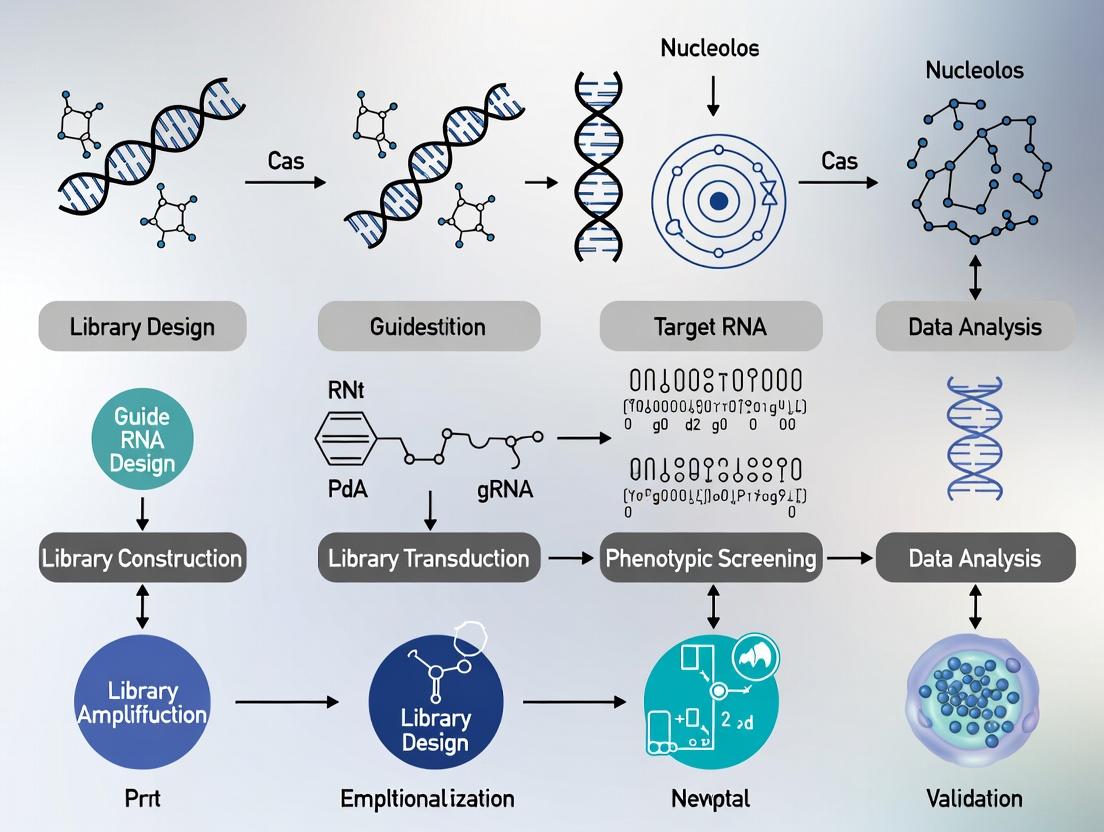
This article provides a complete roadmap for implementing CRISPR library screening in functional genomics.
CRISPR Library Screens Demystified: A Comprehensive Guide to Functional Genomics for Drug Discovery
Abstract
This article provides a complete roadmap for implementing CRISPR library screening in functional genomics. We explore the foundational principles of pooled and arrayed library design, then detail step-by-step methodologies from sgRNA library selection to phenotypic readouts. Advanced sections cover troubleshooting common pitfalls, optimizing screen performance, and validating hits through orthogonal approaches. By comparing different CRISPR screening platforms and discussing validation strategies, this guide equips researchers and drug developers with the knowledge to design robust screens that uncover novel drug targets and biological mechanisms.
CRISPR Screening 101: From Library Design to Core Principles in Functional Genomics
Core Technologies for Genetic Screens
Functional genomics relies on technologies that enable systematic perturbation of genes to infer function. CRISPR-Cas9 and its derivative technologies, CRISPR interference (CRISPRi) and CRISPR activation (CRISPRa), form the cornerstone of modern large-scale genetic screening.
CRISPR-Cas9 utilizes the endonuclease Cas9, guided by a single guide RNA (sgRNA), to create targeted double-strand breaks (DSBs) in the genome. Repair via non-homologous end joining (NHEJ) often results in insertion/deletion (indel) mutations, leading to frameshifts and gene knockout.
CRISPRi employs a catalytically "dead" Cas9 (dCas9) fused to transcriptional repressor domains (e.g., KRAB). The dCas9-KRAB complex binds to DNA at promoter or early exon regions, blocking transcription initiation or elongation without altering the DNA sequence.
CRISPRa uses dCas9 fused to transcriptional activator domains (e.g., VP64, p65, Rta). This complex recruits the cellular transcription machinery to promoter regions, upregulating target gene expression.
The selection between these tools within a broader thesis on CRISPR library design hinges on the desired perturbation outcome: complete loss-of-function (Cas9), tunable knockdown (CRISPRi), or gain-of-function (CRISPRa).
Quantitative Comparison of Perturbation Modalities
Table 1: Core Characteristics of CRISPR Perturbation Systems
| Feature | CRISPR-Cas9 (Knockout) | CRISPRi (Knockdown) | CRISPRa (Activation) |
|---|---|---|---|
| Cas9 Variant | Wild-type SpCas9 | dCas9 (H840A, D10A) | dCas9 (H840A, D10A) |
| Fusion Protein | None | dCas9-KRAB | dCas9-VP64-p65-Rta (VPR) |
| Primary Outcome | Indel mutations, frameshift, gene knockout | Epigenetic repression, transcription knockdown | Transcriptional activation |
| Reversibility | Permanent | Reversible | Reversible |
| Typical Efficacy | >80% protein loss (pooled) | 70-95% mRNA knockdown | 5-50x mRNA induction |
| Optimal Targeting | Early exons | -50 to +300 bp from TSS | -200 to -50 bp from TSS |
| Key Advantage | Complete, permanent inactivation | Tunable, reversible, fewer off-target effects | Enables gain-of-function studies |
| Main Limitation | Confounded by essential gene lethality, indels can be in-frame | Knockdown may be incomplete | Activation level is gene-context dependent |
Table 2: Performance Metrics in Large-Scale Screens
| Metric | CRISPR-Cas9 KO Library | CRISPRi Library | CRISPRa Library |
|---|---|---|---|
| Typical Library Size (human) | ~80,000 sgRNAs (4-5/ gene) | ~70,000 sgRNAs (3-10/ gene) | ~70,000 sgRNAs (3-10/ gene) |
| Screen Noise (Typical) | Higher (clone-out effect) | Lower (more uniform knockdown) | Lower |
| Hit Validation Rate | 60-80% | 70-90% | 50-70% |
| Common Applications | Essential gene discovery, drug target ID, resistance mechanisms | Hypomorphic studies, essential gene network analysis, drug synergy | Gene suppressor screens, differentiation drivers, drug resistance |
| Delivery System | Lentivirus (all), Retrovirus | Lentivirus (all) | Lentivirus (all) |
Experimental Protocols for Pooled Screening
Protocol 1: Lentiviral Production for Pooled Library Delivery
- Seed HEK293T cells in 15-cm plates to reach 70-80% confluency at transfection.
- Prepare transfection mix per plate: 18 µg library plasmid (e.g., lentiCRISPRv2, lentiGuide-Puro), 12 µg psPAX2 packaging plasmid, 6 µg pMD2.G envelope plasmid in 1.5 mL Opti-MEM.
- Prepare lipid mix: 108 µL polyethyleneimine (PEI, 1 mg/mL) in 1.5 mL Opti-MEM. Incubate 5 min.
- Combine DNA and PEI mixes, incubate 20 min at RT, then add dropwise to cells.
- Replace media after 16-18 hours with 20 mL fresh DMEM + 10% FBS.
- Collect viral supernatant at 48 and 72 hours post-transfection. Pool, filter through 0.45 µm PES filter, and concentrate via ultracentrifugation (70,000 x g, 2h at 4°C). Aliquot and titer on target cells.
Protocol 2: Pooled Library Screen Workflow
- Determine MOI: Perform a kill curve with selection antibiotic (e.g., puromycin). Transduce target cells at a low MOI (~0.3) to ensure most cells receive a single sgRNA. Include a non-targeting control sgRNA.
- Library Transduction: Scale transduction to maintain >500 cells per sgRNA for representation. For 80,000 sgRNA library, transduce at least 4 x 10^7 cells.
- Selection: 24h post-transduction, add selection antibiotic (e.g., 1-3 µg/mL puromycin) for 5-7 days.
- Phenotype Application: After selection, split cells into experimental arms (e.g., drug treatment vs. DMSO control). Maintain library representation (≥500X coverage) throughout the phenotype application period (typically 14-21 population doublings).
- Harvest Genomic DNA: Pellet at least 1x10^7 cells per sample. Use a large-scale gDNA extraction kit (e.g., Qiagen Maxi Prep).
- sgRNA Amplification & Sequencing: Perform a two-step PCR to add Illumina adaptors and sample barcodes to the integrated sgRNA cassette. Purify amplicons and sequence on an Illumina NextSeq (75bp single-end). Analyze read counts to identify enriched/depleted sgRNAs.
Visualization of Core Concepts
Title: Decision Workflow for CRISPR Screening Modality
Title: Mechanisms of CRISPRi and CRISPRa
The Scientist's Toolkit: Essential Research Reagents
Table 3: Key Reagent Solutions for CRISPR Pooled Screens
| Reagent / Material | Function & Role | Example Product / Note |
|---|---|---|
| Validated CRISPR Library Plasmid Pool | Contains the collection of sgRNA expression cassettes; the core screening reagent. | Brunello (KO), Dolcetto (i), Calabrese (a) from Addgene. |
| Lentiviral Packaging Plasmids | Required for producing replication-incompetent lentiviral particles to deliver the library. | psPAX2 (packaging) and pMD2.G (VSV-G envelope). |
| HEK293T Cells | Highly transfectable cell line for high-titer lentivirus production. | Must be tested for mycoplasma. |
| Polyethyleneimine (PEI) | Cationic polymer for transient transfection of packaging cells. Cost-effective. | Linear PEI, MW 25,000 (Polysciences). |
| Polybrene / Protamine Sulfate | Cationic agents that enhance viral transduction efficiency. | Use at 4-8 µg/mL during spinfection. |
| Selection Antibiotic | Selects for cells that have successfully integrated the sgRNA expression construct. | Puromycin (most common), Blasticidin, Hygromycin B. |
| Genomic DNA Extraction Kit (Large Scale) | Isolate high-quality, high-molecular-weight gDNA from millions of screened cells. | Qiagen Blood & Cell Culture DNA Maxi Kit. |
| High-Fidelity PCR Kit | For accurate amplification of sgRNA sequences from genomic DNA prior to NGS. | KAPA HiFi HotStart ReadyMix. |
| Illumina Sequencing Kit | Adds unique sample barcodes and adapters for multiplexed, high-throughput sequencing. | Illumina Nextera XT or custom dual-index primers. |
| NGS Analysis Pipeline | Software to demultiplex, align reads, count sgRNAs, and perform statistical tests. | MAGeCK, PinAPL-Py, CRISPRAnalyzeR. |
| Validated Cell Line with High Transduction Efficiency | Target cells for the screen; must be amenable to lentiviral transduction and selection. | Often requires pre-testing of multiple lines (e.g., A375, K562, hTERT-immortalized). |
| Deep Well Plates & Liquid Handling System | For accurately handling large cell culture volumes while maintaining library representation. | Essential for minimizing technical noise. |
Within the strategic framework of CRISPR library selection for functional genomics research, the choice between pooled and arrayed screening formats is fundamental. This decision dictates experimental design, scale, cost, and the biological questions that can be answered. This guide provides a technical comparison to inform this critical selection.
Core Definitions and Strategic Context
- Pooled Screens: A single population of cells is transduced with a complex library of CRISPR guides pooled together in one vessel. Cells are screened en masse under a selective pressure (e.g., drug treatment, cell survival, fluorescence). Guide abundance pre- and post-selection is quantified via next-generation sequencing (NGS).
- Arrayed Screens: Each genetic perturbation (e.g., single sgRNA, gene knockout) is delivered to cells in separate, physically distinct wells (e.g., 96-, 384-well plates). Phenotypes are measured for each well individually using high-content imaging, luminescence, or other assays.
The choice between these formats is not merely logistical but philosophical within a functional screening thesis: Is the goal to identify which genes contribute to a phenotype (pooled), or to define how specific genes mechanistically influence detailed cellular phenotypes (arrayed)?
Quantitative Comparison: Key Parameters
Table 1: Strategic and Operational Comparison
| Parameter | Pooled CRISPR Screen | Arrayed CRISPR Screen |
|---|---|---|
| Primary Goal | Discovery: Identify hits from a large gene set. | Characterization: In-depth analysis of known/pre-selected targets. |
| Typical Scale | Genome-wide (~20k genes) or focused libraries (1k-5k genes). | Subsets: Pathway-focused (10-100s) or genome-wide in 384/1536-well format. |
| Perturbation Density | Multiple cells per guide, many guides per gene across population. | One (or few) perturbations per well. |
| Phenotype Readout | Survival, proliferation, FACS-based sorting, NGS of guide abundance. | High-content imaging, fluorescence, luminescence, absorbance (multiplexable). |
| Primary Data Output | Guide counts; statistical ranking of gene essentiality/enrichment. | Rich, multi-parametric data per well (morphology, intensity, counts). |
| Key Advantage | Cost-effective per gene, scalable to entire genome. | Enables complex, time-resolved, and multi-parametric assays. |
| Key Limitation | Limited to single, selectable phenotypes; complex deconvolution. | Higher reagent cost per gene; lower throughput in gene number. |
| CRISPR Library Used | Lentiviral sgRNA libraries (e.g., Brunello, Calabrese). | Arrayed lentiviral, synthetic crRNA/tracrRNA, or pre-plated libraries. |
| Major Cost Driver | Deep sequencing depth and analysis. | Reagents (plates, assay kits) and automation/instrumentation. |
Table 2: Statistical and Practical Considerations
| Consideration | Pooled Screen | Arrayed Screen |
|---|---|---|
| Replicates | Few (n=2-3), integrated via guide redundancy (5-10 guides/gene). | Essential (n=3-4+), run as separate well replicates. |
| False Positives | Often from off-target effects; controlled using multiple guides/gene. | Often from assay noise/edge effects; controlled via technical replicates. |
| Hit Validation Path | Requires deconvolution and follow-up in arrayed format. | Directly provides validated, ready-to-characterize hits. |
| Timeline (Active Work) | Weeks: Library prep, infection, selection, sequencing prep. | Days-Weeks: Depends on assay duration and readout. |
| Data Analysis Complexity | High: Requires specialized bioinformatics pipelines (MAGeCK, CERES). | Moderate: Leverages standard HTS analysis software (e.g., CellProfiler, Spotfire). |
Experimental Protocols
Protocol 1: Essential Gene Pooled CRISPR Knockout Screen (Survival-Based)
- Library Amplification & Lentivirus Production: Amplify the chosen sgRNA plasmid library (e.g., Brunello) in E. coli with careful maintenance of representation. Produce high-titer lentivirus from HEK293T cells.
- Cell Infection & Selection: Infect target cells at a low MOI (<0.3) to ensure most cells receive ≤1 sgRNA. Spinfect to enhance efficiency. 24-48h post-infection, begin puromycin selection (or equivalent) for 3-7 days to eliminate uninfected cells.
- Population Maintenance & Harvest: Passage the selected cell population, maintaining a minimum representation of 500 cells per sgRNA at all times to prevent stochastic guide dropout. Harvest genomic DNA (gDNA) from a) the initial selected population (T0) and b) the final population after ~14-21 population doublings (Tfinal).
- sgRNA Amplification & Sequencing: Amplify sgRNA cassettes from gDNA via PCR, adding sequencing adapters and sample barcodes. Pool PCR products and sequence on an NGS platform to obtain >300 reads per sgRNA.
- Bioinformatic Analysis: Align sequences to the reference library. Normalize read counts, compare Tfinal vs. T0 abundance for each sgRNA using robust statistical algorithms (e.g., MAGeCK) to rank essential genes.
Protocol 2: Arrayed CRISPRi Screen for a High-Content Phenotype
- Plate & Reagent Preparation: Aliquot arrayed CRISPR guide vectors (e.g., lentiCRISPRv2 with specific sgRNAs) or synthetic ribonucleoprotein (RNP) complexes into 384-well assay plates.
- Reverse Transfection/Transduction: Seed cells into plates containing transfection reagent (for RNP) or virus/polybrene (for lentivirus). Centrifuge plates to enhance infection/transfection (spinoculation).
- Phenotype Induction & Assay: After 72-96h for gene expression modulation, apply relevant stimuli or compounds. At assay endpoint, fix, stain (e.g., for DNA, actin, a marker protein), and image using a high-content microscope.
- Image & Data Analysis: Use automated image analysis software (e.g., CellProfiler) to segment cells and extract features (intensity, texture, morphology, object counts) per well. Normalize data, perform robust statistical testing (e.g., Z-score) against negative controls to identify phenotypic hits.
Visualizations
Title: Decision Logic for CRISPR Screen Format Selection
Title: Pooled vs. Arrayed Experimental Workflow
The Scientist's Toolkit: Essential Research Reagent Solutions
Table 3: Key Reagents and Materials for CRISPR Screens
| Item | Function in Screen | Pooled Specificity | Arrayed Specificity |
|---|---|---|---|
| Validated sgRNA Library (e.g., Brunello, CRISPRi v2) | Defines the genetic perturbations tested. Optimized for on-target efficiency and minimal off-target effects. | Essential. Purchased as a pooled plasmid library. | Used as a source for guide deconvolution into arrayed format. |
| Arrayed sgRNA Collection | Pre-cloned, sequence-verified guides in multi-well plates. | N/A | Essential. Purchased pre-arrayed or cloned from pooled library. |
| Lentiviral Packaging Mix (psPAX2, pMD2.G) | Produces VSV-G pseudotyped lentivirus for efficient cell transduction. | Critical for library delivery. | Used for delivery of arrayed guides. |
| Puromycin or Blasticidin | Antibiotics for selecting successfully transduced cells. | Critical for establishing infected population. | Often used for stable cell line generation. |
| Next-Generation Sequencing (NGS) Kit | For amplifying and preparing sgRNA amplicons from gDNA. | Mandatory for hit deconvolution. | Used only for validation or library QC. |
| High-Content Imaging Assay Kits (e.g., dyes, antibodies) | Enable multiplexed phenotypic readouts at single-cell resolution. | Rarely applicable. | Core component. Defines the assay quality. |
| Automated Liquid Handler | For precise, high-throughput reagent dispensing. | Useful for library handling. | Nearly mandatory for efficiency and reproducibility. |
| Cell Viability/Cytotoxicity Assay (e.g., CellTiter-Glo) | Measures cell number/health as a proxy for gene essentiality. | Can be used indirectly. | Common primary or secondary readout. |
This guide examines the core sgRNA library types used in CRISPR-based functional genomics screens, providing a framework for selection within a comprehensive research thesis. The choice of library is fundamental, dictating the scope, resolution, and biological relevance of the screening results.
Genome-Wide sgRNA Libraries
Designed to interrogate every gene in the genome, these libraries facilitate unbiased discovery. The standard for the human genome is targeting ~19,000 protein-coding genes.
Key Quantitative Data:
| Feature | Typical Specification | Notes |
|---|---|---|
| Target Genes | 18,000 - 20,000 | Human protein-coding genome. |
| sgRNAs per Gene | 4 - 10 | Higher numbers increase statistical confidence and reduce false negatives from ineffective guides. |
| Non-Targeting Controls | 500 - 1,000 sgRNAs | Essential for modeling background signal and normalization. |
| Total Library Size | ~90,000 sgRNAs (4-5/gene) | Common for Brunello, TKOv3 libraries. |
| Viral Representation | ≥ 200x | Minimum coverage for lentiviral production to maintain library complexity. |
Example Protocol: Genome-Wide Positive Selection Screen (Cell Survival)
- Library Amplification & Lentiviral Production: Amplify plasmid library in E. coli with high coverage (≥500x). Purify plasmid, co-transfect with packaging plasmids (psPAX2, pMD2.G) into HEK293T cells to produce lentivirus.
- Cell Infection & Selection: Infect target cells at a low MOI (~0.3) to ensure most cells receive ≤1 sgRNA. Add puromycin (or relevant antibiotic) 48h post-infection to select transduced cells.
- Screen Execution: Maintain cells for 14-21 population doublings under the selective condition (e.g., drug treatment). Passage cells, keeping a representation ≥500x library size.
- Sample Collection & Sequencing: Harvest genomic DNA from the initial cell population (T0) and the final selected population (Tfinal). PCR amplify integrated sgRNA cassettes using barcoded primers for multiplexed NGS.
- Data Analysis: Count sgRNA reads from T0 and Tfinal. Use specialized algorithms (MAGeCK, BAGEL) to compute gene-level fitness scores and statistical significance (FDR), comparing to non-targeting controls.
Focused sgRNA Libraries
These libraries target a predefined subset of genes (e.g., a specific pathway, gene family, or druggable genome), enabling higher sgRNA density and multiplexed screening under various conditions.
Key Quantitative Data:
| Feature | Typical Specification | Notes |
|---|---|---|
| Target Gene Scope | 10 - 5,000 genes | e.g., Kinases, GPCRs, DNA repair pathways. |
| sgRNAs per Gene | 6 - 20 | Enables higher confidence phenotyping of each target. |
| Library Size | 1,000 - 50,000 sgRNAs | More manageable for complex assays (e.g., single-cell RNA-seq). |
| Additional Content | Positive/Negative controls, "safe-harbor" targeting guides. | Often includes internal assay controls. |
Example Protocol: Focused Library Screen with Single-Cell Transcriptomic Readout (CROP-seq)
- Library Cloning: Clone the focused sgRNA library into a CROP-seq- or Perturb-seq-compatible vector containing the sgRNA scaffold and a poly-A signal for capture.
- Cell Pool Generation: Generate lentivirus and infect a susceptible cell line as in the genome-wide protocol. Select with puromycin.
- Perturbation & Fixation: Culture pooled cells for a sufficient period for transcriptomic changes (e.g., 7 days). Harvest and fix cells if not processing immediately for single-cell RNA-seq.
- Single-Cell Library Preparation: Use the 10x Genomics Chromium platform (or equivalent) to generate gel-bead-in-emulsions (GEMs). The captured mRNA includes the transcribed sgRNA.
- Sequencing & Analysis: Sequence libraries. Use computational tools (Cell Ranger, Seurat) to demultiplex cells, align sgRNA reads to the library, and associate each cell's transcriptome with its specific genetic perturbation.
Custom sgRNA Collections
Tailored libraries for hypothesis-driven research, including non-coding region tiling, SNP-specific targeting, or combinatorial perturbations.
Key Quantitative Data:
| Feature | Design Consideration | Notes |
|---|---|---|
| Design Flexibility | Any genomic locus, variant, or combination. | Requires precise bioinformatic design (e.g., CHOPCHOP, CRISPRscan). |
| Coverage Density | Tiling every 50-200 bp for regulatory elements. | Defines functional resolution. |
| Controls | Essential to include wild-type and scrambled sequences. | Critical for validating assay specificity. |
| Library Size | Highly variable (dozens to thousands). | Dictated by experimental question. |
Example Protocol: Custom tiling Screen of an Enhancer Region
- Library Design: Identify genomic coordinates of the putative enhancer. Design sgRNAs tiling across the region (e.g., 1 guide per 50bp). Include control sgRNAs targeting neutral sites.
- Array Synthesis & Cloning: Order oligo pool synthesis. Amplify and clone into a lentiviral sgRNA expression backbone via Golden Gate or Gibson assembly.
- Validation & Screening: Produce lentivirus and transduce reporter cells where the enhancer regulates a selectable marker (e.g., GFP). Sort cells based on marker expression (High vs Low).
- Deep Sequencing & Analysis: Extract genomic DNA from sorted populations, amplify sgRNAs, and sequence. Identify sgRNAs enriched or depleted in the High/Low populations to map functional enhancer sub-elements.
The Scientist's Toolkit: Essential Research Reagents
| Item | Function |
|---|---|
| Lentiviral sgRNA Expression Plasmid (e.g., lentiCRISPRv2, pLentiGuide) | Backbone for sgRNA cloning and expression; contains puromycin resistance. |
| Packaging Plasmids (psPAX2, pMD2.G) | Required for production of 3rd generation, replication-incompetent lentivirus. |
| HEK293T Cells | Highly transfectable cell line for high-titer lentiviral production. |
| Polybrene (Hexadimethrine bromide) | Polycation that enhances viral infection efficiency. |
| Puromycin Dihydrochloride | Selective antibiotic for cells expressing the sgRNA vector's resistance gene. |
| NGS Library Prep Kit (e.g., Nextera) | For preparing amplified sgRNA sequences for high-throughput sequencing. |
| Genomic DNA Extraction Kit | For high-yield, high-purity gDNA from pelleted cells for sgRNA recovery PCR. |
Visualizations
Library Selection Decision Flow
Pooled Screening Workflow & Reagents
Functional genomic screening using CRISPR-Cas libraries has revolutionized the systematic identification of genes responsible for specific cellular phenotypes. The selection of an appropriate phenotypic readout is a critical determinant of screen success, directly influencing library design, experimental protocol, and data interpretation. This guide details the core readout modalities—fitness, resistance, fluorescence, and spatial screens—providing a technical framework for their implementation within a comprehensive CRISPR screening thesis.
Core Phenotypic Readout Modalities
Fitness Screens
Fitness screens measure gene essentiality by quantifying the change in abundance of guide RNAs (gRNAs) over time under a selective condition. Depletion or enrichment of gRNAs indicates genes affecting cellular proliferation or survival.
Key Quantitative Metrics:
| Metric | Formula/Description | Typical Range/Value |
|---|---|---|
| Log2 Fold Change (LFC) | LFC = log2(CountsTfinal / CountsTinitial) | -5 to +5 (Essential genes: LFC < -1) |
| Gene Essentiality Score | Normalized, aggregated gRNA LFC (e.g., MAGeCK, BAGEL2) | BAGEL2 Bayes Factor > 10 (essential) |
| Screen Quality (SSMD) | Strictly Standardized Mean Difference | >3 for robust screens |
| gRNA Dropout Rate | % gRNAs lost below detection threshold | <20% for high-quality libraries |
Experimental Protocol: Fitness/Prosperity Screen
- Library Transduction: Transduce target cells (e.g., Cas9-expressing cell line) with a genome-wide or sub-library at a low MOI (~0.3) to ensure single integration. Maintain >500x library representation.
- Selection & Passaging: Apply puromycin (or relevant antibiotic) selection 48-72h post-transduction. Harvest an initial reference sample (T0). Passage cells for ~14-21 population doublings, maintaining representation.
- Genomic DNA (gDNA) Extraction: Harvest final cell pellet (Tfinal). Extract gDNA using a scalable method (e.g., Qiagen Maxi Prep, phenol-chloroform).
- gRNA Amplification & Sequencing: Perform a two-step PCR to amplify the integrated gRNA cassette from gDNA and add sequencing adapters/indexes. Use indexed primers for multiplexing.
- Sequencing & Analysis: Sequence on an Illumina platform. Align reads to the library manifest. Calculate read counts per gRNA, normalize, and compute LFCs using pipelines like MAGeCK (v0.5.9+).
Resistance/Sensitivity Screens
These screens identify genes whose perturbation confers resistance or hypersensitivity to a stimulus (e.g., drug, toxin, pathogen). gRNA abundance is compared between treated and untreated control populations.
Key Quantitative Metrics:
| Metric | Description | Interpretation |
|---|---|---|
| Resistance Score (RS) | LFC (TreatedCTRL - TreatedPerturbation) | Positive RS indicates gene knockout confers resistance. |
| Sensitivity Score (SS) | Negative of RS | Positive SS indicates gene knockout confers sensitivity. |
| P-value (adjusted) | Corrected for multiple hypothesis testing (e.g., Benjamini-Hochberg) | Typically <0.05 or <0.1 for significant hits. |
| Gamma Distribution Fit (for drug screens) | Models variation in gRNA efficacy; used in MAGeCK RRA algorithm. | Robust ranking of candidate genes. |
Experimental Protocol: Drug Resistance Screen
- Transduction & Selection: Follow steps 1-2 from the fitness protocol. Split cells into treated and untreated control arms at T0.
- Treatment Application: Apply the drug at a predetermined inhibitory concentration (e.g., IC50-IC80) to the treated arm. Maintain DMSO/solvent control.
- Passaging & Harvest: Culture cells for 7-14 days, replenishing drug/media as needed. Harvest genomic DNA from both arms.
- Sequencing & Analysis: Process samples in parallel. Use MAGeCK-RRA or similar to identify gRNAs significantly enriched in the treated vs. control condition.
Fluorescence-Based Screens (FACS)
Screens that sort cells based on fluorescent markers (reporter activity, antibody staining, endogenous protein levels) to isolate populations with discrete phenotypes.
Key Quantitative Metrics:
| Parameter | Consideration | Example |
|---|---|---|
| Sorting Gates | Based on fluorescence intensity percentiles | Top/Bottom 10-20% of distribution. |
| Replication | Critical for statistical power; minimum n=3 biological replicates. | - |
| gRNA Recovery Threshold | Minimum read count per gRNA in pre-sort sample. | Often >50 reads. |
| Enrichment Analysis | Compare gRNA frequencies between sorted populations (e.g., β-binomial test). | - |
Experimental Protocol: FACS-Based Reporter Screen
- Reporter Cell Line Generation: Stably integrate a fluorescent reporter (e.g., GFP under a pathway-responsive element) into Cas9-expressing cells.
- Library Transduction & Selection: Transduce reporter cells with a focused library (e.g., kinase/phosphatase). Allow phenotype development (5-10 days).
- Cell Sorting: Harvest cells, resuspend in sorting buffer. Use a high-speed sorter (e.g., BD FACSAria) to collect the top and bottom 10-20% of the fluorescence distribution. Collect a pre-sort reference sample.
- DNA Prep & Sequencing: Isolate gDNA from sorted populations. Amplify and sequence gRNA regions.
- Analysis: Align sequences and use tools like
CRISPRCloud2orPinAPL-Pyto identify gRNAs enriched in each population.
Spatial Screens (Perturb-map, GeoMx, etc.)
Emerging technologies that link genetic perturbations to spatial phenotypes (morphology, cellular neighborhood, protein localization) within tissue contexts.
Key Quantitative Metrics:
| Technology | Readout | Spatial Resolution |
|---|---|---|
| Perturb-map | Multiplexed imaging (CODEX, CyclIF) | Single-cell |
| GeoCrispr (GeoMx) | Digital Spatial Profiling (RNA/Protein) | 50-600µm ROI |
| MERFISH/Perturb-seq | Single-cell transcriptomics + imaging | Single-cell |
| CRISPR LiveFISH | Live imaging of transcriptomes | Single-cell |
Experimental Protocol Overview: Perturb-map Workflow
- In Vivo Pooled Screening: Transduce a barcoded CRISPR library into cells, implant into a model organism (e.g., mouse).
- Tissue Harvest & Barcode Detection: After phenotype development, harvest tissue, section, and perform in situ sequencing (ISS) to decode gRNA barcodes.
- Multiplexed Protein Imaging: Perform cyclic immunofluorescence (CyclIF) on the same tissue section for 30-50 protein markers.
- Image Registration & Analysis: Align barcode maps with protein expression images. Segment cells and extract single-cell phenotypic data linked to specific perturbations.
The Scientist's Toolkit: Research Reagent Solutions
| Item | Function & Example |
|---|---|
| Lentiviral CRISPR Library | Delivers gRNAs and selection marker. Examples: Brunello (genome-wide), Calabrese (kinase-focused). |
| Polybrene / Hexadimethrine Bromide | Enhances viral transduction efficiency by neutralizing charge repulsion. |
| Puromycin / Blasticidin | Antibiotics for selecting cells successfully transduced with the viral library. |
| PCR Enzymes for gRNA Amplification | High-fidelity, high-yield polymerases for NGS library prep (e.g., KAPA HiFi, Q5). |
| NGS Indexing Primers | Unique dual indexes for multiplexing samples on an Illumina flow cell. |
| Cas9 Cell Line | Stably expresses SpCas9 (or variant) for efficient editing. Example: HEK293T Cas9. |
| MAGeCK Software Package | Standard computational pipeline for analyzing CRISPR screen count data. |
| BD FACSAria / Sony SH800 | High-speed cell sorters for fluorescence-based screen population isolation. |
| Multiplexed Antibody Panels | For spatial screens (e.g., BioLegend TotalSeq, Akoya Phenocycler). |
| In Situ Sequencing Kits | For decoding spatial barcodes (e.g., ReadCoor, Vizgen MERFISH). |
Visualization of Workflows and Pathways
Title: CRISPR Fitness Screen Experimental Workflow
Title: Molecular Mechanisms of Drug Resistance Identified by CRISPR Screens
Title: Spatial Functional Genomics Screen Workflow (Perturb-map)
This whitepaper details the three pillars of robust, genome-wide CRISPR-Cas9 screening: the generation of engineered Cas9-expressing cell lines, the optimization of viral delivery for single-guide RNA (sgRNA) libraries, and the determination of sufficient sequencing depth for hit identification. Framed within the broader thesis of CRISPR library selection for functional genomics screens, this guide provides a technical roadmap for researchers aiming to discover gene functions and therapeutic targets in biological processes and disease models.
Cas9 Cell Lines: The Cellular Foundation
A stable, consistent cellular context expressing the Cas9 nuclease is paramount for screening reproducibility and efficiency.
Key Considerations for Cell Line Generation
- Cas9 Variant Selection: The standard Streptococcus pyogenes SpCas9 remains prevalent. For screens requiring tighter temporal control, inducible (e.g., doxycycline-regulated) systems are used. For targeting genomic regions with high AT or GC content, alternative orthologs (e.g., SaCas9, Cas12a) may be considered.
- Delivery Method: Lentiviral transduction is the most common method for creating polyclonal stable cell lines, followed by antibiotic selection. For isogenic certainty, single-cell cloning and validation are essential but time-intensive.
- Validation Metrics: Cas9 activity must be quantified before screening. Common methods include:
- Flow cytometry using a reporter plasmid (e.g., GFP disruption assay).
- T7 Endonuclease I (T7E1) or ICE assays on known target sites.
- Western blot for Cas9 protein expression.
Experimental Protocol: Generation of a Polyclonal Cas9-Expressing Cell Line
- Cell Preparation: Plate target cells (e.g., HEK293T, A375, HAP1) at ~30% confluence in appropriate growth medium 24 hours prior to transduction.
- Viral Production: Co-transfect a packaging cell line (e.g., HEK293T) with a lentiviral Cas9 expression plasmid (e.g., lentiCas9-Blast) and third-generation packaging plasmids (psPAX2, pMD2.G) using polyethylenimine (PEI) or a commercial reagent.
- Viral Harvest: Collect viral supernatant at 48 and 72 hours post-transfection, filter through a 0.45 µm PVDF filter, and concentrate via ultracentrifugation or PEG precipitation.
- Transduction & Selection: Transduce target cells with viral supernatant plus polybrene (8 µg/mL). Begin antibiotic selection (e.g., Blasticidin, 5-10 µg/mL) 48 hours post-transduction. Maintain selection for at least 7 days to establish a polyclonal population.
- Validation: Assess Cas9 activity via transduction with a lentiviral GFP reporter and a control sgRNA targeting GFP. Measure GFP loss by flow cytometry 5-7 days later. Activity >80% is optimal for screening.
Table 1: Common Cas9 Cell Lines and Properties
| Cell Line Name | Common Origin | Cas9 Type | Selection Marker | Typical Editing Efficiency | Best Use Case |
|---|---|---|---|---|---|
| HEK293T-Cas9 | Human Embryonic Kidney | Constitutive SpCas9 | Blasticidin | >90% | General purpose, high viral titer production |
| A375-Cas9 | Human Melanoma | Constitutive SpCas9 | Blasticidin | 85-95% | Cancer biology, drug resistance screens |
| HAP1-Cas9 | Haploid Human Cell Line | Constitutive SpCas9 | Blasticidin | >90% | Essential gene discovery (haploid genetics) |
| K562-Cas9 | Human Leukemia | Inducible SpCas9 | Puromycin | >85% (post-induction) | Studies of essential genes or toxic phenotypes |
| U2OS-Cas9 | Human Osteosarcoma | Constitutive SpCas9 | Blasticidin | 80-90% | DNA damage response, cell cycle screens |
Viral Delivery: Maximizing Library Representation
The goal of viral delivery is to achieve a low Multiplicity of Infection (MOI) to ensure most cells receive only one sgRNA, minimizing confounding effects.
Critical Parameters for Lentiviral Library Production
- Titer: Must be determined experimentally for each production run via qPCR (physical titer) or functional titering on the Cas9 cell line.
- MOI: Aim for MOI ~0.3-0.4 to ensure >95% of transduced cells receive a single sgRNA (based on Poisson distribution).
- Coverage: Maintain a minimum of 500-1000 cells per sgRNA in the library representation to prevent stochastic dropout.
Experimental Protocol: sgRNA Library Amplification and Lentiviral Production
- Library Plasmid Amplification: Transform electrocompetent E. coli (e.g., Endura) with 100 ng of the pooled sgRNA library plasmid. Grow on large-format LB agar plates with appropriate antibiotic. Scrape and maxi-prep plasmid DNA. Aim for >1000x library representation in colony count.
- Large-Scale Lentivirus Production: In ten 15-cm plates of HEK293T cells (90% confluent), co-transfect the sgRNA library plasmid (20 µg), psPAX2 (15 µg), and pMD2.G (10 µg) per plate using PEI.
- Virus Collection and Concentration: Harvest supernatant at 48 and 72 hours, filter (0.45 µm), and concentrate 100-fold via ultracentrifugation (25,000 rpm, 2h, 4°C). Aliquot and store at -80°C.
- Functional Titering: Serially dilute virus on the target Cas9 cell line in the presence of polybrene. 72 hours later, apply selection (e.g., Puromycin). The lowest dilution yielding >90% cell death after 3-5 days indicates the functional titer (TU/mL). Calculate the volume needed to transduce your screening population at MOI=0.3.
Table 2: Viral Titering and Transduction Parameters
| Parameter | Target Value | Calculation / Rationale | Impact of Deviation |
|---|---|---|---|
| Functional Titer | >1 x 10^8 TU/mL | Required to transduce large cell numbers at low MOI | Low titer increases volume needed, risks cell health |
| Multiplicity of Infection (MOI) | 0.3 - 0.4 | Poisson: MOI 0.3 = ~74% cells with 0 or 1 virus | MOI >0.6 increases multi-sgRNA cells, confounding results |
| Cell Coverage per sgRNA | ≥ 500 cells | For a 100k sgRNA library, need ≥ 50 million transduced cells | Low coverage leads to library element loss and noise |
| Transduction Efficiency | > 80% (with polybrane/spinoc.) | Ensures library is evenly represented in the population | Low efficiency creates a bottleneck, skewing representation |
Sequencing Depth: Ensuring Statistical Power
Adequate sequencing depth is non-negotiable for distinguishing true hits from noise in dropout or enrichment screens.
Determining Depth Requirements
Factors influencing required depth: library size, screen type (dropout vs. enrichment), biological replicates, and expected effect size.
- Baseline Rule: Minimum of 500 read counts per sgRNA in the initial plasmid library sample to ensure accurate representation.
- Per Sample Depth: For a 100,000 sgRNA library, aim for 10-15 million reads per sample to maintain robust per-sgRNA counts post-alignment. This provides a ~100-150x average coverage per sgRNA.
Experimental Protocol: NGS Sample Preparation and Analysis
- Genomic DNA (gDNA) Extraction: Harvest cells (≥ 50 million) at screening timepoints (T0, Tfinal). Extract gDNA using a large-scale kit (e.g., Qiagen Blood & Cell Culture Maxi Kit). Measure concentration by fluorometry.
- PCR Amplification of sgRNA Cassettes: Perform a two-step PCR protocol.
- PCR1 (Add Illumina Adapters): Amplify the sgRNA region from 100 µg of gDNA across multiple 100µL reactions. Use primers containing partial Illumina adapter sequences. Pool reactions.
- PCR2 (Add Indexes & Full Adapters): Using 1 µL of purified PCR1 product as template, add unique dual-index barcodes (i5 and i7) for each sample to enable multiplexing.
- Sequencing & Analysis: Pool barcoded libraries and sequence on an Illumina HiSeq or NovaSeq (75bp single-end is standard). Align reads to the library reference file using a tool like
MAGeCKorCRISPResso2. Normalize sgRNA counts and perform statistical testing (e.g., MAGeCK MLE) to identify significantly enriched or depleted genes.
Table 3: Sequencing Depth Guidelines for Common Library Sizes
| Library Size (sgRNAs) | Recommended Reads per Sample (Minimum) | Target Average Coverage per sgRNA | gDNA per PCR Reaction (Approx.) |
|---|---|---|---|
| ~10,000 (GeCKO v2 sublib.) | 5 - 7 million | 500-700x | 10 µg |
| ~75,000 (Brunello) | 8 - 12 million | 100-160x | 50-75 µg |
| ~100,000 (Human CRISPRa/v2) | 10 - 15 million | 100-150x | 75-100 µg |
| ~200,000 (Kinase/Epigenetic) | 20 - 30 million | 100-150x | 100-150 µg |
The Scientist's Toolkit: Research Reagent Solutions
Table 4: Essential Materials for CRISPR Screening Workflow
| Item | Function | Example Product/Kit |
|---|---|---|
| Lentiviral Cas9 Expression Plasmid | Stable integration and expression of SpCas9 in target cells | lentiCas9-Blast (Addgene #52962) |
| sgRNA Library Plasmid Pool | Pooled, cloned sgRNAs targeting the genome or a subset | Brunello Human Genome-wide Library (Addgene #73178) |
| 3rd Gen Lentiviral Packaging Plasmids | Required for production of replication-incompetent lentivirus | psPAX2 (Addgene #12260), pMD2.G (Addgene #12259) |
| Polyethylenimine (PEI) | High-efficiency transfection reagent for viral production | Linear PEI, MW 25,000 (Polysciences) |
| Polybrene | Cationic polymer that enhances viral transduction efficiency | Hexadimethrine bromide (Sigma) |
| Puromycin/Blasticidin | Antibiotics for selection of transduced cells | Thermo Fisher Scientific |
| Large-Scale gDNA Extraction Kit | Isolation of high-quality, high-quantity genomic DNA from millions of cells | Qiagen Blood & Cell Culture DNA Maxi Kit |
| High-Fidelity PCR Master Mix | Accurate amplification of sgRNA cassettes from gDNA for NGS | KAPA HiFi HotStart ReadyMix |
| Dual-Indexed Oligos for Illumina | Adds unique barcodes to samples for multiplexed sequencing | Illumina TruSeq or Nextera indexes |
Workflow and Pathway Diagrams
Title: CRISPR Screening Workflow from Cell Line to Hit ID
Title: Bioinformatics Analysis Pathway for Pooled Screens
Title: Impact of Sequencing Depth and Library Complexity
A Step-by-Step Protocol: Executing a CRISPR Screen from sgRNA Library to Hit Identification
Within the broader thesis of CRISPR library selection for functional genomic screens, the initial stage of experimental design is the most critical determinant of success. This step dictates the power to translate a biological question into actionable mechanistic data. A poorly defined hypothesis, phenotype, or library choice will propagate errors, resulting in uninterpretable data and wasted resources. This guide details the technical considerations for robustly executing Step 1, ensuring the screen is built on a foundation of rigorous experimental design.
Formulating a Testable Screen Hypothesis
The hypothesis must move beyond a broad inquiry to a precise, causal statement that a pooled CRISPR screen can test.
- Core Structure: "Genetic perturbation of [Target Gene Class] will modulate [Specific Phenotype] in [Cell Model] under [Specific Condition], enabling identification of genes essential for [Biological Process]."
- Example: "CRISPRi-mediated knockdown of epigenetic regulators will alter resistance to BET inhibitor JQ1 in OPM2 multiple myeloma cells, identifying co-dependencies and synthetic lethal interactions."
Defining a Robust, Quantitative Phenotype
The phenotype must be scalable, quantifiable, and linked to the biological mechanism. Selection of the readout directly informs library selection and screening format.
Table 1: Common Phenotypic Readouts in CRISPR Screens
| Phenotype Category | Measurement Method | Typical Assay Timepoint | Key Considerations |
|---|---|---|---|
| Cell Fitness / Viability | Dropout/enrichment over cell divisions | 14-21 population doublings | Gold standard for essential genes; requires deep coverage. |
| Fluorescence-Based (FACS) | Surface marker expression, reporters, dyes | 3-14 days | Enables sorting for high/low expression; requires efficient transduction. |
| Drug/Chemical Resistance | Survival in cytotoxic compound | Varies (days-weeks) | Requires optimized IC50/IC90 dose; strong positive/negative controls needed. |
| Morphological | High-content imaging features | 3-10 days | Information-rich but lower throughput; complex data analysis. |
| Molecular (scRNA-seq) | Transcriptomic changes (Perturb-seq) | Single timepoint (e.g., 5-7 days) | Provides mechanistic insight; very high cost and computational burden. |
Selecting the Optimal CRISPR Library
Library selection is dictated by the hypothesis and phenotype. Key parameters include perturbation type (Knockout/KO, Inhibition/CRISPRi, Activation/CRISPRa), gene set coverage, and sgRNA design.
Table 2: Comparison of Major CRISPR Library Types
| Library Type | Mechanism (Cas9) | Primary Use | Pros | Cons | Example Libraries (Source) |
|---|---|---|---|---|---|
| Genome-Wide KO | Nuclease (Wild-type) | Identify essential genes, modifiers of drug sensitivity. | Unbiased discovery, permanent knockout. | Off-target effects, confounding DNA damage response. | Brunello (Broad), TorontoKO (Addgene) |
| Focused KO | Nuclease (Wild-type) | Screen defined gene sets (e.g., kinases, druggable genome). | Higher sgRNA depth, reduced cost, focused hypothesis. | Limited to known gene sets. | Custom designs, Kinase (Broad) |
| CRISPRi | Dead Cas9 + KRAB repressor | Transcriptional knockdown, essential gene screens in diploid cells. | Reduced off-targets, tunable, targets non-coding regions. | Knockdown not knockout, variable efficiency. | Dolcetto (Broad), Minimal CRISPRi (Weissman Lab) |
| CRISPRa | Dead Cas9 + VPR activator | Gene overexpression, identify suppressors. | Gain-of-function, identifies redundant pathways. | High false-positive rate from overexpression artifacts. | Calabrese (Broad), SAM (Zhang Lab) |
Experimental Protocol: Determining Library Representation & Coverage
Aim: To ensure sufficient sgRNA representation post-transduction for a statistically powerful screen.
- Calculate Library Scale: For a library with N total sgRNAs, aim for a minimum of 500 cells per sgRNA during transduction to ensure representation. For a 100,000 sgRNA library, this requires 50 million cells at transduction.
- Transduction & Puromycin Selection: Transduce cells at a low MOI (<0.3) to ensure most cells receive only 1 sgRNA. Treat with puromycin (e.g., 2 µg/mL for 3-7 days) to select successfully transduced cells.
- Harvest Post-Selection "T0" Sample: Collect at least 10 million cells (or ~1000x sgRNA count) post-selection. Extract genomic DNA (gDNA). This is the reference timepoint.
- Quantify Representation via NGS: Amplify the integrated sgRNA sequences from gDNA via PCR and subject to next-generation sequencing. Analyze to confirm >90% of library sgRNAs are present at sufficient read counts.
- Maintain Coverage During Passaging: Maintain a population size at least 500x the sgRNA count at every passage to prevent stochastic "sgRNA dropout."
The Scientist's Toolkit: Research Reagent Solutions
Table 3: Essential Materials for Screen Initiation
| Item | Function & Rationale |
|---|---|
| Validated CRISPR Library (Plasmid) | Pre-designed, sequence-verified pooled sgRNA library. Ensures specificity and known coverage. |
| High-Titer Lentiviral Packaging System | 2nd/3rd generation systems (psPAX2, pMD2.G) for producing infectious, replication-incompetent virus. Critical for efficient delivery. |
| Polybrene (Hexadimethrine Bromide) | A cationic polymer that enhances viral transduction efficiency by neutralizing charge repulsion. |
| Puromycin or other Selection Antibiotic | Selects for cells successfully transduced with the sgRNA vector, which contains a resistance marker. |
| Next-Generation Sequencing Kit | For amplifying and preparing sgRNA amplicons from genomic DNA for deep sequencing (e.g., Illumina Nextera XT). |
| Cell Line with High Transduction Efficiency | A robust, relevant cellular model that can be efficiently transduced (>50% efficiency) and expanded. |
| Genomic DNA Extraction Kit (Large Scale) | For high-yield, high-purity gDNA extraction from millions of cells (e.g., Qiagen Maxi Prep columns). |
| Digital Droplet PCR (ddPCR) System | For absolute quantification of viral titer (TU/mL) prior to large-scale transduction. |
Visualizing the Screen Design Workflow & CRISPR Mechanisms
Title: CRISPR Screen Design and Execution Workflow
Title: CRISPRi and CRISPRa Mechanistic Comparison
The initial phase of defining a CRISPR screen is a deliberate engineering process, not a mere prelude. A precise hypothesis directly informs the selection of a quantifiable phenotype, which in turn mandates the choice of perturbation library. Adherence to rigorous protocols for library representation and a clear understanding of the molecular tools, as visualized, are non-negotiable for generating high-confidence data. This foundational step sets the trajectory for the entire screening pipeline, ultimately determining the validity and impact of the findings within the broader thesis of functional genomics research.
Following the meticulous design and synthesis of a pooled CRISPR library (Step 1), the critical challenge is its efficient and uniform delivery into the target cell population. This step dictates the screen's statistical power and reliability. Lentiviral transduction is the established method for stable genomic integration of guide RNA (gRNA) constructs. A cornerstone of this phase is the empirical determination of the Multiplicity of Infection (MOI) to ensure optimal library representation without excessive multiple integrations. An incorrect MOI can lead to skewed results due to uneven gRNA distribution or cellular toxicity. This guide details the protocols and calculations for achieving high-coverage, low-variance library delivery, a foundational pillar for a successful functional genomics screen.
Determining the Optimal Multiplicity of Infection (MOI)
The goal is to transduce the minimum number of cells required for full library coverage at a low MOI (typically ~0.3-0.4) to minimize cells with multiple gRNA integrations.
Key Calculations:
- Library Coverage (C): The number of cells transduced per gRNA. For a library with L gRNAs, to achieve a coverage of C, you need to transduce at least N = L * C cells.
- Viral Titer (T): Measured in transducing units per milliliter (TU/mL). Determined via a pilot titration (see Protocol 2.1).
- Cell Number for Transduction (N): As calculated above.
- Volume of Virus (V):
V = (MOI * N) / T
Quantitative Data Summary: Table 1: Impact of MOI on Transduction Outcomes and Screening Quality
| MOI Value | % Transduced Cells (GFU+) | Probability of 0, 1, >1 Integration (Poisson) | Effect on Library Representation | Recommended Use Case |
|---|---|---|---|---|
| 0.2 | ~18% | P(0)=82%, P(1)=16%, P(>1)=2% | Low multiple integration risk; requires large cell number for coverage. | For highly sensitive cells or when resource is abundant. |
| 0.3 | ~26% | P(0)=74%, P(1)=22%, P(>1)=4% | Optimal balance. High single-integration rate, efficient coverage. | Standard for most pooled screens. |
| 0.4 | ~33% | P(0)=67%, P(1)=27%, P(>1)=6% | Good coverage efficiency; slightly increased multiple integration. | Acceptable for robust cell lines. |
| 1.0 | ~63% | P(0)=37%, P(1)=37%, P(>1)=26% | High multiple integration rate; severe library representation bias. | Not recommended for pooled screens. Use for single-gRNA experiments. |
Experimental Protocols
Protocol 3.1: Pilot Viral Titer Determination (Functional TU/mL)
Objective: To determine the functional titer of your lentiviral library stock. Reagents: Target cells (e.g., HEK293T, HeLa), polybrene (8 µg/mL final), puromycin or appropriate selection agent, complete growth medium. Procedure:
- Seed cells in a 24-well plate at 50,000 cells/well in 0.5 mL medium. Incubate 24 hrs.
- Prepare serial dilutions of virus stock (e.g., 1:10, 1:100, 1:1000, 1:10,000) in medium containing polybrene.
- Replace medium on cells with 0.5 mL of each virus dilution. Include a no-virus control.
- After 24 hrs, replace with fresh medium.
- At 48-72 hrs post-transduction, initiate antibiotic selection for 5-7 days.
- Count the number of surviving colonies in each well. Choose a well with 10-100 colonies.
- Calculate Titer:
TU/mL = (Number of colonies * Dilution Factor) / (Volume of virus in mL). E.g., 50 colonies from 0.5 mL of 1:10,000 dilution: TU/mL = (50 * 10,000) / 0.5 = 1 x 10^6 TU/mL.
Protocol 3.2: Large-Scale Library Transduction for Screen
Objective: To transduce the target cell population at the predetermined optimal MOI. Pre-requisite: Known viral titer (T), calculated cell number (N), and chosen MOI (e.g., 0.3). Procedure:
- Calculate & Prepare Virus: Calculate required virus volume
V = (0.3 * N) / T. Thaw virus on ice. Mix virus gently with pre-warmed cell culture medium containing polybrene (8 µg/mL). - Infect Cells: Seed target cells at a density that will be ~30-50% confluent at the time of infection. Remove old medium and add the virus-medium mixture.
- Centrifugation (Spinoculation): Centrifuge plates at 800-1000 x g for 30-60 mins at 32°C. Return to incubator.
- Media Change: After 12-24 hrs, carefully remove virus-containing media and replace with fresh, complete growth medium.
- Selection: Begin antibiotic selection (e.g., puromycin, 1-5 µg/mL) 48-72 hours post-transduction. Maintain selection for 5-7 days or until all non-transduced control cells are dead.
- Harvest & Count: Harvest the selected, transduced cell population. This is your "T0" population for the screen. Perform a cell count to confirm the final library coverage (≥ 500 cells per gRNA is ideal).
Visualization: Workflow and Pathway Diagrams
Title: Lentiviral CRISPR Library Delivery Workflow
Title: Poisson Statistics of gRNA Integration at MOI 0.3
The Scientist's Toolkit: Essential Research Reagents
Table 2: Key Reagents for Lentiviral Transduction and MOI Optimization
| Reagent / Material | Function / Purpose | Critical Consideration |
|---|---|---|
| Lentiviral Vector Pool | Delivers the gRNA expression cassette (e.g., lentiCRISPRv2, pLX-sgRNA) for stable genomic integration. | Ensure library representation is maintained during amplification; use low-passage, maxiprep DNA. |
| Packaging Plasmids (psPAX2, pMD2.G) | Provide viral structural proteins (Gag/Pol) and envelope glycoprotein (VSV-G) for virus production. | Third-generation systems enhance safety. Use high-quality transfection-grade plasmid. |
| Polybrene (Hexadimethrine) | A cationic polymer that neutralizes charge repulsion between virus and cell membrane, enhancing transduction efficiency. | Cytotoxic at high concentrations; optimize for your cell line (typically 4-8 µg/mL). |
| Puromycin Dihydrochloride | Selection antibiotic linked to the gRNA vector. Kills non-transduced cells, ensuring a pure population of library-containing cells. | Determine the minimum lethal concentration (kill curve) for your cell line 1-2 weeks before the screen. |
| Target Cell Line | The cellular model for the functional screen (e.g., cancer cell line, stem cell, primary cell). | Must be susceptible to lentiviral transduction and capable of expressing Cas9 (if not stably expressed). |
| Functional Titer Kit (e.g., qPCR or Lenti-X) | Quantifies functional viral particles (TU/mL) or physical particles (pg p24/mL). | Functional titer (TU/mL) is mandatory for MOI calculations in screening. |
| Cell Counting Equipment | Hemocytometer or automated cell counter. | Accurate cell counts (N) are as critical as accurate titer (T) for correct MOI calculation. |
Within the thesis framework of utilizing CRISPR-Cas9 libraries for functional genomics, Step 3 is the critical juncture where phenotype is linked to genotype. Following library delivery and stable cell line generation, the application of a precisely defined selection pressure enriches for sgRNAs that confer a survival (resistance) or depletion (sensitivity) phenotype. This guide details the technical execution of three primary selection modalities: pharmacologic treatment, temporal challenges, and environmental manipulation.
Core Selection Modalities: Protocols & Design
Pharmacologic Selection (Drug Treatment)
This is the most common approach for identifying genes involved in drug response, including mechanisms of action and resistance.
Protocol: Dose-Response Enrichment Screen
- Cell Seeding: Plate the CRISPR-pooled cells at a coverage of ≥500 cells/sgRNA (e.g., 100 million cells for a 100,000-guide library) in multiple replicate T175 flasks or cell factory stacks.
- Dose Determination: Perform a pilot kill curve on non-targeting control cells to determine the IC70-IC90 concentration for the treatment duration.
- Application of Pressure: Treat experimental flasks with the target drug at the selected concentration(s). Maintain parallel vehicle-treated (e.g., DMSO) control flasks. Refresh drug/media every 3-4 days.
- Harvesting: Harvest cells from both treated and control arms at predetermined time points (e.g., Day 7, Day 14, Day 21). Pellet, wash with PBS, and store at -80°C for genomic DNA extraction.
- Library Amplification & Sequencing: Isolate gDNA (using a maxiprep-scale kit), amplify the integrated sgRNA region via PCR, and prepare for next-generation sequencing.
Quantitative Design Parameters: Table 1: Key Parameters for Drug Selection Screens
| Parameter | Typical Range | Rationale |
|---|---|---|
| Cell Coverage | 500-1000x per sgRNA | Ensures statistical representation and minimizes guide dropout by drift. |
| Drug Concentration | IC70 - IC90 | Balances strong selective pressure with maintaining sufficient population for analysis. |
| Treatment Duration | 2-3 population doublings (often 7-21 days) | Allows for sufficient depletion or enrichment of sgRNA-bearing cells. |
| Replicates | ≥3 biological replicates | Essential for robust statistical analysis of guide abundance changes. |
| Sequencing Depth | ≥100 reads per sgRNA for input sample | Ensures accurate quantification of guide representation pre- and post-selection. |
Temporal Selection (Time Course)
Time-course analyses distinguish early from late responders and can reveal dynamic genetic interactions.
Protocol: Serial Harvest Time-Course
- Baseline Harvest: At the point of selection application (Day 0), harvest an initial population aliquot as the "T0" reference.
- Serial Passaging Under Pressure: Apply the continuous or pulsed selection pressure. Harvest aliquots of cells at multiple time points (e.g., Day 3, 7, 14, 21).
- Parallel Expansion: For each time point, maintain a separate culture flask harvested only at that point to avoid confounding effects of repeated manipulation on the population.
- Analysis: Sequence each time point independently and compare sgRNA abundance to T0. Trajectories of depletion or enrichment reveal the kinetics of gene essentiality under the condition.
Environmental Challenge
This modality probes genetic requirements for survival under non-pharmacologic stress.
Common Challenges & Protocols:
- Nutrient Deprivation: Culture cells in media lacking specific components (e.g., glutamine, serum, glucose) for 1-2 weeks.
- Hypoxia: Place cells in a hypoxia incubator (e.g., 1% O2) for several passages.
- Immune Co-culture: Co-culture target cells expressing the CRISPR library with immune effector cells (e.g., CAR-T, NK cells) at specific effector-to-target ratios. Surviving target cells are harvested and analyzed.
- Metastasis / Invasion: Use transwell assays in vivo; cells that successfully invade or metastasize are recovered for sequencing.
Experimental Workflow & Pathway Analysis
Workflow for CRISPR Selection Pressure Application
The Scientist's Toolkit: Essential Reagents & Materials
Table 2: Key Research Reagent Solutions for Selection Screens
| Item | Function & Rationale |
|---|---|
| Puromycin (or appropriate antibiotic) | Selection for stable transduction during library generation prior to functional selection. |
| Clinical-Grade Drug Compound | High-purity agent for pharmacologic screens; ensures phenotype is due to target engagement. |
| DMSO (Cell Culture Grade) | Standard vehicle control for compound dissolution; critical for matched control conditions. |
| Cell Culture Media for Stress | Defined media for nutrient deprivation (e.g., no glucose, dialyzed FBS). |
| Hypoxia Chamber / Incubator | Precisely controls low-oxygen environment (e.g., 1% O2) for environmental challenge. |
| NucleoSpin Blood Maxi Kit (or equivalent) | Scalable gDNA extraction kit for high-quality DNA from 10^7-10^8 cells. |
| Herculase II Fusion Polymerase | High-fidelity polymerase for uniform amplification of sgRNA region from gDNA. |
| Illumina-Compatible Index Primers | Allows multiplexing of multiple conditions/timepoints in a single sequencing run. |
| MAGeCK Software | Standard bioinformatic pipeline for identifying significantly enriched/depleted sgRNAs/genes. |
Within the context of CRISPR library selection for functional screens, the transition from cultured cells to sequencing-ready libraries is a critical juncture. Following library transduction and selection pressure, the genomic DNA (gDNA) of the perturbed cell population serves as the primary data source. The quality and integrity of the extracted gDNA and the subsequent preparation of Next-Generation Sequencing (NGS) libraries directly determine the accuracy and sensitivity of screen deconvolution. This guide details the technical protocols for harvesting cells, extracting high-molecular-weight gDNA, and constructing NGS libraries specifically tailored for CRISPR amplicon sequencing.
Sample Harvest and Cell Lysis
Objective: To efficiently collect the cell pellet containing the genomic CRISPR-integrated DNA while preserving DNA integrity.
Detailed Protocol:
- Harvesting: For adherent cells, wash the monolayer once with cold PBS. Add trypsin-EDTA, incubate until cells detach, and neutralize with complete medium. For suspension cells, collect directly.
- Pellet Formation: Transfer the cell suspension to a conical tube. Centrifuge at 300 x g for 5 minutes at 4°C. Carefully aspirate the supernatant.
- Washing: Resuspend the cell pellet in 5-10 mL of cold PBS. Centrifuge again at 300 x g for 5 minutes at 4°C. Aspirate the supernatant completely. The pellet can be flash-frozen in liquid nitrogen and stored at -80°C or processed immediately.
- Cell Lysis: Resuspend the cell pellet in a cell lysis buffer containing a detergent (e.g., SDS) and Proteinase K. Typical ratios are 5-10 million cells per mL of lysis buffer. Incubate at 56°C with agitation (e.g., in a thermomixer) for 2-3 hours or overnight until the lysate is clear and viscous.
Genomic DNA Extraction and Quantification
Objective: To isolate high-molecular-weight, pure gDNA free of contaminants that inhibit PCR or sequencing.
Detailed Protocol (Silica Column-Based Method):
- RNase Treatment: Add RNase A to the cooled lysate and incubate at room temperature for 2-5 minutes.
- Binding: Add a binding buffer (containing a chaotropic salt like guanidine hydrochloride) and ethanol to the lysate. Mix thoroughly and transfer the solution to a silica membrane column.
- Washing: Centrifuge the column and pass wash buffers (typically an ethanol-based wash followed by a final wash buffer) through the membrane to remove salts, proteins, and other impurities.
- Elution: Elute the purified gDNA in a low-ionic-strength buffer (e.g., TE buffer or nuclease-free water) pre-heated to 55-65°C. Use a minimal elution volume (e.g., 50-100 µL) for concentrated yields.
- Quantification & Quality Control:
- Quantification: Use a fluorescent dsDNA-binding dye assay (e.g., Qubit) for accurate concentration measurement, as it is resistant to RNA and protein contamination.
- Quality Assessment: Analyze DNA integrity via agarose gel electrophoresis (looking for a tight, high-molecular-weight band) or using a Fragment Analyzer/TapeStation. Measure purity via spectrophotometry (A260/A280 ratio ~1.8, A260/A230 ratio >2.0).
Quantitative Data Summary:
Table 1: Genomic DNA Yield and Quality Metrics from a Typical CRISPR Screen (HEK293T cells).
| Cell Number Processed | Expected gDNA Yield (µg) | Target Concentration (ng/µL) | Acceptable A260/A280 Ratio | Minimum Integrity (DIN/ RINe) |
|---|---|---|---|---|
| 10 million | 60 - 100 | > 50 | 1.7 - 2.0 | > 7.0 |
| 50 million | 300 - 500 | > 50 | 1.7 - 2.0 | > 7.0 |
NGS Library Preparation via Two-Step PCR
Objective: To amplify the integrated sgRNA sequences from complex genomic DNA and append sequencing adapters and sample indices.
Detailed Protocol:
- Primary PCR (sgRNA Amplification):
- Primer Design: Use forward primers specific to the lentiviral backbone (e.g., upstream of the U6 promoter) and reverse primers specific to the sgRNA scaffold. Incorporate partial Illumina adapter sequences (i5/i7) for compatibility.
- Reaction Setup: Use a high-fidelity polymerase. Input 2-4 µg of gDNA per reaction to ensure representation of low-abundance sgRNAs. Determine the optimal cycle number (typically 18-25 cycles) to remain in the exponential amplification phase and avoid skewing.
- Purification: Clean up the primary PCR product using magnetic beads (e.g., SPRIselect beads) at a ratio of 0.8x to remove primers and primer dimers.
Secondary PCR (Indexing and Full Adapter Addition):
- Primer Design: Use universal primers that bind to the adapter sequences added in the primary PCR. These primers contain the full Illumina P5/P7 flow cell binding sequences, sample-specific dual indices (barcodes), and sequencing primer binding sites.
- Reaction Setup: Use 2-5 µL of purified primary PCR product as template. Perform limited-cycle PCR (typically 8-12 cycles).
- Final Purification & Size Selection: Purify the final library with magnetic beads at a 0.9x ratio. For precise size selection (e.g., to remove primer dimer contaminants at ~100 bp), perform a dual-sided SPRI bead cleanup (e.g., 0.55x and 0.8x ratios).
Final Library QC:
- Quantification: Use qPCR (e.g., KAPA Library Quantification Kit) for accurate concentration measurement for pooling and loading.
- Size Distribution: Analyze on a Fragment Analyzer or Bioanalyzer. The expected peak should be a single, tight band corresponding to the amplicon length (e.g., ~270-300 bp for a typical sgRNA amplicon).
Quantitative Data Summary:
Table 2: NGS Library Preparation QC Benchmarks.
| QC Step | Method | Target Result / Specification |
|---|---|---|
| Primary PCR Product | Agarose Gel | Single band at expected amplicon size, no smear. |
| Final Library Yield | Fluorometry / qPCR | > 100 nM total yield from 2 µg gDNA input. |
| Final Library Size | Fragment Analyzer | Peak at expected size ± 10%, no primer dimer peak at ~100 bp. |
| Library Molarity | qPCR | Accurate concentration for equimolar pooling. |
The Scientist's Toolkit
Table 3: Essential Research Reagent Solutions for CRISPR Screen NGS Library Prep.
| Item | Function / Explanation |
|---|---|
| Proteinase K | Serine protease that digests nucleases and other proteins during cell lysis, protecting genomic DNA. |
| RNase A | Degrades cellular RNA during DNA extraction to prevent RNA contamination that can affect quantification and PCR. |
| Silica Membrane Columns | Selective binding of DNA in the presence of chaotropic salts; enables efficient washing and elution of pure gDNA. |
| Magnetic SPRI Beads | Size-selective binding of DNA fragments for PCR cleanup and library size selection based on polyethylene glycol (PEG) concentration. |
| High-Fidelity DNA Polymerase | PCR enzyme with proofreading activity to minimize errors during sgRNA amplicon amplification, crucial for accuracy. |
| Unique Dual Index (UDI) Primers | PCR primers containing unique combinatorial barcodes for sample multiplexing, minimizing index hopping errors in NGS. |
| Library Quantification Kit (qPCR) | Enables accurate, library-specific quantification by measuring amplifiable fragments, critical for balanced pooling. |
Experimental Workflow Visualization
Two-Step PCR Strategy Diagram
Within the broader thesis on CRISPR-Cas9 library selection for functional genomics screens, this step represents the critical computational transformation of raw sequencing data into biologically meaningful hits. The success of a screen depends entirely on a robust bioinformatics pipeline to accurately quantify sgRNA depletion or enrichment, normalize for technical variability, and statistically rank genes based on their phenotypic impact.
Core Pipeline Workflow & Data Flow
Diagram Title: sgRNA Bioinformatics Pipeline Data Flow
sgRNA Quantification & Read Count Normalization
3.1 Experimental Protocol: From FASTQ to Count Matrix
- Demultiplexing: Use
bcl2fastq(Illumina) to generate FASTQ files per sample based on index barcodes. - sgRNA Extraction: Trim constant adapter sequences flanking the variable sgRNA sequence (typically 20bp) using
cutadapt.- Command example:
cutadapt -a CTTTATATATCTTGTGGAAAGGACGAAACACCG... -o trimmed.fastq input.fastq
- Command example:
- Alignment & Counting: Map extracted sgRNA sequences to the reference library file using a lightweight aligner.
- Tool:
Bowtie2or exact matching scripts. - Output: A count table where rows are sgRNAs, columns are samples (T0, Tfinal, replicates), and values are raw read counts.
- Tool:
3.2 Normalization Methods Raw counts are biased by sequencing depth and PCR amplification. Normalization enables cross-sample comparison.
Table 1: Common Read Count Normalization Methods
| Method | Formula (for each sgRNA i) | Use Case | Key Assumption |
|---|---|---|---|
| Total Count (CPM) | Norm_Count_i = (Raw_Count_i / Total_Reads) * 10^6 |
Initial scaling, BAGEL input. | Total library size is the main bias. |
| Median Ratio (DESeq2) | Norm_Count_i = Raw_Count_i / SizeFactor_sample |
MAGeCK default for sample-to-sample. | Most sgRNAs are not differentially abundant. |
| Trimmed Mean of M-values (TMM) | Norm_Count_i = Raw_Count_i * ScalingFactor_sample |
Robust for diverse screen types. | The majority of genes are not differentially expressed. |
Statistical Analysis with MAGeCK and BAGEL
4.1 MAGeCK (Model-based Analysis of Genome-wide CRISPR-Cas9 Knockout) MAGeCK is the most widely used tool for identifying positively and negatively selected genes from CRISPR knockout (e.g., viability) or activation screens.
Experimental Protocol: MAGeCK MLE for Multiple Conditions
- Input: Normalized count matrix with columns for control and treatment sample replicates.
- Modeling: The MAGeCK Maximum Likelihood Estimation (MLE) algorithm models sgRNA abundance as a function of gene effect and sample-specific parameters.
- Command:
mageck mle --count-table count_table.txt --design-matrix designmatrix.txt --norm-method control --control-sgrna non_targeting.txt --output-prefix treatment_vs_control
- Command:
- Output: A gene summary file with key statistics: β score (log2 fold change), p-value, and false discovery rate (FDR).
Diagram Title: MAGeCK MLE Statistical Modeling Workflow
4.2 BAGEL (Bayesian Analysis of Gene Essentiality) BAGEL uses a Bayesian framework to compare sgRNA fold changes in a test screen to a training set of known essential and non-essential genes, excelling at essentiality classification.
Experimental Protocol: BAGEL for Essential Gene Identification
- Prerequisite: A predefined reference set of core essential and non-essential genes (e.g., from DepMap).
- Input: Normalized log2 fold changes (typically Tfinal/T0) for all sgRNAs.
- Bayesian Comparison: BAGEL calculates a Bayes Factor (BF) for each gene, representing the probability it belongs to the essential vs. non-essential class.
- Command:
python BAGEL.py -i logFC_input.txt -r ref_essentials.txt -n ref_nonessentials.txt -o output_results
- Command:
- Output: A ranked list of genes by BF; a BF > 6 is considered strong evidence for essentiality.
Table 2: Comparison of MAGeCK and BAGEL
| Feature | MAGeCK | BAGEL |
|---|---|---|
| Primary Goal | Identify differentially enriched genes in any screen type (KO, activation, dual-guide). | Classify genes as essential or non-essential. |
| Statistical Core | Frequentist (RRA) & Bayesian (MLE) models. | Bayesian inference with training data. |
| Key Input | Raw/ normalized count matrix for all samples. | Log2 fold changes (e.g., Tfinal/T0). |
| Key Output | β score, p-value, FDR for each gene. | Bayes Factor (BF) for each gene. |
| Strength | Flexible for complex designs (multiple timepoints, conditions). | Superior accuracy and precision for essential gene discovery. |
| Requirement | -- | Pre-curated training gene sets. |
The Scientist's Toolkit: Key Research Reagent Solutions
Table 3: Essential Materials & Tools for the Bioinformatics Pipeline
| Item | Function & Explanation |
|---|---|
| Illumina Sequencing Platform | Generates raw FASTQ files. High-depth sequencing (>100x library coverage) is critical for statistical power. |
| CRISPR sgRNA Library Reference File | A .txt file listing all sgRNA sequences and their target gene identifiers. Essential for alignment and quantification. |
| Non-Targeting Control sgRNAs | sgRNAs with no perfect match in the genome. Used in MAGeCK to model null distribution and normalize screen noise. |
| High-Performance Computing (HPC) Cluster or Cloud (e.g., AWS, GCP) | Bioinformatics tools require significant CPU, memory, and storage resources, especially for large libraries. |
| MAGeCK Software Package | The comprehensive suite of Python/R command-line tools for end-to-end analysis of CRISPR screens. |
| BAGEL Software Scripts | Python scripts implementing the Bayesian classification algorithm for essentiality screening. |
| Reference Gene Sets (for BAGEL) | Curated lists of known core essential and non-essential genes, often derived from pan-cancer cell line data (e.g., DepMap). |
| Integrated Analysis Platforms (e.g., PinAPL-Py, CRISPRcloud) | Web-based or containerized platforms that bundle alignment, counting, and analysis tools in a user-friendly interface. |
Maximizing Screen Success: Troubleshooting Guide and Optimization Strategies
Within the critical process of CRISPR library selection for functional genomics screens, ensuring sufficient library coverage is a fundamental determinant of experimental success. Low coverage leads to high sampling variance, poor statistical power, and unreliable hit identification, potentially invalidating an entire screening campaign. This whitepaper details the quantitative framework for calculating coverage and provides actionable protocols to ensure proper representation.
Understanding and Calculating Library Coverage
Library coverage refers to the average number of cells transduced with each single guide RNA (sgRNA) in a pooled screen at the start of the experiment. It is a function of the total number of cells, the library diversity, and the transduction efficiency.
Core Quantitative Definitions
- Library Diversity (N): The total number of unique sgRNAs in the pooled library.
- Transduction Efficiency (TE): The percentage of cells that successfully receive a vector, typically measured by fluorescence or antibiotic resistance.
- Infection Multiplicity of Infection (MOI): The ratio of transducing units to cells. For CRISPR screens, an MOI of ~0.3-0.4 is targeted to ensure most transduced cells receive only one sgRNA.
- Total Cells at Selection (C): The number of cells carrying a library element that are subjected to the selection pressure (e.g., puromycin) at the beginning of the screen.
- Coverage (X): The average number of cells per sgRNA at selection: X = (C * TE) / N
Table 1: Statistical Confidence Based on Library Coverage
| Coverage (Cells/sgRNA) | Probability of Missing a Guide* | Typical Application & Recommendation |
|---|---|---|
| 200 | ~37% | Inadequate. High false-negative rate. Not recommended for any screen. |
| 500 | ~8% | Minimal. Acceptable only for primary, hypothesis-generating screens with strong phenotypic effects. |
| 1000 | ~0.05% | Robust. Industry standard for genome-wide screens (e.g., Brunello, CRISPRa/v2 libraries). |
| >= 2000 | Negligible | High-Confidence. Essential for focused libraries, essentiality screens in diploid cells, or screens expecting subtle phenotypes. |
*Assuming Poisson distribution. Probability a guide is represented in zero cells: P(0) = e^-X.
Experimental Protocol to Ensure Adequate Coverage
A step-by-step methodology to plan and execute a screen with proper representation.
Protocol: Titer Determination and Library Amplification for Sufficient Coverage
Objective: To generate a high-diversity, accurately represented viral library and infect a sufficient number of cells to achieve target coverage.
Materials & Reagents: The Scientist's Toolkit
| Item | Function |
|---|---|
| Validated CRISPR Library Plasmid Pool (e.g., Brunello, CRISPRa) | Pre-cloned, sequence-verified collection of sgRNA expression plasmids. |
| High-Efficiency Competent Cells (e.g., Endura, Stbl4) | For efficient, non-recombining transformation of large plasmid libraries. |
| Maxiprep/Largescale Plasmid Prep Kit | To isolate high-quality, high-concentration plasmid DNA from the amplified bacterial pool. |
| HEK293T or Lenti-X Producer Cell Line | For production of lentiviral particles via transfection. |
| Third-Generation Lentiviral Packaging Plasmids (psPAX2, pMD2.G) | Provides viral structural proteins and envelope for pseudotyping. |
| Polybrene or Hexadimethrine Bromide | A cationic polymer that enhances viral transduction efficiency. |
| Puromycin or Appropriate Selection Agent | To select for successfully transduced cells. |
| Next-Generation Sequencing (NGS) Platform (e.g., Illumina) | For quantifying sgRNA abundance pre- and post-screen. |
Part A: Library Plasmid Amplification
- Transformation: Electroporate 1 µl of the plasmid library pool into 50 µl of electrocompetent cells. Use a large, sterile recovery medium and incubate with shaking for 1 hour.
- Calculation of Colony Forming Units (CFU): Plate serial dilutions (1:10, 1:100, 1:1000) on large LB+antibiotic plates. Incubate overnight. Critical: Ensure CFU is >100x library diversity (N) to maintain representation.
- Mass Culture: Scrape all colonies from the transformation plates and inoculate a large-scale liquid culture. Culture to saturation.
- Plasmid Preparation: Perform a maxiprep or use a gigaprep kit to harvest plasmid DNA. Quantify by spectrophotometry.
Part B: Viral Titering (Functional)
- Produce Virus: Transfect HEK293T cells in a 6-well plate with the library plasmid and packaging mix.
- Harvest Supernatant: Collect virus-containing media at 48 and 72 hours post-transfection.
- Transduce Target Cells: Seed your target cell line for the screen in a 12-well plate. The next day, add serial dilutions of the viral supernatant + polybrene (e.g., 1 µl, 10 µl, 100 µl).
- Apply Selection: 24 hours post-transduction, replace media with selection media (e.g., puromycin).
- Count Colonies: After 5-7 days of selection, stain and count surviving cell colonies (or use fluorescence if using a GFP marker).
- Calculate TU/ml: Titer (TU/ml) = (Number of colonies * Dilution Factor) / Volume of virus (ml). Aim for >1x10^8 TU/ml.
Part C: Cell Transduction at Scale
- Calculate Required Cell Number: Determine total cells needed at selection: C = (X * N) / TE. Example: For a 10,000-guide library (N), targeting 500X coverage (X) with 40% TE (0.4): C = (500 * 10,000) / 0.4 = 12.5 million cells.
- Infect at Low MOI: Seed the required number of cells. Transduce at an MOI of 0.3-0.4 to minimize multiple integrations. Use the calculated titer and cell count to determine virus volume.
- Apply Selection: 24h post-transduction, apply selection agent. Maintain selection for 3-7 days until all cells in a non-transduced control plate are dead.
- Harvest "T0" Sample: Harvest at least 5 million cells (or a number representing >100X library coverage) as the baseline timepoint for genomic DNA extraction and sequencing. Freeze multiple aliquots.
- Proceed with Screen: Split the remaining pooled population for the experimental screen (e.g., drug treatment vs. control, time course).
Verification of Representation via NGS
Sequencing the sgRNA pool at T0 is non-negotiable to verify even representation.
Verifying Library Representation by NGS Workflow
Analysis: Align sequencing reads to the reference library. Calculate the read count per sgRNA. Key metrics:
- Mean Reads per Guide: Should be high (e.g., >100).
- Gini Coefficient: Measures inequality. <0.2 indicates good evenness.
- Spearman Correlation between replicate T0 samples: Should be >0.9.
Impact of Coverage on Guide Representation in a Screen
Mitigation Strategies for Common Scenarios
Table 2: Troubleshooting Low Coverage & Skewed Representation
| Scenario | Cause | Mitigation Strategy |
|---|---|---|
| Low Viral Titer | Inefficient transfection/transduction. | Optimize transfection reagent/ratios; use fresh packaging plasmids; concentrate virus (e.g., Lenti-X). |
| Low Cell Viability Post-Transduction | Cytotoxicity from virus/polybrene. | Titrate polybrene; use newer enhancers (e.g., ViroMag); harvest virus earlier (48h). |
| Skewed sgRNA Distribution in T0 Sequencing | Bottleneck during plasmid or viral amplification. | For future screens: Ensure >100x library diversity CFU during plasmid prep; pool massive numbers of colonies; use bacteria with low recombination (Stbl4). For current screen: Abort and restart. |
| Insufficient Cells for Target Coverage | Cell line grows slowly or has low transduction efficiency. | Scale up transduction in multiple vessels; use spinfection to enhance TE; consider using a more transducible cell model (e.g., Cas9-expressing derivative). |
In conclusion, rigorous a priori calculation of coverage, meticulous titration and amplification protocols, and mandatory NGS verification of the T0 pool are the three pillars that safeguard against the costly pitfall of low library coverage. Integrating these practices into the CRISPR screen workflow ensures the statistical robustness required for meaningful biological discovery and target identification in functional genomics research.
Within the critical context of CRISPR-CRISPRi/a library selection for genome-wide functional screens, managing screen noise is paramount for deriving biologically relevant insights. Noise, characterized by high false-positive and false-negative rates, primarily stems from three interrelated technical challenges: sgRNA off-target activity, inconsistent on-target cutting efficacy, and variable cutting efficiency leading to heterogeneous editing outcomes. This whitepaper provides an in-depth technical guide to dissecting these sources of noise and outlines experimental and computational strategies to mitigate them, thereby enhancing the statistical power and reproducibility of functional genomics screens.
Quantifying the Core Challenges
Recent studies have systematically quantified the impact of these noise sources. The data below summarizes key metrics that define the problem space.
Table 1: Quantification of Major Sources of CRISPR Screen Noise
| Noise Source | Typical Impact Metric | Reported Range/Value | Primary Consequence |
|---|---|---|---|
| Off-Target Effects | Frequency of detectable off-target sites per sgRNA | 1-10+ sites (varies by prediction tool) | False positive phenotype; confounding signals. |
| sgRNA Efficacy | Fraction of sgRNAs with high activity (e.g., >80% indel formation) | 40-70% in pooled libraries | High false-negative rate for inactive guides. |
| Variable Cutting Efficiency | Coefficient of variation (CV) in read counts for same-target sgRNAs | 20-50% in negative control sgRNAs | Increased screen dispersion, reduced hit confidence. |
| Allelic Heterogeneity | Fraction of clones with bi-allelic knockout after puromycin selection | Often <80% | Phenotypic dilution, especially for recessive phenotypes. |
Detailed Experimental Protocols for Noise Assessment
Protocol 3.1: High-Throughput Evaluation of sgRNA On-Target Efficacy
Objective: Empirically measure the indel formation rate for individual sgRNAs in a pooled format prior to a large-scale screen.
- Library Cloning: Clone your sgRNA library into a lentiviral expression plasmid (e.g., lentiCRISPRv2).
- Virus Production: Produce lentivirus in HEK293T cells using standard packaging plasmids (psPAX2, pMD2.G).
- Infection & Selection: Infect a tractable cell line (e.g., K562, HeLa) at a low MOI (<0.3) with >500x library coverage. Select with puromycin (1-2 µg/mL) for 3-5 days.
- Genomic DNA Extraction & Amplicon Sequencing: Harvest cells at Day 5 post-selection. Extract gDNA. Amplify the genomic region flanking the target site for a subset of sgRNAs (~100-200) using primers with Illumina adapters.
- Sequencing & Analysis: Perform deep sequencing (>=10,000x coverage). Analyze reads using tools like CRISPResso2 to quantify indel percentages. Guides with <20% indels are considered low-efficacy.
Protocol 3.2: CIRCLE-Seq for Genome-Wide Off-Target Profiling
Objective: Identify potential off-target cleavage sites for a given sgRNA in vitro.
- Genomic DNA Isolation & Shearing: Isolate high-molecular-weight gDNA from your target cell line. Shear it to ~300 bp using a focused-ultrasonicator.
- Circularization: End-repair, A-tail, and circularize the sheared DNA using a ssDNA circligase. Linear DNA is digested with a plasmid-safe ATP-dependent DNase.
- In Vitro Cleavage: Incubate the circularized DNA with pre-assembled Cas9-sgRNA ribonucleoprotein (RNP) complex.
- Adapter Ligation & Sequencing: Linearized DNA circles (due to cleavage) are purified, ligated to sequencing adapters, amplified via PCR, and sequenced on a high-throughput platform.
- Bioinformatic Analysis: Map sequenced reads to the reference genome. Sites with read pileups and sequence similarity to the sgRNA spacer indicate potential off-target sites.
Visualization of Workflows and Relationships
Title: CRISPR Screen Workflow and Noise Source Impact
Title: CIRCLE-Seq Off-Target Detection Workflow
The Scientist's Toolkit: Essential Research Reagents & Materials
Table 2: Key Reagent Solutions for CRISPR Screen Noise Mitigation
| Reagent/Material | Supplier Examples | Function in Noise Reduction |
|---|---|---|
| High-Fidelity Cas9 Variants (eSpCas9, SpCas9-HF1) | Addgene, Integrated DNA Technologies | Reduce off-target cleavage while maintaining high on-target activity. |
| Next-Generation sgRNA Scaffolds (e.g., tRNA-sgRNA) | Synthego, Custom Oligo Pools | Improve sgRNA expression/stability, enhancing on-target efficacy. |
| Validated Genome-Wide CRISPR Knockout Libraries (Brunello, Brie) | Addgene, Sigma-Aldrich | Pre-optimized libraries with high predicted on-target and low off-target scores. |
| CIRCLE-Seq Kit | IDT, Custom Protocols | Systematic identification of genome-wide off-target sites for sgRNA validation. |
| Deep Sequencing Platform (MiSeq, NextSeq) | Illumina | High-coverage amplicon sequencing for efficacy checks and screen readouts. |
| CRISPResso2 / MAGeCK-VISPR Software | Open Source (GitHub) | Computational pipelines for indel quantification and robust screen data analysis, accounting for guide efficacy. |
| Purified Cas9 Nuclease (for RNP assays) | NEB, Thermo Fisher | For in vitro cleavage assays like CIRCLE-seq and high-efficiency RNP transfection. |
| Next-Generation Base/Prime Editors | Addgene | Enable precise editing without double-strand breaks, potentially eliminating variable cutting and some off-target effects. |
Integrated Strategies for Library Selection and Screen Design
Selecting a CRISPR library for functional screens must involve pre-filtering based on the latest predictive algorithms for on-target efficacy (e.g., DeepCRISPR, Rule Set 2) and off-target minimization (e.g., cutting frequency determination scores). A tiered approach is recommended:
- Start with a pre-designed, validated library (e.g., Brunello) as a baseline.
- Re-filter the sgRNA list using updated algorithms specific to your cell line's chromatin accessibility data (e.g., from ATAC-seq).
- Implement a pilot efficacy screen (Protocol 3.1) for your top candidate library in your specific cell model.
- For candidate hits from a primary screen, design secondary validation using 3-4 independent, high-scoring sgRNAs and consider RNP transfection to limit off-targets.
- Employ orthogonal validation (e.g., cDNA rescue, pharmacological inhibition) to confirm that the phenotype is due to the intended on-target effect.
Within the thesis of optimal CRISPR library selection, addressing screen noise is not a post-hoc analytical step but a fundamental design principle. By quantitatively assessing and proactively mitigating off-target effects, sgRNA efficacy, and variable cutting efficiency through integrated experimental and computational frameworks, researchers can significantly enhance the signal-to-noise ratio in functional screens. This leads to more reliable gene-hit identification, accelerating target discovery and validation in both basic research and drug development pipelines.
The advent of CRISPR-based functional genomic screens has revolutionized target discovery and validation in drug development. The core challenge in such screens lies in accurately interpreting the link between genotype and phenotype. A poorly optimized phenotypic window—defined by the selection pressure's strength and its temporal application—can lead to high false-positive/negative rates, confounding results. This whitepaper provides a technical guide for systematically determining these critical parameters to ensure the robustness of CRISPR knockout, activation, or inhibition library screens.
Theoretical Framework: The Phenotypic Window
The phenotypic window represents the conditions under which cells with a desired genetic perturbation exhibit a measurable fitness advantage or disadvantage relative to the population. Selection Strength is the magnitude of the selective pressure (e.g., drug concentration, nutrient deprivation, time in culture). Duration is the length of exposure to this pressure. These variables are interdependent; excessive strength or duration can induce secondary effects and bottleneck the library, while insufficient parameters may fail to reveal true hits.
Quantitative Data on Selection Parameters
Current literature and experimental data provide guidelines for initiating optimization. The tables below summarize key quantitative findings.
Table 1: Empirical Guidelines for Selection Strength by Modality
| CRISPR Modality | Phenotype | Typical Starting Strength Range | Key Metric | Reference Trends (2023-2024) |
|---|---|---|---|---|
| CRISPR-KO (Knockout) | Cell Fitness / Viability | 0.5-2x IC50 of reference compound; or 0.3-0.5 MOI for pathogen infection. | Fold-depletion of essential gene controls. | Titration to achieve 50-70% library coverage post-selection is preferred over extreme cell death. |
| CRISPRi (Interference) | Gene Suppression | Titration of repressor (e.g., dCas9-KRAB) expression level. | mRNA knockdown efficiency (70-90%). | Doxycycline-inducible systems allow dynamic strength control. |
| CRISPRA (Activation) | Gene Induction | Titration of activator (e.g., dCas9-VPR) and guide RNA recruitment. | Fold-increase in target mRNA (5-50x). | Weak constitutive promoters for activators prevent toxicity. |
| Base Editing | Protein Mutation | Editing efficiency (typically 20-60%) coupled with phenotypic selection. | Allele frequency shift. | Strength defined by the biochemical property of the induced mutation (e.g., drug resistance). |
Table 2: Impact of Selection Duration on Outcomes
| Duration (Population Doublings) | Expected Effect on Library Diversity | Risk of False Positives | Risk of False Negatives | Optimal For |
|---|---|---|---|---|
| 3-5 doublings | Minimal bottleneck, high diversity. | High (noise dominates). | High (weak signals not captured). | Strong positive/negative selection (e.g., essential genes). |
| 6-10 doublings | Moderate, reproducible depletion/enrichment. | Moderate. | Low. | Most drug resistance/sensitivity screens. |
| >10 doublings | Severe bottleneck, clonal expansion. | Low (but high risk of adaptive resistance). | High (slow-growth phenotypes lost). | Synthetic lethal interactions, chronic model validation. |
Experimental Protocol for Parameter Optimization
A systematic, pilot experiment is essential before deploying a full library.
Protocol: Iterative Phenotypic Window Titration
Objective: To determine the combination of selection strength (e.g., drug concentration) and duration (days/population doublings) that maximizes the signal-to-noise ratio for a given phenotype.
Materials:
- A focused CRISPR sub-library targeting 50-100 genes, including known positive controls (essential genes for viability screens, known resistant genes for drug screens) and negative controls (non-targeting guides, safe-harbor targeting guides).
- Target cell line with stable Cas9/dCas9 expression.
- Selection agent (e.g., therapeutic compound, cytokine, toxin).
- Next-generation sequencing (NGS) platform.
- Cell culture reagents and equipment.
Procedure:
- Library Transduction: Transduce the sub-library into the target cell line at a low MOI (<0.3) to ensure most cells receive a single guide. Maintain a representation of >500 cells per guide.
- Experimental Matrix Setup: Split the transduced population into multiple arms.
- Strength Titration: For each planned duration point, set up cultures with a range of selection agent concentrations (e.g., 0x, 0.25x, 0.5x, 1x, 2x IC50).
- Duration Titration: For each concentration, plan harvest points corresponding to 3, 6, 9, and 12 population doublings post-selection.
- Selection & Passaging: Apply the selection agent. Passage cells as needed, maintaining minimum library coverage. Count cells to track population doublings.
- Sample Harvest & NGS Prep: At each duration point, harvest genomic DNA from each condition (including a pre-selection "T0" sample). Amplify the integrated guide RNA sequences via PCR and prepare for NGS.
- Data Analysis: Calculate guide RNA fold-change (log2[abundance at Tx / abundance at T0]) for each condition.
- Signal: Assess the depletion of positive controls (e.g., essential genes).
- Noise: Measure the variance among negative controls.
- Window Quality: Compute a robust metric like the Z'-factor or Strictly Standardized Mean Difference (SSMD) between positive and negative control distributions for each condition (Strength x Duration).
Diagram: Experimental Workflow for Parameter Optimization
Diagram Title: Phenotypic Window Optimization Workflow
The Scientist's Toolkit: Key Research Reagent Solutions
Table 3: Essential Materials for CRISPR Selection Screens
| Item | Function/Description | Example Product/Catalog |
|---|---|---|
| CRISPR Library (Whole Genome or Focused) | Delivers the pooled genetic perturbations for the screen. | Human Brunello KO library (Addgene #73178), custom sgRNA libraries. |
| Lentiviral Packaging Mix | Produces replication-incompetent lentivirus for stable sgRNA delivery. | psPAX2 & pMD2.G plasmids (Addgene), or commercial kits (e.g., Lenti-X from Takara). |
| Stable Cas9/dCas9 Cell Line | Provides the constant effector protein; essential for screen consistency. | Commercially available lines (e.g., HEK293T-Cas9) or created via lentiviral transduction/selection. |
| Polybrene (Hexadimethrine Bromide) | Enhances retroviral and lentiviral infection efficiency. | Commonly used at 4-8 µg/mL. |
| Puromycin/Blasticidin/Other | Selects for successfully transduced cells post-library infection. | Concentration must be pre-titered for each cell line. |
| Selection Agent (Phenotype Driver) | The compound, cytokine, or condition that imposes the selective pressure. | Drug candidate, chemotherapeutic, pathogen, growth factor. |
| gDNA Extraction Kit (Maxi/Midi Prep) | High-yield, high-quality genomic DNA extraction from large cell pellets. | Qiagen Blood & Cell Culture DNA Kit, Zymo Quick-DNA Midiprep Plus. |
| High-Fidelity PCR Mix & Index Primers | For specific, unbiased amplification of integrated sgRNA sequences for NGS. | KAPA HiFi HotStart, NEBNext Ultra II Q5. Custom indexing primers. |
| Next-Generation Sequencer | For deep sequencing of sgRNA representation pre- and post-selection. | Illumina NextSeq, NovaSeq. |
| Bioinformatics Pipeline | To map reads, count guides, and perform statistical analysis (e.g., MAGeCK, BAGEL). | Open-source or commercial software (e.g., Horizon's ScreenFit). |
Diagram: Signaling Pathway in a Model Drug Resistance Screen
Diagram Title: CRISPR Screen for Drug Resistance Mechanisms
Determining the Optimal Window: Data-Driven Decision Making
The optimal phenotypic window is identified from the titration matrix as the condition that maximizes the separation between control distributions.
Analysis:
- For each condition (Concentration C, Duration D), calculate the log2 fold-change (LFC) for all guides.
- Compute the SSMD between positive and negative control guides:
SSMD = (Mean_LFC_Pos - Mean_LFC_Neg) / sqrt(SD_Pos^2 + SD_Neg^2) - Optimal Condition: Select the condition with the largest negative SSMD (for depletion screens) or positive SSMD (for enrichment screens) that also maintains >30% library guide diversity. This balances signal strength with the avoidance of a catastrophic bottleneck.
Diagram: Decision Logic for Optimal Window Selection
Diagram Title: Logic for Optimal Window Selection
Systematic optimization of selection strength and duration is a non-negotiable prerequisite for robust, interpretable CRISPR functional screens. By employing a focused sub-library in a matrix titration, researchers can quantitatively identify the phenotypic window that maximizes the signal-to-noise ratio for their specific biological question. This rigor ensures that subsequent full-library screens yield reliable hits, accelerating target discovery and validation in therapeutic development.
Within the rigorous framework of CRISPR library selection for functional screens, the validity and interpretability of results hinge on the implementation of robust internal controls. This technical guide details three cornerstone control strategies: non-targeting sgRNAs, essential gene controls, and a sound replicate strategy. These elements are not merely supplementary; they are integral to differentiating true biological signal from experimental noise, assessing screen quality, and ensuring statistical rigor.
Non-Targeting sgRNAs
Non-targeting sgRNAs (NT-sgRNAs) are designed with sequences that lack perfect complementarity to any genomic locus in the target organism. They serve as the primary negative control for identifying baseline noise distribution.
Function and Utility
- Baseline Estimation: Define the distribution of sgRNA read counts and phenotypic scores (e.g., log2 fold-change) in the absence of a targeted genetic perturbation.
- False Discovery Rate (FDR) Control: Used in conjunction with targeting sgRNAs to calculate statistical significance (e.g., using MAGeCK or CRISPRcleanR).
- Normalization Anchor: Serve as a stable reference population for between-sample normalization.
Design and Implementation Protocol
- Design: Generate 20-30 base pair sequences via scrambled algorithms or derivation from non-genomic origins (e.g., intergenic regions of non-infective phage DNA). Validate in silico for absence of significant off-target matches using tools like BLAST or Cas-OFFinder.
- Library Integration: Incorporate NT-sgRNAs at a frequency of 5-10% of the total library. For a 10,000-gene library with 5 sgRNAs/gene, include 500-1000 unique NT-sgRNAs.
- Data Analysis: During analysis, the read counts and fitness scores of NT-sgRNAs are used to model the null hypothesis. Targeting sgRNAs are then ranked and assigned p-values based on their deviation from this null distribution.
Table 1: Representative Impact of Non-Targeting sgRNA Count on Screen Metrics
| NT-sgRNA % in Library | Estimated FDR Stability | Baseline Noise Resolution | Common Use Case |
|---|---|---|---|
| 5% | Moderate | Good | Large-scale genome-wide screens |
| 10% | High | Excellent | Focused libraries, high-precision screens |
| <5% | Low | Poor | Not recommended for robust analysis |
Workflow for Non-Targeting sgRNA Implementation
Essential Gene Controls
Essential gene controls are positive controls for loss-of-function viability screens. They target genes universally required for cellular survival (e.g., ribosomal proteins, core replication factors).
Function and Utility
- Screen Quality Metric: The depletion of sgRNAs targeting essential genes confirms the screen is working. The degree of separation between essential and non-essential gene distributions is a key Quality Control (QC) measure.
- Data Normalization: Helps in batch effect correction and normalization across replicates or conditions.
- Benchmarking: Allows comparison of screening efficacy between different libraries, cell lines, or experimental protocols.
Core Essential Gene Sets and Implementation Protocol
Protocol: Utilizing Essential Gene Controls for Screen QC
- Selection: Use a curated set of core essential genes (e.g., from Hart et al., 2015 or DepMap). Common examples include RPL7A, RPS27, POLR2D, PSMA1.
- Library Design: Include multiple (3-5) high-efficacy sgRNAs per core essential gene within the screening library.
- QC Analysis Post-Screen: a. Calculate log2 fold-change for all sgRNAs between initial and final time points. b. Plot the distribution of scores for essential gene sgRNAs versus non-essential gene sgRNAs (defined from a reference, e.g., Hart non-essentials). c. Calculate the SSMD (Strictly Standardized Mean Difference) or Z'-factor between these two distributions. A robust screen requires clear separation (SSMD > 3).
Table 2: Common Core Essential Gene Sets for Human CRISPR Screens
| Gene Set Name | Source | Typical # of Genes | Primary Application |
|---|---|---|---|
| Hart Core Essential | Hart et al., Nature 2015 | ~1,500 | Broad viability screen QC |
| DepMap Common Essential | DepMap Portal (CERES) | ~1,800 | Pan-cancer essentiality benchmark |
| CEGS2 | Hart et al., G3 2017 | ~1,100 | Stringent, high-confidence essentials |
Replicate Strategy
Biological and technical replicates are non-negotiable for statistical power, reproducibility, and outlier mitigation in pooled CRISPR screens.
Strategic Framework
- Biological Replicates: Cells from distinct passages or seedings, capturing biological variability.
- Technical Replicates: Same cell pool processed in parallel (e.g., plasmid library preps, separate transductions), capturing procedural variability.
Recommended Protocol for Replicate Screens
- Minimum Replication: Perform a minimum of 3 biological replicates per condition. For discovery screens, 3 is the standard; for validation, 4 or more may be needed.
- Independent Transductions: Carry out library transduction and antibiotic selection independently for each biological replicate to ensure capture of stochastic variation in library representation.
- Sequencing Depth: Maintain a minimum of 500x coverage per sgRNA per replicate. For a library of 50,000 sgRNAs, this requires 25 million reads per replicate sample.
- Data Processing & Analysis: a. Count reads per sgRNA for each replicate. b. Normalize read counts within each sample (e.g., median normalization). c. Use robust statistical pipelines (e.g., MAGeCK MLE, JACKS) that explicitly model replicate data to calculate gene-level p-values and false discovery rates (FDR).
Table 3: Impact of Replicate Number on Statistical Power
| Number of Biological Replicates | Ability to Detect Moderate Effects | Robustness to Outliers | Typical Screen Stage |
|---|---|---|---|
| 2 | Low | Poor | Pilot/Feasibility |
| 3 | Moderate | Good | Discovery (Standard) |
| 4+ | High | Excellent | Validation/High-Precision |
CRISPR Screen Replicate Strategy & Analysis
The Scientist's Toolkit: Research Reagent Solutions
Table 4: Essential Reagents and Resources for Controlled CRISPR Screens
| Item | Function | Example/Supplier |
|---|---|---|
| Validated CRISPR Library | Pre-designed, cloned sgRNA sets with included NT-sgRNAs and essential gene controls. | Brunello (Addgene #73178), Human CRISPR Knockout Pooled Library (Sigma). |
| Core Essential Gene Reference List | Curated positive control gene set for screen QC. | Hart et al. list (available from DepMap or original publication). |
| Cas9-Expressing Cell Line | Stable, inducible, or constitutive Cas9 expression is required for screening. | HEK293T-Cas9, various Cas9-Expressing cell lines from ATCC. |
| Next-Generation Sequencing (NGS) Platform | For deep sequencing of sgRNA barcodes pre- and post-selection. | Illumina NextSeq, NovaSeq. |
| sgRNA Amplification & Barcoding Primers | PCR primers to amplify sgRNA region and add sample indexes for multiplexed NGS. | Custom primers or kit-supplied (e.g., Illumina Nextera XT). |
| Analysis Software | Statistical tools designed to model replicate data and utilize controls for hit calling. | MAGeCK, CRISPRcleanR, PinAPL-Py. |
| Positive Control sgRNAs | Cloned sgRNAs targeting known essential genes for pilot assay validation. | e.g., sgRNA targeting RPL7A (available from Horizon Discovery). |
The integration of non-targeting sgRNAs, essential gene controls, and a replicate strategy forms the critical control triad for any CRISPR functional genomics screen. These elements are interdependent, enabling researchers to calibrate noise, verify system performance, and apply rigorous statistics. When selecting a CRISPR library and designing a screen, the composition and implementation of these controls are as consequential as the choice of target genes themselves. They transform a screening experiment from a mere observation into a quantifiable, reliable, and interpretable dataset that can robustly inform downstream biological thesis and drug development efforts.
Technical reproducibility is the foundational pillar of high-throughput functional genomics, determining the success of genome-wide CRISPR screens. Within the broader thesis on CRISPR Library Selection for Functional Screens, this guide dissects the critical technical junctures—from initial viral transduction to final next-generation sequencing (NGS) analysis—that dictate the reliability of hit identification in drug target discovery.
Transduction Consistency: The First Critical Control
A reproducible screen requires uniform delivery of the single guide RNA (sgRNA) library to the cellular population.
2.1 Core Protocol: Determining Multiplicity of Infection (MOI)
- Objective: Achieve an MOI of ~0.3-0.4 to ensure most cells receive a single sgRNA, minimizing confounding multi-gene knockouts.
- Method:
- Day -2: Seed cells for transduction.
- Day -1: Produce or thaw lentiviral supernatant containing a small, representative fraction of the library or a fluorescent reporter virus (e.g., GFP).
- Day 0: Perform a transduction pilot with a range of viral volumes (e.g., 0.1µL to 10µL) in the presence of polybrene (8µg/mL). Include a no-virus control.
- Day 2: Change media to remove virus and polybrene.
- Day 3-5: (For reporter virus) Analyze by flow cytometry to determine percent infected cells. MOI is calculated using the Poisson distribution:
MOI = -ln(1 - Fraction of GFP+ cells). - The viral volume yielding 30-40% infection is selected for the large-scale screen.
2.2 Key Quality Metric & Data Table
| Metric | Target Value | Rationale | Measurement Method |
|---|---|---|---|
| Functional Titer (TU/mL) | >1 x 10^8 | Ensues sufficient library coverage | Colony counting (antibiotic) or flow cytometry (reporter) |
| Transduction Efficiency | 30-40% | Optimizes for single-integration events | Flow cytometry or NGS of pilot transduction |
| Cell Viability Post-Transduction | >90% | Minimizes selection bias from toxicity | Trypan blue exclusion or automated cell counter |
| Library Coverage | >500x | Ensures each sgRNA is represented in sufficient cells | Calculated as: (Number of Transduced Cells) / (Number of sgRNAs in Library) |
Sequencing Quality Metrics: The Final Gatekeeper
Post-selection NGS data quality directly impacts sgRNA abundance quantification.
3.1 Core Protocol: Illumina Library Preparation from Genomic DNA
- Step 1: Genomic DNA (gDNA) Extraction. Harvest pelleted cells (minimum coverage maintained). Use a scalable, high-yield kit (e.g., Qiagen Blood & Cell Culture DNA Maxi Kit). Quantify by fluorometry.
- Step 2: PCR1 – Amplify sgRNA Cassette. Perform large-scale, multi-primer PCR (typically 20-50µg total gDNA split across hundreds of reactions) using primers specific to the lentiviral backbone (e.g., U6 forward, sgRNA scaffold reverse). Use high-fidelity polymerase.
- Step 3: PCR2 – Attach Illumina Adapters & Sample Indexes. Use a limited-cycle PCR to add flow cell binding sites, sequencing primers, and dual indices for multiplexing. Cleanup with SPRI beads.
- Step 4: Pooling & QC. Pool libraries equimolarly. Quantify by qPCR (Kapa Library Quant Kit) and assess size distribution (Bioanalyzer/TapeStation).
- Step 5: Sequencing. Sequence on an Illumina platform (NovaSeq, NextSeq) to achieve a minimum of 50-100 reads per sgRNA for pre- and post-selection samples.
3.2 Essential NGS Quality Metrics Table
| Metric | Optimal Value | Purpose of QC Check |
|---|---|---|
| Reads per Sample | >50 reads per sgRNA | Ensures precise abundance measurement |
| Q30 Score | ≥ 85% of bases | Indicates high base-call accuracy |
| % Perfect Matches to Library | >95% | Confirms specific amplification, minimal off-target PCR |
| Index Hopping Rate | < 1% (for dual indexing) | Ensures sample integrity in multiplexed runs |
| Cluster Density | Within 10% of platform optimum | Avoids over- or under-clustering affecting intensity |
Visualizing the Integrated Workflow & Key Relationships
Diagram 1: CRISPR Screen Technical Workflow
Diagram 2: Impact of Reproducibility on Thesis Outcome
The Scientist's Toolkit: Research Reagent Solutions
| Item | Function & Role in Reproducibility |
|---|---|
| Validated sgRNA Library Plasmid Pool (e.g., Brunello, Brie) | Standardized, kinetically optimized sgRNA collections. Minimizes design bias. Use from reputable repositories (Addgene). |
| High-Titer Lentiviral Packaging Mix (2nd/3rd Gen) | Ensures consistent, high-efficiency transduction. Psuedotyping (VSV-G) broadens host cell range. |
| Polybrene (Hexadimethrine Bromide) | A cationic polymer that enhances viral transduction efficiency by reducing electrostatic repulsion. Critical for hard-to-transduce cells. |
| Puromycin or other Selection Antibiotic | Validates transduction success and selects for stable integrants. Must be titrated for each cell line. |
| High-Fidelity PCR Polymerase Mix (e.g., Kapa HiFi, Q5) | Critical for NGS library prep. Minimizes PCR errors and biases during sgRNA amplicon generation. |
| Dual-Indexed Illumina Adapter Kits | Enables robust multiplexing with minimal index hopping, preserving sample identity in pooled sequencing. |
| SPRI (Solid Phase Reversible Immobilization) Beads | For consistent, automatable PCR cleanup and size selection during NGS library preparation. |
| Commercial Library Quantitation Kit (qPCR-based) | Provides accurate, sequencing-relevant molarity for pooling, ensuring balanced representation of samples. |
Beyond the Screen: Validating CRISPR Hits and Comparing Screening Platforms
Primary hit validation is a critical step following a genome-wide or focused CRISPR-CRISPRa or CRISPRi screen. While high-throughput libraries identify genes whose perturbation modulates a phenotype of interest (e.g., cell survival, drug resistance, fluorescence reporter expression), initial hits contain false positives resulting from off-target effects, sgRNA-specific artifacts, or assay noise. This guide details the subsequent validation phase, which moves from pooled library formats to experiments using individual sgRNAs and genetic rescue to confirm target specificity and biological relevance, thereby solidifying findings for downstream drug discovery pipelines.
Core Validation Strategy
The validation cascade proceeds through two principal, sequential approaches:
- Individual sgRNA Validation: Confirms the phenotype is reproducible with multiple, independent sgRNAs targeting the same gene, ruling out sgRNA-specific off-target effects.
- Genetic Rescue Experiments: Confirms the phenotype is specifically due to the loss of the target gene's function by reintroducing a functional, often engineered, version of the gene.
Individual sgRNA Validation: Protocol and Data Analysis
Experimental Protocol
Aim: To reproduce the screening phenotype using 3-5 individual sgRNAs per target gene, delivered via lentiviral transduction at a low Multiplicity of Infection (MOI) to ensure single-copy integration.
Materials & Reagents:
- Validated sgRNA Clones: sgRNA sequences (typically 20-nt) cloned into a lentiviral delivery vector (e.g., lentiCRISPR v2, lentiGuide-Puro). At least 3 sgRNAs per gene with high on-target and low off-target scores (from design tools like CRISPick or CHOPCHOP).
- Packaging Plasmids: psPAX2 and pMD2.G for lentivirus production.
- Cell Line: The same cell line used in the primary screen.
- Selection Antibiotic: e.g., Puromycin, appropriate for the vector used.
- Phenotype Assay Reagents: As per primary screen (e.g., CellTiter-Glo for viability, FACS antibodies for surface markers).
Procedure:
- Virus Production: Produce lentivirus for each individual sgRNA construct in HEK293T cells via standard calcium phosphate or PEI transfection.
- Cell Transduction: Transduce target cells in biological triplicate with each sgRNA virus at an MOI ~0.3-0.5 to ensure most infected cells receive a single sgRNA. Include a non-targeting control (NTC) sgRNA.
- Selection: Begin puromycin selection (e.g., 1-3 µg/mL) 48 hours post-transduction for 3-7 days to eliminate untransduced cells.
- Phenotypic Assessment: Perform the relevant phenotypic assay (e.g., measure cell viability at day 7, analyze reporter expression by flow cytometry) on the polyclonal, selected cell populations.
Data Presentation and Success Criteria
A successful validation requires that a majority (≥2/3) of the independent sgRNAs recapitulate the phenotype observed in the screen with statistical significance. Data are typically normalized to the NTC sgRNA condition.
Table 1: Example Individual sgRNA Validation Data for a Candidate Essential Gene
| Target Gene | sgRNA ID | Normalized Cell Viability (% of NTC) | P-value (vs. NTC) | Phenotype Confirmed? |
|---|---|---|---|---|
| Gene A | sg01 | 35.2% ± 4.1 | 0.0003 | Yes |
| sg02 | 41.8% ± 5.6 | 0.0012 | Yes | |
| sg03 | 92.5% ± 8.7 | 0.4531 | No | |
| Gene B | sg01 | 85.4% ± 6.3 | 0.0892 | No |
| sg02 | 110.5% ± 9.1 | 0.5210 | No | |
| sg03 | 94.2% ± 7.8 | 0.6104 | No | |
| NTC | Ctrl-01 | 100.0% ± 5.2 (ref) | - | - |
Conclusion: Gene A, with 2/3 sgRNAs showing significant viability defect, proceeds to rescue. Gene B fails validation.
Genetic Rescue Experiments: Protocol and Design
Aim: To demonstrate that the phenotype caused by CRISPR-mediated knockout is specifically rescued by expression of an exogenous, functional copy of the target gene, proving on-target activity.
Rescue Construct Design
- Wild-type (WT) Rescue: A cDNA encoding the target gene, ideally resistant to the sgRNA used (via silent mutations in the Protospacer Adjacent Motif (PAM) or seed region) is cloned into a lentiviral expression vector.
- "Dead" Mutant Control (Critical): A construct with a known loss-of-function mutation (e.g., catalytic dead for an enzyme) in the same vector backbone. This controls for non-specific effects of protein overexpression.
Experimental Protocol
Materials & Reagents:
- Rescue Constructs: Lentiviral vectors for WT and mutant rescue transgenes, with a different selection marker (e.g., Blasticidin) than the sgRNA vector.
- Stable Knockout Cell Line: A polyclonal population of cells transduced with a single, validated sgRNA for the target gene and selected with puromycin.
- Dual Selection Antibiotics: Puromycin and Blasticidin.
Procedure:
- Generate Stable Knockout Line: Create a polyclonal cell population stably expressing a validated sgRNA against the target gene (as in Section 3).
- Introduce Rescue Construct: Transduce the stable knockout cells with either the WT rescue, mutant control, or empty vector control virus. Use a low MOI.
- Dual Selection: Select transduced cells with both puromycin (maintains sgRNA) and blasticidin (selects for rescue construct) for 7-10 days.
- Phenotype Assessment: Measure the phenotype (e.g., viability, reporter activity) in the three conditions: KO + Empty Vector, KO + WT Rescue, KO + Mutant Rescue. Include the original NTC control as a baseline.
Data Interpretation
Successful rescue is concluded only if the WT construct, but not the mutant construct, significantly restores the phenotype toward the NTC baseline.
Table 2: Example Genetic Rescue Experiment Data
| Cell Line (Background) | Expressed Construct | Normalized Viability (% of NTC) | P-value (vs. KO+EV) | Rescue Achieved? |
|---|---|---|---|---|
| NTC sgRNA | Empty Vector (EV) | 100.0% ± 4.5 | - | - |
| Gene A KO | Empty Vector | 40.1% ± 3.2 | Ref | No (Baseline) |
| Gene A KO | WT Rescue | 85.6% ± 6.7 | 0.0008 | Yes |
| Gene A KO | Mutant Rescue | 42.3% ± 5.1 | 0.7912 | No |
The Scientist's Toolkit: Key Research Reagent Solutions
| Item | Function & Importance in Validation |
|---|---|
| Lentiviral sgRNA Vectors (e.g., lentiGuide-Puro) | Enables stable, genomic integration of sgRNA expression cassettes for long-term gene perturbation. Different antibiotic resistance markers allow multiplexing. |
| Validated sgRNA Libraries (e.g., Brunello, Calabrese) | Pre-designed, high-performance genome-wide libraries; their individual sgRNA sequences are the starting point for designing validation constructs. |
| sgRNA-Resistant cDNA Clones | Custom cDNA constructs with silent mutations that prevent cleavage by the CRISPR-Cas9/sgRNA complex, essential for clean rescue experiments. |
| Dual-Marker Selection Antibiotics (e.g., Puromycin + Blasticidin, Puromycin + Hygromycin) | Allow simultaneous maintenance of the sgRNA and the rescue construct within the same cell population. |
| Cas9-Expressing Cell Lines (e.g., HAP1, various cancer lines with stable Cas9) | Provide a consistent, high level of Cas9 nuclease, removing variability from Cas9 delivery and simplifying validation workflows. |
| Viral Packaging Plasmids (psPAX2, pMD2.G) | Standard second/third-generation system for producing high-titer, replication-incompetent lentivirus for gene delivery. |
| Phenotypic Assay Kits (e.g., Cell Viability, Apoptosis, FACS Antibody Panels) | Quantifiable, robust readouts that match the primary screen are crucial for consistent comparison and validation. |
Visualization of Workflows and Concepts
Title: CRISPR Hit Validation Workflow
Title: Rescue Experiment Logic Flow
CRISPR-based functional genomic screens have revolutionized the systematic identification of genes essential for cellular processes and phenotypes. However, hit confirmation from primary screens is a critical bottleneck. Relying on a single perturbation modality risks false positives from off-target effects, clonal variation, or indirect cellular adaptations. Orthogonal validation—using mechanistically distinct tools to target the same gene product—is therefore the gold standard for confirming phenotype causality. This guide details the implementation of three core orthogonal approaches: RNAi, small molecule inhibitors/activators, and cDNA overexpression, within the workflow of CRISPR screen hit validation.
RNAi as an Orthogonal Modality
RNA interference (RNAi) provides a post-transcriptional gene silencing approach complementary to CRISPR-Cs9’s DNA-level knockout.
Key Experimental Protocol: siRNA-Mediated Knockdown for Validation
- Hit Selection: Prioritize 20-50 top hits from the CRISPR screen (e.g., genes with the most significant depletion/enrichment scores).
- siRNA Design & Procurement: Obtain a pool of 3-4 distinct siRNA duplexes targeting different regions of the candidate gene's mRNA, plus non-targeting (scrambled) and positive control (e.g., essential gene) siRNAs.
- Cell Seeding: Seed target cells (the same line used in the primary screen) in 96-well plates at an optimal density for proliferation and assay endpoint (e.g., 72-96 hours).
- Reverse Transfection: Complex siRNA with a lipid-based transfection reagent in serum-free medium. Add the complex to cells immediately after seeding.
- Incubation & Phenotype Assay: Incubate for 72-96 hours to allow mRNA degradation and protein turnover. Perform the phenotypic assay (e.g., cell viability, luminescence-based reporter, high-content imaging) that mirrors the original screen.
- Analysis: Normalize data to non-targeting control. Require at least two independent siRNA pools to recapitulate the CRISPR phenotype for validation.
Small Molecule Probes as Pharmacological Orthologs
Small molecules target gene products (proteins) directly, offering acute, dose-dependent, and often reversible perturbation.
Key Experimental Protocol: Dose-Response Analysis with a Small Molecule Inhibitor
- Target-Ligand Identification: For validated hits, query chemical biology databases (e.g., ChEMBL, PubChem) to identify known pharmacological agents (inhibitors/activators) for the gene product or a closely related family member.
- Compound Preparation: Prepare a 10 mM stock solution in DMSO or appropriate solvent. Serial dilute to create an 8-point dilution series (e.g., from 10 µM to 0.1 nM) in assay medium, ensuring constant final solvent concentration (e.g., 0.1% DMSO).
- Cell Treatment: Plate cells in 384-well plates. After adherence, treat with the compound dilution series. Include vehicle (DMSO) and positive control compound wells.
- Phenotypic Measurement: Conduct the assay at a timepoint relevant to the compound's mechanism (hours for signaling inhibitors, days for cytotoxicity). Use a sensitive, homogeneous assay like CellTiter-Glo for viability.
- Data Analysis: Fit dose-response curves using a 4-parameter logistic model. Calculate IC50/EC50 values. A compound that phenocopies the genetic perturbation (e.g., inhibits growth of a cell line where gene knockout was deleterious) provides strong orthogonal validation.
cDNA Overexpression for Genetic Rescue
Re-introduction of a wild-type or mutant cDNA can rescue the phenotype caused by CRISPR knockout, confirming specificity and identifying critical domains.
Key Experimental Protocol: Complementation/Rescue Assay
- Vector Design: Clone the full-length open reading frame (ORF) of the target gene into an expression vector (e.g., lentiviral) with a selectable marker (puromycin, blasticidin) and/or a fluorescent tag (GFP). Generate mutant versions if investigating domain function.
- Generation of Stable Cell Lines: Using the polyclonal CRISPR-knockout population (or a single clone), transduce with the cDNA vector or an empty vector control. Select with appropriate antibiotic for 5-7 days.
- Phenotype Re-assessment: Perform the original phenotypic assay on the rescued population and the empty vector control population. Full or partial restoration of the wild-type phenotype confirms the on-target specificity of the original CRISPR knockout.
- Control: An irrelevant cDNA should not rescue the phenotype.
Quantitative Data Comparison of Orthogonal Methods
Table 1: Comparative Analysis of Orthogonal Validation Modalities
| Parameter | CRISPR Knockout (Primary) | RNAi (siRNA) | Small Molecule | cDNA Overexpression |
|---|---|---|---|---|
| Level of Perturbation | Genomic (DNA), irreversible | Transcriptional (mRNA), reversible | Protein, often reversible | Protein, gain-of-function |
| Kinetics | Slow (requires protein turnover) | Moderate (24-72 hrs) | Fast (minutes to hours) | Moderate (24-48 hrs post-transduction) |
| Primary Artifact Risk | Off-target DNA cleavage | Off-target seed effects | Off-target protein binding | Overexpression artifacts |
| Key Validation Metric | sgRNA enrichment/depletion | Phenocopy by ≥2 siRNA pools | Dose-dependent response (IC50) | Statistically significant rescue of phenotype |
| Typical Throughput | High (genome-wide) | Medium (10s-100s of genes) | Low-Medium (1-10 targets) | Low (1-10 constructs) |
Research Reagent Solutions Toolkit
Table 2: Essential Reagents for Orthogonal Validation
| Reagent / Solution | Function / Application | Example Vendor(s) |
|---|---|---|
| ON-TARGETplus siRNA Pools | Pre-designed, smart-pool siRNA sets with reduced off-target effects. | Horizon Discovery |
| Lipofectamine RNAiMAX | Lipid-based transfection reagent optimized for high-efficiency siRNA delivery. | Thermo Fisher |
| CellTiter-Glo 2.0 | Luminescent assay for quantifying viable cells based on ATP content. | Promega |
| CSM (Compound Source Media) | Pre-dosed compound plates for high-throughput screening. | Eurofins DiscoverX |
| Lenti-X Packaging System | Third-generation lentiviral packaging system for safe, high-titer cDNA vector production. | Takara Bio |
| FuGENE HD Transfection Reagent | Low-toxicity reagent for plasmid DNA transfection in mammalian cells. | Promega |
| pLX_TRC317 Lentiviral Vector | Gateway-compatible lentiviral expression vector with puromycin resistance. | Addgene |
Visualizations of Workflows and Pathways
Title: RNAi Validation Workflow After CRISPR Screen
Title: Genetic Rescue by cDNA Overexpression Logic
Title: Orthogonal Validation Converges on High-Confidence Hits
1. Introduction This whitepaper serves as a technical guide within a broader thesis on CRISPR library selection for functional genomics screens. The selection of an appropriate perturbation modality—CRISPR knockout (KO), CRISPR interference (CRISPRi), or CRISPR activation (CRISPRa)—is critical for experimental design, data interpretation, and biological discovery in both basic research and drug development pipelines. Each technology offers distinct mechanisms, temporal dynamics, and phenotypic outcomes.
2. Core Mechanisms and Components
- CRISPR-KO: Utilizes Cas9 (typically S. pyogenes Cas9) to generate double-strand breaks (DSBs) in the coding region of a target gene. Repair via error-prone non-homologous end joining (NHEJ) leads to insertions or deletions (indels), resulting in frameshifts and premature stop codons, thereby abolishing gene function.
- CRISPRi: Employs a catalytically "dead" Cas9 (dCas9) fused to a transcriptional repressor domain (e.g., KRAB). The dCas9-KRAB complex binds to the promoter or transcriptional start site (TSS) of a target gene, recruiting chromatin modifiers that silence transcription without altering the underlying DNA sequence.
- CRISPRa: Uses a dCas9 fused to a transcriptional activator ensemble (e.g., VP64-p65-Rta or SunTag system). This complex is guided to the promoter/enhancer region of a target gene to recruit transcriptional machinery, leading to upregulation of gene expression.
Diagram 1: Core mechanisms of CRISPR-KO, CRISPRi, and CRISPRa.
3. Quantitative Comparison of Strengths and Limitations
Table 1: Head-to-Head Comparison of CRISPR Modalities for Genetic Screens
| Parameter | CRISPR-KO | CRISPRi | CRISPRa |
|---|---|---|---|
| Primary Mechanism | NHEJ-mediated indels | dCas9-mediated transcriptional repression | dCas9-mediated transcriptional activation |
| Effect on Gene | Permanent protein loss | Reversible mRNA knockdown | Increased mRNA expression |
| Targeting Efficiency | High (>80% indel rate common) | High (near 100% binding, variable repression) | Moderate (activation level is gene-context dependent) |
| Kinetics of Effect | Slow (requires cell division and protein depletion) | Fast (transcriptional repression within hours) | Fast (transcriptional activation within hours) |
| Off-Target Effects | DNA-level (DSB at off-target sites) | Transcriptional (binding at off-target promoters) | Transcriptional (binding at off-target enhancers/promoters) |
| Essential Gene Screening | Lethal phenotypes clear; identifies core fitness genes | Tunable; can study hypomorphic phenotypes | Not applicable |
| Multiplexing | Possible but limited by DNA repair | Excellent for multi-gene repression | Excellent for multi-gene activation |
| Key Limitation | Cannot study essential genes in haploid cells; confounding indels | Repression is often incomplete (90-99%) | Activation is highly variable (2-100x); risk of overexpression artifacts |
| Ideal Application | Loss-of-function screens in diploid cells; identifying tumor suppressors. | Knockdown screens in haploid/essential genes; studying fine-tuned gene networks. | Gain-of-function screens; identifying drug target candidates. |
4. Experimental Protocol for a Pooled CRISPR Screen A generalized workflow applicable to all three modalities.
Step 1: Library Design & Selection. Choose a validated genome-wide or sub-library (e.g., kinase, epigenetic). For KO, use libraries targeting early exons. For i/a, design gRNAs within -50 to +300 bp relative to the TSS. Step 2: Lentiviral Library Production. Generate lentivirus at low MOI (<0.3) to ensure single integration. Titer the virus on target cells. Step 3: Cell Infection & Selection. Infect the target cell population at a coverage of >500 cells per gRNA. Select with puromycin for 3-7 days. Step 4: Screening & Phenotype Application. Split cells into experimental and control arms. Apply selective pressure (e.g., drug treatment, time course, FACS sorting). Step 5: NGS & Data Analysis. Harvest genomic DNA, amplify integrated gRNA sequences via PCR, and perform next-generation sequencing. Align reads to the library reference and use statistical packages (MAGeCK, pinAPL-Py) to identify significantly enriched/depleted gRNAs.
Diagram 2: Pooled CRISPR screen workflow.
5. The Scientist's Toolkit: Essential Research Reagents
Table 2: Key Reagent Solutions for CRISPR Screens
| Reagent/Material | Function in Experiment | Example/Critical Feature |
|---|---|---|
| Validated CRISPR Library | Defines the set of genes and gRNAs being tested. | Brunello (KO), Calabrese (i), SAM (a). High-quality, minimal off-target design. |
| Lentiviral Packaging System | Produces the viral vector for stable gRNA delivery. | 2nd/3rd generation systems (psPAX2, pMD2.G). Essential for biosafety. |
| Target Cell Line | The biological system for the screen. | Must be readily transducible, have stable karyotype, and relevant biology. |
| Selection Antibiotic | Enriches for cells with successful gRNA integration. | Puromycin is most common; requires pre-titered killing curve. |
| NGS Library Prep Kit | Amplifies and prepares gRNA cassettes for sequencing. | Must have high fidelity and low bias for quantitative representation. |
| Analysis Software | Statistically identifies hit genes from NGS read counts. | MAGeCK, pinAPL-Py. Corrects for multiple testing and screen noise. |
6. Conclusion The choice between CRISPR-KO, CRISPRi, and CRISPRa is non-trivial and hinges on the specific biological question. KO provides definitive, permanent loss-of-function. CRISPRi offers reversible, tunable knockdown, ideal for probing essential genes and genetic interactions. CRISPRa enables gain-of-function studies to discover genes that confer phenotypes upon overexpression. Integrating data from complementary screens using different modalities often yields the most robust and biologically insightful findings for target identification and validation in drug development.
Benchmarking CRISPR Screens Against RNAi and Chemical Genomic Screens
Within the critical process of CRISPR library selection for functional genomic screens, researchers must rigorously benchmark their chosen approach against the established methodologies of RNA interference (RNAi) and chemical genomic screens. This technical guide provides a comparative analysis of these three pillars of functional genomics, focusing on their application in target identification and validation for drug discovery.
Core Technology Comparison
Table 1: Quantitative Comparison of Screening Modalities
| Parameter | CRISPR Knockout/Knockdown | RNAi (shRNA/siRNA) | Chemical Genomic (Small Molecule) |
|---|---|---|---|
| Primary Mechanism | Permanent gene editing via DSBs and NHEJ/HDR | Transcript degradation or translational inhibition | Reversible, dose-dependent protein inhibition |
| Typical On-Target Efficacy | >80% gene knockout | 70-90% transcript knockdown (high variability) | Varies by compound & target; often 100% at high dose |
| Off-Target Effects | Low; but documented guide RNA-specific | High; due to seed-sequence miRNA-like effects | High; due to polypharmacology |
| Screen Duration | 2-4 weeks (including validation) | 1-3 weeks | 1-2 weeks (acute treatment) |
| Phenotype Persistence | Permanent | Transient (days) | Acute (hours to days) |
| Cost per Genome-wide Screen | ~$5,000 - $15,000 | ~$3,000 - $8,000 | ~$20,000 - $100,000+ (compound library cost) |
| Key Readout | DNA indel frequency (NGS) | mRNA level (qPCR, RNA-seq) | Cell viability, imaging, phospho-proteomics |
| Best for Identifying | Essential genes, synthetic lethalities | Gene family/pathway phenotypes, druggable targets | Druggable targets, chemical probes, MoA |
Table 2: Performance Metrics in Common Benchmark Studies
| Metric | CRISPR (GeCKOv2) | RNAi (TRC shRNA) | Chemical (Bioactive Library) |
|---|---|---|---|
| Validation Rate (Hit to Confirm) | 50-80% | 10-40% | 30-70% |
| Gene Essentiality Concordance (vs. gold standard) | Pearson r > 0.9 | Pearson r ~ 0.6-0.8 | Not directly comparable |
| Reproducibility (Replicate Pearson r) | > 0.95 | ~ 0.7 - 0.9 | ~ 0.6 - 0.8 |
| False Discovery Rate (FDR) | < 5% | 20-50% | 20-40% |
Experimental Protocols for Benchmarking
Protocol 1: Side-by-Side Essential Gene Screen
Objective: Compare the identification of core essential genes in a cancer cell line using CRISPR knockout, RNAi knockdown, and a chemical inhibitor.
Materials: See "The Scientist's Toolkit" below.
Method:
- Cell Line Preparation: Subculture DLD-1 cells (or relevant line) to ensure logarithmic growth.
- Library Transduction/Transfection:
- CRISPR: Transduce cells at an MOI of ~0.3 with the Brunello genome-wide knockout library using polybrene (8 µg/mL). Select with puromycin (1-2 µg/mL) for 72 hours post-transduction.
- RNAi: Transduce cells with the TRC shRNA library at an MOI <0.5. Select with puromycin.
- Chemical: Seed cells in 384-well plates. Using a liquid handler, treat with a library of ~500 bioactive compounds across a 10-point dose response (1 nM - 100 µM).
- Phenotype Propagation: For CRISPR and RNAi, passage cells for 14-21 population doublings to allow phenotype manifestation. For chemical screens, incubate for 72-120 hours.
- Sample Harvest & Analysis:
- CRISPR/RNAi: Harvest genomic DNA (Qiagen Maxi Prep). Amplify integrated shRNA or gRNA barcodes via PCR with indexed primers for NGS.
- Chemical: Measure cell viability using CellTiter-Glo luminescent assay.
- Data Processing: For CRISPR/RNAi, calculate fold-depletion of gRNA/shRNA counts between T0 and Tfinal using MAGeCK or DESeq2. For chemical screens, calculate % inhibition and fit dose-response curves.
Protocol 2: Off-Target Profiling Assessment
Objective: Empirically measure off-target effects for a positive hit gene.
Method:
- CRISPR Off-Target:
- Use tools like Cas-OFFinder to predict top 10 potential off-target genomic loci for the validated gRNA.
- Design primers flanking each site. Perform T7 Endonuclease I (T7EI) assay or deep sequencing on PCR products from edited cell pools to quantify indels.
- RNAi Off-Target:
- Perform RNA-seq on cells expressing the validated shRNA vs. non-targeting control.
- Use differential expression analysis (e.g., DESeq2) to identify genes dysregulated beyond the target, focusing on seed-sequence matches (positions 2-8 of the shRNA guide strand).
- Chemical Polypharmacology:
- Perform kinome-wide profiling (e.g., using KinomeScan or DiscoverX) for the hit compound at 1 µM.
- Calculate % control binding for >400 kinases to identify secondary targets.
Visualizing Screening Workflows and Relationships
Flowchart Title: Functional Genomics Screening Strategy & Benchmark
Flowchart Title: Core Mechanistic Comparison of Screening Technologies
The Scientist's Toolkit: Key Research Reagent Solutions
| Item | Function in Screening | Example Product/Provider |
|---|---|---|
| Genome-wide CRISPR Knockout Library | Collection of lentiviral vectors expressing gRNAs targeting every human gene. Enables systematic gene knockout. | Brunello Library (Addgene #73179); Human CRISPR Knockout Pooled Library (Horizon Discovery) |
| Genome-wide shRNA Library | Pooled lentiviral vectors for RNAi-mediated knockdown of each gene. | TRC shRNA Library (Sigma-Aldrich); DECIPHER Module 1 (Horizon) |
| Chemical Genomic Library | Curated collection of pharmacologically active small molecules for phenotypic screening. | Prestwick Chemical Library (Prestwick Chemical); Selleckchem Bioactive Library (Selleckchem) |
| Lentiviral Packaging Mix | Plasmid mix for producing replication-incompetent lentivirus to deliver gRNA/shRNA. | Lenti-X Packaging Single Shots (Takara Bio); psPAX2/pMD2.G (Addgene) |
| Next-Gen Sequencing Kit for Guide Counting | Amplifies and prepares gRNA/shRNA barcodes from genomic DNA for NGS. | NEBNext Ultra II DNA Library Prep Kit (NEB); MAGeCK-VISPR PCR Kit |
| Cell Viability Assay Reagent | Luminescent/fluorescent measure of cell health for chemical and validation screens. | CellTiter-Glo (Promega); AlamarBlue (Invitrogen) |
| Nucleic Acid Purification Kit | High-yield genomic DNA isolation from large cell pools for NGS sample prep. | DNeasy Blood & Tissue Maxi Kit (Qiagen) |
| Data Analysis Software | Computational pipeline for identifying enriched/depleted guides and hit calling. | MAGeCK (for CRISPR); CellHTS2/RNAiHITS (for RNAi); Dotmatics/Genedata (for chemical) |
The selection of a screening modality is foundational to functional genomics research. CRISPR knockout screens offer superior specificity and persistence for identifying essential genetic elements. RNAi remains useful for probing partial loss-of-function and kineticts. Chemical genomic screens directly bridge to druggability. A robust strategy for CRISPR library selection often involves orthogonal benchmarking against these older technologies to build highest-confidence hit lists, thereby de-risking the subsequent drug discovery pipeline.
This technical guide details a systematic approach for integrating data from CRISPR-based functional genomic screens with multi-omics profiles and clinical outcome datasets. Framed within the critical thesis of optimal CRISPR library selection for phenotypic screening, this methodology enables the rigorous prioritization of high-value therapeutic targets by linking gene-level functional impact to molecular mechanisms and patient relevance. The transition from a screen hit list to a validated target requires synthesizing evidence across these complementary data dimensions to filter out false positives and identify nodes with both strong biological causality and clinical tractability.
Foundational Workflow: From CRISPR Screen to Target Candidate
The core integrative analysis follows a sequential, evidence-weighted pipeline, beginning with primary screen data and culminating in a prioritized target shortlist.
Title: Integrative Target Prioritization Workflow
Multi-Omics Correlation Analysis: Core Methodology
The integration of orthogonal omics data validates and contextualizes screen hits. Key correlation analyses include:
Table 1: Key Multi-Omics Correlation Analyses for Target Validation
| Omics Layer | Data Type | Correlation Metric | Interpretation for Target Priority |
|---|---|---|---|
| Transcriptomic | Bulk or Single-cell RNA-seq | Spearman's ρ (gene expression vs. screen log2FC) | Positive correlation supports on-target effect; negative may indicate compensatory networks. |
| Proteomic | Mass spectrometry (e.g., TMT, LFQ) | Pearson's r (protein abundance vs. screen phenotype) | Direct protein-level confirmation; essential for post-transcriptionally regulated targets. |
| CRISPR Co-essentiality | DepMap CERES scores across cell lines | Pearson's r of gene effect profiles | Identifies genes in same functional module; high correlation suggests common pathway. |
| Phosphoproteomic | Kinase enrichment analysis | Kinase-Substrate Enrichment Analysis (KSEA) | Infers upstream regulatory kinases of screen hit phenotype. |
Experimental Protocol 1: CRISPR Screen & Transcriptomic Correlation
- Perform Parallel CRISPR Screening: Conduct a genome-wide CRISPR knockout (e.g., Brunello library) or activation (SAM) screen in relevant cell models (n≥3 biological replicates). Identify hits using model-based analysis of genome-wide CRISPR screens (MAGeCK) (FDR < 5%).
- Generate Correlative Transcriptomic Data: Isolate RNA from the same cell line panel (including untreated controls). Perform paired-end RNA sequencing (Illumina NovaSeq, 30M reads/sample).
- Compute Correlation: For each screen hit gene i, calculate Spearman's rank correlation coefficient (ρ) between its guide log2 fold-change across all screened cell lines and the baseline expression level of gene i in the corresponding cell lines (from CCLE or in-house RNA-seq).
- Statistical Assessment: Apply Benjamini-Hochberg correction to correlation p-values. Hits with significant positive correlation (ρ > 0.3, adj. p < 0.1) are prioritized as transcriptionally consistent.
Integration with Clinical Datasets
Linking functional data to clinical relevance is paramount. This involves overlaying screen and multi-omics hits with patient-derived data.
Table 2: Clinical Data Integration for Target Prioritization
| Dataset Type | Source Example | Key Analysis | Priority Signal | ||
|---|---|---|---|---|---|
| Patient Survival | TCGA, ICGC | Cox proportional-hazards regression of gene expression | High hazard ratio (HR > 1.5, p < 0.05) for essential genes in tumor vs. normal. | ||
| Somatic Alterations | cBioPortal, COSMIC | Mutation, amplification, deletion frequency | Recurrent amplification of essential oncogene; loss-of-function in tumor suppressor. | ||
| Single-Cell Expression | HTAN, GEO | Differential expression in malignant vs. stromal cells | Target gene specificity to malignant cell population (AUC > 0.7). | ||
| Drug Sensitivity | GDSC, CTRP | Correlation of gene dependency with drug response | Hits whose dependency correlates with known therapeutic agent sensitivity (r > | 0.4 | ). |
Title: Clinical Dataset Integration Process
Experimental Protocol 2: Clinical Survival Association Analysis
- Data Acquisition: Download processed RNA-seq (FPKM/UQ) and corresponding clinical survival data (OS, DSS) for your disease of interest from TCGA via the GenomicDataCommons R package.
- Stratification: For each candidate gene from the integrated screen, dichotomize patient samples into "High" and "Low" expression groups based on the median expression value.
- Survival Analysis: Perform Kaplan-Meier survival analysis and log-rank test to assess differences between groups. Follow with univariate Cox proportional-hazards modeling to calculate hazard ratios and confidence intervals.
- Visualization & Filtering: Generate Kaplan-Meier plots. Genes where high expression of an essential oncogene correlates with significantly poorer survival (log-rank p < 0.01, HR > 1) receive highest clinical priority.
The Scientist's Toolkit: Key Research Reagent Solutions
Table 3: Essential Reagents for Integrated Target Validation Workflows
| Item | Function/Application | Example Product/Resource |
|---|---|---|
| Genome-wide CRISPR Library | Enables unbiased identification of genes essential for a phenotype. | Broad Institute's Brunello (KO) or SAM (Activation) library. |
| Pooled Lentiviral Packaging System | High-titer production of lentiviral particles for CRISPR screen transduction. | Lenti-X 293T Cell Line & Lenti-X Packaging Single Shots (Takara). |
| NGS Library Prep Kit | Preparation of sequencing libraries from amplified gDNA post-screen. | NEBNext Ultra II DNA Library Prep Kit (NEB). |
| Multi-Omics Correlation Database | Pre-computed datasets for rapid correlation analysis. | Cancer Dependency Map (DepMap), Cancer Cell Line Encyclopedia (CCLE). |
| Clinical Data Portal | Unified access to patient-derived molecular and clinical data. | cBioPortal for Cancer Genomics, UCSC Xena. |
| Pathway Analysis Software | Statistical over-representation and topology-based pathway analysis. | GSEA (Broad), Ingenuity Pathway Analysis (QIAGEN). |
| Validated Antibodies | For orthogonal validation of protein expression or modification changes. | Cell Signaling Technology Phospho-Specific Antibodies. |
Final Prioritization & Mechanistic Hypothesis Generation
The final step synthesizes evidence into a unified ranking score and generates testable mechanistic models.
Title: Mechanistic Hypothesis from Integrated Data
Final Scoring Algorithm: A simple, transparent prioritization score (P-score) can be calculated per gene: P-score = (Screen Significance Score) + (Multi-Omics Consistency Score) + (Clinical Relevance Score) Where each component is normalized from 0-1 based on rank within the hit list. Top targets (P-score > 2.5) proceed to in vivo validation and lead discovery programs.
Conclusion
CRISPR library screening has evolved from a novel technique to a cornerstone of functional genomics and target discovery. Mastering this tool requires a solid grasp of foundational principles, meticulous execution of complex protocols, vigilant troubleshooting, and rigorous validation. By integrating insights from all stages—from initial library design through final comparative analysis—researchers can transform screening data into high-confidence biological discoveries. The future lies in integrating multi-modal screens, leveraging base editing and prime editing libraries, and applying these powerful approaches to more complex models like organoids and in vivo systems, thereby accelerating the translation of genetic insights into viable therapeutic strategies.