CRISPR Screening in Functional Genomics: A Comprehensive Guide from Basics to Clinical Translation
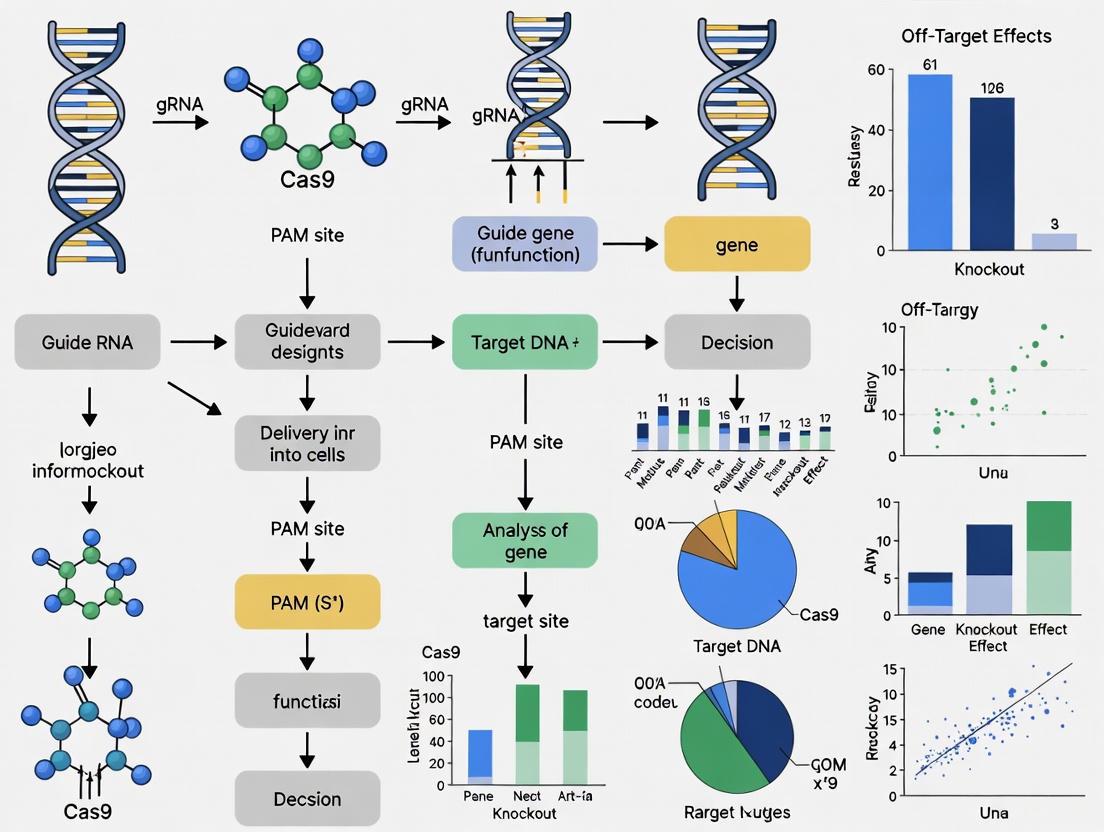
CRISPR screening has emerged as a transformative technology in functional genomics, enabling systematic interrogation of gene function across diverse biological contexts.
CRISPR Screening in Functional Genomics: A Comprehensive Guide from Basics to Clinical Translation
Abstract
CRISPR screening has emerged as a transformative technology in functional genomics, enabling systematic interrogation of gene function across diverse biological contexts. This comprehensive review explores the foundational principles of CRISPR screening, detailing its evolution from a basic gene-editing tool to a sophisticated platform for high-throughput genetic analysis. We examine current methodological approaches including knockout, activation, and inhibition screens, along with cutting-edge applications in drug target identification, personalized medicine, and complex disease modeling. The article provides practical troubleshooting guidance for common experimental challenges and data analysis pitfalls. Finally, we evaluate validation frameworks and comparative performance against alternative technologies, highlighting the rapid clinical translation of CRISPR-based discoveries and future directions integrating artificial intelligence and single-cell technologies. This resource equips researchers and drug development professionals with both theoretical knowledge and practical insights to leverage CRISPR screening in their functional genomics programs.
The CRISPR Screening Revolution: Redefining Functional Genomics
CRISPR screening has evolved from a basic gene-editing tool into a powerful framework for high-throughput functional genomics research. The integration of CRISPR-based functional genomics with pluripotent stem cell (PSC) technologies represents a transformative approach for investigating gene function, modeling human disease, and advancing regenerative medicine [1]. This evolution has been marked by the development of sophisticated CRISPR-Cas platforms including gene knockouts, base and prime editing, and CRISPR activation or interference (CRISPRa/i) systems applied to diverse biological models [1]. For researchers and drug development professionals, these advances provide unprecedented capability to systematically dissect complex biological processes and identify novel therapeutic targets through high-content screening methodologies.
The core innovation lies in moving beyond single-gene manipulation to genome-scale interrogation of gene function. While early CRISPR-Cas9 systems enabled targeted gene disruption through double-strand breaks repaired by non-homologous end joining (NHEJ) or homology-directed repair (HDR), newer platforms have expanded this toolbox significantly [2]. Current technologies now include catalytically deactivated Cas9 (dCas9) fused to transcriptional regulators for gene activation or repression without altering DNA sequence, base editors for precise single-nucleotide changes, and prime editors that offer search-and-replace functionality without double-strand breaks [2] [3]. These tools have opened new avenues for comprehensive genotype-phenotype mapping in diverse cellular contexts.
Technological Evolution of CRISPR Screening Platforms
Advanced Screening Methodologies
Recent methodological innovations have substantially improved the resolution and applicability of CRISPR screening in complex model systems. The CRISPR-StAR (Stochastic Activation by Recombination) platform addresses key limitations in conventional screening by introducing internal controls generated through Cre-inducible sgRNA expression [4]. This method activates sgRNAs in only half the progeny of each cell after clonal expansion, creating intrinsic controls that overcome heterogeneity and genetic drift in bottleneck scenarios such as in vivo tumor modeling [4]. The system employs intercalated lox5171 sites (incompatible with loxP) to create mutually exclusive recombination outcomes—either excision of a stop cassette to generate active sgRNAs or excision of the tracrRNA to maintain inactive states [4]. This internal control mechanism maintains high reproducibility (Pearson correlation coefficient >0.68) even at low sgRNA coverage where conventional analysis fails completely [4].
For high-content phenotypic screening, the PERISCOPE (perturbation effect readout in situ with single-cell optical phenotyping) platform combines destainable high-dimensional phenotyping based on Cell Painting with optical sequencing of molecular barcodes [5]. This approach enables genome-scale morphological profiling through five-color fluorescence microscopy imaging cell compartments (actin, mitochondria, Golgi, endoplasmic reticulum, and nucleus) followed by in situ sequencing to assign perturbations [5]. A key innovation involves conjugating phenotypic probes to fluorophores using disulfide linkers that can be cleaved with tris(2-carboxyethyl)phosphine (TCEP) after imaging, freeing fluorescent channels for subsequent barcode sequencing [5]. This technology has generated the first morphology-based genome-wide perturbation atlas, profiling >20,000 gene knockouts in >30 million human cells [5].
Algorithmic and Library Design Improvements
Substantial progress has been made in sgRNA library design and performance optimization. Benchmark comparisons of CRISPRn guide-RNA design algorithms have demonstrated that smaller, more optimized libraries can perform equivalently or superior to larger conventional libraries [6]. The Vienna library, designed using VBC scores, achieves strong depletion of essential genes with only 3 guides per gene, outperforming the 6-guide Yusa v3 library in both essentiality and drug-gene interaction screens [6]. Dual-targeting libraries, where two sgRNAs target the same gene, show enhanced depletion of essential genes but may trigger a heightened DNA damage response, as evidenced by a log₂-fold change delta of -0.9 compared to single-targeting guides [6].
Table 1: Performance Comparison of CRISPR sgRNA Libraries
| Library Name | Guides per Gene | Essential Gene Depletion | Drug-Gene Interaction Performance | Key Features |
|---|---|---|---|---|
| Vienna-single | 3 | Strongest depletion | Best resistance log fold changes | Selected by VBC scores |
| Vienna-dual | 3 pairs | Strong depletion | Strongest effect sizes | Dual targeting strategy |
| Yusa v3 | 6 | Weaker depletion | Consistently lowest performance | Conventional library |
| MinLib | 2 | Strong depletion | Not tested | Minimal guide design |
| Brunello | 4 | Intermediate | Not tested | Widely adopted |
Artificial intelligence has further advanced library design and editor optimization. Machine learning and deep learning models now accelerate the optimization of gene editors for diverse targets, guide the engineering of existing tools, and support the discovery of novel genome-editing enzymes [3]. AI methodologies have been particularly valuable for predicting Cas protein behavior, optimizing guide RNA designs, and forecasting editing outcomes based on sequence and cellular context [3].
Application Notes: Experimental Protocols for Advanced CRISPR Screening
Protocol 1: CRISPRi Screening for Cell-Type-Specific Genetic Dependencies
Background: This protocol describes comparative CRISPR interference (CRISPRi) screening to identify cell-type-specific essential genes, particularly in mRNA translation machinery, across human induced pluripotent stem cells (hiPSCs) and differentiated lineages [7].
Experimental Workflow:
Cell Line Engineering:
sgRNA Library Design and Cloning:
Cell Differentiation and Screening:
- Differentiate inducible hiPS cells into neural progenitor cells (NPCs), neurons, and cardiomyocytes using established protocols [7].
- Transduce inducible hiPS cells, NPCs, and control cells (e.g., HEK293) with lentiviral sgRNA library at low MOI to ensure one sgRNA per cell [7].
- Induce KRAB-dCas9 expression with doxycycline and maintain cultures for ten population doublings [7].
Sample Collection and Analysis:
- Collect genomic DNA from matched samples grown without or with doxycycline [7].
- Amplify and sequence sgRNA regions, then calculate gene-level enrichment/depletion scores using established CRISPRi screen analysis pipelines [7].
- Validate hits by individual sgRNA transduction and RT-qPCR confirmation of knockdown efficiency [7].
Key Considerations: CRISPRi avoids p53-mediated toxicity associated with double-strand breaks, making it suitable for sensitive pluripotent stem cells [7]. Essentiality profiles differ significantly across cell types; hiPS cells show higher sensitivity to mRNA translation perturbations (76% of targeted genes essential) compared to NPCs (67% essential) [7].
Protocol 2: In Vivo CRISPR Screening Using CRISPR-StAR
Background: This protocol enables high-resolution genetic screening in complex in vivo models by incorporating internal controls to overcome heterogeneity and bottleneck effects [4].
Experimental Workflow:
Vector Construction:
Cell Preparation and Transplantation:
Induction and Analysis:
- Upon tumor establishment (typically 2-3 weeks), induce Cre::ERT2 recombinase with 4-OH tamoxifen administration [4].
- Allow tumor growth for additional 2-3 weeks before harvest [4].
- Quantify abundance of active and inactive sgRNAs within each clonal UMI population using NGS [4].
- Compare representation of active sgRNAs at endpoint to inactive internal UMI controls rather than pre-injection baseline [4].
Key Considerations: CRISPR-StAR maintains high reproducibility (R>0.68) even at low sgRNA coverage where conventional screening fails [4]. The internal control structure corrects for both intrinsic and extrinsic heterogeneity in tumor microenvironment [4].
Protocol 3: Genome-Wide Morphological Profiling with PERISCOPE
Background: This protocol enables unbiased morphology-based genome-wide perturbation mapping through optical pooled screening [5].
Experimental Workflow:
Library Design and Cell Preparation:
- Select ~4 sgRNAs per gene from existing libraries, choosing sequences enabling total deconvolution in 12 cycles of in situ sequencing [5].
- Ensure Levenshtein distance of 2 between sgRNA sequences for error detection [5].
- Clone 80,408 sgRNA library targeting 20,393 genes into CROP-seq vector for direct in situ sequencing of sgRNAs [5].
Cell Staining and Imaging:
- Plate transfected cells and perform five-color Cell Painting: phalloidin (actin), anti-TOMM20 (mitochondria), WGA (Golgi/membrane), ConA (ER), and DAPI (nucleus) [5].
- Image phenotypic markers using high-content microscopy [5].
- Treat with TCEP reducing agent to cleave fluorophores via disulfide linkages [5].
In Situ Sequencing:
Image Analysis and Hit Calling:
- Process images using modified CellProfiler workflow incorporating image alignment and barcode calling [5].
- Extract single-cell morphological profiles using adapted Pycytominer library [5].
- Identify "whole-cell" hit genes based on aggregate signal from all compartments and "compartment" hit genes from subcellular features [5].
- Apply false discovery rate (FDR) of 1% for hit calling with profile strength calculation using mAP metric [5].
Key Considerations: PERISCOPE profiles >30 million cells generating ~500 cells per gene, enabling detection of subtle morphological phenotypes [5]. Compartment-specific hits reveal subcellular localization of gene function—for example, mitochondrial genes show 54% of phenotypic signal in mitochondrial channel [5].
The Scientist's Toolkit: Essential Research Reagents
Table 2: Key Research Reagent Solutions for Advanced CRISPR Screening
| Reagent/Category | Specific Examples | Function and Application | Key Characteristics |
|---|---|---|---|
| CRISPR Effectors | Cas9, Cas12, Cas13, base editors, prime editors | DNA/RNA targeting and modification | Variants with improved specificity (NmeCas9), compact size, altered PAM requirements |
| sgRNA Libraries | Vienna-single, Vienna-dual, Yusa v3, Brunello | High-throughput gene perturbation | Genome-wide coverage, optimized on-target efficiency, minimal off-target effects |
| Delivery Systems | Lentiviral vectors, lipid nanoparticles (LNPs), AAV | Efficient intracellular delivery of editing components | Cell-type specificity, minimal immunogenicity, payload capacity optimization |
| Stem Cell Models | hiPS cells, embryonic stem cells, organoids | Physiologically relevant disease modeling | Differentiation capacity, genetic stability, human disease relevance |
| Screening Platforms | CRISPR-StAR, PERISCOPE, Perturb-seq | High-content phenotypic assessment | Internal controls, single-cell resolution, multi-parameter readouts |
| Analysis Tools | Chronos, MAGeCK, VBC scores, CellProfiler | Data processing and hit identification | Time-series modeling, essentiality calling, morphological feature extraction |
Signaling Pathways and Workflows
Diagram 1: CRISPR-StAR workflow for in vivo screening. This diagram illustrates the process of stochastic activation by recombination that creates internal controls within each clonal population, enabling high-resolution genetic screening in complex models [4].
Diagram 2: PERISCOPE workflow for morphological profiling. This diagram shows the integrated process of high-content imaging and in situ sequencing that enables genome-wide mapping of gene knockout effects on cell morphology [5].
The evolution of CRISPR screening technologies has transformed functional genomics research, enabling systematic mapping of gene function across diverse biological contexts. Current methodologies now support high-resolution screening in complex models including organoids, in vivo systems, and patient-derived samples through innovations like CRISPR-StAR that overcome previous limitations of heterogeneity and bottleneck effects [4]. The integration of artificial intelligence further accelerates this progress by optimizing editor design, predicting functional outcomes, and discovering novel editing systems [3].
Future developments will likely focus on enhancing single-cell multi-omic readouts, improving in vivo delivery efficiency, and expanding therapeutic applications. The recent success of CRISPR-based medicines like Casgevy for sickle cell disease and beta thalassemia demonstrates the clinical translation potential of these technologies [8]. Additionally, advances in base editing and prime editing offer more precise genetic modification capabilities with reduced off-target effects [3]. As screening methodologies continue to evolve, they will provide increasingly sophisticated tools for deciphering complex biological networks and accelerating drug discovery pipelines.
CRISPR screening has emerged as a powerful tool in functional genomics, enabling researchers to systematically investigate gene function on a genome-wide scale. These screens employ a forward genetics approach, where cellular phenotypes resulting from precise genetic perturbations are analyzed to establish causal relationships between genes and biological processes [9]. The technology has largely surpassed earlier methods like RNA interference (RNAi) due to its higher specificity, fewer off-target effects, and ability to permanently disrupt gene function through DNA editing rather than transient mRNA knockdown [9]. Within drug discovery pipelines, CRISPR screens play a pivotal role in target identification and validation, helping to identify genes associated with diseases and potential therapeutic targets [10] [9]. Two primary experimental paradigms have emerged for conducting these investigations: pooled and arrayed screening platforms, each with distinct methodologies, applications, and considerations.
Fundamental Principles and Direct Comparative Analysis
Pooled Screening Principle
Pooled screens involve introducing a complex mixture of sgRNAs into a single population of cells. A library of sgRNA-containing plasmids is packaged into lentiviral particles and used to transduce host cells at a low multiplicity of infection (MOI), ensuring each cell receives approximately one viral construct [11] [9]. The edited cell population is then subjected to selective pressures or sorted based on a phenotype of interest. Since all genetic perturbations occur within a mixed cell population, linking phenotypes to specific genotypes requires physical separation of cells (e.g., via fluorescence-activated cell sorting or viability selection) followed by next-generation sequencing (NGS) to quantify sgRNA enrichment or depletion [11].
Arrayed Screening Principle
Arrayed screens adopt a "one-gene-per-well" approach where individual genetic perturbations are physically separated in multiwell plates [12] [11]. Each well receives a single sgRNA targeting a specific gene, typically delivered as plasmid DNA, viral particles, or pre-complexed ribonucleoproteins (RNPs) [12] [9]. This physical separation enables direct genotype-phenotype linkage without requiring sequencing-based deconvolution. Arrayed screens are compatible with complex multiparametric assays that measure multiple phenotypic endpoints simultaneously, including high-content imaging, morphological analyses, and measurements of secreted factors [12] [9].
Table 1: Core Characteristics of Pooled and Arrayed CRISPR Screens
| Characteristic | Pooled Screening | Arrayed Screening |
|---|---|---|
| Spatial Organization | Mixed population in a single vessel | Separate wells in multiwell plates |
| Library Delivery | Lentiviral transduction | Transfection or transduction |
| Genotype-Phenotype Linkage | Requires sequencing & deconvolution | Direct, per-well assessment |
| Primary Readout Method | NGS of sgRNA abundance | Various (imaging, biochemical, etc.) |
| Typical Scale | Genome-wide (thousands of genes) | Focused libraries or genome-wide |
| Phenotypic Scope | Binary outcomes (viability, FACS) | Simple to complex multiparametric |
Strategic Considerations for Platform Selection
The choice between pooled and arrayed screening formats depends on multiple experimental factors. Assay compatibility is crucial; pooled screens are restricted to binary assays where cells can be physically separated based on the phenotype, while arrayed screens accommodate diverse assay types including high-content imaging and multiparametric analyses [11] [9]. Cell model characteristics also influence selection; pooled screens require proliferating cells that can stably maintain integrated sgRNAs, whereas arrayed screens work with various cell types, including primary and non-dividing cells [11]. Additionally, researchers must consider equipment requirements (arrayed screens often need automated liquid handling and high-content imaging systems), labor investment (pooled screens require extensive bioinformatics analysis), and cost structure (arrayed screens have higher upfront costs but can provide more information-rich datasets) [11] [9].
Table 2: Practical Considerations for Selecting a Screening Platform
| Consideration | Pooled Screening | Arrayed Screening |
|---|---|---|
| Optimal Assay Types | Cell viability, FACS-based sorting | High-content imaging, multiparametric, biochemical |
| Ideal Cell Models | Rapidly dividing, easy-to-transduce cells | Primary cells, neurons, iPSCs, complex co-cultures |
| Equipment Needs | Standard cell culture, NGS, computational resources | Automated liquid handlers, high-content imagers |
| Data Analysis Complexity | High (bioinformatics, statistical deconvolution) | Lower (direct well-to-well comparisons) |
| Typical Workflow Timeline | Longer (library prep, expansion, sequencing) | Shorter (direct phenotypic assessment) |
| Cost Structure | Lower upfront, higher sequencing costs | Higher upfront (reagents, equipment), lower per-assay |
Experimental Protocols
Protocol for Pooled CRISPR Screening
Library Design and Preparation
The foundation of a successful pooled screen lies in careful gRNA library design. For a genome-wide human screen, typically 4-10 sgRNAs are designed per gene to ensure statistical robustness and account for variable editing efficiencies [13] [11]. sgRNAs should target early exons of protein-coding genes to maximize frameshift probability, with careful off-target prediction using bioinformatics tools like CRISPOR or CHOPCHOP to minimize non-specific editing [13]. The library is synthesized as oligonucleotide pools, then cloned into lentiviral vectors containing selectable markers (e.g., antibiotic resistance) [13] [11]. After transformation into E. coli, the plasmid library is amplified and validated by NGS to ensure equal sgRNA representation before lentiviral packaging in 293T cells [11].
Cell Transduction and Selection
The lentiviral library is transduced into Cas9-expressing cells at a low MOI (typically 0.3-0.5) to ensure most cells receive only one sgRNA [13] [11]. Transduction efficiency is optimized to achieve 30-50% infection rates to minimize multiple infections per cell. Forty-eight hours post-transduction, cells are placed under antibiotic selection (e.g., puromycin) for 5-7 days to eliminate non-transduced cells, then expanded to achieve sufficient coverage (typically 500-1000 cells per sgRNA to prevent stochastic drift) [13] [4].
Phenotypic Selection and Analysis
The selected cell population is divided into experimental and reference groups, with the experimental arm subjected to the selective pressure of interest (e.g., drug treatment, nutrient deprivation) while the reference arm remains unperturbed [10] [11]. After a sufficient selection period (typically 2-3 weeks for negative selection screens), genomic DNA is extracted from both populations and sgRNA sequences are amplified with sample barcodes for multiplexed NGS [11]. Sequencing reads are aligned to the reference library, and sgRNA abundances are compared between conditions using specialized algorithms like MAGeCK or BAGEL to identify significantly enriched or depleted sgRNAs [14].
Diagram 1: Pooled screening workflow.
Protocol for Arrayed CRISPR Screening
Library Format and Preparation
Arrayed libraries are formatted as individual sgRNAs in multiwell plates (commonly 96-, 384-, or 1536-well formats) [12]. sgRNAs can be provided as chemically synthesized oligonucleotides (for RNP formation), plasmid DNA, or pre-packaged viral particles [12] [11]. For RNP-based approaches, which offer high editing efficiency and minimal off-target effects, crRNA:tracrRNA complexes are pre-assembled with recombinant Cas9 protein to form RNPs immediately before delivery [12]. Each well receives a single sgRNA targeting one gene, though some designs include multiple sgRNAs per well targeting the same gene to enhance knockout efficiency [12].
Cell Seeding and Transfection
Cells are seeded into multiwell plates at optimized densities for the specific assay duration and readout. For proliferating cells, reverse transfection approaches are often employed, where transfection reagents are pre-dispensed into plates before adding cells [12]. Cas9 can be delivered through multiple methods: using stable Cas9-expressing cell lines, co-transfection with Cas9 plasmid, or most effectively as pre-complexed RNP delivered via electroporation or lipid-based transfection [12]. Transfection conditions must be rigorously optimized for each cell type to maximize editing efficiency while maintaining viability.
Phenotypic Assessment and Analysis
After a suitable incubation period (typically 3-7 days to allow for protein turnover and phenotypic manifestation), plates are subjected to phenotypic analysis without the need for sequencing-based deconvolution [12] [11]. Assays are tailored to the biological question and can include high-content imaging of morphological features, viability measurements, reporter gene expression, or secreted factor analysis [9]. Data analysis involves comparing each well directly to control wells, with normalization to plate controls and statistical assessment of phenotype strength. Hit identification is straightforward as each well corresponds to a single genetic perturbation [11].
Diagram 2: Arrayed screening workflow.
The Scientist's Toolkit: Essential Research Reagents
Table 3: Essential Reagents for CRISPR Screening
| Reagent / Material | Function | Application in Screening |
|---|---|---|
| sgRNA Library | Guides Cas9 to specific genomic loci | Both pooled & arrayed (format differs) |
| Cas9 Nuclease | Creates double-strand breaks at target sites | Both pooled & arrayed |
| Lentiviral Vectors | Efficient delivery & genomic integration | Primarily pooled screens |
| Lipid-Based Transfection Reagents | Delivers RNP or plasmid DNA to cells | Primarily arrayed screens |
| Ribonucleoprotein (RNP) Complexes | Pre-formed Cas9-sgRNA complexes | Primarily arrayed (higher efficiency, lower off-target) |
| Selection Antibiotics | Enriches for successfully transduced cells | Primarily pooled screens |
| Next-Generation Sequencing Kits | Quantifies sgRNA abundance | Primarily pooled screens |
| High-Content Imaging Systems | Captures complex phenotypic data | Primarily arrayed screens |
| Automated Liquid Handlers | Dispenses nanoliter volumes to multiwell plates | Primarily arrayed screens |
Advanced Applications and Integrated Workflows
The complementary strengths of pooled and arrayed screening platforms make them ideally suited for sequential application in target discovery pipelines. A common strategy employs pooled screening as a primary discovery tool to identify a broad set of candidate genes associated with a phenotype, followed by arrayed screening for secondary validation and detailed characterization of hits in more physiologically relevant models [11] [9]. This integrated approach balances the comprehensive coverage of pooled screens with the rigorous, information-rich validation capability of arrayed screens.
Advanced screening methodologies continue to emerge, addressing limitations of conventional approaches. CRISPR-StAR (Stochastic Activation by Recombination) introduces internal controls by activating sgRNAs in only half the progeny of each cell after clonal expansion, dramatically improving signal-to-noise ratio in complex models like in vivo tumors and organoids [4]. Single-cell CRISPR screening technologies like Perturb-seq and CROP-seq combine pooled CRISPR screening with single-cell RNA sequencing, enabling high-resolution analysis of transcriptional phenotypes resulting from genetic perturbations [14] [10].
Beyond simple knockout screens, CRISPR platforms have diversified to include CRISPR interference (CRISPRi) for gene repression and CRISPR activation (CRISPRa) for gene activation, both using catalytically dead Cas9 (dCas9) fused to effector domains [14] [10]. These approaches enable fine-tuning of gene expression and study of essential genes that would be lethal in knockout screens. More recently, base editing and prime editing screens have enabled functional analysis of specific nucleotide variants, expanding CRISPR screening into functional variant characterization [10].
Pooled and arrayed CRISPR screening platforms represent complementary methodologies that together provide powerful tools for functional genomics research and drug discovery. The selection between these platforms depends on multiple factors including the biological question, assay requirements, available resources, and cell model characteristics. Pooled screens offer unparalleled scalability for genome-wide interrogation of binary phenotypes, while arrayed screens enable detailed multiparametric analysis of focused gene sets. As CRISPR technologies continue to evolve with improvements in editing precision, delivery methods, and phenotypic readouts, both screening paradigms will remain essential components of the functional genomics toolkit, accelerating the identification and validation of novel therapeutic targets across diverse disease areas.
CRISPR screening has revolutionized functional genomics by enabling high-throughput, systematic interrogation of gene function across the entire genome. This powerful approach relies on the coordinated function of three essential components: single-guide RNA (sgRNA) libraries, Cas enzymes, and delivery systems. Together, these elements facilitate the precise perturbation of thousands of genetic targets in parallel, allowing researchers to decipher complex genetic networks, identify key regulators of biological processes, and uncover novel therapeutic targets for disease treatment [15] [9]. The integration of these components has become indispensable for modern drug discovery and development, particularly in oncology, where CRISPR screens have proven invaluable for deciphering key regulators of tumorigenesis, unraveling underlying mechanisms of drug resistance, and optimizing immunotherapy approaches [15].
Table: Core Components of a CRISPR Screening Platform
| Component | Function | Key Considerations | Common Formats/Variants |
|---|---|---|---|
| sgRNA Library | Guides Cas enzyme to specific genomic targets; determines screening scope | Specificity, efficiency, off-target risk, coverage | Genome-wide, focused/subset, custom-designed [9] [13] |
| Cas Enzyme | Executes genomic perturbation; determines type of edit | PAM requirement, editing efficiency, size, specificity | Cas9 (knockout), dCas9-KRAB (interference), dCas9-activator (activation) [9] [16] |
| Delivery System | Introduces CRISPR components into target cells | Efficiency, cargo capacity, cell type compatibility, toxicity | Lentiviral, adeno-associated virus (AAV), liposome transfection, electroporation [13] |
sgRNA Libraries: Design and Construction
Library Design Principles
The design of sgRNA libraries is a critical foundational step that directly determines the success and reliability of CRISPR screens. Effective sgRNA design must balance multiple factors to achieve optimal performance. Each sgRNA typically ranges from 18-23 nucleotides in length, with GC content maintained between 40%-60% to ensure stable binding while avoiding complex secondary structures that could impede functionality [13]. Bioinformatic tools are essential for selecting target sequences with maximal on-target efficiency and minimal off-target potential by scanning the entire genome for unique sequences with minimal similarity to non-target regions [13].
Modern library designs incorporate multiple sgRNAs per gene (typically 3-10) to account for variations in efficiency and to provide statistical confidence in screening hits. For instance, in a novel approach called CRISPRgenee, which combines simultaneous gene knockout and epigenetic silencing, researchers used dual-guide RNAs to significantly improve loss-of-function effects and reduce sgRNA performance variance [17]. This approach demonstrates how advanced library design strategies can enhance screening robustness, particularly for challenging targets where conventional single-guide approaches may yield incomplete gene suppression.
Library Types and Applications
sgRNA libraries are broadly categorized based on their scope and application, with each type serving distinct research purposes. Genome-wide libraries encompass sgRNAs targeting nearly all genes in the genome, enabling unbiased discovery of genes involved in biological processes or disease states [15] [13]. These libraries are particularly valuable for identifying novel genetic regulators without pre-existing hypotheses. Focused libraries target specific gene families, signaling pathways, or functional categories, allowing researchers to concentrate resources on genes of particular interest [13]. These are especially useful for validation studies or when investigating specific biological mechanisms.
More specialized libraries have been developed for advanced applications. For example, CRISPRi libraries designed for transcriptional repression typically target promoter regions or transcription start sites (TSS) with truncated sgRNAs (15-20 nt) that maintain binding capability while modulating repression efficiency [17]. Dual-guide libraries represent another advancement, where two sgRNAs are deployed simultaneously against the same target to enhance perturbation efficacy, as demonstrated in the CRISPRgenee system which showed improved depletion efficiency and accelerated gene depletion compared to individual CRISPRi or CRISPRko approaches [17].
Table: Comparison of Common sgRNA Library Types
| Library Type | Scope | Number of Genes Targeted | Primary Applications | Advantages | Limitations |
|---|---|---|---|---|---|
| Genome-wide | Entire genome | ~18,000-20,000 protein-coding genes [18] | Novel target discovery, comprehensive functional mapping | Unbiased approach, broad coverage | High cost, complex data analysis, requires large cell numbers |
| Focused/Subset | Specific pathways or gene families | Dozens to hundreds [13] | Validation studies, pathway-specific investigations | Cost-effective, simplified analysis, higher throughput | Limited to pre-defined gene sets |
| Druggable Genome | Commercially targetable genes | ~5,000 genes [18] | Drug discovery, therapeutic target identification | Direct therapeutic relevance | Excludes non-druggable targets |
| CRISPRi/a | Transcriptional regulation | Variable | Gene expression modulation, non-coding regions | Tunable perturbation, avoids DNA damage | Requires specialized Cas variants |
Library Construction Workflow
The construction of sgRNA libraries follows a meticulous process to ensure comprehensive coverage and representation. The workflow begins with oligonucleotide synthesis of designed sgRNA sequences through chemical synthesis or PCR amplification methods [13]. These oligonucleotides are then cloned into appropriate vectors, typically lentiviral backbones that enable efficient delivery and stable integration. The cloning process employs restriction enzymes and DNA ligases to precisely insert the sgRNA sequences into the vectors, creating a recombinant library [13].
A critical quality control step involves transforming the library into bacterial cells (typically E. coli) for amplification, followed by plasmid purification to obtain high-quality library DNA [13]. Throughout this process, maintaining library diversity and representation is paramount, often achieved by using high coverage libraries (>30x) and incorporating negative selection markers like ccdB to enhance cloning accuracy [13]. Finally, the library plasmids are packaged into viral particles using packaging cell lines (e.g., 293T cells) to generate the infectious virus stock ready for delivery into target cells [13].
Cas Enzymes: Mechanisms and Variants
Cas9 and Its Derivatives
The Cas9 nuclease from Streptococcus pyogenes represents the foundational enzyme for most CRISPR screening applications. The native Cas9 functions as a molecular scissors that introduces double-strand breaks (DSBs) in DNA at sites specified by the sgRNA and adjacent to a protospacer adjacent motif (PAM) sequence (NGG for SpCas9) [9] [13]. Following DSB formation, cellular repair mechanisms predominantly through non-homologous end joining (NHEJ) often result in insertion/deletion mutations (indels) that disrupt gene function, enabling effective gene knockout [16].
Key advancements have led to the development of catalytically impaired "dead" Cas9 (dCas9), generated through point mutations (D10A and H840A) that abolish nuclease activity while preserving DNA binding capability [16]. dCas9 serves as a programmable DNA-binding platform that can be fused to various effector domains to modulate gene expression without altering DNA sequence. When fused to transcriptional repressor domains like KRAB (Krüppel-associated box), dCas9 becomes a potent tool for CRISPR interference (CRISPRi) that can silence gene expression by up to 1,000-fold [16]. Conversely, fusion to transcriptional activators such as VP64, VP64-p65-Rta (VPR), or synergistic activation mediator (SAM) creates CRISPR activation (CRISPRa) systems that enhance gene expression [16].
Specialized Cas Variants and Novel Systems
Beyond standard Cas9, numerous specialized Cas variants have been engineered to expand the capabilities of CRISPR screening. Base editors enable precise nucleotide conversions without introducing double-strand breaks by fusing dCas9 or Cas9 nickase with deaminase enzymes. Cytidine base editors facilitate C•G to T•A conversions, while adenine base editors enable A•T to G•C changes [16]. Prime editors represent even more versatile tools that use a reverse transcriptase domain fused to Cas9 nickase to directly write new genetic information into target sites using a prime editing guide RNA (pegRNA) template [3].
Emerging systems like CRISPRgenee demonstrate innovative approaches that combine multiple functionalities. This system utilizes ZIM3-Cas9 fusions with truncated sgRNAs (15-nt) to simultaneously achieve gene repression and DNA cleavage, resulting in significantly improved loss-of-function effects compared to conventional CRISPRko or CRISPRi alone [17]. The continuous discovery of novel Cas proteins from microbial diversity, including Cas12, Cas13, and miniature Cas variants, further expands the toolkit available for specialized screening applications [3] [13].
Delivery Systems: Methods and Applications
Viral Delivery Methods
Lentiviral vectors represent the most widely used delivery system for pooled CRISPR screens due to their ability to efficiently transduce a broad range of cell types, including non-dividing cells, and achieve stable genomic integration of CRISPR components [9] [13]. The lentiviral delivery process involves packaging sgRNA library plasmids into lentiviral particles using helper plasmids in packaging cell lines (typically 293T cells), followed by transduction of target cells at appropriate multiplicity of infection (MOI ~0.3) to ensure most cells receive a single sgRNA [18] [13]. A key advantage of lentiviral systems is their capacity for long-term persistence, making them ideal for extended screens requiring continuous gene perturbation.
Adeno-associated virus (AAV) vectors offer an alternative viral delivery method with favorable safety profiles and reduced immunogenicity compared to lentiviral systems [13]. While AAV has a smaller packaging capacity that can limit its use for larger constructs, it provides high transduction efficiency for certain cell types and has been particularly valuable for in vivo screening applications. Recent advances in AAV serotype engineering have expanded the tropism and efficiency of AAV-mediated delivery for CRISPR components.
Non-Viral Delivery Methods
Non-viral delivery methods provide important alternatives that avoid limitations associated with viral systems, such as immunogenicity and insertional mutagenesis concerns. Liposome-mediated transfection involves complexing CRISPR reagents with cationic lipids that fuse with cell membranes, releasing the payload into the cytoplasm [13]. This method is particularly suitable for arrayed screens where each sgRNA is delivered separately to multiwell plates. Electroporation uses electrical pulses to create temporary pores in cell membranes through which CRISPR components can enter cells [13]. Modern electroporation systems have achieved high efficiency delivery even in challenging primary cells and stem cells.
The choice between delivery methods depends on multiple factors including cell type, screening format, and experimental requirements. Pooled screens typically utilize viral delivery, while arrayed screens often employ non-viral methods that enable individual treatment of each target across multiwell plates [9]. Recent innovations in nanoparticle-based delivery and exosome-mediated transfer show promise for further expanding the capabilities of CRISPR component delivery, particularly for in vivo applications and hard-to-transfect cell types.
Integrated Experimental Protocols
Pooled CRISPR Screening Protocol
Pooled CRISPR screening represents the most common approach for large-scale functional genomic studies, particularly for identifying genes involved in survival, proliferation, or response to therapeutic agents [9] [18]. The following protocol outlines the key steps for performing a genome-scale pooled CRISPR knockout screen:
Step 1: Library Selection and Preparation Select an appropriate sgRNA library based on experimental goals. For genome-wide screens, libraries typically contain 90,000-100,000 sgRNAs targeting 18,000-20,000 genes [18]. Amplify the library plasmid through large-scale bacterial culture and purify using endotoxin-free maxiprep kits. Determine the plasmid concentration and quality through spectrophotometry and agarose gel electrophoresis.
Step 2: Viral Production Package the sgRNA library into lentiviral particles by co-transfecting the library plasmid with packaging plasmids (psPAX2 and pMD2.G) into 293T cells using polyethylenimine (PEI) transfection reagent. Harvest the viral supernatant at 48 and 72 hours post-transfection, concentrate using ultracentrifugation or PEG precipitation, and titer using qPCR or functional titration methods [13].
Step 3: Cell Transduction Seed Cas9-expressing target cells at appropriate density (typically 2-5×10^6 cells for coverage of 500× per sgRNA). Transduce cells with the lentiviral library at MOI of ~0.3 to ensure most cells receive a single sgRNA. Include polybrene (8 μg/mL) to enhance transduction efficiency. After 24 hours, replace the virus-containing medium with fresh culture medium [18].
Step 4: Selection and Expansion Begin puromycin selection (1-5 μg/mL, concentration determined by kill curve) at 48 hours post-transduction to eliminate non-transduced cells. Maintain selection for 3-7 days until control non-transduced cells are completely eliminated. Expand the transduced cell population while maintaining at least 500× coverage for each sgRNA throughout the experiment [18].
Step 5: Phenotypic Selection and Harvest Apply the selective pressure of interest (e.g., drug treatment, FACS sorting based on markers, or continued culture for essential gene identification). For drug resistance screens, treat cells with IC50-IC90 concentrations of the compound for 2-3 weeks, refreshing drug and media every 3-4 days [18]. Harvest genomic DNA from both the experimental group and the initial plasmid library or day 0 control using maxiprep-scale DNA extraction protocols.
Step 6: Sequencing and Analysis Amplify the integrated sgRNA sequences from genomic DNA using PCR with barcoded primers compatible with high-throughput sequencing. Pool PCR products, purify, and sequence on an Illumina platform to obtain at least 500× coverage per sgRNA. Process sequencing data through alignment tools and quantify sgRNA abundance using specialized algorithms (e.g., MAGeCK) to identify significantly enriched or depleted sgRNAs [18].
Arrayed CRISPR Screening Protocol
Arrayed CRISPR screening provides an alternative format where each sgRNA is delivered separately in multiwell plates, enabling more complex phenotypic readouts including high-content imaging and time-series analysis [9]. This protocol describes the worklow for performing an arrayed CRISPRi screen using dCas9-KRAB:
Step 1: Arrayed Library Formatting Obtain or prepare an arrayed sgRNA library where each well contains a single sgRNA sequence targeting a specific gene. Dilute sgRNAs or lentiviral vectors in individual wells of 96-well or 384-well plates. For CRISPRi applications, design sgRNAs to target transcription start sites (TSS) with 15-20 nt length optimized for efficient repression [17].
Step 2: Cell Seeding and Transduction Seed dCas9-KRAB-expressing target cells into each well of the library plates at optimized density (e.g., 2,000-5,000 cells per well for 96-well format). For viral delivery, add lentiviral particles for each sgRNA at appropriate MOI. For non-viral delivery, transfer sgRNA plasmids using liposome-based transfection reagents optimized for the cell type [9].
Step 3: Phenotypic Assay Implementation After adequate time for gene perturbation (typically 3-7 days depending on protein half-life), perform phenotypic assays. For high-content screens, this may involve fixed-cell immunofluorescence staining, live-cell imaging, or metabolic assays. For time-series analyses, implement automated imaging systems to track phenotypic changes over multiple days [19].
Step 4: Data Acquisition and Analysis Acquire readouts using appropriate instrumentation (high-content imagers, plate readers, or FACS systems). Extract quantitative features from the data (cell count, intensity measurements, morphological parameters) and normalize to control wells. Perform statistical analysis to identify hits showing significant phenotypic changes compared to non-targeting controls, using Z-score or strictly standardized mean difference (SSMD) methods [19].
Advanced Screening Protocol: CRISPRgenee
The CRISPRgenee system represents a novel approach that combines simultaneous gene knockout and epigenetic silencing to enhance loss-of-function efficacy [17]. This protocol outlines its implementation:
Step 1: Vector Construction Clone a dual sgRNA expression construct containing one truncated sgRNA (15-nt) targeting the promoter region for epigenetic repression and one full-length sgRNA (20-nt) targeting a shared exon for DNA cleavage. Incorporate both sgRNAs into a single vector expressing ZIM3-Cas9 fusion protein, which contains active Cas9 nuclease fused to the potent transcriptional repressor domain ZIM3-KRAB [17].
Step 2: Library Delivery and Induction Transduce target cells with the CRISPRgenee library using lentiviral delivery at MOI ensuring single integration. Induce ZIM3-Cas9 expression with doxycycline (0.5-1 μg/mL) for timed activation of both repression and cleavage activities. Include controls with individual components (CRISPRi-only with dCas9-ZIM3 and CRISPRko-only with Cas9) [17].
Step 3: Efficiency Validation and Phenotyping Monitor gene suppression efficiency over time (5-14 days) using antibody staining or qPCR to confirm enhanced loss-of-function compared to individual approaches. Subject cells to phenotypic selection and analyze as in standard pooled screens. The dual-action system typically shows faster gene depletion and reduced sgRNA performance variance, enabling smaller library sizes with 1-3 sgRNAs per gene while maintaining high confidence in hit identification [17].
The Scientist's Toolkit: Essential Research Reagents
Table: Essential Research Reagents for CRISPR Screening
| Reagent Category | Specific Examples | Function | Application Notes |
|---|---|---|---|
| Cas Enzymes | SpCas9, dCas9-KRAB, dCas9-VPR, Base editors | Executes targeted genomic or transcriptional modifications | Select based on desired perturbation type: complete knockout (Cas9), repression (dCas9-KRAB), or activation (dCas9-VPR) [9] [16] |
| sgRNA Libraries | Genome-wide (e.g., Brunello, GeCKO), Focused, Custom-designed | Guides Cas enzyme to specific genomic targets | Genome-wide libraries provide unbiased discovery; focused libraries enable targeted investigation [9] [13] |
| Delivery Vectors | Lentiviral, AAV, plasmid vectors | Carries CRISPR components into target cells | Lentiviral offers stable integration; AAV has superior safety profile; plasmids for transient expression [13] |
| Cell Lines | Cas9/dCas9-expressing lines, iPSCs, Primary cells | Provides cellular context for screening | Engineered Cas9-expressing lines simplify workflow; iPSCs enable differentiation studies [7] [17] |
| Selection Agents | Puromycin, Blasticidin, Hygromycin | Enriches for successfully transduced cells | Concentration determined by kill curve for each cell line; typically applied 48h post-transduction [18] |
| Assay Reagents | Antibodies, Fluorescent dyes, Viability indicators | Enables phenotypic measurement and cell sorting | Choice depends on readout: FACS requires fluorescent markers; viability screens use proliferation dyes [9] |
| NGS Library Prep Kits | sgRNA amplification, Barcoded adapters | Facilitates sgRNA quantification from genomic DNA | Must maintain complexity during amplification; incorporate unique molecular identifiers (UMIs) [18] |
Troubleshooting and Technical Considerations
Optimization of Screening Parameters
Successful CRISPR screening requires careful optimization of multiple parameters to ensure robust results. Library representation must be maintained throughout the experiment, with recommended coverage of at least 500 cells per sgRNA to account for stochastic effects [18]. Viral titer optimization is critical, as excessively high MOI can lead to multiple sgRNA integrations per cell, complicating data interpretation, while low MOI reduces screening efficiency. Selection conditions should be predetermined through pilot experiments, particularly for drug screens where appropriate concentration (typically IC50-IC90) must balance selection pressure with maintainance of sufficient cell population for analysis [18].
For advanced systems like CRISPRgenee, additional parameters require optimization. The ratio between truncated and full-length sgRNAs must be balanced to achieve both efficient epigenetic repression and DNA cleavage [17]. The timing of Cas9 induction also significantly impacts performance, with earlier induction typically leading to stronger phenotypic effects. Recent studies indicate that continuous induction over 10-14 population doubling times provides optimal depletion of essential genes while minimizing off-target effects [17].
Addressing Common Technical Challenges
Several technical challenges commonly arise in CRISPR screening experiments. Off-target effects remain a concern, particularly for sgRNAs with high similarity to multiple genomic locations. This can be mitigated through careful sgRNA design using bioinformatic tools that predict potential off-target sites, and through the use of recently developed high-fidelity Cas9 variants [13]. Incomplete gene perturbation can lead to false negatives, especially for genes where residual protein expression maintains function. The CRISPRgenee system addresses this challenge by combining multiple perturbation mechanisms to enhance loss-of-function efficacy [17].
Screen-specific artifacts may arise from various sources, including variable sgRNA efficacy, DNA damage toxicity in CRISPRko screens, and cell density effects on selection. Incorporating sufficient biological replicates (typically 3-5), including non-targeting control sgRNAs, and using robust statistical methods that account for multiple testing are essential for distinguishing true hits from background noise [18]. For specialized applications like stem cell screens, additional considerations include minimizing p53-mediated toxicity through CRISPRi rather than CRISPRko approaches, and accounting for variable differentiation efficiencies when interpreting screen results [7].
In the field of functional genomics, CRISPR screening has emerged as a powerful method for elucidating gene function on a large scale. While the foundational technology of CRISPR-Cas9 enables targeted gene knockout (KO), the CRISPR toolkit has expanded to include precise transcriptional modulation through CRISPR interference (CRISPRi) and CRISPR activation (CRISPRa). These approaches allow researchers to move beyond binary gene disruption to fine-tune gene expression levels, enabling more nuanced functional studies that better mimic physiological and pathological states. For researchers and drug development professionals, selecting the appropriate CRISPR approach is critical for designing effective screens that yield biologically relevant insights into gene networks, signaling pathways, and potential therapeutic targets [10] [20].
Core Technologies: Mechanisms and Molecular Components
CRISPR Knockout (KO)
Mechanism: CRISPR-KO utilizes the wild-type Cas9 nuclease, which creates double-strand breaks (DSBs) in the DNA at sites specified by the guide RNA (gRNA). The cell's primary repair mechanism, non-homologous end joining (NHEJ), often results in small insertions or deletions (indels) that disrupt the reading frame, leading to premature stop codons and complete loss of gene function [21].
Considerations: The permanent nature of KO makes it ideal for studying non-essential genes or for positive selection screens. However, the DNA damage response triggered by DSBs can cause cytotoxicity and genomic instability in some cell types. Furthermore, KO is poorly suited for studying essential genes, as their complete disruption is lethal to cells, and for targeting non-coding regions, where small indels may not be sufficient to ablate function [22] [20].
CRISPR Interference (CRISPRi)
Mechanism: CRISPRi employs a catalytically "dead" Cas9 (dCas9) that lacks nuclease activity but retains DNA-binding capability. When fused to a transcriptional repressor domain like the Krüppel-associated box (KRAB), the dCas9-KRAB complex is guided to a promoter region, where it sterically hinders RNA polymerase and recruits chromatin-modifying factors to silence gene transcription. This results in robust, reversible knockdown without altering the DNA sequence [22] [20] [21].
Considerations: CRISPRi is highly specific with minimal off-target effects compared to RNAi. It is particularly valuable for studying essential genes, as it allows for partial knockdowns that are tolerable to cells, and for probing the function of long non-coding RNAs (lncRNAs) [22] [20].
CRISPR Activation (CRISPRa)
Mechanism: CRISPRa also uses dCas9 but fuses it to strong transcriptional activator domains, such as VP64, p65, or Rta. More advanced systems, like the Synergistic Activation Mediator (SAM), recruit multiple distinct activators simultaneously to a single promoter. This recruitment significantly enhances the transcription of the target endogenous gene, achieving gain-of-function upregulation from its native genomic context [22] [20].
Considerations: A key advantage of CRISPRa over traditional cDNA overexpression is that it produces more physiologically relevant expression levels and naturally occurring splice variants. This makes it superior for modeling diseases caused by gene haploinsufficiency or for identifying genes that confer resistance to selective pressures, such as drug treatments [22] [20] [23].
The following diagram illustrates the core mechanisms and key effector molecules for each technology.
Comparative Analysis: A Guide for Selection
The choice between CRISPR-KO, CRISPRi, and CRISPRa depends on the biological question, the nature of the target genes, and the desired phenotypic output. The table below provides a structured comparison to guide this decision.
Table 1: Comparative overview of CRISPR-KO, CRISPRi, and CRISPRa technologies
| Feature | CRISPR Knockout (KO) | CRISPR Interference (CRISPRi) | CRISPR Activation (CRISPRa) |
|---|---|---|---|
| Molecular Mechanism | Wild-type Cas9 induces DSBs, repaired by NHEJ to create frameshift indels [21]. | dCas9 fused to KRAB repressor blocks transcription [22] [20]. | dCas9 fused to activator domains (e.g., VP64, SAM) recruits transcriptional machinery [22] [20]. |
| Primary Effect | Permanent gene disruption; complete loss-of-function (LOF) [20]. | Reversible gene knockdown; partial/titratable LOF [22] [20]. | Gene upregulation; gain-of-function (GOF) from the endogenous locus [20] [23]. |
| gRNA Targeting Window | Early exons of the coding sequence to disrupt the open reading frame [22]. | -50 to +300 bp from the transcriptional start site (TSS), most effective within +100 bp downstream [22]. | -400 to -50 bp upstream of the TSS [22]. |
| Key Applications | • Identifying non-essential genes• Positive selection screens (e.g., for drug resistance) [10]. | • Studying essential genes• Targeting non-coding RNAs & enhancers• Mimicking drug action [10] [22] [20]. | • Modeling diseases from haploinsufficiency• Identifying genes conferring drug resistance• Overexpressing large or unknown splice variants [10] [20] [23]. |
| Advantages | • Permanent, complete LOF• Well-established and widely adopted | • Reversible & titratable• High specificity vs. RNAi• Minimal off-target effects & no DNA damage• Suitable for non-coding genes [22] [20] [23]. | • Physiological expression levels & splice variants• Superior to cDNA overexpression for large-scale screens [22] [20]. |
| Limitations & Risks | • Cytotoxicity from DSBs• Genomic instability• Unsuitable for essential genes & some non-coding regions [22] [20]. | • Knockdown is incomplete & transient• Efficacy depends on chromatin accessibility [22]. | • Limited by chromatin accessibility• Upregulation may be insufficient for some targets [23]. |
Practical Application: From Theory to Experiment
gRNA Design and Library Selection
The success of a CRISPR screen hinges on effective gRNA design. For CRISPR-KO, gRNAs are typically designed to target early constitutive exons to maximize the probability of a disruptive indel. In contrast, for CRISPRi and CRISPRa, gRNA design is critically dependent on the precise location of the TSS. CRISPRi gRNAs are most effective when targeting a window from -50 to +300 bp relative to the TSS, with peak efficacy just downstream of the TSS. CRISPRa gRNAs perform best in a region -400 to -50 bp upstream of the TSS [22].
For genome-wide screens, pooled lentiviral libraries containing 3-10 gRNAs per gene are standard to ensure statistical robustness and mitigate the risk of individual ineffective gRNAs. Compact, optimized libraries have been developed that maintain high coverage while reducing the number of cells required for screening [22] [15].
Essential Protocols for CRISPR Screening
The following workflow outlines the key steps for performing a pooled CRISPR screen, applicable to KO, i, and a approaches, with notes on critical decision points.
Protocol Steps Explained:
- Select Approach & Library: Choose between KO, i, or a based on your research question (refer to Table 1). Select a corresponding, validated gRNA library (e.g., genome-wide, focused) [10] [15].
- Generate Helper Cell Line: For CRISPRi and CRISPRa, generate a stable cell line expressing the dCas9-effector fusion (e.g., dCas9-KRAB for CRISPRi). This ensures uniform expression and simplifies the screen. For KO, a stable Cas9-expressing line is used [22] [21].
- Deliver gRNA Library: Transduce the helper cell line with the pooled lentiviral gRNA library at a low multiplicity of infection (MOI ~0.3) to ensure most cells receive a single gRNA. Maintain a high representation of cells (e.g., 500-1000 cells per gRNA) to prevent stochastic library dropout [10] [22].
- Apply Selection Pressure: Split the transduced cell population and subject it to the selective condition of interest (e.g., drug treatment, nutrient deprivation, FACS sorting based on a marker). A control population is maintained under standard conditions.
- Analyze gRNA Abundance: Harvest genomic DNA from the selected and control populations. Amplify the integrated gRNA sequences by PCR and subject them to next-generation sequencing (NGS). Computational tools (e.g., MAGeCK) are used to identify gRNAs that are significantly enriched or depleted in the selected population compared to the control [10].
- Validate Hits: Candidate genes identified in the primary screen must be validated. This is typically done by transducing naive cells with individual gRNAs targeting the hit genes and performing secondary assays to confirm the phenotype (e.g., viability assays, western blot, qPCR) [10].
The Scientist's Toolkit: Essential Research Reagents
Table 2: Key reagents and solutions for CRISPR screening
| Reagent / Solution | Function | Application Notes |
|---|---|---|
| dCas9-Effector Plasmid | Expresses the core protein (dCas9-KRAB for CRISPRi; dCas9-activator for CRISPRa) [22] [20]. | Used to create stable "helper" cell lines. The choice of effector (e.g., KRAB vs. SAM) determines the system's potency. |
| Pooled gRNA Library | A collection of thousands of viral vectors, each encoding a specific gRNA, designed to target the entire genome or a specific gene set [15]. | Libraries are available from commercial suppliers. Design (KO/i/a) and scale (genome-wide vs. focused) must align with the screen's goal. |
| Lentiviral Packaging System | Produces replication-incompetent lentiviral particles to deliver the gRNA library into target cells [22]. | Ensures efficient and stable genomic integration of gRNAs. Low MOI is critical. |
| Next-Generation Sequencing (NGS) | Quantifies the relative abundance of each gRNA in the population before and after selection [10]. | The primary readout for a pooled screen. Requires specialized bioinformatic pipelines for analysis. |
| Selection Agents | Applies the selective pressure to uncover gene-phenotype relationships (e.g., cytotoxic drugs, growth factors) [10]. | The nature of the selector defines the screen's purpose (e.g., drug resistance, essentiality). |
Advances and Integrated Applications in Functional Genomics
The field of CRISPR screening is rapidly evolving. A significant advancement is the integration of CRISPR perturbations with single-cell RNA sequencing (scRNA-seq). Technologies like Perturb-seq enable researchers to conduct a complex pooled screen and then use scRNA-seq as the readout, capturing the transcriptomic consequences of each individual perturbation at single-cell resolution. This provides unparalleled insight into how gene perturbations alter cellular states, signaling networks, and heterogeneity within a population [10] [21].
Furthermore, base editing and prime editing screens are emerging as powerful tools for functionally annotating single-nucleotide variants (SNVs) at scale, moving beyond simple LOF/GOF to model specific disease-associated mutations [10] [3]. The application of artificial intelligence (AI) is also refining the entire process, from improving gRNA design and predicting off-target effects to interpreting the complex, high-dimensional data generated by these sophisticated screens [3] [21].
CRISPR-KO, CRISPRi, and CRISPRa are complementary technologies that form a comprehensive toolkit for functional genomics. The choice is not about which tool is universally best, but which is most appropriate for the specific biological context. CRISPR-KO remains the gold standard for complete, permanent gene disruption. In contrast, CRISPRi offers a refined, reversible method for knockdown, ideal for probing essential and non-coding genes. CRISPRa unlocks gain-of-function studies by driving endogenous gene expression, providing unique insights into gene dosage effects and resistance mechanisms. By understanding the strengths and limitations of each approach—and by leveraging integrated technologies like single-cell sequencing—researchers can design more insightful screens to accelerate the discovery of novel biological mechanisms and therapeutic targets in drug development.
The CRISPR-Cas9 system has evolved from a simple gene-editing tool into a sophisticated platform for precision genome engineering. While early CRISPR applications relied primarily on creating double-strand breaks (DSBs) for gene knockout, this approach has inherent limitations including genotoxicity, unintended large-scale genomic alterations, and restricted application scope [24]. The expanding CRISPR toolbox now includes base editing, prime editing, and epigenetic modulation technologies that overcome these limitations by enabling more precise genetic and epigenetic modifications without requiring DSBs. These advancements are particularly valuable in functional genomics research, where precise perturbation of genetic elements is essential for understanding gene function and regulatory networks.
The natural diversity of CRISPR-Cas systems continues to grow, with current classification encompassing 2 classes, 7 types, and 46 subtypes [25]. This expanding repertoire of CRISPR systems provides researchers with a diverse set of molecular tools for different experimental needs. In functional genomics screening, these technologies enable more precise dissection of gene function, from single-nucleotide changes to genome-wide epigenetic remodeling, accelerating both basic biological discovery and therapeutic development.
Base Editing
CRISPR base editing enables direct, irreversible conversion of one DNA base pair to another without requiring double-strand breaks or donor DNA templates. This technology typically utilizes a catalytically impaired Cas nuclease (nickase) fused to a deaminase enzyme that mediates chemical conversion of nucleotide bases [24]. Cytosine base editors (CBEs) catalyze C•G to T•A conversions, while adenine base editors (ABEs) facilitate A•T to G•C transitions. The editing window is precisely defined by the guide RNA, with the nickase activity directing cellular repair mechanisms to incorporate the edited strand.
Recent advancements have produced more sophisticated base editing systems, including dual-strand editing capabilities. Researchers have developed compact Cas12f-based cytosine base editors that unexpectedly gained the ability to edit both target and non-target DNA strands [26]. Through focused mutagenesis and optimization, the team created strand-selectable miniature base editors, including TSminiCBE, which preferentially targets the target strand and has demonstrated successful in vivo base editing in mice. This compact size makes these editors compatible with therapeutic viral delivery vectors, expanding their potential applications in both basic research and clinical translation.
Prime Editing
Prime editing represents a more versatile precise genome-editing technology that can implement all 12 possible base-to-base conversions, as well as small insertions and deletions, without requiring double-strand breaks. The system utilizes a Cas9 nickase fused to a reverse transcriptase enzyme and employs a specialized prime editing guide RNA (pegRNA) that both specifies the target site and encodes the desired edit. This technology significantly expands the scope of editable sequences beyond what is possible with base editors, particularly for transversion mutations and larger sequence modifications.
Prime editing has demonstrated remarkable efficiency in therapeutic contexts. In a recent study focusing on junctional epidermolysis bullosa, researchers developed a prime editing strategy to correct pathogenic COL17A1 variants, achieving up to 60% editing efficiency in patient keratinocytes and successfully restoring the functional type XVII collagen protein [26]. In xenograft experiments, gene-corrected cells demonstrated a remarkable selective advantage, expanding from 55.9% of the input cells to populate 92.2% of the skin's basal layer after six weeks, suggesting that prime editing could provide an efficient and safe treatment for this and other genetic skin disorders.
Epigenetic Modulation
CRISPR-based epigenetic editing enables reversible modulation of gene expression without altering the underlying DNA sequence. This approach typically uses a catalytically dead Cas nuclease (dCas9) fused to epigenetic effector domains that can add or remove DNA methylation and histone modifications. CRISPR activation (CRISPRa) systems recruit transcriptional activators to gene promoters, while CRISPR interference (CRISPRi) systems recruit repressors to silence gene expression.
The reversibility of epigenetic modifications makes this technology particularly valuable for studying dynamic gene regulation processes. Researchers have developed CRISPR-dCas9-based tools to precisely edit the epigenetic state of the Arc gene in specific memory-encoding neurons, demonstrating that targeted chromatin modifications at a single genomic site can bidirectionally control memory expression [26]. The team showed that they could both enhance and suppress fear memory formation by activating or repressing the Arc promoter, with effects that were evident during initial learning phases and persisted even for fully consolidated memories. Remarkably, these epigenetic modifications were reversible within individual animals using anti-CRISPR proteins, providing the first direct causal evidence that site-specific chromatin changes serve as molecular switches for behavioural memory storage and retrieval.
Recent advances have also produced more compact and efficient epigenetic editors. A single LNP-administered dose of mRNA-encoded epigenetic editors has silenced Pcsk9 in mice, reducing PCSK9 by ~83% and LDL-C by ~51% for six months [26]. The compact editors, including a Cas12i3-based variant, enabled durable, liver-specific gene repression with minimal off-target effects, offering a clinically viable platform for long-term gene modulation via transient mRNA delivery.
Table 1: Comparison of Advanced CRISPR Editing Technologies
| Technology | Editing Mechanism | Editing Outcomes | Key Advantages | Primary Limitations |
|---|---|---|---|---|
| Base Editing | Chemical conversion of bases using deaminase-fused nickase | C•G to T•A (CBE) or A•T to G•C (ABE) | No DSBs; high product purity; efficient in non-dividing cells | Restricted to specific transition mutations; limited editing window |
| Prime Editing | Reverse transcription of edited sequence from pegRNA | All 12 base substitutions; small insertions/deletions | No DSBs; broad editing scope; fewer off-target effects | Lower efficiency than base editing; complex pegRNA design |
| Epigenetic Modulation | Recruitment of epigenetic modifiers to target loci | Reversible gene activation or silencing | No permanent genomic changes; tunable expression modulation | Transient effects; potential for off-target transcriptional changes |
Application Notes for Functional Genomics Research
Functional Genomics Screening with Base Editors
Base editing platforms have revolutionized functional genomics screening by enabling precise single-nucleotide perturbations at scale. CRISPR-base editor screens are particularly valuable for modeling human disease-associated single-nucleotide polymorphisms (SNPs) and conducting amino acid-saturating mutagenesis studies to map protein functional domains. The high efficiency and precision of base editing allow for the creation of more physiologically relevant disease models compared to traditional knockout screens.
Recent work has demonstrated the power of base editor screens for identifying novel therapeutic targets. A genome-wide CRISPR-Cas9 screen identified the XPO7-NPAT pathway as a critical vulnerability in TP53-mutated acute myeloid leukaemia, which is notoriously resistant to all current therapies [26]. The researchers discovered that while XPO7 normally suppresses tumours by regulating p53, in TP53-mutated AML, it drives leukaemia growth by retaining NPAT in the nucleus. Targeting this pathway induced replication catastrophe and compromised genomic integrity specifically in TP53-mutated cells, highlighting how functional genomics can reveal novel therapeutic opportunities for recalcitrant cancers.
Base editing has also shown advantages over conventional CRISPR-Cas9 in therapeutic contexts. In a murine model of sickle cell disease, base editing outperformed CRISPR-Cas9 in reducing red cell sickling, despite similar engraftment rates [26]. Base editing demonstrated higher editing efficiency than CRISPR-Cas9 in competitive transplants, with fewer concerns regarding genotoxicity, supporting base editing and lentiviral approaches as more effective therapeutic strategies for SCD.
High-Resolution Functional Mapping with Prime Editing
Prime editing enables functional genomics researchers to systematically assess the functional consequences of specific nucleotide variants with unprecedented precision. This capability is particularly valuable for saturation prime editing, where researchers can introduce every possible nucleotide substitution at a genomic region of interest to comprehensively map functional elements. The ability to make precise sequence changes without double-strand breaks or donor DNA templates makes prime editing ideal for studying non-coding regulatory elements, creating disease-associated point mutations in cell models, and correcting pathogenic variants.
The versatility of prime editing was demonstrated in a study where researchers developed dramatically improved versions of compact gene-editing enzymes called Cas12f1Super and TnpBSuper, which are small enough to fit inside viral delivery vehicles yet show up to 11-fold better DNA editing efficiency in human cells [26]. These enhanced tools could overcome a significant hurdle in gene therapy by combining the precision needed for treating genetic diseases with the practical size requirements for clinical delivery, highlighting how technological improvements continue to expand the applications of advanced CRISPR tools in functional genomics.
Elucidating Gene Regulation with Epigenetic Editors
CRISPR-based epigenetic editing tools provide functional genomics researchers with unprecedented capability to directly manipulate the epigenetic landscape and observe consequent changes in gene expression and cellular phenotype. These tools are particularly valuable for establishing causal relationships between specific epigenetic marks and transcriptional outcomes, mapping functional regulatory elements, and studying the heritability of epigenetic states across cell divisions. The reversibility of epigenetic modifications enables researchers to study dynamic processes of gene regulation in ways that permanent genetic changes do not permit.
Epigenetic editing has demonstrated remarkable potential for treating complex genetic disorders. Japanese researchers employed CRISPR-based epigenome editing to demethylate the Prader-Willi syndrome imprinting control region in patient-derived induced pluripotent stem cells (iPSCs), successfully reactivating silenced maternal genes and restoring proper methylation patterns throughout PWS-associated regions [26]. The epigenetic corrections were maintained when cells were differentiated into hypothalamic organoids, as shown by single-cell analysis, which demonstrated partial restoration of the disrupted gene expression patterns characteristic of PWS, suggesting potential for treating this and other genomic imprinting disorders.
Table 2: Applications in Functional Genomics Research
| Application Domain | Base Editing | Prime Editing | Epigenetic Modulation |
|---|---|---|---|
| Gene Function Studies | Functional consequences of SNPs; domain-specific mutagenesis | Saturation variant testing; precise knockout via start codon mutation | Direct promoter/enhancer manipulation; establishing causality in regulation |
| Disease Modeling | Introduction of disease-associated point mutations | Precise recapitulation of patient-specific variants | Modeling epigenetic contributors to disease |
| Therapeutic Target Identification | Resistance mutation screens; functional variant validation | Comprehensive variant-to-function mapping | Identification of druggable epigenetic regulators |
| High-Throughput Screening | Base editor screens for functional variant discovery | Prime editor screens for precise sequence variants | Epigenetic modifier screens for gene regulation networks |
Experimental Protocols
Protocol: Base Editing for Functional Genomics Screens
This protocol describes the implementation of a base editing screen to identify genetic determinants of drug resistance, utilizing a cytosine base editor (CBE) and a genome-wide sgRNA library.
Materials and Reagents:
- Cytosine base editor (e.g., BE4max)
- Lentiviral sgRNA library (e.g., whole-genome Brunello library with appropriate barcoding)
- Target cell line with high proliferation capacity (e.g., HAP1, K562)
- Polybrene (8 μg/mL)
- Puromycin (concentration to be determined by kill curve)
- Selection drug for resistance screen
Procedure:
Library Amplification and Lentivirus Production:
- Amplify the sgRNA library plasmid following manufacturer's instructions, ensuring >200x coverage to maintain library diversity
- Produce lentivirus by co-transfecting HEK293T cells with the sgRNA library plasmid and packaging plasmids (psPAX2 and pMD2.G)
- Concentrate virus using PEG-it or ultracentrifugation; titer using qPCR for functional titer determination
Cell Transduction and Selection:
- Seed 2×10^7 target cells at 20-30% confluence 24 hours before transduction
- Transduce cells at MOI 0.3-0.4 to ensure most cells receive single integrations, using 8 μg/mL polybrene to enhance transduction efficiency
- 24 hours post-transduction, replace medium with fresh complete medium
- 48 hours post-transduction, begin puromycin selection (1-5 μg/mL, concentration determined by kill curve) for 5-7 days to eliminate non-transduced cells
Base Editor Delivery and Screen Implementation:
- Transduce selected cells with CBE-expressing lentivirus or transfert with CBE plasmid/RNP
- 72 hours post-base editor delivery, split cells into treatment and control groups (in biological triplicate)
- Treat with selection drug at predetermined IC50 concentration for 14-21 days, maintaining >500x library coverage at all times
- Passage cells regularly to maintain logarithmic growth
Sample Collection and Sequencing:
- Harvest 2×10^7 cells (≥1000x coverage) at Day 0 (pre-treatment) and from treatment and control groups at endpoint
- Extract genomic DNA using Maxi Prep kit; amplify integrated sgRNA sequences with barcoded primers
- Purify PCR products and prepare sequencing library for Illumina NextSeq with 75 bp single-end reads
Data Analysis:
- Align sequencing reads to sgRNA library reference using MAGeCK or similar analysis pipeline
- Calculate fold-change and statistical significance for each sgRNA between conditions
- Identify significantly enriched genes (FDR < 0.05) as potential resistance determinants
Troubleshooting Notes:
- Low library representation: Ensure >500x coverage at all screening stages
- Insufficient base editing efficiency: Optimize CBE delivery method and timing
- High replicate variability: Maintain consistent cell culture conditions and passage schedules
Protocol: Prime Editing for Precise Genome Modification
This protocol describes the implementation of prime editing to introduce specific nucleotide variants in mammalian cells, utilizing a prime editor 2 (PE2) system and pegRNA.
Materials and Reagents:
- Prime Editor 2 (PE2) expression plasmid
- pegRNA expression plasmid or synthetic pegRNA
- Target cell line (adherent or suspension)
- Transfection reagent (Lipofectamine 3000 or similar for plasmid; CRISPRMAX for synthetic gRNA)
- Selection markers (if using stable expression)
- Genomic DNA extraction kit
- PCR reagents for amplification of target locus
- Sequencing primers for Sanger or NGS analysis
Procedure:
pegRNA Design and Preparation:
- Design pegRNA with 10-15 nt primer binding site (PBS) and 10-30 nt RT template containing desired edit
- Optimize pegRNA by testing different PBS and RT template lengths if efficiency is low
- Clone pegRNA into appropriate expression vector or order as synthetic RNA with modifications to enhance stability
Cell Transfection/Nucleofection:
- Seed cells 24 hours before transfection to reach 60-80% confluence at time of transfection
- For plasmid-based delivery: Transfect with 2:1 ratio of PE2:pegRNA plasmid (total 1-2 μg DNA per well in 12-well plate)
- For RNP-based delivery: Complex 2 μg PE2 protein with 1 μg synthetic pegRNA and transfect using CRISPRMAX
- Include untransfected and editor-only controls to assess background mutation rate
Harvest and Analysis:
- Harvest cells 72-96 hours post-transfection for initial efficiency assessment
- Extract genomic DNA and amplify target region by PCR
- Analyze editing efficiency by Sanger sequencing (with decomposition analysis) or NGS for more precise quantification
Clonal Isolation and Validation (Optional):
- For stable cell line generation, single-cell sort transfected cells 48 hours post-transfection
- Expand clones for 2-3 weeks; screen by PCR and sequencing
- Validate homozygous edits by sequencing and functional assays
Optimization Guidelines:
- Test multiple pegRNAs for each target to identify most efficient design
- Consider dual pegRNA strategy for improved efficiency with nicking sgRNA
- For difficult-to-edit loci, optimize delivery method and cell cycle synchronization
Protocol: Epigenetic Modulation for Gene Expression Studies
This protocol describes CRISPR-dCas9-mediated epigenetic activation for studying gene function in a pooled screening format.
Materials and Reagents:
- dCas9 epigenetic activator (e.g., dCas9-p300Core for activation; dCas9-KRAB for repression)
- Lentiviral sgRNA library targeting gene promoters
- Target cell line expressing dCas9-epigenetic effector
- Antibodies for chromatin immunoprecipitation (if including validation)
- RNA extraction kit and qRT-PCR reagents
- Next-generation sequencing resources
Procedure:
Cell Line Preparation:
- Generate stable cell line expressing dCas9-epigenetic effector fusion protein through lentiviral transduction and antibiotic selection
- Validate dCas9 expression by Western blot and functional tests with control sgRNAs
Epigenetic Screening:
- Transduce dCas9-expressing cells with sgRNA library at MOI 0.3-0.4 to ensure single integrations
- Select transduced cells with appropriate antibiotics for 5-7 days
- Harvest cells at multiple time points (e.g., 3, 7, 14 days) to capture dynamic epigenetic effects
- Maintain >500x library coverage throughout experiment
Molecular Validation:
- Isolve RNA from harvested cells for transcriptome analysis by RNA-seq
- Perform ChIP-seq for relevant histone marks (H3K27ac for activation, H3K9me3 for repression) to confirm epigenetic changes
- Analyze differential gene expression and pathway enrichment in cells expressing targeted sgRNAs
Data Analysis:
- Sequence sgRNA amplicons to determine enrichment/depletion patterns
- Correlate sgRNA abundance with transcriptomic and epigenomic changes
- Identify significantly modulated genes and pathways
Technical Considerations:
- Include non-targeting sgRNAs as negative controls
- Use multiple sgRNAs per gene to confirm on-target effects
- Consider the kinetics of epigenetic remodeling when designing timepoints
Visualization of Workflows and Signaling Pathways
Diagram 1: Workflow for advanced CRISPR screening technologies. The diagram illustrates the parallel processes for implementing base editing, prime editing, and epigenetic modulation screens in functional genomics research.
Diagram 2: Molecular mechanisms of advanced CRISPR technologies. The diagram compares the core components and processes involved in base editing, prime editing, and epigenetic modulation, highlighting their distinct approaches to genome and epigenome engineering.
The Scientist's Toolkit: Research Reagent Solutions
Table 3: Essential Research Reagents for Advanced CRISPR Applications
| Reagent Category | Specific Examples | Key Functions | Considerations for Functional Genomics |
|---|---|---|---|
| Editor Platforms | BE4max (CBE), ABE8e (ABE), PE2 (Prime Editor), dCas9-p300 (Epigenetic) | Core editing functionality; determines editing window, efficiency, and specificity | Match editor to experimental goal; consider size constraints for delivery |
| Delivery Systems | Lentiviral vectors, Lipid nanoparticles (LNPs), Electroporation | Transport editing machinery to target cells; determines efficiency and cell type compatibility | Lentiviral for stable integration; LNP for transient delivery; consider tropism and payload size |
| Guide RNA Formats | sgRNA, pegRNA, sgRNA libraries | Target specificity; encodes desired edits in prime editing | Chemical modifications enhance stability; library diversity critical for screens |
| Validation Tools | NGS platforms, Sanger sequencing, Flow cytometry, Western blot | Confirm editing efficiency and specificity; assess functional outcomes | Multiplexed validation for high-throughput screens; orthogonal validation methods |
| Bioinformatics Tools | CRISPResso2, MAGeCK, CRISPR-GPT | Guide design, off-target prediction, data analysis | AI-assisted tools like CRISPR-GPT enhance experiment planning and analysis [27] |
| Cell Culture Resources | Cas9-expressing cell lines, iPSCs, Primary cells | Editing substrates; physiological relevance | Endogenous Cas9 expression eliminates delivery need; primary cells for translational relevance |
The expanding CRISPR toolbox has fundamentally transformed functional genomics research by providing an unprecedented diversity of precision tools for genetic and epigenetic manipulation. Base editing, prime editing, and epigenetic modulation technologies each offer distinct advantages for specific research applications, enabling researchers to move beyond simple gene knockouts to precise nucleotide-level editing and reversible transcriptional control. These technologies have accelerated the pace of biological discovery and therapeutic development by enabling more accurate modeling of human disease variants, comprehensive functional mapping of genetic elements, and elucidation of epigenetic regulatory mechanisms.
The integration of these advanced CRISPR technologies with functional genomics screening platforms continues to drive innovation in both basic and translational research. As these tools become more sophisticated and accessible, they will further empower researchers to systematically dissect complex biological systems, identify novel therapeutic targets, and develop next-generation genetic medicines. The ongoing development of computational tools, including AI-assisted systems like CRISPR-GPT [27], will further streamline experimental design and data analysis, making these powerful technologies accessible to a broader research community and accelerating the pace of discovery in functional genomics.
Advanced Screening Methods and Transformative Applications in Biomedicine
CRISPR libraries have emerged as a transformative tool in functional genomics, enabling high-throughput, systematic interrogation of gene function across the whole genome or specific gene sets. These libraries, which integrate tens of thousands of single-guide RNAs (sgRNAs), provide researchers with a powerful system for identifying genetic dependencies in various biological contexts, from fundamental cellular processes to disease mechanisms and therapeutic target discovery [15]. The technology demonstrates remarkable advantages over traditional techniques through its high efficiency, multifunctionality, and low background noise, making it particularly valuable for deciphering key regulators in tumorigenesis, unraveling drug resistance mechanisms, optimizing immunotherapy, and remodeling microenvironments like those found in cancer [15] [28].
The design of an effective CRISPR screen requires careful consideration of multiple factors, including library selection, experimental model systems, and optimization strategies. This application note provides a comprehensive framework for designing robust CRISPR screening experiments, with a focus on practical considerations for researchers in drug development and functional genomics.
CRISPR Library Selection and Design Considerations
Library Type and Format Selection
The first critical decision in screen design involves selecting the appropriate library type and format, which should align with your biological question and experimental resources.
Table 1: Comparison of CRISPR Library Formats
| Library Format | Description | Advantages | Limitations | Best Applications |
|---|---|---|---|---|
| Pooled Libraries | Mixed sgRNA populations in single tube [29] | Lower infrastructure requirements, cost-effective for large screens | Limited to simple readouts (viability, FACS sorting) | Genome-wide negative selection screens, drug resistance screens |
| Arrayed Libraries | Individual sgRNAs in multiwell plates [29] | Compatible with complex phenotypic assays | Requires high-throughput automation | High-content screening, time-resolved assays |
| Dual-targeting Libraries | Two sgRNAs targeting the same gene [6] | Potentially higher knockout efficiency | Possible increased DNA damage response | When enhanced gene ablation is critical |
Library Size and Performance Optimization
Recent benchmarking studies have revealed that smaller, more optimized libraries can perform as well as or better than larger conventional libraries. Careful sgRNA selection using advanced scoring algorithms significantly impacts screening performance and cost-effectiveness.
Table 2: Benchmark Performance of Selected Genome-wide Libraries
| Library Name | Guides/Gene | Total Size | Essential Gene Depletion (Performance) | Key Features |
|---|---|---|---|---|
| Vienna-single [6] | 3 | Minimal | Strong | Selected using VBC scores |
| Vienna-dual [6] | 3 pairs (6 total) | Compact | Strongest in benchmarks | Dual-targeting approach |
| Yusa v3 [6] | 6 | Large | Moderate | Conventional larger library |
| Brunello [28] [6] | 4 | Medium | Good | Well-established design |
| MiniLib-Cas9 [6] | 2 | Very minimal | Potentially strong | Ultra-compact design |
Evidence from systematic comparisons indicates that the Vienna library (using top VBC-scored guides) demonstrates equal or superior performance in both essentiality and drug-gene interaction screens compared to larger libraries [6]. This enhanced performance, coupled with reduced size, decreases reagent and sequencing costs while increasing feasibility for complex models such as organoids and in vivo systems.
Specialized Libraries for Targeted Screening
For focused investigations, targeted libraries covering specific gene families offer enhanced coverage of biologically relevant targets while maintaining manageable screen sizes.
Table 3: Examples of Targeted CRISPR Libraries
| Library Focus | Gene Count | Application Areas |
|---|---|---|
| Druggable Genome [29] | ~10,000 | Therapeutic target identification |
| Kinase Library [29] | 822 | Signaling pathway analysis |
| GPCR Library [29] | 446 | Drug target class investigation |
| Transcription Factor [29] | 1,817 | Gene regulation studies |
| Cancer Biology [29] | 510 | Oncogene/tumor suppressor discovery |
Experimental Design and Workflow
Core Screening Workflow
The standard workflow for pooled CRISPR knockout screens follows a well-established pattern that ensures reliable results.
Figure 1: Standard workflow for pooled CRISPR knockout library screening. Critical steps include generating stable Cas9-expressing cells, library transduction at low multiplicity of infection (MOI 0.3-0.5), and next-generation sequencing of sgRNAs to determine enrichment or depletion following selection [28] [29].
Key Technical Parameters for Robust Screens
Several technical considerations significantly impact screen quality and must be optimized during experimental design:
- Multiplicity of Infection (MOI): Maintain low MOI (0.3-0.5) to ensure most cells receive only one sgRNA, preventing confounding multi-gene interactions [28].
- Cell Coverage: Maintain sufficient library representation (typically 500-1000 cells per sgRNA) throughout the screen to prevent stochastic loss of sgRNAs [28].
- Controls: Include non-targeting control sgRNAs and essential and non-essential gene controls for data normalization and quality assessment [29].
- Selection Pressure Duration: Apply selective pressure for an appropriate duration (typically 2-3 weeks for negative selection screens) to allow clear phenotypic separation.
Optimization Strategies for Enhanced Screening
Cell Line Optimization
Successful screening depends heavily on efficient editing in your chosen cellular model. Optimization should occur in the same cell line as your final experiment, as surrogate cell lines may not accurately predict performance [30]. Key optimization parameters include:
- Transfection Method: Electroporation, lipid transfection, or viral transduction efficiency varies by cell type.
- Editing Efficiency: Use positive controls to distinguish between delivery issues and poor guide performance.
- Cell Health Balance: Optimize for the balance between high editing efficiency and minimal cell death [30].
Large-scale optimization data from Synthego demonstrates that automated testing of up to 200 electroporation conditions can identify parameters that dramatically increase editing efficiency—from 7% to over 80% in difficult-to-transfect cells like THP-1 [30].
Advanced Screening Modalities
Beyond standard knockout screens, several advanced modalities address specific biological questions:
- CRISPR Interference (CRISPRi): Uses catalytically dead Cas9 (dCas9) fused to repressive domains for gene knockdown, suitable for targeting non-coding RNAs and essential genes [10].
- CRISPR Activation (CRISPRa): Employs dCas9 fused to transcriptional activators for gene upregulation, enabling gain-of-function screens [10].
- Base Editing Screens: Enable functional analysis of specific nucleotide variants without double-strand breaks [10] [3].
- Single-Cell CRISPR Screens: Combine CRISPR perturbations with single-cell RNA sequencing to resolve complex transcriptional responses [10].
The Scientist's Toolkit: Essential Research Reagents
Table 4: Key Research Reagent Solutions for CRISPR Screening
| Reagent/Solution | Function | Examples/Considerations |
|---|---|---|
| Lentiviral sgRNA Libraries [29] | Delivery of sgRNA constructs | LentiPool (pooled), LentiArray (arrayed) formats |
| Cas9-Expressing Cell Lines [28] | Provides nuclease component | Stable expression ensures consistent editing |
| Selection Antibiotics [28] [29] | Selection of transduced cells | Puromycin for sgRNA vectors, blasticidin for Cas9 vectors |
| Positive Control sgRNAs [30] | Optimization and quality control | Essential genes with strong phenotype |
| Non-Targeting Control sgRNAs [6] | Background signal determination | Critical for statistical analysis |
| Next-Generation Sequencing Kits [28] | sgRNA abundance quantification | Amplicon sequencing of integrated sgRNAs |
Advanced Applications and Future Directions
Integration with Artificial Intelligence
AI and machine learning are increasingly advancing CRISPR screening through improved guide design, outcome prediction, and data analysis. Deep learning models now enable more accurate prediction of guide efficiency and off-target effects, while AI-powered structure prediction tools like AlphaFold facilitate better understanding of gene function [3]. These approaches are particularly valuable for optimizing screen design and interpreting screening results in the context of protein structure and functional networks.
Emerging Screening Models and Readouts
The field continues to evolve toward more physiologically relevant model systems and sophisticated readouts. Organoid systems and complex co-cultures provide more in vivo-like contexts for screening, while single-cell multi-omics readouts (CITE-seq, Perturb-seq) enable deep molecular profiling of CRISPR perturbations [10]. Additionally, in vivo screening models offer the potential to identify genetic dependencies in proper tissue and immune contexts.
Effective CRISPR screen design requires thoughtful consideration of library selection, experimental parameters, and optimization strategies. The field has matured to offer researchers multiple options tailored to specific biological questions, from compact, highly efficient libraries to specialized targeted collections. By applying the principles outlined in this application note—selecting appropriate library types and sizes, following robust experimental workflows, and implementing thorough optimization—researchers can design screens that generate reliable, impactful data to advance functional genomics and drug discovery.
Application Note: CRISPR Screening for Functional Genomics
CRISPR-based functional genomics, or "perturbomics," has become the method of choice for elucidating gene function by systematically analyzing phenotypic changes resulting from targeted gene perturbations [10]. This approach establishes causal links between genes and diseases by directly annotating gene functions through their roles in biological processes. The modular nature of CRISPR-Cas systems enables diverse screening applications, from gene knockouts using the nuclease-active Cas9 to more refined approaches using nuclease-inactive dCas9 fused to effector domains for gene activation (CRISPRa) or repression (CRISPRi) [10]. Advanced methods like base editing and prime editing further enable high-throughput functional analysis of genetic variants [10]. The integration of CRISPR screening with single-cell RNA sequencing and organoid technologies has enhanced the physiological relevance of findings, driving discoveries across cancer biology, infectious disease, and metabolic disorders [10] [1].
Table 1: CRISPR Screening Applications in Disease Mechanism Research
| Disease Area | Key Screening Findings | Gene/Pathway Targets | Experimental Model | Quantitative Results |
|---|---|---|---|---|
| Infectious Disease | Anti-viral host factors for rotavirus identified | SERPINB1, TMEM236 | MA104 cells (African green monkey) | RV replication significantly increased in KO cells; plaque size enhanced [31] |
| Infectious Disease | Host factors for Ebola virus infection | UQCRB, STRAP | 40 million CRISPR-perturbed human cells | Silencing UQCRB reduced Ebola infection with no impact on cell health [32] |
| Cancer | Breast cancer dependency markers | SLC16A3, IMPDH1/IMPDH2, GFPT1/UAP1 | 47 breast cancer cell lines (CCLE) | Dependencies associated with gain/loss-of-function alterations revealed therapeutic targets [33] |
| Metabolic Disorders | Microproteins regulating fat storage | Adipocyte-smORF-1183 | Mouse pre-adipocyte model | 38 potential microproteins involved in lipid droplet formation identified [34] |
| Infectious Disease | SARS-CoV-2 host dependency factors | BIRC2, heparan sulfate proteoglycan perlecan | Arrayed genome-scale siRNA screen | 32 proteins impact viral replication; 27 impact late stages of infection [35] |
Table 2: Advanced CRISPR Screening Modalities and Applications
| Screening Type | Core Technology | Key Applications | Advantages | Limitations |
|---|---|---|---|---|
| Optical Pooled Screening | CRISPR perturbation + high-content imaging | Host-pathogen interactions for Ebola [32] | Measures multiple features at once; reveals infection stages | Requires specialized instrumentation and analysis |
| CRISPRa/CRISPRi | dCas9 fused to activators/repressors | Gene activation/repression studies [10] | Enables gain/loss-of-function; targets non-coding regions | May not completely mimic natural gene expression levels |
| Base/Prime Editing Screens | Cas9 nickase fused to deaminase or reverse transcriptase | Functional analysis of genetic variants [10] | Creates precise nucleotide changes; studies point mutations | Restricted to specific editing windows due to PAM requirements |
| Single-cell CRISPR Screens | CRISPR perturbation + scRNA-seq | Complex transcriptional profiling [10] | Resolves cellular heterogeneity; maps regulatory networks | Higher cost and computational complexity |
Experimental Protocols
Protocol 1: Genome-wide CRISPR Knockout Screen for Viral Host Factors
Background: This protocol adapts methodology from studies identifying host factors for rotavirus and Ebola virus [32] [31]. It enables comprehensive identification of both pro-viral and anti-viral host factors.
Materials:
- Cas9-expressing cell line (appropriate for pathogen model)
- Genome-scale pooled CRISPR library (e.g., Brunello or C. sabaeus library)
- Lentiviral packaging plasmids (psPAX2, pMD2.G)
- Transfection reagent (e.g., polyethylenimine)
- Puromycin for selection
- Pathogen of interest (e.g., rotavirus RRV strain expressing GFP)
- Flow cytometer with cell sorting capability
- Next-generation sequencing platform
Procedure:
Library Preparation and Virus Production:
- Amplify the pooled CRISPR library through electroporation of library plasmids into Endura electrocompetent cells.
- Prepare high-titer lentivirus by transfecting HEK293T cells with the library plasmid, psPAX2, and pMD2.G using polyethylenimine.
- Harvest lentivirus supernatant at 48 and 72 hours post-transfection, concentrate by ultracentrifugation, and determine titer.
Cell Line Development and Library Transduction:
- Generate a clonal Cas9-expressing cell line by transducing parental cells with lentivirus encoding Cas9, followed by blasticidin selection.
- Transduce the Cas9-expressing cells with the lentiviral CRISPR library at a low MOI (0.3-0.5) to ensure single integration.
- Select transduced cells with puromycin (2 μg/mL) for 7 days, maintaining representation of at least 500 cells per sgRNA.
Pathogen Challenge and Cell Sorting:
- Infect the library cells with the pathogen (e.g., rRRV-GFP at MOI 3-5) for one replication cycle (8 hours for rotavirus).
- Include mock-infected controls in parallel.
- Harvest cells and sort populations based on infection phenotype using FACS:
- For GFP-expressing pathogens: sort top 0.1% brightest and dimmest cells.
- For non-fluorescent pathogens: sort cells surviving infection versus controls.
- Collect sufficient cell numbers (≥10 million) for genomic DNA extraction.
Sequencing and Hit Identification:
- Extract genomic DNA from sorted populations using Qiagen Blood & Cell Culture DNA Maxi Kit.
- Amplify integrated sgRNA sequences by PCR with indexing primers for multiplexing.
- Sequence amplified libraries on Illumina platform to obtain minimum of 500 reads per sgRNA.
- Analyze sequencing data using RIGER algorithm to identify significantly enriched/depleted sgRNAs.
- Validate top hits by generating individual knockout cell lines and testing pathogen susceptibility.
Troubleshooting:
- Low library coverage: Ensure adequate cell numbers during expansion (minimum 500 cells per sgRNA).
- Poor infection efficiency: Titrate pathogen dose and infection time in pilot experiments.
- High background in controls: Include stringent wash steps and viability staining to remove dead cells.
Protocol 2: Dependency Marker Association Analysis for Cancer Targets
Background: This protocol enables systematic association of gene dependencies with multi-omics features in cancer cell lines, based on methodology from breast cancer dependency studies [33].
Materials:
- Cancer cell line panel (e.g., 47 breast cancer lines from CCLE)
- Multi-omics data: gene dependency, somatic mutations, copy number alterations, transcriptomic, proteomic, metabolomic, methylation
- Computational resources (R version 4.3.1 or higher)
- Bioinformatics tools: GISTIC2.0, GSVA, gprofiler2, Gephi
Procedure:
Data Acquisition and Curation:
- Download gene dependency data from DepMap (CRISPR screens).
- Obtain multi-omics data from CCLE: mutations, copy number, gene expression, proteomics, metabolomics, methylation.
- Curate oncogenic mutation list (∼670 genes) using established cancer gene lists.
- Process copy number data using GISTIC2.0 with parameters: -genegistic 1 -broad 1 -cap 3.5.
Dependency Marker Association Analysis:
- Select dependencies with top 2,000 standard deviation values, excluding pan-cancer essential genes.
- Supplement with known cancer-associated genes and metabolic genes (total ∼3,874 dependencies).
- Perform linear regression for each dependency against each omics marker, incorporating intrinsic subtype as covariate.
- Adjust p-values using Benjamini-Hochberg procedure (FDR < 0.05).
Cell Line Stratification and Cluster Analysis:
- Perform non-negative matrix factorization (NMF) clustering on dependency profiles.
- Select optimal cluster number using cophenetic correlation and consensus silhouette scores.
- Define cluster-specific signature genes (top 70th percentile in one cluster only).
- Construct co-dependency networks using Pearson correlation (|cor| > 0.4, FDR < 0.05).
- Visualize networks in Gephi using ForceAtlas algorithm, filtering nodes with KCore < 3.
Functional Interpretation and Pathway Analysis:
- Perform gene set enrichment analysis (GSEA) using gprofiler2 against GO and Reactome databases.
- Calculate single-sample GSEA (ssGSEA) scores for metabolic and oncogenic pathways.
- Perform PROGENy analysis to quantify signaling pathway activities.
- Interpret results through gain-of-function addiction and loss-of-function synthetic lethality frameworks.
Validation:
- Select top dependency-marker associations for experimental validation.
- Generate isogenic cell lines with specific genomic alterations using CRISPR.
- Test sensitivity to targeted inhibitors or gene knockdown in dependency assays.
Signaling Pathways and Experimental Workflows
CRISPR Screening Workflow
Host Factor Identification in Viral Infection
Research Reagent Solutions
Table 3: Essential Research Reagents for CRISPR Screening
| Reagent Category | Specific Products/Tools | Function | Application Examples |
|---|---|---|---|
| CRISPR Libraries | Genome-wide knockout (Brunello), C. sabaeus library | Comprehensive gene targeting | Ebola host factor screening [32], rotavirus screening [31] |
| Delivery Systems | Lentiviral vectors, lipid nanoparticles (LNPs) | Efficient delivery of CRISPR components | In vivo delivery for therapeutic applications [8] |
| Cell Lines | MA104 (rotavirus), Vero (vaccine production), hPSCs | Disease-relevant cellular models | Rotavirus host factor studies [31], pluripotent stem cell research [1] |
| Screening Tools | Optical pooled screening, FACS-based sorting | High-content phenotypic analysis | Ebola infection stage analysis [32], rotavirus GFP-based sorting [31] |
| Analysis Software | RIGER, CellProfiler, GSEA tools | Bioinformatics and data interpretation | Hit identification in functional screens [32] [31], pathway enrichment [33] |
Application Note: Target Identification and Validation
Core Principles and Workflow
CRISPR screening accelerates therapeutic target identification by enabling systematic, high-throughput functional genomics. The core principle involves creating pooled or arrayed libraries of single-guide RNAs (sgRNAs) that target thousands of genes simultaneously, introducing these libraries into cell populations, and applying selective pressures to identify genes whose perturbation confers specific phenotypes [36] [9]. This approach provides a crucial link between observed biological phenomena and the genes that influence those phenomena, allowing for unbiased discovery of novel drug targets [37].
The workflow begins with careful experimental design, including selection of appropriate CRISPR systems (typically CRISPR-Cas9 for gene knockout), library design, and delivery methods. After introducing the library into cells, researchers apply functional assays relevant to the disease of interest—such as viability assays for cancer therapeutics or inflammatory markers for immune diseases. Next-generation sequencing of sgRNA barcodes before and after selection identifies enriched or depleted sgRNAs, revealing genes essential for survival under specific conditions [37] [9].
Key Advances and Clinical Applications
Recent advances have demonstrated CRISPR screening's power in identifying clinically relevant targets. Lipid nanoparticle (LNP) delivery has enabled efficient in vivo CRISPR therapy, particularly for liver-focused diseases where LNPs naturally accumulate [8]. The first personalized in vivo CRISPR treatment for CPS1 deficiency was developed and delivered to an infant in just six months, demonstrating the rapid translational potential of these approaches [8].
For common diseases, Intellia Therapeutics' phase I trial for hereditary transthyretin amyloidosis (hATTR) using LNP-delivered CRISPR achieved approximately 90% reduction in disease-related TTR protein levels, sustained over two years of follow-up [8]. Similarly, their hereditary angioedema (HAE) treatment demonstrated an 86% reduction in kallikrein protein and significantly reduced inflammatory attacks [8]. These successes highlight how CRISPR screening identifies targets whose modulation provides profound therapeutic benefits.
Table: Key Considerations for Target Identification Screens
| Parameter | Pooled Screening Approach | Arrayed Screening Approach |
|---|---|---|
| Library Delivery | Lentiviral transduction in mixed population | Individual sgRNAs in multiwell plates |
| Compatible Assays | Binary assays (viability, FACS sorting) | Multiparametric assays (imaging, morphology) |
| Phenotype Resolution | Requires sequencing deconvolution | Direct genotype-phenotype linkage |
| Throughput | High (entire genome in one tube) | Moderate (one gene per well) |
| Primary Readout | sgRNA abundance via NGS | Direct phenotypic measurement |
| Best Applications | Primary screening, essentiality mapping | Validation, complex phenotypes |
Application Note: Mechanism of Action (MoA) Studies
Chemical-Genetic Approaches for Target Deconvolution
CRISPR screening provides powerful tools for elucidating mechanisms of action of small molecules with unknown targets, a long-standing challenge in drug development [38]. Chemical-genetic profiling leverages the principle that sensitivity to a small molecule is influenced by the expression level of its molecular target(s) [38]. By systematically profiling the effects of genetic perturbations on drug sensitivity, researchers can identify both direct targets and resistance mechanisms.
The foundational concept was established in yeast models, where heterozygous deletion strains (haploinsufficiency profiling, HIP) showed hypersensitivity to drugs targeting the deleted genes [38]. With CRISPR tools, these approaches now translate directly to human cells. CRISPR knockout (CRISPRko) screens identify genes whose loss confers hypersensitivity or resistance, while CRISPR interference (CRISPRi) and CRISPR activation (CRISPRa) modulate gene expression without complete knockout, better simulating pharmacological inhibition or activation [37].
Experimental Framework for MoA Elucidation
A standard MoA screening workflow involves:
- Library Selection: Genome-wide or focused sgRNA libraries, often with multiple sgRNAs per gene to ensure statistical robustness
- Cell Line Selection: Disease-relevant models, including primary cells, iPSCs, or specialized in vitro systems
- Drug Exposure: Treatment with compounds of interest at various concentrations, including sublethal doses to identify resistance mechanisms
- Phenotypic Assessment: Monitoring cell viability, proliferation, or specific functional endpoints over time
- Data Analysis: Identifying sgRNAs significantly enriched or depleted in treated versus control conditions
The resulting genetic interaction profiles serve as "phenotypic signatures" that can be compared to reference compounds with known mechanisms, enabling classification of novel compounds [38]. This pattern-matching approach has been successfully applied to large compound libraries, generating fitness signatures that allow large-scale assignment of molecular mechanisms of action [38].
Diagram 1: Experimental workflow for CRISPR-based mechanism of action studies. NGS: next-generation sequencing.
Application Note: Combination Therapy and Synergy Identification
Combinatorial CRISPR Screening Platforms
Combinatorial CRISPR screens represent a transformative approach for identifying synergistic drug target pairs, addressing the critical need for effective combination therapies to overcome drug resistance [39] [40]. These systems enable massively parallel pairwise gene knockout to map genetic interactions (GIs) across hundreds of gene combinations in a single experiment.
The CRISPR-based double knockout (CDKO) system exemplifies this approach, using a dual-promoter design (human and mouse U6) to express two distinct sgRNAs from a single lentiviral vector [39]. This design minimizes homologous recombination while maintaining high double-knockout efficiency (86-88% in validation studies) [39]. Direct paired-end sequencing of double-sgRNA cassettes simplifies cloning and analysis while reducing confounding factors from vector recombination.
In a landmark application, researchers used CDKO to screen 21,321 drug target pairs in K562 leukemia cells, creating a GI map comprising 490,000 double-sgRNAs [39]. This high-throughput approach identified synthetic lethal drug target pairs where corresponding drugs exhibited synergistic killing, including the BCL2L1 and MCL1 combination that remained effective in imatinib-resistant cells [39].
Translational Applications in Oncology
Combinatorial CRISPR screens have proven particularly valuable in oncology, where resistance to targeted therapies remains a major challenge. In triple-negative breast cancer (TNBC), a pairwise tyrosine kinase knockout screen identified FYN and KDM4 as critical targets whose inhibition enhances effectiveness of multiple tyrosine kinase inhibitors (TKIs) [40]. Mechanistic studies revealed that TKI treatment upregulates KDM4, which demethylates H3K9me3 at the FYN enhancer, driving FYN transcription as a compensatory resistance mechanism [40].
This FYN-KDM4 axis represents a promising therapeutic target, with in vivo validation demonstrating synergistic tumor shrinkage when combining FYN inhibitors (PP2, saracatinib) or KDM4 inhibitors (QC6352) with TKIs [40]. This approach exemplifies how combinatorial CRISPR screening can reveal both effective target combinations and the resistance mechanisms they overcome.
Table: Genetic Interaction Scoring in Combinatorial Screens
| Interaction Type | Definition | Therapeutic Implication | Example |
|---|---|---|---|
| Synthetic Lethality | Two gene perturbations together cause cell death, but neither alone does | Identifies synergistic drug combinations | SRC-YES kinase pair in TNBC [40] |
| Suppressive | One mutation exacerbates the effect of another | Reveals potential resistance mechanisms | - |
| Additive | Combined effect equals sum of individual effects | Limited therapeutic synergy | Most random gene pairs [40] |
| Buffering | One mutation reduces the effect of another | Indicates functional redundancy | - |
Experimental Protocols
Protocol: Pooled Genome-wide CRISPR Knockout Screen
sgRNA Library Design and Cloning
- Library Selection: Choose a validated genome-wide library (e.g., Brunello, with ~4 sgRNAs/gene targeting 19,050 genes) [40] [13]
- Quality Control: Ensure each sgRNA has:
- Vector Cloning: Clone oligonucleotide pool into lentiviral backbone (e.g., lentiCRISPRv2) using golden gate assembly [39]
- Library Amplification: Transform library into Endura electrocompetent E. coli, plate on 245mm bioassay dishes, harvest with scraping [39]
- Quality Assessment: Sequence final plasmid library to confirm representation and uniformity
Library Production and Cell Transduction
- Lentiviral Production:
- Transfect 293T cells with library plasmid and packaging vectors (psPAX2, pMD2.G)
- Harvest virus supernatant at 48h and 72h, concentrate by ultracentrifugation
- Titer virus on target cells to determine transduction efficiency
- Cell Transduction:
- Library Representation: Maintain at least 500 cells per sgRNA to ensure library coverage [39]
Screening and Analysis
- Experimental Arms: Split cells into treatment and control groups (e.g., drug-treated vs. DMSO)
- Population Maintenance: Culture cells for 14-21 days (~14 population doublings), maintaining at least 500x library coverage throughout [39]
- Genomic DNA Extraction: Harvest ~1×10^8 cells per condition using Qiagen Maxi Prep kit
- sgRNA Amplification:
- PCR amplify integrated sgRNAs with 18-20 cycles using barcoded primers
- Use 100μg genomic DNA per PCR reaction
- Pool PCR products and purify with AMPure XP beads
- Next-Generation Sequencing:
- Sequence on Illumina HiSeq 2500 (or equivalent) with 75bp single-end reads
- Aim for >500 reads per sgRNA for statistical power
- Bioinformatic Analysis:
- Align reads to reference library using Bowtie or BWA
- Calculate sgRNA abundance fold changes (treatment vs. control)
- Identify significantly enriched/depleted genes using MAGeCK or RSA algorithms
Protocol: Combinatorial CRISPR Screen for Synergy Identification
Combinatorial Library Design
- Gene Selection: Curate target list based on:
- sgRNA Selection: Choose 3 most effective sgRNAs per gene based on previous screens [39]
- Vector Design: Use dual-promoter system (hU6 and mU6) to minimize recombination [39]
- Library Construction:
- Clone hU6-sgRNA cassettes and mU6-sgRNA cassettes separately
- Combine via restriction digest and ligation to create pairwise combinations
- Include safe-targeting sgRNAs as negative controls [39]
Screening and Genetic Interaction Scoring
- Cell Transduction:
- Transduce Cas9-expressing cells at MOI=0.3
- Harvest genomic DNA at day 0 (baseline) and day 14-20 (endpoint) [40]
- Sequencing: Use paired-end sequencing to directly sequence both sgRNAs [40]
- Phenotype Calculation:
- Calculate growth phenotype Z score as normalized log2 fold change in sgRNA abundance
- Compute single-gene phenotypes from sgRNA+safe-targeting pairs [39]
- Genetic Interaction Scoring:
- Calculate expected double-knockout phenotype: Zexpected = ZA + ZB
- Calculate observed double-knockout phenotype: Zobserved from direct measurement
- Compute GI score as normalized deviation from expected: GI = Zobserved - Zexpected
- Apply statistical cutoffs (e.g., GI < -2, p < 0.01) to identify significant interactions [40]
Diagram 2: Workflow for combinatorial CRISPR screening to identify synergistic drug target pairs. CDKO: CRISPR-based double knockout; GI: genetic interaction.
The Scientist's Toolkit: Research Reagent Solutions
Table: Essential Reagents for CRISPR Screening
| Reagent/Category | Function | Examples & Specifications |
|---|---|---|
| CRISPR Libraries | Provides sgRNA sets for genetic perturbation | Genome-wide (Brunello), focused (kinase), custom libraries |
| Delivery Vectors | Introduces CRISPR components into cells | Lentiviral (lentiCRISPRv2), AAV, lipid nanoparticles (LNPs) [8] |
| Cas9 Variants | Genome editing effectors with different properties | Wild-type Cas9 (knockout), dCas9 (CRISPRi/a), base editors |
| Cell Lines | Models for screening experiments | Immortalized lines, primary cells, iPSCs, organoids [1] |
| Selection Agents | Enriches for successfully modified cells | Puromycin, blasticidin, fluorescence-based sorting |
| NGS Reagents | Quantifies sgRNA abundance and distribution | Illumina sequencing kits, barcoded primers, AMPure XP beads |
| Bioinformatics Tools | Analyzes screening data and identifies hits | MAGeCK, CRISPOR, Bowtie, custom analysis pipelines |
Emerging Technologies and Future Directions
The integration of artificial intelligence with CRISPR screening is accelerating target discovery and optimization. AI models now guide the engineering of novel genome-editing enzymes and predict optimal sgRNA designs, while machine learning algorithms analyze complex screening datasets to identify non-obvious genetic interactions and therapeutic targets [3]. These approaches are particularly valuable for combinatorial screens, where the sheer number of possible gene pairs makes manual analysis impractical.
Organoid-based CRISPR screening represents another frontier, combining the physiological relevance of 3D tissue models with high-throughput genetic screening [36] [1]. This approach enables target identification in contexts that better mimic human tissue architecture and disease states, potentially bridging the gap between traditional cell culture and in vivo models. As these technologies mature, they promise to enhance the predictive power of CRISPR screens for clinical translation.
Advances in delivery systems, particularly lipid nanoparticles (LNPs), have enabled in vivo CRISPR screening and therapeutic applications [8]. The natural tropism of LNPs for the liver makes them ideal for targeting liver-expressed disease genes, while ongoing research aims to develop LNPs with affinity for other organs. These delivery improvements, combined with more precise gene editing tools like base and prime editing, are expanding the therapeutic scope of targets identified through CRISPR screening.
Functional genomics aims to elucidate the roles and interactions of genes and biological processes, moving beyond associative studies to establish causal links between genes and diseases [10]. Perturbomics, a systematic analysis of phenotypic changes resulting from targeted gene function modulation, has become a cornerstone of this approach [10]. The advent of CRISPR–Cas-based genome editing has transformed perturbomics, enabling genome-wide screens to identify therapeutic targets for cancer, cardiovascular disorders, and neurodegeneration [10]. This document provides application notes and detailed protocols for implementing CRISPR-based functional genomics screens in physiologically relevant complex models, including primary cells, 3D organoids, and in vivo systems, which preserve tissue architecture and cellular heterogeneity often lost in conventional 2D cell lines [41] [42].
Quantitative Benchmarking of Screening Performance
The performance of CRISPR screens depends critically on the design and efficiency of the single-guide RNA (sgRNA) libraries. Recent benchmarking studies enable data-driven library selection.
Table 1: Benchmarking of Genome-Wide CRISPR Knockout Library Performance
| Library Name | Guides per Gene | Relative Depletion Efficiency (Essential Genes) | Relative Effect Size (Resistance Screens) | Key Characteristics |
|---|---|---|---|---|
| Vienna-single (top3-VBC) [6] | 3 | Strongest | Strongest | Guides selected using VBC scores; ideal for limited material |
| Vienna-dual [6] | 3 (paired) | Stronger | Stronger | Dual-targeting enhances knockout; potential for increased DNA damage response |
| Yusa v3 [6] | ~6 | Strong | Strong | A well-established, larger library |
| Croatan [6] | ~10 | Strong | N/A | A larger library with strong performance |
| MinLib-Cas9 [6] | 2 | Strongest (incomplete data) | N/A | Promising for maximum compression; requires further validation |
Table 2: Comparison of CRISPR Screening Modalities
| Screening Modality | Key Feature | Primary Application | Considerations for Complex Models |
|---|---|---|---|
| CRISPR Knockout (CRISPRn) [10] | Creates frameshift indels via Cas9-induced double-strand breaks. | Identification of essential genes and loss-of-function phenotypes. | DNA double-strand breaks can be toxic in sensitive primary cells [10]. |
| CRISPR Interference (CRISPRi) [10] [7] | dCas9-KRAB fusion protein blocks transcription. | Reversible, tunable gene knockdown; targets promoters & enhancers. | Avoids DNA damage; suitable for pluripotent stem cells [7]. |
| CRISPR Activation (CRISPRa) [10] [41] | dCas9 fused to transcriptional activators (e.g., VPR). | Gain-of-function studies. | Reveals genes that confer proliferative advantages [41]. |
| Base/Prime Editing [10] | Direct conversion of single nucleotides without DSBs. | Functional characterization of single-nucleotide variants. | Overcomes PAM limitation with continuous evolution systems (e.g., TRACE) [10]. |
Diagram 1: Experimental workflow for designing a CRISPR screen in complex models.
Application Note 1: Genome-Wide Screening in Primary Human Immune Cells
Background and Objectives
Primary human immune cells are critical for immunology and cancer immunotherapy research, but their resistance to conventional transfection and limited expansion capacity have made large-scale genetic screens challenging. A recent study established a robust platform, "PreCiSE," for genome-wide CRISPR screening in primary human Natural Killer (NK) cells to identify genetic checkpoints that regulate antitumor activity and resistance to immunosuppression [43].
Key Experimental Results
- Platform Optimization: Achieved 90.1% knockout efficiency of CD45 (PTPRC) in primary NK cells using optimized retroviral delivery and Cas9 electroporation [43].
- Transcription Factor (TF) Screen: A library targeting 1,632 TFs identified known dependencies (e.g., JUNB, IRF4, STAT5A/B) and novel enriched hits (e.g., PRDM1, RUNX3) that limit NK cell proliferation and antitumor response [43].
- Genome-Wide Screen under Tumor Pressure: Subjecting NK cells to three sequential challenges with pancreatic cancer cells induced a dysfunctional state. Screening under this pressure identified gene knockouts (e.g., MED12, ARIH2, CCNC) that enhanced NK cell cytotoxicity, cytokine release, and metabolic fitness [43].
Detailed Protocol: Genome-Wide CRISPR Knockout in Primary Human NK Cells
I. Pre-Screen Preparation
- NK Cell Source: Isolate primary human NK cells from cord blood or peripheral blood.
- Culture and Expansion: Expand NK cells for 5 days using engineered universal antigen-presenting feeder cells (uAPCs) and IL-2 (200 IU/mL) [43].
- sgRNA Library: Use a genome-wide library (e.g., 77,736 sgRNAs targeting 19,281 genes) cloned into a retroviral vector. The library should include at least 500 non-targeting control sgRNAs [43].
II. Library Delivery and Selection
- Transduction: On day 5 of expansion, transduce NK cells with the retroviral sgRNA library at a low MOI (e.g., ~0.3) to ensure most cells receive a single guide.
- Electroporation: 24 hours post-transduction, electroporate cells with Cas9 protein using optimized pulse codes for primary NK cells.
- Selection: Culture transduced cells in puromycin-containing medium for 3-5 days to select for successfully transduced cells. Re-expand with uAPCs and IL-2 [43].
III. Phenotypic Selection and Analysis
- Tumor Challenge Model: Divide edited NK cells and subject one group to multiple rounds of challenge with tumor cells (e.g., Capan-1 pancreatic cancer cells at an effector-to-target ratio of 1:1).
- Sorting or Outgrowth:
- Genomic DNA Extraction and NGS: Harvest genomic DNA from the selected and control populations. Amplify the integrated sgRNA sequences via PCR and subject them to next-generation sequencing.
- Hit Identification: Use computational tools (e.g., MAGeCK [6] or Chronos [6]) to identify sgRNAs enriched in the selected populations compared to the control.
Application Note 2: Multiplexed CRISPR Screening in Human Gastric Organoids
Background and Objectives
Human 3D organoids preserve tissue architecture, stem cell activity, and multilineage differentiation, making them highly physiologically relevant for studying cancer and development [41] [42]. This application note outlines a protocol for performing large-scale knockout, interference, and activation screens in primary human gastric organoids to dissect gene-drug interactions [41].
Key Experimental Results
- Feasibility in 3D Culture: A pilot knockout screen targeting 1,093 membrane proteins in TP53/APC-deficient gastric organoids identified 68 significant drop-out genes essential for growth, enriched in pathways like transcription and RNA processing [41].
- Tunable Gene Regulation: Inducible CRISPRi (dCas9-KRAB) and CRISPRa (dCas9-VPR) systems enabled precise control of endogenous gene expression (e.g., CXCR4 and SOX2), with rapid protein degradation upon doxycycline withdrawal [41].
- Cisplatin Response Screen: CRISPR screens identified TAF6L as a key regulator of cell recovery from cisplatin-induced DNA damage and revealed an unexpected functional link between protein fucosylation and cisplatin sensitivity [41].
Detailed Protocol: Pooled CRISPRi/a Screening in 3D Gastric Organoids
I. Organoid Line Engineering
- Base Line: Use an oncogene-engineered human gastric tumor organoid model (e.g., TP53/APC double knockout) to minimize genetic variability [41].
- Stable Cell Line Generation:
- Introduce a doxycycline-inducible rtTA expression cassette.
- Subsequently, introduce a second lentiviral vector containing the inducible dCas9-KRAB (for CRISPRi) or dCas9-VPR (for CRISPRa) fusion protein and a fluorescent reporter (e.g., mCherry) [41].
- Use fluorescence-activated cell sorting (FACS) to select a stable, mCherry-positive organoid line. Confirm tight control of dCas9 fusion protein expression with and without doxycycline via Western blotting [41].
II. Library Transduction and Screening
- sgRNA Design: Design sgRNAs to target the transcriptional start sites (TSS) of genes of interest. A library representation of >1000 cells per sgRNA is recommended [41].
- Transduction: Transduce the stable dCas9-organoid line with the pooled lentiviral sgRNA library. Maintain coverage throughout the screen.
- Selection and Induction: After puromycin selection, add doxycycline to the culture medium to induce dCas9 expression and initiate gene repression or activation.
- Phenotypic Application: Apply the selective pressure of interest (e.g., chemotherapeutic agents like cisplatin). Culture organoids for a defined period (e.g., 2-4 weeks), ensuring maintained library coverage [41].
III. Readout and Analysis
- Harvesting: At the endpoint, harvest organoids and dissociate them into single-cell suspensions.
- Genomic DNA Extraction: Extract genomic DNA from the final cell population and a reference sample (e.g., harvested shortly after transduction, T0).
- Sequencing and Analysis: Amplify and sequence the integrated sgRNA cassettes. Analyze the change in sgRNA abundance (T End vs. T0) to identify hits that confer sensitivity or resistance [41].
Diagram 2: Workflow for CRISPR screening in patient-derived organoids.
The Scientist's Toolkit: Essential Research Reagents
Table 3: Key Reagent Solutions for CRISPR Screening in Complex Models
| Reagent / Resource | Function and Description | Example Application / Note |
|---|---|---|
| Minimal Genome-Wide Libraries (e.g., Vienna-single, MinLib) [6] | 2-3 highly efficient sgRNAs per gene; reduces cost and increases feasibility for low-input screens. | Essential for organoid and in vivo screens where cell numbers are limited. |
| Dual-Targeting Libraries [6] | Pairs of sgRNAs per gene to increase knockout efficiency via deletion of the intervening sequence. | Can enhance phenotype penetration; potential for increased DNA damage response. |
| Inducible dCas9 Systems (iCRISPRi/a) [41] [7] | Enables temporal control of gene perturbation using doxycycline. | Crucial for studying essential genes and for differentiation protocols. |
| Matrigel / Hydrogels [42] | Extracellular matrix substitute providing a 3D scaffold for organoid growth and self-assembly. | Preserves tissue architecture and cell-matrix interactions. |
| Optimized Electroporation Kits | For delivering CRISPR components into hard-to-transfect primary cells (e.g., NK cells, neurons). | Critical for achieving high editing efficiency in primary immune cells [43]. |
| uAPC Feeder Cells [43] | Engineered universal antigen-presenting cells for robust expansion of primary lymphocytes. | Enables large-scale screening in primary T and NK cells. |
Concluding Remarks
The integration of CRISPR screening with complex models like primary cells and organoids is pushing the boundaries of functional genomics. These approaches bridge the gap between traditional cell lines and in vivo physiology, enabling the discovery of novel therapeutic targets with greater clinical relevance. Key to success is the careful selection of the model system, a well-designed and appropriately sized sgRNA library, and an optimized protocol for gene delivery and phenotypic readout. As these technologies continue to mature, they will undoubtedly play a central role in personalized medicine and the development of next-generation cell therapies.
Pooled CRISPR-Cas9 knockout screens have become a cornerstone of functional genomics, enabling the systematic identification of genes essential for specific phenotypes in an unbiased manner. However, biological processes are rarely governed by single genes alone; they emerge from complex networks of genetic interactions. Combinatorial CRISPR screening represents a significant evolution of this technology, allowing researchers to interrogate the functional consequences of simultaneously perturbing multiple genes. This is crucial for modeling the polygenic nature of human disease, understanding compensatory pathways, and identifying synthetic lethal (SL) interactions—where the co-disruption of two non-essential genes leads to cell death—which hold immense promise for developing targeted cancer therapies [44] [45]. This Application Note details the key methodologies, analytical frameworks, and protocols for implementing combinatorial genetic screening, providing a roadmap for uncovering complex genetic relationships in functional genomics and drug discovery.
Key Methodologies for Combinatorial Screening
Several sophisticated technical approaches have been developed to facilitate large-scale combinatorial genetic screening.
1.1. Dual-gRNA Vector Systems (CDKO): The most straightforward approach involves engineering lentiviral vectors that express two distinct single-guide RNAs (sgRNAs) from separate RNA polymerase III promoters. This allows for the simultaneous knockout of two target genes within a single cell. Libraries of these paired sgRNAs are used in pooled screens, where the depletion or enrichment of specific pairs over time indicates a negative or positive genetic interaction, respectively [44].
1.2. Spatial Functional Genomics (Perturb-map): Moving beyond dissociated cells, technologies like Perturb-map enable the in situ analysis of combinatorial perturbations within the context of intact tissue architecture. This method uses a protein barcode (Pro-Code) system, where cells expressing different CRISPR gRNAs are tagged with unique combinations of epitopes. These barcodes are then detected via multiplexed imaging, allowing researchers to correlate specific genetic perturbations with spatial phenotypes such as immune cell exclusion, vascular density, and tumor histopathology [46].
1.3. High-Resolution Screening in Complex Models (CRISPR-StAR): Screening in complex in vivo models or organoids is often confounded by bottleneck effects and heterogeneous cell growth. The novel CRISPR-StAR (Stochastic Activation by Recombination) method overcomes this by generating internal controls on a single-cell level. It uses a Cre-inducible sgRNA construct that, upon activation, produces a mixed population of cells within a single clone: some with an active sgRNA and others with an inactive control. This intrinsic control allows for precise hit calling by controlling for clonal heterogeneity and genetic drift, significantly improving data quality in challenging models like patient-derived organoids and mouse tumors in vivo [4] [41].
diagram for CRISPR-StAR workflow:
Quantitative Analysis of Genetic Interactions
A critical step in combinatorial screening is the computational scoring of genetic interactions (GIs) from the raw sequencing data. Multiple algorithms have been developed, each with distinct strengths.
table: Benchmarking Genetic Interaction Scoring Methods for Synthetic Lethality Detection
| Scoring Method | Underlying Principle | Key Features | Reported Performance (AUROC) |
|---|---|---|---|
| Gemini-Sensitive [44] | Models expected LFC as a function of guide-specific and combination effects. | Identifies GIs with "modest synergy"; compares total effect to the most lethal single effect. Available as a well-documented R package. | Consistently high across multiple screens and benchmarks. |
| zdLFC [44] | Genetic interaction is expected DMF minus observed DMF, transformed into a z-score. | A straightforward, model-based approach. Code is provided as Python notebooks. | Variable performance, dependent on the specific screen dataset. |
| Parrish Score [44] | A custom scoring system developed for a specific combinatorial screen. | Performs reasonably well in benchmarks. | Good, but often outperformed by Gemini-Sensitive. |
| Orthrus [44] | Uses an additive linear model for expected LFC in both gene-pair orientations. | Can be configured to consider or ignore gRNA orientation. Available as an R package. | Performance varies across different screening datasets. |
table: Essential Research Reagent Solutions for Combinatorial Screening
| Research Reagent | Function in Experimental Workflow |
|---|---|
| CRISPR-StAR Vector [4] | Cre-inducible sgRNA backbone for generating internal controls in complex models, overcoming bottleneck and heterogeneity noise. |
| Dual-guide Lentiviral Library [44] | Pooled vectors expressing two sgRNAs for high-throughput knockout of gene pairs in a single cell. |
| dCas9-KRAB (CRISPRi) [41] | Catalytically dead Cas9 fused to a transcriptional repressor for precise knockdown without DNA cleavage. |
| dCas9-VPR (CRISPRa) [41] | Catalytically dead Cas9 fused to a transcriptional activator for targeted gene upregulation. |
| Protein Barcodes (Pro-Codes) [46] | Unique combinations of epitope tags for spatially resolving cells with different perturbations via multiplex imaging. |
Detailed Experimental Protocol: A Combinatorial CDKO Screen
The following protocol outlines the key steps for performing a pooled combinatorial double knockout (CDKO) screen in cancer cell lines to identify synthetic lethal interactions.
3.1. Protocol Overview
This procedure describes the workflow from library preparation to hit validation for a CDKO screen, which typically spans 6-8 weeks.
3.2. Materials and Equipment
- Cell Line: Cas9-expressing cancer cell line (e.g., A549, HAP1).
- Library: Pooled dual-sgRNA lentiviral library (e.g., from CHyMErA or similar study [44]).
- Reagents: Lentiviral packaging plasmids (psPAX2, pMD2.G), polybrene, puromycin, tissue culture-grade plastics.
- Equipment: Biosafety cabinet, CO2 incubator, centrifuge, flow cytometer (for optional sorting), next-generation sequencer.
3.3. Step-by-Step Procedure
Library Amplification and Lentiviral Production:
- Transform the plasmid library into competent bacteria and culture on a large scale to maintain library diversity (>500x coverage).
- Isolate high-quality plasmid DNA.
- Co-transfect HEK293T cells with the library plasmid and packaging plasmids using a standard transfection reagent.
- Harvest the lentivirus-containing supernatant at 48 and 72 hours post-transfection, concentrate by ultracentrifugation, and titer the viral stock.
Cell Line Transduction and Selection:
- Seed Cas9-expressing cells and transduce them at a low MOI (MOI ~0.3-0.4) to ensure most cells receive only one viral construct. Include polybrene to enhance transduction efficiency.
- At 48 hours post-transduction, begin selection with puromycin. Maintain selection for 5-7 days until >90% of non-transduced control cells are dead. This is the "Time 0" (T0) population.
Passaging and Cell Harvesting:
- Passage cells at a consistent confluence to maintain a library representation of >500x coverage per sgRNA pair throughout the screen. This prevents the stochastic loss of guides.
- Harvest a minimum of 50 million cells at the T0 time point and again at the final time point (e.g., after ~14-21 population doublings, TEnd). Pellet cells and store at -80°C for genomic DNA extraction.
Genomic DNA Extraction and Sequencing Library Prep:
- Extract genomic DNA from cell pellets using a mass-preparation kit.
- Perform a PCR amplification to specifically enrich the integrated sgRNA sequences from the genomic DNA. Use primers containing Illumina adapters and sample barcodes.
- Purify the PCR product, quantify, and pool samples for next-generation sequencing.
3.4. Data Analysis and Hit Validation
- Sequencing Data Processing: Demultiplex sequencing reads and align them to the reference sgRNA library to generate count files for each sgRNA pair at T0 and TEnd.
- Genetic Interaction Scoring: Calculate log2 fold changes (LFC) for each sgRNA pair. Input these LFCs into a scoring algorithm like Gemini-Sensitive [44] to identify gene pairs with significant synthetic lethal genetic interaction scores.
- Hit Validation: Select top-ranking gene pairs for validation. Individually clone sgRNA pairs for these hits and perform low-throughput competition assays in the target cell line to confirm the synthetic lethal phenotype.
diagram for CDKO screen workflow:
Advanced Applications: Integrating Single-Cell and Spatial Readouts
The power of combinatorial screening is vastly augmented by coupling it with single-cell and spatial resolution.
Single-Cell Multi-omics: Technologies like Perturb-seq (CROP-seq) combine pooled CRISPR screening with single-cell RNA sequencing (scRNA-seq). This allows for the mapping of gene regulatory networks downstream of combinatorial perturbations, revealing not just which gene pairs are synthetic lethal, but also the transcriptomic states and pathways that underlie these interactions [19] [45].
Spatial Functional Genomics: As exemplified by Perturb-map, imaging-based readouts preserve the spatial context of the tumor microenvironment (TME). This enables the discovery of how specific genetic perturbations in cancer cells extrinsically influence immune cell recruitment, stromal activation, and vascularization, providing a systems-level view of gene function in a physiologically relevant context [46].
Combinatorial and genetic interaction screening represents a paradigm shift in functional genomics, moving from a reductionist view of single genes to a network-based understanding of biological function. The methodologies outlined here—from robust CDKO protocols and advanced analytical scores to spatially resolved and single-cell integrated approaches—provide researchers with a comprehensive toolkit. The application of these techniques is poised to accelerate the discovery of novel therapeutic targets, particularly in oncology, by revealing the complex genetic dependencies that drive disease.
Solving Common CRISPR Screening Challenges: From Data Analysis to Technical Optimization
CRISPR screening has become a cornerstone of functional genomics, enabling the systematic interrogation of gene function across the genome [47]. However, the reliability of these high-throughput experiments is often compromised by technical pitfalls that can introduce noise, bias, and false discoveries. Among the most prevalent challenges are low mapping rates during sequencing, inadequate sgRNA representation in library pools, and improper application of selection pressure during phenotypic screening. These issues are particularly critical in drug development contexts, where screening outcomes directly influence target identification and validation pipelines. This application note provides a structured framework for diagnosing, troubleshooting, and resolving these common technical challenges, supported by quantitative guidelines and optimized protocols derived from current methodological research.
Quantitative Benchmarks and Troubleshooting Guide
Successful CRISPR screens depend on meeting specific quantitative benchmarks at each experimental stage. The table below summarizes key parameters, their optimal values, and the implications of deviation.
Table 1: Critical Quantitative Parameters for CRISPR Screen Experimental Quality Control
| Parameter | Optimal Value/Range | Consequence of Deviation | Corrective Action |
|---|---|---|---|
| Sequencing Depth | ≥ 200x coverage per sgRNA [47] | Increased false negatives/positives; reduced statistical power | Increase sequencing output; recalculate data volume needs [47] |
| Mapping Rate | No direct optimal value [47] | Does not inherently compromise reliability if absolute mapped reads are sufficient [47] | Ensure absolute number of mapped reads supports 200x depth [47] |
| sgRNAs per Gene | 3-4 [47] [48] | High variability in editing efficiency; increased false negatives | Redesign library to include multiple sgRNAs per gene [47] |
| Library Coverage | > 99% [47] | Loss of target genes before selection begins | Re-establish library cell pool with adequate coverage [47] |
| Selection Pressure | Appropriate to screen type (Negative/Positive) [47] | No significant gene enrichment (weak signal) | Increase pressure or extend screening duration [47] |
Diagnosis and Resolution of Technical Pitfalls
Low Mapping Rate
A low mapping rate occurs when a small percentage of sequencing reads successfully align to the reference sgRNA library.
Diagnosis: While a low percentage of mapped reads can be alarming, the primary concern is the absolute number of mapped reads, not the percentage. The key is to verify that this number is sufficient to maintain the recommended sequencing depth of at least 200 reads per sgRNA [47]. If this absolute count is adequate, the results remain reliable, as all downstream analysis uses only the successfully mapped reads.
Resolution:
- Ensure raw sequencing data volume meets the requirement calculated by: Required Data Volume = Sequencing Depth × Library Coverage × Number of sgRNAs / Mapping Rate [47].
- Check the quality of the sequencing library preparation and the accuracy of the reference library used for alignment.
sgRNA Representation and Loss
Inadequate representation or significant loss of sgRNAs from the library pool undermines the screen's comprehensiveness.
Diagnosis:
- Pre-selection loss: If sgRNA loss is observed in the initial library pool before applying any selection, it indicates insufficient library coverage during pool generation [47].
- Post-selection loss: If sgRNA loss occurs specifically in the experimental group after selection, it may result from excessive selection pressure, causing the rapid death of a large number of cells [47].
Resolution:
- For pre-selection loss, re-establish the CRISPR library cell pool, ensuring a high representation (e.g., >99% library coverage) by using a sufficient number of cells [47].
- For post-selection loss, titrate the selection pressure (e.g., drug concentration) or duration to avoid overly stringent conditions.
- Always design libraries with 3-4 sgRNAs per gene to mitigate the impact of variable editing efficiency among individual sgRNAs [47] [48].
Selection Pressure
The absence of significantly enriched or depleted genes often stems from improperly calibrated selection pressure.
- Diagnosis and Resolution:
- Negative Selection Screens: These aim to identify genes essential for survival under a given condition. A mild selection pressure is applied, leading to the depletion of sgRNAs targeting essential genes. If no depletion is observed, the selection pressure should be increased [47].
- Positive Selection Screens: These aim to identify genes whose knockout confers a survival advantage. A strong selection pressure is applied, killing most cells and enriching for resistant populations. If no enrichment is observed, ensure the pressure is sufficiently strong to kill the majority of the control cell population [47].
Detailed Experimental Protocols
Protocol 1: CRISPR Screen Setup and Validation
This protocol outlines key steps for establishing a robust CRISPR knockout screen, incorporating controls and validation checkpoints.
Table 2: Essential Research Reagent Solutions for CRISPR Screening
| Reagent Type | Example(s) | Function in Experiment |
|---|---|---|
| sgRNA Library | Brunello, GeCKOv2, TKOv3 [28] | Pooled guide RNAs targeting the genome for functional screening. |
| Delivery Vector | Lentiviral particles [28] | Efficiently delivers the sgRNA library into target cells. |
| Positive Control sgRNA | Validated guides targeting genes like TRAC, RELA [49] | Verifies transfection and editing efficiency; confirms screening conditions are functional. |
| Negative Control sgRNA | Scramble sgRNA (no genomic target) [49] | Establishes baseline for cell behavior under transfection stress; controls for non-specific effects. |
| Selection Agent | Puromycin [48], chemotherapeutic drugs [28] | Applies selective pressure to enrich or deplete cells based on phenotype. |
Procedure:
- Library Transduction: Package the sgRNA library into lentiviral particles. Transduce the target cells (e.g., Cas9-expressing cancer cell lines) at a low Multiplicity of Infection (MOI of 0.3-0.5) to ensure most cells receive only one sgRNA [28].
- Control Integration: Include wells transfected with positive and negative control sgRNAs alongside the library transduction.
- Selection and Expansion: Select transduced cells with an antibiotic (e.g., puromycin). Expand the cell pool for a sufficient period (typically 5-7 days) to allow for protein turnover and the manifestation of knockout phenotypes.
- Validation Checkpoint: Before applying the experimental selection pressure, harvest a sample of the cell pool as a "T0" control. Use next-generation sequencing to confirm high library coverage and uniform sgRNA representation.
Protocol 2: Titering Selection Pressure
Calibrating the intensity of selection is critical for a successful screen.
Procedure:
- Pilot Assay: Use wild-type or non-targeting control cells to determine the dose-response curve of your selection agent (e.g., a chemotherapeutic drug).
- Determine ICxx: For a negative screen (enriching for dropouts), use a moderate dose (e.g., IC50-IC70). For a positive screen (enriching for resistant clones), use a high dose (e.g., IC80-IC90) that kills the majority of control cells.
- Apply Selection: Treat the library cell pool with the pre-determined selective agent. Include a non-treated control arm maintained in parallel.
- Monitor Phenotype: For positive screens, culture until resistant colonies emerge. For negative screens, passage cells for multiple generations to allow for the gradual depletion of essential genes.
- Harvest and Sequence: Harvest genomic DNA from both treated and control populations at the endpoint. Amplify the integrated sgRNA sequences and prepare libraries for next-generation sequencing.
Workflow Visualization and Data Analysis
The following diagram illustrates the core workflow of a CRISPR knockout screen and the primary points where technical pitfalls can occur.
Data Analysis Logic
Following sequencing, the analysis follows a structured path to identify significant hits, as shown below.
Key Analysis Steps:
- Sequencing & QC: Obtain raw read counts for each sgRNA and perform quality control, ensuring adequate depth and mapping.
- Normalization & LFC: Normalize read counts between samples and calculate the log-fold change (LFC) in sgRNA abundance between treated and control groups.
- Statistical Testing: Use specialized algorithms like MAGeCK [47] [28], which incorporates the Robust Rank Aggregation (RRA) method, to statistically evaluate the enrichment or depletion of sgRNAs and generate gene-level scores.
- Hit Prioritization: Prioritize candidate genes based on their RRA score ranking, as this provides a comprehensive metric. The combination of LFC and p-value can also be used but may yield more false positives [47]. The screen's success should be gauged by the significant enrichment or depletion of positive control genes included in the library [47].
Proactive management of technical pitfalls is fundamental to deriving biologically meaningful and translatable results from CRISPR functional genomics screens. By adhering to the quantitative benchmarks, troubleshooting guides, and detailed protocols outlined herein, researchers can significantly enhance the reliability of their data. Mastering these aspects—ensuring deep sequencing coverage, maintaining full sgRNA representation, and applying precisely titrated selection pressure—is indispensable for robust target identification and the subsequent acceleration of drug development programs.
In the field of functional genomics, CRISPR screening has emerged as a powerful tool for unbiased interrogation of gene function, enabling the systematic identification of genes essential for various biological processes and disease states [10] [50]. The reliability of these screens, however, is heavily dependent on the quality of the underlying data, with sequencing depth and rigorous quality control (QC) metrics serving as fundamental determinants of success. Proper sequencing ensures sufficient coverage of single guide RNA (sgRNA) representations, while robust QC metrics identify technical artifacts, ensuring that biological signals are accurately distinguished from noise. This application note details the essential requirements and protocols for researchers conducting CRISPR screening experiments, with a specific focus on sequencing depth calculations and quality control frameworks that underpin statistically robust and biologically meaningful results.
Sequencing Depth: Fundamental Requirements and Calculations
Core Principles and Quantitative Requirements
Sequencing depth, or coverage, refers to the average number of times each sgRNA in a library is sequenced in a given sample. Adequate depth is critical to accurately quantify sgRNA abundance, which reflects the relative fitness of cells carrying specific genetic perturbations under selective pressure.
A widely accepted standard for pooled CRISPR screens is to sequence each sample to a minimum depth of 200x [47]. This means that for a library containing 10,000 sgRNAs, you would need at least 2 million sequenced reads per sample to achieve this minimum coverage. Insufficient sequencing depth can lead to the loss of statistical power, increased false negatives, and an inability to detect genuine hits, especially those with subtle phenotypic effects.
The required data volume for a single sample can be precisely estimated using the following formula [47]: Required Data Volume = Sequencing Depth × Library Coverage × Number of sgRNAs / Mapping Rate
For example, considering a typical human whole-genome knockout library, the sequencing requirement per sample is approximately 10 Gb [47]. The table below summarizes the key factors influencing sequencing requirements.
Table 1: Key Factors Determining CRISPR Screen Sequencing Data Volume
| Factor | Description | Impact on Data Volume |
|---|---|---|
| Sequencing Depth | Minimum 200x coverage per sgRNA [47] | Directly proportional; the primary driver of data needs |
| Library Coverage | Aim for >99% of sgRNAs represented [47] | Directly proportional |
| Number of sgRNAs | Size of the sgRNA library (e.g., 3-10 sgRNAs/gene) | Directly proportional |
| Mapping Rate | Percentage of reads that successfully align to the sgRNA reference library [47] | Inversely proportional; a lower rate requires more raw data |
The Critical Role of Library Coverage
Library coverage is a pre-sequencing metric that is equally crucial. It refers to the representation of all designed sgRNAs within the transfected cell pool before any selection pressure is applied. Inadequate coverage can lead to the loss of target genes before the screen even begins, introducing severe biases. Best practices suggest maintaining a library coverage of >99%, which typically requires transducing cells at a high multiplicity of infection (MOI) to ensure each cell receives only one sgRNA and using a large number of cells [47]. As a rule of thumb, the number of transduced cells should be sufficient to cover the entire sgRNA library by several hundred-fold to avoid stochastic loss of sgRNAs [50].
Essential Quality Control Metrics and Troubleshooting
Maintaining stringent quality control throughout the screening process is paramount. Key QC checkpoints and metrics are outlined below.
Key QC Metrics and Their Interpretation
Table 2: Essential Quality Control Metrics for CRISPR Screening
| QC Metric | Target/Threshold | Interpretation and Troubleshooting |
|---|---|---|
| Mapping Rate | N/A (Focus on absolute mapped reads) | A low rate does not inherently compromise reliability, provided the absolute number of mapped reads is sufficient to maintain ≥200x depth [47]. |
| sgRNA Performance Variance | N/A | Different sgRNAs targeting the same gene often show variable efficiency. Designing at least 3-4 sgRNAs per gene mitigates this and improves hit-calling robustness [47]. |
| Positive Control Enrichment/Depletion | Significant (p < 0.05) enrichment or depletion in expected direction | The most reliable indicator of a successful screen. The inclusion of positive-control sgRNAs targeting known essential or resistance genes is mandatory for assay validation [47] [49]. |
| Replicate Correlation | Pearson correlation coefficient > 0.8 [47] | High reproducibility between biological replicates increases confidence in results. Low correlation suggests technical issues or excessive noise. |
| sgRNA Loss | Minimal loss post-screening | Large sgRNA loss in the initial cell pool indicates insufficient library coverage. Loss in the experimental group may indicate excessive selection pressure [47]. |
Addressing Common Data Analysis Challenges
- No Significant Gene Enrichment: This is more commonly caused by insufficient selection pressure during the screen rather than statistical errors. The solution is to increase the selection stringency (e.g., higher drug concentration) or extend the screening duration to allow for clearer phenotypic separation [47].
- Unexpected Log-Fold Change (LFC) Values: The observation of positive LFC values in a negative selection screen (or vice versa) can occur. This is often an artifact of the statistical algorithm (e.g., Robust Rank Aggregation [RRA]) when it calculates the gene-level LFC as the median of its sgRNA-level LFCs, and extreme values from individual sgRNAs skew the result [47].
- Hit Prioritization: Two primary methods exist:
- RRA Score Ranking: The RRA algorithm integrates multiple metrics into a single composite score, providing a comprehensive gene ranking. Prioritizing genes based on this rank is generally recommended [47].
- LFC and p-value Thresholding: Applying explicit cutoffs (e.g., LFC > 1 and p-value < 0.05) is common but may yield a higher proportion of false positives compared to the RRA method [47].
Experimental Protocol: A Standard Workflow for a CRISPR-KO Screen
This protocol outlines the key steps for performing a pooled CRISPR knockout screen, from library design to hit validation, incorporating best practices for sequencing and QC.
Objective: To identify genes essential for cell viability (a negative selection screen) using a pooled CRISPR knockout library. Background: Wild-type Cas9 (wtCas9) introduces double-strand breaks in DNA, which are repaired by error-prone non-homologous end joining (NHEJ), often resulting in frameshift mutations and gene knockouts [51]. Under negative selection, sgRNAs targeting essential genes will be depleted from the population over time.
Materials and Reagents
Table 3: Research Reagent Solutions for Pooled CRISPR Screening
| Reagent / Solution | Function / Explanation |
|---|---|
| Pooled sgRNA Library | A pooled collection of lentiviral transfer plasmids, each encoding a specific sgRNA. Enables simultaneous perturbation of thousands of genes in a single experiment [50]. |
| Lentiviral Packaging Plasmids | Plasmids (e.g., psPAX2, pMD2.G) required to produce lentiviral particles for efficient delivery of the sgRNA library into target cells. |
| Cas9-Expressing Cell Line | A stable cell line expressing the Cas9 nuclease, essential for CRISPR-mediated genome editing [50]. |
| Polybrene | A cationic polymer that enhances lentiviral transduction efficiency by neutralizing charge repulsions between the viral particle and cell membrane [52]. |
| Puromycin | A selection antibiotic used to eliminate untransduced cells, ensuring that only cells containing the sgRNA library are maintained in the population [52]. |
| STE Buffer | A buffer containing NaCl, Tris-HCl, and EDTA, used in high-salt precipitation methods for efficient genomic DNA (gDNA) extraction, which is critical for high-quality sequencing library preparation [52]. |
Step-by-Step Procedure
sgRNA Library Design and Cloning:
- Design or obtain a validated pooled sgRNA library (e.g., human whole-genome knockout library).
- Ensure the library is cloned into a lentiviral vector with a selection marker (e.g., puromycin resistance) [50].
Lentiviral Production and Titering:
- Generate high-titer lentivirus by co-transfecting the sgRNA library plasmid with packaging plasmids into HEK-293T cells.
- Concentrate the virus and determine the titer using methods like Lenti-X GoStix or qPCR [52].
Cell Line Preparation and Viral Transduction:
- Culture the Cas9-expressing cell line to ~25% confluency.
- Transduce cells with the lentiviral sgRNA library at a low MOI (e.g., ~0.3) to ensure most cells receive only one sgRNA. Include polybrene to enhance efficiency.
- Include a transfection control (e.g., GFP plasmid) to monitor delivery efficiency [49].
Selection and Cell Pool Expansion:
- 24-48 hours post-transduction, begin puromycin selection to eliminate non-transduced cells.
- Continue selection for 3-7 days until all control (non-transduced) cells are dead. This creates the "T0" cell pool.
- Harvest a representative sample of the T0 population (at least 200x library coverage) for gDNA extraction as a baseline reference.
- Expand the remaining cell pool for the screen, ensuring high library coverage is maintained at all times.
Application of Selective Pressure and Sample Collection:
- Passage the cells for an additional 2-3 weeks to allow for the depletion of sgRNAs targeting essential genes.
- Include appropriate controls: a non-targeting sgRNA control (negative editing control) and a targeting sgRNA control for a known essential gene (positive editing control) [49].
- At the end point, harvest cells and extract gDNA for the "T_end" sample.
sgRNA Amplification and Next-Generation Sequencing (NGS):
- Perform a two-step PCR on the gDNA to first amplify the sgRNA region and then add Illumina sequencing adapters and sample barcodes.
- Pool all PCR products and sequence on an Illumina platform. Ensure sequencing depth meets or exceeds 200x coverage for both T0 and T_end samples [47].
Bioinformatic Analysis and Hit Calling:
- Demultiplex sequencing reads and align them to the sgRNA reference library to generate count files.
- Use specialized computational tools like MAGeCK to identify significantly depleted sgRNAs and genes by comparing T_end to T0 counts [52] [47].
- Validate top candidate genes using orthogonal assays, such as individual gene knockouts with multiple sgRNAs.
Diagram Title: CRISPR Knockout Screen Workflow
Advanced Techniques: Integrating Novel CRISPR Technologies
The field is evolving beyond simple knockout screens. Technologies like CRISPRgenee, which simultaneously combines Cas9 nuclease-mediated DNA cleavage and dCas9-KRAB-mediated epigenetic repression of the same target gene, can significantly improve loss-of-function efficacy and reproducibility [17]. This is particularly valuable for suppressing challenging targets and reducing the performance variance between sgRNAs, ultimately leading to higher-quality hit-calling from more compact libraries [17].
Furthermore, high-content readouts such as single-cell RNA sequencing (scRNA-seq) are being integrated with CRISPR screening. This perturbomics approach allows for the direct and detailed characterization of transcriptomic changes resulting from each genetic perturbation in a single, unified experiment, moving beyond simple viability readouts to rich, mechanistic insights [10] [50].
Rigorous attention to sequencing depth and quality control is not merely a technical formality but the foundation of a successful and reproducible CRISPR functional genomics screen. Adherence to the quantified requirements for sequencing depth (≥200x coverage), library representation (>99% coverage), and the systematic application of QC metrics throughout the workflow enables researchers to minimize false discoveries and maximize the biological insights gained from their experiments. As CRISPR methodologies continue to advance, incorporating more complex editing and readout modalities, these foundational data analysis principles will remain critical for robust scientific discovery and therapeutic target identification.
Clustered Regularly Interspaced Short Palindromic Repeats (CRISPR) screening has emerged as a powerful technology for systematic functional interrogation of genes across the genome. The core principle involves creating a population of cells with diverse genetic perturbations and subjecting them to selective pressures to identify genes influencing specific phenotypes [53]. The Model-based Analysis of Genome-wide CRISPR/Cas9 Knockout (MAGeCK) computational method was specifically developed to address the statistical challenges inherent in analyzing these complex datasets, enabling robust identification of essential genes and pathways [54]. Within functional genomics research, particularly in drug discovery, the accurate analysis of CRISPR screens is paramount for identifying therapeutic targets, understanding drug resistance mechanisms, and elucidating gene functions in health and disease [9]. The integration of MAGeCK and its Robust Rank Aggregation (RRA) algorithm provides a statistically principled framework for translating raw sequencing data into biologically meaningful insights, forming a critical component of modern functional genomics pipelines.
The MAGeCK Computational Workflow
Core Architecture and Data Processing
The MAGeCK algorithm is designed to prioritize single-guide RNAs (sgRNAs), genes, and pathways from genome-scale CRISPR/Cas9 knockout screens through a multi-stage analytical pipeline [54]. The workflow begins with raw read count processing, where sequencing reads from different samples are median-normalized to adjust for library sizes and distribution variations [54] [14]. This normalization is crucial for enabling meaningful comparisons between samples with different sequencing depths. MAGeCK then models the over-dispersed nature of sgRNA abundance using a negative binomial model, similar to approaches used in RNA-Seq analysis but optimized for CRISPR screen data characteristics [54] [14]. This model robustly estimates variance by sharing information across features, addressing the high variability observed in sgRNA read counts [54].
The next stage involves sgRNA-level statistical testing, where MAGeCK tests whether each sgRNA's abundance differs significantly between experimental conditions (e.g., treatment vs. control) using the negative binomial distribution [54]. The resulting p-values are used to rank sgRNAs based on their selection significance. Finally, MAGeCK employs a modified robust rank aggregation (α-RRA) algorithm to identify positively or negatively selected genes by analyzing the distribution patterns of sgRNAs targeting the same gene across the ranked list [54] [14]. This gene-level analysis integrates signals from multiple sgRNAs, providing a more reliable assessment of gene essentiality than individual sgRNA measurements.
Workflow Visualization
The following diagram illustrates the key stages of the MAGeCK computational workflow for analyzing CRISPR screen data:
MAGeCK Algorithm Variants and Extensions
The MAGeCK ecosystem has evolved to include specialized algorithms addressing different experimental designs. MAGeCK-VISPR provides a comprehensive quality control, analysis, and visualization workflow that incorporates both MAGeCK RRA and MAGeCK MLE (Maximum Likelihood Estimation) [55]. While MAGeCK RRA uses Robust Rank Aggregation to identify hits by analyzing sgRNA ranking distributions, MAGeCK MLE utilizes a maximum-likelihood estimation approach that is particularly suited for screens with multiple conditions or time series data [55]. The MAGeCKFlute pipeline integrates these algorithms and adds downstream analytical capabilities, including batch effect removal, copy number bias correction, and functional enrichment analysis, creating an end-to-end solution for CRISPR screen data interpretation [55].
The Robust Rank Aggregation (RRA) Algorithm
Statistical Foundations
The Robust Rank Aggregation (RRA) algorithm, implemented in MAGeCK as α-RRA, addresses a fundamental challenge in CRISPR screen analysis: how to robustly combine signals from multiple sgRNAs targeting the same gene [54]. The core premise is that if a gene has no effect on selection, sgRNAs targeting that gene should be uniformly distributed throughout the ranked list of all sgRNAs [54] [14]. Conversely, essential genes will demonstrate a skewed distribution where sgRNAs cluster toward one extreme of the ranking [14]. The α-RRA algorithm calculates the statistical significance of this skew by comparing the observed sgRNA rankings to a uniform null model using a permutation-based approach [54]. This method is particularly robust to variations in sgRNA efficiency and specificity, as it doesn't assume all sgRNAs for a gene will have identical behavior but rather looks for consistent directional trends [54].
Algorithmic Implementation
The RRA algorithm implementation in MAGeCK follows a precise statistical procedure. First, it ranks all sgRNAs based on p-values derived from the negative binomial model comparing conditions [54]. For each gene, the algorithm considers the positions of its associated sgRNAs within this global ranking. Using a beta distribution-based approach, RRA calculates the significance of having sgRNAs concentrated at the top or bottom of the ranked list [54]. The algorithm computes p-values through permutation tests, empirically determining the probability of observing a similar or more extreme ranking pattern by chance [54]. This method effectively controls for false discoveries while maintaining sensitivity to detect genuine essential genes. Finally, the algorithm reports both positively selected genes (enriched in the experimental condition) and negatively selected genes (depleted in the experimental condition), along with false discovery rate (FDR) estimates derived from the permutation tests [54].
RRA Algorithm Mechanics
The following diagram illustrates the statistical decision process of the RRA algorithm in evaluating gene essentiality:
Hit Identification Strategies and Interpretation
Quantitative Framework for Gene Prioritization
Hit identification in CRISPR screens involves distinguishing biologically meaningful signals from background noise using statistically rigorous thresholds. MAGeCK facilitates this process by generating several key metrics for each gene, including RRA scores, p-values, and false discovery rates (FDR) [54] [14]. The standard practice involves setting thresholds such as FDR < 0.05 or 0.1 to identify significantly selected genes, though these thresholds should be adjusted based on screen quality and biological context [54]. Additionally, the magnitude of selection (represented by beta scores in MAGeCK MLE or log fold changes) provides information about effect size, helping distinguish strong hits from moderate ones [55]. For quality assessment, comparison with positive control genes (essential genes that should be depleted) and negative controls (non-targeting sgRNAs) provides benchmarks for evaluating screen performance and setting appropriate significance thresholds [53] [56].
Advanced Hit Detection Considerations
Robust hit identification requires addressing several analytical challenges specific to CRISPR screens. Copy number bias represents a significant confounder, as genes in amplified genomic regions may appear essential due to increased sgRNA counts rather than biological function [55]. MAGeCKFlute incorporates correction methods for this bias. Batch effects can introduce systematic artifacts, particularly in large-scale screens processed across multiple sequencing runs, requiring specialized normalization approaches [55]. For complex phenotypes, pathway-level analysis can complement gene-level hits by identifying coordinated changes among functionally related genes, increasing biological insight and statistical power [54] [55]. MAGeCK implements pathway enrichment analysis using the same RRA algorithm applied to gene rankings within predefined pathways [54].
Comparative Analysis of CRISPR Screening Algorithms
Performance Benchmarking
Multiple studies have compared MAGeCK with other computational methods for CRISPR screen analysis. When evaluated against methods designed for RNA-seq analysis (edgeR, DESeq) and RNAi screens (RIGER, RSA), MAGeCK demonstrated superior control of false discovery rates while maintaining high sensitivity [54]. In comparative analyses, MAGeCK identified established essential genes (e.g., ribosomal genes) that were missed by other methods and generated fewer false positives when comparing replicate samples where no true differences were expected [54]. Additionally, MAGeCK showed higher consistency with independent shRNA screens of the same biological system compared to RIGER and RSA, suggesting better cross-platform validation of hits [54].
Table 1: Comparison of CRISPR Screen Analysis Methods
| Method | Statistical Approach | sgRNA Level | Gene Level | FDR Control | Quality Control |
|---|---|---|---|---|---|
| MAGeCK | Negative binomial + RRA | Yes | Yes | Yes | Yes |
| RIGER | Signal-to-noise ratio + Kolmogorov-Smirnov test | Yes | Yes | Limited | No |
| RSA | Fold change + Hypergeometric distribution | Yes | Yes | No | No |
| edgeR/DESeq | Negative binomial model | Yes | No | Yes | Limited |
| BAGEL | Reference-based Bayes factor | No | Yes | Yes | No |
Application-Specific Method Selection
The choice of analysis method should be guided by experimental design and biological questions. MAGeCK's RRA implementation is particularly effective for standard positive/negative selection screens with clear case-control comparisons [54] [55]. For more complex designs involving multiple conditions or time series, MAGeCK MLE provides greater flexibility in modeling these relationships [55]. Specialized methods exist for single-cell CRISPR screens (e.g., MIMOSCA, scMAGeCK) that leverage the multi-dimensional nature of single-cell readouts [14]. For drug-gene interaction studies, tools like DrugZ offer optimized statistical frameworks for identifying synthetic lethal interactions and drug resistance mechanisms [14]. The MAGeCKFlute pipeline integrates many of these functionalities into a unified framework, supporting diverse screen types including CRISPR knockout, activation, and inhibition screens [55].
Experimental Protocols for CRISPR Screen Analysis
MAGeCK Implementation Protocol
Analysis Preparation and Quality Control
- Input Data Preparation: Prepare a raw count matrix where rows represent sgRNAs and columns represent samples. Include both experimental and control samples (e.g., Day 0 reference) [55].
- Library File: Obtain or create a library file mapping each sgRNA to its target gene [55].
- Quality Assessment: Check sequencing depth and evenness of sgRNA coverage across samples. Identify samples with poor quality that may need exclusion [55].
Read Count Processing and Normalization
- Read Mapping: Use
mageck countto align sequencing reads to the sgRNA library and generate raw count tables [55]. - Median Normalization: Normalize read counts to adjust for differences in library size and count distribution between samples [54].
- Variance Modeling: MAGeCK automatically estimates variances using a mean-variance model sharing information across sgRNAs [54].
Differential Analysis and Hit Identification
- sgRNA-level Testing: Execute
mageck testto compare experimental and control conditions using the negative binomial model [55]. - Gene-level Analysis: Apply the RRA algorithm to rank genes based on sgRNA enrichment/depletion patterns [54].
- Result Interpretation: Identify significantly selected genes using FDR threshold (typically < 0.05-0.1) and effect size measures [54] [55].
Downstream Analysis and Validation
- Pathway Enrichment: Perform functional enrichment analysis using GO, KEGG, or other gene set databases [55].
- Visualization: Generate quality control plots, rank plots, and volcano plots to visualize screen results [55].
- Experimental Validation: Design follow-up experiments using orthogonal methods (e.g., RNAi, individual sgRNA validation) to confirm top hits [9].
Research Reagent Solutions
Table 2: Essential Research Reagents and Resources for CRISPR Screening
| Reagent/Resource | Function | Examples/Specifications |
|---|---|---|
| CRISPR Library | Collection of sgRNAs for genetic perturbation | GeCKO, Brunello; ~4-6 sgRNAs/gene for genome-wide [53] |
| Lentiviral Vectors | Delivery of sgRNA and Cas9 components | All-in-one or separate vectors; contain selection markers [56] |
| Cas9 Cell Line | Provides nuclease activity for gene editing | Stable Cas9-expressing lines (e.g., from ATCC) [53] |
| Control sgRNAs | Benchmarking screen performance | Non-targeting controls; essential gene positive controls [56] |
| Selection Agents | Enrichment for successfully transduced cells | Puromycin, blasticidin, or fluorescent markers [56] |
Applications in Drug Discovery and Functional Genomics
Target Identification and Validation
CRISPR screening with MAGeCK analysis has revolutionized target identification in drug discovery. In oncology, genome-wide knockout screens have identified genes essential for cancer cell proliferation and survival, revealing potential therapeutic targets [9]. For example, MAGeCK analysis of a CRISPR screen in melanoma cells treated with the BRAF inhibitor vemurafenib successfully identified known resistance mechanisms (e.g., EGFR) and novel genetic determinants of drug response [54]. In infectious disease research, CRISPR screens have uncovered host factors required for pathogen entry and replication, suggesting alternative therapeutic strategies targeting host proteins rather than the pathogen itself [50]. The ability of MAGeCK to simultaneously identify both sensitizing and resistance genes enables comprehensive mapping of genetic interactions with therapeutic compounds.
Mechanism of Action Studies
Beyond initial target identification, CRISPR screening provides powerful insights into drug mechanisms of action. Combined drug-gene interaction screens can identify synthetic lethal interactions that inform rational combination therapies [9]. For biological therapeutics, CRISPR screens help identify the specific cellular pathways and processes targeted by these agents, elucidating both intended mechanisms and potential side effects [50]. In immuno-oncology, CRISPR screens in immune cells have revealed key regulators of immune cell function and tumor-immune interactions, guiding the development of next-generation immunotherapies [50]. The robust statistical framework provided by MAGeCK ensures that these insights are based on reliable genetic evidence rather than experimental artifacts.
MAGeCK with its RRA algorithm represents a sophisticated computational framework that has become integral to modern functional genomics research. By addressing the specific statistical challenges of CRISPR screen data, including over-dispersion, sgRNA efficiency variability, and multiple testing burdens, MAGeCK enables reliable identification of genetic determinants across diverse biological processes and disease states. The continuous development of the MAGeCK ecosystem, including MAGeCK-VISPR and MAGeCKFlute, has expanded its capabilities to address increasingly complex experimental designs while maintaining analytical rigor. As CRISPR screening technologies evolve toward higher-content readouts including single-cell sequencing and spatial imaging, the underlying statistical principles established by MAGeCK continue to provide a foundation for extracting meaningful biological insights from large-scale genetic perturbation data. For drug discovery researchers and functional genomicists, mastery of these analysis frameworks is essential for translating genetic screens into validated targets and mechanistic understanding.
In the field of functional genomics, CRISPR screening has emerged as a powerful methodology for systematically elucidating gene function across the entire genome. The performance and reliability of these screens fundamentally depend on three critical pillars: the careful design of single-guide RNAs (sgRNAs), the efficient delivery of CRISPR components into cells, and the selection of robust phenotypic readouts. Failures in any of these components can compromise screen results, leading to false positives, false negatives, or irreproducible findings. This application note provides detailed protocols and frameworks optimized to address these challenges, enabling researchers to design and execute CRISPR screens with enhanced accuracy and translational relevance for drug discovery.
Optimizing sgRNA Design and Validation
The design of sgRNAs is the foundational step that determines the specificity and efficacy of a CRISPR screen. An optimal sgRNA must efficiently direct the Cas nuclease to its intended genomic target while minimizing off-target effects.
sgRNA Design Criteria and Algorithms
Several algorithmic approaches have been developed to predict sgRNA cleavage efficiency. A systematic evaluation of widely used scoring algorithms, integrated with experimental validation, revealed that Benchling provided the most accurate predictions for sgRNA performance [48]. When designing sgRNAs, consider these critical parameters:
- Target Region: For protein-coding genes, target early exons to maximize the probability of generating frameshift mutations through insertions/deletions (INDELs) [48] [9].
- On-target Efficiency Scores: Utilize multiple prediction algorithms (e.g., those integrated into CCTop) and prioritize sgRNAs with high predicted scores [48].
- Off-target Potential: Use in silico tools to scan the genome for potential off-target sites with high sequence similarity, especially in the seed region adjacent to the Protospacer Adjacent Motif (PAM) [48] [57].
Beyond algorithm selection, chemical modification of sgRNAs can significantly enhance performance. Chemically synthesized and modified sgRNAs (CSM-sgRNA) featuring 2'-O-methyl-3'-thiophosphonoacetate modifications at both the 5' and 3' ends demonstrate enhanced stability within cells, leading to improved editing efficiencies [48].
Experimental Validation of sgRNA Efficacy
In silico predictions require empirical validation, as some sgRNAs with high predicted scores can prove ineffective. The following protocol outlines a rapid validation workflow:
Protocol: Rapid sgRNA Validation via INDEL Quantification and Western Blot
- Objective: To experimentally confirm the knockout efficiency and functional efficacy of designed sgRNAs.
- Materials:
- Cells with stable, inducible Cas9 expression (e.g., hPSCs-iCas9) [48].
- Chemically synthesized and modified (CSM) sgRNAs [48].
- Nucleofection system (e.g., Lonza 4D-Nucleofector) and reagents [48].
- Lysis buffer for genomic DNA extraction.
- PCR reagents and Sanger sequencing services.
- Western blotting equipment and target protein-specific antibodies.
- Method:
- Cell Preparation and Transfection: Dissociate and pellet the Cas9-expressing cells. Combine the sgRNA with nucleofection buffer and electroporate using an optimized program (e.g., CA137 for hPSCs). A cell-to-sgRNA ratio of 8×10^5 cells to 5 μg sgRNA has been shown to achieve high efficiency [48].
- Genomic DNA Extraction and Analysis: 72-96 hours post-transfection, extract genomic DNA. Amplify the target region by PCR and subject the products to Sanger sequencing.
- INDEL Quantification: Analyze the Sanger sequencing chromatograms using algorithms such as ICE (Inference of CRISPR Edits) or TIDE (Tracking of Indels by Decomposition) to calculate the percentage of INDELs [48].
- Functional Knockout Validation: Perform Western blotting on the edited cell pool to confirm the loss of target protein expression. This is a critical step, as high INDEL percentages do not always guarantee complete protein knockout (e.g., in-frame edits or targeting of non-essential exons) [48].
- Validation Criteria: Prioritize sgRNAs that yield >80% INDELs and a >90% reduction in protein expression in the edited pool.
Table 1: Key Reagents for sgRNA Design and Validation
| Research Reagent | Function / Application | Example / Specification |
|---|---|---|
| Inducible Cas9 Cell Line | Provides controllable nuclease expression, improving efficiency and reducing toxicity. | hPSCs-iCas9 (Doxycycline-inducible) [48] |
| Chemically Modified sgRNA | Enhances sgRNA stability and reduces degradation within cells. | 2’-O-methyl-3'-thiophosphonoacetate modification [48] |
| Nucleofection System | Enables efficient physical delivery of sgRNAs or RNPs into hard-to-transfect cells. | Lonza 4D-Nucleofector, Program CA137 [48] |
| INDEL Analysis Tool | Calculates gene editing efficiency from Sanger sequencing data. | ICE (Inference of CRISPR Edits) [48] |
Diagram 1: A workflow for the design and experimental validation of sgRNAs.
Strategies for Efficient CRISPR Delivery
The method of delivering CRISPR components into cells is a major determinant of editing efficiency and specificity. The choice of cargo and vehicle must be tailored to the specific screening application.
Cargo Selection: DNA, mRNA, or RNP
The form in which the Cas nuclease is delivered has significant implications [58].
- DNA Plasmids: Prolonged expression can increase off-target effects. They are also poorly suited for non-dividing cells and may trigger greater immune responses in vivo [58].
- mRNA: Offers transient expression, reducing off-target risks. However, it requires cellular translation and can still elicit immune responses [58].
- Ribonucleoprotein (RNP) Complexes: Consist of pre-assembled Cas protein and sgRNA. RNP delivery is often preferred because it is immediately active, highly precise, and has the shortest activity window, minimizing off-target effects. It is also less immunogenic than nucleic acid-based delivery [58].
Delivery Vehicle Optimization
Delivery methods are broadly classified into viral, non-viral, and physical categories. The optimal choice depends on the screening format (in vitro, ex vivo, in vivo), target cell type, and cargo size.
Table 2: Comparison of CRISPR Delivery Methods for Screening Applications
| Delivery Method | Mechanism | Advantages | Disadvantages | Ideal Screening Use Case |
|---|---|---|---|---|
| Lentiviral Vectors (LVs) [58] | Viral integration enables stable gene expression. | High efficiency for hard-to-transfect cells; suitable for generating stable cell pools. | Random integration into host genome raises safety concerns; size limitations. | Pooled knockout screens in immortalized cell lines. |
| Adeno-associated Viral Vectors (AAVs) [58] | Non-integrating viral delivery. | Excellent safety profile; efficient for in vivo delivery. | Very limited cargo capacity (<4.7 kb). | Delivery of single sgRNAs or small nucleases (e.g., SaCas9). |
| Lipid Nanoparticles (LNPs) [8] [58] | Synthetic lipid vesicles encapsulate cargo. | Transient expression; low immunogenicity; amenable to targeted organ delivery (e.g., liver); suitable for RNP delivery. | Endosomal escape can be inefficient; optimization required for different cell types. | In vivo therapeutic screens; delivery of RNPs in primary cells in vitro. |
| Nucleofection [48] | Electroporation-based physical delivery. | High efficiency for RNP delivery into primary and stem cells; no cargo size limit. | Can cause high cellular stress/toxicity; requires optimization for each cell type. | Arrayed screens in human pluripotent stem cells (hPSCs) and immune cells. |
Protocol: RNP Delivery via Nucleofection for Arrayed Screens in hPSCs
- Objective: To achieve high-efficiency gene knockout in human pluripotent stem cells (hPSCs) for arrayed screening formats.
- Materials:
- hPSCs with inducible or constitutive Cas9 expression.
- Chemically synthesized sgRNAs.
- Recombinant Cas9 protein.
- Appropriate nucleofection kit (e.g., P3 Primary Cell 4D-Nucleofector X Kit).
- Pre-coated culture plates with Matrigel.
- Method:
- RNP Complex Formation: Pre-complex the recombinant Cas9 protein with sgRNA at a molar ratio of 1:2 to 1:3. Incubate at room temperature for 10-20 minutes to form the RNP complex.
- Cell Preparation: Dissociate hPSCs into single cells using EDTA or a gentle cell dissociation reagent. Count and pellet the required number of cells (e.g., 2-5 x 10^5 cells per nucleofection).
- Nucleofection: Resuspend the cell pellet in the nucleofection solution. Add the pre-formed RNP complex and transfer the mixture to a nucleofection cuvette. Electroporate using an optimized program (e.g., CA-137 for H9 hPSCs) [48].
- Cell Recovery and Analysis: Immediately transfer the electroporated cells to pre-warmed, pre-coated plates with recovery medium. Assess editing efficiency 72-96 hours post-nucleofection via flow cytometry or sequencing-based methods.
Phenotypic Readouts and Data Analysis
The choice of phenotypic assay and subsequent bioinformatic analysis determines the quality of biological insights gained from a screen.
Selecting Functional Assays
Assays can be broadly categorized by their complexity and screening compatibility [9].
- Binary / Enrichment-based Assays: These measure cell survival or proliferation under selective pressure (e.g., drug treatment). sgRNAs targeting essential genes or genes conferring drug sensitivity will be depleted from the pool, while those conferring resistance will be enriched [14] [9].
- Multiparametric / FACS-based Assays: Fluorescence-Activated Cell Sorting (FACS) can be used to sort cells based on surface markers, intracellular staining, or fluorescent reporters. This allows for the analysis of more complex phenotypes like differentiation status or signaling pathway activation [14] [9].
- Single-Cell RNA Sequencing (scRNA-seq) Readouts: Technologies like Perturb-seq (CRISPR-sgRNA + scRNA-seq) enable the transcriptome-wide assessment of a genetic perturbation in thousands of single cells simultaneously. This provides unprecedented resolution into the molecular consequences of knockout, moving beyond simple survival to reveal effects on cell states and pathways [14].
Bioinformatics Analysis of Screen Data
Robust computational tools are essential for identifying hits from the large datasets generated by NGS of sgRNAs in pooled screens.
Protocol: Hit Calling from a Pooled Dropout Screen using MAGeCK
- Objective: To identify genes essential for cell viability from a genome-wide CRISPRko screen.
- Materials:
- NGS data from the initial plasmid library (T0) and the final cell population after selection.
- A computer with MAGeCK software installed [14].
- Method:
- Quality Control and Read Alignment: Use FastQC to assess sequence quality. Align reads to the sgRNA library reference using a tool like Bowtie.
- sgRNA Count Normalization: MAGeCK count normalizes read counts across samples to account for differences in sequencing depth.
- Testing for Enrichment/Depletion: MAGeCK uses a Negative Binomial model to test for significant differences in sgRNA abundance between the T0 and final population. It accounts for the over-dispersion common in count data [14].
- Gene-level Ranking: The tool employs a Robust Rank Aggregation (RRA) algorithm to aggregate the signal from all sgRNAs targeting the same gene. This identifies genes whose targeting sgRNAs are consistently depleted (for essential genes) or enriched (for resistance genes) more than expected by chance [14].
- Output: A list of candidate essential genes with associated p-values and False Discovery Rates (FDR). Genes with high negative scores and low FDR are considered high-confidence hits.
Diagram 2: A standard bioinformatics workflow for analyzing a pooled CRISPR knockout screen.
To achieve optimal screening performance, the components of sgRNA design, delivery, and readout must be integrated into a cohesive strategy. A typical workflow begins with careful in silico sgRNA design using modern algorithms, followed by empirical validation in a relevant cell model using RNP nucleofection and Western blot confirmation. For genome-wide applications, a pooled lentiviral screen with a binary viability readout can identify initial hits, which are then validated in a secondary, arrayed screen using a more physiologically relevant model (e.g., primary cells or iPSC-derived lineages) and a multiparametric phenotypic readout.
By systematically applying the optimized protocols and considerations outlined in this document—from leveraging chemically modified sgRNAs and RNP delivery to employing robust bioinformatic tools like MAGeCK—researchers can significantly enhance the accuracy, reproducibility, and translational impact of their CRISPR functional genomics research.
CRISPR screening has become a cornerstone of functional genomics, enabling the systematic interrogation of gene function on a large scale [47]. However, the path from conducting a screen to generating a validated, high-confidence list of hits is often fraught with unexpected results and analytical challenges. This guide provides a structured framework for troubleshooting common issues in CRISPR screen analysis and outlines robust protocols for validating screening hits, thereby enhancing the reliability of findings for drug discovery and basic research.
Troubleshooting Common Unexpected Results
Lack of Significant Hit Enrichment
A frequent concern is the absence of significantly enriched or depleted genes after screening.
- Primary Cause: Insufficient Selection Pressure - In most cases, this is not a statistical error but a biological issue. When selection pressure is too low, the experimental group may fail to exhibit a strong enough phenotypic difference from the control [47].
- Solution: Increase the stringency of the selection conditions. This could involve:
- Extending the duration of the screen to allow for greater phenotypic penetration.
- Optimizing drug concentration (for chemical screens) or other selective agents.
- For fluorescence-activated cell sorting (FACS)-based screens, sorting a smaller percentage of the population (e.g., the top and bottom 5%) to enhance the signal-to-noise ratio [47].
Inconsistent sgRNA Performance
Different sgRNAs targeting the same gene often show variable efficiency and performance [47].
- Root Cause: The intrinsic properties of each sgRNA sequence, such as its chromatin accessibility and sequence composition, heavily influence its gene-editing efficiency.
- Mitigation Strategy:
Unexpected Log-Fold Change (LFC) Directions
Observing positive LFC values in a negative selection screen (or vice versa) can be confusing.
- Explanation: When using algorithms like Robust Rank Aggregation (RRA), the gene-level LFC is calculated as the median of the LFCs of its constituent sgRNAs. If a few sgRNAs for a non-essential gene have extreme negative LFCs (e.g., due to off-target effects), the median LFC for that gene can become positive, creating a seemingly paradoxical result [47].
Substantial sgRNA Loss
A large loss of sgRNA representation in the final sample can compromise screen coverage.
- Before Screening: If this occurs in the initial library cell pool, it indicates insufficient library coverage during transduction. Re-establish the cell pool with a higher representation of cells per sgRNA [47].
- After Screening: If sgRNA loss is detected post-selection, it may be a sign of excessive selection pressure, killing too many cells and stochastically depleting sgRNAs [47].
Table 1: Troubleshooting Common Unexpected Results in CRISPR Screens
| Unexpected Result | Potential Root Cause | Recommended Solution |
|---|---|---|
| No significant hits | Insufficient selection pressure; low phenotype penetrance | Increase selection pressure; extend screen duration; optimize FACS gating [47] |
| High variability among sgRNAs for the same gene | Differences in intrinsic sgRNA efficiency | Use 3-4 sgRNAs per gene; employ sgRNA pre-screening assays [47] [59] |
| Unexpected LFC direction (e.g., +LFC in a negative screen) | Median LFC skewed by a few sgRNAs with extreme values | Inspect individual sgRNA LFCs; consider alternative analysis models (e.g., MLE) [47] |
| Large loss of sgRNA diversity | Insufficient initial library coverage; excessive selection pressure | Re-establish library with >200x coverage; moderate selection pressure [47] |
Validating Screening Hits
Hit validation is a critical step to confirm that observed phenotypic changes are genuinely caused by the intended genetic perturbation.
CelFi Assay: A Functional Validation Protocol
The Cellular Fitness (CelFi) assay is a robust method for validating hits from viability-based screens by monitoring changes in editing outcomes over time [60].
Materials:
- RNP Complexes: Comprising recombinant SpCas9 protein complexed with sgRNAs targeting the gene of interest.
- Control sgRNA: Targeting a safe-harbor locus like the AAVS1 gene in PPP1R12C.
- Cell Lines: The same line used in the primary screen (e.g., Nalm6, HCT116).
- Reagents: Genomic DNA extraction kit, targeted deep sequencing platform.
Step-by-Step Protocol:
- Transfection: Transiently transfect cells with RNPs targeting the gene of interest and the control locus.
- Time-Point Sampling: Harvest cells and extract genomic DNA at multiple time points post-transfection (e.g., day 3, 7, 14, and 21).
- Sequencing and Analysis: Perform targeted deep sequencing of the edited genomic regions. Use an analysis tool (e.g., CRIS.py) to categorize the resulting insertion/deletion mutations (indels) into three bins:
- Out-of-Frame (OoF) Indels: Expected to cause a loss-of-function.
- In-Frame Indels: May retain protein function.
- 0-bp Indels (Wild-type): No change.
- Interpretation: A growth disadvantage caused by the knockout will manifest as a progressive decrease in the proportion of OoF indels over time, as cells with functional genes outcompete them. The "fitness ratio" (OoF indels at Day 21 / OoF indels at Day 3) quantifies this effect, with a ratio <1 indicating a fitness defect [60].
Orthogonal Validation Methods
- Endogenous Gene Expression: For CRISPRa/i hits, transfert the top sgRNA candidates and measure changes in endogenous mRNA expression of the target gene using qRT-PCR [59].
- Protein-Level Analysis: Confirm knockout or modulation at the protein level using Western blotting, ideally with an antibody that recognizes an epitope towards the C-terminus of the protein [61].
- Phenotypic Re-assessment: Use arrayed validation formats to re-test individual sgRNAs in the specific phenotypic assay used in the primary screen (e.g., proliferation, drug resistance, or a more complex multiparametric assay) [9].
Table 2: Key Research Reagent Solutions for CRISPR Screen Validation
| Tool / Resource | Function | Example/Note |
|---|---|---|
| MAGeCK Software | A widely-used computational tool for identifying enriched/depleted genes from pooled screen data. Incorporates RRA and MLE algorithms [14]. | Robust Rank Aggregation (RRA) is ideal for single-condition comparisons [47]. |
| CelFi Assay | A functional validation method that tracks indel profile changes over time to confirm gene essentiality [60]. | Directly measures cellular fitness impact without requiring stable cell line generation. |
| CRISPOR / CHOPCHOP | Bioinformatics tools for designing highly efficient and specific sgRNAs, minimizing off-target effects [59] [13]. | Critical for designing sgRNAs for both primary screens and follow-up validation. |
| Base & Prime Editors | CRISPR-derived systems for introducing precise point mutations, enabling functional validation of single-nucleotide variants [10]. | Useful for screens focused on characterizing genetic variants. |
| dCas9 Effector Domains | Fusions to dCas9 (e.g., KRAB for repression, VPR for activation) enable CRISPRi and CRISPRa screens for gain/loss-of-function studies [14] [10]. | Allows perturbation of non-coding genes and regulatory elements. |
Workflow and Data Analysis Diagrams
Hit Validation Workflow
CelFi Assay Logic
Validation Frameworks, Technology Comparison, and Clinical Translation
Within functional genomics research, determining the optimal tool for gene perturbation is critical for generating reliable biological insights. For years, RNA interference (RNAi) was the predominant method for loss-of-function studies. However, the advent of Clustered Regularly Interspaced Short Palindromic Repeats (CRISPR) technology has revolutionized the field. This application note provides a contemporary benchmark comparison of these two fundamental techniques, focusing on their specificity, efficiency, and applicability in functional genomics screens and drug development workflows. Framed within the broader context of CRISPR screening for functional genomics research, this analysis equips scientists with the data and protocols necessary to select the most appropriate gene silencing method for their specific research objectives.
Fundamental Mechanisms and Key Distinctions
The primary distinction between RNAi and CRISPR lies in their level of action and consequent impact on gene expression.
RNAi (Knockdown): RNAi functions at the translational level by degrading target mRNA or blocking its translation, resulting in a partial reduction (knockdown) of gene expression. This process is mediated by the RNA-induced silencing complex (RISC) and utilizes small interfering RNAs (siRNAs) or microRNAs (miRNAs) that are complementary to the target mRNA [62]. As a knockdown technology, RNAi typically reduces protein levels but rarely eliminates them entirely.
CRISPR (Knockout): CRISPR-Cas9, in its standard nuclease-active form, operates at the DNA level. The Cas9 nuclease, guided by a single-guide RNA (sgRNA), creates double-strand breaks in the target gene. When repaired by the error-prone non-homologous end joining (NHEJ) pathway, these breaks often result in insertions or deletions (indels) that disrupt the coding sequence, leading to a permanent and complete knockout of the gene [62].
This mechanistic difference has profound implications for experimental outcomes, which are summarized in Table 1 below.
Table 1: Core Mechanistic Comparison of RNAi and CRISPR-Cas9
| Feature | RNAi (Knockdown) | CRISPR-Cas9 (Knockout) |
|---|---|---|
| Level of Action | mRNA (Post-transcriptional) | DNA (Genomic) |
| Molecular Outcome | mRNA degradation or translational blockade | Frameshift mutations and gene disruption |
| Effect on Protein | Partial, transient reduction (Knockdown) | Complete, permanent elimination (Knockout) |
| Key Components | siRNA/shRNA, Dicer, RISC complex | sgRNA, Cas9 nuclease |
| Reversibility | Transient and potentially reversible | Typically permanent |
| Typical Application | Studying essential genes, transient modulation | Complete gene ablation, validation of gene function |
Diagram 1: Decision workflow for selecting RNAi or CRISPR.
Benchmarking Performance: Specificity and Efficiency
Quantitative Comparison of Screening Performance
The utility of a gene perturbation tool in functional genomics is largely determined by its efficiency in on-target gene disruption and its specificity in minimizing off-target effects. A comparative study demonstrated that CRISPR has far fewer off-target effects than RNAi [62]. RNAi is particularly prone to sequence-dependent off-targets where siRNAs target mRNAs with limited complementarity, and sequence-independent off-targets such as the activation of interferon pathways [62].
Recent advances in CRISPR library design have further widened this performance gap. Benchmarking of publicly available genome-wide sgRNA libraries has led to the development of more efficient and smaller libraries. For instance, a minimal genome-wide human CRISPR-Cas9 library based on top VBC scores demonstrated stronger depletion of essential genes and better performance in drug-gene interaction screens compared to larger, established libraries like Yusa v3 [6].
Table 2: Benchmarking Specificity and Efficiency in Genetic Screens
| Performance Metric | RNAi | CRISPR-Cas9 | Supporting Evidence |
|---|---|---|---|
| Inherent Off-Target Rate | High | Significantly Lower | Comparative studies show CRISPR has far fewer off-target effects [62]. |
| On-Target Efficiency | Variable; incomplete knockdown | High; complete knockout | Dual-targeting sgRNAs can achieve near-complete knockouts more effectively [6]. |
| Library Size for Screening | Larger libraries required | Smaller, more efficient libraries possible | Top3-VBC guide library outperformed 6-guide Yusa library in essentiality screens [6]. |
| Impact on Screening Hit Validation | Higher false positive/false negative rate | Higher confidence in hit identification | Improved specificity and efficiency translate to more reliable hit calling [6]. |
Protocol: Benchmarking Guide RNA Library Performance in a Lethality Screen
This protocol outlines the steps for assessing the efficacy of different sgRNA library designs in a pooled lethality screen, a common benchmark for functional genomics tools [6].
Materials:
- Cas9-expressing cell line (e.g., HCT116, HT-29)
- Benchmark sgRNA library (e.g., Vienna-single, Yusa v3)
- Lentiviral packaging system
- Puromycin or appropriate selection antibiotic
- Next-generation sequencing (NGS) platform
Procedure:
- Library Design & Cloning: Select a benchmark set of genes, including early essential, mid essential, late essential, and non-essential genes. Clone the sgRNA sequences from the libraries being compared (e.g., Brunello, Croatan, Yusa v3) into a lentiviral vector.
- Virus Production & Cell Transduction: Produce lentivirus containing the benchmark library. Transduce the Cas9-expressing cells at a low Multiplicity of Infection (MOI ~0.3) to ensure most cells receive a single guide. Include a representation of at least 500 cells per sgRNA to maintain library complexity.
- Selection & Passaging: 24 hours post-transduction, select transduced cells with puromycin for 3-5 days. After selection, passage cells continuously, maintaining coverage and collecting a minimum of 10-15 million cells at each time point (e.g., day 5, 10, 15).
- Genomic DNA (gDNA) Extraction & Sequencing: Isolate gDNA from each cell pellet at every time point. Amplify the integrated sgRNA sequences via PCR and subject the amplicons to NGS.
- Data Analysis: Align sequencing reads to the reference sgRNA library. Calculate the log-fold change (LFC) in abundance for each sgRNA between the initial plasmid pool and subsequent time points. Use algorithms like Chronos to model gene fitness effects. Compare the depletion curves of essential genes and the stability of non-essential genes between different libraries.
Expected Outcome: High-performing libraries, such as those designed with top VBC scores, will show stronger and more consistent depletion of essential genes, enabling a clearer distinction between essential and non-essential genes compared to less optimized libraries.
Advanced Applications in Functional Genomics
Synthetic Lethality Screening for Cancer Therapeutics
Combinatorial CRISPR knockout (CDKO) screens have become a powerful perturbomics approach for identifying synthetic lethal (SL) interactions, which are pivotal for discovering novel cancer therapies [44] [16]. In these screens, pairs of genes are simultaneously knocked out to identify combinations that lead to cell death, a phenomenon exploitable for targeting tumor-specific genetic alterations.
Protocol: Combinatorial CRISPR Knockout (CDKO) Screen
Materials:
- CHyMErA (Cas9-Cas12a) or paired-sgRNA vector system
- CDKO sgRNA library targeting gene pairs of interest
- Target cancer cell line (e.g., A549, HAP1)
- NGS platform
Procedure:
- Library Design: Design a library of sgRNA pairs targeting putative synthetic lethal gene pairs. Include controls: paired non-targeting sgRNAs and sgRNAs paired with non-targeting controls.
- Screen Execution: Transduce the library into the target cell line. Maintain the population for several cell doublings (e.g., 10-18 days), ensuring high coverage throughout.
- Sample Collection & Sequencing: Collect cells at the initial time point (e.g., day 2) and at the endpoint. Extract gDNA and sequence the sgRNA cassettes.
- Genetic Interaction Scoring: Analyze the data using a specialized scoring method like Gemini-Sensitive (available as an R package), which has been shown to perform well across diverse CDKO datasets [44]. The score quantifies the discrepancy between the observed double mutant fitness (DMF) and the expected DMF (typically the product of single mutant fitness effects).
- Hit Validation: Candidate synthetic lethal pairs require validation using orthogonal methods, such as individual knockout with multiple sgRNAs or small-molecule inhibitors if available.
The Expanding CRISPR Toolkit: Beyond Simple Knockouts
The modularity of the CRISPR system has enabled its expansion far beyond nuclease-based knockouts, creating a versatile perturbomics platform [16].
- CRISPR Interference and Activation (CRISPRi/a): A catalytically dead Cas9 (dCas9) can be fused to repressive (e.g., KRAB) or activating (e.g., VPR) domains to reversibly silence or activate gene expression without altering the DNA sequence. This is ideal for studying essential genes, non-coding RNAs, and fine-tuning transcript levels [16].
- Base and Prime Editing: These "search-and-replace" systems allow for precise single-nucleotide changes or small insertions/deletions without creating double-strand breaks. This enables high-throughput screening of single-nucleotide variants and the modeling of specific disease-associated mutations [16].
- CRISPR-Cas13 for RNA Targeting: Cas13 systems operate in the RNA space, analogous to RNAi, by cleaving target transcripts. This provides a programmable alternative for mRNA knockdown with potentially higher specificity [63] [16].
Table 3: Research Reagent Solutions for CRISPR Screening
| Reagent / Tool | Function | Application in Functional Genomics |
|---|---|---|
| Synthetic sgRNA (RNP complex) | Direct delivery of pre-complexed sgRNA and Cas9 protein. | Increases editing efficiency and reduces off-target effects; ideal for sensitive cell types [62]. |
| dCas9-KRAB / dCas9-VPR | Targeted gene repression (CRISPRi) or activation (CRISPRa). | Studies of essential genes, enhancer elements, and gain-of-function phenotypes; reversible modulation [16]. |
| Cytidine/ Adenine Base Editors (CBE/ABE) | Direct conversion of C•G to T•A or A•T to G•C base pairs. | Saturation mutagenesis screens to model and characterize disease-associated point mutations [16]. |
| Dual-targeting sgRNA Library | Two sgRNAs per gene delivered in a single vector. | Increases knockout efficiency via deletion of the genomic segment between cut sites; improves screen performance [6]. |
| High-Performance Guide Design (VBC Score) | Algorithm for predicting highly effective sgRNAs. | Enables the design of smaller, more efficient genome-wide libraries, reducing screening costs and complexity [6]. |
Diagram 2: The expanded CRISPR toolkit for functional genomics.
The benchmark comparison firmly establishes CRISPR-Cas9 as the superior technology for most loss-of-function screening applications in functional genomics, owing to its higher specificity, greater efficiency in generating complete knockouts, and the development of highly optimized reagent systems. While RNAi retains utility in specific contexts, such as the study of essential genes where partial knockdown is desirable, the versatility, precision, and power of the CRISPR toolkit—encompassing knockout, interference, activation, and base editing—have made it the cornerstone of modern perturbomics. For researchers and drug development professionals, leveraging the latest advancements in CRISPR screening, including minimal guide libraries and sophisticated combinatorial screening methods, is key to unlocking deeper biological insights and accelerating the discovery of novel therapeutic targets.
In functional genomics, a primary CRISPR screen is the starting point for discovery, generating a list of candidate genes implicated in a biological process or disease phenotype. However, the high-throughput nature of these screens means that initial hits can include false positives resulting from technical artifacts or off-target effects, while true biological positives may be concealed by false negatives [16] [9]. Consequently, rigorous validation is not merely a supplementary step but a fundamental requirement to establish causal relationships between genes and phenotypes. This validation process typically unfolds across three strategic tiers: secondary screening to confirm phenotype-genotype linkage, orthogonal assays to reinforce findings using independent methods, and mechanistic follow-up to elucidate the underlying biology and therapeutic relevance [9].
The evolution from RNAi-based perturbomics to CRISPR-Cas9 technology has significantly improved the reliability of functional genomics screens by reducing off-target effects and enabling more complete gene disruption [16]. Despite these advancements, the complex nature of biological systems and the technical limitations of any single method necessitate a multi-layered validation framework. This document outlines standardized protocols and application notes for implementing this essential framework, providing researchers with detailed methodologies to confidently translate screening hits into biologically meaningful and therapeutically relevant insights.
Secondary Screening: Confirming Phenotype-Genotype Linkage
Conceptual Foundation and Experimental Strategy
Secondary screening serves as the first line of validation, aiming to confirm that the phenotypic observations from the primary screen are directly attributable to the intended genetic perturbations. This phase moves beyond the pooled library format typically used in primary screens to an arrayed format, where individual gene perturbations are tested in separate wells [9]. This transition is critical for several reasons: it allows for the use of complex, multi-parametric assays; enables the study of biologically relevant but difficult-to-transfect cell models like primary cells; and permits the application of multiple readouts to the same sample [9] [50].
A key strategy in secondary screening is to deploy different gRNA sequences targeting the same candidate genes. Because distinct gRNAs have different off-target potentials, the consistent reproduction of a phenotype with multiple independent gRNAs strongly suggests an on-target effect. For example, Synthego recommends that "different gRNA sequences for the same gene targets," should be used to observe "whether the same change in phenotype occurs" [9]. This approach significantly increases confidence in the initial results.
Protocol: Arrayed CRISPR Validation Screen
Principle: To reconfirm hits from a primary pooled screen using an arrayed format with individual gRNAs and more sophisticated phenotypic assays.
Materials:
- Cell Line: A relevant cell model, which may include the primary screen cell line or a more disease-relevant model such as primary cells, iPSCs, or organoids [16] [9].
- CRISPR Reagents: Arrayed library of lentiviral transfer plasmids or pre-complexed Ribonucleoproteins (RNPs) for individual hit genes, containing at least 2-3 distinct gRNAs per gene.
- Equipment: Multiwell plates (96- or 384-well), liquid handling system, fluorescence microscope or high-content imaging system, plate reader.
Procedure:
- Library Design: Select 20-100 top candidate genes from the primary screen. For each gene, curate 3-5 highly efficient gRNAs with validated knockout efficiency from sources like the CRISPR–Cas Atlas or similar databases [64].
- Cell Seeding: Seed cells in an arrayed format into multiwell plates. The cell number per well should be optimized for the cell type and assay duration.
- Gene Perturbation:
- Viral Transduction: For lentiviral delivery, transduce cells in each well with a low MOI (Multiplicity of Infection ~0.3-0.5) to ensure most infected cells receive a single gRNA. Include control wells with non-targeting gRNAs.
- RNP Transfection: As a viral-free alternative, deliver pre-complexed Cas9-gRNA RNPs via electroporation or lipofection.
- Phenotypic Assessment: After a suitable period for gene editing and phenotypic manifestation (typically 3-10 days, depending on protein half-life), perform the phenotypic assay.
- Viability/Proliferation: Measure using ATP-based assays (e.g., CellTiter-Glo).
- High-Content Imaging: Fix and stain cells for relevant markers (e.g., cytoskeletal components, DNA damage foci, specific proteins). Acquire images and extract quantitative features (morphology, intensity, texture) using software like CellProfiler.
- Other Readouts: Flow cytometry for surface markers, reporter gene assays, or transcriptomic analysis via RT-qPCR.
- Data Analysis: Normalize data to non-targeting gRNA controls. A valid hit should show a consistent and significant phenotypic effect across multiple independent gRNAs targeting the same gene.
Table 1: Comparison of Primary and Secondary Screening Formats
| Feature | Primary Screen (Pooled) | Secondary Screen (Arrayed) |
|---|---|---|
| Format | Mixed gRNA population in a single vessel | One gene perturbation per well |
| Scale | Genome-wide or pathway-focused (1000s of genes) | Focused (10s-100s of genes) |
| Phenotype Readout | Primarily binary (e.g., survival/death) | Multiparametric (e.g., imaging, morphology) |
| Cell Model Flexibility | Limited to easy-to-transfect, scalable lines | Broad; suitable for primary cells, iPSCs, co-cultures |
| Key Objective | Unbiased discovery | Confirmation and preliminary characterization |
Workflow Diagram: Secondary Screening Validation
The following diagram illustrates the logical workflow and decision points in a secondary validation screen.
Orthogonal Assays: Independent Method Validation
The Principle of Orthogonality
Orthogonal validation strengthens research findings by using a method fundamentally different from the primary screen's technology to perturb the same gene and measure a related phenotype. This approach mitigates the risk that the observed effect is an artifact specific to the CRISPR-Cas9 system, such as off-target DNA cleavage, gRNA-specific toxicity, or idiosyncrasies of the NHEJ repair process [9] [65]. The core principle is that a genuine biological effect should be reproducible regardless of the methodological pathway used to disrupt the gene's function.
The choice of orthogonal method depends on the biological question and the nature of the target. For protein-coding genes, CRISPR interference (CRISPRi) with a nuclease-dead Cas9 (dCas9) fused to a KRAB repressor domain silences gene expression at the transcriptional level without cutting DNA, thereby avoiding confounders related to double-strand break toxicity [16]. Alternatively, RNA interference (RNAi) remains a viable tool for post-transcriptional knockdown. For non-coding RNAs or enhancer elements, which are not effectively targeted by knockout, CRISPRi or CRISPR activation (CRISPRa) are the preferred orthogonal methods [16] [50].
Protocol: Orthogonal Validation Using CRISPRi
Principle: To repress transcription of validated hits from a knockout screen using the CRISPRi system, which recruits transcriptional repressors to the gene promoter without inducing DNA breaks.
Materials:
- Cell Line: A cell line stably expressing dCas9-KRAB. If unavailable, a lentivirus for dCas9-KRAB is required.
- CRISPRi gRNAs: A set of gRNAs designed to target the transcriptional start site (TSS) of the candidate genes. These are distinct from the knockout gRNAs used in the primary and secondary screens.
- Controls: Non-targeting gRNAs and gRNAs for genes with known, strong phenotypes (e.g., essential genes).
Procedure:
- gRNA Design: Design at least 3 gRNAs per gene to target the region from -50 to +300 bp relative to the TSS. Tools like CRISPRi-v2 design resources can be used for optimal gRNA selection [16].
- Cell Line Preparation: If not already available, generate a cell line stably expressing dCas9-KRAB via lentiviral transduction and selection.
- gRNA Delivery: Transduce the dCas9-KRAB cells with the lentiviral CRISPRi gRNA library in an arrayed format, similar to the secondary screen protocol.
- Efficiency Validation:
- mRNA Level Check: 72-96 hours post-transduction, harvest cells and extract RNA. Perform RT-qPCR to quantify the mRNA expression of the target genes relative to non-targeting gRNA controls. Successful repression should show >70% reduction in mRNA.
- Phenotypic Assessment: After confirming knockdown, perform the same phenotypic assay used in the secondary screen (e.g., viability assay, high-content imaging).
- Data Interpretation: A true hit will recapitulate the phenotypic effect observed in the knockout screen. For example, if a gene knockout caused cell death, its transcriptional repression should also impair viability, though the effect size may differ due to incomplete knockdown.
Table 2: Summary of Orthogonal Validation Methods
| Method | Mechanism of Action | Advantages | Best Suited For |
|---|---|---|---|
| CRISPRi (dCas9-KRAB) | Transcriptional repression by chromatin remodeling | High specificity; avoids DNA damage; targets non-coding genes | Coding genes, lncRNAs, enhancer elements [16] |
| RNA Interference (RNAi) | mRNA degradation or translational inhibition | Well-established; numerous available reagents | Rapid knockdown; tissues/cells sensitive to DNA damage |
| CRISPRa (dCas9-VPR) | Transcriptional activation | Can test gain-of-function; validates loss-of-function via phenocopy | Genes where overexpression confers a selectable phenotype [16] |
| Orthogonal CRISPR Nucleases | Gene knockout using different Cas enzymes | Different PAM requirements; reduced risk of shared off-targets | Confirming on-target effects of SpCas9 [66] |
Workflow Diagram: Orthogonal Validation Strategy
The following diagram outlines the strategic decision-making process for selecting and implementing an orthogonal assay.
Mechanistic Follow-up: From Validation to Biological Insight
Elucidating the Mode of Action
Once a gene candidate is confirmed through secondary and orthogonal validation, the focus shifts to understanding its biological role—the "how" and "why" behind the observed phenotype. Mechanistic follow-up experiments contextualize the gene within established or novel cellular pathways, providing deeper biological insight and strengthening the case for its therapeutic relevance [16] [67]. This phase often involves mapping the gene's position in a signaling network, identifying its molecular interactors, and assessing its functional impact in more complex, physiologically relevant models.
A powerful approach is to combine genetic perturbations with omics technologies. For instance, performing single-cell RNA sequencing (scRNA-seq) on cells where the candidate gene has been knocked out can reveal global changes in the transcriptional landscape, identifying dysregulated pathways and potential downstream effectors [16] [50]. Furthermore, as demonstrated in a prostate cancer study, mechanistic follow-up can define how a regulator like PTGES3 controls the stability of a key oncoprotein like the Androgen Receptor (AR), providing a direct molecular link to disease progression [67].
Protocol: Mapping Genetic Interactions via Combinatorial Screening
Principle: To identify synthetic lethal or suppressor genetic interactions involving your validated hit gene, which can reveal pathway membership and nominate potential combination therapies.
Materials:
- CRISPR Library: A focused sub-library of gRNAs targeting genes in related pathways (e.g., DNA damage repair, metabolic pathways) or a genome-wide library.
- Cell Line: A clonal cell line with a doxycycline-inducible Cas9 (or dCas9) system and a constitutive knockout or knockdown of the validated hit gene.
- Selection Agent: Puromycin for selection of transduced cells, and doxycycline to induce Cas9 activity.
Procedure:
- Generate Engineered Cell Line: Create a stable cell line where your validated hit gene is constitutively knocked out (using CRISPR-KO) or repressed (using CRISPRi). Use a clonal line to ensure uniformity.
- Inducible Cas9 Line: Introduce a doxycycline-inducible Cas9 (for KO) or dCas9-KRAB (for CRISPRi) construct into the engineered cell line.
- Combinatorial Screening:
- Transduce the inducible Cas9 cell line (with the hit gene knocked out) with the focused or genome-wide gRNA library.
- Culture the transduced cells with doxycycline to activate Cas9/dCas9, thereby generating double perturbations (Hit Gene KO + Library Gene KO).
- Apply the relevant selective pressure (e.g., drug treatment, serum starvation) and harvest cells at multiple time points.
- Next-Generation Sequencing (NGS) and Analysis:
- Extract genomic DNA and amplify the integrated gRNA sequences for NGS.
- Compare gRNA abundance between the initial plasmid library and the endpoint population. Identify gRNAs that are significantly depleted or enriched in the hit gene knockout background compared to a wild-type control background.
- Interpretation:
- Synthetic Lethality: A library gRNA is depleted only in the hit gene KO background. This suggests the two genes function in parallel, compensatory pathways.
- Suppressor Interaction: A library gRNA is enriched only in the hit gene KO background, suggesting its knockout rescues the fitness defect caused by the hit gene KO.
Protocol: Molecular Mechanism Elucidation - Protein Stability
Principle: To determine if a validated hit gene regulates a key protein (e.g., a disease driver) at the post-translational level, by affecting its stability, as exemplified by the PTGES3-AR interaction in prostate cancer [67].
Materials:
- Antibodies: Antibodies against the protein of interest (e.g., AR) and the hit gene product (e.g., PTGES3).
- Inhibitors: Protein synthesis inhibitor (Cycloheximide), proteasome inhibitor (MG132).
- Co-Immunoprecipitation (Co-IP) reagents: Lysis buffer, protein A/G beads.
Procedure:
- Knockdown and Western Blot:
- Knock down the validated hit gene (e.g., PTGES3) in your model cell line using CRISPRi or RNAi.
- After 96-120 hours, lyse cells and perform Western blotting for the protein of interest (e.g., AR) and loading controls.
- Expected Outcome: A decrease in the protein level of the target without a change in its mRNA level (as measured by RT-qPCR) suggests post-transcriptional regulation [67].
- Protein Half-Life Analysis:
- Treat control and hit gene knockdown cells with Cycloheximide to halt new protein synthesis.
- Harvest cells at time points (e.g., 0, 2, 4, 8 hours) and perform Western blotting for the protein of interest.
- Quantify band intensity and plot the decay curve. A steeper decay in the knockdown cells indicates the hit gene is required for stabilizing the protein [67].
- Co-Immunoprecipitation (Co-IP):
- Lyse cells and incubate the lysate with an antibody against the protein of interest (e.g., AR) or the hit gene product (e.g., PTGES3).
- Use a non-specific IgG as a control.
- Pull down the complex using protein A/G beads, wash, and elute.
- Perform Western blotting to probe for the presence of the binding partner. A physical interaction, as shown between PTGES3 and AR, provides direct mechanistic evidence [67].
The Scientist's Toolkit: Essential Research Reagents
The following table catalogs key reagents and tools essential for implementing the validation workflows described in this document.
Table 3: Essential Research Reagents for CRISPR Screen Validation
| Reagent / Tool | Function | Example/Note |
|---|---|---|
| dCas9-KRAB Expression System | Enables CRISPR interference (CRISPRi) for transcriptional repression without DNA cleavage [16]. | Lentiviral constructs for stable expression. |
| Arrayed gRNA Libraries | Pre-arrayed, sequence-verified gRNAs for targeted validation in multiwell plates [9]. | Available from commercial vendors with 3-5 gRNAs per gene. |
| Orthogonal Cas Enzymes | Provides independent validation with different PAM requirements and potential for reduced off-target effects [66]. | SauCas9, LbaCas12a, Nme2Cas9, AI-designed OpenCRISPR-1 [66] [64]. |
| High-Content Imaging Systems | Automates the capture and quantitative analysis of complex cellular phenotypes (morphology, localization) [50]. | Essential for multiparametric analysis in arrayed screens. |
| Anti-CRISPR (Acr) Proteins | Acts as a control for Cas9 activity and enables temporal regulation of editing [66]. | AcrIIA4 (inhibits SpyCas9). |
| scRNA-seq Reagents | Allows for deep molecular profiling of transcriptional changes resulting from gene perturbation at single-cell resolution [16] [50]. | Used in mechanistic follow-up to uncover affected pathways. |
The integration of artificial intelligence (AI) with CRISPR-based genome editing is revolutionizing functional genomics research and therapeutic development. While CRISPR screening has become an indispensable tool for elucidating gene function in high-throughput studies, traditional editors derived from bacterial immune systems often exhibit functional trade-offs in non-native environments like human cells [64]. AI technologies, particularly large language models (LLMs), are now bypassing these evolutionary constraints by generating novel genome editors with optimized properties [3] [64]. These advances are critical for researchers and drug development professionals seeking to improve the precision and efficiency of functional genomics screens.
This Application Note examines the emerging paradigm of AI-designed CRISPR systems, focusing on two complementary approaches: the development of novel protein editors through sequence-based generative models and the enhancement of editing specificity through guide RNA engineering. We provide detailed protocols and resource tables to facilitate implementation of these technologies in functional genomics research.
AI-Designed CRISPR Systems: From Sequence to Function
Large Language Models for CRISPR Editor Generation
Protein language models trained on diverse biological sequences have demonstrated remarkable capability in generating functional CRISPR-Cas proteins despite significant sequence divergence from natural counterparts [64]. The foundational methodology involves:
CRISPR-Cas Atlas Construction: Researchers systematically mined 26 terabases of assembled genomes and metagenomes to identify 1,246,088 CRISPR-Cas operons, creating the most extensive curated dataset of CRISPR systems to date [64] [68]. This resource expanded natural protein cluster diversity by 2.7× compared to UniProt across all Cas families, with particularly significant expansions for Cas9 (4.1×), Cas12a (6.7×), and Cas13 (7.1×) [64].
Model Training and Sequence Generation: The ProGen2 language model was fine-tuned on the CRISPR-Cas Atlas, balancing protein family representation and sequence cluster size [64] [68]. The model generated 4 million novel CRISPR-Cas sequences, representing a 4.8-fold expansion of diversity compared to natural proteins [64]. For Cas9-like effectors specifically, a specialized model generated 542,042 viable sequences that diverged from natural sequences by approximately 40-60% in identity yet maintained predicted structural similarity to natural Cas9 folds [64].
Table 1: AI-Generated CRISPR Editor Diversity Expansion
| CRISPR Family | Diversity Expansion (Fold) | Average Identity to Natural Proteins | Structural Prediction Confidence (pLDDT >80) |
|---|---|---|---|
| All Cas Families | 4.8× | 40-60% | 81.65% |
| Cas9 | 10.3× | 56.8% | Comparable to natural |
| Cas12a | 6.2× | 40-60% | Similar fold adoption |
| Cas13 | 8.4× | 40-60% | Similar fold adoption |
OpenCRISPR-1: A Case Study in AI-Designed Editors
OpenCRISPR-1 exemplifies the potential of AI-designed editors, demonstrating that computational generation can produce editors with comparable or superior functionality to naturally derived systems [64] [68]. This editor was selected from 209 AI-generated Cas9-like proteins tested for gene-editing activity in HEK293T cells [68].
Table 2: Performance Comparison: OpenCRISPR-1 vs. SpCas9
| Parameter | OpenCRISPR-1 | SpCas9 |
|---|---|---|
| Median On-Target Indel Rate | 55.7% | 48.3% |
| Median Off-Target Indel Rate | 0.32% | 6.1% |
| Off-Target Reduction | 95% | Reference |
| Amino Acid Length | 1,380 | 1,368 (SpCas9) |
| Mutations from SpCas9 | 403 | - |
| Immunodominant Epitopes | Absent | Present |
Key advantages of OpenCRISPR-1 include:
- Enhanced Specificity: 95% reduction in off-target editing across multiple genomic sites while maintaining high on-target efficiency [68]
- Reduced Immunogenicity: Lack of immunodominant and subdominant T cell epitopes for HLA-A*02:01 present in SpCas9 [68]
- Base Editing Compatibility: Successful conversion to nickase version compatible with base editing applications [64]
The following diagram illustrates the workflow for generating and validating AI-designed CRISPR editors:
Enhancing Specificity Through Guide RNA Engineering
While AI-generated editors represent a top-down approach to improving specificity, guide RNA engineering offers a complementary bottom-up strategy. Chemical modifications to guide RNA components can significantly enhance nuclease resistance and editing precision without requiring new protein components [69].
Guide RNA Modification Strategies
Strategic incorporation of modified nucleotides at specific positions of guide RNA components can optimize CRISPR system performance:
crRNA Modifications:
- 2'-fluoro (2'-F) modification: Increases nuclease resistance and guide lifetime while maintaining or improving DNA cleavage efficacy [69]
- Locked Nucleic Acid (LNA): Enhances thermodynamic stability and mismatch discrimination, potentially reducing off-target effects [69]
- 2'-O-methyl RNA: Provides moderate stability improvements with variable effects on editing efficiency
Modification Placement Guidelines:
- crRNA: 2'-F modifications well-tolerated, preserving or enhancing activity
- tracrRNA: Modified nucleotides generally acceptable with maintained function
- sgRNA: Modifications often result in significant loss of DNA cleavage efficacy [69]
Table 3: Guide RNA Modification Effects on CRISPR System Performance
| Modification Type | Nuclease Resistance | DNA Cleavage Efficacy | Off-Target Reduction | Optimal Application |
|---|---|---|---|---|
| 2'-fluoro (crRNA) | ↑↑↑ | ↑ | ↑↑ | High-specificity screens |
| LNA (crRNA) | ↑↑ | → | ↑↑ | Repetitive regions |
| 2'-O-methyl (crRNA) | ↑ | → | ↑ | Standard applications |
| DNA nucleotides | ↑ | ↓ | → | Limited utility |
| sgRNA modifications | ↑↑ | ↓↓↓ | Variable | Not recommended |
Experimental Protocol: Incorporating 2'-F Modifications in crRNA for Enhanced Specificity
Principle: Site-specific incorporation of 2'-fluoro nucleotides at vulnerable positions of crRNA enhances resistance to nucleases while maintaining Cas protein binding and catalytic activity, ultimately reducing off-target effects in functional genomics screens [69].
Materials:
- Chemically synthesized 2'-fluoro-modified crRNA (commercial suppliers)
- Wild-type tracrRNA or appropriate partner RNA
- Cas9 or Cas12a protein
- Target DNA template
- Nuclease digestion assay components
- Cell culture system for functional validation
Procedure:
Design Phase:
- Identify nuclease-susceptible regions in crRNA sequence
- Specify 2'-F modifications at pyrimidine positions (preferably 3-5 modifications per crRNA)
- Order chemically synthesized modified crRNA from specialized vendors
Stability Validation:
- Incubate modified and unmodified crRNAs with cellular nucleases or serum
- Withdraw aliquots at 0, 15, 30, 60, and 120 minutes
- Analyze integrity by denaturing PAGE or HPLC
- Calculate half-life improvement factor
In Vitro Cleavage Assay:
- Reconstitute CRISPR ribonucleoprotein complex with modified crRNA
- Incubate with target DNA substrate containing both perfectly matched and mismatched targets
- Measure initial reaction rates and endpoint cleavage efficiency
- Compare kinetic constants between modified and unmodified systems
Specificity Assessment:
- Test cleavage against off-target sequences with 1-3 nucleotide mismatches
- Quantify ratio of on-target to off-target activity
- Calculate specificity index relative to unmodified control
Cellular Validation:
- Transfert modified guide RNA components into appropriate cell lines
- Measure on-target editing efficiency by next-generation sequencing
- Assess off-target editing at predicted loci and genome-wide
- Compare editing precision metrics to unmodified controls
Troubleshooting:
- Reduced activity: Adjust modification placement to avoid seed region
- Inconsistent results: Verify guide RNA stoichiometry and complex formation
- Limited improvement: Combine 2'-F with LNA modifications at strategic positions
AI-Assisted Experimental Design: CRISPR-GPT
Beyond generating novel editors, AI systems can optimize experimental design for CRISPR screening. CRISPR-GPT, a large language model developed at Stanford Medicine, serves as an AI assistant for designing CRISPR experiments [70].
Implementation Framework
CRISPR-GPT was trained on 11 years of expert discussions and published scientific literature on CRISPR experiments [70]. The system operates in three distinct modes:
- Beginner Mode: Provides detailed explanations and step-by-step guidance for trainees
- Expert Mode: Functions as a collaborative partner for complex experimental design
- Q&A Mode: Addresses specific technical questions and troubleshooting
In practice, researchers input their experimental goals, context, and relevant gene sequences through a text interface, and CRISPR-GPT generates customized experimental plans, predicts potential off-target effects, and alerts users to common pitfalls [70]. The system reduced the learning curve for novice researchers, enabling successful CRISPR experiments on first attempt in validation studies [70].
Research Reagent Solutions
Table 4: Essential Research Reagents for AI-Enhanced CRISPR Studies
| Reagent / Tool | Function/Application | Key Features |
|---|---|---|
| OpenCRISPR-1 | AI-designed Cas9 variant for precise genome editing | High specificity (95% off-target reduction), reduced immunogenicity [64] [68] |
| 2'-F-modified crRNA | Enhanced guide RNA for improved stability and specificity | Increased nuclease resistance, maintained efficacy, reduced off-target effects [69] |
| CRISPR-GPT | AI-assisted experimental design platform | Expert knowledge distillation, off-target prediction, protocol optimization [70] |
| CRISPR-Cas Atlas | Comprehensive database for training AI models on CRISPR systems | 1.2M+ CRISPR operons, expanded diversity beyond natural sequences [64] |
| Cas12a (Cpf1) Detection System | Quantitative detection of editing events and DNA data storage applications | High specificity, trans-cleavage activity for signal amplification [71] [72] |
| Single-cell Perturbomics Platform | High-resolution functional genomics screening | Combined CRISPR perturbation with single-cell transcriptomics [10] [73] |
The integration of artificial intelligence with CRISPR technology represents a paradigm shift in functional genomics research. AI-designed editors like OpenCRISPR-1 demonstrate that computational approaches can generate biomolecules with superior characteristics to naturally evolved systems, while guide RNA engineering provides complementary strategies for enhancing specificity. These advances are particularly valuable for drug development professionals conducting CRISPR screens in physiologically relevant systems such as hPSC-derived cell types and organoids [10] [73]. As AI tools continue to mature, they promise to accelerate the identification and validation of therapeutic targets through more precise and efficient functional genomics screening.
The journey from basic research to approved therapies represents the cornerstone of translational medicine. Within the field of functional genomics, perturbomics—the systematic analysis of phenotypic changes resulting from targeted gene modulation—has emerged as a powerful approach for elucidating gene function and identifying novel therapeutic targets [10]. With the advent of CRISPR-Cas-based genome editing, researchers now possess an unprecedented ability to perform high-throughput functional genomic screens that directly link genetic perturbations to disease-relevant phenotypes [10] [74]. This application note details the clinical success stories emerging from this approach and provides detailed methodologies for implementing CRISPR-based screening protocols in therapeutic development pipelines, framed within the context of functional genomics research.
Clinical Success Stories: Approved and Emerging CRISPR Therapies
The translational pathway from CRISPR screening to clinical application has yielded several groundbreaking therapies, demonstrating the tangible impact of functional genomics on medicine. The table below summarizes key approved and late-stage investigational CRISPR-based therapies.
Table 1: Clinical-Stage CRISPR-Cas9 Therapies and Their Applications
| Therapy Name | Target Condition | Target Gene | Approval Status | Delivery Method | Clinical Trial Outcomes |
|---|---|---|---|---|---|
| Exagamglogene autotemcel (exa-cel) [75] | Sickle cell disease (SCD) and β-thalassemia [75] | BCL11A [75] | Approved in multiple countries (2023-present) [75] [8] | Ex vivo edited CD34+ hematopoietic stem cells [75] | Resolution of vaso-occlusive crises in SCD; transfusion independence in β-thalassemia [8] |
| NTLA-2001 (Intellia) [8] | Hereditary transthyretin amyloidosis (hATTR) [8] | TTR [8] | Phase III trials ongoing [8] | In vivo LNP delivery [8] | ~90% reduction in TTR protein levels sustained up to 2 years; functional improvement or stabilization [8] |
| NTLA-2002 (Intellia) [8] | Hereditary angioedema (HAE) [8] | KLKB1 [8] | Phase I/II completed [8] | In vivo LNP delivery [8] | 86% reduction in kallikrein; 8 of 11 high-dose participants attack-free over 16 weeks [8] |
| Personalized CPS1 therapy [8] | CPS1 deficiency [8] | CPS1 [8] | Compassionate use (2025) [8] | In vivo LNP delivery [8] | Symptom improvement with multiple doses; no serious adverse events [8] |
Beyond these advanced programs, therapeutic pipelines are expanding rapidly. Companies like CRISPR Therapeutics are developing allogeneic CAR-T cell therapies (CTX112) for oncology and autoimmune diseases, in vivo gene editing for cardiovascular targets (ANGPTL3, Lp(a), AGT), and stem cell-derived regenerative therapies for type 1 diabetes [75]. The first-ever prime editing clinical application was recently reported in a teenager with a rare immune disorder, marking the debut of this more precise editing technology in human therapeutics [76].
Experimental Protocols: From Screening to Target Validation
Basic Workflow for CRISPR-Based Perturbomics Screening
The fundamental protocol for CRISPR screening involves creating genetic perturbations in a pooled format and tracking their effects on cellular phenotypes [10]. The workflow can be divided into distinct stages as illustrated below:
Protocol Steps:
- sgRNA Library Design and Cloning: Design sgRNAs targeting genes of interest using bioinformatic tools (e.g., CHOPCHOP) [77]. Synthesize oligonucleotide pools and clone them into lentiviral vectors containing the sgRNA expression cassette [10] [77].
- Viral Vector Production: Generate high-titer lentiviral particles carrying the sgRNA library. Precise titration is critical to ensure a low multiplicity of infection (MOI ~0.3-0.5), guaranteeing most cells receive a single sgRNA [10].
- Cell Transduction and Selection: Transduce Cas9-expressing cells with the viral library at appropriate coverage (typically 500-1000 cells per sgRNA). Apply selection (e.g., puromycin) to eliminate untransduced cells [10] [77].
- Application of Selective Pressure: Expand cells and subject them to the relevant selective pressure. This could be a drug treatment, nutrient deprivation, FACS sorting based on markers, or simply passaging for viability screens [10].
- Sequencing and Bioinformatic Analysis: Harvest cells from pre- and post-selection populations. Extract genomic DNA, amplify the integrated sgRNA sequences, and perform next-generation sequencing [10]. Use specialized computational tools (e.g., MAGeCK) to identify sgRNAs significantly enriched or depleted under selection [10].
- Hit Validation: Confirm phenotypes of individual candidate genes using orthogonal methods such as individual gene knockouts, knockdowns (CRISPRi), or relevant functional assays [10].
Advanced Screening Modalities
Beyond basic knockout screens, several advanced modalities enhance screening capabilities:
- CRISPR Interference (CRISPRi) and Activation (CRISPRa): Using nuclease-dead Cas9 (dCas9) fused to repressive (KRAB) or activating (VP64, VPR) domains enables reversible gene knockdown or overexpression without altering DNA sequence [10]. This is particularly valuable for targeting non-coding genes or studying essential genes where complete knockout is lethal [10].
- Single-Cell CRISPR Screening: Combining CRISPR perturbations with single-cell RNA sequencing (scRNA-seq) allows for high-resolution mapping of transcriptional consequences in complex cell populations, moving beyond simple fitness readouts [10].
- Variant-Function Screening: Base editors and prime editors enable high-throughput functional analysis of genetic variants, including single-nucleotide changes, to determine their pathological significance or ability to confer drug resistance [10] [78].
The Scientist's Toolkit: Essential Reagents and Materials
Successful execution of CRISPR-based perturbomics studies requires high-quality, well-characterized reagents. The table below details the essential components of the CRISPR screening toolkit.
Table 2: Essential Research Reagent Solutions for CRISPR Screening
| Reagent/Material | Function and Importance | Key Considerations |
|---|---|---|
| sgRNA Library [10] [15] | Guides Cas9 to specific genomic loci to induce targeted perturbations. | Design impacts on-target efficiency and off-target effects. Genome-wide, sub-pooled, and custom libraries are available [10] [15]. |
| Cas9 Nuclease [10] [77] | Executes the DNA double-strand break at the target site. | Can be delivered as plasmid, mRNA, protein, or expressed stably in cells. High-purity, GMP-grade Cas9 is required for therapies [79]. |
| Lentiviral Packaging System [10] | Produces viral vectors for efficient delivery of sgRNAs into target cells. | Critical for achieving high transduction efficiency, especially in hard-to-transfect cells like stem cells [10] [77]. |
| Cell Culture Materials [77] | Provides the cellular system for screening. | Includes validated cell lines, culture media, and supplements. Physiologically relevant models (e.g., iPSCs, organoids) are increasingly important [10] [77]. |
| Selection Agents [10] [77] | Enriches for successfully transduced cells (e.g., puromycin) or applies phenotypic pressure. | Concentration and duration of selection must be optimized for each cell type. |
| Next-Generation Sequencing Reagents [10] | Quantifies sgRNA abundance pre- and post-selection to determine phenotypic effects. | High sequencing depth is required for accurate quantification of complex pooled libraries. |
| GMP-Grade gRNA and Cas9 [79] | Essential for clinical translation, ensuring purity, safety, and efficacy. | Must adhere to strict current Good Manufacturing Practice regulations. Supply chain for true GMP reagents can be a bottleneck [79]. |
Technical and Regulatory Challenges in Clinical Translation
Despite promising results, several challenges remain in translating CRISPR screening findings into approved therapies. Technical hurdles include delivery efficiency to target tissues and cells, potential off-target effects of gene editing, and immune responses to CRISPR components [78] [79]. The field is addressing these through improved delivery systems (e.g., LNPs with tropism for specific organs), high-fidelity Cas variants, and careful patient screening [8] [78].
Regulatory pathways for CRISPR therapies continue to evolve, presenting challenges for developers. The existing FDA framework was designed for small-molecule drugs, not complex biological therapies, creating uncertainties in requirements for demonstrating safety, efficacy, and durability [79]. Furthermore, the procurement of true GMP-grade reagents and maintaining consistency throughout development from research to clinic are critical yet challenging steps [79].
The integration of CRISPR-based perturbomics into therapeutic development pipelines has fundamentally accelerated the journey from bench to bedside. By enabling systematic, functional annotation of genes and their roles in disease, this approach has yielded transformative therapies for genetic disorders, with promising candidates advancing for cancer, cardiovascular diseases, and other conditions. As screening technologies evolve toward greater physiological relevance through single-cell analyses and complex model systems, and as next-generation editing tools like base and prime editing enter clinical testing, the pipeline of CRISPR-based therapies is poised for significant expansion. Despite persistent challenges in delivery and regulation, the continued refinement of these protocols and reagents promises to unlock novel therapeutic strategies for an increasingly broad spectrum of human diseases.
The application of CRISPR-Cas systems in functional genomics has revolutionized our ability to interrogate gene function at scale. However, the potential for off-target effects—unintended editing at genomic sites with sequence similarity to the target—remains a significant concern that can confound experimental results and threaten the validity of genetic screens [80] [81]. In the context of functional genomics, where CRISPR is used to create thousands of simultaneous perturbations across the genome, off-target effects can introduce substantial noise, create false positives, and lead to incorrect assignment of gene-phenotype relationships [51]. The programmable nature of CRISPR-Cas systems, while a tremendous advantage for experimental design, also presents a specificity challenge: the Cas nuclease can tolerate mismatches between the guide RNA and genomic DNA, potentially leading to cleavage at unintended sites [80]. This application note provides a structured framework for predicting, detecting, and mitigating off-target effects to ensure the highest data quality in CRISPR-based functional genomics research.
Understanding and Predicting CRISPR Off-Target Effects
Mechanisms of Off-Target Activity
Off-target effects primarily occur when the Cas nuclease cleaves DNA at sites other than the intended target due to partial complementarity between the guide RNA and genomic sequence. The widely used Streptococcus pyogenes Cas9 (SpCas9) can tolerate between three and five base pair mismatches, depending on their position and distribution [81]. Additional factors influencing off-target activity include DNA accessibility, chromatin state, and the presence of a compatible protospacer adjacent motif (PAM) sequence [80] [82]. Beyond these sequence-dependent off-target effects, recent evidence suggests that CRISPR nucleases can also promote larger-scale genomic rearrangements including translocations, inversions, and even chromothripsis, particularly when multiple double-strand breaks are introduced simultaneously [83] [82].
In Silico Prediction Tools
Computational prediction represents the first line of defense against off-target effects in experimental design. Multiple algorithms have been developed to nominate potential off-target sites based on sequence similarity to the intended target [80].
Table 1: Comparison of Major Off-Target Prediction Tools
| Tool Name | Algorithm Type | Key Features | Advantages |
|---|---|---|---|
| CasOT [80] | Alignment-based | Exhaustive search with adjustable PAM and mismatch parameters | First exhaustive tool; customizable parameters |
| Cas-OFFinder [80] [83] | Alignment-based | High tolerance for sgRNA length, PAM types, and bulges | Widely applicable; flexible input parameters |
| FlashFry [80] | Alignment-based | High-throughput analysis of thousands of targets | Fast processing; provides GC content and scoring |
| CCTop [80] | Scoring-based | Considers distance of mismatches from PAM | Intuitive scoring model |
| DeepCRISPR [80] | Machine Learning | Incorporates both sequence and epigenetic features | More comprehensive prediction by including chromatin context |
These tools can be broadly categorized into alignment-based models, which identify sites with high sequence homology, and scoring-based models, which employ more sophisticated algorithms to weight factors such as mismatch position and type [80]. While indispensable for guide RNA design, it is important to recognize that in silico predictions alone are insufficient, as they insufficiently consider the complex intranuclear microenvironment including epigenetic and chromatin organization states [80].
Experimental Detection and Analysis of Off-Target Effects
Cell-Free Detection Methods
For comprehensive off-target profiling, cell-free methods using purified genomic DNA offer high sensitivity by eliminating the confounding effects of chromatin and cellular repair mechanisms.
Table 2: Cell-Free and Cellular Methods for Off-Target Detection
| Method | Principle | Sensitivity | Advantages | Limitations |
|---|---|---|---|---|
| Digenome-seq [80] | Cas9 digestion of purified DNA followed by whole-genome sequencing | High | Highly sensitive; unbiased | Expensive; requires high sequencing coverage |
| CIRCLE-seq [80] [81] | Circularized DNA library digested with Cas9/sgRNA RNP | High | Minimal background; does not require reference genome | May identify sites not relevant in cellular context |
| SITE-seq [80] | Biotinylation and enrichment of Cas9-cleaved fragments | Moderate | Selective enrichment; requires less sequencing depth | Lower validation rate in cells |
| GUIDE-seq [80] [83] [81] | Integration of dsODN tags into DSBs in live cells | High in relevant models | Highly sensitive; low false positive rate | Limited by transfection efficiency |
| BLISS [80] | In situ capture of DSBs with biotinylated adaptors | Moderate | Direct in situ capture; low input requirements | Only captures DSBs at time of detection |
Protocol: CIRCLE-seq for Comprehensive Off-Target Screening
- Isolate and purify genomic DNA from target cells of interest
- Fragment DNA via sonication or enzymatic digestion and circularize fragments
- Incubate circularized DNA with pre-complexed Cas9 ribonucleoprotein (RNP)
- Linearize successfully cleaved DNA fragments and prepare next-generation sequencing library
- Sequence libraries and align reads to reference genome to identify cleavage sites
- Validate top candidate off-target sites in cellular models [80]
Cell-Based Detection Methods
Cell-based methods provide critical context by accounting for chromatin accessibility, DNA repair mechanisms, and nuclear organization that influence editing outcomes in actual experimental systems.
Protocol: GUIDE-seq for Off-Target Detection in Cell Cultures
- Transfect cells with Cas9/sgRNA RNP complex along with dsODN tags using appropriate transfection method (electroporation recommended for high efficiency)
- Culture cells for 48-72 hours to allow editing and tag integration
- Extract genomic DNA and shear to appropriate size for library preparation
- Enrich dsODN-integrated fragments via PCR and prepare sequencing library
- Sequence and align reads to reference genome, identifying genomic locations with integrated tags
- Validate potential off-target sites by targeted amplicon sequencing [80] [81]
Mitigation Strategies for Reduced Off-Target Effects
Nuclease Engineering and Selection
The choice of CRISPR nuclease significantly influences off-target potential. While wild-type SpCas9 has considerable mismatch tolerance, numerous engineered variants with enhanced specificity have been developed:
- High-Fidelity Cas9 Variants: Mutants such as eSpCas9(1.1) and SpCas9-HF1 contain mutations that reduce non-specific interactions with the DNA backbone, increasing specificity while potentially reducing on-target efficiency [81].
- Cas12a (Cpf1): An alternative to Cas9 with different PAM requirements and cleavage mechanism, potentially offering reduced off-target effects in some contexts [80].
- Catalytically Impaired Nucleases: Catalytically dead Cas9 (dCas9) and nickases (nCas9) can be fused to effector domains for applications without double-strand breaks, reducing off-target mutagenesis [51] [81].
Guide RNA Design and Delivery Optimization
Careful guide selection and modification dramatically impact specificity:
- Computational Design: Utilize multiple prediction tools to identify guides with minimal potential off-target sites and high on-target efficiency [81].
- Chemical Modifications: Incorporation of 2'-O-methyl analogs (2'-O-Me) and 3' phosphorothioate bonds (PS) in synthetic guide RNAs can reduce off-target editing while maintaining on-target activity [81].
- Truncated Guides: Using shorter guides (17-19 nucleotides instead of 20) can increase specificity by reducing binding stability at mismatched sites [81].
- RNP Delivery: Delivery of pre-complexed ribonucleoprotein (RNP) complexes rather than DNA plasmids limits nuclease exposure time, reducing off-target effects [81] [84].
Diagram 1: Optimal guide RNA design and validation workflow for reduced off-target effects
Experimental Design Considerations for Functional Genomics Screens
In the context of high-throughput functional genomics screens, several specific strategies can minimize the impact of off-target effects:
- Multiplexed Approaches: Using multiple independent guides targeting the same gene can help distinguish true hits from off-target artifacts [51] [85].
- Appropriate Controls: Include non-targeting guides and guides targeting essential genes as negative and positive controls, respectively [51] [7].
- CRISPRi/CRISPRa: CRISPR interference (CRISPRi) and activation (CRISPRa) systems using catalytically dead Cas9 (dCas9) can modulate gene expression without creating DNA breaks, substantially reducing off-target concerns [51] [7].
Table 3: Key Research Reagent Solutions for Off-Target Assessment
| Reagent/Resource | Function | Application Notes |
|---|---|---|
| High-Fidelity Cas9 [81] | Engineered nuclease with reduced off-target activity | Ideal for sensitive applications; may have reduced on-target efficiency |
| Synthetic Modified sgRNA [81] | Chemically modified guides with enhanced specificity | 2'-O-methyl and phosphorothioate modifications improve stability and specificity |
| dsODN Tags (GUIDE-seq) [80] [81] | Double-stranded oligodeoxynucleotides for tagging cleavage sites | Enable genome-wide off-target mapping in cellular systems |
| CEL-I or T7 Endonuclease I [86] | Detection of heteroduplex DNA at cleavage sites | Rapid, economical validation of editing efficiency at candidate sites |
| Next-Generation Sequencing Kits | Comprehensive analysis of editing outcomes | Essential for CIRCLE-seq, GUIDE-seq, and WGS-based off-target detection |
As CRISPR-based functional genomics continues to evolve, so too must our approaches to ensuring its specificity. The strategies outlined here provide a comprehensive framework for addressing off-target effects throughout the experimental lifecycle—from initial guide design through final validation. Looking forward, several emerging technologies promise further improvements in specificity, including prime editing [85], which enables precise editing without double-strand breaks, and machine learning approaches that continuously refine prediction algorithms based on expanding experimental datasets [80] [83]. For the functional genomics researcher, a multifaceted approach combining computational prediction, careful experimental design, and thorough validation remains the gold standard for producing robust, reliable results that accurately map genotype to phenotype.
Conclusion
CRISPR screening has fundamentally transformed functional genomics by providing an unprecedented ability to systematically map gene function and identify novel therapeutic targets. The technology's versatility across diverse biological contexts—from basic research to complex disease modeling—coupled with continuous methodological refinements in screening design, data analysis, and validation frameworks has established it as an indispensable tool in modern biomedical research. As CRISPR screening evolves, the integration of artificial intelligence for editor design and screening optimization, combined with advanced delivery systems and single-cell readouts, promises to further enhance its precision and scope. The successful translation of CRISPR screening discoveries into clinical trials for genetic disorders, cancer, and other diseases underscores its transformative potential. However, challenges remain in ensuring data reproducibility, managing computational complexity, and addressing ethical considerations. Future directions will likely focus on multi-omic integration, spatial functional genomics, and expanding the clinical applications of this powerful technology, ultimately accelerating the development of next-generation therapies and deepening our understanding of human biology.
References
- 1. CRISPR-Based Functional Genomics in Pluripotent Stem ... [https://pubmed.ncbi.nlm.nih.gov/41236708/]
- 2. A Visual Guide to Genome Editors [https://press.asimov.com/articles/crispr-guide]
- 3. Harnessing artificial intelligence to advance CRISPR ... [https://www.nature.com/articles/s41576-025-00907-1]
- 4. CRISPR-StAR enables high-resolution genetic screening ... [https://www.nature.com/articles/s41587-024-02512-9]
- 5. A genome-wide atlas of human cell morphology [https://www.nature.com/articles/s41592-024-02537-7]
- 6. A benchmark comparison of CRISPRn guide-RNA design ... [https://bmcgenomics.biomedcentral.com/articles/10.1186/s12864-025-11386-3]
- 7. Comparative CRISPRi screens reveal a human stem cell ... [https://www.nature.com/articles/s41594-025-01616-3]
- 8. CRISPR Clinical Trials: A 2025 Update [https://innovativegenomics.org/news/crispr-clinical-trials-2025/]
- 9. CRISPR Screens: Approaches, Strategies, and Workflow [https://www.synthego.com/guide/crispr-methods/crispr-screen/]
- 10. Perturbomics: CRISPR–Cas screening-based functional ... [https://www.nature.com/articles/s12276-025-01487-0]
- 11. Pooled Versus Arrayed Screens: Considerations Before ... [https://www.editco.bio/blog/pooled-versus-arrayed-screens]
- 12. Pooled vs. Arrayed CRISPR Screen [https://eu.idtdna.com/page/support-and-education/decoded-plus/applications-and-benefits-of-crispr-functional-genomics-screens-using-arrayed-guide-rna-libraries/]
- 13. CRISPR Screening Protocol: A Step-by-Step Guide [https://www.cd-genomics.com/biomedical-ngs/resource/crispr-screening-protocol-genetyping.html]
- 14. Bioinformatics approaches to analyzing CRISPR screen data [https://pmc.ncbi.nlm.nih.gov/articles/PMC10019185/]
- 15. CRISPR libraries: A powerful screening tool for function ... [https://www.sciencedirect.com/science/article/pii/S3050538025000389]
- 16. Perturbomics: CRISPR–Cas screening-based functional ... [https://pmc.ncbi.nlm.nih.gov/articles/PMC12322284/]
- 17. CRISPR GENome and epigenome engineering improves loss ... [https://pmc.ncbi.nlm.nih.gov/articles/PMC12272254/]
- 18. CRISPR screens reveal convergent targeting strategies ... [https://www.nature.com/articles/s41467-024-49673-4]
- 19. Integrated time-series analysis and high-content CRISPR ... [https://www.sciencedirect.com/science/article/pii/S2405471225001796]
- 20. CRISPRa and CRISPRi [https://www.synthego.com/guide/crispr-methods/crispri-crispra/]
- 21. Unraveling the future of genomics: CRISPR, single-cell ... [https://www.frontiersin.org/journals/genome-editing/articles/10.3389/fgeed.2025.1565387/full]
- 22. CRISPRa and CRISPRi: Why You Need These Powerful ... [https://bitesizebio.com/47575/crispra-and-crispri/]
- 23. The Potential and Pitfalls of CRISPRa [https://frontlinegenomics.com/crispra-therapeutic-applications/]
- 24. CRISPR Tools for T cells: Targeting the Genome, Epigenome ... [https://pmc.ncbi.nlm.nih.gov/articles/PMC12397615/]
- 25. An updated evolutionary classification of CRISPR–Cas ... [https://www.nature.com/articles/s41564-025-02180-8]
- 26. CMN Weekly (31 October 2025) [https://crisprmedicinenews.com/news/cmn-weekly-31-october-2025-your-weekly-crispr-medicine-news/]
- 27. CRISPR-GPT for agentic automation of gene-editing ... [https://www.nature.com/articles/s41551-025-01463-z]
- 28. insights from whole-genome CRISPR-knockout library ... [https://pmc.ncbi.nlm.nih.gov/articles/PMC12528352/]
- 29. CRISPR Cas9 Screening Libraries [https://www.thermofisher.com/us/en/home/life-science/genome-editing/crispr-libraries.html]
- 30. Optimize Your CRISPR Experiments Like a Pro [https://www.synthego.com/blog/crispr-optimization]
- 31. CRISPR/Cas9 screens identify key host factors that ... [https://www.nature.com/articles/s41541-024-01007-7]
- 32. Scientists apply optical pooled CRISPR screening to ... [https://www.broadinstitute.org/news/scientists-apply-optical-pooled-crispr-screening-identify-potential-new-ebola-drug-targets]
- 33. Comprehensive investigation of the molecular basis ... [https://www.cancerbiomed.org/content/early/2025/10/23/j.issn.2095-3941.2025.0290]
- 34. CRISPR Finds New Drug Targets for Obesity [https://www.technologynetworks.com/cell-science/news/crispr-uncovers-hidden-microproteins-that-could-help-treat-obesity-403259]
- 35. Global siRNA screen identifies human host factors critical for ... [https://pubmed.ncbi.nlm.nih.gov/40504864/]
- 36. CRISPR screening redefines therapeutic target ... [https://www.sciencedirect.com/science/article/pii/S2095177925001741]
- 37. CRISPR: A Screener's Guide - PMC [https://pmc.ncbi.nlm.nih.gov/articles/PMC7036479/]
- 38. CRISPR approaches to small molecule target identification [https://pmc.ncbi.nlm.nih.gov/articles/PMC5834945/]
- 39. Synergistic drug combinations for cancer identified in a ... [https://pmc.ncbi.nlm.nih.gov/articles/PMC5557292/]
- 40. Combinatorial CRISPR screen reveals FYN and KDM4 as ... [https://elifesciences.org/articles/93921]
- 41. Large-scale CRISPR screening in primary human 3D ... [https://www.nature.com/articles/s41467-025-62818-3]
- 42. Integration of Organoids With CRISPR Screens - PMC - NIH [https://pmc.ncbi.nlm.nih.gov/articles/PMC11995251/]
- 43. Genome-wide CRISPR screens identify critical targets to ... [https://pmc.ncbi.nlm.nih.gov/articles/PMC12396527/]
- 44. Benchmarking genetic interaction scoring methods for ... [https://pmc.ncbi.nlm.nih.gov/articles/PMC12464814/]
- 45. Unraveling the future of genomics: CRISPR, single-cell omics ... [https://pmc.ncbi.nlm.nih.gov/articles/PMC12021818/]
- 46. Spatial CRISPR genomics identifies regulators of the tumor ... [https://pmc.ncbi.nlm.nih.gov/articles/PMC8992964/]
- 47. CRISPR Screen Analysis: Expert Troubleshooting Q&A [https://www.ubigene.us/application/crispr-screening-data-analytics-faq.html]
- 48. Optimization of gene knockout approaches and sgRNA ... [https://www.nature.com/articles/s41598-025-24184-4]
- 49. Ensure Proper Controls in Your CRISPR Experiments [https://www.synthego.com/blog/controls-crispr-experiments/]
- 50. High-content CRISPR screening [https://www.nature.com/articles/s43586-021-00093-4]
- 51. Functional Genomics via CRISPR-Cas - PMC [https://pmc.ncbi.nlm.nih.gov/articles/PMC6309720/]
- 52. In vivo CRISPR screening protocol to identify metastasis ... [https://pmc.ncbi.nlm.nih.gov/articles/PMC12478239/]
- 53. Research Techniques Made Simple: CRISPR Genetic ... [https://pmc.ncbi.nlm.nih.gov/articles/PMC8525197/]
- 54. MAGeCK enables robust identification of essential genes from ... [https://genomebiology.biomedcentral.com/articles/10.1186/s13059-014-0554-4]
- 55. Integrative analysis of pooled CRISPR genetic screens ... [https://pmc.ncbi.nlm.nih.gov/articles/PMC6862721/]
- 56. Introduction to CRISPR screening | IDT [https://www.idtdna.com/page/support-and-education/decoded-plus/overview-what-is-crispr-screening/]
- 57. Recent advances in CRISPR-based functional genomics ... [https://pmc.ncbi.nlm.nih.gov/articles/PMC11058232/]
- 58. CRISPR Delivery Methods: Cargo, Vehicles, and Challenges [https://www.synthego.com/blog/delivery-crispr-cas9/]
- 59. Frontiers | A systematic screening assay identifies efficient small... [https://www.frontiersin.org/journals/bioengineering-and-biotechnology/articles/10.3389/fbioe.2025.1336313/full]
- 60. Rapid and robust validation of pooled CRISPR knockout ... [https://www.nature.com/articles/s41598-025-96095-3]
- 61. Confirm CRISPR Success: 5 Simple Methods [https://bitesizebio.com/44103/how-to-confirm-your-crispr-cas9-genome-editing-was-successful/]
- 62. RNAi vs. CRISPR: Guide to Selecting the Best Gene ... [https://www.synthego.com/blog/rnai-vs-crispr-guide/]
- 63. RNA-Targeting Techniques: A Comparative Analysis of ... [https://pmc.ncbi.nlm.nih.gov/articles/PMC12563179/]
- 64. Design of highly functional genome editors by modelling ... [https://www.nature.com/articles/s41586-025-09298-z]
- 65. Functional Genomic Screening Approaches in Mechanistic ... [https://pmc.ncbi.nlm.nih.gov/articles/PMC4456615/]
- 66. Orthogonal CRISPR-Cas tools for genome editing ... [https://pmc.ncbi.nlm.nih.gov/articles/PMC8733422/]
- 67. Genome-scale CRISPR screens identify PTGES3 as a ... [https://www.nature.com/articles/s41588-025-02388-8]
- 68. OpenCRISPR-1: Generative AI Meets CRISPR [https://crisprmedicinenews.com/news/opencrispr-1-generative-ai-meets-crispr/]
- 69. Improving Stability and Specificity of CRISPR/Cas9 System ... [https://pubmed.ncbi.nlm.nih.gov/36362256/]
- 70. AI-powered CRISPR could lead to faster gene therapies ... [https://med.stanford.edu/news/all-news/2025/09/ai-crispr-gene-therapy.html]
- 71. Qualitative and Quantitative Detection of CRISPR ... [https://pmc.ncbi.nlm.nih.gov/articles/PMC10572612/]
- 72. CRISPR-powered quantitative keyword search engine in ... [https://www.nature.com/articles/s41467-024-46767-x]
- 73. CRISPR-based functional genomics screening in human- ... [https://pmc.ncbi.nlm.nih.gov/articles/PMC10203043/]
- 74. Perturbomics: CRISPR-Cas screening-based functional ... [https://pubmed.ncbi.nlm.nih.gov/40588529/]
- 75. Pipeline [https://crisprtx.com/pipeline]
- 76. World first: ultra-powerful CRISPR treatment trialled in a ... [https://www.nature.com/articles/d41586-025-01593-z]
- 77. Comprehensive protocols for CRISPR/Cas9-based gene ... [https://pmc.ncbi.nlm.nih.gov/articles/PMC4988528/]
- 78. Advancing CRISPR genome editing into gene therapy clinical ... [https://pmc.ncbi.nlm.nih.gov/articles/PMC12094669/]
- 79. CRISPR Cell and Gene Therapies: Key Challenges in ... [https://www.synthego.com/blog/crispr-cell-gene-therapy-obstacles/]
- 80. Off-target effects in CRISPR/Cas9 gene editing - PMC [https://pmc.ncbi.nlm.nih.gov/articles/PMC10034092/]
- 81. CRISPR Off-Target Editing: Prediction, Analysis, and More [https://www.synthego.com/blog/crispr-off-target-editing/]
- 82. CRISPR nuclease off-target activity and mitigation strategies [https://pmc.ncbi.nlm.nih.gov/articles/PMC9685173/]
- 83. CRISPR nuclease off-target activity and mitigation strategies [https://www.frontiersin.org/journals/genome-editing/articles/10.3389/fgeed.2022.1050507/full]
- 84. CRISPR Transfection Protocols Guide: How To Select The ... [https://www.synthego.com/guide/how-to-use-crispr/transfection-protocols/]
- 85. Recent advances in CRISPR-based functional genomics ... [https://www.nature.com/articles/s12276-024-01212-3]
- 86. Quantifying On and Off-Target Genome Editing - PMC [https://pmc.ncbi.nlm.nih.gov/articles/PMC4308725/]