CRISPR Toxicity: Understanding Mechanisms and Strategies for Minimizing Off-Target Effects in Therapeutic Applications
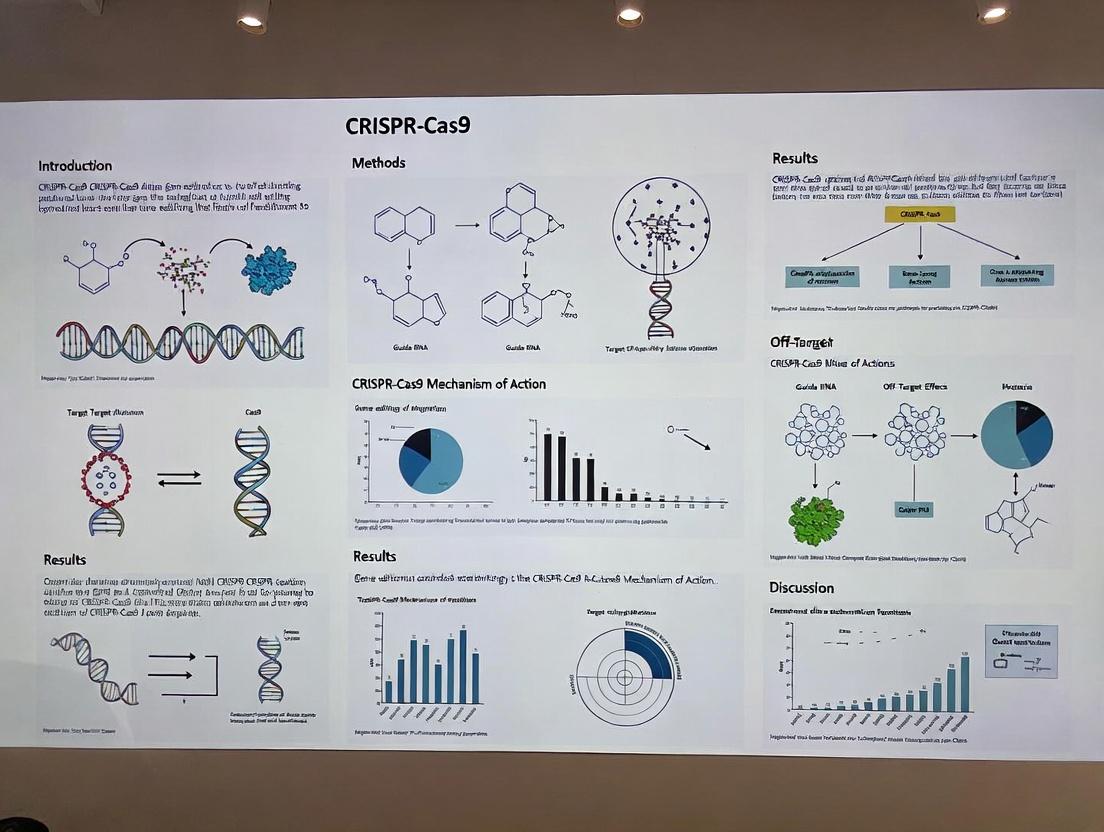
This article provides a comprehensive, current overview of CRISPR-Cas system toxicity for researchers and drug development professionals.
CRISPR Toxicity: Understanding Mechanisms and Strategies for Minimizing Off-Target Effects in Therapeutic Applications
Abstract
This article provides a comprehensive, current overview of CRISPR-Cas system toxicity for researchers and drug development professionals. We explore the foundational mechanisms behind off-target effects, p53 activation, and chromosomal abnormalities. Methodological sections detail advanced tools for predicting and detecting these events, while troubleshooting guidance covers experimental design, delivery optimization, and system engineering to enhance specificity. Finally, we present a comparative analysis of validated mitigation strategies, from high-fidelity Cas variants to novel anti-CRISPR proteins and machine learning approaches, offering a validated framework for safer therapeutic and research applications.
What is CRISPR Toxicity? Exploring the Core Mechanisms of Unwanted Genome Editing Effects
Technical Support Center
FAQ & Troubleshooting Guide
Q1: Our deep sequencing data shows unexpected insertions/deletions (indels) at sites not in our predicted off-target list. What could be the cause and how do we investigate? A: This indicates potential non-specific or distal off-target effects. These can occur at sites with imperfect homology, especially in regions of open chromatin.
- Troubleshooting Steps:
- Re-analyze Sequencing Data: Use multiple off-target prediction algorithms (e.g., Cas-OFFinder, CHOPCHOP) with relaxed parameters (allow up to 5-6 mismatches and/or bulges).
- Employ CIRCLE-seq or GUIDE-seq: Perform these unbiased, genome-wide off-target detection assays on your specific cell type. They identify cleavage sites in vitro (CIRCLE-seq) or in cells (GUIDE-seq).
- Check Guide RNA Design: Ensure your gRNA has minimal sequence homology to other genomic regions, particularly in exons. Avoid gRNAs with seed sequences (8-12 bases proximal to PAM) that are highly repetitive.
Q2: After successful gene knockout, we observe prolonged p53 activation and cell cycle arrest in our edited cell population. Is this on-target genotoxicity? A: Yes, this is a classic sign of on-target genotoxicity resulting from large deletions or chromosomal rearrangements triggered by a double-strand break (DSB). The persistent DNA damage signal activates the p53 pathway.
- Troubleshooting Steps:
- Implement Long-Range PCR & Sequencing: Design primers flanking several kilobases upstream and downstream of the target site. Amplify and sequence the products to detect large deletions or genomic rearrangements.
- Use a Cas9 D10A Nickase (Cas9n) Paired Strategy: This creates two offset single-strand breaks (nicks), which significantly reduces large deletions compared to a single DSB.
- Shift to Base or Prime Editing: If applicable, use these "nickase-only" editors that do not create DSBs, thereby dramatically reducing p53 activation and on-target genotoxicity.
Q3: Our HDR experiment yields very low efficiency, and we suspect dominant NHEJ-mediated indels are causing toxicity. How can we bias repair toward HDR? A: This is a common issue where the error-prone non-homologous end joining (NHEJ) pathway outcompetes homology-directed repair (HDR).
- Troubleshooting Steps:
- Chemical Inhibition: Treat cells with small molecule inhibitors of key NHEJ proteins (e.g., SCR7 targeting DNA Ligase IV, or NU7026 targeting DNA-PKcs). Add these at the time of transfection/electroporation.
- Cell Cycle Synchronization: HDR is active primarily in S/G2 phases. Synchronize your cells at these phases using drugs like aphidicolin or RO-3306 before editing.
- Use an HDR Enhancer: Co-deliver a donor template with 5' phosphorothioate modifications or use engineered Cas9 fusion proteins (e.g., Cas9 fused to the HDR-promoting protein CtIP).
Q4: We see high cell death post-editing even with high-fidelity Cas9 variants. What other factors should we consider? A: High cell death can stem from delivery method toxicity, gRNA-associated immune responses, or high nuclease concentration.
- Troubleshooting Steps:
- Titrate Your RNP: Reduce the concentration of the Cas9-gRNA ribonucleoprotein (RNP) complex delivered. Start with a low nM range (e.g., 10-50 nM) and optimize.
- Change Delivery Method: If using lipofection, try electroporation or AAV delivery, which may be less toxic for your cell type.
- Check for Immunostimulatory Motifs: Some gRNA sequences can activate innate immune responses (e.g., via PKR). Re-design the gRNA if possible.
Experimental Protocols
Protocol 1: Unbiased Off-Target Detection Using GUIDE-seq Objective: Identify genome-wide off-target sites of a CRISPR-Cas9 nuclease in living cells. Materials: Cells, Cas9 protein/gRNA complex (RNP), GUIDE-seq oligonucleotide (dsODN), transfection reagent/electroporator, genomic DNA extraction kit, PCR reagents, NGS library prep kit. Method:
- Co-deliver the Cas9 RNP and the double-stranded GUIDE-seq tag dsODN (5'-phosphorylated, 34-36 bp) into cells via electroporation.
- Culture cells for 48-72 hours. Extract genomic DNA.
- Perform tag-specific PCR amplification to enrich fragments containing the integrated dsODN tag.
- Prepare an NGS library from the amplified products.
- Sequence and analyze using the GUIDE-seq computational pipeline to map all integration sites, which correspond to DSB locations.
Protocol 2: Detecting Large On-Target Deletions via Long-Range PCR Objective: Assess on-target genotoxicity by screening for large deletions (>100 bp) around the cut site. Materials: Edited cell pool genomic DNA, long-range high-fidelity PCR polymerase, primers ~1-2 kb upstream & downstream of target site, agarose gel, Sanger sequencing reagents. Method:
- Design forward and reverse primers that are >1 kb away from the intended cut site on each side.
- Perform long-range PCR on genomic DNA from edited and control (un-edited) cells.
- Run products on a 0.8% agarose gel. A smaller-than-expected PCR product in edited samples indicates a large deletion.
- Gel-purify any aberrantly sized bands and subject them to Sanger sequencing to characterize the exact deletion junctions.
Table 1: Comparison of CRISPR Nuclease Platforms and Associated Toxicity Profiles
| Nuclease Platform | Primary Toxicity Risk | Key Mitigation Strategy | Typical Reduction in Off-Targets vs. SpCas9 | Risk of Large On-Target Deletions |
|---|---|---|---|---|
| Wild-type SpCas9 | High off-target, Moderate on-target | Use of high-fidelity variants | Baseline | High (DSB-dependent) |
| SpCas9-HF1 | Reduced off-target | Engineered to reduce non-specific contacts | 10-100 fold | High (DSB-dependent) |
| HypaCas9 | Reduced off-target | Enhanced fidelity via altered REC3 domain | >100 fold in cells | High (DSB-dependent) |
| eSpCas9(1.1) | Reduced off-target | Engineered to reduce non-specific contacts | 10-100 fold | High (DSB-dependent) |
| Cas9 D10A Nickase (paired) | Very low off-target | Requires two proximal nicks for DSB | Undetectable in most studies | Low (requires two proximal targets) |
| Base Editor (BE) | Primarily off-target editing (not DSBs) | Use of high-fidelity nickase backbone | Varies; BE4 with Gam protein reduces indel formation | Very Low (No DSB generated) |
| Prime Editor (PE) | Very low overall | No DSB, requires pegRNA & nicking gRNA | Extremely Low | Very Low (No DSB generated) |
Table 2: Efficacy of Chemical Modulators in Biasing DNA Repair Pathways
| Compound | Target Pathway | Effect on HDR Efficiency (Reported Fold Increase) | Effect on NHEJ Efficiency | Potential Cytotoxicity |
|---|---|---|---|---|
| SCR7 | NHEJ (DNA Ligase IV inhibitor) | 2-8 fold | Decreased | Moderate at high doses |
| NU7026 | NHEJ (DNA-PKcs inhibitor) | 3-7 fold | Decreased | Low to Moderate |
| RS-1 | HDR (RAD51 stimulator) | 2-5 fold | Minimal effect | Low |
| AZD-7648 | NHEJ (DNA-PKcs inhibitor) | 3-6 fold | Decreased | Under investigation |
| L755507 | HDR (BRCA1/2 stimulator) | ~3 fold | Minimal effect | Cell-type dependent |
The Scientist's Toolkit: Key Research Reagent Solutions
| Reagent / Material | Function in Toxicity Research |
|---|---|
| High-Fidelity Cas9 Variants (e.g., SpCas9-HF1, HypaCas9) | Engineered nucleases with reduced off-target cleavage while maintaining on-target activity. |
| Alt-R S.p. HiFi Cas9 Nuclease V3 (IDT) | A commercially available, high-fidelity Cas9 protein optimized for RNP delivery. |
| GUIDE-seq dsODN Tag (Integrated DNA Technologies) | Double-stranded oligonucleotide tag for genome-wide, unbiased off-target detection. |
| CIRCLE-seq Kit (e.g., from circularization-based assays) | In vitro, high-sensitivity kit for identifying potential off-target sites for any gRNA. |
| Long-Range PCR Enzyme Mix (e.g., Q5 Hot Start, Takara LA Taq) | Essential for amplifying large genomic regions to detect major on-target deletions. |
| NHEJ Inhibitors (SCR7, NU7026) | Small molecules used to temporarily inhibit the error-prone NHEJ pathway, favoring HDR. |
| p53 Pathway Activation Antibody Panel (e.g., p-p53, p21) | For Western blot or flow cytometry to assess cellular stress/DNA damage response post-editing. |
| Next-Generation Sequencing (NGS) Services/Libraries | For deep amplicon sequencing of on-target and predicted off-target sites to quantify indels. |
| Electroporation System (e.g., Neon, Nucleofector) | For efficient, low-toxicity delivery of RNP complexes into hard-to-transfect cell types. |
Pathway & Workflow Diagrams
Title: DNA Repair Pathways Activated by CRISPR-Cas9 DSBs
Title: Workflow for CRISPR Editing with Integrated Toxicity Screening
Welcome to the CRISPR Toxicity Technical Support Center
This resource provides troubleshooting guidance for researchers investigating DNA damage response (DDR)-mediated toxicity in CRISPR-Cas9 applications, particularly in therapeutic contexts. Our goal is to help you identify and mitigate unintended cellular consequences.
Frequently Asked Questions (FAQs) & Troubleshooting
Q1: After CRISPR editing in my primary cell line, I observe a significant drop in viability not seen in transformed cell lines. What could be causing this specific toxicity? A: This is a classic sign of p53-dependent toxicity. Primary cells have intact DDR pathways. Concurrent DSB formation from multiple gRNAs or high nuclease concentration can trigger a persistent p53 response, leading to cell cycle arrest or apoptosis.
- Troubleshooting Steps:
- Titrate Cas9 RNP: Use a dose-response curve (e.g., 1-100 nM) to find the minimum effective concentration.
- Limit Multiplicity of Infection (MOI): When using viral delivery, aim for an MOI < 1 to reduce cells with multiple DSBs.
- Switch Cas9 Variant: Consider high-fidelity Cas9 (e.g., SpCas9-HF1) or Cas12a, which may reduce off-target DSBs and blunt p53 activation.
- Assay: Perform a Western blot for p53 and p21 at 24h post-transfection. High levels indicate pathway activation.
Q2: My edited clonal population shows unexpected genomic rearrangements (e.g., large deletions, translocations). How did this happen and how can I prevent it? A: This is often due to the mis-repair of multiple, concurrently induced DSBs via error-prone Non-Homologous End Joining (NHEJ) or Microhomology-Mediated End Joining (MMEJ).
- Troubleshooting Steps:
- Temporal Control: Use inducible Cas9 systems (e.g., doxycycline-inducible) to limit the window of DSB activity.
- Sequential Editing: For multiplex editing, introduce gRNAs sequentially rather than simultaneously.
- Detailed Genotyping: Move beyond PCR screening of the immediate target site. Use long-range PCR, ddPCR, or whole-genome sequencing to characterize clones.
- Modulate Repair: Consider small molecule inhibitors (e.g., SCR7 for DNA Ligase IV) to transiently bias repair toward HDR, but note this can also be toxic.
Q3: I'm developing a CRISPR-based therapy, but I'm concerned about "on-target, off-tumor" toxicity. How can I better predict DDR activation in specific tissues? A: This requires pre-clinical assessment of DDR component expression and activity across tissues.
- Troubleshooting Steps:
- Profile Baseline DDR: Use RNA-seq or protein arrays to assess baseline levels of key mediators (e.g., ATM, DNA-PKcs, p53) in your target vs. non-target tissues.
- Use Relevant Models: Move beyond standard cell lines. Use patient-derived organoids or primary cells to model the target tissue.
- Leverage Public Data: Consult resources like the Cancer Dependency Map (DepMap) or GTEx portal for gene essentiality and expression data of DDR genes in different cell types.
Q4: My HDR experiment efficiency is very low, and I suspect the cells are arresting in the cell cycle. How can I confirm and bypass this? A: HDR is restricted to S/G2 phases. Strong DDR activation can cause a G1/S arrest, effectively reducing the pool of cells competent for HDR.
- Troubleshooting Steps:
- Cell Cycle Analysis: Perform flow cytometry (PI/EdU staining) at 12-24h post-CRISPR delivery to confirm G1 arrest.
- Synchronize Cells: Use chemicals (e.g., nocodazole, aphidicolin) to synchronize cells in S-phase prior to editing.
- Transient Inhibition: Consider transient, mild inhibition of p53 (e.g., with a short pulse of pifithrin-α) during editing to reduce arrest, with extreme caution for therapeutic applications.
Key Experimental Protocols
Protocol 1: Quantifying p53 Activation Post-CRISPR Delivery Objective: To measure DDR-induced p53 stabilization and transcriptional activity.
- Transfect/Electroporate cells with Cas9+gRNA RNP.
- Lyse cells at 6, 12, 24, and 48h time points.
- Perform Western Blot for total p53 and phospho-p53 (Ser15). Use γH2AX as a DSB marker and p21 as a downstream transcriptional target.
- Normalize to a loading control (e.g., GAPDH, Vinculin).
- Quantify band intensity relative to untreated controls.
Protocol 2: Assessing Chromosomal Aberrations via FISH Objective: To detect large-scale genomic rearrangements resulting from mis-repaired DSBs.
- Generate edited polyclonal or clonal populations.
- Metaphase Spread Preparation: Treat cells with colcemid, swell in hypotonic solution, and fix with methanol:acetic acid.
- Fluorescence In Situ Hybridization (FISH): Use fluorescent probes flanking your target locus (e.g., 1-2 Mb apart).
- Image and Score: Use fluorescence microscopy to count normal vs. abnormal signal patterns (e.g., split signals, loss of signals, novel junctions) in at least 20 metaphase spreads per sample.
Table 1: Correlation Between Cas9 Delivery Method and Toxicity Readouts
| Delivery Method | Typical Efficiency | p53 Activation (Fold Change) | Observed Chromothripsis Rate | Best For |
|---|---|---|---|---|
| Lentivirus (Stable) | High (>80%) | High (3-5x) | Moderate-High | Hard-to-transfect cells |
| AAV | Moderate-High | Moderate (2-4x) | Low | In vivo delivery |
| Electroporation (RNP) | High (60-90%) | Low-Moderate (1-2x) | Low | Primary cells, clinical protocols |
| Lipofection (plasmid) | Variable (30-70%) | High (3-6x) | Moderate | Standard cell lines |
Table 2: Impact of p53 Status on Cell Fate Post-DSB
| Cell Type | p53 Status | Primary Response to Multiple DSBs | Common Long-Term Outcome | Viability Drop (72h post-edit) |
|---|---|---|---|---|
| Primary Fibroblasts | Wild-type | G1/S Arrest, Senescence | Clonal Expansion Failure | 40-70% |
| HCT116 | Wild-type | Transient Arrest, Apoptosis | Selection for p53-inactive clones | 20-40% |
| HEK293T | Compromised (SV40 LT) | Continued Cycling, NHEJ | High Editing, Rearrangements | <10% |
| iPSCs | Wild-type | High Apoptosis | Extreme Difficulty in Cloning | 60-90% |
Pathway & Workflow Visualizations
Title: DDR Pathways Activated by CRISPR DSBs
Title: Workflow to Identify & Mitigate CRISPR Toxicity
The Scientist's Toolkit: Key Research Reagent Solutions
| Reagent / Material | Primary Function in Toxicity Research | Example Product/Catalog # (Illustrative) |
|---|---|---|
| Recombinant SpCas9 Protein | Enables RNP delivery, reduces prolonged DSB exposure vs. plasmid. Minimizes immune/transcriptional activation. | Integrated DNA Technologies Alt-R S.p. Cas9 Nuclease V3 |
| High-Fidelity Cas9 Variants | Reduces off-target DSBs, thereby lowering overall DDR burden. | ToolGen SpCas9-HF1; Merck Alt-R S.p. HiFi Cas9 |
| γH2AX Antibody | Key immunofluorescence or flow cytometry reagent to quantify DSB foci formation. | Cell Signaling Technology #9718 (Phospho-Histone H2A.X Ser139) |
| p21 Waf1/Cip1 Antibody | Reliable marker for p53 transcriptional activity and cell cycle arrest downstream of DDR. | Abcam ab109199 |
| SCR7 (DNA Ligase IV Inhibitor) | Small molecule to transiently inhibit canonical NHEJ, can bias repair toward HDR but may increase toxicity. | Sigma-Aldrich SML1543 |
| Pifithrin-α (p53 Inhibitor) | Reversible, small molecule inhibitor of p53. Used transiently to mitigate p53-mediated arrest/apoptosis. Use with caution. | MedChemExpress HY-15460 |
| Long-Range PCR Kit | Essential for detecting large deletions (>1kb) and genomic rearrangements at the target locus. | Takara Bio PrimeSTAR GXL DNA Polymerase |
| Next-Gen Sequencing Library Prep Kit for Amplicons | For deep sequencing of on- and off-target sites to quantify editing efficiency and indel spectrum. | Illumina DNA Prep with Enrichment Kit |
Technical Support Center: Troubleshooting CRISPR Off-Target Effects
Frequently Asked Questions (FAQs)
Q1: My sequencing data shows high off-target activity at loci with 3-5 mismatches. What is the primary mechanism, and how can I address it? A: This is classic guide RNA (gRNA) mispairing, particularly tolerant of mismatches in the 5' distal end (PAM-distal) of the gRNA. The CRISPR-Cas9 complex retains affinity for DNA with non-canonical base pairing, especially G-U wobble pairs or bulges. To address this:
- Redesign gRNA: Use algorithms (e.g., CFD score) that penalize gRNAs with seed region homology to other genomic sites.
- Use High-Fidelity Cas9 Variants: Switch to SpCas9-HF1 or eSpCas9(1.1).
- Reduce RNP Concentration: Titrate your ribonucleoprotein (RNP) complex to the lowest effective dose.
Q2: I observe off-target cleavage in open chromatin regions (e.g., active promoters/enhancers) even with a high-fidelity Cas9. Why? A: Chromatin accessibility is a major determinant of off-target activity. The Cas9 nuclease more readily engages DNA in nucleosome-depleted, transcriptionally active regions. This can override some specificity enhancements of engineered Cas9 variants.
- Solution: Consider the chromatin context when predicting off-targets. Use tools like ATAC-seq or DNase-seq data to flag potential off-target sites in open chromatin. Employ chromatin-modulating strategies cautiously (see Protocol 2).
Q3: After verifying my gRNA has perfect on-target specificity in silico, I still detect off-target effects. What experimental assays should I prioritize? A: In silico prediction is not sufficient. You must employ unbiased, genome-wide profiling.
- Primary Assay: Use CIRCLE-seq or DISCOVER-Seq for the most comprehensive, in vitro and cellular identification of off-target sites, respectively.
- Validation Assay: Follow up with targeted amplicon sequencing of the top candidate off-target loci from the primary assay in your treated cells.
Q4: Does prolonging Cas9 expression increase off-target effects? A: Yes. Persistent Cas9 expression increases the probability of cleavage at lower-affinity off-target sites.
- Solution: Use transient delivery methods. Pre-complexed RNP delivery is preferred over plasmid or viral DNA transfection as it rapidly degrades and clears from cells.
Troubleshooting Guides
Issue: High Background Noise in Off-Target Detection Assays.
- Potential Cause: Non-specific amplification during the NGS library preparation for assays like GUIDE-seq or DISCOVER-Seq.
- Steps:
- Optimize PCR Cycles: Use the minimum number of PCR cycles necessary for library amplification.
- Include Negative Controls: Always run a no-guide or no-Cas9 control sample through the entire assay pipeline.
- Use Unique Molecular Identifiers (UMIs): Implement UMIs in your adapter design to differentiate true biological signals from PCR duplicates.
Issue: Discrepancy Between Predicted and Validated Off-Target Sites.
- Potential Cause: Current algorithms primarily weigh sequence homology but often lack integration of 3D chromatin architecture data (e.g., TADs, chromatin loops).
- Steps:
- Cross-Reference with Hi-C Data: Check if validated off-target sites reside in the same topologically associating domain (TAD) as your on-target site.
- Empirical Testing is Key: Rely on experimental data (CIRCLE-seq, etc.) over predictive scores alone for critical applications.
Table 1: Comparison of Off-Target Detection Methods
| Method | Principle | Sensitivity | Bias | Experimental Throughput | Key Limitation |
|---|---|---|---|---|---|
| CIRCLE-seq | In vitro circularized genomic DNA + Cas9 cleavage & NGS | Very High | Low | Medium | In vitro context may not reflect cellular chromatin |
| DISCOVER-Seq | In vivo recruitment of MRE11 to dCas9-induced DSBs + NGS | High | Low | Medium | Requires MRE11 fusion and may miss some lesions |
| GUIDE-seq | Integration of dsODN tags into DSBs in cells + NGS | Medium | Medium | High | dsODN toxicity and low transfection efficiency in some cells |
| Digenome-seq | In vitro Cas9 cleavage of genomic DNA + whole-genome sequencing | High | Low | Low | High sequencing cost; in vitro context |
| BLISS | Direct labeling of DSB ends for capture & sequencing | Medium-High | Low | High-H | Complex workflow; requires precise DSB end capture |
Table 2: Specificity Profiles of Common Cas9 Variants (Representative Data)
| Nuclease | Key Mutations | Relative On-Target Activity* | Relative Off-Target Reduction* | Primary Mechanism of Specificity Enhancement |
|---|---|---|---|---|
| Wild-type SpCas9 | N/A | 1.0 | 1x | Baseline |
| SpCas9-HF1 | N497A, R661A, Q695A, Q926A | 0.7 - 1.0 | 10-100x | Reduced non-specific DNA backbone interactions |
| eSpCas9(1.1) | K848A, K1003A, R1060A | 0.5 - 0.8 | 10-100x | Reduced non-specific DNA backbone interactions |
| HypaCas9 | N692A, M694A, Q695A, H698A | ~0.8 | >100x | Stabilizes specificity-enhancing conformational state |
| Sniper-Cas9 | F539S, M763I, K890N | ~1.0 | 10-100x | Improved proofreading via allosteric network modulation |
*Ranges are approximate and depend heavily on gRNA and target locus.
Experimental Protocols
Protocol 1: Rapid Off-Target Validation via Targeted Amplicon Sequencing Purpose: To validate candidate off-target sites identified from genome-wide screens. Materials: PCR primers for each candidate locus, high-fidelity DNA polymerase, NGS library prep kit. Steps:
- Genomic DNA Extraction: Isolate gDNA from CRISPR-treated and control cells using a silica-column method.
- PCR Amplification: Design primers (~150-250 bp amplicon) for each candidate off-target and a known on-target site. Perform PCR with 20-25 cycles.
- NGS Library Preparation: Barcode amplicons from different samples, pool, and prepare sequencing library following kit instructions. Include a no-template control.
- Sequencing & Analysis: Sequence on a MiSeq (or similar). Align reads to the reference genome and quantify indel frequencies at each locus using tools like CRISPResso2.
Protocol 2: Modulating Chromatin Context to Assess Off-Target Influence (Research Protocol) Purpose: To experimentally test the role of chromatin accessibility on a specific off-target event. Materials: dCas9 fused to a chromatin-modulating domain (e.g., dCas9-KRAB for repression, dCas9-p300 for activation), relevant gRNA. Steps:
- Cell Line Preparation: Stably express the dCas9-effector in your target cell line.
- Transfection: Co-transfect cells with (a) gRNA targeting the off-target locus's regulatory region, and (b) a plasmid expressing wild-type Cas9 and your original experimental gRNA.
- Experimental Groups:
- Group A: dCas9-effector + off-target locus gRNA + Cas9 + experimental gRNA.
- Group B: dCas9-effector + non-targeting control gRNA + Cas9 + experimental gRNA.
- Group C: (Control) Cas9 + experimental gRNA only.
- Analysis: After 72h, extract gDNA and perform targeted amplicon sequencing for the off-target site. Compare indel frequencies between groups to see if altering chromatin state (Group A) changed off-target editing.
Diagrams
Title: CRISPR Off-Target Cleavage Decision Pathway
Title: Comprehensive Off-Target Assessment Workflow
The Scientist's Toolkit: Research Reagent Solutions
Table 3: Essential Reagents for Off-Target Analysis
| Reagent / Material | Function & Role in Minimizing Toxicity | Example/Note |
|---|---|---|
| High-Fidelity Cas9 Nuclease | Engineered protein with reduced non-specific DNA contacts, lowers off-target cleavage. | SpCas9-HF1, HypaCas9 (purified protein or mRNA). |
| Chemically Modified sgRNA | 2'-O-methyl, phosphorothioate modifications increase stability and can modestly improve specificity. | Synthesized with 3-nt modifications at both ends. |
| Ribonucleoprotein (RNP) Complex | Pre-complexing Cas9 protein with gRNA enables transient activity, reducing persistent off-target exposure. | Formulate immediately before electroporation/nucleofection. |
| CIRCLE-seq Kit | Unbiased in vitro assay to identify potential off-target sites genome-wide before cellular experiments. | Commercial kits available for standardized workflow. |
| DISCOVER-Seq Reagents | Uses MRE11-fusion to capture in cellulo off-target sites in native chromatin context. | Requires cell line expressing MRE11-dCas9 fusion protein. |
| Next-Generation Sequencing Kit | For high-depth amplicon sequencing of candidate off-target loci to quantify indel frequencies. | Use kits with UMI capability to control for PCR errors. |
| Chromatin Accessibility Data (ATAC-seq) | Public or self-generated data to annotate potential off-target sites in open chromatin regions. | Critical for interpreting off-target results. |
| Specificity Prediction Algorithm | Computational scoring (e.g., CFD, MIT) to guide initial gRNA selection away from promiscuous designs. | Integrated into many gRNA design platforms (Benchling, IDT). |
Technical Support Center
Troubleshooting Guide & FAQs
Q1: I observe very low editing efficiency in my primary human fibroblasts despite high transfection efficiency with my CRISPR-Cas9 RNP. What could be the primary cause? A1: This is a classic symptom of p53-mediated cell cycle arrest/apoptosis triggered by the double-strand break (DSB). Cells with functional p53 pathways will halt proliferation or undergo cell death upon sensing the DSB, effectively removing successfully edited cells from your population.
- Troubleshooting Steps:
- Assess p53 activation: Perform a western blot for p53 and p21 (a key downstream target) 24-48 hours post-transfection. An increase indicates pathway activation.
- Check cell viability: Use a trypan blue exclusion assay or a LIVE/DEAD stain at 72 hours.
- Mitigation Strategy: Consider using Cas9 variants with reduced p53 activation (e.g., high-fidelity variants) or transiently inhibiting p53 with a small molecule (e.g., Pifithrin-α) during editing, with appropriate safety controls.
Q2: After successful CRISPR knock-in via HDR in my cell line, the edited population is quickly overgrown by unedited cells. Why? A2: Successful HDR editing often requires cells to pass through the S/G2 phases of the cell cycle. The DSB and subsequent p53 activation can cause a prolonged G1/S arrest, giving a proliferative advantage to unedited cells that either avoided the DSB or repaired it via error-prone NHEJ, which is less cell-cycle dependent and less activating of p53.
- Troubleshooting Steps:
- Cell Cycle Analysis: Perform flow cytometry for propidium iodide staining 24h post-editing to confirm G1/S arrest.
- Enrichment Protocol: Use a selectable marker (e.g., puromycin) linked to your knock-in cassette to positively select edited cells. Alternatively, use a fluorescence reporter to FACS-sort edited cells shortly after editing.
Q3: My editing experiment works in p53-deficient cell lines but fails in p53-wild-type lines. How can I confirm p53 is the culprit? A3: A direct comparison is a strong indicator. To confirm, you need to modulate p53 activity in the wild-type line.
- Experimental Protocol:
- Transfect your p53-wild-type cells with the CRISPR-Cas9 components.
- In parallel, treat one group with 10µM Pifithrin-α (p53 inhibitor) or transfect with a validated p53-targeting siRNA 24h before CRISPR editing.
- Measure editing efficiency 72-96 hours later via NGS or T7E1 assay.
- Compare viability and editing rates between the p53-inhibited and control groups. A significant increase in both confirms p53-dependent toxicity.
Q4: Are there specific gRNA sequences or genomic targets that are less likely to activate p53? A4: Current data suggests the intensity of the p53 response is more related to the efficiency of DSB formation and the genomic context rather than the specific sequence. However, targeting repetitive or non-essential genomic regions may lead to less severe phenotypic consequences of the DSB, but the initial p53 sensor mechanism will still be engaged.
- Recommendation: Always design multiple gRNAs and screen them in a p53-deficient cell line first to identify the most efficient ones. Then, in your p53-WT line, use the lowest effective dose of the most efficient RNP to minimize DSB burden.
Table 1: Impact of p53 Status on CRISPR-Cas9 Editing Outcomes in Human Cells
| Cell Type | p53 Status | Observed Editing Efficiency (HDR%) | Relative Cell Viability (72h post-edit) | Dominant Repair Pathway Observed |
|---|---|---|---|---|
| HCT116 | Wild-Type | 2.1% +/- 0.5 | 45% +/- 8 | NHEJ |
| HCT116 p53-/- | Null | 8.7% +/- 1.2 | 85% +/- 5 | HDR & NHEJ |
| hPSC (iPSC) | Wild-Type | <1% | 30% +/- 10 | Cell Cycle Arrest |
| U2OS | Mutated/Inactive | 15.3% +/- 2.1 | 90% +/- 4 | HDR |
| Primary Dermal Fibroblasts | Wild-Type | 0.5% +/- 0.3 | 40% +/- 7 | Senescence |
Table 2: Strategies to Circumvent p53-Mediated Toxicity
| Strategy | Example | Mechanism | Potential Risk |
|---|---|---|---|
| p53 Transient Inhibition | Pifithrin-α (10µM), siRNA | Temporarily blocks p53 transcriptional activity | Risk of selecting p53-inactivated clones |
| Cell Cycle Synchronization | Nocodazole (G2/M), Aphidicolin (S) | Enriches cells in HDR-permissive phases | Can be cytotoxic; not applicable to all cell types |
| Alternative Editors | Base Editors, Prime Editors | Minimizes or eliminates DSB formation | Limited to specific mutation types; size constraints |
| Modified Cas9 Variants | HiFi Cas9, eSpCas9 | Reduces off-target DSBs, may lower p53 activation signal | May have reduced on-target efficiency |
| Small Molecule Enhancers | SCR7, RS-1 | Favors HDR pathway over NHEJ | Efficiency is cell-type and context dependent |
Detailed Experimental Protocols
Protocol: Assessing p53 Pathway Activation Post-CRISPR Editing
Objective: To quantify the DNA damage response via p53 phosphorylation and p21 upregulation. Materials: See "Scientist's Toolkit" below. Method:
- Transfection: Deliver CRISPR-Cas9 ribonucleoprotein (RNP) into target cells (e.g., using nucleofection for primary cells).
- Time-Course Harvest: Lyse cells at critical timepoints (e.g., 6, 24, 48, 72 hours) post-transfection in RIPA buffer with protease/phosphatase inhibitors.
- Western Blot:
- Separate 20-30 µg of total protein on a 4-12% Bis-Tris gel.
- Transfer to PVDF membrane.
- Block with 5% BSA in TBST for 1 hour.
- Probe with primary antibodies (diluted in 5% BSA/TBST) overnight at 4°C:
- Anti-p53 (Phospho-S15) (1:1000) – indicates DNA damage response.
- Anti-total p53 (1:2000).
- Anti-p21 Waf1/Cip1 (1:1000) – key transcriptional target.
- Anti-β-Actin (1:5000) – loading control.
- Incubate with appropriate HRP-conjugated secondary antibody (1:5000) for 1 hour at RT.
- Develop using enhanced chemiluminescence (ECL) substrate and image.
- Analysis: Densitometry to compare phospho-p53 and p21 levels relative to loading control and untreated controls.
Diagrams
Diagram 1: P53 Pathway Activation by CRISPR-Cas9 DSB
Diagram 2: Strategy Workflow to Minimize P53 Toxicity
The Scientist's Toolkit: Research Reagent Solutions
| Reagent/Catalog | Function in Context | Key Note |
|---|---|---|
| Anti-Phospho-p53 (Ser15) Antibody | Detects activated p53 due to DNA damage via western blot. | Critical for confirming pathway activation. Use with total p53 Ab. |
| Pifithrin-α (PFT-α) | Small molecule inhibitor of p53 transcriptional activity. | Use transiently (e.g., 24-48h) at 10-30µM to mitigate arrest during editing. |
| Cas9 HiFi Protein | Engineered Cas9 variant with reduced off-target effects. | May elicit a lower overall DNA damage response due to fewer DSBs. |
| Alt-R HDR Enhancer | Small molecule (proprietary) designed to improve HDR rates. | Can help enrich for precise edits before arrest/apoptosis occurs. |
| Nucleofector System | High-efficiency electroporation for RNP delivery into primary cells. | Critical for hard-to-transfect, p53-competent primary cells. |
| Cell Cycle Synchronization Reagents (e.g., Nocodazole, Aphidicolin) | Arrest cells at specific cell cycle phases. | Enrich cells in S/G2 phase to favor HDR over NHEJ and potentially modulate p53 response. |
| Annexin V / PI Apoptosis Kit | Quantifies apoptotic and dead cells via flow cytometry. | Essential for measuring the cytotoxic impact of CRISPR editing. |
Technical Support Center: Troubleshooting CRISPR-Induced Genomic Rearrangements
FAQs & Troubleshooting Guides
Q1: My karyotyping or FISH analysis reveals unexpected chromosomal translocations after CRISPR-Cas9 editing in my cell line. What went wrong? A: This indicates on-target or off-target double-strand breaks (DSBs) were repaired via erroneous non-homologous end joining (NHEJ), particularly alternative end joining (Alt-EJ). This is a common form of CRISPR toxicity.
- Troubleshooting Steps:
- Confirm Target Specificity: Re-run your gRNA sequences through the latest version of predictive tools (e.g., ChopChop, CRISPOR) and consider performing an unbiased off-target assay like CIRCLE-seq or GUIDE-seq.
- Modify Experimental Conditions:
- Use High-Fidelity Cas9 Variants: Switch from SpCas9 to HiFi Cas9 or eSpCas9(1.1).
- Reduce RNP Complex Amount: Titrate your ribonucleoprotein (RNP) complex concentration. High concentrations increase co-localization of DSBs.
- Favor HDR over NHEJ: If performing knock-in, use an HDR enhancer like small molecule inhibitors of NHEJ (e.g., SCR7, NU7026) temporarily during editing.
- Employ "Safe-Harbor" Targeting: For gene insertion, always target well-characterized genomic safe harbors (e.g., AAVS1, CCR5, ROSA26) with validated, low-rearrangement-risk gRNAs.
Q2: I detect large (>1kb) deletions extending from the cut site in my edited clones. How can I prevent this? A: Large deletions are a frequent, under-reported toxicity resulting from microhomology-mediated end joining (MMEJ) or replication-based mechanisms between adjacent cuts or nicks.
- Troubleshooting Steps:
- Design gRNAs to Avoid Nearby gRNAs: Ensure your gRNA target sites are not in close proximity (<10kb) to each other or to endogenous repetitive elements.
- Utilize Paired-Nicking Strategy: Instead of a single Cas9 nuclease, use a D10A Cas9 nickase with a pair of gRNAs targeting opposite strands. This creates a staggered DSB and reduces blunt-end NHEJ.
- Implement Long-Range PCR Screening: Standard junction PCR may miss large deletions. Always include PCR primers spaced 1-5 kb upstream and downstream of the cut site when genotyping.
- Sequence-Verify Clones: Perform whole-genome sequencing (WGS) or long-read sequencing (e.g., PacBio) on a subset of clones to characterize the full spectrum of structural variations.
Q3: My edited polyclonal or monoclonal cell population shows signs of aneuploidy or p53 activation. How should I proceed? A: This indicates activation of the DNA damage response (DDR) pathway due to persistent DSBs, which can lead to cell cycle arrest or apoptosis, enriching for p53-inactivated clones.
- Troubleshooting Steps:
- Monitor p53 Activation: Include a p53 phosphorylation (e.g., pS15) or p21 expression assay by Western blot 24-48 hours post-transfection.
- Shorten Transient Expression Window: Use RNP delivery instead of plasmid DNA to minimize the duration of Cas9 activity.
- Consider p53 Inhibitors (Cautiously): For hard-to-edit, p53-sensitive cells (e.g., iPSCs, some primary cells), transient use of a p53 inhibitor (e.g., AsiDNA, small molecules) during editing can improve viability. Note: This carries oncogenic risk and is only for research.
- Select for Healthy Clones: Perform rigorous karyotype analysis (e.g., mFISH) on generated clones before downstream experiments.
Key Experimental Protocols
Protocol 1: Detection of Large Deletions and Translocations via Long-Range PCR and Sequencing.
- Genomic DNA Extraction: Isolate high-quality gDNA 5-7 days post-editing using a column-based method.
- Primer Design: Design three primer pairs:
- Pair A: Flanks the cut site (~500bp amplicon for wild-type).
- Pair B: Forward primer 2-5 kb upstream of cut site, reverse primer just downstream.
- Pair C: Forward primer just upstream of cut site, reverse primer 2-5 kb downstream.
- PCR: Perform long-range PCR for Pairs B and C using a high-fidelity polymerase (e.g., Q5, PrimeSTAR GXL).
- Analysis: Run products on a 0.8% agarose gel. Wild-type loci may not amplify with B/C due to length. Smaller-than-expected or unexpected bands indicate deletions or rearrangements. Purify and Sanger sequence all aberrant bands.
Protocol 2: Rapid Assessment of Aneuploidy Risk via Flow Cytometry for p21.
- Cell Fixation & Permeabilization: 72 hrs post-editing, harvest cells, fix with 4% PFA (15 min, RT), and permeabilize with ice-cold 90% methanol (30 min, on ice).
- Staining: Wash cells, resuspend in staining buffer with a conjugated anti-p21 antibody (e.g., Alexa Fluor 488 anti-p21 WAF1/Cip1) and a DNA stain (e.g., DAPI or PI). Incubate 1 hr at RT in the dark.
- Flow Cytometry: Analyze on a flow cytometer. Use DAPI/PI area to gate on single cells/G1 phase. Compare the median fluorescence intensity (MFI) of the p21 channel in edited vs. control cells. A >2-fold increase indicates significant DDR activation.
Data Presentation
Table 1: Comparison of Strategies to Minimize Specific CRISPR Toxicity
| Toxicity Type | Cas9 System | Delivery Method | Key Adjunctive Reagent | Expected Reduction in Rearrangements |
|---|---|---|---|---|
| Translocations | HiFi Cas9 RNP | Nucleofection | 1µM SCR7 (48hr) | 60-80% (vs. SpCas9 plasmid) |
| Large Deletions | Cas9 D10A Nickase (paired gRNAs) | Lipid RNP | N/A (strategy inherent) | 50-70% (vs. Cas9 nuclease) |
| Aneuploidy / p53 Response | eSpCas9(1.1) RNP | Electroporation | 10µM AsiDNA (24hr pulse) | p21 activation reduced by ~40% |
Research Reagent Solutions Toolkit
| Reagent / Material | Function in Mitigating Rearrangements | Example Product/Catalog |
|---|---|---|
| HiFi Cas9 Protein | High-fidelity nuclease variant reduces off-target DSBs, lowering translocation risk. | IDT Alt-R HiFi S.p. Cas9 |
| Cas9 D10A Nickase | Enables paired-nicking strategy to generate staggered DSBs, reducing large deletions. | Thermo Fisher TrueCut Cas9 Protein v2 |
| Alt-R CRISPR HDR Enhancer | Small molecule inhibitor of NHEJ to temporarily bias repair toward HDR. | IDT Alt-R HDR Enhancer V2 |
| CIRCLE-seq Kit | Unbiased, in vitro method for comprehensive off-target cleavage site identification. | Vazyme CIRCLE-seq Kit |
| GUIDE-seq Kit | Unbiased, in cellulo method to identify off-target sites integratively. | Inspired Cell GUIDE-seq Kit |
| PrimeSTAR GXL Polymerase | High-performance polymerase for accurate long-range PCR to detect large deletions. | Takara Bio PrimeSTAR GXL DNA Polymerase |
| Anti-p21 (WAF1/Cip1) mAb | Antibody for flow cytometry to monitor p53 pathway activation post-editing. | BioLegend p21 Waf1/Cip1 (Clone SX118) |
Visualizations
CRISPR Toxicity Pathway Leading to Rearrangements
Workflow for Detecting Genomic Rearrangements
Troubleshooting Guides & FAQs
Q1: How can I determine if my donor cells or animal model has pre-existing humoral immunity to a specific Cas9 ortholog (e.g., SpCas9, SaCas9)?
A: Pre-existing immunity is assessed by screening sera for anti-Cas antibodies.
- Issue: High background or inconsistent results in ELISA.
- Solution:
- Use appropriate controls: Include wells coated with an irrelevant protein (e.g., BSA) and wells without serum to account for non-specific binding.
- Titrate the serum: Perform serial dilutions (1:50 to 1:1000) to find the linear range and avoid hook effects.
- Validate with a secondary method: Confirm ELISA positives with a Western blot using purified Cas protein lysates.
Q2: My T-cell activation assay for Cas-specific responses is showing low or no signal. What could be wrong?
A: This is often due to suboptimal antigen presentation or low precursor frequency.
- Issue: Weak proliferation or cytokine (IFN-γ, IL-2) secretion in ELISpot/T-cell assays.
- Solution:
- Use professional antigen-presenting cells (APCs): Use autologous or HLA-matched PBMC-derived dendritic cells instead of monocytes.
- Optimize peptide pools: If using peptides, ensure they span the entire protein and are 15-mers overlapping by 11 amino acids. Use a positive control (e.g., CEF peptide pool for human cells).
- Extend culture time: Cas-specific T-cell frequencies may be low. Extend the in vitro stimulation phase to 10-14 days before the readout assay.
Q3: After in vivo delivery of Cas9 mRNA or protein, I observe elevated inflammatory cytokines. How do I determine if this is due to innate immune sensing versus adaptive recall responses?
A: Disentangling these requires controlled experiments.
- Issue: Conflation of TLR/cytosolic sensor-driven responses with antigen-specific T-cell responses.
- Solution:
- Use immunodeficient models: Perform initial delivery in Rag2^-/- or NSG mice (lacking T and B cells). Persistent cytokine elevation suggests a dominant innate component.
- Profile cytokines: Innate responses (e.g., to mRNA) typically show rapid spikes in IL-6, TNF-α, and type I IFNs within hours. Adaptive recall responses peak later (days) and may be accompanied by antigen-specific IFN-γ/IL-2.
- Sequence the cargo: For mRNA, ensure you are using base-modified (e.g., N1-methylpseudouridine) nucleotides to minimize RIG-I/MDA5 activation.
Q4: What are the best strategies to minimize immune reactivity in a therapeutic context?
A: Mitigation is multi-faceted. Choose based on your delivery format.
- Issue: Immune clearance of engineered cells or inflammatory toxicity upon in vivo administration.
- Solution Strategy Table:
| Strategy | Approach | Rationale & Considerations |
|---|---|---|
| Ortholog Selection | Use rare bacterial orthologs (e.g., Candidatus ScCas9, BlatCas9) | Lower seroprevalence in human populations. Verify on-target efficiency. |
| Deimmunization | Employ computational tools to identify and mutate immunodominant T-cell epitopes. | Can reduce T-cell activation. Requires re-testing of protein stability and activity. |
| Delivery Method | Prefer transient delivery (mRNA, RNP) over viral vectors (AAV, lentivirus). | Limits duration of antigen exposure, reducing immunogenicity. AAV can induce strong humoral and cellular responses to capsid and transgene. |
| Immunosuppression | Short-course, combined regimen (e.g., anti-TNF-α + mTOR inhibitor). | Can dampen both innate and adaptive responses. Risk-benefit for non-life-threatening conditions must be weighed. |
| Ex Vivo Engineering | Use patient-derived cells (autologous) rather than allogeneic cells. | Avoids alloresponses. Pre-existing immunity may still target the Cas protein itself. |
Key Experimental Protocols
Protocol 1: Detecting Pre-existing Anti-Cas Antibodies via ELISA
- Coating: Dilute purified Cas protein (e.g., SpCas9) to 2 µg/mL in carbonate-bicarbonate coating buffer (pH 9.6). Add 100 µL/well to a 96-well high-binding plate. Incubate overnight at 4°C.
- Blocking: Wash plate 3x with PBS + 0.05% Tween-20 (PBST). Block with 200 µL/well of 5% non-fat dry milk in PBST for 2 hours at room temperature (RT).
- Primary Antibody Incubation: Wash 3x. Add 100 µL/well of test human or animal serum, serially diluted in blocking buffer. Include a negative (no serum) and positive (anti-Cas monoclonal antibody if available) control. Incubate 2 hours at RT.
- Secondary Antibody Incubation: Wash 5x. Add 100 µL/well of HRP-conjugated anti-human IgG (or species-specific) antibody diluted in blocking buffer. Incubate 1 hour at RT.
- Detection: Wash 5x. Develop with 100 µL/well of TMB substrate. Stop reaction with 1M H₂SO₄ after 5-15 minutes. Read absorbance at 450 nm.
Protocol 2: Assessing Cas-Specific T-Cell Responses by IFN-γ ELISpot
- Plate Preparation: Coat a 96-well PVDF membrane plate with 100 µL/well of anti-IFN-γ capture antibody (15 µg/mL in PBS) overnight at 4°C.
- Cell Seeding & Stimulation: Wash plate and block with complete RPMI for 2 hours. Seed PBMCs or isolated CD8⁺/CD4⁺ T cells (2-5 x 10⁵ cells/well) with stimuli: Negative control: Media alone. Positive control: CEF peptide pool or PHA. Test: Overlapping peptide pools spanning the Cas protein (1-2 µg/mL per peptide). Include co-culture with autologous APCs pulsed with Cas protein if using whole antigen.
- Incubation: Incubate cells for 24-48 hours at 37°C, 5% CO₂.
- Detection: Wash plate thoroughly. Add 100 µL/well of biotinylated detection antibody (2 µg/mL) for 2 hours at RT. Wash, then add 100 µL/well of streptavidin-alkaline phosphatase for 1 hour at RT.
- Development: Wash and add BCIP/NBT substrate. Develop until spots appear. Stop by rinsing with water. Air dry and count spots using an automated ELISpot reader.
Diagrams
The Scientist's Toolkit: Research Reagent Solutions
| Item | Function & Rationale |
|---|---|
| Purified Recombinant Cas Proteins (SpCas9, SaCas9, etc.) | Essential for ELISA coating, Western blot lysates, and in vitro T-cell stimulation assays. Must be endotoxin-free (<0.1 EU/µg). |
| Overlapping Peptide Pools (15-mers, 11-aa overlap) | Span the entire Cas protein sequence. Used to comprehensively map CD4+/CD8+ T-cell epitopes in ELISpot or ICS assays. |
| Human IFN-γ ELISpot Kit | Pre-coated, validated plates for detecting antigen-specific T-cell responses. Higher sensitivity than bulk cytokine ELISA. |
| PE- or APC-conjugated MHC Multimers (Tetramers, Dextramers) | For direct staining and flow cytometry detection of Cas-specific T cells when epitopes are known. |
| Base-Modified Cas9 mRNA (N1-methylpseudouridine) | Critical negative control for innate immunity assays. Unmodified mRNA activates RIG-I, confounding results. |
| CRISPR-Cas9 Mouse Models (e.g., Cas9-expressing transgenic) | To study immune responses in a model where Cas9 is a "self"-antigen versus a "non-self" antigen delivered therapeutically. |
| cGAS/STING & RIG-I/MDA5 Inhibitors (e.g., H-151, RU.521) | Pharmacologic tools to inhibit specific innate sensing pathways and dissect mechanisms of cytokine release. |
| HLA-Matched Human PBMCs (from repositories) | For in vitro studies to account for HLA-restricted T-cell responses across diverse genetic backgrounds. |
Detecting and Measuring CRISPR Toxicity: Essential Tools and Assays for Researchers
Troubleshooting Guides & FAQs
FAQ 1: Why does my off-target prediction tool return an overwhelming number of potential sites with very low scores?
- Answer: This is often due to overly permissive search parameters. The tool is scanning the genome with a high mismatch tolerance.
- Solution: Adjust the core algorithmic parameters. For CRISPR-Cas9, restrict the search to allow for no more than 3-4 mismatches, and prioritize mismatches in the distal (5') end of the gRNA over the seed region (bases 1-12 proximal to the PAM). Use a higher cutoff score (e.g., CFD score > 0.1). Always combine results from at least two different prediction tools (e.g., CCTop, Cas-OFFinder) and cross-reference them.
FAQ 2: How do I handle discrepancies between different off-target prediction tools for the same gRNA?
- Answer: Different tools use distinct scoring algorithms (e.g., CFD, MIT, Doench '16) and may have varying genome build dependencies.
- Solution: Create a consensus list. Any site predicted by multiple tools should be elevated to high-priority for experimental validation. Ensure all tools are configured to use the same reference genome assembly (e.g., GRCh38/hg38). Refer to the table below for a comparison.
FAQ 3: My in vitro validation (e.g., GUIDE-seq) reveals off-targets not predicted by any in silico tool. What went wrong?
- Answer: In silico tools primarily predict off-targets based on sequence homology. They may miss off-targets mediated by genomic structural variations, epigenetic factors, or non-canonical PAM sequences that are still cleaved by the nuclease.
- Solution: This highlights the critical limitation of purely sequence-based prediction. The in silico workflow is a first-pass filter, not a definitive map. Integrate the experimentally discovered off-targets back into your prediction model for that specific gRNA and consider using tools that incorporate epigenetic data (like chromatin accessibility) if available.
Data Presentation: Tool Comparison
Table 1: Comparison of Major Off-Target Prediction Tools
| Tool Name | Core Algorithm/Score | Input Requirements | Key Strength | Primary Limitation | Typical Runtime* |
|---|---|---|---|---|---|
| CCTop | MIT & CFD Score | gRNA sequence, PAM, organism | User-friendly web interface, integrative results | Limited to pre-defined genome builds | 2-5 minutes |
| Cas-OFFinder | Sequence pattern search | gRNA, PAM, mismatch number | Extremely fast, allows custom genomes/PAMs | No built-in prioritization score | < 1 minute |
| CHOPCHOP | Multiple (MIT, CFD) | Target gene or sequence | Excellent for on-target design & off-target prediction | Off-target output less detailed than dedicated tools | 1-3 minutes |
| CRISPRitz | CFD Score | gRNA sequence, organism | High precision with CFD score, batch processing | Web server can be slow with many queries | 5-10 minutes |
*Runtimes are estimates for a single gRNA query with default parameters.
Experimental Protocol: Off-Target Validation via Targeted Deep Sequencing
Method: This protocol follows the identification of putative off-target sites via in silico tools.
- Primer Design: Design PCR primers (amplicon size 200-300 bp) flanking each predicted off-target locus and the on-target site.
- Genomic DNA Extraction: Harvest genomic DNA from edited and control cell populations 72 hours post-transfection.
- Amplification: Perform multiplexed PCR for all target sites using barcoded primers to allow sample pooling.
- Library Preparation & Sequencing: Purify amplicons, quantify, and prepare a next-generation sequencing (NGS) library. Sequence on an Illumina MiSeq or HiSeq platform to achieve high-depth (>100,000x) coverage.
- Data Analysis: Use bioinformatics pipelines (e.g., CRISPResso2, ampliCan) to align sequences and quantify insertion/deletion (indel) frequencies at each locus. An off-target is validated if its indel frequency is significantly above background (e.g., >0.1%) in treated samples.
Pathway & Workflow Visualizations
Title: In Silico-Integrated Workflow to Mitigate CRISPR Toxicity
Title: Cellular Pathways Linking Off-Target Cleavage to Toxicity
The Scientist's Toolkit: Research Reagent Solutions
Table 2: Essential Reagents for Off-Target Analysis Experiments
| Reagent / Material | Function in Context | Example Vendor/Catalog |
|---|---|---|
| High-Fidelity DNA Polymerase | Accurate amplification of genomic loci for NGS library prep of off-target sites. | NEB Q5, Thermo Fisher Phusion. |
| dsDNA Quantitation Kit | Precise quantification of NGS library fragments to ensure balanced sequencing. | Invitrogen Qubit dsDNA HS Assay. |
| Validated Control gRNA | A gRNA with known, well-characterized on- and off-target profile for assay calibration. | Synthego Positive Control kits. |
| Genomic DNA Isolation Kit | Clean gDNA extraction from edited cells, free of RNA and protein contamination. | Qiagen DNeasy Blood & Tissue Kit. |
| CRISPR Nuclease (e.g., SpCas9) | The active editing protein; crucial to use a consistent, high-activity lot. | IDT Alt-R S.p. Cas9 Nuclease V3. |
| Analysis Software | Bioinformatics pipeline for quantifying indels from NGS data. | CRISPResso2, TIDE. |
Technical Support Center
Troubleshooting Guides & FAQs
Q1: Our CIRCLE-seq library shows very low sequencing diversity. What could be the cause and how can we fix it?
A: Low diversity often stems from inefficient circularization or nuclease digestion. Ensure the T7 Endonuclease I or Cellulase digestion is optimized. Quantify DNA after each purification step using a fluorometer. Increase the input genomic DNA amount (≥ 2 µg) and verify the integrity of the genomic DNA on an agarose gel before beginning. Consider adding unique molecular identifiers (UMIs) during adapter ligation to correct for amplification bias.
Q2: In Digenome-seq, we observe high background cleavage signals across the entire genome, masking true off-target sites. How do we reduce this noise?
A: High background is frequently due to incomplete in vitro digestion or DNA shearing. Titrate the CRISPR RNP concentration (typical range 0.5-2 µM) and incubation time (1-4 hours) to find the minimum sufficient for complete on-target cleavage. Use a high-fidelity DNA polymerase during library prep to prevent artifacts. Implement the Digenome-seq protocol with two biological replicates and use only sites called in both for your final off-target list.
Q3: Both methods identify a large number of potential off-targets. How do we prioritize which ones to validate in cells?
A: Prioritize based on: 1) Cleavage score frequency (see Table 1), 2) Location: Sites in exons or regulatory regions are higher priority, 3) Mismatch pattern: Bulged or seed-region mismatches are often associated with in vivo activity. Always include the top 10-20 ranked sites for downstream validation using targeted amplicon sequencing.
Q4: How can we confirm that an identified off-target site is causally linked to CRISPR toxicity in our cellular models?
A: Follow this validation cascade: 1) Amplicon-seq: Confirm cleavage in your specific cell type. 2) Functional Assay: Link the off-target edit to a phenotypic outcome (e.g., gene expression change via RT-qPCR if in a gene promoter). 3) Rescue Experiment: Use a modified gRNA (with predicted higher specificity) or deliver a corrective oligonucleotide. A reduction in both off-target editing and the toxic phenotype strongly supports a causal link.
Q5: Our off-target profile differs significantly between CIRCLE-seq/Digenome-seq and computational predictions (e.g., from Cas-OFFinder). Which should we trust for toxicity risk assessment?
A: Trust the empirical data from CIRCLE-seq or Digenome-seq. Computational predictions are based on sequence homology and often miss up to 50% of true off-targets, especially those with bulges or multiple distant mismatches. Use the empirical data as your primary guide for assessing potential toxicity liabilities in therapeutic development.
Table 1: Comparative Overview of CIRCLE-seq and Digenome-seq
| Parameter | CIRCLE-seq | Digenome-seq |
|---|---|---|
| Input DNA | Genomic DNA (cell-line or tissue) | Genomic DNA (cell-line or tissue) |
| Digestion Format | CRISPR RNP on circularized DNA | CRISPR RNP on linear, sheared DNA |
| Key Detection Principle | Linear amplification of nicked circles; breaks become sequence starts. | Direct sequencing of in vitro cleaved ends; reads start at cut sites. |
| Typical Required Sequencing Depth | 50-100x (human genome) | 100-200x (human genome) |
| Sensitivity | Very High (can detect sites with <0.1% cleavage frequency) | High (detects sites with ~0.1-1% cleavage frequency) |
| Primary Advantage | Extremely low background; superb for detecting rare off-target events. | Protocol simplicity; no circularization step. |
| Common Challenge | Optimizing circularization efficiency. | Managing non-specific background cleavage. |
Table 2: Key Reagents & Solutions for Off-Target Profiling
| Reagent/Material | Function | Critical Note |
|---|---|---|
| High-Quality Genomic DNA | Substrate for in vitro cleavage. | Must be high molecular weight (>50 kb) and purity (A260/280 ~1.8). |
| Recombinant Cas9 Nuclease | For forming RNP complex. | Use the same variant (e.g., SpCas9) intended for final application. |
| Synthetic sgRNA | Guides Cas9 to target sequence. | Must be highly purified (HPLC-grade) to reduce truncation guides. |
| T7 Endonuclease I / Cellulase | (CIRCLE-seq) Nicking enzymes to linearize circularized DNA at cut sites. | Activity must be titrated for each new batch. |
| Klenow Fragment (exo-) | (Digenome-seq) Blunts ends after in vitro cleavage for adapter ligation. | Essential for efficient library construction. |
| PEG 8000 | Enhances ligation efficiency during library prep. | Critical for successful circularization in CIRCLE-seq. |
| Unique Dual-Indexed Adapters | Allows multiplexing and reduces index hopping errors. | Necessary for running multiple gRNAs in one sequencing lane. |
Experimental Protocols
Protocol 1: Key Steps for CIRCLE-seq Library Preparation
- Genomic DNA Preparation: Isolate >2 µg of high-molecular-weight genomic DNA.
- Fragmentation & End-Repair: Shear DNA to ~300 bp, repair ends, and A-tail.
- Adapter Ligation: Ligate Y-shaped or hairpin adapters to DNA ends.
- Circularization: Dilute ligated DNA and add PEG 8000 to promote intramolecular circularization using a high-concentration ligase.
- RNP Complex Formation & Digestion: Incubate circularized DNA with pre-assembled Cas9:sgRNA RNP (e.g., 500 nM RNP, 37°C, 2 hours).
- Linearization of Cleaved Circles: Treat with T7 Endonuclease I (or Cellulase) to nick the complementary strand at the RNP-induced break site, linearizing only circles that were cut.
- PCR Amplification: Use primers complementary to the adapter sequence to amplify linearized molecules. Include UMIs if needed.
- Sequencing & Analysis: Sequence on an Illumina platform. Map reads; cleavage sites are identified as the 5' ends of sequenced fragments.
Protocol 2: Key Steps for Digenome-seq Library Preparation
- Genomic DNA Preparation & Shearing: Isolate >5 µg of genomic DNA and mechanically shear to ~300 bp.
- In Vitro Digestion: Incubate sheared genomic DNA with CRISPR RNP (e.g., 1 µM RNP, 37°C, 4 hours). Include a no-RNP control.
- End Repair & A-Tailing: Repair the RNP-cleaved ends to be blunt and add an 'A' overhang.
- Adapter Ligation: Ligate indexed sequencing adapters to the A-tailed ends.
- Size Selection & PCR Enrichment: Select fragments ~200-500 bp and perform limited-cycle PCR.
- Sequencing & Analysis: Sequence to high depth. Use a bioinformatics pipeline (e.g., Digenome-seq toolkit) to map read starts; cleavage sites show a pileup of 5' read starts with a specific overhang pattern.
Diagrams
CIRCLE-seq Experimental Workflow
Digenome-seq Experimental Workflow
Off-Target Data Informs CRISPR Toxicity Mitigation
Technical Support Center
Troubleshooting Guides & FAQs
Q1: Our GUIDE-seq experiment shows very low integration of the GUIDE-seq oligonucleotide adapter. What could be the cause and how can we fix it? A: Low adapter integration is a common issue. It is often caused by suboptimal nucleofection/transfection efficiency or an insufficient amount of the dsODN donor. First, verify cell viability and transfection efficiency using a fluorescent control. Ensure the dsODN is at a 50- to 100-fold molar excess relative to the RNP complex (e.g., 1µM final concentration). The purity of the dsODN is critical; perform PAGE purification. Increase the total number of cells harvested for genomic DNA extraction to ≥ 2 million. Within the context of minimizing CRISPR toxicity, using lower RNP concentrations while maintaining high dsODN excess can reduce stress while still enabling detection.
Q2: SITE-seq identifies a large number of off-target sites with very low read counts. Are these biologically relevant, or just background noise? A: SITE-seq is highly sensitive and can capture cleavage events from transient RNP interactions. Sites with extremely low read counts (e.g., < 0.1% of total reads) are often non-specific background. To distinguish signal from noise, use the matched in vitro cleavage control (Cas9 + gRNA + genomic DNA). True off-targets will be enriched in the pull-down sample compared to this control. Apply a stringent threshold: typically, sites with ≥ 10 reads and a ≥ 5-fold enrichment over the control are considered significant. This filtering is essential for accurate toxicity profiling, as only recurrent off-target events contribute to genomic instability.
Q3: With DISCOVER-seq, we are unable to detect MRE11 recruitment at predicted off-target sites in our mouse liver model. What are the potential reasons? A: In vivo detection sensitivity depends on several factors. First, ensure the timing of tissue harvest is optimal; MRE11 recruitment is transient. Harvest tissue 48-72 hours post AAV administration for peak signal. The guide RNA efficiency in vivo is paramount; validate high on-target editing efficiency (>20%) in the target tissue via targeted deep sequencing. Low on-target activity will correlate with negligible off-target detection. Finally, the chromatin state of the predicted site influences accessibility; sites in heterochromatin may show reduced cleavage and MRE11 recruitment. Including a positive control gRNA with known off-targets can validate your protocol.
Q4: For all three methods, our negative control (no nuclease or dead Cas9) shows high background sequencing reads. How do we mitigate this? A: High background in controls indicates non-specific enrichment during the library preparation steps. For GUIDE-seq, ensure thorough washing after the tag integration and PCR enrichment steps. For SITE-seq and DISCOVER-seq, the streptavidin bead-based capture is a critical point: increase the number and stringency of washes (use high-salt and low-salt buffers). Always use fresh, high-quality beads and do not let them dry out. For DISCOVER-seq, optimize the ChIP-grade anti-MRE11 antibody concentration and pre-clear the chromatin lysate with beads alone. Consistent background can be subtracted bioinformatically, but minimizing it experimentally is key for clean data in low-input toxicity studies.
Table 1: Comparison of Key Method Parameters for Off-Target Detection
| Method | Detection Principle | Required Controls | Typical Sequencing Depth | Key Advantage for Toxicity Studies |
|---|---|---|---|---|
| GUIDE-seq | Integration of dsODN tag at DSBs | No nuclease, dsODN-only | 20-50 million reads per sample | Unbiased, genome-wide detection in proliferating cells. |
| SITE-seq | In vitro cleavage & biotin pull-down | In vitro cleavage control (no pull-down) | 10-30 million reads per sample | Works in non-dividing cells; defines enzyme biochemistry. |
| DISCOVER-seq | In vivo ChIP of MRE11 at DSBs | Isotype IgG, untreated tissue | 30-50 million reads per sample | Captures off-targets in living animals; translatable to therapeutics. |
Table 2: Common Experimental Pitfalls and Solutions
| Issue | Likely Cause | Recommended Solution |
|---|---|---|
| No off-target sites identified | Low editing efficiency or suboptimal detection assay. | Verify on-target editing >20%. Use a positive control gRNA with known off-targets. |
| High variability between replicates | Inconsistent cell handling or library prep. | Standardize transfection, gDNA extraction, and use more cells as input. |
| Off-targets not validated by amplicon-seq | False positives from detection method. | Always orthogonal validate top 10-20 sites via targeted sequencing. |
Experimental Protocols
Protocol 1: GUIDE-seq for Cultured Cells (Modified for Low Toxicity)
- Design & Order: Design sgRNA and order PAGE-purified dsODN (GUIDE-seq tag).
- RNP Formation: Complex 2µg of purified SpCas9 or HiFi Cas9 with 1.2µg of sgRNA in duplex buffer. Incubate 10min at 25°C.
- Co-delivery: Add 1µM final concentration of dsODN tag to the RNP complex. Transfect into 200,000 cells via nucleofection using optimized program.
- Harvest: Culture cells for 72 hours. Harvest genomic DNA from ≥ 2e6 cells using a silica-column based kit.
- Library Prep: Shear 2µg gDNA to 300bp. End-repair, A-tail, and ligate to truncated Illumina adapters. Perform two rounds of PCR: first with GUIDE-seq-specific primers, then with indexed Illumina primers.
- Sequencing & Analysis: Pool libraries and sequence on Illumina MiSeq (2x150bp). Process reads using the published GUIDE-seq analysis pipeline (e.g.,
guideseqpackage) to identify integration sites.
Protocol 2: DISCOVER-seq for Mouse Liver
- In Vivo Delivery: Administer AAV8 expressing sgRNA (1e11 vg) and AAV8 expressing SaCas9 or SpCas9 (5e11 vg) via tail vein injection to an adult mouse.
- Tissue Harvest: Euthanize mouse 60 hours post-injection. Perfuse liver with cold PBS, excise, and flash-freeze 30mg pieces in liquid N2.
- Chromatin Immunoprecipitation: Crosslink minced tissue in 1% formaldehyde for 10min. Quench, homogenize, and lyse nuclei. Sonicate to 200-500bp fragments. Immunoprecipitate with 5µg of anti-MRE11 antibody and protein A/G beads overnight at 4°C.
- Library Preparation: Reverse crosslinks, purify DNA, and construct sequencing libraries using the KAPA HyperPrep kit.
- Data Analysis: Align reads to reference genome (mm10). Call peaks (MACS2) using IgG control. Overlap peaks with predicted off-target sequences from in silico tools.
Diagrams
Title: GUIDE-seq Experimental Workflow
Title: DISCOVER-seq Detection Principle
Title: Comparative Detection Scope of Methods
The Scientist's Toolkit
Table 3: Essential Research Reagents for Off-Target Detection
| Reagent / Material | Function & Importance | Toxicity Minimization Consideration |
|---|---|---|
| High-Fidelity Cas9 (e.g., HiFi Cas9, eSpCas9) | Engineered nuclease variant with reduced off-target activity. | Primary reagent for reducing off-target cleavage, thereby lowering overall cellular genotoxic stress. |
| PAGE-Purified dsODN (for GUIDE-seq) | Double-stranded oligodeoxynucleotide tag that integrates into DSBs. | High purity ensures efficient integration, allowing use of lower RNP doses to achieve detectable signal. |
| Streptavidin Magnetic Beads (C1) | Capture biotinylated DNA fragments in SITE-seq/DISCOVER-seq. | High binding capacity and low non-specific binding reduce background, improving signal-to-noise for rare events. |
| Validated Anti-MRE11 Antibody | Immunoprecipitates the endogenous MRE11 repair protein bound to DSBs in DISCOVER-seq. | ChIP-grade specificity is critical to avoid false positives from non-specific antibody binding in complex tissue lysates. |
| Next-Generation Sequencing Library Prep Kit | Prepares sequencing libraries from low-input or immunoprecipitated DNA. | Kits with high efficiency and low bias ensure comprehensive capture of off-target sites from limited material. |
Technical Support Center: Troubleshooting & FAQs
General Considerations for CRISPR Toxicity Studies
Q1: Our CRISPR editing experiments yield the desired knock-in/knock-out but show high cell death. How do we determine if this is due to on-target chromosomal aberrations? A: High cell death post-editing often indicates genotoxicity. A tiered assay approach is recommended:
- Initial, rapid screening: Perform a quick karyotype analysis on a sample of metaphase spreads (20-50 cells) to check for large-scale rearrangements (e.g., translocations, large deletions).
- Targeted investigation: If karyotype is normal, use FISH with probes flanking your target locus to detect finer-scale structural variations (SVs) like deletions or inversions at the specific edit site.
- Comprehensive analysis: For clonal lines intended for therapeutic use, employ long-read sequencing (e.g., PacBio HiFi, ONT) to identify balanced and unbalanced SVs, complex rearrangements, and off-target integration events genome-wide.
Q2: What are the critical control samples for these assays in a CRISPR toxicity study? A: Always run these controls in parallel:
- Untreated/Wild-type cells: Baseline genomic integrity.
- Mock-transfected cells: Control for transfection/nucleofection stress.
- Cas9-only (no guide RNA): Control for Cas9 toxicity.
- Non-targeting guide RNA + Cas9: Control for non-specific DNA damage. Comparing results from edited pools to these controls is essential for attributing aberrations to the specific on-target activity.
Karyotyping Support
Q3: Our metaphase spreads are of poor quality—chromosomes are overly condensed or tangled. How can we improve this? A: This is typically a colcemid incubation issue.
- Over-condensed chromosomes: Reduce colcemid incubation time. Titrate between 15 minutes to 2 hours (for standard cell lines).
- Tangled, low-number spreads: Increase colcemid time to arrest more cells in metaphase and optimize the hypotonic solution (KCl) duration. Gently flick the tube during fixation.
Q4: How many metaphase spreads should we analyze to be confident we've detected a major clonal aberration? A: For initial screening of CRISPR-edited polyclonal populations, analyze a minimum of 20 banded metaphases. If a specific aberration is suspected (e.g., from FISH), increase to 50 cells. For characterizing a clonal line, analyze 100 cells. See Table 1.
Table 1: Karyotyping Analysis Recommendations
| Sample Type | Minimum Metaphases to Analyze | Detection Goal |
|---|---|---|
| Polyclonal CRISPR-edited pool | 20 | Large, frequent aberrations (>15% frequency) |
| Follow-up on suspected clone | 50 | Confirm suspected aberration |
| Final clone characterization | 100 | Ensure genomic stability for downstream use |
Fluorescence In Situ Hybridization (FISH) Support
Q5: Our FISH signal is weak or absent. What are the main troubleshooting steps? A: Follow this protocol check:
- Probe & Target DNA Quality: Ensure probe is intact and DNA is not over-fixed/degraded.
- Denaturation: Verify slide denaturation temperature is precise (73°C ± 1°C for standard metaphase/CGH). Use a calibrated heat block.
- Hybridization Buffer: Ensure correct formamide and dextran sulfate concentrations. Old formamide can degrade.
- Stringency Washes: Pre-warm wash buffers (e.g., 2X SSC/0.3% NP-40 at 73°C for stringent washes). Temperature fluctuation is a common cause of high background or loss of signal.
Q6: For detecting CRISPR-induced inversions, what probe design is best? A: Use a dual-color, break-apart probe design.
- Probe A (Green): Targets sequence upstream of one predicted cut site.
- Probe B (Red): Targets sequence downstream of the other predicted cut site.
- Normal Allele: Green and Red signals are adjacent (yellow overlap).
- Inversion: Green and Red signals are spatially separated. See Diagram 1.
Diagram 1: FISH Probe Design for Detecting CRISPR-Induced Inversions
Long-Read Sequencing Support
Q7: What long-read sequencing coverage is needed to reliably detect structural variants from a polyclonal CRISPR-edited population? A: Detection sensitivity depends on variant allele frequency (VAF). See Table 2 for HiFi coverage guidelines.
Table 2: PacBio HiFi Coverage for SV Detection
| Variant Allele Frequency (VAF) in Pool | Recommended Minimum HiFi Coverage | Confidence Level |
|---|---|---|
| >50% (Clonal/Major) | 15X | High |
| 10-25% (Sub-clonal) | 30X | Medium-High |
| 5-10% (Minor) | 50-60X | Medium (requires duplicate runs) |
| <5% | >100X (often impractical) | Low; consider clonal isolation first |
Q8: Our long-read data analysis is overwhelmed by false positive SVs. How can we improve specificity? A: Implement this best-practice bioinformatics workflow:
- Base Calling & Alignment: Use instrument-specific, latest base callers (e.g., Dorado for ONT, CCS for PacBio). Align with minimap2 or pbmm2.
- SV Calling: Use multiple callers (e.g., Sniffles2, cuteSV) on the same dataset.
- Variant Intersection: Take the intersection of calls from at least two callers to reduce false positives.
- Filtering: Filter against control samples (see Q2) and databases of common artifacts (e.g., SEQC2 benchmark). Require supporting reads from both strands. See Diagram 2.
Diagram 2: Long-Read Sequencing SV Analysis Workflow
The Scientist's Toolkit: Research Reagent Solutions
Table 3: Essential Reagents for Chromosomal Aberration Assays
| Reagent/Material | Function in CRISPR Toxicity Study | Example Product/Note |
|---|---|---|
| KaryoMAX Colcemid Solution | Arrests cells in metaphase for karyotyping & FISH. Critical for obtaining analyzable chromosomes. | Thermo Fisher Scientific, 15212012. |
| Giemsa Stain (GTG Banding) | Creates unique banding pattern on chromosomes for identification of rearrangements. | Sigma-Aldrich, GS500. |
| Locus-Specific FISH Probe Pairs | Detects specific structural variations (deletions, inversions, translocations) at the CRISPR target site. | Custom-designed from Abbott or Cytotest. |
| PNA Probes for Telomere/Centromere FISH | Assesses gross aneuploidy and identifies marker chromosomes. | Dako or Panagene. |
| PacBio SMRTbell Prep Kit 3.0 | Prepares high molecular weight DNA for HiFi sequencing to detect SVs with high accuracy. | PacBio, 102-181-100. |
| Oxford Nanopore Ligation Sequencing Kit (SQK-LSK114) | Prepares DNA for ultra-long-read sequencing on ONT platforms to span complex rearrangements. | Oxford Nanopore, SQK-LSK114. |
| Circulomics Nanobind HMW DNA Kit | Extracts ultra-high molecular weight DNA essential for long-read sequencing library prep. | PacBio, 102-300-100. |
| SV Calling Software (Sniffles2) | Primary tool for identifying SVs from long-read alignment files. | https://github.com/fritzsedlazeck/Sniffles. |
| IGV (Integrative Genomics Viewer) | Essential visual validation tool for inspecting read alignments supporting putative SVs. | Broad Institute. |
Technical Support Center
Troubleshooting Guides & FAQs
Q1: In our p53 reporter assay, we observe high background luminescence even in untransfected control cells. What could be the cause and how can we resolve it? A: High background often stems from cell autofluorescence, media components, or reagent contamination. First, ensure your assay media lacks phenol red. Second, perform a lysis-only control (cells + lysis buffer + substrate) to check for substrate instability. Third, titrate your reporter plasmid DNA; concentrations above 1 µg/well in a 96-well plate often cause non-specific signal. Use the following validation protocol:
- Seed HEK293T cells at 20,000 cells/well.
- Co-transfect with 0.5 µg of p53-responsive firefly luciferase reporter (e.g., pGL4.38[luc2P/p53 RE/Hygro]) and 0.05 µg of Renilla control plasmid using a low-toxicity transfection reagent.
- Include a positive control (0.5 µM Doxorubicin) and a non-inducible reporter control.
- At 48 hours, measure luminescence using a dual-luciferase assay system. Calculate the fold-change as (Firefly/Renilla)treated / (Firefly/Renilla)untreated. Background in controls should be <5% of the induced signal.
Q2: After CRISPR-Cas9 delivery, our cell viability (ATP-based) assays show excessive variability between technical replicates. What are the key steps to improve consistency? A: Variability in ATP assays post-CRISPR is frequently due to uneven cell seeding or Cas9-induced cell cycle effects. Follow this optimized protocol:
- Cell Seeding: Use a multichannel pipette with reverse pipetting technique to seed cells. Allow plates to rest for 20 min at RT before moving to the incubator to ensure even settlement.
- Assay Timing: Perform the viability assay 96-120 hours post-transfection/nucleofection, not 72 hours, to allow full expression of phenotypic outcomes.
- Lysis & Reading: Equilibrate the plate to room temperature for 30 minutes before adding the ATP reagent. Use an orbital shaker for 5 minutes at 700 rpm during lysate incubation, then read immediately.
- Normalization: Always normalize to a "no cells" background control and a "non-targeting guide RNA" control. The coefficient of variation (CV) between replicates should be <15%.
Q3: When assessing immune marker expression (e.g., PD-L1) via flow cytometry post-CRISPR, we notice high non-specific staining. How can we enhance specificity? A: Non-specific staining can arise from antibody concentration or Fc receptor binding. Implement this staining protocol:
- Titrate Antibodies: For each new cell line, titrate the antibody conjugate. Use a concentration at the saturation point (typically 0.25-0.5 µg per 10^6 cells).
- Fc Block: Incubate cells with human or species-specific Fc receptor blocking solution for 15 minutes on ice prior to antibody staining.
- Viability Dye: Always include a viability dye (e.g., Zombie NIR) to gate out dead cells, which exhibit high autofluorescence and non-specific binding.
- Isotype Control: Use fluorochrome-matched isotype controls, not just FMO (fluorescence-minus-one) controls, to set positive gates accurately.
- Fixation: If fixing, use 1-2% paraformaldehyde for no more than 20 minutes at 4°C. Prolonged fixation increases autofluorescence.
Q4: Our functional screen shows a high toxicity hit rate for non-targeting control guides, suggesting assay artifact. How do we troubleshoot this? A: This indicates "CRISPR toxicity" unrelated to on-target effects. Key mitigation strategies include:
- Validate Cas9 Delivery: Use a low, functional dose of RNP or plasmid. For lentiviral delivery, ensure low MOI (<1) to avoid multiple integrations.
- p53 Check: Perform a western blot for p53 and p21 on cells transfected with Cas9-only. Persistent p53 activation suggests DNA damage response (DDR) activation. Consider using high-fidelity Cas9 variants (e.g., HiFi Cas9) or Cas12a.
- Control Design: Use a minimum of 3-5 non-targeting guides with validated minimal phenotype scores from public databases (e.g., Brunello library). Include a "no guide" control.
- Timeline: Harvest cells at multiple time points (e.g., 72h, 96h, 120h) to identify the optimal window where control viability is stable.
Table 1: Common Toxicity Screen Assay Parameters and Expected Outcomes
| Assay | Primary Readout | Optimal Timepoint Post-CRISPR | Acceptable Z'-Factor | Key Positive Control | Typical Fold-Change (Positive vs. Control) |
|---|---|---|---|---|---|
| p53 Activation (Luciferase) | Firefly/Renilla Luminescence Ratio | 48-72 hours | >0.5 | Doxorubicin (0.5 µM) | 5 - 15x |
| Cell Viability (ATP) | Luminescence (RLU) | 96-120 hours | >0.4 | Staurosporine (1 µM) | 0.1 - 0.3x (Reduction) |
| Immune Marker (Flow Cytometry) | % Positive Cells & MFI | 72-96 hours | N/A | IFN-γ (10 ng/mL, 24h) | 2 - 5x (MFI Increase) |
| Caspase 3/7 Activity | Luminescence or Fluorescence | 48-72 hours | >0.3 | Staurosporine (1 µM) | 8 - 20x |
Table 2: CRISPR Toxicity Mitigation Reagents and Their Impact
| Reagent/Strategy | Function | Expected Effect on Non-targeting Control Viability | Considerations for Thesis Research |
|---|---|---|---|
| HiFi Cas9 Protein | Reduced off-target DNA binding | Improves by 20-40% | May slightly reduce on-target efficiency. Essential for p53-sensitive cells. |
| TGF-β Inhibitor (e.g., SB431542) | Suppresses p53-mediated senescence | Improves by 15-30% | Can alter cell state; include in controls. |
| RNP Delivery (vs. Plasmid) | Transient Cas9 exposure, reduces DDR | Improves by 25-50% | Gold standard for minimizing chronic DNA damage response. |
| Pooled sgRNAs (vs. Single) | Distributes cellular stress | Improves by 10-20% | Complicates deconvolution of specific hits. |
Experimental Protocols
Protocol 1: Integrated p53 Activation & Viability Screen Objective: To concurrently assess p53 pathway activation and cell viability in a 96-well format after CRISPR-Cas9 editing. Materials: p53 reporter stable cell line, Cas9 RNP complexes, Dual-Glo Luciferase Assay System, CellTiter-Glo 2.0 Assay. Steps:
- Seed 20,000 reporter cells/well. Incubate 24h.
- Transfert with 10 pmol of Cas9 complexed with 60 pmol of sgRNA using a lipid-based transfection reagent. Include non-targeting guide and treatment controls (Doxorubicin).
- At 48h post-transfection, aspirate 50% of media. Add an equal volume of Dual-Glo Reagent. Shake, incubate 10 min, read Firefly luminescence.
- Add Dual-Glo Stop & Glo Reagent. Shake, incubate 10 min, read Renilla luminescence.
- Immediately add CellTiter-Glo 2.0 Reagent in a 1:1 ratio to the remaining volume. Shake, incubate 10 min, read viability luminescence.
- Analysis: Normalize Firefly to Renilla for p53 activity. Normalize viability luminescence to non-targeting control. Plot p53 activation vs. viability.
Protocol 2: Surface Immune Marker Expression via Flow Cytometry Objective: To quantify changes in PD-L1 or other immune checkpoint proteins post-CRISPR knockout. Materials: Edited cells, Fc Block, Viability Dye (e.g., Zombie NIR), Antibody conjugates, Flow cytometry buffer. Steps:
- Harvest cells 72-96h post-editing. Wash with PBS.
- Resuspend 1x10^6 cells in 100 µL buffer. Add Fc Block (1:50) and viability dye (1:1000). Incubate 15 min at 4°C.
- Wash with 2 mL buffer. Centrifuge at 300 x g for 5 min.
- Resuspend in 100 µL buffer containing titrated antibody. Incubate 30 min at 4°C in the dark.
- Wash twice with 2 mL buffer.
- Resuspend in 300 µL buffer for acquisition. Use compensation beads for multi-color panels.
- Analysis: Gate on single, live cells. Report both % positive cells and Median Fluorescence Intensity (MFI) relative to isotype control.
Diagrams
Title: p53 Signaling Pathway in CRISPR Toxicity
Title: Functional Toxicity Screening Workflow
The Scientist's Toolkit: Research Reagent Solutions
| Item | Function & Rationale | Example Product/Catalog |
|---|---|---|
| HiFi Cas9 Nuclease | Reduces off-target cleavage and minimizes p53-mediated DNA damage response, critical for accurate toxicity screening. | IDT Alt-R HiFi S.p. Cas9 Nuclease V3 |
| Dual-Luciferase Reporter Assay System | Allows simultaneous measurement of p53-dependent firefly luciferase and constitutive Renilla, normalizing for transfection efficiency and cell number. | Promega Dual-Glo Luciferase Assay |
| Cell Viability Assay (ATP-based) | Quantifies metabolically active cells as a surrogate for viability/cell health; highly sensitive and compatible with lytic reporter assays. | Promega CellTiter-Glo 2.0 |
| Fluorochrome-conjugated Antibodies (Human) | For high-sensitivity detection of surface immune markers (PD-L1, MHC-I, etc.) by flow cytometry post-editing. | BioLegend Anti-human CD274 (PD-L1) APC |
| Viability Dye (Fixable) | Distinguishes live from dead cells in flow cytometry, eliminating false positives from dead cell autofluorescence and non-specific binding. | BioLegend Zombie NIR Fixable Viability Kit |
| CRISPR Knockout Validation Antibody | Confirm on-target protein loss via western blot to correlate functional toxicity with editing efficiency. | Cell Signaling Technology p53 (7F5) Rabbit mAb |
| Non-targeting Control sgRNA | Validated negative control guide with minimal phenotypic impact, essential for baseline establishment in toxicity screens. | Horizon Edit-R Non-targeting Control sgRNA |
| RNP Transfection Reagent | Enables efficient, low-toxicity delivery of pre-complexed Cas9:sgRNA ribonucleoproteins for transient editing. | Thermo Fisher Lipofectamine CRISPRMAX |
Technical Support Center
Welcome to the technical support center for standardized reporting in CRISPR-Cas editing experiments. This guide addresses common troubleshooting and FAQs related to documenting editing fidelity and toxicity, framed within research on minimizing CRISPR-associated toxicity.
Frequently Asked Questions (FAQs)
Q1: During my NGS analysis for on-target editing, I am detecting high levels of noise that obscure true indel frequencies. What could be the cause and how can I mitigate this? A: High background noise in NGS data often stems from PCR amplification artifacts or sequencing errors. To mitigate:
- Protocol: Use unique molecular identifiers (UMIs) to tag original DNA molecules before amplification. This allows for bioinformatic correction of PCR and sequencing errors.
- Reagent: Employ high-fidelity, low-bias polymerases during library preparation.
- Analysis: Utilize established analysis pipelines (e.g., CRISPResso2, ampliconDIVider) that incorporate UMI-based error correction. Set a minimum read count threshold per UMI (e.g., ≥3 reads) to call a variant confidently.
Q2: My cytotoxicity assays show high cell death across both treated and control samples, making it impossible to isolate CRISPR-specific toxicity. How should I troubleshoot? A: This indicates potential nonspecific cytotoxicity from the delivery method.
- Protocol: Include multiple, stringent controls:
- Untreated cells: Baseline health.
- Delivery-only control (e.g., lipofectamine alone): Assess transfection reagent toxicity.
- Non-targeting gRNA control: Assess Cas9 protein and general RNP toxicity.
- Targeting gRNA + Catalytically Dead Cas9 (dCas9): Assess toxicity from DNA binding without cutting.
- Toolkit Adjustment: Titrate your delivery reagent (e.g., nucleofection voltage, lipid amounts) to find the balance between efficiency and viability. Consider switching to a less toxic delivery method (e.g., electroporation for RNPs over viral delivery if applicable).
Q3: I suspect p53-mediated toxicity in my edited cell population. What is the best practice to document this mechanistically? A: Standard reporting requires moving beyond just a viability readout to a mechanistic link.
- Protocol:
- Western Blot: Perform western blot analysis for p53 and its downstream target p21 on protein lysates collected 48-72 hours post-editing from treated and isogenic control cells.
- Transcriptional Analysis: Use qRT-PCR to measure mRNA levels of p53 target genes (e.g., CDKN1A/p21, BAX, PUMA).
- Phenotypic Assay: Conduct a senescence-associated β-galactosidase (SA-β-gal) stain.
- Reporting Requirement: Quantify and report the fold-change in p53 protein/pathway activation in edited cells versus all relevant controls (see Q2). This should be correlated with the editing efficiency data from the same sample.
Q4: How do I standardize the reporting of off-target analysis when a full genome-wide study (like GUIDE-seq) is not feasible for every experiment? A: A tiered reporting approach is considered best practice.
- Protocol:
- In Silico Prediction: Report all top-ranked potential off-target sites (e.g., from CRISPOR, Cas-OFFinder) for each gRNA, including mismatches and bulges.
- Targeted Validation: Mandatory: Perform deep sequencing (amplicon-seq) on the top 3-10 predicted off-target sites per gRNA. This must include sites in coding or regulatory regions.
- Clear Statement: Explicitly state the method used and its limitations (e.g., "Off-target analysis was performed by targeted sequencing of the top 5 in silico predicted sites").
- Data Presentation: Report results in a table format (see Table 2 below).
Experimental Protocols
Protocol 1: Quantitative Assessment of On-Target Editing Fidelity with UMIs Objective: Precisely quantify indel spectrum and frequency at the target locus. Steps:
- Harvest Genomic DNA: 72 hours post-editing, extract gDNA.
- Primary PCR (with UMI addition): Amplify target locus using primers containing random UMI sequences and partial Illumina adapters. Use ≤25 cycles with a high-fidelity polymerase.
- Purification: Clean up PCR product.
- Secondary PCR (Indexing): Add full Illumina sequencing adapters and sample indices. Use ≤10 cycles.
- Purify, Quantify, and Pool libraries for NGS.
- Bioinformatic Analysis: Process data through a pipeline (e.g., CRISPResso2 with
--umiflag) to group reads by UMI, correct errors, and analyze editing outcomes.
Protocol 2: Differentiating General Cytotoxicity from DNA Damage Response (DDR) Toxicity Objective: Mechanistically link cell death/arrest to specific CRISPR-induced pathways. Steps:
- Experimental Design: Set up conditions: Untreated, Delivery Control, dCas9+gRNA, Active Cas9+gRNA.
- Cell Harvest: At 48h and 72h post-editing, harvest cells.
- Parallel Assays:
- Viability: Perform trypan blue count or ATP-based luminescence assay (e.g., CellTiter-Glo).
- Apoptosis: Analyze by Annexin V/Propidium Iodide flow cytometry.
- DDR Activation: Lyse cells for p53/p21 Western Blot (see FAQ A3).
- Correlative Analysis: Plot viability and apoptosis data against p53/p21 protein levels for each condition.
Data Presentation
Table 1: Standardized Summary of On-Target Editing Outcomes Sample data structure for reporting. NGS data analyzed via CRISPResso2.
| Sample ID | Total Reads | % Edited | % Indels | % HDR (if applicable) | Predominant Indel (>5%) | Notes (e.g., large deletion) |
|---|---|---|---|---|---|---|
| gRNA-1 Rep1 | 150,342 | 85.2 | 84.1 | 1.1 | -1 bp frameshift (65%) | -- |
| gRNA-1 Rep2 | 138,901 | 82.7 | 81.5 | 1.2 | -1 bp frameshift (62%) | -- |
| NTC gRNA Rep1 | 145,555 | 0.05 | 0.05 | 0.0 | -- | Background noise level |
Table 2: Standardized Off-Target Analysis Reporting Table For reporting targeted deep sequencing of predicted sites.
| Predicted Off-Target Locus | Genomic Location | Mismatches/Bulges | Read Depth | % Edited | Indel Spectrum | Conclusion |
|---|---|---|---|---|---|---|
| Target: AATCCTAGCAGCTCCGTCAG | ||||||
| OT Site 1 | Chr4:1234567 | 3 (positions 2,5,7) | 120,450 | 0.12% | Various (all <0.1%) | No significant editing |
| OT Site 2 | Chr12:9876543 | 1 (position 18) | 118,900 | 0.08% | +1 bp (0.07%) | No significant editing |
The Scientist's Toolkit: Research Reagent Solutions
| Item | Function & Rationale |
|---|---|
| High-Fidelity Polymerase (e.g., Q5, KAPA HiFi) | Minimizes PCR errors during NGS library prep, ensuring accurate variant frequency. |
| Unique Molecular Identifiers (UMIs) | Short random nucleotide tags added to each DNA template; enables bioinformatic correction of amplification and sequencing bias. |
| Recombinant Cas9 Nuclease (WT & dCas9) | Active enzyme for cutting; catalytically dead mutant (dCas9) is a critical control for toxicity from DNA binding/saturation. |
| Cell Viability Assay (Luminescence-based, e.g., CellTiter-Glo) | Quantifies ATP levels as a proxy for metabolically active cells; sensitive and high-throughput for dose-response. |
| Annexin V Apoptosis Detection Kit | Distinguishes early apoptotic (Annexin V+/PI-) from late apoptotic/necrotic (Annexin V+/PI+) cells by flow cytometry. |
| p53 & p21 Antibodies (for Western Blot) | Key reagents for documenting activation of the p53-dependent DNA damage response pathway. |
| CRISPResso2 Software | Standardized, widely accepted bioinformatics tool for quantifying genome editing outcomes from NGS data. |
Visualizations
Title: CRISPR-Induced p53 Pathway Leading to Toxicity
Title: Standardized Workflow for Fidelity and Toxicity Reporting
Minimizing CRISPR Toxicity: A Troubleshooting Guide to Safer Genome Editing
Troubleshooting Guides & FAQs
Q1: Why is my on-target editing efficiency lower when using a high-fidelity Cas9 variant (e.g., SpCas9-HF1) compared to wild-type SpCas9? A: This is a common observation. High-fidelity variants reduce off-target interactions by making fewer contacts with the DNA phosphate backbone (eSpCas9) or by disrupting key hydrogen bonds (SpCas9-HF1). This can sometimes, but not always, come at the cost of on-target efficiency. Troubleshoot by:
- Verify gRNA design: High-fidelity variants are more sensitive to suboptimal gRNA designs. Re-design your gRNA using current algorithms, prioritizing those with high on-target scores.
- Optimize delivery: Ensure adequate expression levels of the high-fidelity Cas9 protein. Consider using a stronger promoter or optimizing transfection conditions.
- Titrate amount: Use a dose-response experiment. Too much RNP or plasmid can increase toxicity without improving editing.
Q2: How do I definitively confirm that a high-fidelity variant is reducing off-target effects in my specific experimental system? A: Use a combination of predictive and unbiased methods:
- In silico prediction: Use tools like CRISPOR to list potential off-target sites.
- Targeted deep sequencing: Perform amplicon sequencing of the top 5-10 predicted off-target loci for both wild-type and high-fidelity Cas9.
- Unbiased discovery: For critical applications, employ methods like GUIDE-seq or CIRCLE-seq to identify and quantify off-targets genome-wide in your cell type.
Protocol for targeted off-target validation:
- Design PCR primers flanking each predicted off-target site.
- Amplify genomic DNA from edited and control cells.
- Prepare sequencing libraries and perform deep sequencing (≥10,000x coverage).
- Analyze indel frequencies at each locus. A true high-fidelity variant should show minimal indels at off-targets while maintaining on-target activity.
Q3: My cells show high toxicity/mortality post-transfection with CRISPR components. Is this due to Cas9 toxicity or something else? A: Toxicity can stem from multiple sources within the context of minimizing CRISPR toxicity research:
- DNA damage response (DDR): Cas9-induced double-strand breaks (DSBs) can activate p53, leading to cell cycle arrest or apoptosis. This is more pronounced in primary cells.
- Off-target effects: Excessive DSBs at unintended genomic loci can overwhelm the cell.
- Delivery method: Lipofection or electroporation stress.
- Component overexpression: Very high levels of Cas9/gRNA can be cytotoxic.
Troubleshooting steps:
- Include a transfection-only control (no CRISPR components) and a Cas9-only control (no gRNA).
- Switch to a high-fidelity variant to reduce off-target DSB burden.
- Use RNP delivery instead of plasmid DNA, as it is transient and reduces persistent Cas9 expression.
- Titrate down the amount of CRISPR reagents. Often, lower, more efficient doses are less toxic.
Q4: When should I choose eSpCas9(1.1) over SpCas9-HF1, or vice versa? A: The choice depends on your priority. The table below summarizes key quantitative differences to guide your decision.
Comparative Data: Wild-Type vs. High-Fidelity Cas9 Variants
| Feature | Wild-Type SpCas9 | SpCas9-HF1 | eSpCas9(1.1) |
|---|---|---|---|
| Primary Mechanism | Standard DNA binding & cleavage | Disrupted non-catalytic DNA interactions (N497A/R661A/Q695A/Q926A) | Weakened non-target strand DNA binding (K848A/K1003A/R1060A) |
| On-Target Efficiency | High (Baseline) | Often moderately reduced (cell-type & locus dependent) | Often slightly reduced or comparable |
| Off-Target Reduction | Baseline | >85% reduction at known off-target sites | >70% reduction at known off-target sites |
| Key Sensitivity | More tolerant of gRNA mismatches | More sensitive to gRNA design; requires optimal sequences | Less sensitive than HF1, but more than WT |
| Typical Use Case | Initial screening, robustness is key | Applications where off-target minimization is paramount and on-target efficiency can be optimized | A balanced choice for general use with improved specificity |
Experimental Protocol: Evaluating Toxicity & Specificity
Protocol: Side-by-Side Comparison of Cas9 Variants Using RNP Delivery in Cultured Cells Objective: To directly compare the on-target efficiency, off-target reduction, and relative cellular toxicity of wild-type and high-fidelity Cas9 variants.
- gRNA Design & Synthesis: Design one high-quality gRNA for your target locus. Synthesize chemically modified sgRNA for stability.
- RNP Complex Formation:
- Complex purified wild-type SpCas9, SpCas9-HF1, and eSpCas9(1.1) proteins separately with the sgRNA at a molar ratio of 1:2 (Cas9:gRNA).
- Incubate at room temperature for 10 minutes.
- Cell Electroporation:
- Harvest and count your cells (e.g., HEK293T, iPSCs).
- For each Cas9 RNP, prepare 200,000 cells in 20µL of electroporation buffer.
- Add 2-5pmol of pre-formed RNP complex to the cell suspension.
- Electroporate using cell-type optimized settings (e.g., 1350V, 30ms for HEK293T in a Neon system).
- Controls: Include a mock electroporation (no RNP) and a Cas9 protein-only control.
- Assessment (72 hours post-electroporation):
- Toxicity: Measure cell viability (e.g., Trypan Blue exclusion, ATP-based assays). Normalize to mock control.
- On-target Efficiency: Harvest genomic DNA. Perform T7E1 assay or Sanger sequencing of PCR amplicons across the target site, analyze via Inference of CRISPR Edits (ICE).
- Off-target Assessment: Perform targeted deep sequencing at 3-5 top predicted off-target sites.
Visualization: CRISPR Toxicity and Specificity Pathways
Title: CRISPR Toxicity Pathways and High-Fidelity Mitigation
The Scientist's Toolkit: Key Research Reagent Solutions
| Reagent / Material | Function in Experiment | Key Consideration |
|---|---|---|
| SpCas9-HF1 Protein | High-fidelity nuclease; minimizes off-target cleavage via altered DNA contacts. | Use for applications demanding the highest specificity; requires optimal gRNA. |
| eSpCas9(1.1) Protein | High-fidelity nuclease; reduces off-targets by weakening non-target strand binding. | A balanced choice for general specificity improvement. |
| Chemically Modified sgRNA | Enhances stability and reduces immune activation in cells. | Crucial for RNP experiments; improves editing efficiency and reduces variability. |
| Electroporation System (e.g., Neon, Nucleofector) | Enables efficient delivery of RNP complexes into difficult cell types. | Cell-type specific optimization kits are essential for high viability. |
| GUIDE-seq Oligonucleotide | Unbiased genome-wide off-target detection. | The gold standard for comprehensive off-target profiling in your cell model. |
| p53 Inhibitor (e.g., pifithrin-α) | Temporarily inhibits p53 pathway. | Research tool to dissect p53-mediated toxicity from delivery toxicity; not for therapeutic use. |
| T7 Endonuclease I (T7E1) | Rapid, low-cost detection of indel formation at target locus. | Good for initial screening; does not quantify efficiency or reveal sequence details. |
| Sanger Sequencing & ICE Analysis | Quantitative decomposition of editing outcomes from Sanger traces. | Cost-effective for on-target efficiency analysis of mixed cell populations. |
Troubleshooting Guides & FAQs
Q1: My CRISPR-Cas9 editing experiment shows very low on-target efficiency. What are the primary gRNA design factors I should re-evaluate? A1: Low on-target efficiency is often linked to gRNA sequence properties. Re-evaluate these key factors:
- GC Content: Aim for 40-60%. Lower GC content can reduce stability, while higher GC content may increase off-target binding.
- Seed Region (positions 1-12): Ensure no secondary structure (hairpins) in this region, as it is critical for target DNA recognition.
- Specificity: Re-check for potential off-target sites with up to 4 mismatches, especially in the seed region. Use updated algorithms.
- Chromatin Accessibility: If your target site is in a closed chromatin region, consider selecting an alternative PAM site in a more accessible area.
Q2: My sequencing data suggests high off-target editing despite using in-silico predicted high-specificity sgRNAs. How can I identify and validate these sites? A2: Predicted off-targets may be incomplete. Implement this protocol:
- Perform a Genome-Wide Off-Target Analysis:
- CIRCLE-Seq or GUIDE-Seq: Use these unbiased, nuclease-based methods to identify off-target sites in vitro or in cells, respectively.
- Protocol (GUIDE-Seq Overview): Transfect cells with your sgRNA/Cas9 complex alongside a double-stranded oligonucleotide tag (dsODN). Double-strand breaks catalyzed by Cas9 incorporate this tag. Genomic DNA is extracted, sheared, and enriched for tag-containing fragments via PCR, then sequenced to map all integration sites.
- Validate Top Candidates: Design PCR primers for the top 10-20 identified loci and perform targeted deep sequencing (>10,000X coverage) to quantify indel frequencies.
Q3: How does sgRNA chemical modification reduce off-target effects, and what are the standard modification strategies? A3: Chemically modified sgRNAs increase nuclease resistance and can alter binding kinetics, favoring on-target binding. Common modifications include:
- 2'-O-Methyl (M) or 2'-O-Methyl-3'-phosphorothioate (MS): Add to terminal 3-5 nucleotides at both the 5' and 3' ends.
- Function: These modifications reduce innate immune activation (decreasing cellular toxicity) and can improve specificity by preventing prolonged, non-specific DNA binding of the Cas9-sgRNA complex.
Experimental Protocol: Testing Modified sgRNAs
- Synthesize sgRNAs with 2'-O-methyl-3'-phosphorothioate (MS) modifications at the first and last three terminal bases.
- Co-deliver modified and unmodified sgRNAs with SpCas9 protein via ribonucleoprotein (RNP) electroporation into your cell line.
- Assess on-target efficiency (via T7E1 assay or NGS) and off-target effects (via targeted NGS at known off-target loci) 72 hours post-delivery.
- Measure cell viability (e.g., by ATP assay) to assess any reduction in CRISPR-associated toxicity.
Q4: What is the role of "high-fidelity" Cas9 variants in minimizing off-target potential, and how do I choose one? A4: High-fidelity (HiFi) variants like SpCas9-HF1 or eSpCas9(1.1) contain point mutations that reduce non-specific electrostatic interactions with the DNA phosphate backbone. This increases reliance on correct sgRNA-target DNA base pairing, thereby decreasing off-target cleavage while retaining robust on-target activity.
Selection Guide Table:
| Variant Name | Key Mutations | Primary Advantage | Consideration |
|---|---|---|---|
| SpCas9-HF1 | N497A, R661A, Q695A, Q926A | Extremely high fidelity; benchmarked standard. | May show reduced on-target activity for some sgRNAs. |
| eSpCas9(1.1) | K848A, K1003A, R1060A | Broadly reduced off-target activity. | Slightly less characterized than HF1 in diverse cell types. |
| HypaCas9 | N692A, M694A, Q695A, H698A | Balanced high fidelity and sustained activity. | Newer variant; requires validation for your specific target. |
Research Reagent Solutions
| Reagent / Material | Function / Explanation |
|---|---|
| In Silico Design Tools (e.g., CRISPOR, CHOPCHOP) | Algorithms to predict on-target efficiency and potential off-target sites across the genome based on sequence alignment. |
| High-Fidelity Cas9 Nuclease (e.g., SpCas9-HF1) | Engineered protein variant with drastically reduced non-specific DNA binding, lowering off-target cleavage. |
| Chemically Modified sgRNA (2'-O-Methyl-3'-phosphorothioate) | Enhanced stability and reduced immune response; some modifications can improve specificity. |
| GUIDE-Seq dsODN Tag | A short, double-stranded oligonucleotide used to tag and subsequently identify Cas9-induced double-strand breaks genome-wide. |
| T7 Endonuclease I (T7E1) or Surveyor Nuclease | Mismatch-specific nucleases used to detect indel mutations at predicted target sites via gel electrophoresis. |
| Next-Generation Sequencing (NGS) Kit for Amplicon Sequencing | For high-depth, quantitative measurement of both on-target and off-target editing frequencies. |
Pathways & Workflows
Title: sgRNA Design & Validation Workflow
Title: Linking gRNA Optimization to Reduced CRISPR Toxicity
Technical Support Center: Troubleshooting Guide & FAQs
FAQ: General Toxicity & Delivery Strategy Selection
Q1: We observe high cell death in our in vitro CRISPR editing experiment. Could the delivery system be the cause? A: Yes. Toxicity can stem from the CRISPR machinery itself (e.g., off-target effects, p53 activation) or the delivery vehicle. To diagnose:
- Run a delivery-only control: Treat cells with your viral vector (e.g., AAV, LV) or non-viral formulation (e.g., LNPs, electroporation reagent) without the CRISPR payload. High death here indicates carrier toxicity.
- Titrate your delivery agent: Use the table below as a starting guide for safe ranges. Excessive viral MOI or non-viral reagent volume is a common error.
Table 1: Typical In Vitro Delivery Parameters & Associated Toxicity Indicators
| Delivery System | Typical Parameter (In Vitro) | Common Toxicity Indicators | Suggested Starting Point for Titration |
|---|---|---|---|
| Adenoviral (AdV) | MOI (Multiplicity of Infection) | Cytopathic effect, swelling, detachment. | 10 - 1000 MOI |
| Adeno-Associated (AAV) | MOI (vg/cell) | Proteasome stress, dsDNA response, apoptosis. | 1e4 - 1e5 vg/cell |
| Lentiviral (LV) | MOI or Transducing Units (TU/mL) | Insertional mutagenesis risk, immune activation. | MOI of 5 - 20 |
| Lipid Nanoparticles (LNPs) | N:P Ratio or Lipid (µg) : DNA/RNA (µg) | Membrane disruption, inflammation, necrosis. | Manufacturer's rec., then ±50% |
| Electroporation | Voltage (V), Pulse length (ms) | Membrane irreversibility, osmotic imbalance, heat shock. | Use cell-type optimized kit protocols |
Q2: Our in vivo model shows a strong inflammatory response post-treatment. Is this more likely with viral or non-viral delivery? A: Both can cause inflammation, but the profiles differ. See Table 2 for a comparative summary.
Table 2: Comparative Toxicity Profiles of Viral vs. Non-Viral Delivery Systems
| Toxicity Type | Viral Delivery (e.g., AAV, LV) | Non-Viral Delivery (e.g., LNPs, Polymers) |
|---|---|---|
| Immunogenicity | Pre-existing & adaptive immunity (anti-capsid, anti-CRISPR). Can limit re-dosing. | Innate immunity (e.g., anti-PEG, NLRP3 inflammasome activation by LNPs). |
| Genotoxicity | Insertional mutagenesis risk (esp. LV). AAV genotoxicity from dsDNA forms/ITRs. | Generally low genotoxicity risk; DNA vectors can integrate at very low rates. |
| Off-Target Editing | Prolonged expression can increase risk if guide RNA has off-targets. | Transient expression typically limits the off-target exposure window. |
| Carrier-Specific Toxicity | Capsid-specific toxicity (e.g., liver hepatotoxicity with some AAVs). | LNP components can cause complement activation, hepatic enzyme elevation. |
| Dose-Limiting Factor | Immune response, target organ burden/capacity. | Acute inflammatory response, carrier material toxicity. |
Troubleshooting Guide: Mitigating Specific Toxicity Issues
Issue I: High Innate Immune Response with LNPs In Vivo
- Protocol: Screening LNP Formulations for Reduced Immunogenicity.
- Formulate LNPs with alternative, ionizable lipids (e.g., SM-102, ALC-0315) and PEG-lipids at varying molar ratios.
- Inject C57BL/6 mice (n=5 per group) intravenously with 0.5 mg/kg mRNA (e.g., eGFP mRNA) encapsulated in test LNPs.
- Collect serum at 3-6 hours and 24 hours post-injection.
- Quantify cytokines (IL-6, TNF-α, IFN-α) via ELISA.
- Select the formulation with the lowest cytokine profile for your CRISPR-mRNA payload.
Issue II: Preexisting Anti-AAV Neutralizing Antibodies (NAbs) Blocking Delivery
- Protocol: In Vitro Neutralization Assay to Pre-Screen Models.
- Dilute mouse/human serum (heat-inactivated) 1:20 in DMEM.
- Incubate with your research-grade AAV vector (1e9 vg) for 1 hour at 37°C.
- Add mixture to HEK293 cells in a 96-well plate.
- After 72 hours, assay transduction (e.g., by fluorescence if vector encodes GFP).
- Calculate % neutralization. Models with >90% neutralization may require NAB-evading capsids (e.g., AAVrh74, engineered variants) or alternative delivery.
Issue III: Excessive Off-Target Editing Suspected Due to Prolonged Cas9 Expression
- Protocol: Direct Delivery of RNP Complexes via Electroporation.
- Complex formation: Incubate purified SpCas9 protein (30 pmol) with sgRNA (36 pmol) at room temp for 10 min to form Ribonucleoprotein (RNP).
- Cell preparation: Harvest and wash 1e5 target cells (e.g., primary T-cells) in electroporation buffer.
- Electroporation: Resuspend cell pellet in RNP complex solution. Transfer to cuvette. Electroporate using optimized settings (e.g., 1350V, 10ms for T-cells).
- Immediate analysis: Plate cells. The RNP degrades rapidly, limiting the exposure window to ~24-48 hours, drastically reducing off-target risk versus viral delivery.
The Scientist's Toolkit: Key Reagent Solutions
| Reagent / Material | Function in Toxicity Mitigation |
|---|---|
| High-Purity, Endotoxin-Free Plasmid Kits | Prep for viral vector production. Reduces innate immune triggers from contaminating endotoxins. |
| Research-Grade AAV Serotypes (e.g., AAV9, AAV-DJ) | Allows screening of capsids for lower immunogenicity & higher tropism, reducing required dose. |
| GMP-Grade sgRNA Synthesis Kits | Ensures high-fidelity, contaminant-free guides, reducing off-target edits and immune sensing. |
| Cas9 mRNA (Base-Modified) | For non-viral delivery. Nucleoside modifications (e.g., 5-methoxyuridine) reduce innate immune recognition by RIG-I/MDA5. |
| Ionizable Lipids for LNP Formulation (e.g., DLin-MC3-DMA) | Critical component for in vivo mRNA delivery. Next-gen lipids aim to improve potency and reduce inflammatory profiles. |
| Poloxamer 338 (Pluronic F108) | A surfactant used in some polymer/nanoparticle formulations to improve biocompatibility and reduce cellular stress. |
| p53 Inhibitor (e.g., Pifithrin-α, research use only) | Research tool to transiently inhibit p53 pathway during editing, to probe mechanism of DNA-damage induced toxicity. |
| Anti-PEG Antibody ELISA Kit | For quantifying anti-PEG antibodies in serum, critical for assessing immune response to PEGylated LNPs. |
Pathway & Workflow Visualizations
Troubleshooting Guides & FAQs
Q1: In our CRISPR-Cas9 editing experiment, we observed high cell death 48 hours post-transfection despite high editing efficiency. What are the primary kinetic factors to investigate?
A: High early toxicity is often linked to excessive and prolonged nuclease activity. Key kinetic factors to optimize are:
- Duration of Cas9/sgRNA expression: For plasmid-based delivery, consider using an inducible or self-inactivating system to limit expression windows to 24-48 hours.
- Dosage ratio of editing components: A high molar ratio of sgRNA to Cas9 can increase off-target effects and toxicity. Titrate to the lowest effective amount.
- Cell cycle timing: Cas9 cutting and repair primarily occur in S/G2 phases. Synchronizing cells or analyzing toxicity relative to cell cycle can clarify kinetics.
Q2: When using an RNP complex for editing, editing is cleaner but efficiency drops in primary cells. How can we kinetically improve RNP delivery and activity?
A: This issue relates to the rapid clearance of RNPs. Implement kinetic control by:
- Using chemical transfection enhancers (e.g., small molecules like UNC0642) that transiently arrest cells post-delivery, extending the window for homologous recombination.
- Employing multiple, lower-dose deliveries (e.g., electroporation at 0 and 24h) rather than a single high dose to sustain a therapeutic level of RNP without acute toxicity.
- Optimizing RNP complex stability by adjusting the ratio of Cas9 to sgRNA and incorporating modified, high-stability sgRNAs.
Q3: We see minimal initial toxicity, but edited cell populations show a progressive growth disadvantage over 2-3 weeks. What could be the cause?
A: This indicates latent, fitness-based toxicity often due to:
- Persistent DNA damage response (DDR) activation from incomplete or inaccurate repair.
- p53-mediated cell cycle arrest in a subset of edited cells.
- Off-target effects causing genomic instability that manifests over time. Troubleshooting Steps:
- Perform a long-term competition assay (co-culture edited/unedited cells) to quantify fitness loss.
- Analyze markers of persistent DDR (e.g., γH2AX, 53BP1 foci) at 7-14 days post-editing.
- Utilize high-fidelity Cas9 variants (e.g., HiFi Cas9, eSpCas9) and verify with orthogonal off-target detection methods (CIRCLE-seq, GUIDE-seq).
Q4: How can we practically determine the optimal "editing time window" for our specific cell type to minimize toxicity?
A: Follow this kinetic profiling protocol:
Experimental Protocol: Kinetic Profiling of Editing & Toxicity
- Treat cells with your chosen editing modality (e.g., RNP, plasmid).
- At defined time points post-treatment (e.g., 6h, 24h, 48h, 72h, 96h), sample cells.
- For each time point:
- Assay Editing: Harvest genomic DNA for T7E1 or NGS to calculate indel frequency.
- Assay Acute Toxicity: Perform a flow cytometry assay for Annexin V/PI.
- Assay DDR: Fix cells and immunostain for γH2AX. Calculate % of strongly positive nuclei.
- Plot all three metrics (Indel %, Toxicity %, DDR+) on the same kinetic graph. The optimal window is typically before the peak of the DDR signal and where the editing efficiency curve begins to plateau while toxicity remains low.
Q5: Are there computational tools to model and predict the kinetic balance of dose and timing?
A: Yes, recent tools incorporate kinetic parameters:
- CRISPR Kinetic Modeling (in silico): Tools like the "Chen-Zhang Kinetic Model" can predict the time evolution of editing outcomes based on delivery method, dose, and cell division rate.
- Dose-Response Surface Analysis: Experimental data from a matrix of different doses (x-axis) and timing schedules (y-axis) can be modeled to find the Pareto-optimal front for efficiency vs. viability.
Table 1: Comparison of Editing Modalities and Their Kinetic Profiles
| Modality | Typical Active Window (Kinetics) | Peak Indel Time | Acute Toxicity Driver | Latent Toxicity Risk |
|---|---|---|---|---|
| Plasmid DNA | 24-96 hours (slow onset, prolonged) | 48-72 hours | Sustained Cas9 expression, immune activation | High (off-target, p53 response) |
| Viral Vector (AAV) | Days to weeks (very prolonged) | 5-14 days | High, persistent expression, immune response | Very High |
| mRNA | 12-48 hours (fast onset, transient) | 24-48 hours | High initial RNP load | Moderate |
| RNP | 4-24 hours (immediate, fast clearance) | 12-24 hours | Electroporation/transfection stress | Lowest |
Table 2: Titration Data: sgRNA:Cas9 Plasmid Ratio vs. Outcomes
| sgRNA:Cas9 Molar Ratio (Plasmid) | Indel % (Day 3) | γH2AX+ Cells % (Day 2) | Viability % (Day 4) | Recommended Use |
|---|---|---|---|---|
| 1:1 | 45% | 35% | 65% | Standard editing |
| 3:1 | 68% | 58% | 42% | High risk of toxicity |
| 1:3 | 28% | 22% | 85% | Sensitive cell types |
| 1:1 (with 48h Doxycycline induction) | 52% | 25% | 88% | Optimized kinetic control |
Experimental Protocols
Protocol: Inducible Cas9 System for Kinetic Control
Objective: To limit Cas9 activity to a defined window using a doxycycline-inducible expression system, reducing prolonged exposure and toxicity.
- Cell Preparation: Seed HEK293T or target cells harboring a stably integrated dox-inducible Cas9 construct.
- Transfection: Transfect sgRNA expression plasmid at a 1:1 molar ratio to the potential Cas9 expression.
- Induction & Timing: Add doxycycline (1 µg/mL) to culture medium to induce Cas9 expression. Critical: Remove doxycycline and refresh medium after 24-48 hours to terminate induction.
- Harvest & Analysis: Assess editing efficiency (by NGS) and cell viability (by trypan blue or ATP assay) at 72h and 7 days post-induction. Compare to a constitutively expressing Cas9 control.
Protocol: Sequential Low-Dose RNP Electroporation
Objective: To achieve high editing in difficult primary cells (e.g., T cells) by sustaining a moderate level of active RNP, avoiding the toxicity of a single high dose.
- RNP Complex Formation: Pre-complex HiFi Cas9 protein with chemically modified sgRNA at a 1:2 molar ratio in a serum-free buffer. Incubate 10 min at RT.
- First Electroporation: Electroporate cells (e.g., using Neon or Lonza 4D) with a low dose of RNP (e.g., 20 µg of Cas9 per 1e6 cells).
- Recovery: Immediately place cells in pre-warmed, cytokine-rich medium.
- Second Electroporation: At 18-24 hours post-first electroporation, repeat step 2 with an identical low dose of freshly prepared RNP.
- Analysis: Measure editing efficiency at day 4 and cell expansion counts at days 3, 5, and 7 versus a single high-dose (40 µg) condition.
Diagrams
Title: Kinetic Control Strategies Balance DNA Damage and Repair
Title: Experimental Workflow for Kinetic Optimization
The Scientist's Toolkit: Key Research Reagent Solutions
| Item | Function in Kinetic Control Studies | Example/Note |
|---|---|---|
| Doxycycline-Inducible Cas9 System | Allows precise temporal control of Cas9 expression onset and duration. | e.g., Tet-On 3G system. Remove doxycycline to stop expression. |
| High-Fidelity Cas9 Variant (e.g., HiFi Cas9) | Reduces off-target cutting, lowering latent genomic instability and long-term toxicity. | Available as protein (for RNP) or plasmid. |
| Chemically Modified sgRNA (ms/gRNA) | Increases stability and half-life in cells, improving RNP activity kinetics. | Use with RNP delivery for primary cells. |
| Cell Viability Dye (e.g., Annexin V / PI) | Quantifies apoptosis and necrosis at specific time points to map toxicity kinetics. | Use with flow cytometry. |
| Anti-γH2AX Antibody | Marker for DNA double-strand breaks. Staining intensity and % positive cells indicate DDR kinetics. | Key for measuring DNA damage load over time. |
| Small Molecule Inhibitors (e.g., p53i, SCR7) | Transiently modulate repair pathways to shift kinetic balance (e.g., favor HDR). | Use with precise timing post-editing. |
| Long-term Cell Tracking Dye (e.g., CTV) | Labels cell membranes to monitor proliferation and fitness of edited populations over weeks. | Measures latent growth disadvantage. |
Technical Support Center: Troubleshooting Base and Prime Editing Experiments
FAQ & Troubleshooting Guide
Q1: My base editor experiment shows high background noise (undesired byproducts like bystander edits or indels). What are the primary causes and solutions? A: High background is often due to excessive expression or longevity of the editor complex.
- Check 1: Delivery & Expression. For viral delivery, titrate vector dose (MOI for lentivirus/AAV). For plasmid transfection, optimize amount (typically 0.5-1 µg for a 24-well plate) and use a weaker promoter (e.g., switch from CMV to EF1α or U6 for the guide).
- Check 2: Editor Window. Bystander edits occur within the ~5-nt activity window. Redesign your guide RNA to position the target base at the optimal position (typically positions 4-8 for cytosine base editors (CBEs) and 4-7 for adenine base editors (ABEs)).
- Check 3: Exposure Time. Reduce the time the editor is active. Use transient delivery methods over stable lines. Consider incorporating degron tags to the editor for controlled protein degradation.
- Protocol: Titration of Editor Expression
- Prepare a series of plasmid transfection mixes with editor:guide ratios from 1:1 to 1:5 (constant guide, decreasing editor).
- Transfect cells (e.g., HEK293T) in a 24-well plate format.
- Harvest cells 72 hours post-transfection.
- Extract genomic DNA and perform PCR on the target locus.
- Sequence amplicons via NGS. Calculate editing efficiency (desired base change) vs. indel/bystander rates.
- Select the condition with the highest desired edit purity.
Q2: I am observing low prime editing efficiency. What steps can I take to optimize my PE system? A: Prime editing efficiency is highly dependent on pegRNA design and cellular state.
- Check 1: pegRNA Design. Use computational tools (e.g., PrimeDesign, pegFinder) to design multiple pegRNAs. Key parameters: PBS length (12-16 nt for mammalian cells), RT template length (10-16 nt), and 3’ extension (e.g., evopreQ1 motif to enhance stability). Always test 3-5 designs.
- Check 2: Nick sgRNA. The nick sgRNA should target the non-edited strand, 40-90 nt downstream of the pegRNA cut site. Testing multiple offsets is crucial.
- Check 3: Cell Health & Division. PE requires cell division for optimal efficiency. Ensure cells are healthy and actively dividing at the time of transfection/infection. Synchronizing cells may help.
- Check 4: Use Engineered PE Proteins. Employ next-generation editors (e.g., PEmax, hyPE) with engineered M-MLV RT and nuclear localization signals for enhanced performance.
- Protocol: Systematic pegRNA Screening Workflow
- Design 5 pegRNAs with varying PBS (13, 15 nt) and RT template lengths.
- Clone each pegRNA and a constant nick sgRNA into your delivery vector (e.g., a dual-expression plasmid like pUCS).
- Co-transfect HEK293T cells with the PEmax plasmid and each pegRNA plasmid.
- After 72 hours, lyse cells and perform a targeted PCR.
- Analyze editing efficiency using NGS or by running the amplicon on an agarose gel (successful edits may alter a restriction site).
- Scale up the best performer for your primary cell line.
Q3: Despite using nickase-based systems, I am still detecting genotoxicity and unwanted transcriptional changes in my edited cell populations. How should I investigate this? A: Residual toxicity can stem from off-target editing, DNA damage response (DDR) activation, or persistent editor binding.
- Check 1: Off-Target Analysis. Perform genome-wide off-target screening using methods like CIRCLE-seq or SITE-seq for base editors, or DISCOVER-Seq for prime editors, which captures bound Cas9 in cells.
- Check 2: DDR Marker Analysis. Check for activation of p53 and γH2AX via western blot or immunofluorescence in edited vs. control cells 48-96 hours post-editing.
- Check 3: Editor Clearance. Ensure editor expression is transient. Use RNA (e.g., synthetic sgRNA + mRNA) or ribonucleoprotein (RNP) delivery to shorten exposure.
- Protocol: Assessing DNA Damage Response (DDR) Activation
- Seed cells onto coverslips in a 24-well plate.
- Deliver your base/prime editor (test) and a conventional Cas9 nuclease (positive control for DSBs) via your standard method.
- At 48 and 96 hours post-delivery, fix cells with 4% PFA.
- Perform immunofluorescence staining for γH2AX (DSB marker) and p53 (stress marker).
- Image using a fluorescence microscope and quantify the percentage of γH2AX/p53-positive nuclei in each condition (n≥100 cells).
- Compare results. A well-optimized base/prime editor should show significantly lower DDR activation than the Cas9 nuclease control.
Table 1: Comparison of CRISPR-Editing Systems: Outcomes and Toxicity Markers
| Editing System | Typical Desired Edit Efficiency (in HEK293T) | Typical Indel Rate | DSB Formation? | Reported p53 Activation | Key Advantages |
|---|---|---|---|---|---|
| Cas9 Nuclease (HDR) | 5-30% (depends on template) | 10-60% (at cut site) | Yes (Mandatory) | High | Broadly applicable, large insertions |
| Cytosine Base Editor (CBE) | 30-70% (point mutations) | 0.1-1.5% | No (nick only) | Low-Moderate | High efficiency, no donor template |
| Adenine Base Editor (ABE) | 20-50% (point mutations) | 0.1-1.0% | No (nick only) | Low | Clean, A•T to G•C conversion |
| Prime Editor (PE2/PE3) | 10-50% (small edits) | 0.1-2.0% | No (nick only) | Low | Versatile, all 12 point mutations, small ins/dels |
The Scientist's Toolkit: Research Reagent Solutions
Table 2: Essential Reagents for Advanced CRISPR Editing
| Reagent / Material | Function & Role in Minimizing Toxicity |
|---|---|
| High-Fidelity Base Editor Variants (e.g., BE4max, ABE8e) | Engineered for reduced off-target RNA/DNA editing, improving specificity. |
| Optimized Prime Editor Plasmids (e.g., PEmax, hyPE5) | Contain M-MLV RT variants and nuclear localization sequences for enhanced efficiency, allowing lower doses. |
| Synthetic pegRNA with 3' Motif (evopreQ1) | Increases pegRNA stability and prime editing efficiency, reducing the required editor concentration. |
| Cas9 High-Fidelity Nickase (H840A) | The core nickase enzyme for PE and some BEs; reduces off-target nicking compared to wild-type. |
| Ribonucleoprotein (RNP) Complexes | Pre-assembled editor protein + guide RNA. Shortens cellular exposure, reducing off-target effects and immune responses. |
| Chemical Inhibitors (e.g., SCR7, NU7026) | DNA-PK inhibitors that can be used transiently to suppress NHEJ in PE experiments, favoring edit incorporation. |
| Anti-p53 shRNA (transient) | Co-delivery can temporarily suppress p53 pathway activation, improving survival of edited primary cells. |
Visualizations
Diagram 1: DSB-Dependent CRISPR-Cas9 Pathway
Diagram 2: DSB-Free Editing Mechanisms
Diagram 3: Editor Selection & Optimization Workflow
Technical Support Center
Troubleshooting Guides & FAQs
Q1: Our cell viability assays show significant toxicity after Cas9 RNP delivery, even with high-efficiency guide RNAs. What are the primary causes and how can Acr proteins help?
A1: Excessive or prolonged Cas9 activity is a common cause of genotoxic stress, leading to p53 activation, cell cycle arrest, and apoptosis. Anti-CRISPR (Acr) proteins, such as AcrIIA4 (SpCas9 inhibitor) or AcrIIC1 (NmeCas9 inhibitor), can be co-delivered to titrate Cas9 activity. We recommend titrating the Acr:Cas9 molar ratio. A starting point is a 2:1 molar ratio of AcrIIA4 to SpCas9. Monitor viability and editing efficiency to find the optimal balance.
Q2: We observe high levels of indels at predicted off-target sites despite using high-fidelity Cas9 variants. Can Acr proteins reduce this?
A2: Yes. Off-target editing often results from Cas9 lingering at these sites. Acr proteins can be used as "off-switches" administered after a brief window of on-target activity. Protocol: Deliver Cas9 RNP for 4-6 hours, then transfer cells to media containing purified Acr protein (e.g., 500 nM AcrIIA4) or transfect an Acr expression plasmid. This limits the time for off-target engagement.
Q3: What is the best delivery method for Acr proteins in primary cell cultures?
A3: For primary cells sensitive to transfection stress, we recommend:
- Protein Co-delivery: Complex purified Acr protein directly with the Cas9 RNP prior to electroporation.
- mRNA Co-delivery: Co-electroporate Cas9 mRNA/sgRNA with Acr mRNA. This allows for near-simultaneous but transient expression.
- Adeno-Associated Virus (AAV): For in vivo or long-term modulation, use a separate AAV serotype to deliver Acr under an inducible promoter (e.g., Dox-inducible).
Q4: How do we quantify the reduction in genotoxic stress when using Acr proteins?
A4: Key assays include:
- γH2AX Foci Count: A direct marker of DNA double-strand breaks. Expect a >40% reduction with effective Acr titration.
- p53 Phosphorylation (S15) Western Blot: Monitor reduction in p53 pathway activation.
- Cell Cycle Analysis by Flow Cytometry: Look for a decrease in the G1/S arrest population.
- Annexin V / PI Apoptosis Assay: Measure reduction in early/late apoptotic cells.
Table 1: Quantitative Reduction in Genotoxic Markers with AcrIIA4 Co-delivery
| Genotoxic Marker Assay | Cas9 Only (Mean ± SD) | Cas9 + AcrIIA4 (2:1 ratio) (Mean ± SD) | % Reduction | Reference Cell Line |
|---|---|---|---|---|
| γH2AX Foci per Cell (24h) | 18.2 ± 3.1 | 7.5 ± 2.0 | 58.8% | HEK293T |
| p-p53 (S15) Level (A.U.) | 1.00 ± 0.12 | 0.41 ± 0.08 | 59.0% | iPSCs |
| G1 Arrest (% of population) | 65% ± 5% | 48% ± 4% | 17 percentage points | HUVECs |
| Apoptotic Cells (%) | 22% ± 3% | 11% ± 2% | 50.0% | Primary T Cells |
Q5: Are there specific Acr proteins for base editors or prime editors to reduce their unwanted byproducts?
A5: Research is ongoing. Since these editors use Cas9 nickase or dead Cas9 derivatives, classic Acrs may not inhibit. However, Acrs that bind to the catalytically impaired Cas9 (e.g., AcrIIA4 still binds dCas9) could be used for temporal control to limit exposure and reduce sgRNA-independent off-target effects or bystander edits. A pulse-chase protocol (Editor RNP delivery followed by Acr expression) is recommended.
Detailed Experimental Protocols
Protocol 1: Titrating Acr Protein to Optimize Editing Efficiency vs. Cell Viability
Objective: Determine the optimal molar ratio of AcrIIA4 protein to SpCas9 protein for efficient editing while minimizing toxicity.
Materials: See "Research Reagent Solutions" table. Procedure:
- Complex Formation: Prepare SpCas9-gRNA RNP complexes at a fixed concentration (e.g., 40 pmol per reaction). In parallel, prepare a dilution series of purified AcrIIA4 protein to achieve Acr:Cas9 molar ratios of 0:1 (control), 0.5:1, 1:1, 2:1, and 4:1.
- Incubation: Mix the Acr protein with the pre-formed RNP complex and incubate at room temperature for 15 minutes.
- Delivery: Electroporate the entire complex into your target cells (e.g., 2e5 HEK293T cells per condition using a Neon system).
- Analysis (72 hours post-delivery):
- Viability: Use a trypan blue exclusion assay or a fluorescent live/dead stain with flow cytometry.
- Editing Efficiency: Harvest genomic DNA. Perform T7E1 assay or NGS on the target site.
- Genotoxic Stress: Perform immunofluorescence for γH2AX foci on a subset of cells (24h post-delivery).
Protocol 2: Temporal Control of Cas9 Activity Using Inducible Acr Expression
Objective: To limit Cas9 activity to a short window, minimizing off-target effects.
Materials: Dox-inducible AcrIIA4 plasmid (e.g., pTet-On-AcrIIA4), Cas9 expression plasmid or RNP. Procedure:
- Day 0: Seed cells.
- Day 1: Co-transfect cells with (a) a constitutive Cas9 + sgRNA plasmid, and (b) the pTet-On-AcrIIA4 plasmid.
- Day 2 (24h post-transfection): Add Doxycycline (1 µg/mL final concentration) to the media to induce AcrIIA4 expression and inhibit remaining Cas9 activity.
- Control Group: Do not add Doxycycline.
- Day 5: Harvest cells. Compare on-target editing (should be similar) and off-target editing (should be reduced in +Dox group) by targeted NGS. Assess p53 pathway markers by Western blot.
The Scientist's Toolkit: Research Reagent Solutions
| Item | Function & Key Detail |
|---|---|
| Purified AcrIIA4 Protein | Recombinant inhibitor of SpCas9. Used for direct protein co-delivery with RNPs for precise, immediate titration of activity. |
| Acr Expression Plasmid (CMV) | Plasmid for transient Acr overexpression. Useful for screening and experiments where long-term inhibition is acceptable. |
| Dox-Inducible Acr Lentivirus | For stable cell line generation allowing precise temporal control of Acr expression post-Cas9 delivery. |
| High-Fidelity SpCas9 (HiFi Cas9) | Engineered Cas9 variant with reduced off-target activity. Use as baseline to combine with Acr for maximal specificity. |
| Ribonucleoprotein (RNP) Complex | Pre-complexed Cas9 protein and synthetic sgRNA. Gold standard for fast, precise delivery; ideal for Acr protein co-complexing. |
| γH2AX Antibody (Phospho S139) | For immunofluorescence detection of DNA double-strand breaks, a direct readout of Cas9-induced genotoxic stress. |
| p53 (Phospho S15) Antibody | For Western blot detection of activated p53, a key marker of DNA damage response pathway engagement. |
Visualizations
Acr Proteins Mitigate Cas9-Induced Genotoxic Stress Pathway
Workflow for Titrating Acr to Balance Efficiency and Viability
Validated Solutions: A Comparative Analysis of Strategies to Ensure CRISPR Safety
Within the critical research on minimizing CRISPR toxicity, selecting the appropriate high-fidelity nuclease is paramount. These engineered variants aim to reduce off-target effects while maintaining robust on-target editing, a core strategy for improving therapeutic safety. This support center provides technical guidance for researchers evaluating these tools.
Table 1: Key Performance Metrics of High-Fidelity Cas9 Nucleases
| Nuclease Variant | On-Target Efficacy (Relative to WT SpCas9) | Specificity (Fold Improvement over WT) | Common Cell Types Tested | Key Validation Method |
|---|---|---|---|---|
| SpCas9-HF1 | 60-80% | ~4x | HEK293T, U2OS, iPSCs | GUIDE-seq, BLISS |
| eSpCas9(1.1) | 50-70% | ~3x | HEK293T, K562 | GUIDE-seq, NGS |
| HypaCas9 | 70-90% | ~5x | HEK293T, mESCs | CIRCLE-seq, Digenome-seq |
| Sniper-Cas9 | 75-95% | ~3-5x | HEK293T, T cells | GUIDE-seq, OT-ChIP-seq |
| evoCas9 | 40-60% | >10x | HEK293T, Yeast | BLISS, NGS |
| xCas9 3.7 | 30-60% (broad PAM) | >10x | HEK293T, Primary Cells | GUIDE-seq, HTGTS |
Table 2: Comparison of Major HiFi Cas12a Nucleases
| Nuclease Variant | On-Target Efficacy | Specificity Improvement | PAM Preference | Notes |
|---|---|---|---|---|
| enAsCas12a-HF | ~70-80% of WT | >10x | TTTV | High specificity, lower activity in some contexts |
| AsCas12a-ULB (RVR) | Comparable to WT | ~3-5x | TTTV, TYCV | Engineered variant with relaxed PAM |
Troubleshooting Guides & FAQs
Q1: My high-fidelity Cas nuclease shows significantly lower editing efficiency at my target site compared to wild-type. What steps can I take?
- A: This is a common trade-off. First, verify guide RNA design quality and ensure it has high predicted on-target activity. Consider optimizing delivery conditions (e.g., RNP ratio, transfection reagent). If efficiency remains low, try a different high-fidelity variant (e.g., switch from SpCas9-HF1 to HypaCas9), as performance is highly sequence-context dependent. Titrating a slightly higher amount of nuclease may help, but balance against potential specificity loss.
Q2: How do I definitively assess off-target effects for my experiment to confirm improved specificity?
- A: Reliance on in silico prediction alone is insufficient. Employ unbiased, genome-wide methods. For preliminary screening, GUIDE-seq or SITE-seq are widely used. For the most comprehensive profile, CIRCLE-seq or Digenome-seq (requires cleavage of genomic DNA) are considered gold standards. Always compare the off-target profile directly to the wild-type nuclease using the same guide.
Q3: I am working in primary cells where delivery efficiency is low. Which high-fidelity nuclease should I prioritize?
- A: Variants like Sniper-Cas9 or HypaCas9 often maintain higher on-target activity across diverse systems and may be preferable. Using a lentiviral or AAV delivery system with a stable expression cassette for the HiFi nuclease can also overcome transient delivery limitations. Ensure you include appropriate controls to measure baseline toxicity.
Q4: Can high-fidelity Cas nucleases fully eliminate CRISPR toxicity?
- A: No. While they significantly reduce off-target-related toxicity, other sources remain, including on-target genotoxicity (p53 activation, chromosomal rearrangements), immune responses to the nuclease or delivery vehicle, and cellular stress from the DNA damage response. A comprehensive toxicity minimization strategy must address all pathways.
Experimental Protocols
Protocol 1: Off-Target Assessment Using GUIDE-seq
- Design & Synthesis: Co-transfect cells with plasmids/RNPs for the HiFi Cas nuclease, the target sgRNA (100 nM), and the GUIDE-seq oligonucleotide (25-100 nM).
- Transfection: Use standard transfection (lipofection, electroporation) for your cell line.
- Genomic DNA Extraction: Harvest cells 72 hours post-transfection. Extract gDNA using a kit with minimal shearing.
- Library Preparation: Digest gDNA, blunt-end, and ligate with adaptors. Perform PCR enrichment of integration sites using primers complementary to the adaptor and the GUIDE-seq oligo.
- Sequencing & Analysis: Sequence on an NGS platform. Use the GUIDE-seq analysis software to map double-strand break sites genome-wide. Compare results to a wild-type Cas9 control experiment.
Protocol 2: Comparative On-Target Efficacy Measurement via T7E1 Assay
- Editing: Transfert cells with your HiFi Cas nuclease and guide RNA construct.
- PCR Amplification: 72 hours post-editing, PCR amplify a ~500-800bp region surrounding the target site from harvested cell gDNA.
- Denaturation & Reannealing: Purify the PCR product. Denature at 95°C and slowly reanneal to allow formation of heteroduplex DNA in case of indels.
- Digestion: Treat the reannealed product with T7 Endonuclease I (T7E1), which cleaves mismatched heteroduplexes.
- Analysis: Run digested products on an agarose gel. Quantify band intensities. Calculate percentage modification using the formula: % indel = 100 * (1 - sqrt(1 - (b + c)/(a + b + c))), where a is the intact band and b/c are cleavage products.
The Scientist's Toolkit: Research Reagent Solutions
| Item | Function & Relevance to Toxicity Minimization |
|---|---|
| High-Fidelity Cas9/12a Expression Plasmid | Source of the engineered nuclease. Crucial for consistent, low-off-target activity. |
| Chemically Modified Synthetic sgRNA | Enhances stability and reduces immune activation (e.g., IFN response), a source of cellular toxicity. |
| Recombinant HiFi Cas9 Protein | For RNP delivery. Rapid degradation reduces off-target window and can lower immune recognition. |
| GUIDE-seq Oligonucleotide | Unbiased double-stranded oligo for tagging and detecting nuclease-mediated DSBs genome-wide. |
| T7 Endonuclease I (T7E1) | Enzyme for quick, cost-effective quantification of on-target editing efficiency via heteroduplex cleavage. |
| p53 Inhibitor (e.g., PFT-α, small molecules) | Research tool to transiently inhibit p53 pathway activation, allowing study of on-target genotoxicity. |
| Anti-dsDNA Antibody (for IF/Flow) | Detects persistent DNA damage response (γH2AX foci), a marker of cellular stress and toxicity. |
| Next-Generation Sequencing (NGS) Library Prep Kit | Essential for deep sequencing of on-target and predicted off-target sites to quantify editing precision. |
Pathway and Workflow Visualizations
Title: CRISPR Toxicity Pathways Following DNA Cleavage
Title: Off-Target Profiling Workflow Using GUIDE-seq
Title: HiFi Cas9 Variant Efficacy-Specificity Trade-off Schematic
Technical Support Center
Troubleshooting Guide & FAQs
Q1: Our CIRCLE-seq experiment shows high background noise. What are the primary causes and solutions?
- A: High background often stems from incomplete digestion of linear DNA or non-specific amplification. Ensure the Cas9 protein is fully inactivated by Proteinase K before the circularization step. Optimize the exonuclease digestion time and temperature to remove all linear DNA without damaging the circularized products. Include a no-guide control to distinguish true signal from experimental artifacts.
Q2: We are getting low sequencing coverage in certain genomic regions with GUIDE-seq. How can we improve this?
- A: Low coverage can be due to inefficient integration of the double-stranded oligodeoxynucleotide (dsODN) tag or PCR bias during library prep. Verify the quality and concentration of your dsODN. Increase the ratio of dsODN to ribonucleoprotein (RNP) complex during transfection. Use a high-fidelity polymerase with minimal GC bias and consider increasing the number of PCR cycles within the linear amplification range. Perform a titration of dsODN concentration to find the optimal signal-to-noise ratio.
Q3: For SITE-seq, our negative control shows amplification. What step is likely contaminated?
- A: Amplification in the no-guide control almost always indicates contamination of the guide RNA or the Cas9 protein with nuclease activity. Prepare fresh, RNase-free gRNA using a clean, dedicated workspace. Aliquot Cas9 protein to avoid freeze-thaw cycles and use a new aliquot for the control assay. Include a control without Cas9 protein but with gRNA to pinpoint the source.
Q4: Our Digenome-seq results show excessive genome-wide cleavage, inconsistent with our functional data. What could be the issue?
- A: This discrepancy usually points to over-digestion. The in vitro Cas9 cleavage reaction may be too long or use an excessive amount of RNP. Titrate the Cas9:gRNA ratio and reduce the incubation time (start with 1 hour at 37°C). Ensure the reaction is stopped completely before DNA extraction. The genomic DNA quality is also critical; use high-quality, high-molecular-weight DNA to avoid false cleavage sites at nicked DNA.
Q5: How do we choose between biochemical (e.g., CIRCLE-seq, Digenome-seq) and cellular (e.g., GUIDE-seq, SITE-seq) assays?
- A: The choice depends on your thesis context concerning CRISPR toxicity. Biochemical assays are highly sensitive and exhaustive, identifying potential off-targets for comprehensive risk assessment. Cellular assays capture the off-target activity within a specific chromatin and cellular repair context, which may be more physiologically relevant for predicting in vivo toxicity. For a complete risk minimization strategy, we recommend a tiered approach: use a sensitive biochemical method for initial screening, followed by validation of top hits with a cellular assay.
Q6: The specificity scores from our off-target data do not correlate with observed cellular toxicity. Why?
- A: Specificity scores often predict cleavage likelihood, not toxicity outcomes. Toxicity is mediated by the cellular response to double-strand breaks (DSBs) and the resulting genomic alterations (e.g., large deletions, translocations). Factors like p53 activation, off-target location in functional genomic elements, and the predominant repair outcome (NHEJ vs. MMEJ) drive toxicity. Integrate your off-target data with transcriptomic (RNA-seq) and cell health assays (e.g., viability, apoptosis) to build a complete toxicity profile.
Table 1: Benchmarking Key Off-Target Detection Methods
| Method | Principle | Sensitivity (Theoretical) | Key Advantages | Key Limitations | Typical Time to Data |
|---|---|---|---|---|---|
| GUIDE-seq | Tag integration at DSBs in situ | Moderate-High | Captures cellular context, identifies translocations | Requires dsODN delivery, biased by NHEJ efficiency, moderate throughput | 2-3 weeks |
| CIRCLE-seq | In vitro cleavage & circularization | Very High | Extremely sensitive, genome-wide, high throughput | Biochemical context only, may overpredict active sites | 1-2 weeks |
| SITE-seq | In vitro cleavage & tag capture | High | Sensitive, uses purified chromatin, controlled reaction | Biochemical context, requires biotinylated gRNA | 1-2 weeks |
| Digenome-seq | Whole genome sequencing of in vitro digested DNA | High | Unbiased, genome-wide, no amplification bias | High sequencing cost, biochemical context, high background potential | 2-3 weeks |
Table 2: Impact of Experimental Parameters on Assay Performance
| Parameter | GUIDE-seq | CIRCLE-seq | SITE-seq | Digenome-seq |
|---|---|---|---|---|
| Optimal RNP Concentration | Titrate (e.g., 5-50 pmol) | High (e.g., 200-500 nM) | Moderate (e.g., 100 nM) | Low (e.g., 50 nM) to minimize noise |
| Critical Step for Sensitivity | dsODN tag integration efficiency | Complete linear DNA digestion & circularization | Biotin-streptavidin capture efficiency | Complete & uniform whole-genome sequencing |
| Primary Noise Source | Random dsODN integration | Incomplete adapter ligation | Non-specific bead binding | Incomplete Cas9 digestion or DNA damage |
| Key Control Experiment | No RNP, dsODN only | No RNP control | No Cas9 control (gRNA only) | No RNP control |
Experimental Protocols
Protocol 1: Core GUIDE-seq Workflow
- Complex Formation: Incubate chemically synthesized or in vitro transcribed gRNA with purified Cas9 protein (e.g., 1:2 molar ratio) for 10 min at 25°C to form RNP.
- Cell Transfection: Co-deliver RNP complex and phosphoryated dsODN tag (e.g., 100 pmol RNP, 50 pmol dsODN per 100,000 cells) via nucleofection.
- Genomic DNA Extraction: Harvest cells 48-72h post-transfection. Extract high-molecular-weight gDNA.
- Library Preparation: Shear gDNA, end-repair, and A-tail. Ligate a blunt-end adapter. Perform PCR with primers specific to the dsODN tag and the common adapter.
- Sequencing & Analysis: Sequence on a high-throughput platform. Map reads, identify tag integrations, and call off-target sites using the GUIDE-seq analysis software.
Protocol 2: Core CIRCLE-seq Workflow
- Genomic DNA Preparation: Extract and shear gDNA (500-1000 bp fragments). Repair ends and phosphorylate.
- In Vitro Digestion: Incubate DNA with pre-formed RNP complex (e.g., 200 nM) for 2h at 37°C.
- Circularization: Inactivate Cas9 with Proteinase K. Treat with exonuclease to degrade linear DNA, leaving only circularized fragments containing cleavage sites. Ligate splinter oligos to create circular DNA.
- Rolling Circle Amplification: Use phi29 polymerase to amplify circular DNA.
- Fragmentation & Library Prep: Shear amplified DNA, prepare sequencing library.
- Analysis: Map reads, identify junctions indicating original cleavage sites using the CIRCLE-seq analysis pipeline.
Visualizations
Title: Decision Flowchart for Off-Target Assay Selection & Integration
Title: Linking Off-Target Cleavage to Cellular Toxicity Pathways
The Scientist's Toolkit: Research Reagent Solutions
| Item | Function in Off-Target Analysis | Key Consideration for Toxicity Research |
|---|---|---|
| High-Fidelity Cas9 Nuclease | Executes targeted and off-target cleavage. Using high-fidelity variants (e.g., SpCas9-HF1, eSpCas9) is the primary step to minimize toxicity. | Reduces off-target burden, thereby lowering stress on DNA damage response pathways like p53. |
| Chemically Modified Synthetic gRNA | Increases stability and can alter off-target profiles. | Certain modifications (e.g., 2'-O-methyl 3' phosphorothioate) may reduce immune activation, a source of cellular stress. |
| Phosphorylated dsODN Tag (for GUIDE-seq) | Integrates into DSBs via NHEJ to mark cleavage sites in living cells. | Optimal concentration is critical; too high can saturate repair machinery, adding artifactual stress. |
| Proteinase K | Inactivates Cas9 after in vitro digestion (CIRCLE-seq, Digenome-seq). | Ensures digestion is precisely timed, preventing over-digestion that generates misleading, noise-prone data. |
| Exonuclease (e.g., Exo I, Exo III, T7 Exo) | Degrades linear DNA to enrich for circularized cleaved fragments in CIRCLE-seq. | Efficiency dictates signal-to-noise; incomplete digestion leads to false positives, overestimating risk. |
| Biotinylated gRNA (for SITE-seq) | Allows pulldown of Cas9-bound DNA fragments after in vitro cleavage on chromatin. | Enables mapping in a chromatin context, providing more physiologically relevant data than pure DNA. |
| NGS Library Prep Kit (for Fragmented DNA) | Prepares sequencing libraries from sheared or digested DNA. | Choose kits with minimal GC bias to ensure uniform coverage across all genomic regions for accurate assessment. |
Troubleshooting Guides & FAQs
Q1: During in vivo CRISPR-Cas9 delivery in a mouse model, we observe high liver enzyme levels (ALT/AST) post-treatment. What could be the cause and how can we mitigate this? A: Elevated ALT/AST often indicates hepatotoxicity, commonly due to high vector dose, immune response to the delivery vehicle (e.g., AAV capsids), or off-target editing in liver cells. To mitigate: 1) Conduct a dose-escalation study to find the minimum effective dose. 2) Use tissue-specific promoters to restrict Cas9 expression. 3) Employ high-fidelity Cas9 variants (e.g., SpCas9-HF1). 4) Pre-screen AAV serotypes for lower immunogenicity and use empty capsid control to assess vector-specific toxicity.
Q2: In a preclinical study, treated animals show signs of a cytokine release syndrome (CRS)-like response. What are the likely triggers and troubleshooting steps? A: CRS-like responses are typically triggered by immune recognition of bacterial-derived Cas9 protein or the sgRNA/delivery vehicle complex. Troubleshooting steps include: 1) Using human- or mouse-optimized codon versions of Cas9 to reduce immunogenicity. 2) Implementing immunosuppressive regimens (e.g., short-term corticosteroid administration) in the protocol. 3) Switching to non-viral delivery methods (e.g., lipid nanoparticles, LNPs) with different surface chemistry. 4) Screening for pre-existing Cas9 immunity in animal models using ELISA for anti-Cas9 antibodies before study start.
Q3: Our PCR-based off-target analysis shows unexpected amplification products. How do we validate true off-target edits versus PCR artifact? A: Unexpected bands can stem from PCR mis-priming or genomic rearrangement artifacts. To validate: 1) Redesign and use multiple, independent primer sets for the locus. 2) Perform Sanger sequencing of the gel-extracted PCR product. 3) Use orthogonal validation methods like targeted deep sequencing (amplicon-seq) or CIRCLE-seq for unbiased off-target profiling. 4) For putative sites, confirm editing frequency via droplet digital PCR (ddPCR) with allele-specific probes.
Q4: We detect vector genome integration at the cut site in a gene therapy context. How can we assess the risk and reduce this event? A: Risk assessment involves quantifying integration events via specialized assays. To reduce: 1) Use double-stranded DNA template donors with short homology arms (≤40 bp) instead of long, viral-derived templates. 2) Employ Cas9 nickases (D10A) paired with two sgRNAs to create a staggered double-strand break, favoring homology-directed repair (HDR) over non-homologous end joining (NHEJ). 3) Deliver the repair template in trans (separate from the Cas9/sgRNA vector) and/or use ssDNA donors. 4) Utilize integrase-deficient lentiviral vectors (IDLVs) if viral delivery is necessary.
Q5: In an early-phase clinical trial, a patient exhibits an unexpected hematological toxicity. What is the immediate investigative workflow? A: 1) Clinical Management: Immediately halt dosing and provide supportive care per protocol. 2) Sample Analysis: Perform deep sequencing on patient PBMCs to assess on-target editing efficiency in the intended cell population and genome-wide off-target analysis. 3) Immunological Profiling: Run a cytokine panel (e.g., IL-6, IFN-γ) and immunophenotyping by flow cytometry to assess immune activation. 4) Investigate Clonal Dynamics: Use barcoding or integration site analysis (if applicable) to check for clonal expansion or dominance suggestive of oncogenic transformation.
Summarized Quantitative Data
Table 1: Common Toxicities in Preclinical CRISPR-Cas9 Studies
| Toxicity Type | Typical Model | Reported Incidence Range | Primary Suspected Cause |
|---|---|---|---|
| Hepatotoxicity (Elevated ALT/AST) | Mouse (Systemic AAV/LNP) | 15-60% at high dose (>1e14 vg/kg) | High vector load, Immune response to Cas9/vehicle |
| Immunogenicity (Anti-Cas9 Abs) | NHP, Mouse | 30-70% in NHPs; Pre-existing in ~50% humans | Bacterial origin of Cas9 protein |
| Genotoxicity (Off-target indels) | Cell lines, Mouse tissues | Varies by guide; 0.1-50% at predicted sites | sgRNA-dependent & -independent Cas9 activity |
| Vector Integration | Mouse hematopoietic stem cells | 0.5-5% of edited cells (with AAV donor) | NHEJ-mediated capture of vector fragments |
Table 2: Mitigation Strategies & Efficacy Data
| Mitigation Strategy | Target Toxicity | Typical Reduction Achieved | Key Consideration |
|---|---|---|---|
| High-fidelity Cas9 variants (e.g., HypaCas9) | Off-target genotoxicity | 10- to 100-fold reduction in off-targets | May reduce on-target efficiency |
| Tissue-specific promoters (e.g., synapsin for neurons) | Off-tissue toxicity | Limits expression to <1% in non-target organs | May not fully eliminate immune priming |
| Transient mRNA/LNP delivery | Persistence/Immunogenicity | Cas9 protein cleared in <72 hours | Requires precise timing for HDR |
| In silico sgRNA selection (low off-target score) | Off-target genotoxicity | Up to 80% reduction in validated off-targets | Does not predict novel sites |
Experimental Protocols
Protocol 1: Assessing Hepatotoxicity in a Murine Model Post-Systemic Delivery
- Animal Dosing: Administer CRISPR-Cas9 components (e.g., AAV9-Cas9 + AAV9-sgRNA) via tail vein injection at predetermined doses (e.g., 1e13, 5e13, 1e14 vg/kg) to cohorts of 8-week-old C57BL/6 mice (n=6-8 per group).
- Blood Collection: At days 3, 7, 14, and 28 post-injection, collect ~100 µL of blood retro-orbitally into serum separator tubes.
- Serum Biochemistry: Centrifuge blood at 10,000xg for 5 min. Analyze serum for alanine aminotransferase (ALT) and aspartate aminotransferase (AST) levels using a standard clinical chemistry analyzer. Compare to PBS-injected control cohort.
- Histopathological Analysis: Euthanize animals at terminal timepoint, perfuse with PBS, and harvest liver. Fix in 10% neutral buffered formalin, paraffin-embed, section (5 µm), and stain with H&E. Score for inflammation, necrosis, and apoptosis by a blinded pathologist.
Protocol 2: Unbiased Off-Target Detection using CIRCLE-Seq
- Genomic DNA Isolation & Shearing: Extract gDNA from treated cells/animals. Shear 3 µg of gDNA to ~300 bp using a focused1- ultrasonicator.
- Circularization: Repair DNA ends, add dA-tail, and ligate using a splinter oligo with a 3' blocking group to promote intramolecular circularization. Digest remaining linear DNA with Plasmid-Safe ATP-dependent exonuclease.
- In vitro Cleavage: Incubate circularized DNA with pre-formed ribonucleoprotein (RNP) complex of Cas9 and the sgRNA of interest for 16h at 37°C. This linearizes circles containing the target sequence.
- Library Preparation & Sequencing: Repair ends of linearized DNA, add sequencing adapters, and amplify by PCR. Perform paired-end sequencing on an Illumina platform.
- Bioinformatic Analysis: Map reads to reference genome. Identify sites with significant read start clusters (breakpoints) compared to an in vitro cleavage reaction with a non-targeting sgRNA control.
The Scientist's Toolkit: Key Research Reagent Solutions
| Item | Function & Rationale |
|---|---|
| High-Fidelity Cas9 Variants (e.g., SpCas9-HF1, eSpCas9) | Engineered to reduce non-specific DNA binding, lowering off-target effects while maintaining robust on-target activity. Essential for improving therapeutic index. |
| AAV Serotype Toolkit (e.g., AAV9, AAV-LK03, AAV-DJ) | Different adeno-associated virus serotypes exhibit distinct tissue tropisms. Screening allows selection of the vector with highest on-target, lowest off-target organ transduction. |
| Lipid Nanoparticles (LNPs), CRISPR-ready Formulations | Enable transient, non-viral delivery of Cas9 mRNA and sgRNA. Reduce risks of genomic integration and long-term immunogenicity associated with viral vectors. |
| Next-Generation Sequencing (NGS) Panels for Off-Target & Clonality | Targeted amplicon-seq panels for predicted off-target sites and whole-genome sequencing assays (e.g., GUIDE-seq, CHANGE-seq) for unbiased profiling. Critical for safety assessment. |
| ddPCR Assays for On-Target Editing Efficiency | Provide absolute quantification of indel frequencies and HDR rates without calibration curves. Offer higher precision and sensitivity than T7E1 or Surveyor assays for low-frequency events. |
| Cytokine Detection Multiplex Assays (Luminex/MSD) | Allow simultaneous measurement of dozens of cytokines/chemokines from small serum volumes to monitor for systemic inflammatory responses (e.g., CRS) in preclinical and clinical samples. |
Diagrams
Title: Preclinical to Clinical Toxicity Assessment Workflow
Title: Immunogenicity Pathway for CRISPR Components
Technical Support Center
Troubleshooting Guides & FAQs
Q1: During CasMINI delivery, we observe very low editing efficiency in primary human T-cells. What could be the cause? A: Low efficiency in primary cells is a common challenge. Ensure you are using an optimized delivery protocol. CasMINI’s small size allows for efficient AAV packaging, but titer and transduction conditions are critical. For electroporation of RNP complexes, titrate the sgRNA:CasMINI ratio (start at 2:1) and optimize pulse settings. Always include a positive control sgRNA targeting a highly expressed housekeeping gene.
Q2: Our retron editing experiments result in high bacterial contamination in mammalian cell culture post-transfection. How do we mitigate this? A: Retron systems are derived from bacterial components. This is a known issue. Implement a strict antibiotic regimen in your culture media post-transfection (e.g., Plasmocin). Purify the retron cDNA production plasmid using an endotoxin-free kit. Perform all transfections in a separate, dedicated hood, and include a puromycin selection cassette on your donor template to select only successfully transfected eukaryotic cells.
Q3: When using RNA editing (e.g., ADAR-based systems), we see persistent off-target editing events in transcripts with similar sequences. How can we improve specificity? A: Specificity is a primary safety concern. First, ensure your guide RNA is designed with high specificity using the latest algorithms (e.g., from ADARx or Shape Therapeutics publications). Incorporate engineered, catalytically impaired ADAR variants (e.g., hyperactive E488Q mutant with specificity-enhancing mutations) that require tighter binding to the target site. Perform RNA-seq to profile the editome and redesign guides for problematic regions.
Q4: For all three systems, how do we accurately measure and distinguish true on-target editing from bystander or off-target effects? A: Employ a multi-modal validation strategy:
- Amplicon Sequencing: Use NGS on PCR-amplified genomic DNA (for CasMINI/Retron) or cDNA (for RNA editing) from the target locus. Analyze with tools like CRISPResso2 or MAGeCK.
- Orthogonal Assays: For DNA edits, use digital PCR (dPCR) with allele-specific probes. For RNA edits, use RNA-specific ddPCR.
- Genome-Wide Screening: For DNA editors, perform GUIDE-seq or CIRCLE-seq in vitro to identify potential off-target sites, then deep sequence those loci in your treated cells.
Experimental Protocols
Protocol 1: Assessing CasMINI Off-Target Effects via CIRCLE-seq
- Genomic DNA Isolation: Extract high-molecular-weight gDNA from untreated cells.
- In Vitro Cleavage: Incubate 5 µg of sheared gDNA with pre-assembled CasMINI RNP complex (100 nM CasMINI, 200 nM sgRNA) for 16h at 37°C in CutSmart Buffer.
- Circularization & Digestion: Repair DNA ends, add adenine overhangs, and ligate adapters for circularization. Linearize circles by re-introducing CasMINI RNP to cut at original off-target sites.
- Library Prep & Sequencing: Attach NGS adapters to linearized fragments, amplify via PCR, and sequence on an Illumina platform.
- Analysis: Map reads to the reference genome to identify all potential off-target cleavage sites.
Protocol 2: Quantifying RNA Editing Efficiency via RT-ddPCR
- RNA Extraction: Harvest cells 48-72h post-transfection of ADAR-guide system. Isolate total RNA using a column-based kit with DNase I treatment.
- Reverse Transcription: Synthesize cDNA using a high-fidelity reverse transcriptase with random hexamers.
- ddPCR Setup: Prepare a 20µL reaction mix with ddPCR Supermix, cDNA, and two TaqMan probes: a FAM-labeled probe specific for the edited nucleotide sequence and a HEX-labeled probe specific for the wild-type sequence.
- Droplet Generation & PCR: Generate droplets using a QX200 Droplet Generator. Perform PCR amplification.
- Quantification: Read droplets on a QX200 Droplet Reader. Use QuantaSoft software to calculate the ratio of FAM-positive (edited) to total (FAM+HEX) droplets, yielding an absolute percentage of editing efficiency.
Protocol 3: Validating Retron-Mediated Precise Integration
- Design & Cloning: Clone your retron cassette (Ec86 rtron, msDNA, sgRNA) and homologous donor template into a single mammalian expression plasmid (e.g., under an EF1α promoter).
- Cell Transfection: Transfect HEK293T cells (or target cell line) using polyethylenimine (PEI). Include a plasmid-only negative control.
- Harvest & Lysis: Harvest cells 7 days post-transfection to allow for integration and repair. Lyse for genomic DNA extraction.
- PCR Screening: Perform two PCR reactions from the isolated gDNA: (i) An external primer pair flanking the integration site to detect larger products, and (ii) an integration-specific primer pair (one primer in the genome outside the homology arm, one primer within the integrated donor sequence).
- Sequencing Validation: Sanger sequence all positive PCR bands to confirm precise, seamless integration at the target locus.
Data Presentation
Table 1: Comparative Safety and Efficiency Profile of Emerging Gene Editors
| Technology | Typical Editing Efficiency (in HEK293T) | Primary Delivery Method | Key Off-Target Risk | Potential for Immune Response | Permanent/Transient |
|---|---|---|---|---|---|
| CasMINI | 15-40% (reporter) | AAV, RNP Electroporation | DNA off-target cleavage (reduced vs. SpCas9) | Moderate (bacterial Cas protein) | Permanent (DNA) |
| Retron Editing | 1-10% (precise integration) | Plasmid Transfection | Random msDNA/cDNA integration; low off-target editing | Low (bacterial components) | Permanent (DNA) |
| RNA Editing (ADAR) | 20-80% (transcript dependent) | AAV, LNP | Transcriptome-wide A-to-I editing (bystander) | Low (human-derived ADAR) | Transient (RNA) |
Diagrams
Safety Evaluation Workflow for New Editors
CRISPR Toxicity & Mitigation Pathways
Retron Editing Mechanism for Safer HDR
The Scientist's Toolkit: Research Reagent Solutions
| Reagent/Material | Function in Safety Evaluation | Example Product/Type |
|---|---|---|
| CasMINI Expression Plasmid | Smallest Cas protein for gene editing; reduces immunogenicity and improves delivery. | Addgene #180715 (pCMV-CasMINI-GFP) |
| Ec86 Retron Plasmid | All-in-one plasmid expressing retron RT, msDNA, sgRNA, and donor template for precise editing. | Custom cloned, based on pRAT (Retron-Assisted Targeting) backbone. |
| Engineered ADAR Variant (E488Q) | Catalytically impaired, high-specificity ADAR for RNA editing with reduced bystander effects. | Expressed from pCDNA3.1-ADAR2dd(E488Q) plasmid. |
| UltraPure SPTSSB | A synthetic sgRNA scaffold that enhances CasMINI activity and specificity. | Synthesized as a modified crRNA. |
| AAV serotype 9 | Viral delivery vector for CasMINI or ADAR systems; offers high tropism for certain cell types. | Packaged AAV9-CasMINI, titer >1e13 vg/mL. |
| NEBNext GUIDE-seq Kit | Complete kit for unbiased, genome-wide identification of off-target double-strand breaks. | NEB #E3321S |
| QIAseq UltraLow Input Library Kit | For preparing NGS libraries from low-input DNA/RNA for off-target and editome analysis. | Qiagen #180492 |
| Bio-Rad QX200 Droplet Digital PCR | System for absolute, sensitive quantification of on-target editing efficiency and allele frequency. | Bio-Rad #1864001 |
| Gibco CTS TrueCut Cas9 Protein v2 | High-fidelity wild-type Cas9 protein for comparative toxicity studies with new editors. | Thermo Fisher #A36498 |
| Cellectis mRNABoost Transfection Reagent | Optimized for high-efficiency, low-toxicity delivery of CRISPR RNP complexes into primary cells. | Cellectis #MBOOST-1000 |
Technical Support Center & FAQs
FAQ 1: My model shows high validation accuracy, but when I test it on new experimental data for CRISPR gRNA off-target cleavage, the predictions fail. What could be wrong? Answer: This is a classic case of data mismatch or overfitting. Your training/validation data likely does not represent the biological context of your new experiment. Key troubleshooting steps:
- Check Feature Space: Ensure the genomic features (e.g., sequence composition, chromatin accessibility, methylation status) in your new data fall within the distribution of your training data. Use PCA or t-SNE to visualize.
- Re-tune Hyperparameters: Models trained on one cell type (e.g., HEK293) may not generalize to another (e.g., primary T-cells). Consider transfer learning or re-training on a small dataset from your target cell type.
- Validate with Orthogonal Assays: Do not rely solely on in silico prediction. Use GUIDE-seq or CIRCLE-seq on a subset of gRNAs to generate new, reliable ground-truth data for your specific experimental conditions and retrain.
FAQ 2: How do I choose the right metric to evaluate my toxicity prediction model? Answer: The choice depends on your experimental cost and risk tolerance. For early-stage gRNA screening, you want to minimize false negatives (bad gRNAs marked as safe). Use metrics that capture class imbalance.
Table 1: Key Metrics for Model Evaluation in Toxicity Assessment
| Metric | Formula | Best For | Interpretation in CRISPR Context |
|---|---|---|---|
| Precision | TP / (TP + FP) | Minimizing false positives. When experimental validation is very expensive. | Of all gRNAs predicted "toxic," how many are truly toxic? High precision means less wasted experimental effort. |
| Recall (Sensitivity) | TP / (TP + FN) | Minimizing false negatives. When missing a toxic gRNA is high-risk. | Of all truly toxic gRNAs, how many did we correctly identify? High recall means safer final gRNA lists. |
| F1-Score | 2 * (Prec.*Rec.) / (Prec.+Rec.) | Balancing precision and recall. General model comparison. | Harmonic mean of precision and recall. Useful for a single score on imbalanced data. |
| AU-ROC | Area under ROC curve | Evaluating overall ranking performance. | Probability that a random toxic gRNA is ranked higher than a random safe one. Good for overall comparison. |
| AU-PRC | Area under Precision-Recall Curve | Highly imbalanced datasets (e.g., few toxic gRNAs). | More informative than ROC when the "positive" class (toxicity) is rare. |
FAQ 3: I am getting inconsistent results when using different off-target prediction algorithms (e.g., CRISTA, CFD, MIT). How should I proceed? Answer: Inconsistency arises from different scoring methodologies and training data. Follow this protocol:
Protocol: Consensus Workflow for Robust Off-Target Prediction
- Input: Your candidate gRNA sequence and reference genome.
- Parallel Prediction: Run at least three established tools (e.g., CRISTA, DeepCRISPR, Cas-OFFinder).
- Score Normalization: Min-Max normalize the scores from each tool to a [0,1] range.
- Rank Aggregation: For each predicted off-target site, calculate a consensus rank (e.g., median rank across all tools).
- Experimental Priority: Design primers for the top N sites by consensus rank for validation via targeted amplicon sequencing.
- Iterate: Use your validation results to weight the tools in your consensus model for future predictions.
Title: Consensus Workflow for Off-Target Prediction
FAQ 4: What are the essential reagents and data needed to build a predictive model for p53-mediated cellular toxicity in CRISPR editing? Answer: Building such a model requires combining computational and wet-lab resources.
Table 2: Research Reagent & Data Toolkit for p53 Toxicity Modeling
| Item | Function / Role | Example / Source |
|---|---|---|
| gRNA Library | To test a wide range of sequences and their toxicity profiles. | Focused library targeting genes across various pathways. |
| Cell Line with p53 Reporter | Enables high-throughput quantification of p53 activation post-editing. | HCT116 p53-d2EGFP or engineered cell line with a p53-responsive luminescent reporter. |
| Bulk or Single-Cell RNA-seq Data | Provides transcriptomic signatures of DNA damage response (DDR) and p53 pathway activation. | Data from edited vs. control cells at 24-72 hours post-transfection. |
| Cell Viability Assay | Quantifies overall toxicity/cell death correlated with editing. | Caspase-3/7 activation assays or Annexin V staining by flow cytometry. |
| Feature Extraction Software | Computes predictive features from gRNA sequences and genomic context. | One-hot encoding, thermodynamic properties, chromatin state from public ATAC-seq/ChIP-seq data. |
| ML Framework | Platform to build, train, and validate the predictive model. | Scikit-learn, PyTorch, or TensorFlow with libraries for handling genomic data. |
Experimental Protocol: Validating p53-Mediated Toxicity Predictions Aim: To experimentally test and refine model predictions of gRNA-specific p53 activation. Method:
- Selection: Choose 20-30 gRNAs from your model's output: 10 predicted "high-toxicity," 10 "low-toxicity," and 5-10 negative controls (non-targeting).
- Transfection: Deliver ribonucleoprotein (RNP) complexes of SpCas9 and each gRNA into your p53 reporter cell line via nucleofection. Include a positive control (e.g., a gRNA known to induce strong DSBs).
- Reporter Assay: At 48 hours post-transfection, measure reporter signal (fluorescence/luminescence) using a plate reader.
- Parallel Validation: Harvest an aliquot of cells for Western Blot analysis of p53 and p21 protein levels.
- Correlation Analysis: Correlate the experimental p53 activation data (reporter signal, p21 level) with the model's predicted toxicity score. Use this to recalibrate the model.
Title: p53 Toxicity Model Validation Workflow
Technical Support Center: Troubleshooting Preclinical Toxicity Studies
This support center provides guidance for common issues encountered during preclinical toxicity screening of CRISPR-based therapies, framed within the research thesis of understanding and minimizing CRISPR-associated toxicity.
FAQs & Troubleshooting Guides
Q1: Our in vivo mouse study shows high levels of hepatotoxicity post-systemic AAV-CRISPR administration. What are the primary suspects and how can we investigate them? A: This commonly points to immune responses or high off-target activity. Follow this protocol to identify the cause:
- Protocol: Deconvolution of Hepatotoxicity Cause.
- Immune Profiling: Isolate serum 48h post-injection. Use a multiplex cytokine array (e.g., LEGENDplex) to quantify pro-inflammatory cytokines (IFN-γ, IL-6, TNF-α). Compare to vehicle and empty AAV controls.
- Off-Target Analysis: Perform Digenome-seq or GUIDE-seq on hepatic genomic DNA. Use the Cas-OFFinder tool with a relaxed mismatch score (up to 5 mm + bulges) to identify potential sites.
- On-Target Specificity: Amplify and deep-sequence the intended on-target locus (coverage >100,000x) to quantify intended edits versus large deletions or genomic rearrangements.
- Control: Include a sham editing control (catalytically dead dCas9 delivered identically).
Q2: We observe inconsistent editing efficiencies between our in vitro cell assays and in vivo mouse models for the same guide RNA. What could explain this discrepancy? A: This often relates to cellular context and delivery. Use this comparative analysis table to structure your investigation:
| Factor | In Vitro Context | In Vivo Context | Troubleshooting Action |
|---|---|---|---|
| Delivery Efficiency | High (e.g., electroporation) | Variable (e.g., AAV tropism, LNP uptake) | Quantify vector genomes/diploid genome (vg/dg) or LNP biodistribution. |
| Cell Cycle State | Often synchronized/proliferating | Mostly quiescent (e.g., neurons, hepatocytes) | Use a cell-cycle independent Cas9 (e.g., saCas9) or assess editing in proliferating vs. non-proliferating cell lines. |
| Chromatin Accessibility | May differ from native tissue | Native, closed chromatin can impede access. | Perform ATAC-seq on target tissue to confirm guide target region is accessible. |
| Immune Clearance | Absent | Present; may clear edited cells. | Check for immune cell infiltration (histology) and use immunosuppressants in a control cohort. |
Q3: Our GUIDE-seq results show numerous potential off-target sites. How do we prioritize which ones to validate and assess for functional toxicity? A: Prioritize based on bioinformatic risk score and genomic context.
- Protocol: Off-Target Site Prioritization & Validation.
- Ranking: Rank off-targets by number of mismatches and predicted cutting efficiency (using CFD or MIT scores).
- Genomic Annotation: Use ANNOVAR or Ensembl VEP to annotate sites. Prioritize those in: a) Coding exons, b) Known oncogenes/tumor suppressors, c) Active regulatory elements (from ENCODE data), d) Conserved regions.
- Functional Validation: Perform targeted deep sequencing (amplicon-seq) of the top 5-10 prioritized loci from in vivo samples. A functional impact threshold is often set at >0.1% indel frequency in bulk tissue.
- Phenotypic Link: If an off-target in a gene of concern is validated at >0.1%, assess that gene's expression (qRT-PCR) and pathway functionality in the tissue.
Q4: What are the key assays required by regulatory bodies (FDA/EMA) to address genotoxicity risks of CRISPR therapies? A: The expected package integrates in silico, in vitro, and in vivo data as shown in the workflow below.
Diagram: Genotoxicity Assay Workflow for Regulatory Submission.
The Scientist's Toolkit: Key Research Reagent Solutions
| Reagent / Material | Function in Preclinical Toxicity Screening |
|---|---|
| Recombinant AAV Serotype 9 | Common in vivo delivery vector for broad tropism; used to assess toxicity in systemic administration models. |
| Lipid Nanoparticles (LNPs) | Delivery vehicle for Cas9-gRNA RNP or mRNA; key for assessing hepatotoxicity and immunogenicity profiles. |
| CRISPR-Cas9 Nuclease (WT & HiFi) | Wild-type for efficacy benchmarking; high-fidelity variant (e.g., SpCas9-HF1) to contrast and minimize off-target toxicity. |
| Multiplex Cytokine Array Panel | Quantifies immune activation (e.g., IFN-γ, IL-6) in serum or tissue lysates, a primary toxicity endpoint. |
| Digenome-seq Kit | Provides a genome-wide, unbiased profile of Cas9 off-target cleavage sites in vitro using cell-free genomic DNA. |
| Targeted Locus Amplification (TLA) | Probes for large genomic rearrangements (deletions, inversions) at the on-target site, a critical risk. |
| Immunodeficient (NSG) Mice | Model system to dissect toxicity stemming from editing per se vs. adaptive immune responses to Cas9/AAV. |
| Next-Generation Sequencing (NGS) Library Prep Kits | Essential for deep sequencing of on-target and validated off-target loci to quantify editing precision. |
Conclusion
Minimizing CRISPR toxicity requires a multi-faceted strategy, integrating mechanistic understanding, rigorous detection, and proactive system engineering. The convergence of high-fidelity Cas variants, optimized guide design, and sensitive, unbiased detection assays provides a robust toolkit for researchers. Looking forward, the shift towards precision editing tools like base and prime editors, combined with AI-driven prediction and novel regulatory molecules such as anti-CRISPRs, promises to dramatically lower the genotoxic risk profile. For clinical translation, establishing standardized, comprehensive toxicity screening pipelines will be non-negotiable. The future of therapeutic genome editing hinges not just on efficacy, but on achieving an unparalleled standard of specificity and safety, turning the challenge of toxicity into a manageable and solvable parameter in experimental and therapeutic design.