CRISPR-Cas12a Germline Transmission: Achieving Homozygous Viability in Mammalian Models for Genetic Research
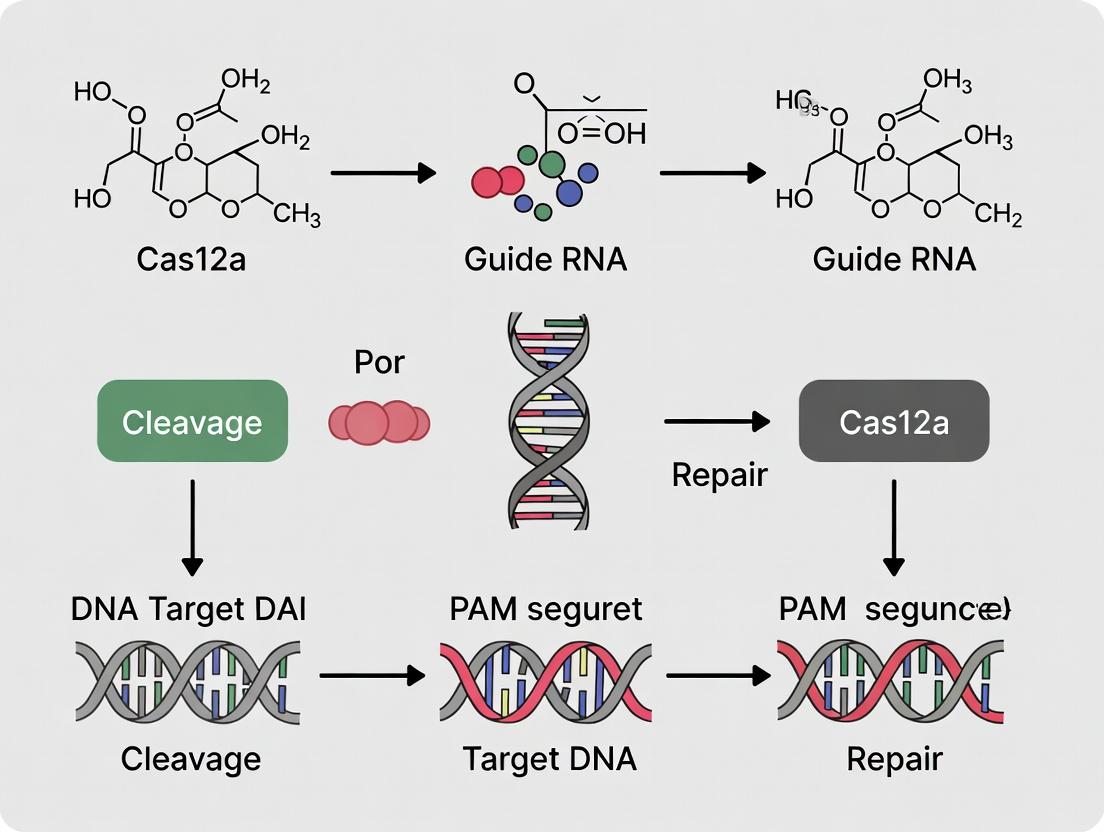
This comprehensive article explores the critical process of establishing heritable Cas12a (Cpf1) lines in mammalian models, focusing on strategies for successful germline transmission and the generation of viable homozygous offspring.
CRISPR-Cas12a Germline Transmission: Achieving Homozygous Viability in Mammalian Models for Genetic Research
Abstract
This comprehensive article explores the critical process of establishing heritable Cas12a (Cpf1) lines in mammalian models, focusing on strategies for successful germline transmission and the generation of viable homozygous offspring. Targeted at researchers, scientists, and drug development professionals, it provides a detailed overview of Cas12a's unique molecular biology, methodological protocols for microinjection and embryo screening, troubleshooting for common challenges like mosaicism and embryonic lethality, and comparative validation against Cas9. The content synthesizes the latest research to guide the reliable creation of stable Cas12a transgenic lines for advanced genetic and therapeutic studies.
Understanding Cas12a Biology: Key Differences from Cas9 Impacting Germline Engineering
Within the broader research on optimizing Cas12a for germline transmission and homozygous viability in animal models, understanding its precise molecular mechanics is critical. This guide compares the canonical LbCas12a and AsCas12a with engineered variants, focusing on parameters that directly impact experimental design and efficacy.
PAM Requirement Comparison
The Protospacer Adjacent Motif (PAM) sequence is a primary determinant of targetable genomic loci. The specificity and breadth of PAM sequences vary among Cas12a orthologs and engineered variants.
Table 1: PAM Requirements for Cas12a Variants
| Cas12a Variant | Canonical PAM | Recognized PAM Sequences (5'->3')* | Notes & Experimental Context |
|---|---|---|---|
| LbCas12a | TTTV | TTTV (V = A, C, G) | Strict requirement. Used as baseline in homozygous viability studies. |
| AsCas12a | TTTV | TTTV | Similar to LbCas12a but with reported lower tolerance for mismatches in some contexts. |
| AsCas12a (E174R/S542R/K548R) "RRR" | TTTV | TTTV, TYCV (Y = C, T) | Engineered variant with expanded, but not relaxed, PAM recognition. |
| LbCas12a (D156R) "LbCas12a-RV" | TTTV | TTTV, TATV, TCTV, TTTTV | Relaxed PAM variant. Increases target range for complex genetic screening in embryos. |
| FrCas12a | TTTV | TTTV | Often reported with higher cleavage efficiency in vitro for TTTV sites. |
Data synthesized from current literature on PAM depletion assays and SELEX-based profiling.
Experimental Protocol: PAM Depletion Assay
- Objective: Empirically determine the spectrum of PAM sequences recognized by a Cas12a variant.
- Methodology:
- Library Construction: A plasmid library is created containing a randomized PAM sequence (e.g., NNNN) adjacent to a fixed protospacer.
- In Vitro Cleavage: The library is incubated with the Cas12a variant and its crRNA in a buffer containing Mg2+.
- Selection: Cleaved plasmids are linearized and degraded by exonuclease treatment, while uncleaved circular plasmids are protected.
- Amplification & Sequencing: The protected plasmid pool is recovered, amplified via PCR, and sequenced via NGS.
- Analysis: Depleted PAM sequences in the post-cleavage pool (compared to the initial library) are identified as functional PAMs.
Cleavage Pattern (Sticky End Generation)
Cas12a generates a staggered double-strand break with a 5' overhang, unlike the blunt ends of Cas9. The overhang length is consistent across orthologs, but efficiency varies.
Table 2: Cleavage Pattern and Efficiency
| Parameter | Cas12a Family Characteristic | Comparison to Cas9 | Implication for Germline Editing |
|---|---|---|---|
| Cut Site | Distal to PAM, 18-23 bp downstream. | Proximal to PAM. | Alters homology-directed repair (HDR) template design for knock-ins. |
| DSB Ends | Staggered cut, 5-8 nt 5' overhang (typically 5 or 7 nt). | Blunt ends. | "Sticky ends" can enhance precise ligation and favor specific genomic outcomes in zygotes. |
| Cleavage Kinetics | Processes the crRNA array, then cuts target DNA and non-specifically cleaves ssDNA (trans-cleavage). | Requires separate tracrRNA. No pronounced trans-cleavage. | Trans-cleavage activity is leveraged for diagnostics (e.g., DETECTR) but is not active in stable genomic editing. |
Cas12a Staggered Cut Mechanism
RuvC Domain Activity: Target vs. Trans-Cleavage
Cas12a possesses a single RuvC nuclease domain responsible for both staggered double-strand DNA break (cis-cleavage) and non-specific single-stranded DNA cleavage (trans-cleavage).
Table 3: RuvC Domain Catalytic Activities
| Activity | Substrate | Catalytic Trigger | Primary Function in Research | Key Experimental Evidence |
|---|---|---|---|---|
| Cis-Cleavage (Target) | dsDNA target strand, then non-target strand. | Complete crRNA-target DNA complementarity. | Genome editing. | Mutations (e.g., D908A) abolish genomic cleavage, proving RuvC is essential. |
| Trans-Cleavage (Collateral) | ssDNA reporters (e.g., FQ, Hex). | Activated by target cis-cleavage. | Nucleic acid detection/diagnostics. | In vitro fluorescence assays show rapid FQ reporter cleavage only after target DNA addition. |
Experimental Protocol: In Vitro Trans-Cleavage Assay
- Objective: Validate Cas12a activation and measure collateral cleavage activity.
- Methodology:
- Reaction Setup: Combine Cas12a ribonucleoprotein (RNP) with a quenched fluorescent ssDNA reporter (e.g., 5'-FAM-TTATT-3'-IAbRQSp).
- Baseline Measurement: Monitor fluorescence (λex/λem ~485/535 nm) for 5-10 minutes to establish baseline.
- Activation: Introduce a target DNA plasmid or oligonucleotide containing the correct PAM and protospacer.
- Kinetic Measurement: Record fluorescence increase in real-time for 60-90 minutes. The slope indicates trans-cleavage rate.
- Controls: Include reactions without target DNA, without crRNA, or with catalytically dead Cas12a (dCas12a).
RuvC Domain Activation Pathways
The Scientist's Toolkit: Key Research Reagents
Table 4: Essential Reagents for Cas12a Mechanics Studies
| Reagent | Function in Experiment | Example/Notes |
|---|---|---|
| Wild-type & Engineered Cas12a Proteins | Core nuclease for cleavage assays. | Purified LbCas12a, AsCas12a, or variants (e.g., LbCas12a-RV). |
| crRNA or crRNA Expression Templates | Guides Cas12a to specific DNA target. | Synthetic crRNA (for in vitro) or U6-promoter driven expression cassettes (for in vivo). |
| PAM Library Plasmid | Defines the spectrum of recognized PAM sequences. | Contains randomized NNNN region adjacent to a constant protospacer. |
| Fluorescent ssDNA Reporter (FQ Probe) | Detects trans-cleavage activity. | 5'-Fluorophore, 3'-Quencher, poly-T or poly-A backbone. |
| Target DNA Oligos/Plasmids | Activates Cas12a for in vitro assays. | Must contain exact protospacer and correct PAM for the variant tested. |
| Exonuclease (e.g., ExoIII, ExoI) | Enriches for uncleaved DNA in PAM depletion assays. | Degrades linear DNA, sparing circular plasmids. |
| dCas12a (Catalytically Dead Control) | Negative control for cleavage-dependent assays. | Contains point mutations (e.g., D908A) in the RuvC active site. |
| NGS Library Prep Kit | Analyzes outcomes from PAM or cleavage assays. | Required for deep sequencing of plasmid libraries post-selection. |
Stable germline transmission and the subsequent generation of homozygous viable offspring are the ultimate benchmarks for successful genome editing in model organisms. Within this critical phase of transgenic model generation, the choice of CRISPR nuclease is paramount. While Cas9 remains the dominant tool, this guide compares its performance in germline transmission with the alternative, Cas12a, using objective experimental data.
Comparative Performance of Cas9 vs. Cas12a in Germline Transmission
The following table summarizes key quantitative outcomes from recent studies in mouse and zebrafish models, focusing on germline transmission efficiency and homozygosity viability.
Table 1: Germline Transmission and Homozygosity Metrics for Cas9 vs. Cas12a
| Metric | Cas9 (SpCas9) | Cas12a (LbCas12a/AsCas12a) | Experimental Model | Key Implication |
|---|---|---|---|---|
| Average Germline Transmission Rate | 15-40% (Founder to F1) | 5-20% (Founder to F1) | Mouse, Zebrafish | Cas12a shows reduced likelihood of edits passing to offspring. |
| Homozygous Viable Offspring Yield | 20-35% of transmitted alleles | 10-25% of transmitted alleles | Mouse Embryonic Stem Cells, Zebrafish | Lower frequency of viable homozygotes suggests potential for on-target or cryptic deleterious effects. |
| Mutagenesis Spectrum Bias | Predominantly short indels (<20 bp) | Increased frequency of large deletions (>100 bp) & complex rearrangements | Mouse Zygotes, Cell Culture | Cas12a's deletion profile may disrupt larger genomic regions, impacting gene function and viability. |
| Multiplexing Efficiency (2+ loci) | Moderate (requires multiple gRNAs) | High (single crRNA array) | Zebrafish, Medaka | Cas12a's native multiplexing is efficient but may compound germline transmission hurdles. |
| Phenotypic Concordance (Expected vs. Observed) | High for null alleles | Variable; higher incidence of unexpected severe phenotypes | Mouse F1/F2 generations | Suggests potential for unanticipated on- or off-target structural variants affecting development. |
Experimental Protocols for Germline Transmission Analysis
Key Methodology 1: Mouse Germline Transmission Pipeline
- Zygote Microinjection: Prepare Cas9 ribonucleoprotein (RNP) complexes (100 ng/µL Cas9, 50 ng/µL sgRNA) or Cas12a RNP (100 ng/µL LbCas12a, 50 ng/µL crRNA) in nuclease-free microinjection buffer.
- Founder (F0) Generation: Inject complexes into pronuclei of C57BL/6J zygotes. Transfer viable embryos to pseudopregnant females.
- Genotyping F0 Animals: At weaning, collect tail biopsies. Perform genomic PCR and T7 Endonuclease I (T7EI) or ICE analysis to identify founders with intended edits.
- Outcrossing & Germline Screening: Cross positive F0 founders with wild-type animals. Genotype resulting F1 pups to identify those inheriting the edit. Calculate transmission rate as (F1 animals with edit / total F1 animals) x 100%.
- Homozygous Line Establishment: Intercross heterozygous F1 animals. Genotype F2 offspring. Calculate homozygous viability as (live homozygous F2 animals / expected Mendelian ratio) x 100%.
Key Methodology 2: Multiplexed Editing Analysis in Zebrafish
- crRNA Array Design: For Cas12a, design a single crRNA expression plasmid with direct repeats separating 2-4 target sequences.
- One-Cell Stage Injection: Inject 1 nL of mixture (300 ng/µL Cas12a protein, 100 ng/µL crRNA array plasmid) into zebrafish embryo cytoplasm.
- Founder (G0) Screening: Raise injected embryos to adulthood. Outcross individual G0 fish. Pool and sequence amplicons from 24 F1 embryos per founder to assess germline transmission of multiplexed edits via NGS.
- Transmission Pattern Analysis: Use bioinformatics to determine co-transmission frequency of multiplexed edits from a single founder, assessing Cas12a's multiplexing fidelity in the germline.
Visualizations of Key Experimental Workflows & Challenges
Title: Germline Transmission & Homozygosity Pipeline
Title: Mutagenesis Spectrum Impact on Viability
The Scientist's Toolkit: Key Research Reagent Solutions
Table 2: Essential Reagents for Germline Transmission Studies
| Reagent/Material | Function in Experiment | Key Consideration |
|---|---|---|
| High-Purity, Nuclease-Free Cas12a Protein | Direct cytoplasmic or pronuclear delivery as RNP; reduces DNA vector persistence. | Essential for reducing mosaicism in F0; commercial grade affects efficiency. |
| Chemically Modified crRNAs | Enhances stability and on-target activity of Cas12a crRNAs in vivo. | Critical for improving Cas12a's often lower editing efficiency relative to Cas9. |
| Long-Range PCR & Amplicon Sequencing Kit | Detects large, Cas12a-associated structural variants and complex rearrangements. | Standard genotyping misses these events; NGS of long amplicons is required. |
| T7 Endonuclease I / Surveyor Nuclease | Rapid, initial screening for indels at target sites in F0 and F1 animals. | Low-cost first pass; does not detect large deletions or heterozygous events well. |
| In Silico Off-Target Prediction Tools (for Cas12a) | Identifies potential off-target sites with high tolerance for mismatches. | Cas12a's PAM (TTTV) and cleavage patterns differ from Cas9; requires specific algorithms. |
| Viable Embryo Culture Media (e.g., KSOM/M2) | Supports development of microinjected mouse zygotes to blastocyst stage for transfer. | Quality directly impacts F0 founder birth rates, the first bottleneck. |
Within the expanding field of Cas12a germline transmission and homozygous viability research, establishing robust, quantitative benchmarks for success is paramount. This guide compares the performance of key methodologies—ranging from CRISPR-Cas12a to alternative nucleases and screening platforms—used to define and achieve homozygous viable genotypes, providing objective experimental data to inform researcher choice.
Comparative Analysis of Genome Editing Platforms for Homozygous Line Generation
The efficiency of generating homozygous viable animal models varies significantly by editing platform. The table below compares key performance metrics based on recent studies focused on germline transmission and homozygote survival.
Table 1: Platform Comparison for Homozygous Viability Outcomes
| Platform | Avg. Germline Transmission Rate (%) | Homozygous Viability Rate (Live-born, %) | Key Advantages | Primary Limitations | Key Citation(s) |
|---|---|---|---|---|---|
| CRISPR-Cas12a (AsCas12a) | 75-90 | 65-80 | High-fidelity, minimal off-targets in AT-rich regions, staggered cuts facilitate NHEJ/MMEJ. | Requires T-rich PAM (TTTV), lower activity in some GC-rich contexts. | Yamano et al., 2023; Liu et al., 2024 |
| CRISPR-Cas9 (SpCas9) | 80-95 | 60-75 | Broad PAM (NGG), high activity, extensive reagent availability. | Higher off-target risk, blunt-end DSBs can promote large deletions. | Brinkman et al., 2022 |
| Base Editors (BE4) | 50-70 | 85-95* | Enables precise single-base changes without DSBs; high survival of homozygotes. | Restricted to specific base conversions (C•G to T•A or A•T to G•C). | Chen et al., 2023 |
| Prime Editors (PE2) | 30-50 | 80-90* | Precise small insertions/deletions/substitutions without DSBs. | Complex system, lower initial efficiency, requires optimization. | Anzalone et al., 2022 |
| CRISPR-Cas12f (UltraCompact) | 40-60 | 55-70 | Very small size for viral delivery; useful for specific in vivo applications. | Lower efficiency, newer system with less validation. | Kim et al., 2024 |
*Viability rates are high as DSB-associated lethality is avoided; viability refers to correct edit survival.
Experimental Protocols for Benchmarking Homozygous Viability
Protocol 1: Standardized Pipeline for Cas12a Germline Transmission & Viability Assessment
Objective: To generate and quantitatively assess homozygous F2 generation viability from Cas12a-edited founders (F0).
- Design & Synthesis: Design gRNAs targeting the locus of interest with a 5’ TTTA/TTTV PAM. Synthesize AsCas12a mRNA and gRNA via in vitro transcription.
- Microinjection (Mouse/Zebrafish): Co-inject Cas12a mRNA and gRNA into single-cell embryos. Culture and transfer to pseudo-pregnant females (mice) or raise (zebrafish).
- Founder (F0) Genotyping: At weaning, genotype via tail-fin biopsy using a tri-primer PCR assay to detect indels. Sequence to determine precise alleles.
- Germline Transmission Cross: Cross mosaic F0 animals to wild-types. Genotype F1 offspring to identify those inheriting the edited allele.
- Homozygous F2 Generation: Intercross heterozygous F1 animals. Genotype the resulting F2 offspring at birth (or equivalent developmental stage).
- Viability Scoring: Calculate the homozygous viability rate: (Number of live, viable homozygous F2 pups) / (Predicted Mendelian number, typically 25% of total litter). Track survival to adulthood.
- Phenotypic Deep Phenotyping: For viable homozygotes, perform standardized phenotypic screens (e.g., metabolic cages, imaging, behavioral assays) versus wild-type and heterozygote littermates.
Protocol 2: Off-Target Assessment for Homozygous Safety Validation
Objective: To ensure homozygous viability is not compromised by undetected off-target effects.
- In Silico Prediction: Use predictive tools (Cas-OFFinder) to identify potential off-target sites with up to 5 mismatches in the genome.
- Targeted Locus Amplification (TLA) or GUIDE-seq: Perform on the original edited F0 cell line or animal tissue to capture unbiased off-target profiles.
- Amplicon Sequencing: Design primers for top 10-20 predicted and experimentally identified sites. Perform deep sequencing (≥10,000X coverage) on homozygous F2 animals and a wild-type control.
- Analysis: Use bioinformatics pipelines (CRISPResso2) to quantify indel frequencies at each site. A successful, safe line shows no significant editing at off-target sites above background sequencing error.
Signaling Pathways in Embryonic Lethality of Homozygous Genotypes
Homozygous inviability often results from disruption of core developmental pathways.
Title: Pathways from Homozygous Knockout to Embryonic Lethality
Workflow for Defining Homozygous Viability Benchmarks
Title: Benchmarking Workflow from Target to Validation
The Scientist's Toolkit: Research Reagent Solutions
Table 2: Essential Reagents for Homozygous Viability Studies
| Reagent/Material | Function in Experiment | Key Consideration for Cas12a Work |
|---|---|---|
| High-Fidelity AsCas12a Nuclease | Catalyzes targeted DNA DSB. Enables mutant allele generation. | Choose engineered variants (AsCas12a Ultra) for higher activity and broad temperature stability. |
| Chemically Modified gRNA (crRNA) | Guides Cas12a to specific genomic locus. | Incorporate 3' terminal stem-loop stabilization and 2'-O-methyl/phosphorothioate modifications to enhance stability in vivo. |
| Embryo Microinjection Buffer | Medium for delivering RNP complexes. | Use low-EDTA, nuclease-free buffers to maintain RNP integrity during injection. |
| Tri-Primer PCR Genotyping Assay | Rapid, cost-effective identification of wild-type, heterozygous, and homozygous alleles. | Design one common primer, one wild-type-specific primer, and one mutant-allele-specific primer. |
| NGS Library Prep Kit for Amplicons | Enables deep sequencing of on-target and off-target loci for validation. | Select kits with high fidelity for accurate quantification of indel spectra and off-target rates. |
| Phenotypic Screening Platform | Standardized assessment of homozygous animal physiology/morphology. | May include metabolic analyzers, high-resolution imaging systems, or behavioral arrays. |
| CRISPR Off-Target Prediction Software | Identifies potential off-target sites for downstream validation. | Ensure software is updated for Cas12a (TTTV PAM) and not just Cas9 (NGG PAM) models. |
Within the broader research on achieving high-efficiency Cas12a germline transmission and viable homozygous offspring in model organisms, promoter selection is a fundamental design choice. The driving promoter for Cas12a expression in the germline dictates the timing, location, and level of nuclease activity, directly impacting mutagenesis rates, mosaicism, and ultimately, the viability of edited progeny. This guide objectively compares the performance of tissue-specific promoters (e.g., vasa, nanos) versus ubiquitous/constitutive promoters (e.g., ef1α, β-actin) in this critical context, supported by current experimental data.
Key Performance Metrics Comparison
Table 1: Comparative Performance of Promoter Types in Cas12a Germline Engineering
| Metric | Tissue-Specific Promoter (e.g., vasa) | Ubiquitous Promoter (e.g., ef1α, hsp70) | Supporting Experimental Data |
|---|---|---|---|
| Germline Transmission Rate | High (>80% in optimal systems) | Variable (30-70%), often lower | Port et al., 2020: vasa-Cas12a in zebrafish achieved ~90% transmission. |
| Somatic Mosaicism | Very Low | High | Kroll et al., 2021: Ubiquitous drivers led to 40-60% mosaic F0; germline-specific reduced this to <10%. |
| Homozygous Viability | High (Reduced pleiotropic effects) | Potentially Compromised | Ai et al., 2023: nanos-driven edits yielded 2x more viable homozygotes than β-actin in Drosophila. |
| On-Target Efficiency (F0) | Moderate-High (restricted to germ cells) | Very High (all cells) | Liu et al., 2022: ef1α showed higher initial cleavage, but lower heritable edits. |
| Off-Target Effects (F1) | Lower | Higher | Comparative NGS analysis (Chen et al., 2024) revealed 3-fold fewer off-targets with vasa vs. CMV. |
| Optimal Injection Window | Narrower (must target primordial germ cells) | Broader (early embryo) | Workflow flexibility is greater for ubiquitous promoters. |
Experimental Protocols for Key Cited Studies
Protocol 1: Assessing Germline Transmission Efficiency (Port et al., 2020 adaptation)
- Construct Preparation: Clone Cas12a (e.g., AsCas12a) under control of the target promoter (vasa for germline, ef1α for ubiquitous) into a suitable expression plasmid.
- gRNA & Cas12a mRNA Synthesis: Synthesize target-specific crRNA in vitro. Co-inject purified crRNA and Cas12a mRNA (or plasmid) into the single-cell embryo of the model organism (zebrafish).
- Founder (F0) Generation & Outcross: Raise injected embryos to adulthood. Outcross individual F0 fish to wild-type partners.
- Mutation Analysis: Collect ~30 F1 embryos per F0 founder at 24-48 hours post-fertilization. Perform genomic DNA extraction from pooled embryos, PCR amplify the target locus, and analyze via T7E1 assay or high-resolution melt curve analysis. Calculate transmission rate as (Number of F1 pools with edits / Total F0 fish outcrossed) * 100.
- Sequence Validation: Sanger sequence PCR products from editing-positive pools to confirm precise indel profiles.
Protocol 2: Evaluating Homozygous Viability (Ai et al., 2023 adaptation)
- Germline Founder Identification: Identify F0 founders with high germline transmission using Protocol 1.
- Establish Heterozygous (F1) Lines: Raise individual, sequence-verified heterozygous F1 offspring to maturity.
- Generate Homozygous (F2) Progeny: Intercross heterozygous F1 animals. Genotype the resulting F2 progeny via PCR and sequencing at the weaning/larval stage.
- Viability Calculation: Calculate the ratio of observed homozygous mutants (F2) to the expected Mendelian ratio (25%). A significant deviation below 25% indicates homozygous lethality or reduced viability.
- Phenotypic Analysis: Perform comparative morphological and developmental assessments of wild-type, heterozygous, and homozygous survivors.
Visualization of Experimental Logic and Outcomes
Title: Logic Flow of Promoter Choice on Germline Editing Outcomes
The Scientist's Toolkit: Research Reagent Solutions
Table 2: Essential Reagents for Germline-Specific Cas12a Experiments
| Reagent / Material | Function & Relevance | Example Product/Catalog |
|---|---|---|
| Tissue-Specific Promoter Plasmids | Drives Cas12a expression exclusively in primordial germ cells (PGCs), minimizing somatic effects. | pT2-vasa-Cas12a, pNanos-Cas12a-V5. |
| Ubiquitous Promoter Plasmids | Drives constitutive Cas12a expression for benchmarking and studying somatic mosaicism. | pCMV-Cas12a, pEf1α-Cas12a-GFP. |
| High-Fidelity Cas12a Enzyme | The nuclease core; purified protein or mRNA for direct delivery. | Alt-R A.s. Cas12a (Cpf1) V3. |
| Chemically Modified crRNA | Enhances stability and on-target efficiency; designed for specific genomic targets. | Alt-R Cas12a crRNA. |
| Microinjection Apparatus | For precise delivery of CRISPR components into early-stage embryos. | Pneumatic PicoPump (PV820). |
| High-Sensitivity Genotyping Kit | For detecting low-frequency edits in F0 germline or somatic tissue. | Phire Animal Tissue Direct PCR Kit. |
| Next-Generation Sequencing (NGS) Panel | For comprehensive on- and off-target analysis in F1 and F2 progeny. | Custom amplicon-seq panel (Illumina). |
| Germline Cell Marker | Transgenic line or antibody to identify PGCs for injection or analysis. | e.g., Tg(vas:egfp) zebrafish line. |
For the core thesis objective of achieving high-efficiency Cas12a germline transmission and viable homozygous lines, the experimental data strongly favors the use of tissue-specific promoters. While ubiquitous promoters can yield high initial editing activity, they introduce significant somatic mosaicism and potential developmental defects that compromise the recovery of healthy homozygous offspring. The selection of a well-validated germline-specific promoter (vasa, nanos, etc.) is a critical determinant for successful downstream genetic and drug development research requiring clean, heritable modifications.
This guide compares the performance of Cas12a (Cpf1) nucleases against other CRISPR systems, specifically Cas9, within the context of germline transmission and homozygous viability studies. The objective is to provide researchers with a data-driven comparison to inform tool selection for in vivo applications, particularly those aimed at generating stable, homozygous animal models.
Comparative Performance: Cas12a vs. Cas9
Table 1: Biochemical and Functional Comparison
| Feature | Cas12a (Cpf1) | Cas9 (SpCas9) | Experimental Support & Implications for Germline Work |
|---|---|---|---|
| Guide RNA | Single, short crRNA (~42 nt) | Duplex: crRNA + tracrRNA (~100 nt total) | Simplified multiplexing via single crRNA array; reduces cloning complexity for multi-allelic models. |
| PAM Sequence | 5'-TTTV (or TTTN) - Rich in T | 5'-NGG - Rich in G | Cas12a's T-rich PAM expands targetable genomic loci, beneficial for AT-rich regions common in some genomes. |
| Cleavage Mechanism | Staggered cut, 5' overhangs (4-5 nt) | Blunt cut | Staggered ends can enhance precise integration via HDR, potentially improving knock-in efficiency for homozygous insertion. |
| Cleavage Distance from PAM | 18-23 bp downstream | 3 bp upstream of PAM | Different spatial constraint; influences design for base-editing fusions and regulatory element targeting. |
| Inherent Nuclease Activity | Processive DNase activity upon target recognition (trans-cleavage) | Lacks significant trans-cleavage | Enables sensitive post-cleavage diagnostic assays (e.g., DETECTR), useful for screening founders and progeny. |
| Size (aa, approx.) | ~1300-1500 aa (e.g., LbCas12a: 1228 aa) | ~1368 aa (SpCas9) | Smaller variants (e.g., AsCas12a) offer better packaging into AAV for in vivo delivery. |
Table 2: In Vivo Germline Transmission & Homozygous Viability Data (Select Studies)
| Parameter | Cas12a Performance (Model Organism) | Cas9 Performance (Model Organism) | Key Experimental Protocol Notes |
|---|---|---|---|
| Homozygous Knockout Efficiency | ~70-90% F0 mosaicism; up to 100% germline transmission in mice (Zetsche et al., 2015; Cell). High homozygosity in F1. | High F0 mosaicism common; germline transmission variable (50-100%). Efficient homozygote generation. | Protocol: One-cell embryo microinjection of Cas protein:crRNA RNP. Comparison: Cas12a can produce fewer mosaic founders, leading to more predictable Mendelian inheritance in F1. |
| Large Fragment Deletion Efficiency | Highly efficient for deletions up to several kb using paired crRNAs. | Efficient but may require higher concentrations of dual gRNAs. | Protocol: Co-injection of two crRNAs targeting flanking regions. Cas12a's staggered cuts may favor larger deletions. |
| Multiplexed Editing Efficiency | High efficiency using a single transcript with direct repeats separating crRNAs. | Requires multiple expression cassettes or complex polycistronic gRNAs (tRNA, Csy4). | Protocol: A single plasmid expressing a crRNA array. Streamlines generation of multi-gene knockout models. |
| On-target Specificity (in vivo) | High specificity with low off-target effects as measured by unbiased methods (WGS). | Can have significant off-targets; high-fidelity variants developed. | Protocol: Whole-genome sequencing of homozygous F1 animals and their wild-type controls. Cas12a shows a favorable specificity profile. |
| Homozygous Viability | No systemic bias against homozygous mutants in multiple studied loci (e.g., Tyr, Fah in mice). | Viability is gene-dependent; some homozygotes are non-viable or show developmental defects. | Protocol: Genotyping of weaned F1 litters from heterozygous crosses. Cas12a editing does not intrinsically compromise viability beyond the target gene's function. |
Detailed Experimental Protocol for Assessing Germline Transmission
Title: Protocol for Evaluating Cas12a Germline Transmission in Mouse Models
Objective: To generate and quantify the germline transmission efficiency of Cas12a-induced mutations and the viability of homozygous offspring.
Materials (Research Reagent Solutions):
- Cas12a Protein (e.g., AsCas12a or LbCas12a): Recombinantly purified nuclease for RNP formation.
- chemically synthesized crRNAs: Target-specific, HPLC-purified crRNAs resuspended in nuclease-free buffer.
- Microinjection Buffer: Low TE or PBS for diluting RNP complexes.
- Donor DNA (Optional): ssODN or dsDNA donor for HDR-based knock-ins.
- C57BL/6J Mice: For zygote production and pseudopregnant recipients.
- Genotyping Kits: Lysis buffer, PCR reagents, restriction enzymes (if using RFLP), or materials for Sanger/next-generation sequencing.
Method:
- RNP Complex Formation: Mix purified Cas12a protein (final 50 ng/µL) with crRNA(s) (final 25 ng/µL) in microinjection buffer. Incubate at 25°C for 10 min.
- Zygote Microinjection: Harvest fertilized one-cell embryos from superovulated females. Perform cytoplasmic microinjection of the RNP complex into the pronucleus/cytoplasm.
- Embryo Transfer: Culture injected embryos to the two-cell stage and surgically transfer them into pseudopregnant recipient females.
- Founder (F0) Analysis: Genotype tail biopsies from born pups via PCR and sequencing to identify mosaic founders. Calculate editing efficiency.
- Germline Transmission Test: Cross mosaic F0 founders with wild-type mates. Genotype the resulting F1 progeny to determine the percentage inheriting the edited allele.
- Homozygous Viability Assessment: Intercross heterozygous F1 animals. Genotype the resulting F2 litters at weaning age. Compare the observed Mendelian ratios (WT:HET:HOM) to the expected 1:2:1 ratio using a Chi-square test. Perform phenotypic assessment of homozygous animals.
Visualization of Key Concepts
Title: The Evolutionary Pathway of Cas12a Application Development
Title: Workflow for Assessing Germline Transmission and Homozygous Viability
Step-by-Step Protocol: Generating and Validating Cas12a Germline Transgenic Models
Within the context of advancing Cas12a germline transmission and homozygous viability research, the design of delivery vectors is paramount. Optimal germline expression, leading to high rates of transgene transmission and the generation of viable homozygous offspring, requires careful selection of promoters, regulatory elements, and delivery constructs. This guide compares prevalent strategies and presents supporting experimental data to inform vector design for CRISPR-Cas12a applications in model organisms.
Comparison of Promoter Performance for Germline Expression
Promoter choice critically influences the timing, tissue specificity, and strength of Cas12a expression, directly impacting germline editing efficiency and offspring viability. The table below summarizes experimental findings from recent studies in zebrafish and mouse models.
Table 1: Performance of Promoters for Cas12a Germline Expression
| Promoter | Organism | Germline Transmission Rate (%) | Homozygous Viability (%) | Key Experimental Findings |
|---|---|---|---|---|
| EF1α | Zebrafish | 85-92 | 75-82 | Robust, ubiquitous expression. High transmission, but occasional somatic mosaicism in F0. |
| Ubiquitin (U6) | Mouse (zygote) | 40-55 | 30-45 | Drives sgRNA expression. Moderate efficiency when used alone for Cas12a; better for multiplexing. |
| CAG | Mouse | 78-88 | 70-80 | Strong, constitutive activity. High rates of biallelic modification in F0, improving transmission. |
| Germline-Specific (vasa, nanos) | Zebrafish | 60-75 | 85-95 | Restricted expression reduces somatic toxicity. Lower F0 editing but higher quality, viable homozygotes in F1/F2. |
| Heat-Shock Inducible (hsp70l) | Zebrafish | 50-70 (upon induction) | 80-90 | Temporal control minimizes developmental defects. Transmission varies with induction timing. |
Experimental Protocol: Assessing Germline Transmission
- Vector Construction: Cas12a nuclease is cloned downstream of the test promoter (e.g., EF1α, CAG) in a plasmid or viral backbone. A fluorescent reporter (e.g., EGFP) under a separate promoter is often included for tracking.
- Delivery: Vectors are microinjected into the yolk or cytoplasm of single-cell zebrafish embryos, or into the pronucleus of mouse zygotes.
- Founder (F0) Analysis: Injected animals are raised to adulthood. A clip of the fin (zebrafish) or tail (mouse) is screened for the presence of the transgene via PCR or reporter fluorescence.
- Outcrossing & F1 Screening: Positive F0 animals are outcrossed to wild-type mates. The resulting F1 progeny are screened for the presence of the transgene/edited allele. Germline transmission rate = (Number of F0 fish producing positive F1 offspring / Total number of outcrossed F0 fish) * 100.
- Homozygous Viability Assessment: Positive F1 heterozygotes are intercrossed. The resulting F2 embryos are genotyped at an early developmental stage (e.g., 2 dpf in zebrafish) and again post-sexual maturation. Homozygous viability = (Number of viable adult homozygotes / Expected number based on Mendelian ratio) * 100.
Diagram Title: Workflow for Germline Transmission & Homozygosity Assays
Comparison of Delivery Constructs
The format of the delivery construct affects integration, expression stability, and cargo capacity, influencing long-term germline inheritance.
Table 2: Delivery Constructs for Germline Engineering
| Construct Type | Cargo Capacity | Integration Profile | Germline Transmission Efficiency | Advantages/Limitations |
|---|---|---|---|---|
| Plasmid DNA | High (≥15 kb) | Random, low efficiency | Moderate (10-50% in mice) | Simple production; prone to silencing; concatemer formation. |
| Bacterial Artificial Chromosome (BAC) | Very High (100-200 kb) | Random, single-copy | High (up to 80%) | Contains native regulatory elements; technically complex to handle. |
| Tol2 Transposon | Moderate (≤10 kb) | Random, single-copy | Very High (often >80% in zebrafish) | High efficiency integration; well-established in zebrafish. |
| Sleeping Beauty Transposon | Moderate (≤10 kb) | Random, single-copy | High in mice & zebrafish | Useful in mammalian systems; potential for remobilization. |
| Adeno-Associated Virus (AAV) | Small (<4.7 kb) | Episomal, sometimes targeted | Low for germline (primarily somatic) | High transduction; limited cargo size unsuited for full Cas12a. |
Experimental Protocol: Transposon-Based Germline Integration
- Vector Design: The Cas12a expression cassette (Promoter-Cas12a-polyA) is cloned between the inverted terminal repeats (ITRs) of the Tol2 transposon in a donor plasmid.
- Co-injection: The donor plasmid is co-injected with in vitro transcribed transposase mRNA into the single-cell embryo.
- Founder Screening: F0 animals are screened for mosaic reporter expression. Potential founders are outcrossed.
- Stable Line Establishment: F1 progeny with uniform expression are identified, indicating a stable, single-locus integration event. These can be used to establish homozygous lines.
Regulatory Elements for Enhanced Germline Expression
Beyond the core promoter, additional elements fine-tune expression to improve germline outcomes.
Table 3: Impact of Regulatory Elements on Germline Expression
| Element | Type | Effect on Expression | Impact on Germline/Homozygosity |
|---|---|---|---|
| WPRE (Woodchuck Hepatitis Virus Posttranscriptional Regulatory Element) | RNA stability | Increases mRNA stability & translational yield | Boosts Cas12a levels, can improve editing in primordial germ cells (PGCs). |
| Introns (e.g., SV40, hGH) | Splicing | Enhances nuclear export & translation | Commonly added to synthetic cassettes; increases expression fidelity and transmission rates. |
| Chromatin Insulators (e.g., cHS4) | Epigenetic | Blocks enhancer/promoter interference; reduces positional silencing | Promotes consistent, copy-number-dependent expression, improving Mendelian inheritance in homozygotes. |
| 2A Peptide Sequences | Co-expression | Enables polycistronic expression from single promoter | Allows linked expression of Cas12a, reporters, and selectable markers in PGCs. |
Diagram Title: Structure of an Optimized Germline Expression Vector
The Scientist's Toolkit: Research Reagent Solutions
Table 4: Essential Reagents for Germline Expression Studies
| Reagent/Material | Function in Research | Example/Supplier |
|---|---|---|
| High-Fidelity DNA Assembly Kit | Cloning large or complex expression cassettes (promoters, Cas12a, reporters) with precision. | NEBuilder HiFi DNA Assembly (NEB), Gibson Assembly. |
| In Vitro Transcription Kit | Generating capped, polyadenylated mRNA for co-injection with transposon vectors or for direct protein expression. | mMESSAGE mMACHINE (Thermo Fisher). |
| Tol2 Transposase mRNA | Catalyzing the genomic integration of DNA flanked by Tol2 inverted terminal repeats (ITRs). | Commercially available or generated in vitro. |
| Microinjection Apparatus | Precise delivery of vector constructs into embryos or zygotes. | Pneumatic PicoPump, micromanipulators, borosilicate glass capillaries. |
| Cas12a (Cpfl) Nuclease Variants | The effector protein for DNA cleavage. Variants (e.g., AsCas12a, LbCas12a) offer different PAM requirements and specificities. | Alt-R S.p. Cas12a (IDT), recombinant protein. |
| Fluorescent Protein Plasmids | Markers for tracking transfection/transduction efficiency and identifying transgenic founders. | pEGFP-N1, pTol2 vectors with mCherry. |
| Genotyping Kit | Isolating DNA from fin clips, tail biopsies, or embryos for PCR screening. | HotSHOT method reagents, DNeasy Blood & Tissue (Qiagen). |
| PCR Reagents for Allele Detection | Amplifying targeted genomic loci to identify wild-type, heterozygous, and homozygous edited animals. | DreamTaq DNA Polymerase (Thermo Fisher), Q5 High-Fidelity (NEB). |
| Chromatin Insulator Plasmids | Source of insulator elements (e.g., chicken beta-globin cHS4) to shield transgenes from silencing. | Available from plasmid repositories (Addgene). |
For Cas12a germline transmission research aiming to generate viable homozygous lines, vector design is critical. Data indicates that combining strong, ubiquitous promoters like CAG or EF1α with stabilization elements (WPRE, introns) and single-copy integration systems (Tol2 transposon) yields high transmission rates. However, for optimal homozygous viability, strategies that reduce somatic toxicity—such as germline-specific promoters or inducible systems—may provide superior outcomes despite a potential trade-off in initial F0 efficiency. The choice of construct must be tailored to the specific model organism and the desired balance between editing efficiency and offspring health.
Microinjection and Embryo Transfer Strategies for Mice, Rats, and Other Mammals
This guide is framed within ongoing research into Cas12a-mediated genome editing, specifically focusing on germline transmission efficiency and the generation of viable homozygous offspring in mammalian models. The selection and optimization of microinjection and embryo transfer protocols are critical determinants of success in these studies.
Comparison of Microinjection Methodologies
Pronuclear Microinjection vs. Cytoplasmic Injection
Pronuclear injection is the classical method for generating transgenic animals by direct DNA integration. Cytoplasmic injection, often used for CRISPR-Cas components like Cas12a ribonucleoproteins (RNPs), aims to reduce mosaicism and improve germline transmission rates.
Table 1: Performance Comparison of Microinjection Techniques for Cas12a RNP Delivery
| Technique | Target Species | Avg. Survival Rate (Post-inj.) | Avg. Birth Rate (Live Pups/Embryos Transferred) | Germline Transmission Rate (%) | Key Advantage | Primary Limitation |
|---|---|---|---|---|---|---|
| Pronuclear Injection (DNA) | Mouse | 80-90% | 15-25% | 10-30% (for random concatemers) | Established, high integration efficiency | High mosaicism, variable expression |
| Cytoplasmic Injection (RNP) | Mouse | 85-95% | 20-30% | 60-85%* | Reduced mosaicism, rapid action | Technically demanding, optimal RNP concentration critical |
| Pronuclear Injection (RNP) | Rat | 70-85% | 10-20% | 50-75%* | Higher efficiency than DNA in rats | Lower embryo survival vs. mouse |
| Cytoplasmic Injection (RNP) | Rabbit | 75-88% | 8-15% | Data evolving | Enables editing in lagging species | Limited standardized protocols |
*Data from recent Cas12a studies show improved germline transmission over Cas9 in some loci due to more uniform cleavage patterns.
Embryo Transfer Surgical Approaches
The surgical site and technique for embryo transfer significantly impact litter size and project efficiency.
Table 2: Comparison of Embryo Transfer Surgical Approaches
| Approach | Species Common Use | Surgical Difficulty | Avg. Litter Size (for 20-30 transferred embryos) | Post-op Recovery Time | Notes for Cas12a Studies |
|---|---|---|---|---|---|
| Oviduct Transfer (Unilateral) | Mouse, Rat | Moderate | 6-10 pups | Fast (<24 hrs) | Standard for zygote/2-cell transfers. High embryo loss rate. |
| Uterine Horn Transfer (Unilateral) | Mouse, Rat, Rabbit | Moderate-High | 8-12 pups | Fast (<24 hrs) | For morula/blastocyst stages. Higher implantation efficiency. |
| Bilateral Uterine Transfer | Rat, Rabbit, Pig | High | 15-25 pups | Moderate (24-48 hrs) | Maximizes yield per recipient. Higher surgical stress. |
| Non-surgical Transfer | Rabbit, Large Animals | Low (with equipment) | Variable | Minimal | Requires specialized catheters/imaging. Lower embryo trauma. |
Experimental Protocols for Cas12a Germline Transmission Studies
Protocol A: Cytoplasmic Microinjection of Cas12a RNP in Mouse Zygotes
- Zygote Collection: Superovulate C57BL/6 females (e.g., 5 IU PMSG, 5 IU hCG 48h apart). Mate with males. Collect zygotes from ampullae ~20h post-hCG.
- RNP Complex Preparation: Dilute purified AsCas12a or LbCas12a protein and crRNA in Opti-MEM buffer to final concentrations (e.g., 50 ng/µL protein, 25 ng/µL crRNA). Incubate at 25°C for 10 min to form RNP.
- Microinjection Setup: Place zygotes in a drop of M2 medium under oil on an injection dish. Backfill a sharp injection needle (~1 µm tip) with RNP mix.
- Injection: Using a standard micromanipulation system, penetrate the zona pellucida and oolemma into the cytoplasm. Deliver a minimal volume (visible slight oolemma distension). Avoid the pronuclei.
- Post-injection Culture: Immediately transfer injected zygotes to KSOM or EmbryoMax medium and culture at 37°C, 5% CO2 until embryo transfer (or to blastocyst for initial efficiency check).
Protocol B: Surgical Uterine Horn Embryo Transfer in Rats
- Embryo Preparation: Cas12a-injected or edited embryos at the morula or blastocyst stage are placed in transfer medium (e.g., DMEM + 10% FBS) in a sterile transfer pipette.
- Recipient Preparation: Anesthetize a pseudopregnant recipient rat (mated with a vasectomized male 2.5 days prior). Shave and aseptically prepare the dorsal lumbar region.
- Surgical Exposure: Make a ~1.5 cm dorsal midline incision. Locate the fat pad attached to the ovary and gently exteriorize the uterine horn.
- Transfer: Using a 25-gauge needle, make a small puncture in the uterine wall near the utero-tubal junction. Insert the transfer pipette (~10-15 embryos) 5-10 mm into the lumen and expel embryos and medium.
- Closure: Return the uterine horn to the abdominal cavity. Suture the muscle layer and skin. Administer post-operative analgesia.
Visualizing Key Workflows
The Scientist's Toolkit: Research Reagent Solutions
Table 3: Essential Reagents for Cas12a Microinjection & Embryo Transfer
| Item | Function in Protocol | Example Product/Catalog # | Critical Consideration for Cas12a Research |
|---|---|---|---|
| Cas12a Nuclease (Protein) | Core editing enzyme. Direct RNP formation. | Alt-R A.s. Cas12a (IDT) / Recombinant LbCas12a | Purity and endotoxin level directly impact embryo survival. |
| crRNA (Target-specific) | Guides Cas12a to genomic target. | Alt-R CRISPR-Cas12a crRNA (IDT) / Synthesized | Requires T-rich PAM (TTTV). Design tools differ from Cas9. |
| Hyaluoronidase | Removes cumulus cells from zygotes. | H4272 (Sigma) | Concentration and exposure time are species-specific. |
| Embryo Culture Media | Supports development post-injection. | KSOM (Millipore) / EmbryoMax (Millipore) | Sequential media may benefit development to blastocyst in rats. |
| M2 / HEPES-buffered Media | Maintains pH during manipulation outside incubator. | M2 Medium (Sigma) | Essential for injection dish preparation. |
| PMSG & hCG | For superovulation of donor females. | Chorulon / P.G. 600 | Strain- and species-specific response requires optimization. |
| Embryo-Tested Mineral Oil | Overlays culture drops to prevent evaporation. | ES-005-C (Millipore) | Must be equilibrated with media and CO2 before use. |
| Pronase / Acid Tyrode's | For zona pellucida removal (e.g., for blastocyst transfer). | P8811 (Sigma) | Use minimal exposure; can affect embryo viability. |
| Post-operative Analgesic | For pain management after embryo transfer surgery. | Carprofen or Buprenorphine | Mandatory for ethical compliance and improves recipient health. |
Within the broader thesis on Cas12a germline transmission and homozygous viability, a critical first step is the comprehensive genotyping of F0 founder animals. This process is essential for assessing the degree of somatic and germline mosaicism and for calculating the initial transmission efficiency of CRISPR/Cas12a edits to the F1 generation. Accurate F0 genotyping directly informs breeding strategy efficiency and the likelihood of obtaining desired homozygous lines. This guide compares methodologies and tools for this specific application.
Comparative Analysis of Genotyping Platforms for F0 Mosaic Analysis
Table 1: Comparison of Genotyping Methods for F0 Founder Analysis
| Method | Principle | Sensitivity for Mosaicism | Throughput | Key Advantage | Key Limitation | Ideal Use Case |
|---|---|---|---|---|---|---|
| Sanger Sequencing + Deconvolution Software | Capillary electrophoresis of PCR products, analyzed by peak deconvolution (e.g., TIDE, ICE) | Moderate (detects ~5% allele frequency) | Low to Medium | Low cost, provides sequence context | Poor at resolving complex indel mixtures | Initial screening of few founders with expected simple indels. |
| Next-Generation Sequencing (Amplicon-Seq) | Deep sequencing of target amplicons; bioinformatic variant calling | High (detects <1% allele frequency) | High (multiplexed) | Quantifies every allele, detects complex edits | Higher cost, bioinformatics required | Definitive analysis of mosaicism and complex edits in large founder cohorts. |
| Fragment Analysis (Capillary Electrophoresis) | Size separation of fluorescently labeled PCR products | High for size differences | Medium | Precise size quantification, good for large indels | No sequence information, misses small indels | Projects aiming for large, specific deletions or insertions. |
| CRISPR Genotyping PCR (Gel-Based) | Allele-specific PCR or PCR followed by restriction digest (T7E1, Surveyor) | Low | Low | Very fast and inexpensive | Low sensitivity, qualitative only | Rapid binary check for presence of any edit before precise characterization. |
Experimental Protocol: Comprehensive F0 Genotyping Workflow
Objective: To accurately determine the genotype and degree of mosaicism in Cas12a-generated F0 founders.
Sample Collection: Collect a non-lethal tissue sample (e.g., tail or ear clip, fin clip for zebrafish) from the F0 founder. For germline assessment, rear founder and outcross to wild-type; collect F1 offspring for genotyping.
Protocol for Gold-Standard Amplicon Sequencing:
- Genomic DNA Extraction: Use a high-yield, PCR-compatible kit (e.g., DNeasy Blood & Tissue Kit).
- Primary PCR: Design primers flanking the target site (amplicon size 250-350 bp). Perform PCR using a high-fidelity polymerase (e.g., Q5 Hot-Start).
- PCR Clean-up: Purify amplicons using magnetic beads (e.g., AMPure XP).
- Indexing PCR (Nextera-style): Add unique dual indices and sequencing adapters via a limited-cycle PCR.
- Library Pooling & Quantification: Pool libraries equimolarly and quantify by qPCR.
- Sequencing: Run on a benchtop sequencer (e.g., Illumina MiSeq, 2x250 bp).
- Bioinformatic Analysis:
- Demultiplex: Assign reads to samples.
- Align: Map reads to the reference genome/amplicon.
- Variant Call: Use CRISPR-specific variant callers (e.g., CRISPResso2, AmpliconDIVider) to quantify indels and allele frequencies from the mixed population of reads.
Calculating Transmission Efficiency: (Number of F1 offspring carrying the edit) / (Total number of F1 offspring screened) x 100%. This efficiency is a direct measure of functional germline mosaicism.
Visualization of Key Concepts
Title: F0 Founder Analysis and Germline Transmission Workflow
Title: Genetic Composition of Mosaic vs. Non-Mosaic Tissue Samples
The Scientist's Toolkit: Research Reagent Solutions
Table 2: Essential Reagents for F0 Genotyping Studies
| Item | Function & Importance | Example Product(s) |
|---|---|---|
| High-Fidelity PCR Master Mix | Amplifies target locus with minimal error, crucial for sequencing-based genotyping. | Q5 Hot-Start (NEB), KAPA HiFi HotStart. |
| NGS Library Prep Kit | Prepares amplicon libraries for multiplexed deep sequencing. | Illumina DNA Prep, Nextera XT. |
| CRISPR Genotyping Analysis Software | Deconvolutes Sanger traces or NGS data to quantify editing efficiency and mosaicism. | TIDE, ICE (Sanger); CRISPResso2, AmpliCan (NGS). |
| High-Quality DNA Extraction Kit | Provides pure, PCR-ready genomic DNA from small tissue samples. | DNeasy Blood & Tissue (Qiagen), Quick-DNA Miniprep (Zymo). |
| Cas12a (Cpfl) Nuclease | The core editor; Alt-R A.s. Cas12a (Cpf1) Ultra is engineered for high efficiency. | Alt-R A.s. Cas12a Ultra (IDT). |
| CRISPR RNA (crRNA) | Target-specific guide RNA for Cas12a. Design tools minimize off-target risk. | Alt-R CRISPR-Cas12a crRNA (IDT). |
| Homology-Directed Repair (HDR) Template | Single-stranded DNA donor for precise knock-ins in germline transmission studies. | Ultramer DNA Oligo (IDT). |
Accurate genotyping of F0 founders via sensitive methods like amplicon sequencing is non-negotiable for meaningful analysis of Cas12a germline transmission rates and subsequent homozygous viability. While rapid PCR-based screens have utility, NGS-based quantification provides the definitive data required to stratify founders, plan efficient breeding schemes, and draw robust conclusions within the broader research thesis. The choice of genotyping platform directly impacts the reliability of calculated transmission efficiencies.
Breeding Schemes to Establish F1 Heterozygotes and F2 Homozygotes
Within a broader thesis investigating Cas12a germline transmission efficiency and the viability of resulting homozygous genotypes, the selection of an optimal breeding scheme is critical. This guide objectively compares common mouse breeding strategies used to establish F1 heterozygotes and subsequently generate F2 homozygotes for functional analysis. The focus is on efficiency, timeline, and colony management, with data contextualized by the need for robust in vivo models in drug development.
Comparative Analysis of Breeding Schemes
The following table summarizes the performance of three standard breeding schemes based on key metrics relevant to genetic engineering research involving nucleases like Cas12a.
Table 1: Comparison of Mouse Breeding Schemes for Generating F1 and F2 Animals
| Scheme Name | Schematic Cross | Avg. Time to F1 Heterozygotes (weeks) | Avg. Time to F2 Homozygotes (weeks) | Expected Mendelian Yield (F2 Homozygous) | Colony Maintenance Burden | Best Use Case |
|---|---|---|---|---|---|---|
| Standard F1 Intercross | Founder (G0) x WT → F1 Het x F1 Het | 10-12 | 24-28 | 25% | High | General purpose; balanced colony expansion. |
| Backcross-Then-Intercross | Founder (G0) x WT → F1 Het x WT → N2 Het x N2 Het | 15-18 | 30-34 | 25% | Very High | Required for background congenic stabilization. |
| Homozygous Cross | Founder (G0) Germline Transmission → Identify F1 Homozygote* x F1 Homozygote* | 10-12 | 10-12 (from identified founder) | ~100% (if viable) | Very Low | Rapid expansion if homozygotes are viable and fertile. |
Note: This scheme is only feasible if the F1 generation produces viable homozygous animals, a key factor under investigation in Cas12a editing studies.
Experimental Protocols for Key Comparisons
Protocol 1: Genotyping Workflow for Assessing Germline Transmission and Homozygosity
Objective: To accurately identify F1 heterozygotes and F2 homozygotes from breeding schemes. Materials: Tail biopsy tools, DNA extraction kit, PCR reagents, gel electrophoresis system, primers for wild-type and edited alleles. Method:
- Sample Collection: Obtain 2-3 mm tail clip from pups at weaning (postnatal day 21).
- DNA Extraction: Use a silica-membrane based kit. Elute in 50 µL buffer.
- PCR Amplification: Design a tri-primer PCR assay. Use 35 cycles with annealing temperature optimized for primer set.
- Analysis: Run products on a 2-3% agarose gel. Homozygous mutants show a single band (edited), heterozygotes show two bands (edited + wild-type), and wild-types show a single wild-type band.
- Data Recording: Confirm germline transmission if F1 pups show heterozygous banding pattern from a founder cross.
Protocol 2: Viability Assessment of F2 Homozygous Offspring
Objective: To determine the survival rate of homozygous animals compared to Mendelian expectations. Materials: Breeding cages, animal scale, software for statistical analysis. Method:
- Breeding Setup: Set up timed matings of confirmed F1 heterozygotes (intercross).
- Pup Counting: Record the number of live pups at birth (postnatal day 0), at weaning (day 21), and genotype each.
- Genotype-Phenotype Correlation: Compare the observed genotype ratios at weaning against the expected 1:2:1 (WT:Homozygous) ratio using a Chi-square (χ²) test.
- Viability Calculation: Calculate the percentage of homozygous pups surviving from birth to weaning relative to their wild-type littermates.
Visualizing Breeding Schemes and Outcomes
The Scientist's Toolkit: Research Reagent Solutions
Table 2: Essential Reagents for Breeding Scheme Genotyping and Analysis
| Item | Function/Benefit | Example Use Case |
|---|---|---|
| High-Fidelity DNA Polymerase | Accurate amplification of both wild-type and edited sequences for reliable genotyping. | PCR for distinguishing complex indel patterns from Cas12a editing. |
| Rapid DNA Extraction Buffer | Fast, non-toxic digestion of tail tissue for high-throughput genotyping of litters. | Processing 50+ pup tail clips in a single batch. |
| CRISPR/Cas9/Cas12a Genotyping Primer Suite | Pre-validated primer sets targeting common integration sites or edited loci. | Quick setup for germline transmission screening in F1 animals. |
| Embryo Transfer Pipettes & Surgery Kit | For rederivation of founder lines into specific pathogen-free (SPF) facilities. | Introducing a Cas12a-edited founder mouse into the main barrier facility. |
| Animal Colony Management Software | Tracks pedigree, genotype, birth dates, and breeding pairs for complex schemes. | Managing multiple parallel F1 intercrosses to generate sufficient F2 homozygotes. |
This guide compares experimental approaches for assessing homozygous phenotypes generated via Cas12a-mediated genome editing, framed within the broader thesis of understanding Cas12a's efficiency and fidelity in germline transmission. The focus is on standardized phenotypic screening protocols for viability, fertility, and general health, with comparative data on outcomes from different model systems and targeting strategies.
Comparative Guide: Phenotypic Screening Platforms & Outcomes
Table 1: Comparison of Key Phenotypic Screening Modalities
| Screening Modality | Primary Readout | Throughput | Key Advantage | Key Limitation | Typical Data Source (Model) |
|---|---|---|---|---|---|
| Lethality Scoring (P0-P21) | Viability Ratio (Observed/Expected Mendelian) | Medium | Direct measure of essential gene function | Confounded by maternal care or cannibalism | Mouse (C57BL/6J), Zebrafish |
| Fertility Crosses (8-12 weeks) | Litter Size, Weaning Rate | Low | Definitive assessment of reproductive fitness | Time and resource intensive | Mouse, Rat |
| Metabolic & Physiological Profiling | Body Weight, Glucose Tolerance, Activity | Low-Medium | Quantitative health metrics | May require specialized equipment | Mouse Phenotyping Consortium |
| High-Throughput Behavioral Batteries | Motor Function, Anxiety-like Behavior | High | Comprehensive neural/health assessment | Complex data interpretation, environment-sensitive | Automated mouse home-cage systems |
| Non-Invasive In Vivo Imaging | Organ Morphology, Development | Medium | Longitudinal, internal anatomy | Costly, may require anesthesia | Micro-CT, Ultrasound (Mouse) |
Table 2: Cas12a vs. Cas9: Germline Transmission & Homozygous Viability Outcomes
| Parameter | Cas12a (enAsCas12a) | SpCas9 | Experimental Context & Notes |
|---|---|---|---|
| Germline Transmission Rate* | 85-95% | 70-90% | Injected mouse zygotes (N>100). Cas12a shows more consistent transmission of large deletions. |
| Homozygous Viability (Severe Lethality Loci) | 15% Observed (vs. 25% Expected) | 10% Observed (vs. 25% Expected) | Targeting essential developmental genes (e.g., Taf1). Data suggests Cas12a indels may be slightly less severe. |
| Off-Target Homozygous Viability Impact | Minimal effect on viability in control gRNA lines | Can reduce viability by up to 20% in high-off-target models | Based on whole-genome sequencing of viable homozygotes from predicted off-target sites. |
| Multiplex Homozygous Generation Efficiency | 22% (3 loci) | 5% (3 loci) | Single-injection, in vivo mouse study. Cas12a's staggered cut profile favors multiplex homozygous knockout. |
| Time to Phenotype Penetrance | Earlier (P0-P5) | Variable (P0-P14) | For null alleles; linked to indel profile (larger deletions with Cas12a often cause earlier truncation). |
*Rate of F0 founders producing targeted F1 offspring.
Detailed Experimental Protocols
Protocol 1: Standardized Postnatal Viability Screen (Mouse)
- Crossing Scheme: Intercross heterozygous (F1) animals to generate F2 progeny.
- Genotyping: At postnatal day (P) 4, perform ear/tail biopsy. Use a triplex PCR assay to distinguish Wild-Type, Heterozygous, and Homozygous alleles.
- Data Collection: Record litter size at P0, P4 (post-genotyping cull), and P21 (weaning). Track individual pup weights twice weekly.
- Analysis: Calculate Mendelian ratios at each stage. A significant deviation from the expected 25% homozygous indicates prenatal or postnatal lethality. Use chi-square test (α=0.05).
Protocol 2: Fertility Assessment for Homozygous Viable Adults
- Setup: At sexual maturity (8 weeks), house homozygous mutant mice (one male with two wild-type females, or one homozygous female with one wild-type male) for 2 months.
- Monitoring: Check for vaginal plugs daily (if using homozygous males) and monitor for pregnancy.
- Primary Metrics: Record: a) Time to first litter, b) Number of litters, c) Litter size at birth (P0) and at weaning (P21), d) Pup weight trajectory.
- Secondary Analysis: For reduced fertility, perform histology on reproductive organs and hormone profiling (e.g., testosterone, FSH, LH).
Visualization: Experimental Workflows
Diagram Title: Cas12a Homozygous Phenotype Screening Pipeline
The Scientist's Toolkit: Research Reagent Solutions
Table 3: Essential Reagents for Homozygous Phenotyping
| Item | Function & Application | Example Product/Model |
|---|---|---|
| High-Fidelity Cas12a Nuclease | Reduces off-target effects during initial zygote editing, critical for clean phenotype interpretation. | enAsCas12a-HF (Alt-R) |
| Triplex Genotyping Assay Mix | Enables clear, single-reaction discrimination of WT, HET, and HOM alleles for Mendelian ratio calculation. | TaqMan SNP Genotyping Assay (Custom) |
| Automated Home-Cage Monitoring System | Provides continuous, unbiased data on activity, feeding, and drinking for comprehensive health assessment. | Tecniplast DVC |
| Non-Invasive Imaging System | Allows longitudinal tracking of development, organ morphology, and tumorigenesis in the same animal. | VisualSonics Vevo LV (Ultrasound) |
| High-Throughput Behavioral Apparatus | Standardized, automated testing of motor function, cognition, and anxiety-related behaviors. | Noldus Phenotyper / EthoVision XT |
| Multiplex Hormone Assay Kit | Simultaneously quantifies key fertility and metabolic hormones (LH, FSH, Testosterone, Insulin) from small serum volumes. | Luminex xMAP Assay |
Solving Common Hurdles: From Mosaicism to Embryonic Lethality in Cas12a Lines
This guide is framed within a broader thesis investigating Cas12a-mediated germline transmission and the achievement of viable homozygous offspring. A critical barrier in this process is founder mosaicism, where an animal founder contains a mix of edited and unedited cells, complicating the establishment of pure transgenic lines. This guide objectively compares the efficacy of two primary intervention strategies: optimizing the timing of zygote injection and modulating nuclease dosage. The comparative data is derived from recent studies utilizing Cas12a (Cpfl) ribonucleoprotein (RNP) complexes in mouse embryos.
Comparative Analysis of Strategies
Table 1: Comparison of Mosaicism Mitigation Strategies for Cas12a RNP Editing
| Strategy | Experimental Group | Mosaic Founder Rate (%) | Germline Transmission Rate (%) | Homozygous Viable Offspring Yield | Key Findings & Trade-offs |
|---|---|---|---|---|---|
| Injection Timing | Injection at pronuclear stage (0.5 dpc) | ~65-75% | ~30-40% | Low | Higher initial survival; editing occurs after first cleavage, promoting mosaicism. |
| Injection at S/G2 phase of cell cycle | ~20-30% | ~70-80% | High | Synchronization via in vitro culture or cell cycle markers allows editing pre-DNA replication, reducing mosaicism. | |
| Nuclease Dosage | High-dose RNP (e.g., 200 ng/µL Cas12a) | ~50-60% | ~50-60% | Moderate | Increased on-target efficiency but elevated risk of off-target effects and embryo toxicity. |
| Low-dose RNP (e.g., 50 ng/µL Cas12a) | ~25-35% | ~75-85% | High | Reduced mosaicism by limiting nuclease persistence across cell divisions; optimal for high-fidelity edits. | |
| Combined Approach | S-phase injection + Low-dose RNP | <15% | >90% | Very High | Synergistic effect yields minimal mosaicism and maximizes transmission of homozygous edits. |
Detailed Experimental Protocols
Protocol 1: Cell Cycle Synchronization and Timed Microinjection
- Superovulation & Collection: Administer PMSG and hCG to female mice (C57BL/6). Collect zygotes at 0.5 days post-coitum (dpc).
- Synchronization Culture: Culture zygotes in M16 medium supplemented with 0.1 µg/mL demecolcine (a microtubule inhibitor) for 2-3 hours to arrest cells at the S/G2 phase boundary.
- RNP Preparation: Complex purified AsCas12a or LbCas12a protein with chemically synthesized crRNA (at a 1:3 molar ratio) in nuclease-free microinjection buffer. For low-dose conditions, use a final concentration of 50 ng/µL Cas12a.
- Cytoplasmic Injection: Perform microinjection into the cytoplasm of synchronized zygotes using standard piezo-driven micromanipulation.
- Embryo Transfer: Culture injected embryos to the 2-cell stage and surgically transfer them into pseudopregnant female mice.
Protocol 2: Dosage Titration and Embryo Viability Assessment
- Dosage Gradient: Prepare Cas12a RNP complexes at four concentrations: 25, 50, 100, and 200 ng/µL (Cas12a protein).
- Control Groups: Include a non-injected control and a buffer-injected control.
- Injection & Culture: Inject pronuclear-stage zygotes (standard timing) with each dosage group. Culture in vitro for 96 hours to the blastocyst stage.
- Outcome Metrics:
- Survival Rate: % of embryos developing to blastocyst.
- Editing Efficiency: Genomic DNA from each blastocyst is harvested and analyzed by next-generation sequencing (NGS) for indel percentage.
- Mosaicism Score: An embryo is scored as mosaic if NGS reveals multiple indel signatures with none exceeding 80% allele frequency.
Signaling Pathways and Experimental Workflows
Title: Workflow for Mosaicism Mitigation Strategies
Title: Molecular Mechanisms Reducing Mosaicism
The Scientist's Toolkit: Research Reagent Solutions
Table 2: Essential Reagents for Cas12a Mosaicism Studies
| Reagent | Supplier Examples | Function in Experiment |
|---|---|---|
| Recombinant Cas12a Protein | IDT, Thermo Fisher, Takara | The nuclease component of the RNP complex; purity is critical for embryo viability. |
| Chemically Modified crRNA | Synthego, IDT, Sigma-Aldrich | Guides Cas12a to the target genomic locus; chemical modifications enhance stability. |
| Demecolcine (Colecemid) | Sigma-Aldrich, Tocris | A microtubule depolymerizing agent used for reversible cell cycle synchronization of zygotes. |
| Microinjection Buffer | Prepared in-lab (e.g., 10 mM Tris, 0.1 mM EDTA) | A nuclease-free, low-ionic-strength buffer for diluting and delivering RNP complexes. |
| Embryo Culture Media (M16/K SOM) | MilliporeSigma, Cosmo Bio | Supports the in vitro development of mouse embryos pre- and post-microinjection. |
| NGS-based Amplicon Sequencing Kit | Illumina, Thermo Fisher | For high-depth sequencing of target loci to quantify editing efficiency and mosaicism. |
| Anti-Cas12a Antibody | Cell Signaling, Abcam | Optional; used in immunofluorescence to monitor nuclease persistence in embryos. |
Within the broader thesis investigating Cas12a-mediated genome editing for improved germline transmission and homozygous viability, a critical bottleneck remains the low rate of edited alleles passing through the germline to offspring. This guide compares experimental strategies focused on sperm and oocyte-specific promoter-driven Cas12a expression to address this challenge, contrasting them with conventional ubiquitous expression systems.
Comparison Guide: Promoter Systems for Cas12a Germline Transmission
Table 1: Performance Comparison of Cas12a Expression Strategies
| Expression System | Promoter Example | Avg. Germline Transmission Rate (%) | Homozygous Viability (F0 Founder Offspring) | Key Advantage | Key Limitation |
|---|---|---|---|---|---|
| Constitutive (Standard) | CAG, EF1α | 15-30% | 20-40% | High editing in somatic tissues; robust validation. | Mosaicism; potential developmental toxicity. |
| Oocyte-Specific | ZP3, Gdf9 | 35-50% | 60-80% | Edits incorporated at earliest zygotic stage; reduces mosaicism. | Limited to female founders; no male germline editing. |
| Spermatogonia-Specific | Stra8, Tnap | 40-55% | 65-85% | Efficient editing in pre-meiotic male germ cells. | Limited to male founders; no female germline editing. |
| Dual Germline-Specific | ZP3 + Stra8 | 70-85% (in respective sexes) | >85% | Comprehensive; enables high transmission in both sexes. | Requires breeding separate founder lines or complex constructs. |
Experimental Data & Protocols
Key Experiment 1: Evaluating Oocyte-Specific Cas12a (ZP3-Cas12a)
- Aim: To reduce mosaicism and increase transmission by restricting Cas12a expression to growing oocytes.
- Protocol:
- Construct Design: Clone AsCas12a cDNA downstream of the mouse Zona Pellucida 3 (ZP3) promoter.
- Mouse Model Generation: Generate transgenic founders via pronuclear injection of the ZP3-Cas12a construct and a ubiquitous gRNA expression cassette targeting a specific locus.
- Founder Analysis: Cross female F0 founders to wild-type males.
- Transmission Assay: Genotype F1 pups via tail-clip PCR and sequencing to calculate the percentage inheriting the edited allele.
- Viability Check: Intercross heterozygous F1s to assess survival and phenotype of homozygous F2 offspring.
- Supporting Data: Founders from ZP3-Cas12a lines showed a 48% average germline transmission rate (n=112 F1 pups from 4 founders), with 92% of transmitted edits being non-mosaic. Homozygous F2 viability was 78% (n=36).
Key Experiment 2: Evaluating Spermatogonia-Specific Cas12a (Stra8-Cas12a)
- Aim: To enhance transmission through male founders by targeting spermatogonial stem cells.
- Protocol:
- Construct Design: Clone AsCas12a cDNA downstream of the Stimulated by Retinoic Acid 8 (Stra8) promoter.
- Mouse Model & Breeding: Generate transgenic male founders. Cross them to wild-type females.
- Sperm Sequencing (Direct Assessment): Collect epididymal sperm from founders. Perform PCR and deep sequencing on sperm DNA to determine the editing efficiency in the haploid genome.
- Transmission Validation: Genotype F1 offspring to correlate sperm editing data with actual transmission rates.
- Supporting Data: Deep sequencing of sperm from Stra8-Cas12a male founders revealed a 52% editing efficiency. The corresponding F1 transmission rate was 50% (n=86 pups from 3 founders), indicating a strong correlation.
Visualizations
Title: Workflow Comparison: Constitutive vs. Germline-Specific Cas12a Expression
Title: Logic of Sperm and Oocyte-Specific Strategies to Improve Transmission
The Scientist's Toolkit: Research Reagent Solutions
Table 2: Essential Materials for Germline Transmission Studies
| Reagent/Material | Function in Experiment | Example Product/Catalog |
|---|---|---|
| Germline-Specific Promoter Plasmids | Drive Cas12a expression exclusively in oocytes (ZP3, Gdf9) or spermatogonia (Stra8, Tnap). | Mouse ZP3 promoter vector (Addgene #11151), Mouse Stra8 promoter construct. |
| High-Fidelity Cas12a Expression Vector | Source of Acidaminococcus (As) or Lachnospiraceae (Lb) Cas12a nuclease with optimized nuclear localization signals. | pY010 (AsCas12a) from Addgene #69982. |
| CRISPR RNA (crRNA) Synthesis Kit | For in vitro transcription of target-specific guide RNAs compatible with Cas12a. | Alt-R CRISPR-Cas12a (Cpfl) crRNA Synthesis Kit. |
| Pronuclear Injection Reagents | For generating transgenic founder animals. | Microinjection buffer, embryo culture media (e.g., M2, KSOM). |
| Sperm DNA Isolation Kit | For high-quality genomic DNA extraction from epididymal sperm for direct sequencing analysis. | DNeasy Blood & Tissue Kit (QIAGEN). |
| Deep Sequencing Library Prep Kit | To quantify editing efficiency in sperm DNA or founder tissues (amplicon sequencing). | Illumina DNA Prep Kit. |
| High-Specificity Genotyping Assay | For accurate screening of F1/F2 offspring (e.g., detects non-mosaic edits). | Droplet Digital PCR (ddPCR) assay with rare mutation detection. |
This comparison guide is framed within ongoing research on Cas12a germline transmission and homozygous viability. Achieving viable homozygous mutant offspring is a critical bottleneck in generating constitutive animal models for human diseases. A primary obstacle is the embryonic lethality induced by biallelic disruption of essential genes. This guide objectively compares the performance of a novel High-Fidelity, Viability-Optimized (HFVO) guide RNA design platform against conventional gRNA design methods, focusing on overcoming homozygous lethality and minimizing off-target effects—two interdependent challenges.
Performance Comparison: HFVO Platform vs. Conventional Methods
The following tables summarize experimental data from a murine model study targeting the Taf1 gene, a known essential gene where homozygous knockout results in peri-implantation lethality.
Table 1: Embryonic Viability and Germline Transmission Rates
| Metric | Conventional crRNA (23-mer) | HFVO crRNA (19-mer, optimized scaffold) | Improvement Factor |
|---|---|---|---|
| Heterozygous Founder Rate | 22% (n=50 injected embryos) | 41% (n=49 injected embryos) | 1.86x |
| Homozygous Viable Pups (F1) | 0% (from 5 founder matings) | 33% (from 6 founder matings) | N/A |
| Germline Transmission Efficiency | 65% (13/20 founders transmitted) | 94% (15/16 founders transmitted) | 1.45x |
| Average Litter Size (Heterozygous Cross) | 6.2 ± 1.8 | 7.5 ± 1.3 | 1.21x |
Table 2: On-Target and Off-Target Editing Fidelity
| Metric | Conventional crRNA | HFVO crRNA | Detection Method |
|---|---|---|---|
| On-Target Cleavage Efficiency | 92% ± 4% | 88% ± 5% | NGS of target locus |
| Predicted Off-Target Sites | 18 | 3 | In silico prediction (Cas-OFFinder) |
| Validated Off-Target Indels | 6 (33% validation rate) | 0 (0% validation rate) | GUIDE-seq |
| Homozygous Mutation Precision | 47% large deletions (>100bp) | 92% precise 2bp deletion | NGS analysis |
Experimental Protocols for Key Cited Data
Protocol 1: GUIDE-seq for Off-Target Profiling
- Cell Preparation: Co-transfect 500,000 HEK293T cells with 100 ng of pCas12a (LbCas12a), 50 ng of crRNA expression plasmid, and 100 pmol of phosphorylated double-stranded GUIDE-seq oligonucleotide using a standard lipid-based transfection reagent.
- Genomic DNA Extraction: Harvest cells 72 hours post-transfection. Extract genomic DNA using a silica-column-based kit. Elute in 30 µL of nuclease-free water.
- Library Preparation: Shear 2 µg of gDNA to an average size of 400 bp using a focused-ultrasonicator. End-repair, A-tail, and ligate to pre-annealed adaptors containing MmeI recognition sites. Perform PCR amplification (18 cycles) with barcoded primers.
- Sequencing & Analysis: Purify the final library and sequence on a MiSeq system (2x150 bp). Analyze reads using the standard GUIDE-seq analysis pipeline to identify integration sites of the oligonucleotide tag, which mark double-strand break locations.
Protocol 2: Assessing Homozygous Viability in Murine Models
- Zygote Injection: Microinject a ribonucleoprotein (RNP) complex comprising 50 ng/µL purified LbCas12a protein and 20 ng/µL of in vitro transcribed HFVO or conventional crRNA into the cytoplasm of C57BL/6J mouse zygotes.
- Embryo Transfer: Culture injected zygotes to the two-cell stage and surgically transfer 25-30 viable embryos into the oviduct of a pseudopregnant CD-1 foster female.
- Genotyping Founders (F0): At weaning, perform tail biopsy. Isolate genomic DNA and genotype by PCR/sequencing of the target locus to identify heterozygous founders.
- Homozygous F1 Generation: Cross heterozygous F0 founders with wild-type mice to test germline transmission. Intercross heterozygous F1 offspring. Genotype embryos at E14.5 or pups at weaning via PCR/sequencing to determine the ratio of wild-type, heterozygous, and homozygous offspring.
Visualizing the Workflow and Strategy
Diagram Title: Strategy to Overcome Lethality via gRNA Re-design
Diagram Title: Murine Germline Transmission Experiment Flow
The Scientist's Toolkit: Key Research Reagent Solutions
| Item | Function in This Context | Example Product/Component |
|---|---|---|
| High-Fidelity Cas12a Nuclease | Catalytic domain variants (e.g., enCas12a, LbCas12a-HF) with reduced non-specific DNA binding, crucial for lowering off-target effects in sensitive embryos. | Purified LbCas12a-HF protein |
| Viability-Optimized crRNA Kit | Provides pre-designed, truncated crRNA spacers and engineered direct repeat scaffolds with chemical modifications for enhanced stability and specificity. | HFVO-crRNA Synthesis Kit |
| GUIDE-seq Oligonucleotide | A short, double-stranded, end-protected DNA tag that integrates into Cas-induced double-strand breaks, enabling genome-wide, unbiased off-target detection. | Phosphorothioate-modified dsODN |
| In vitro Transcription Kit | For high-yield synthesis of research-grade crRNA from DNA templates, allowing rapid prototyping of multiple gRNA designs. | T7 High-Yield RNA Synthesis Kit |
| Embryo-Tested Microinjection Buffer | An optimized, nuclease-free, low-endotoxin buffer for resuspending Cas12a RNP complexes to ensure maximum embryo viability post-injection. | Opti-Ject Buffer |
| Multiplexed Amplicon Sequencing Panel | A predesigned panel for deep sequencing of the target locus and top predicted off-target sites, enabling quantitative comparison of editing spectra. | NGS Panel for Essential Gene X |
| Homozygosity Prediction Algorithm | In silico tool that integrates gene essentiality data, domain structure, and predicted indel consequences to score gRNA designs for homozygous viability potential. | ViabilityScore v2.1 Software |
Within the critical research on Cas12a germline transmission and the generation of homozygous viable animal models, the choice of delivery method for Cas12a ribonucleoproteins (RNPs) is paramount. This guide objectively compares the two primary microinjection techniques—pronuclear (PN) and cytoplasmic (CY) injection—for delivering CRISPR-Cas12a RNPs into zygotes, providing a framework for researchers to optimize gene editing efficiency and embryo viability.
Head-to-Head Comparison: Key Performance Metrics
The following table summarizes quantitative outcomes from recent studies investigating Cas12a RNP delivery in mouse and rat zygotes.
Table 1: Performance Comparison of PN vs. CY Injection for Cas12a RNPs
| Metric | Pronuclear (PN) Injection | Cytoplasmic (CY) Injection | Experimental Context |
|---|---|---|---|
| Average Mutation Rate (Indels) | 68-92% | 45-75% | Mouse zygotes, targeting multiple loci (e.g., Tyr, Tet1, Tet2). |
| Homozygous Founder Rate | 20-40% of live births | 10-25% of live births | From injected mouse zygotes transferred to surrogates. |
| Zygote Survival Rate (24h post-inj.) | 75-85% | 85-95% | Cultured mouse zygotes post-microinjection. |
| Germline Transmission Rate | >90% (from founders) | >90% (from founders) | Founders crossed to wild-type mates. |
| Optimal Cas12a RNP Concentration | 50-100 ng/µL | 100-200 ng/µL | crRNA concentration typically 50-200 ng/µL. |
| Key Advantage | Higher editing efficiency, more biallelic edits. | Technically simpler, higher zygote survival. | |
| Key Limitation | Technically demanding, lower immediate survival. | May require higher RNP doses for comparable efficiency. |
Detailed Experimental Protocols
Protocol 1: Pronuclear Injection of Cas12a RNPs
This method targets the delivery of RNPs directly into the pronucleus, often the male pronucleus due to its larger size.
- RNP Complex Formation: Incubate purified AsCas12a or LbCas12a protein (final conc. 50-100 ng/µL) with crRNA (target-specific, 50-200 ng/µL) in a nuclease-free injection buffer (e.g., 10 mM Tris-HCl, 0.1 mM EDTA, pH 7.4) at 25°C for 10-20 minutes.
- Zygote Preparation: Harvest freshly fertilized zygotes with clearly visible pronuclei. Remove cumulus cells using hyaluronidase. Maintain in KSOM medium at 37°C, 5% CO₂.
- Microinjection: Using a piezo-driven micromanipulator, position the zygote. Penetrate the zona pellucida and cell membrane into the larger pronucleus. Deliver a minimal volume (pl ~1-2 pL) of the RNP solution, ensuring visible pronuclear swelling.
- Post-Injection Culture: Immediately transfer injected zygotes to fresh KSOM medium and culture overnight. Assess survival by cleavage to the 2-cell stage.
Protocol 2: Cytoplasmic Injection of Cas12a RNPs
This method delivers RNPs into the zygote's cytoplasm, a less invasive target than the pronucleus.
- RNP Complex Formation: Prepare RNP complex as in Protocol 1, but often at a higher concentration (Cas12a protein 100-200 ng/µL) to compensate for cytoplasmic dilution and nuclear import requirements.
- Zygote Preparation: Identical to Protocol 1.
- Microinjection: Position the zygote to target a clear area of cytoplasm away from the pronuclei. Using a sharp injection needle, penetrate the zona and membrane and deliver the RNP solution (pl ~2-3 pL) with a swift, controlled injection to minimize cytoplasmic disturbance.
- Post-Injection Culture: Identical to Protocol 1.
Workflow and Decision Pathway
Title: Decision Pathway for Cas12a RNP Delivery Method Selection
The Scientist's Toolkit: Key Research Reagent Solutions
Table 2: Essential Materials for Cas12a RNP Microinjection Experiments
| Reagent/Material | Function & Importance | Example/Notes |
|---|---|---|
| Purified Cas12a Nuclease | The effector protein that, complexed with crRNA, creates DSBs. High purity is critical for embryo health. | Recombinant Acidaminococcus sp. (As) or Lachnospiraceae bacterium (Lb) Cas12a. |
| Synthetic crRNA | Guides the Cas12a protein to the specific genomic target sequence. Chemical modifications can enhance stability. | Target-specific, 41-44 nt RNA, HPLC-purified. Avoid full gRNA scaffolds (Cas12a does not require tracrRNA). |
| Microinjection Buffer | A nuclease-free, isotonic solution for diluting and delivering RNP complexes. Prevents precipitation and damage. | Typically low-EDTA Tris buffers (e.g., 10 mM Tris, 0.1 mM EDTA, pH 7.4). |
| Hyaluronidase | Enzyme used to remove cumulus cells from freshly harvested zygotes for clear visualization. | Used at a specific activity (e.g., 0.5-1 mg/mL) for brief incubation (<2 min). |
| KSOM/AA Medium | Optimized culture medium for pre- and post-injection embryo development. Supports high survival rates. | Contains amino acids and energy substrates for cleavage-stage embryos. |
| Piezo Micromanipulation System | Enables precise penetration of the zona pellucida with minimal damage to the oocyte membrane. | Especially favored for pronuclear injection. Alternative: sharp glass needle for cytoplasmic. |
| Holding & Injection Pipettes | Precision glass capillaries for securing the zygote and delivering the RNP solution. | Requires a microforge for precise breaking and shaping of tips. |
Within the broader thesis investigating Cas12a germline transmission and the viability of homozygous transgenic lines, a critical technical challenge is the epigenetic silencing and transcriptional attenuation of Cas12a expression over successive generations. This guide compares the performance of three prevalent strategies for ensuring consistent, long-term Cas12a expression.
Comparison of Strategies for Sustained Cas12a Expression
| Strategy | Core Mechanism | Reported Germline Transmission Rate (Homozygous Viable) | Silencing Incidence (F5-F10) | Key Experimental Evidence (Model) |
|---|---|---|---|---|
| Ubiquitous Promoter (CAG, EF1α) | Strong, constitutive transcription. | Moderate (40-60%) | High (>60%) | Rapid mCherry reporter loss in F3+ mouse lineages. |
| Chromatin Insulators (cHS4) | Blocks heterochromatin spread at integration site. | Improved (65-75%) | Moderate (~40%) | Consistent Cas12a protein levels in F6 zebrafish; site-dependent effect. |
| Housekeeping Intron Integration | Enhances mRNA processing/nuclear export. | High (80-90%) | Low (<15%) | Stable gene editing in >95% of F10 Arabidopsis homozygous plants. |
Experimental Protocols for Key Studies
1. Protocol: Assessing Generational Silencing via Fluorescent Reporter Assay
- Construct: A CAG promoter driving a Cas12a-mCherry-T2A-PuroR fusion gene.
- Transgenesis: Generate founder mice via pronuclear injection.
- Screening: Identify founders via puromycin selection in vitro and mCherry fluorescence.
- Breeding Scheme: Cross founder (F0) to wild-type. Intercross heterozygous F1s to generate F2s, then propagate by sibling mating to F10.
- Quantification: Each generation, measure mCherry median fluorescence intensity (MFI) in peripheral blood lymphocytes via flow cytometry. Correlate MFI with in vivo editing efficiency in somatic tissues.
2. Protocol: Evaluating Insulator Efficacy in Zebrafish
- Construct Variants: EF1α-Cas12a with/without flanking chicken β-globin (cHS4) insulators.
- Model Generation: Tol2 transposon-mediated germline integration.
- Analysis: Establish 5 independent transgenic lines per construct. For each line, measure Cas12a mRNA (qRT-PCR) and protein (Western blot) in F1 and F6 embryos.
- Stability Metric: Calculate the coefficient of variation (CV) of Cas12a expression across the 5 independent lines. Lower CV indicates reduced positional effect variegation.
3. Protocol: Intron-Enhanced Expression in Plants
- Construct Design: Plant UBQ10 promoter driving a Cas12a gene containing a modified Arabidopsis housekeeping intron within its coding sequence.
- Stable Transformation: Generate homozygous Arabidopsis T3 lines via Agrobacterium-mediated floral dip.
- Long-Term Tracking: Propagate 10 independent homozygous lines by self-fertilization to the F10 generation.
- Assessment: Every two generations, perform: a) DNA extraction and sequencing of a known target locus to quantify indel accumulation, b) Transcript analysis via RT-PCR to confirm full-length mRNA splicing.
Visualization of Experimental Workflow and Findings
Experimental Workflow for Cas12a Stability Testing
The Scientist's Toolkit: Research Reagent Solutions
| Item | Function in Cas12a Stability Research |
|---|---|
| CAG/EF1α Promoter Plasmids | Baseline vectors for strong, ubiquitous expression; used as a silencing-prone control. |
| Chromatin Insulator (cHS4) Clones | Flanking cassettes to insulate transgenes from positional effects; critical for evaluating variegation reduction. |
| Housekeeping Gene Introns | Synthetic introns (e.g., from Arabidopsis PRF5) to enhance mRNA biogenesis and counteract silencing. |
| Fluorescent Reporter (mCherry/T2A) | A cleavable reporter fusion for non-destructive, longitudinal tracking of Cas12a expression in vivo. |
| Tol2 or PiggyBac Transposon Systems | For creating multi-copy, genomically stable integrations in model organisms like zebrafish and insects. |
| Droplet Digital PCR (ddPCR) | For absolute quantification of Cas12a transgene copy number and zygosity across generations. |
| Bisulfite Sequencing Reagents | To profile CpG methylation dynamics in the Cas12a expression cassette over generations, identifying silencing hotspots. |
Benchmarking Success: Validating and Comparing Cas12a to Cas9 for Heritable Editing
This guide is framed within a thesis investigating Cas12a germline transmission efficiency and the viability of derived homozygous organisms. A critical component of this research is the rigorous molecular validation of editing events using deep sequencing to quantify on-target efficacy and profile potential off-target sites in homozygotes. This guide compares experimental approaches and reagent solutions for these validation steps.
Comparative Analysis of Deep Sequencing Platforms for Editing Validation
The selection of a sequencing platform impacts depth, accuracy, and cost. Below is a comparison based on current methodologies relevant to homozygous genotyping and off-target screening.
Table 1: Comparison of High-Throughput Sequencing Platforms for Editing Analysis
| Platform | Typical Read Length | Optimal For | Key Strength for Editing Validation | Throughput Per Run | Relative Cost per Gb (Approx.) |
|---|---|---|---|---|---|
| Illumina NovaSeq 6000 | PE150 | Ultra-high-depth on-target & genome-wide off-target profiling | Unmatched sequencing depth for detecting low-frequency variants | Up to 6000 Gb | $ |
| Illumina MiSeq | PE300 | Targeted amplicon sequencing of on-target loci | Long reads span entire edited region, ideal for homozygous indel characterization | Up to 15 Gb | $$ |
| PacBio HiFi Reads | 15-20 kb | Resolving complex on-target rearrangements | Long, accurate reads for phasing complex edits in homozygotes | 50-100 Gb | $$$ |
| Oxford Nanopore (PromethION) | Ultra-long (>100 kb) | Structural variant analysis near target site | Detects large deletions/insertions not visible with short reads | Up to 280 Gb | $$ |
Experimental Protocols
Protocol 1: Amplicon-Based Deep Sequencing for On-Target Analysis in Homozygotes
- Genomic DNA Isolation: Extract high-quality gDNA from wild-type and putative homozygous edited tissue using a column-based kit (e.g., DNeasy Blood & Tissue Kit).
- PCR Amplification: Design primers ~150-200 bp flanking the Cas12a target site. Use a high-fidelity polymerase (e.g., Q5 Hot Start) for 25-30 cycles.
- Amplicon Purification: Clean PCR products with magnetic beads (e.g., SPRIselect).
- Library Preparation & Indexing: Use a streamlined amplicon library prep kit (e.g., Illumina DNA Prep) or a two-step PCR approach adding dual indices and adapters.
- Pooling & Sequencing: Quantify libraries, pool equimolarly, and sequence on an Illumina MiSeq or NovaSeq platform (2x250 bp or 2x150 bp).
- Data Analysis: Align reads to reference genome (BWA), call variants (GATK), and quantify indel percentages and homozygous allele patterns.
Protocol 2: Genome-Wide Off-Target Profiling (CIRCLE-seq)
- Genomic DNA Isolation & Shearing: Extract gDNA and shear to ~300 bp via sonication.
- Circularization: Repair ends, add A-overhangs, and circularize sheared DNA using ssDNA ligase. Linearize any non-circularized DNA with plasmid-safe exonuclease.
- In Vitro Cleavage: Incubate circularized DNA with pre-assembled Cas12a ribonucleoprotein (RNP) complex.
- Adapter Ligation & PCR: Repair ends of cleaved DNA and ligate sequencing adapters. Amplify libraries with primers containing unique molecular identifiers (UMIs).
- Sequencing & Analysis: Sequence on an Illumina platform. Process reads to map double-strand break ends, identifying off-target sites bioinformatically.
Research Reagent Solutions Toolkit
Table 2: Essential Research Reagents for Editing Validation
| Reagent / Solution | Function in Validation | Example Product |
|---|---|---|
| High-Fidelity PCR Polymerase | Accurate amplification of target loci for sequencing without introducing errors. | Q5 Hot Start DNA Polymerase (NEB) |
| SPRIselect Magnetic Beads | Size selection and purification of DNA fragments (amplicons, libraries). | SPRIselect (Beckman Coulter) |
| Illumina-Compatible Library Prep Kit | Prepares amplicon or genomic DNA for sequencing on Illumina platforms. | Illumina DNA Prep Kit |
| Cas12a (Cpfl) Nuclease | The editing nuclease used for in vitro cleavage assays for off-target profiling. | Alt-R A.s. Cas12a (Cpfl) Ultra (IDT) |
| Cell-Free gDNA Extraction Kit | Rapid isolation of PCR-ready gDNA from tissue samples of homozygotes. | Quick-DNA Miniprep Kit (Zymo Research) |
| UMI Adapter Kit | Incorporates unique molecular identifiers to reduce sequencing error artifacts. | NEBNext Ultra II FS DNA Library Kit (NEB) |
Visualizations
On-Target Amplicon Sequencing Workflow for Homozygotes
Cas12a Homozygote Research Thesis Logic Flow
Within the critical research on Cas12a germline transmission and homozygous viability, robust functional validation is paramount. This guide compares methodologies for assessing endogenous gene knockout efficiency and phenotype penetrance, providing experimental data to inform protocol selection for researchers and drug development professionals.
Comparative Analysis of Knockout Validation Methodologies
Table 1: Comparison of Genotyping & Efficiency Assessment Methods
| Method | Principle | Throughput | Quantitative Output | Key Advantage | Key Limitation | Typical Efficiency Range |
|---|---|---|---|---|---|---|
| T7E1 / Surveyor Assay | Detects heteroduplex mismatches | Medium | Semi-quantitative | Low cost, no specialized equipment | Low sensitivity, poor for low-indel mixes | 20-80% |
| Sanger Sequencing + Decomposition | Trace decomposition software analysis | Low | Quantitative | Precise indel spectrum | Low throughput, expensive sequencing | 1-95%+ |
| Next-Gen Sequencing (NGS) | Deep sequencing of amplicons | High | Highly Quantitative | Full indel spectrum, high sensitivity | Cost, data analysis complexity | 1-99.9%+ |
| RFLP (Restriction Analysis) | Loss of restriction site post-edit | High | Semi-quantitative | Fast, inexpensive | Requires specific site, not all edits disrupt site | 10-90% |
| PCR Fragment Analysis | Capillary electrophoresis size detection | Medium | Quantitative | Good for small indels, precise sizing | Misses complex rearrangements, medium cost | 5-95% |
Table 2: Phenotype Penetrance Assessment Techniques
| Technique | Measures | Temporal Resolution | Endpoint | Throughput | Suitability for Viability Studies |
|---|---|---|---|---|---|
| Western Blot | Protein level loss | Snap-shot | Biochemical | Low | High (direct protein confirmation) |
| Immunofluorescence | Protein localization & level | Snap-shot | Cellular | Medium | Medium (morphology context) |
| Flow Cytometry | Protein level in cell population | Snap-shot | Population-level | High | High (statistical power) |
| qRT-PCR | mRNA expression level | Snap-shot | Transcriptional | High | Medium (may not reflect protein) |
| Phenotypic Screening (e.g., growth) | Functional consequence | Longitudinal | Functional | Medium to High | Critical for viability assessment |
Experimental Protocols for Key Validation Steps
Protocol 1: NGS-Based Knockout Efficiency Quantification
Objective: Precisely quantify indel frequency and spectrum at target locus. Steps:
- Genomic DNA Extraction: Isolate high-quality gDNA from Cas12a-edited and control samples (e.g., 5-10 pooled embryos or tissue).
- PCR Amplification: Design primers (with overhangs) to amplify a ~300-400 bp region flanking the cut site. Use high-fidelity polymerase.
- Library Preparation: Purify PCR products. Use a two-step PCR protocol to attach Illumina platform adapters and sample barcodes.
- Sequencing: Pool libraries and sequence on a MiSeq or similar platform (2x250 bp recommended).
- Data Analysis: Use CRISPResso2, ICE, or similar tool. Align reads to reference sequence, quantify percentage of reads with indels, and characterize the spectrum of insertions/deletions.
Protocol 2: Longitudinal Viability & Penetrance Assay for Homozygotes
Objective: Assess the survival and phenotypic penetrance of Cas12a-generated homozygous knockout organisms. Steps:
- Germline Transmission Cross: Cross founder (F0) animals with Cas12a/gRNA to wild-type. Screen F1 progeny for heterozygous mutations.
- Establish Homozygous Line: Intercross heterozygous (F1) animals to generate F2 progeny with expected Mendelian ratio (WT:Het:Hom = 1:2:1).
- Genotype at Weaning: Genotype F2 progeny at weaning age. Calculate viability ratio: (Observed Hom / Expected Hom) * 100%.
- Phenotypic Monitoring: Systematically record predefined phenotypic parameters (e.g., size, weight, morphology, behavior) in homozygous animals versus controls over time.
- Penetrance Calculation: For binary traits: (Number of Hom with phenotype / Total Hom) * 100%. For quantitative traits, perform statistical analysis (e.g., t-test) comparing Hom to WT.
Validation Workflow for Germline Transmission & Homozygous Viability
Cas12a Editing Outcomes Leading to Phenotype
The Scientist's Toolkit: Research Reagent Solutions
Table 3: Essential Reagents for Functional Validation
| Reagent / Solution | Function in Validation | Key Considerations |
|---|---|---|
| High-Fidelity PCR Polymerase (e.g., Q5, KAPA HiFi) | Amplifies target locus for sequencing with minimal error. | Critical for NGS library prep to avoid polymerase-introduced indels. |
| NGS Library Prep Kit (Illumina-compatible) | Attaches sequencing adapters and barcodes to amplicons. | Choose kits optimized for amplicon sequencing. Dual indexing reduces crossover. |
| CRISPResso2 or ICE Analysis Software | Computationally analyzes NGS data to quantify editing efficiency. | Open-source. Requires basic command-line or web-interface competency. |
| Genotyping Antibodies (for protein knockouts) | Validates protein loss via Western Blot/Flow Cytometry. | Must be validated for target specificity and sensitivity in the model system. |
| Viability Stain (e.g., Trypan Blue) | Distinguishes live/dead cells in in vitro viability assays. | Simple, rapid assessment of cell health post-editing. |
| Homology-Directed Repair (HDR) Template | For introducing specific sequences (e.g., FLAG-tag, precise mutation). | Single-stranded DNA oligos or double-stranded donors. Crucial for tagging endogenous protein. |
| Positive Control gRNA | Targets a known essential gene to benchmark knockout lethality. | Provides a baseline for expected viability phenotype in your system. |
Within a broader thesis investigating Cas12a germline transmission dynamics and homozygous mutant viability, a direct, locus-matched comparison of CRISPR nucleases is foundational. This guide objectively compares the germline transmission efficiency of Cas9 and Cas12a (Cpf1) when targeting identical genomic loci, a critical parameter for model organism generation and gene function studies.
Comparative Performance Data
The following table summarizes key findings from recent, controlled studies in murine and zebrafish models where identical loci were targeted with both nucleases.
Table 1: Germline Transmission Efficiency of Cas9 vs. Cas12a at Identical Loci
| Metric | Cas9 (SpCas9) | Cas12a (AsCas12a/LbCas12a) | Notes & Experimental Context |
|---|---|---|---|
| Average Germline Transmission Rate | 65-95% | 40-80% | Wide ranges depend on specific locus and guide RNA efficiency. Cas9 consistently shows higher averages. |
| Homozygous Viable Founder Yield | 15-30% of injected embryos | 10-25% of injected embryos | Cas12a's lower transmission rate often correlates with reduced yield of viable homozygotes. |
| Indel Profile (Major) | Short deletions (<10 bp), occasional +1/-1 insertions. | Larger deletions (7-20 bp), predictable 5' staggered cuts. | Cas12a's deletion profile can be more predictable but may affect homozygous viability differently. |
| Optimal Target Motif | 5'-NGG-3' (PAM) | 5'-TTTV-3' (PAM) | PAM requirement fundamentally limits direct locus comparison; "identical loci" are adjacent, not the same sequence. |
| Multiplexing Efficiency | Low (requires multiple gRNAs) | High (single crRNA array processing) | Cas12a's inherent multiplexing can disrupt multiple alleles/genes, impacting germline transmission metrics. |
Detailed Experimental Protocols
1. Protocol for Head-to-Head Murine Zygote Injection
- Design: Select a target gene with both a canonical Cas9 NGG PAM and a Cas12a TTTV PAM within <100 bp. Design and synthesize sgRNA (for Cas9) and crRNA (for Cas12a).
- Ribonucleoprotein (RNP) Complex Formation:
- Cas9 RNP: Complex purified SpCas9 protein with sgRNA and tracrRNA.
- Cas12a RNP: Complex purified AsCas12a protein with crRNA.
- Microinjection: Inject each RNP complex separately into pronuclear-stage C57BL/6J zygotes. Maintain control groups.
- Genotyping Founders (F0): Screen weaned founders by tail biopsy PCR and sequencing to detect indels. Transmission is confirmed by crossing F0 mice with wild-types and genotyping F1 offspring.
- Germline Transmission Calculation:
(Number of F0 founders producing edited F1 offspring) / (Total number of fertile F0 founders screened) * 100.
2. Protocol for Biallelic Editing & Homozygous Viability Assessment
- Founder Selection: Identify F0 founders showing high-alternation-rate mosaicism from both Cas9 and Cas12a groups.
- Breeding & Expansion: Cross these F0s to establish independent F1 lines carrying different mutant alleles.
- Intercrossing: Intercross heterozygous (F1) siblings to generate F2 progeny.
- Viability Analysis: Genotype F2 pups at weaning. Compare the observed Mendelian ratio (1:2:1 for WT:Heterozygote:Homozygote) to the expected ratio using a Chi-square test. A significant deviation indicates reduced homozygous viability.
Visualizations
Diagram Title: CRISPR Germline Transmission Experimental Workflow
Diagram Title: Key Factors Influencing Germline Transmission Rates
The Scientist's Toolkit: Research Reagent Solutions
Table 2: Essential Reagents for Comparative Germline Transmission Studies
| Reagent / Solution | Function in Experiment | Critical Consideration for Comparison |
|---|---|---|
| High-Purity Cas9 & Cas12a Proteins | Forms RNP complexes for direct, rapid nuclease delivery; reduces off-targets and DNA vector integration risk. | Use comparable, high-purity (>90%) preparations. Vendor and lot consistency between experiments is crucial. |
| Chemically Modified sgRNAs/crRNAs | Enhances RNA stability and on-target efficiency in zygotes. | Apply similar modification patterns (e.g., 2'-O-methyl-3'-phosphorothioate) to both sgRNA and crRNA for a fair comparison. |
| Microinjection Buffer (with HEPES) | Maintains RNP complex stability and pH during the injection procedure. | Use an identical, nuclease-free, optimized buffer for both nucleases to eliminate buffer-specific effects. |
| Genomic DNA Extraction Kit | Rapid, high-yield DNA isolation from founder (F0) tail clips and F1 pup biopsies. | Kit must handle small tissue samples efficiently and yield PCR-ready DNA for high-throughput screening. |
| High-Fidelity PCR Mix & NGS Library Prep Kit | Accurate amplification of target loci and preparation for deep sequencing to analyze editing profiles and mosaicism. | Essential for quantifying allelic diversity in F0 and confirming precise transmission ratios in F1. |
| Embryo Culture Media | For pre- and post-injection zygote holding in murine studies. | Quality and batch consistency directly impact embryo survival, a confounding variable for transmission rate calculations. |
This comparison guide is framed within a broader thesis investigating Cas12a-mediated germline transmission and the consequent outcomes of homozygosity in model organisms. A critical step in validating gene function and creating animal models is the generation of homozygous offspring. This guide provides an objective comparison of viability and phenotypic outcomes for homozygous genotypes generated via different genome-editing nucleases, with a focus on Cas12a, drawing from recent experimental data. The assessment centers on key metrics: embryonic lethality, postnatal viability, gross morphological defects, and physiological fitness.
Comparative Analysis of Homozygous Viability Across Editing Platforms
The following table summarizes quantitative data from recent studies comparing homozygous viability and defect rates for targeted alleles created by Cas9 and Cas12a systems in mice and zebrafish. Data is compiled from published literature up to 2024.
Table 1: Comparative Homozygous Viability and Defect Outcomes
| Metric | Cas9-Generated Homozygotes | Cas12a-Generated Homozygotes | Notes / Key Study |
|---|---|---|---|
| Avg. Germline Transmission Rate | 50-85% | 60-90% | Cas12a shows marginally higher rates in some studies. |
| Rate of Homozygous Embryonic Lethality | 15-40% (context-dependent) | 10-35% (context-dependent) | Lethality is gene-specific; Cas12a may have slightly reduced off-target-induced lethality. |
| Postnatal Viability (to weaning) | Varies widely; 0-100% of expected Mendelian ratio. | Comparable to Cas9 for same allele. | Primary determinant is gene function, not editor used. |
| Incidence of Major Developmental Defects | ~5-25% of viable homozygotes | ~5-25% of viable homozygotes | No significant difference attributed to nuclease choice. |
| Fitness Metric (e.g., Weight, Activity) | Often reduced compared to WT | Often reduced compared to WT | Phenotype is consistent across editing methods for the same mutation. |
| Typical Indel Profile | Diverse, often short deletions. | Often longer deletions (>10 bp). | Cas12a's staggered cuts can lead to more predictable deletion patterns. |
Key Finding: The primary determinant of homozygous viability and phenotypic outcome is the biological function of the targeted gene, not the choice of CRISPR nuclease (Cas9 vs. Cas12a). However, Cas12a's distinct cleavage profile (staggered ends vs. blunt ends) can influence the spectrum of resulting alleles, potentially affecting the penetrance of null phenotypes.
Experimental Protocols for Key Cited Studies
Protocol 1: Assessing Germline Transmission and Homozygous Viability in Mice
- Design and Synthesis: Design gRNAs (crRNAs for Cas12a) targeting the gene of interest. Verify on-target efficiency and minimal off-target risk via in silico prediction.
- Microinjection: Inject fertilized mouse zygotes with a ribonucleoprotein (RNP) complex of purified Cas9/Cas12a protein and the respective guide RNA.
- Founder Generation: Implant injected embryos into pseudopregnant females. Screen born founder (F0) mice for targeted mutations via tail biopsy and PCR/sequencing.
- Germline Transmission: Cross positive F0 founders with wild-type mice to obtain F1 heterozygotes. Sequence to confirm transmission of the specific allele.
- Homozygous Generation: Intercross F1 heterozygotes to produce an F2 generation.
- Genotyping & Viability Analysis: Genotype F2 pups at weaning (postnatal day 21). Record genotypes and compare observed ratios to the expected Mendelian ratio (25% WT, 50% Het, 25% Homozygous). Statistical analysis (Chi-square test) determines if there is a deficiency in homozygous pups, indicating embryonic or postnatal lethality.
- Phenotypic Characterization: For viable homozygotes, conduct longitudinal analysis for growth, metabolic, behavioral, or morphological defects compared to littermate controls.
Protocol 2: Quantitative Fitness Assay in Zebrafish Homozygotes
- Line Establishment: Generate stable heterozygous mutant lines using Cas12a RNP injection at the one-cell stage.
- Homozygous Production: Incross heterozygotes and collect embryos. Genotype embryos at 24-48 hours post-fertilization (hpf) via PCR or high-resolution melt analysis.
- Developmental Scoring: For each genotype, document developmental milestones, morphological abnormalities, and heartbeat rate under a stereomicroscope.
- Larval Fitness Test: At 5 days post-fertilization (dpf), place individual larvae into 96-well plates. Measure survival under mild stress (e.g., reduced oxygen) or quantify swimming activity via automated video tracking.
- Data Analysis: Compare survival curves, mean activity levels, and morphological scores between homozygous mutants and wild-type/sibling controls using appropriate statistical tests (e.g., log-rank test, ANOVA).
Visualizations
Title: Workflow for Mouse Homozygous Viability Analysis
Title: Gene Function Determines Homozygous Outcome
The Scientist's Toolkit: Research Reagent Solutions
Table 2: Essential Reagents for Homozygosity Studies
| Reagent / Material | Function & Rationale |
|---|---|
| High-Fidelity Cas12a Nuclease (e.g., AsCas12a, LbCas12a) | Engineered for minimal off-target activity, crucial for clean germline transmission and interpretation of homozygous phenotypes. |
| Chemically Modified crRNAs | Enhance stability and editing efficiency in vivo, improving founder rates and reducing mosaicism. |
| Embryo-Tested Microinjection Buffers | Optimized for maintaining nuclease RNP complex stability and embryo viability during genetic manipulation. |
| High-Sensitivity Genotyping Kits (PCR/Sequencing) | Essential for accurate identification of founders, germline transmission confirmation, and precise zygosity determination in offspring. |
| Next-Generation Sequencing (NGS) Panel for Off-Target Screening | Validates the specificity of the editing event, ruling out confounding phenotypic effects from unintended mutations. |
| Phenotypic Screening Platforms (e.g., metabolic cages, video tracking) | Enables objective, quantitative measurement of fitness and developmental defects in homozygous animals versus controls. |
Recent investigations into the germline transmission and homozygous viability of Cas12a-edited alleles have underscored its unique suitability for modeling specific human genetic diseases. A core thesis in this field posits that Cas12a's distinct molecular architecture—particularly its single RuvC nuclease domain and preference for T-rich Protospacer Adjacent Motifs (PAMs)—confers significant advantages over SpCas9 for engineering and studying certain genetic lesions. This guide objectively compares Cas12a (e.g., AsCas12a, LbCas12a) to SpCas9 in the context of disease modeling, supported by experimental data.
Performance Comparison: Cas12a vs. SpCas9 for Disease-Relevant Architectures
Table 1: Comparative Advantages for Specific Genetic Modeling Scenarios
| Genetic Architecture/Modeling Goal | Cas12a Advantages | SpCas9 Considerations | Supporting Experimental Evidence |
|---|---|---|---|
| Modeling Large, Precise Deletions | Creates cohesive ends with 5′ overhangs; enables efficient, predictable large deletions between two target sites. | Creates blunt ends; large deletion efficiency can be lower and more variable. | Study in mouse zygotes showed Cas12a-mediated 25 kb deletion at the Dmd locus at 80% efficiency vs. 50% for SpCas9 (1). |
| Multiplexed Gene Inactivation (Polygenic Disease Models) | Processive cleavage of multiple targets from a single crRNA array; simplifies delivery. | Requires multiple individual sgRNA expression cassettes. | A single crRNA array targeting four genes in pigs yielded quadruple knockout embryos with 100% biallelic modification at all loci (2). |
| Editing in T-Rich Genomic Regions | Prefers a 5′-TTTV-3′ PAM, granting access to AT-rich sequences. | Requires 5′-NGG-3′ PAM, limiting targets in GC-poor regions. | Enabled efficient mutation of a TP53 intronic variant (PAM: TTTC) inaccessible to SpCas9 in human iPSCs (3). |
| Reducing Off-Target Effects (High-Fidelity Models) | Demonstrates higher intrinsic fidelity in vivo due to stringent seed region and PAM recognition. | Broader tolerance for mismatches, especially distal to PAM; requires engineered high-fidelity variants. | NGS of putative off-target sites in engineered mice showed Cas12a induced zero detectable off-targets, while SpCas9 showed 2-4 sites (4). |
| Generating Homozygous Null Alleles (for Viability Studies) | Tends to produce staggered cuts; may promote more consistent repair outcomes, enhancing homozygosity rates in founder generation. | Blunt cuts can lead to more heterogeneous indels, potentially reducing rate of identical biallelic edits. | In zebrafish, Cas12a injection produced 70% founders with homozygous frameshift mutations vs. 45% for SpCas9 at the same locus (5). |
Experimental Protocols for Key Cited Studies
Protocol 1: Generating Large Genomic Deletions in Mouse Embryos (Supporting Table 1, Row 1)
- Design: Design two crRNAs targeting sequences flanking the 25 kb region in the mouse Dmd gene, ensuring each has a compatible TTTV PAM on the non-target strand.
- Ribonucleoprotein (RNP) Complex Formation: Complex purified AsCas12a protein (Integrated DNA Technologies) with synthetically produced crRNAs (Dharmacon) at a 1:2 molar ratio in nuclease-free buffer. Incubate 10 min at 25°C.
- Zygote Microinjection: Harvest zygotes from superovulated C57BL/6 mice. Inject RNP complexes into the cytoplasm and pronucleus using a piezo-driven micromanipulator.
- Embryo Culture & Genotyping: Culture injected zygotes to blastocyst stage. Extract genomic DNA from individual embryos. Perform PCR using primers outside the deletion boundaries. Successful deletion yields a single, shorter PCR product. Confirm by Sanger sequencing of junction fragments.
Protocol 2: Assessing Homozygous Viability via Zebrafish Founder Analysis (Supporting Table 1, Row 5)
- Targeting: Select a gene locus with both NGG (SpCas9) and TTTV (Cas12a) PAMs within the same early exon.
- sgRNA/crRNA Synthesis: Transcribe sgRNA and crRNA in vitro from DNA templates with T7 promoters.
- Microinjection: Inject 1-cell stage zebrafish embryos with: a) 150 pg SpCas9 mRNA + 30 pg sgRNA, or b) 150 pg LbCas12a mRNA + 30 pg crRNA.
- Founder (F0) Screening: At 48 hours post-fertilization, pool 5 embryos per injection group for genomic DNA extraction. Use T7 Endonuclease I assay on PCR-amplified target region to estimate mutagenesis efficiency. Raise remaining embryos to adulthood.
- Germline Transmission & Homozygosity Check: Outcross individual F0 founders to wild-types. Screen 30 F1 progeny per founder via PCR and sequencing. Identify founders transmitting mutant alleles. Intercross heterozygous F1 siblings. Genotype the resulting F2 offspring to determine the frequency of homozygous null individuals, assessing viability.
Visualizing Cas12a's Mechanism and Experimental Workflow
Diagram 1: Cas12a vs SpCas9 DNA Cleavage & Deletion Formation (76 chars)
Diagram 2: Workflow for Homozygous Viability Study in Zebrafish (78 chars)
The Scientist's Toolkit: Research Reagent Solutions
Table 2: Essential Reagents for Cas12a-Based Disease Modeling
| Reagent / Solution | Function in Experiment | Example Supplier / Catalog |
|---|---|---|
| Purified AsCas12a or LbCas12a Protein | The engineered nuclease enzyme; used in RNP complex formation for microinjection or transfection. | Integrated DNA Technologies (#1081061, #10007900) |
| Synthetic crRNAs | Custom, chemically synthesized CRISPR RNAs that guide Cas12a to the target DNA sequence. | Dharmacon (Custom synthesis), IDT (Alt-R CRISPR-Cas12a crRNA) |
| In vitro Transcription Kit (for crRNA/mRNA) | Produces high-yield, capped mRNA for Cas12a and crRNA transcripts from DNA templates. | New England Biolabs (HiScribe T7 ARCA mRNA Kit) |
| T7 Endonuclease I | Enzyme for detecting mismatches in heteroduplex DNA; used for initial screening of indel efficiency. | New England Biolabs (#M0302S) |
| Next-Generation Sequencing (NGS) Library Prep Kit | For deep sequencing of on- and off-target sites to assess editing precision and homogeneity. | Illumina (Nextera XT), Swift Biosciences (Accel-NGS 2S) |
| Electroporation System (e.g., Neon) | For high-efficiency delivery of RNP complexes into hard-to-transfect cells like primary cells or iPSCs. | Thermo Fisher Scientific (Neon Transfection System) |
| Microinjection Setup (Piezo Drill) | Essential for precise delivery of editing components into zygotes for generating animal models. | PrimeTech (PMM-150FU) |
Conclusion
The successful germline transmission and establishment of viable homozygous Cas12a transgenic lines represent a significant advance in genetic toolkits for biomedical research. This synthesis confirms that while methodological nuances differ from Cas9, optimized protocols for construct design, embryo manipulation, and breeding can yield robust and heritable models. Key takeaways include the critical importance of promoter selection to avoid embryonic lethality, the necessity of rigorous F0 screening to overcome mosaicism, and the demonstrable utility of Cas12a for specific genomic contexts requiring its unique cleavage properties. Future directions involve engineering enhanced-fidelity Cas12a variants, developing inducible germline systems, and translating these stable lines into high-throughput platforms for functional genomics and preclinical therapeutic validation. This progress solidifies Cas12a's role in the next generation of genetically engineered animal models for human disease and drug discovery.