Precision Genome Surgery: A Comprehensive Guide to CRISPR Base Editing for Correcting Point Mutations
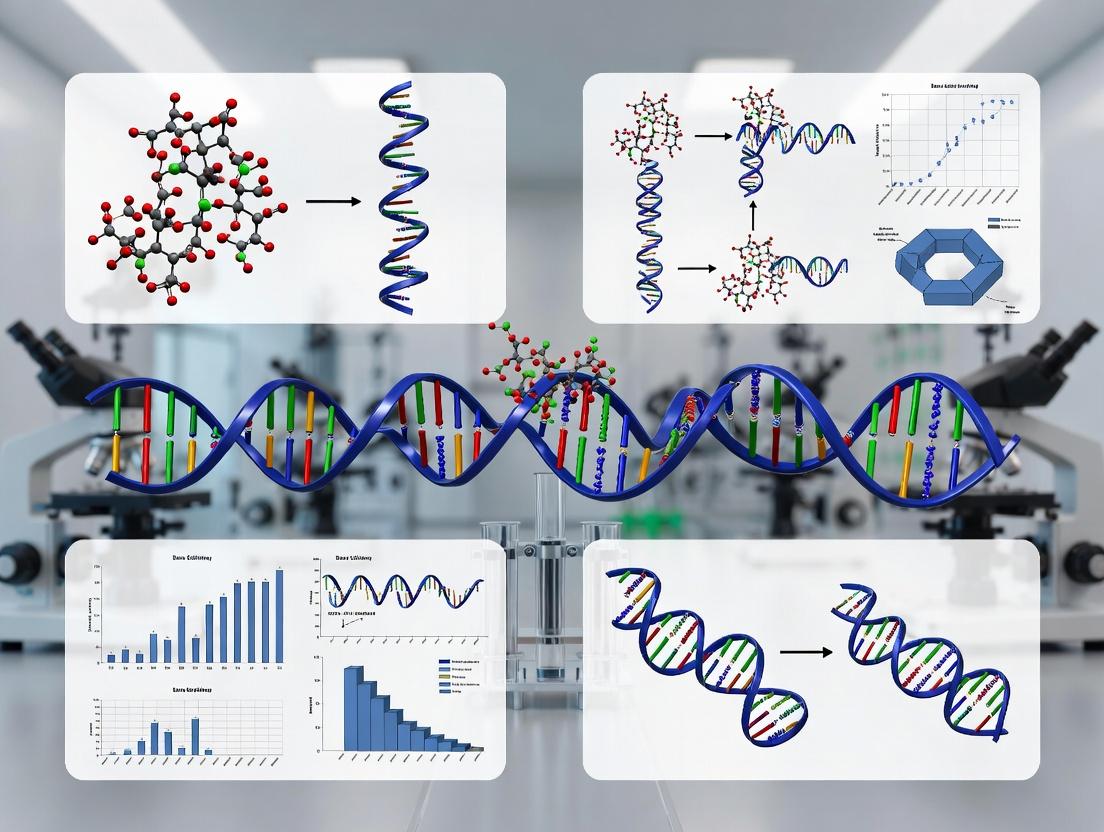
This article provides a detailed, current overview of CRISPR base editing technologies for precise correction of point mutations.
Precision Genome Surgery: A Comprehensive Guide to CRISPR Base Editing for Correcting Point Mutations
Abstract
This article provides a detailed, current overview of CRISPR base editing technologies for precise correction of point mutations. Tailored for researchers, scientists, and drug development professionals, it explores the foundational principles of cytosine and adenine base editors, outlines robust delivery and experimental methodologies, addresses common technical challenges and optimization strategies, and compares base editing to other gene correction tools. The scope extends from fundamental concepts to translational applications, offering a practical guide for implementing this transformative technology in research and therapeutic development.
Understanding CRISPR Base Editors: From Core Mechanism to Targetable Mutations
CRISPR base editors represent a paradigm shift in genome engineering, moving beyond double-strand break (DSB)-dependent homology-directed repair to achieve direct, precise chemical conversion of one DNA base pair to another. This technology is foundational for research into point mutations, enabling the modeling of genetic diseases, functional characterization of single-nucleotide variants (SNVs), and exploration of therapeutic gene correction strategies without inducing DSBs.
Base Editor Architectures & Mechanisms
Core Components
Base editors are fusion proteins consisting of:
- A catalytically impaired CRISPR-Cas protein (e.g., dCas9 or nickase Cas9) for programmable DNA targeting.
- A nucleobase deaminase enzyme that catalyzes the chemical conversion.
- Optional accessory proteins (e.g., uracil glycosylase inhibitor, UGI) to improve editing outcomes.
Editor Classes and Their Conversions
- Cytosine Base Editors (CBEs): Convert C•G to T•A.
- Adenine Base Editors (ABEs): Convert A•T to G•C.
- Dual Base Editors: Engineered to perform C-to-T and A-to-G conversions simultaneously.
- Glycosylase Base Editors (GBEs): Enable C-to-G transversions.
Table 1: Primary Base Editor Systems and Their Properties
| Editor Class | Deaminase Domain | Common Target Window* | Primary Conversion | Key Accessory | Typical Efficiency Range |
|---|---|---|---|---|---|
| CBE (e.g., BE4max) | rAPOBEC1 | ~Ed4-8 (C4-C8) | C•G → T•A | UGI | 10-50% |
| CBE (e.g., Target-AID) | PmCDA1/AID | ~Ed1-5 (C1-C5) | C•G → T•A | UGI | 5-40% |
| ABE (e.g., ABE8e) | TadA-8e variant | ~Ed4-7 (A4-A7) | A•T → G•C | - | 30-70% |
| Dual (e.g., SPACE) | CBE + ABE fusion | ~Ed4-10 | C•G→T•A & A•T→G•C | UGI | 10-40% (each) |
| GBE (e.g., CGBE1) | rAPOBEC1 + UDG | ~Ed4-8 | C•G → G•C | - | 5-30% |
Positions are relative to the non-target strand protospacer, where Ed1 is the nucleotide adjacent to the PAM. *Efficiency is highly context-dependent and varies by cell type and locus.
Detailed Application Notes & Protocols
Protocol: Design and Validation of Base Editing for a Point Mutation
Aim: To introduce a specific A•T to G•C point mutation in the HEK293 cell line using an Adenine Base Editor (ABE8e).
I. gRNA Design and Cloning
- Identify Target Sequence: Locate the target adenine (A) within the genomic locus. Ensure it falls within the editing window (typically positions 4-7, counting the first nucleotide 5' of the PAM as position 1) of your selected ABE.
- Select PAM: For SpCas9-derived ABE8e, require an NGG PAM sequence 3' of the target strand.
- Design Oligos: Design complementary oligonucleotides for your gRNA sequence with appropriate overhangs for your chosen cloning system (e.g., BsmBI sites for lentiviral lentiGuide-Puro).
- Example: Target sequence
5'-GACAGCTACG-3'(target A bold). PAM:TGG. gRNA spacer:5'-GACAGCTACG...-3'.
- Example: Target sequence
- Anneal & Ligate: Anneal oligos, phosphorylate, and ligate into the linearized gRNA expression plasmid. Transform into competent E. coli, sequence-validate colonies.
II. Cell Transfection and Editing
- Seed Cells: Seed HEK293T cells in a 24-well plate at 70% confluency in DMEM + 10% FBS 24 hours prior.
- Prepare Transfection Mix:
- Plasmid A (ABE8e expression): 500 ng.
- Plasmid B (gRNA expression): 250 ng.
- Plasmid C (GFP reporter, optional for normalization): 50 ng.
- Transfection reagent (e.g., Lipofectamine 3000): Use manufacturer's protocol.
- Transfect: Replace medium with fresh medium 1 hour before transfection. Add transfection complex dropwise.
- Harvest: 72 hours post-transfection, aspirate medium, wash with PBS, and lyse cells for genomic DNA extraction.
III. Editing Analysis via Next-Generation Sequencing (NGS)
- PCR Amplification: Design primers flanking the target site (~250-300 bp amplicon). Perform high-fidelity PCR on extracted genomic DNA.
- Library Prep & Sequencing: Purify PCR products, barcode samples, and pool for Illumina MiSeq sequencing (2x300 bp).
- Data Analysis: Use computational pipelines (e.g., CRISPResso2, BE-Analyzer) to quantify the percentage of A-to-G conversion at the target site and assess indels.
Diagram 1: ABE Experiment Workflow
Protocol: Assessing Editing Purity and Byproducts
Aim: Quantify intended base conversion, bystander edits, and indel formation.
Method:
- Follow NGS protocol from 3.1.
- Analysis with CRISPResso2:
- Key Output Metrics:
- Intended Editing Efficiency: % reads with A-to-G at target position.
- Bystander Edits: % reads with A-to-G at other As in the window.
- Indel Frequency: % reads with insertions/deletions.
Table 2: Example NGS Results from ABE8e Experiment at the HEK3 site
| Metric | Position A5 (Target) | Position A6 (Bystander) | Position A7 (Bystander) | Indel Frequency |
|---|---|---|---|---|
| Read Count (Total=50,000) | - | - | - | - |
| % Edited Alleles | 65.2% | 8.1% | 1.3% | 0.7% |
| Predicted Amino Acid Change | Tyr → Cys | Silent | Silent | - |
The Scientist's Toolkit: Research Reagent Solutions
Table 3: Essential Reagents for Base Editing Research
| Item | Example Product/Catalog # | Function & Critical Notes |
|---|---|---|
| Base Editor Plasmids | BE4max (Addgene #112093), ABE8e (Addgene #138495) | Mammalian expression plasmids for CBE or ABE systems. |
| gRNA Cloning Vector | lentiGuide-Puro (Addgene #52963) | For expression of sgRNA; contains puromycin resistance. |
| High-Fidelity DNA Polymerase | Q5 (NEB M0491) or KAPA HiFi | For error-free amplification of target loci for sequencing. |
| Next-Gen Sequencing Kit | Illumina MiSeq Nano v2 (300-cycle) | For deep sequencing of edited loci. |
| Cell Transfection Reagent | Lipofectamine 3000 (Invitrogen L3000015) | For plasmid delivery into mammalian cell lines. |
| Uracil Glycosylase Inhibitor (UGI) | Included in BE4max plasmid | Critical for CBE efficiency; blocks uracil excision. |
| NGS Analysis Software | CRISPResso2, BE-Analyzer (web tool) | Quantifies base editing efficiency and byproducts. |
| Control gRNA Plasmid | Non-targeting guide (Addgene #86329) | Essential negative control for experimental comparisons. |
Diagram 2: ABE Mechanism for A•T to G•C Conversion
Within the broader thesis on CRISPR base editing for point mutation research, this document provides a detailed comparison, application notes, and protocols for Cytosine Base Editors (CBEs) and Adenine Base Editors (ABEs). These technologies enable precise, programmable conversion of single DNA bases without requiring double-stranded DNA breaks (DSBs) or donor DNA templates, making them indispensable tools for modeling disease-associated SNPs, correcting genetic disorders, and screening for functional variants.
Core Mechanisms & Components
Base editors are fusion proteins that couple a catalytically impaired CRISPR-Cas protein (most commonly Cas9 nickase, nCas9, or a fully dead Cas9, dCas9) with a nucleobase deaminase enzyme. Their action is constrained within a defined "editing window" in the R-loop formed by the guide RNA binding to the target DNA strand.
Cytosine Base Editors (CBEs):
- Architecture: nCas9 (D10A) fused to a cytidine deaminase enzyme (e.g., rAPOBEC1, AID, or CDA1).
- Mechanism: The deaminase converts cytidine (C) to uridine (U) within the single-stranded DNA bubble of the non-target strand. Cellular DNA repair machinery then recognizes the U:G mismatch. During replication, U is read as thymine (T), resulting in a C•G to T•A base pair conversion.
- Common Variants: BE4max, evoFERNY-CBE, AncBE4max.
Adenine Base Editors (ABEs):
- Architecture: nCas9 (D10A) fused to an engineered adenine deaminase (evolved from TadA, an E. coli tRNA deaminase).
- Mechanism: The deaminase converts adenine (A) to inosine (I) in the non-target strand. Inosine is read as guanine (G) by polymerases. Cellular repair resolves the I:T mismatch, leading to an A•T to G•C conversion.
- Common Variants: ABE8e, ABEmax, ABE8.20-m.
Key Considerations:
- Editing Window: Typically positions 4-8 (1-based indexing, counting from the PAM-distal end) for canonical SpCas9-based editors, but varies with Cas variant.
- Byproducts: CBEs can cause undesired C-to-G or C-to-A conversions (indels at lower frequencies than ABEs). Recent high-fidelity CBEs (e.g., eA3A-BE) minimize this.
- PAM Compatibility: Dependent on the Cas protein (e.g., SpCas9: NGG; SaCas9: NNGRRT; Nme2Cas9: NNNNNNCC).
Quantitative Comparison & Performance Data
Table 1: Comparative Characteristics of Canonical Base Editors
| Parameter | Cytosine Base Editor (CBE) | Adenine Base Editor (ABE) |
|---|---|---|
| Core Conversion | C•G → T•A | A•T → G•C |
| Deaminase Origin | APOBEC/AID family (e.g., rAPOBEC1) | Engineered E. coli TadA (e.g., TadA-8e) |
| Cas Component | Cas9 nickase (D10A) | Cas9 nickase (D10A) |
| Primary Intermediate | Uracil (U) | Inosine (I) |
| Typical Editing Window | Positions ~4-10 (protospacer) | Positions ~4-8 (protospacer) |
| Common Efficiency Range | 10-50% (highly context-dependent) | 30-70% (generally higher than CBE) |
| Indel Frequency | Low (<1% for 3rd gen+), but higher than ABE | Very Low (<0.1%) |
| Common Byproducts | C-to-G, C-to-A (addressed in newer variants) | Minimal |
| Key Applications | Disease modeling (C→T mutations), Creating STOP codons (CAA, CAG, CGA → TAA, TAG, TGA) | Correcting ~47% of known pathogenic SNPs (A→G), Creating START codons (ATG) |
Table 2: Performance of Common Base Editor Variants in HEK293T Cells (Representative Data)
| Editor | Target Site | Primary Edit (%) | Indel Rate (%) | Product Purity* |
|---|---|---|---|---|
| BE4max | HEK site 4 | 42.5 | 0.8 | 92% |
| evoFERNY-CBE | HEK site 4 | 58.1 | 0.3 | 99% |
| ABEmax | HEK site 4 | 61.7 | 0.05 | >99.9% |
| ABE8e | HEK site 4 | 78.2 | 0.1 | >99.9% |
Product Purity: Ratio of desired base conversion to total edited sequences.
Detailed Protocol: Base Editing in Mammalian Cells
This protocol outlines the delivery and analysis of base editors in adherent mammalian cell lines (e.g., HEK293T, HeLa).
Materials Required
- Target cells
- Base editor plasmid (e.g., pCMVABE8e or pCMVBE4max)
- sgRNA expression plasmid (e.g., pU6-sgRNA) or synthetic sgRNA
- Transfection reagent (e.g., Lipofectamine 3000, PEI MAX)
- Opti-MEM Reduced Serum Medium
- Genomic DNA extraction kit
- PCR reagents
- Sanger sequencing or NGS facilities
Part A: Experimental Setup & Transfection
- Design sgRNA: Identify a 20-nt spacer sequence adjacent to a compatible PAM (e.g., NGG for SpCas9). Ensure the target base(s) fall within the editor's activity window. Use tools like Benchling or CRISPOR.
- Clone sgRNA: Anneal oligos and ligate into the BsaI-digested sgRNA expression vector. Verify by sequencing.
- Seed Cells: Plate cells in a 24-well plate 24h before transfection to achieve 70-80% confluence.
- Prepare Transfection Complexes (per well):
- Solution A (DNA): Dilute 500 ng base editor plasmid + 250 ng sgRNA plasmid (or 100 pmol synthetic sgRNA) in 50 µL Opti-MEM.
- Solution B (Reagent): Dilute 1.5 µL Lipofectamine 3000 in 50 µL Opti-MEM. Incubate 5 min.
- Combine Solutions A & B, mix gently, incubate 15-20 min at RT.
- Transfect: Add the 100 µL complex dropwise to cells. Gently rock the plate.
- Incubate: Culture cells for 48-72 hours before analysis.
Part B: Genomic Analysis & Editing Assessment
- Harvest Genomic DNA: 72h post-transfection, extract gDNA from transfected and control cells using a commercial kit.
- PCR Amplification: Design primers ~300-500 bp flanking the target site. Perform PCR with high-fidelity polymerase.
- Quantify Editing Efficiency:
- Sanger Sequencing: Purify PCR product and submit for sequencing. Analyze the chromatogram using online tools like TIDE or EditR to quantify base conversion percentages.
- Next-Generation Sequencing (Recommended): Purify PCR amplicons, prepare sequencing libraries, and sequence on an Illumina MiSeq. Analyze with pipelines like CRISPResso2 or BEAT to obtain precise editing efficiencies, indels, and byproduct spectra.
The Scientist's Toolkit: Essential Reagents & Materials
Table 3: Key Research Reagent Solutions for Base Editing Experiments
| Reagent/Material | Function & Description | Example Product/Catalog |
|---|---|---|
| Base Editor Plasmids | Mammalian expression vectors encoding the CBE or ABE fusion protein. | pCMVBE4max (Addgene #112093), pCMVABE8e (Addgene #138489) |
| sgRNA Cloning Vector | Plasmid with U6 promoter for expression of sgRNA. | pU6-sgRNA (Addgene #119889) |
| High-Efficiency Transfection Reagent | For delivering plasmid DNA or RNP into mammalian cells. | Lipofectamine 3000, PEI MAX, Nucleofector Kits |
| Nuclease-Free sgRNA | Synthetic, chemically modified sgRNA for RNP delivery or high-efficiency editing. | Synthego, IDT Alt-R CRISPR-Cas9 sgRNA |
| High-Fidelity DNA Polymerase | For error-free amplification of target genomic loci for sequencing analysis. | Q5 Hot Start (NEB), KAPA HiFi HotStart |
| Genomic DNA Extraction Kit | Rapid, reliable isolation of high-quality gDNA from cultured cells. | DNeasy Blood & Tissue Kit (Qiagen), Quick-DNA Miniprep Kit (Zymo) |
| NGS Amplicon Sequencing Kit | For preparing sequencing libraries from purified PCR amplicons. | Illumina DNA Prep, Nextera XT Index Kit |
| Editing Analysis Software | Computational tools to quantify base editing outcomes from sequencing data. | CRISPResso2, BEAT, EditR (web tool) |
Visualization of Mechanisms and Workflows
Title: CBE Mechanism: C to T Conversion via Deamination
Title: ABE Mechanism: A to G Conversion via Deamination
Title: Mammalian Cell Base Editing Workflow
Within the broader thesis on CRISPR base editing for point mutation research, a critical first step is the accurate identification of genomic targets that are technically and biologically suitable for correction. Base editors (BEs), including cytosine base editors (CBEs) and adenine base editors (ABEs), enable precise, programmable conversion of single DNA bases without requiring double-strand breaks. However, not all point mutations are equally addressable. This application note details the criteria and protocols for defining the ideal target for base editing, focusing on sequence context, editing window efficiency, and genomic safe harbor considerations.
Key Determinants of an Amenable Point Mutation
An ideal target mutation must satisfy requirements related to the base editor’s molecular mechanism and the genomic environment.
2.1. Sequence Context & Protospacer Adjacent Motif (PAM) Availability The targeting scope is defined by the SpCas9-derived base editor’s PAM requirement (NGG for standard BEs). The mutation must be located within the defined "editing window" of the bound complex. Recent data (2023-2024) from high-throughput screens reveals the efficiency distribution for common editors:
Table 1: Editing Windows and Efficiencies for Common Base Editors
| Base Editor | Creator | Deaminase | Target Base | Typical Editing Window (Position from PAM) | Peak Efficiency Range* | Primary PAM |
|---|---|---|---|---|---|---|
| BE4max | David Liu | APOBEC1 | C•G to T•A | ~4-8 (C4-C8) | 50-80% | NGG |
| ABE8e | David Liu | TadA-8e | A•T to G•C | ~4-7 (A4-A7) | 60-90% | NGG |
| evoAPOBEC1-BE4max | David Liu | evoAPOBEC1 | C•G to T•A | ~3-10 | 40-75% | NGG |
| SaKKH-BE3 | David Liu | APOBEC1 | C•G to T•A | ~3-10 | 30-60% | NNRRT |
| Target-AID | Nishida | PmCDA1 | C•G to T•A | ~1-5 | 20-50% | NGG |
*Reported in cultured mammalian cells; efficiency is locus-dependent.
2.2. Avoiding Undesired Byproducts: bystander edits and indels A major challenge is the presence of additional editable bases of the same type within the editing window (bystander bases). The ideal target has no co-localized bystanders. Furthermore, while base editors minimize double-strand breaks, residual indel frequencies must be assessed.
Table 2: Byproduct Frequencies for Base Editing (Representative Data)
| Base Editor | Target Locus | Primary Edit Efficiency | Bystander Edit Rate | Indel Frequency |
|---|---|---|---|---|
| BE4max | HEK3 site C6 | 78% | C5 edit: 65% | 1.2% |
| ABE8e | HEK4 site A5 | 92% | A6 edit: 8% | 0.5% |
| BE4max | EMX1 site C7 | 45% | No bystanders | 0.8% |
Experimental Protocol: In Silico Target Identification and Validation Workflow
Protocol 1: Computational Identification of Candidate Targets Objective: To screen a gene of interest for point mutations that are theoretically correctable by available base editors.
- Input Mutation List: Compile a list of pathogenic point mutations (e.g., from ClinVar) with genomic coordinates (GRCh38).
- PAM & Window Analysis:
- For each mutation, extract the ±30bp genomic context.
- Use a script (e.g., in Python) to identify all NGG PAM sequences on both strands.
- For each PAM, calculate the position of the target base within the protospacer. Mark mutations that fall within positions 4-10 for CBEs and 4-9 for ABEs relative to the PAM.
- Bystander Analysis: For each candidate guide RNA (sgRNA), annotate all other editable bases (C or A) within the editing window. Prioritize sgRNAs with zero or minimal bystanders.
- Off-Target Prediction: Use tools like Cas-OFFinder or CHOPCHOP to predict potential off-target sites with up to 3-4 mismatches. Exclude sgRNAs with high-probability off-targets in coding regions.
- Output: A ranked table of candidate sgRNAs with PAM location, editing window, bystander count, and predicted off-target score.
Protocol 2: In Vitro Validation via Targeted Deep Sequencing Objective: Empirically measure on-target editing efficiency, bystander rates, and indel formation.
- Design & Cloning: Clone top-ranked sgRNAs (from Protocol 1) into a base editor plasmid (e.g., BE4max-P2A-GFP or ABE8e).
- Cell Transfection: Seed HEK293T cells in a 24-well plate. At 70% confluency, co-transfect 500ng of base editor plasmid and 250ng of sgRNA plasmid (if using a two-part system) using a suitable transfection reagent (e.g., Lipofectamine 3000). Include a GFP-only control.
- Harvest Genomic DNA: 72 hours post-transfection, harvest cells and extract gDNA using a silica-column-based kit.
- PCR Amplification: Design primers flanking the target site (amplicon size: 250-400bp). Perform PCR using a high-fidelity polymerase.
- Library Prep & Sequencing: Purify PCR products, attach dual-index barcodes via a second limited-cycle PCR, and pool samples for next-generation sequencing (NGS) on an Illumina MiSeq (2x300bp).
- Data Analysis:
- Demultiplex sequences.
- Align reads to the reference amplicon using tools like BWA or CRISPResso2.
- Quantify the percentage of reads with the desired base conversion, each bystander edit, and indels.
Visualization of Workflows and Pathways
Target Identification Logic
Base Editor Mechanism at Target Site
The Scientist's Toolkit: Essential Reagents & Materials
Table 3: Key Research Reagent Solutions for Base Editing Target Validation
| Item | Function/Description | Example Product/Catalog |
|---|---|---|
| Base Editor Plasmids | Express the nCas9-deaminase fusion protein. Essential for delivery into cells. | BE4max (Addgene #112093), ABE8e (Addgene #138489) |
| sgRNA Cloning Vector | Backbone for expressing the guide RNA sequence. Often includes a U6 promoter. | pGL3-U6-sgRNA (Addgene #51133) |
| High-Fidelity Polymerase | For accurate amplification of target genomic loci prior to sequencing. | Q5 Hot-Start (NEB M0493) |
| NGS Library Prep Kit | Prepares amplicons for sequencing with barcodes for multiplexing. | Illumina Nextera XT, Swift Accel-NGS 2S |
| Cas-OFFinder Web Tool | Predicts potential off-target genomic sites for a given sgRNA sequence. | cas-offinder.org |
| CRISPResso2 Software | Analyzes NGS data to quantify base editing outcomes, bystanders, and indels. | Available on GitHub |
| Cell Line (HEK293T) | A standard, easily transfectable cell line for initial editing efficiency validation. | ATCC CRL-3216 |
| Lipofectamine 3000 | A common lipid-based transfection reagent for plasmid delivery into mammalian cells. | Thermo Fisher L3000001 |
The foundational adenine base editors (ABEs) and cytosine base editors (CBEs) revolutionized point mutation research by enabling precise C-to-T (or G-to-A) and A-to-G (or T-to-C) conversions without inducing double-strand DNA breaks. However, the vast landscape of pathogenic point mutations extends beyond these four transitions. This Application Note, framed within a broader thesis on CRISPR base editing for point mutation research, details recent advances that have expanded this toolkit to include transversion edits, dual-function editors, and novel DNA and RNA editing capabilities, providing researchers and drug development professionals with new protocols for therapeutic and functional genomics applications.
Recent Advances in Expanded Editing Capabilities
The following table summarizes key novel base editor systems developed to overcome the limitations of canonical ABEs and CBEs.
Table 1: Expanded Base Editors: Systems, Targets, and Key Components
| Editor System | Primary Edit(s) | Core Architecture | Key Catalytic Component | Reported Efficiency Range* | Primary Applications |
|---|---|---|---|---|---|
| Glycosylase Base Editors (GBEs) | C-to-G, C-to-A | CBE scaffold + Uracil-DNA Glycosylase (UNG) | rAPOBEC1 + UGI + UNG | 15-50% (C-to-G) | Modeling transversion mutations, targeted insertions. |
| Transversion Base Editors (TGBEs) | A-to-Y (C/T), C-to-Y (A/T) | CBE or ABE scaffold + engineered deaminase | evoFERNY, evoCDA1 variants | Up to 35% (A-to-C/T) | Broadening correctable mutation spectrum. |
| Dual-Function Editors (e.g., ACBEs) | Simultaneous A-to-G & C-to-T | Fused or split deaminase systems | TadA + CDA1 (or APOBEC) | 10-40% per edit | Combinatorial mutation modeling, multiplex editing. |
| RNA Base Editors (e.g., REPAIR, RESCUE) | A-to-I (RNA) | dCas13 + ADAR2 deaminase domain | ADAR2 (E488Q mutant) | >50% transcriptome-wide | Transient therapeutic effects, functional RNA screening. |
| Prime Editors (PEs) | All 12 possible point mutations, small insertions/deletions | Cas9 nickase + Reverse Transcriptase (RT) + pegRNA | Moloney Murine Leukemia Virus RT (M-MLV RT) | 10-50% (varies by edit) | Versatile correction of most known pathogenic point mutations. |
*Efficiencies are highly dependent on cell type, target locus, and delivery method. Values are representative ranges from recent literature.
Experimental Protocols
Protocol 1: Installing a C-to-G Transversion using a Glycosylase Base Editor (GBE)
This protocol details the use of a GBE (e.g., CGBE1 or YE1-BE3-FNLS-UNG) for installing C-to-G edits in mammalian cells.
1. Design and Cloning:
- gRNA Design: Design a single guide RNA (sgRNA) targeting the desired cytosine. The target C should be positioned at protospacer positions 4-10 (counting the PAM as 21-23) for optimal activity. Order an oligo for cloning into your preferred sgRNA expression backbone (e.g., pU6-sgRNA).
- GBE Plasmid: Obtain a GBE plasmid (e.g., Addgene #159809). Verify the presence of the uracil-DNA glycosylase (UNG) domain in the construct.
2. Cell Transfection:
- Seed HEK293T or other relevant cells in a 24-well plate to reach 70-80% confluency at transfection.
- For each well, prepare a transfection mix containing 500 ng of GBE plasmid and 250 ng of sgRNA plasmid in opti-MEM. Combine with lipofectamine 3000 reagent per manufacturer's instructions.
- Add the complex to cells. Replace media 6-8 hours post-transfection.
3. Analysis and Validation (Day 3-5 post-transfection):
- Harvest genomic DNA using a commercial kit.
- PCR-amplify the target locus (~300-500bp amplicon) using high-fidelity polymerase.
- Sanger Sequencing: Purify PCR product and submit for sequencing. Analyze chromatograms for C-to-G "double peaks" at the target site.
- Next-Generation Sequencing (NGS): For quantitative accuracy, prepare NGS libraries via a two-step PCR (locus amplification + barcoding). Sequence on an Illumina MiSeq. Analyze using CRISPResso2 or BEAT software with parameters set to quantify C-to-G and C-to-A transversions against background.
Protocol 2: Implementing Prime Editing for a Point Mutation Correction
This protocol outlines steps for correcting a point mutation using a Prime Editor 3 (PE3) system.
1. pegRNA and nicking sgRNA (ngRNA) Design:
- pegRNA: Design consists of (i) a spacer sequence targeting the non-edited strand, (ii) a primer binding site (PBS, ~10-15 nt) complementary to the 3' end of the nicked strand, and (iii) an RT template encoding the desired edit. Use computational tools (PE-Designer, pegFinder) to optimize PBS length and RT template design.
- ngRNA: Design a standard sgRNA to nick the non-edited strand, enhancing edit efficiency. Its cut site should be >40 bp away from the pegRNA cut site.
- Clone pegRNA and ngRNA into appropriate expression vectors (e.g., pU6-pegRNA-GG-acceptor and pU6-sgRNA vectors).
2. Delivery and Selection:
- Co-transfect target cells (e.g., in a 24-well format) with: 500 ng PE2 plasmid (Addgene #132775), 250 ng pegRNA plasmid, and 250 ng ngRNA plasmid (for PE3).
- For difficult-to-transfect cells, consider using ribonucleoprotein (RNP) delivery of PE protein complexed with in vitro transcribed pegRNA and ngRNA.
- If using a PE plasmid with a puromycin resistance marker, apply puromycin (1-2 µg/mL) 24h post-transfection for 48h to enrich edited cells.
3. Genotyping and Outcome Analysis:
- Harvest genomic DNA from pooled or clonal populations.
- Perform PCR amplification of the target locus.
- Analyze edits via Sanger Sequencing followed by decomposition tools (Inference of CRISPR Edits, ICE) or deep sequencing.
- Deep Sequencing: Essential for quantifying precise edits versus small indels. Align reads to a reference and count sequences containing the exact edit.
Visualizations
GBE Experimental Workflow
Prime Editor (PE) Mechanism
The Scientist's Toolkit: Research Reagent Solutions
Table 2: Essential Reagents for Expanded Base Editing Research
| Reagent/Material | Supplier Examples | Function in Experiment |
|---|---|---|
| GBE & PE Plasmid Kits | Addgene, ToolGen | Provide ready-to-use, sequence-verified plasmids for Glycosylase Base Editors (CGBE1) and Prime Editors (PE2, PEmax). |
| pegRNA Cloning Vectors | Addgene (#132777, #173891) | Specialized backbones for efficient PCR-based or Golden Gate assembly of pegRNA constructs. |
| High-Fidelity Polymerase (Q5, KAPA HiFi) | NEB, Roche | For error-free amplification of target loci from genomic DNA prior to sequencing analysis. |
| Lipofectamine 3000/CRISPRMAX | Thermo Fisher | Lipid-based transfection reagents for high-efficiency plasmid delivery into mammalian cell lines. |
| Sanger Sequencing Service | Genewiz, Eurofins | Rapid validation of editing outcomes at target loci via Sanger sequencing. |
| NGS Library Prep Kit (Illumina) | Swift Biosciences, NEB | Enables preparation of deep sequencing libraries from PCR-amplified target sites for quantitative edit analysis. |
| Edit Analysis Software (CRISPResso2, BEAT) | Public GitHub Repositories | Bioinformatics tools specifically designed to quantify base editing outcomes (C-to-G, A-to-C, etc.) from NGS data. |
| Synthetic pegRNA (Chemically Modified) | Synthego, Trilink | Enhanced stability and efficiency for RNP-based prime editing delivery, especially in primary cells. |
Base editing is a derivative of CRISPR-Cas technology that enables direct, irreversible conversion of one DNA base pair to another without creating double-stranded DNA breaks (DSBs) and without requiring a donor DNA template. This positions it as a uniquely powerful tool for correcting point mutations, which constitute the majority of known pathogenic genetic variants.
Core Advantages and Quantitative Comparison
The key advantages of base editing over conventional CRISPR-Cas9 homology-directed repair (HDR) are summarized in the table below.
Table 1: Comparative Analysis of Base Editing vs. CRISPR-Cas9 HDR for Point Mutation Correction
| Feature | CRISPR-Cas9 HDR | CRISPR Base Editing |
|---|---|---|
| Mechanism | Induces DSB, relies on donor DNA template and cellular repair pathways. | Direct chemical conversion of base; no DSB, no donor template needed. |
| Primary Editing Outcome | Targeted insertion/deletion (indel) formation via NHEJ is predominant; precise HDR is rare. | Precise point mutation correction with minimal indel formation. |
| Efficiency of Point Correction | Typically low (0.1%-20%), highly variable by cell type. | Consistently high (often 20%-50%, up to 90% in some studies). |
| Purity of Product (Desired Edit vs. Indels) | Low purity; indels are major product. | High purity; indels are typically <1-10% of edited products. |
| Cellular State Dependency | Requires active cell division for HDR. | Effective in both dividing and non-dividing cells. |
| Risk of Genomic Instability | High due to persistent DSBs and NHEJ. | Significantly lower due to avoidance of DSBs. |
Application Notes: Targeting Specific Point Mutations
Base editors are classified by their catalytic activity and target scope:
- Cytosine Base Editors (CBEs): Convert C•G to T•A.
- Adenine Base Editors (ABEs): Convert A•T to G•C.
Together, CBEs and ABEs can correct approximately 60% of all known pathogenic point mutations in humans, including transitions like those causing sickle cell disease (ABE) or certain progeria-related mutations (CBE).
Table 2: Common Base Editor Systems and Their Characteristics
| Editor System | Cas Protein | Deaminase | Target Window (Protospacer Position) | Primary Conversion |
|---|---|---|---|---|
| BE4max | nCas9 (D10A) | rAPOBEC1 | ~positions 4-8 (C in TC context) | C•G to T•A |
| ABE8e | nCas9 (D10A) | TadA-8e | ~positions 4-8 (A) | A•T to G•C |
| Target-AID | nCas9 (D10A) | PmCDA1 | ~positions 1-7 (C) | C•G to T•A |
Detailed Experimental Protocols
Protocol 1: Designing and Validating a Base Editing Experiment for a Target Point Mutation
Objective: To design and test a base editor for correcting a specific A•T to G•C point mutation in a human cell line.
Materials: See "The Scientist's Toolkit" below. Workflow:
Target Site Identification:
- Input the genomic sequence surrounding the pathogenic SNP (e.g., from ClinVar) into a design tool (e.g., BE-Hive, CRISPRscan).
- Identify a ~20-nt spacer sequence for the gRNA where the target adenine (for ABE) is located within positions 4-8 (counting from the PAM-distal end). The PAM (e.g., NGG for SpCas9) must be present immediately 3' of the spacer.
gRNA Cloning:
- Synthesize oligonucleotides corresponding to the spacer sequence with appropriate overhangs for your chosen plasmid (e.g., pCMV_ABE8e).
- Anneal oligos and ligate into the BsaI-digested gRNA expression plasmid backbone.
- Transform ligation into competent E. coli, plate, and confirm by colony PCR and Sanger sequencing.
Cell Transfection:
- Culture HEK293T or relevant target cells in 24-well plates to 70-80% confluency.
- For each well, prepare a transfection mix containing 500 ng of base editor plasmid (ABE8e) and 250 ng of the cloned gRNA plasmid in opti-MEM.
- Add lipofectamine 3000 reagent per manufacturer's protocol, incubate, and add to cells.
- Include controls: cells only, editor only, gRNA only.
Harvest and Analysis (72 hrs post-transfection):
- Extract genomic DNA using a quick lysis buffer or column-based kit.
- PCR-amplify the target genomic region (primers ~200-300 bp flanking edit site).
- Sequence Verification: Submit PCR product for Sanger sequencing. Analyze chromatogram for trace decomposition at target base.
- Quantitative Analysis: Purify PCR product and submit for next-generation amplicon sequencing. Use bioinformatics tools (CRISPResso2, BE-Analyzer) to calculate precise editing efficiency and indel rates.
Diagram: Base Editing Experimental Workflow
Protocol 2: Assessing Off-Target Effects byIn SilicoandIn VitroMethods
Objective: Evaluate the specificity of a base editing experiment.
Workflow:
In Silico Prediction:
- Use tools like Cas-OFFinder or CHOPCHOP to predict potential off-target sites with up to 3-4 mismatches in the spacer sequence and alternative PAMs.
- Prioritize sites within coding exons.
In Vitro Validation (GUIDE-seq or CIRCLE-seq):
- For GUIDE-seq: Transfect cells with base editor, gRNA, and a blunt-ended dsDNA oligonucleotide tag. After 72 hrs, extract genomic DNA, shear, and prepare sequencing libraries. Amplify tag-integrated sites via PCR for NGS. Bioinformatically identify off-target integration sites.
- For CIRCLE-seq: Incubate purified genomic DNA with the base editor complex in vitro. Circularize the DNA, digest with a nuclease that cleaves only at edited/cleaved sites, and sequence the resulting fragments to map all potential cleavage-competent sites genome-wide.
Diagram: Off-Target Analysis Pathways
The Scientist's Toolkit: Research Reagent Solutions
Table 3: Essential Materials for Base Editing Research
| Item | Function/Description | Example Product/Catalog |
|---|---|---|
| Base Editor Plasmid | Expresses the fusion protein: Cas9 nickase + deaminase + inhibitors. | pCMVBE4max (Addgene #112093), pCMVABE8e (Addgene #138489) |
| gRNA Cloning Backbone | Plasmid for expressing the single guide RNA (sgRNA). | pU6-sgRNA (Addgene #41824) |
| Cell Line with Target Mutation | Disease-relevant model for correction. | e.g., HEK293T (common for testing), patient-derived iPSCs. |
| Transfection Reagent | For plasmid delivery into mammalian cells. | Lipofectamine 3000, FuGENE HD, or nucleofection kits for primary cells. |
| Genomic DNA Extraction Kit | To harvest DNA for analysis post-editing. | QuickExtract DNA Solution or DNeasy Blood & Tissue Kit. |
| High-Fidelity PCR Mix | To accurately amplify target locus for sequencing. | Q5 Hot-Start High-Fidelity 2X Master Mix. |
| NGS Amplicon Sequencing Service | For quantitative, deep analysis of editing outcomes and indels. | Illumina MiSeq, with services from Genewiz/Azenta, Novogene. |
| Off-Target Prediction Tool | Web-based software to identify potential off-target sites. | Cas-OFFinder (http://www.rgenome.net/cas-offinder/) |
Implementing Base Editing: A Step-by-Step Guide for Experimental and Therapeutic Design
Within the broader thesis investigating CRISPR base editing for correcting or modeling point mutations, selecting the appropriate editor and designing an effective guide RNA (gRNA) are the most critical determinants of experimental success. This document provides application notes and protocols to guide researchers through this selection process, ensuring high editing efficiency and precision.
Base editors are fusion proteins consisting of a catalytically impaired Cas nuclease (dCas9 or nickase) and a nucleobase deaminase enzyme. They enable direct, programmable conversion of one base pair to another without requiring double-stranded DNA breaks (DSBs) or donor templates.
Editor Classes and Their Applications
Cytosine Base Editors (CBEs): Convert C•G to T•A. Best for disease-relevant C>G, C>A, or C>T mutations, or for introducing stop codons (CAA, CAG, CGA > TAA, TAG, TGA). Adenine Base Editors (ABEs): Convert A•T to G•C. Ideal for correcting or modeling A>G mutations, including many prevalent pathogenic SNPs. Emerging Editors: Glycosylase Base Editors (GBEs) for C>G transversions, and dual-function editors.
Quantitative Comparison of Common Base Editors
The following table summarizes key performance characteristics of widely used, current-generation editors (data aggregated from recent literature, 2023-2024).
Table 1: Performance Characteristics of Common Base Editors
| Editor Name | Type | Deaminase | Target Window (Position from PAM) | Typical Efficiency Range* | Typical Product Purity* | Key Advantages |
|---|---|---|---|---|---|---|
| BE4max | CBE | APOBEC1 | Protospacer positions 4-8 (NGG PAM) | 30-70% | 80-99% | High efficiency, standard for C>T. |
| ABE8e | ABE | TadA-8e | Protospacer positions 4-8 (NGG PAM) | 50-80% | >99.5% | Very high efficiency & purity, fast kinetics. |
| evoAPOBEC1-BE4max | CBE | evoAPOBEC1 | Protospacer positions 4-8 (NGG PAM) | 40-75% | >95% | Reduced RNA off-target editing. |
| SaKKH-BE3 | CBE | APOBEC1 | Positions 3-10 (NNGRRT PAM) | 20-50% | 70-95% | Expanded targeting range via SaCas9. |
| Target-AID | CBE | PmCDA1 | Protospacer positions 1-7 (NGG PAM) | 10-40% | 60-90% | Narrower window, useful for precise edits. |
| ABE7.10 | ABE | TadA-7.10 | Protospacer positions 4-7 (NGG PAM) | 20-60% | >99% | Proven, widely used ABE variant. |
*Efficiency = (% edited alleles in bulk population). Purity = (% of desired base change among total edited products). Ranges depend heavily on genomic context and gRNA design.
Selection Protocol:
- Identify Target Nucleotide Change: Determine if the edit requires C>G (or C>A/T) or A>G (or A>T/C).
- Check PAM Availability: Scan the ±30bp region around the target base for compatible PAM sequences (NGG for SpCas9-based editors). Use tools like Benchling or CRISPRscan.
- Select Editor Class:
- For C>G, C>A, or C>T: Choose a CBE.
- For A>G, A>T, or A>C: Choose an ABE.
- Choose Specific Variant:
- Prioritize high-efficiency variants (BE4max, ABE8e) for most applications.
- If RNA off-targets are a major concern, select evoAPOBEC1-BE4max.
- If the target site lacks an NGG PAM, consider Cas9 variant editors (e.g., SaKKH-BE3) or Cas12a-based editors.
- Consider Window Positioning: Ensure your target base falls within the optimal activity window (typically positions 4-8, counting the PAM as 21-23) of the selected editor-gRNA pair.
Diagram 1: Base Editor Selection Decision Tree
gRNA Design Strategy and Optimization
gRNA design for base editing must consider both Cas9 binding efficiency and deaminase activity window positioning.
Key Design Principles
- Positioning: The target base must be within the activity window of the editor (see Table 1). For SpCas9 editors, the optimal base is at position 6 or 7.
- gRNA Sequence Quality: Avoid homopolymer stretches, ensure moderate GC content (40-60%), and check for potential off-targets.
- Strand Selection: The deaminase acts on the single-stranded DNA exposed by the R-loop. Design the gRNA to bind the non-target strand for CBEs and the target strand for ABEs to position the correct nucleotide in the activity window.
Quantitative gRNA Design Rules
Table 2: gRNA Design Parameters for Optimal Base Editing
| Parameter | Optimal Value / Condition | Rationale & Impact |
|---|---|---|
| Target Base Position (from PAM) | CBE: Pos 4-8 (best 5-7)ABE: Pos 4-8 (best 5-7) | Determines if base is within deaminase window. Positioning outside reduces efficiency to near zero. |
| gRNA Length | 20-nt spacer (standard) | Standard for SpCas9. Truncated gRNAs (17-18nt) can increase specificity but may reduce efficiency. |
| GC Content | 40-60% | <40% may reduce stability; >60% may increase off-target binding. |
| Off-Target Prediction Score | Minimize (use CFD or MIT scores) | Reduces unintended genomic edits. Acceptable threshold depends on application. |
| Presence of "GC" at positions 1-2 | Preferred | Associated with higher transcription efficiency from U6 promoter. |
| Avoidance of poly(T) tracts | Essential | Acts as a termination signal for RNA Pol III. |
Protocol: gRNA Design and Selection Workflow
Materials:
- Target genomic DNA sequence (200-300 bp region).
- gRNA design software (e.g., Benchling, CRISPOR, ChopChop, or BE-Designer).
- Plasmid cloning or synthetic gRNA production reagents.
Procedure:
- Input Sequence: Retrieve the genomic sequence surrounding your target point mutation (approx. 100 bp upstream and downstream). Include chromosome and coordinates.
- Identify Candidate gRNAs: Use a design tool (like CRISPOR) to scan for all possible gRNAs with a PAM (NGG for SpCas9) near your target. The tool will output a list of spacer sequences.
- Filter by Target Base Position: For each candidate, note the position of your target base within the protospacer (count from the PAM-distal end as position 1, PAM as positions 21-23). Retain only gRNAs where the target base falls at positions 4-8.
- Rank by Efficiency Predictors: Sort remaining gRNAs by their predicted on-target activity score (e.g., Doench '16 score in CRISPOR). Prioritize those with scores >50.
- Check for Off-Targets: Examine the top 5-10 candidates for potential off-target sites with few mismatches, especially in coding regions. Use aggregated scores (e.g., CFD specificity score). Select gRNAs with minimal predicted off-targets.
- Final Selection & Validation: Choose 2-3 top-ranked gRNAs for empirical testing. Cloning into your base editor expression vector is recommended for robust, stable expression.
Diagram 2: gRNA Design and Selection Workflow
Experimental Protocol: Base Editing in Mammalian Cells
This protocol outlines the delivery of base editor components into HEK293T cells and analysis of editing outcomes.
Transfection and Harvest
Materials:
- HEK293T cells (or other target cell line)
- Base editor expression plasmid (e.g., pCMV_BE4max)
- gRNA expression plasmid (e.g., pU6-sgRNA)
- Transfection reagent (e.g., Lipofectamine 3000)
- Growth media (DMEM + 10% FBS)
- Genomic DNA extraction kit (e.g., QuickExtract or column-based)
Procedure:
- Day 0: Seed Cells. Seed HEK293T cells in a 24-well plate at 1.0-1.5 x 10^5 cells/well in 500 µL antibiotic-free growth medium. Aim for 70-90% confluency at transfection.
- Day 1: Transfect.
- Prepare Solution A: Dilute 0.5 µg base editor plasmid + 0.25 µg gRNA plasmid in 50 µL Opti-MEM.
- Prepare Solution B: Dilute 1.5 µL Lipofectamine 3000 reagent in 50 µL Opti-MEM. Incubate 5 min.
- Combine Solutions A & B, mix gently, incubate 15-20 min at RT.
- Add the 100 µL complex dropwise to cells. Gently swirl plate.
- Day 3: Harvest Genomic DNA.
- 48-72 hours post-transfection, aspirate media and wash cells with PBS.
- Lyse cells directly in the well using 100-200 µL of QuickExtract solution or similar. Transfer to a microcentrifuge tube.
- Incubate at 65°C for 15 min, 98°C for 10 min, then hold at 4°C. Use 2 µL directly as PCR template.
Analysis of Editing Efficiency
Method 1: Sanger Sequencing and Decomposition (TIDE, ICE)
- PCR: Amplify a ~300-500 bp region surrounding the target site from harvested gDNA.
- Purify PCR product and submit for Sanger sequencing.
- Analyze: Upload sequencing trace files to web tools like TIDE or ICE Synthego. These tools decompose the complex chromatogram around the edit site and quantify the percentage of indels (should be very low) and precise base conversion (editing efficiency).
Method 2: Next-Generation Sequencing (NGS)
- PCR & Barcoding: Perform a two-step PCR. First, amplify target region with gene-specific primers containing partial adapter sequences. Second, add full Illumina adapters and sample barcodes.
- Sequence: Pool and sequence on a MiSeq or similar platform (≥10,000x read depth per sample).
- Analyze: Use pipelines like CRISPResso2 or BATCH-GE to align reads and quantify the percentage of reads containing the intended base change and any byproducts.
The Scientist's Toolkit: Research Reagent Solutions
Table 3: Essential Materials for Base Editing Experiments
| Item | Function & Description | Example Product/Source |
|---|---|---|
| Base Editor Plasmid | Mammalian expression vector encoding the fusion protein (dCas9-deaminase-UGI). | pCMVBE4max (Addgene #112093), pCMVABE8e (Addgene #138495). |
| gRNA Cloning Vector | Plasmid with U6 promoter for gRNA expression. Compatible with the Cas9 variant used. | pU6-sgRNA (Addgene #51133) for SpCas9 gRNAs. |
| Delivery Reagent | Transfects plasmid DNA or RNP into target cells. | Lipofectamine 3000 (for HEK293), Nucleofector Kit (for primary cells). |
| Control gRNA Plasmid | Validated, highly efficient gRNA targeting a standard locus (e.g., EMX1, HEK3 site 4). Essential for benchmarking editor performance. | pU6-HEK3-site4-sgRNA (Addgene #138474). |
| Genomic DNA Extraction Kit | Rapidly purifies or lyses cells for PCR analysis post-editing. | QuickExtract DNA Extraction Solution (Lucigen) or DNeasy Blood & Tissue Kit (Qiagen). |
| NGS Library Prep Kit | For high-throughput, quantitative analysis of editing outcomes and byproducts. | Illumina DNA Prep Kit, or KAPA HyperPlus. |
| Editing Analysis Software | Quantifies base conversion efficiency and purity from sequencing data. | CRISPResso2 (NGS), TIDE web tool (Sanger). |
Within the broader thesis on CRISPR base editing for point mutation research, the selection of an appropriate delivery system is critical. Efficient, specific, and safe delivery of base editing machinery (e.g., mRNA for base editor and guide RNA, or pre-formed ribonucleoprotein complexes) to target cells in vitro and in vivo dictates experimental success and therapeutic potential. This Application Note provides a comparative analysis of three primary delivery modalities—Viral Vectors, Lipid Nanoparticles (LNPs), and Ribonucleoprotein (RNP) complexes—alongside detailed protocols for their implementation in various experimental models.
Comparative Analysis of Delivery Systems
Table 1: Quantitative Comparison of Key Delivery Modalities for CRISPR Base Editing
| Parameter | Viral Vectors (AAV) | Lipid Nanoparticles (LNPs) | Ribonucleoprotein (RNP) Complexes |
|---|---|---|---|
| Typical Payload | DNA (plasmid expressing BE & gRNA) | mRNA/sgRNA or DNA | Pre-assembled BE protein + sgRNA |
| In Vitro Delivery Efficiency* | 60-95% (transduction) | 70-90% (transfection) | 50-80% (electroporation/nanocarrier) |
| In Vivo Applicability | Excellent (systemic/targeted) | Excellent (systemic, e.g., liver) | Limited (local delivery, ex vivo) |
| Onset of Action | Slow (days, requires transcription) | Fast (hours, requires translation) | Very Fast (hours, direct activity) |
| Duration of Expression | Prolonged (months to years) | Transient (days to weeks) | Very Short (hours to few days) |
| Immunogenicity Risk | Moderate-High (pre-existing/adaptive immunity) | Moderate (reactogenicity) | Low (no nucleic acid persistence) |
| Off-Target Risk | Higher (sustained expression) | Intermediate (transient expression) | Lowest (transient exposure) |
| Manufacturing Complexity | High (viral production, purification) | Intermediate (formulation) | Low (protein purification) |
| Typical Model Systems | Animal models (mice, NHP),某些体外 | Animal models, primary cells in vitro | Primary & stem cells (ex vivo), zygotes,某些体外 |
*Efficiencies are cell-type dependent and represent common ranges reported in literature.
Detailed Application Notes & Protocols
Protocol 2.1: AAV-Mediated Base Editor Delivery for In Vivo Mouse Liver Editing
Objective: To achieve long-term, efficient base editing in mouse hepatocytes via systemic AAV8 delivery. Key Reagents: AAV8 vector expressing adenine base editor (ABE) and target sgRNA under a liver-specific promoter (e.g., TBG), sterile PBS, adult C57BL/6 mice. Procedure:
- AAV Preparation: Thaw AAV8 stock on ice. Dilute in sterile PBS to the desired dose (typical range: 1e11 - 1e13 vg/mouse) in a final volume of 100-200 µL.
- Animal Injection: Restrain mouse and warm tail with a heat lamp to dilate veins. Using a 29-31G insulin syringe, slowly inject the AAV solution via the tail vein.
- Monitoring: House mice for 4-8 weeks to allow for robust expression and editing.
- Tissue Analysis: Euthanize mouse, perfuse liver with PBS, harvest and snap-freeze tissue for genomic DNA extraction.
- Editing Assessment: Isolate genomic DNA. Amplify the target region by PCR and quantify editing efficiency via next-generation sequencing or Sanger sequencing with decomposition tools.
Protocol 2.2: LNP Formulation & Transfection for Primary Cell Base Editing
Objective: To deliver ABE mRNA and sgRNA via LNPs to primary human fibroblasts. Key Reagents: Ionizable cationic lipid (e.g., DLin-MC3-DMA), cholesterol, DSPC, PEG-lipid, ABE mRNA, chemically modified sgRNA, ethanol, sodium acetate buffer (pH 4.0). Procedure:
- LNP Preparation (Microfluidic Mixing): a. Prepare Lipid Solution: Mix ionizable lipid, cholesterol, DSPC, and PEG-lipid (50:38.5:10:1.5 molar ratio) in ethanol. b. Prepare Aqueous Solution: Dilute ABE mRNA and sgRNA in sodium acetate buffer (pH 4.0). c. Using a microfluidic mixer (e.g., NanoAssemblr), rapidly mix the aqueous and ethanol solutions at a 3:1 flow rate ratio (aqueous:ethanol). d. Dialyze the formed LNPs against PBS (pH 7.4) for 4 hours to remove ethanol and buffer exchange. e. Sterile filter (0.22 µm) and quantify encapsulated RNA.
- Cell Transfection: Plate primary fibroblasts in 24-well plates. At 70% confluency, add LNP suspension (e.g., 100-500 ng mRNA per well) in fresh medium. Replace medium after 6-24 hours.
- Analysis: Harvest cells 48-72 hours post-transfection. Analyze editing efficiency by targeted sequencing and assess cell viability by metabolic assay.
Protocol 2.3: RNP Electroporation for Ex Vivo Editing of T Cells
Objective: To achieve rapid, high-efficiency base editing in primary human T cells with minimal off-target effects. Key Reagents: Purified base editor protein (e.g., BE4max), synthetic sgRNA, P3 Primary Cell 4D-Nucleofector X Kit S, human T cells, pre-warmed RPMI medium. Procedure:
- RNP Complex Formation: Mix purified base editor protein (e.g., 10-100 pmol) with chemically modified sgRNA (at a 1:1.2-1.5 molar ratio) in a small volume. Incubate at room temperature for 10-20 minutes.
- T Cell Preparation: Isolate and activate human T cells (e.g., with CD3/CD28 beads). 48 hours post-activation, count cells and centrifuge to form a pellet.
- Electroporation: Resuspend 1e6 T cells in 20 µL of P3 Nucleofector Solution. Add the pre-formed RNP complex. Transfer to a Nucleofector cuvette. Electroporate using the recommended program (e.g., EO-115 for T cells).
- Recovery & Culture: Immediately add 80 µL of pre-warmed medium to the cuvette. Transfer cells to a pre-warmed culture plate with complete medium. Expand cells as needed.
- Efficiency Check: Harvest an aliquot of cells 3-5 days post-electroporation. Extract genomic DNA and analyze target site editing via PCR and sequencing.
Visualizations
Diagram 1: Delivery System Workflow for Base Editing
Diagram 2: Key Decision Pathway for Delivery System Selection
The Scientist's Toolkit: Research Reagent Solutions
Table 2: Essential Reagents for CRISPR Base Editing Delivery
| Category | Reagent/Kit | Primary Function in Delivery | Key Considerations |
|---|---|---|---|
| Viral Vectors | AAV Serotype 8/9 | In vivo targeting: High tropism for liver/neurons. | Choose serotype based on target tissue; monitor pre-existing immunity. |
| AAVpro Purification Kit | Purifies high-titer, research-grade AAV. | Essential for in-house AAV production; critical for yield and purity. | |
| LNP Components | Ionizable Cationic Lipid (DLin-MC3-DMA) | Core component: Enables mRNA encapsulation & endosomal escape. | Formulation ratio impacts efficiency/toxicity; commercial alternatives available. |
| Cholesterol & DSPC | Structural lipids: Stabilize LNP bilayer. | Standard components; ratios affect particle stability and fusogenicity. | |
| PEG-lipid | Stealth/Stability: Reduces aggregation, modulates pharmacokinetics. | Percentage controls circulation time and cellular uptake. | |
| RNP Delivery | Purified Base Editor Protein | Active enzyme: Provides immediate editing activity without transcription/translation. | Requires high-purity, nuclease-free prep; activity assays are crucial. |
| Chemically Modified sgRNA | Targeting & Stability: Guides BE to target DNA; modifications enhance stability. | Chemical modifications (e.g., 2'-O-methyl, phosphorothioate) reduce immunogenicity. | |
| 4D-Nucleofector System | Hard-to-transfect cells: Enables efficient RNP delivery via electroporation. | Optimized protocols exist for >100 cell types; critical for primary cells. | |
| Analysis | Next-Generation Sequencing Kit | Quantification: Precisely measures on-target editing and off-target effects. | Amplicon-based deep sequencing is the gold standard for efficiency/specificity. |
| Cell Viability Assay (e.g., MTS) | Toxicity Screen: Assesses delivery-related cytotoxicity. | Should be run in parallel with editing assays to calculate therapeutic index. |
Within the broader thesis on CRISPR base editing for point mutation research, this document provides detailed application notes and protocols for in vitro editing of mammalian cell systems. The ability to precisely install or correct single-nucleotide variants (SNVs) in cell lines and primary cells is fundamental for modeling genetic diseases, elucidating gene function, and validating therapeutic targets. These protocols focus on Cytosine Base Editors (CBEs) and Adenine Base Editors (ABEs) to achieve efficient, predictable point mutations without generating double-strand DNA breaks, thereby enhancing viability in sensitive primary cultures.
Table 1: Comparison of Base Editing Efficiencies Across Cell Types
| Cell Type | Editor Type (Example) | Target Gene | Average Editing Efficiency (%) | Viability Post-Editing (%) | Key Factor for Optimization |
|---|---|---|---|---|---|
| HEK293T (Cell Line) | BE4max (CBE) | EMX1 | 45-75% | >90% | gRNA design / transfection method |
| HAP1 (Cell Line) | ABEmax (ABE) | TYK2 | 30-60% | 85-95% | Editing window positioning |
| Human CD34+ HSPCs (Primary) | AncBE4max (CBE) | HEMGN | 25-40% | 60-75% | Electroporation buffer & cytokine priming |
| Mouse Cortical Neurons (Primary) | BE4max (CBE) | Grin2b | 10-20% | 50-70% | AAV delivery & neuronal culture media |
| Human T Cells (Primary) | ABE8e (ABE) | PDCD1 | 40-65% | 70-85% | Activation state & electroporation settings |
Table 2: Critical Parameters for Primary Cell Editing Success
| Parameter | Recommended Specification | Impact on Outcome |
|---|---|---|
| Ribonucleoprotein (RNP) Ratio | 3:1 (gRNA:Editor protein, molar) | Maximizes on-target editing while minimizing off-target effects. |
| Electroporation Voltage | Cell-type specific (e.g., 1600V for T cells, 1350V for HSPCs) | Critical for membrane permeabilization and RNP delivery without excessive death. |
| Cell Health & Count | >95% viability, 1e5 - 1e6 cells per reaction | Lower viability drastically reduces recoverable edited cells. |
| Post-Editing Culture Media | Cell-type specific, with added small molecule inhibitors (e.g., p53i for stem cells) | Enhances recovery and proliferation of edited primary cells. |
Detailed Experimental Protocols
Protocol 1: Editing Adherent Cell Lines via Lipid Transfection
Objective: Introduce a C•G to T•A point mutation in the DNMT1 gene in HEK293T cells. Materials: See "Research Reagent Solutions" below. Procedure:
- Design & Synthesis: Design a 20-nt gRNA targeting the DNMT1 locus within the editing window (positions 4-8 for BE4max) of the protospacer. Order as an Alt-R CRISPR-Cas9 crRNA and resuspend in nuclease-free duplex buffer.
- RNP Complex Formation: For one well of a 24-well plate, complex 50 pmol of Alt-R Cas9 protein (BE4max) with 150 pmol of crRNA and 150 pmol of Alt-R tracrRNA in a tube. Incubate at room temperature for 20 minutes.
- Cell Seeding: Seed 1.5 x 10^5 HEK293T cells in 500 µL of complete DMEM per well 18-24 hours before transfection.
- Transfection: Dilute the RNP complex in 25 µL of Opti-MEM. Separately, dilute 2 µL of Lipofectamine CRISPRMAX in 25 µL of Opti-MEM. Combine the two mixes, incubate for 10 minutes, then add dropwise to cells.
- Harvest & Analysis: At 72 hours post-transfection, harvest genomic DNA using a quick lysis buffer. Amplify the target region by PCR and quantify editing efficiency via Sanger sequencing followed by decomposition analysis (e.g., using ICE Synthego or EditR).
Protocol 2: Editing Human Primary T Cells via Electroporation
Objective: Install an A•T to G•C conversion to silence the PDCD1 (PD-1) gene in activated human T cells. Procedure:
- T Cell Activation: Isolate PBMCs from leukapheresis product. Isolate untouched human T cells using a negative selection kit. Activate cells with CD3/CD28 Dynabeads at a 1:1 bead-to-cell ratio in TexMACS media with 100 IU/mL IL-2 for 48-72 hours.
- RNP Assembly: For a single Neon electroporation reaction (100 µL tip), assemble 10 µg (≈65 pmol) of purified ABE8e protein with 200 pmol of synthetic sgRNA (total RNA) in 10 µL of Resuspension Buffer R. Incubate 10 minutes at room temperature.
- Cell Preparation: On day of electroporation, ensure cell viability >95%. Wash activated T cells twice in PBS and resuspend at 1 x 10^7 cells/mL in Buffer R.
- Electroporation: Mix 10 µL of cell suspension (1e5 cells) with the 10 µL RNP complex. Electroporate using the Neon system with pulse settings: 1600V, 10ms, 3 pulses. Immediately transfer cells to pre-warmed TexMACS media with IL-2 in a 96-well plate.
- Recovery & Validation: Culture cells with 5 µM p53 inhibitor for 48 hours to enhance survival. Expand cells for 7-10 days. Assess editing efficiency by targeted NGS of the PDCD1 locus from harvested genomic DNA. Confirm PD-1 protein knockdown via flow cytometry.
Signaling Pathway and Workflow Visualization
Base Editing Mechanism: A to G Conversion
CRISPR Base Editing Experimental Workflow
The Scientist's Toolkit: Research Reagent Solutions
| Item | Function & Rationale |
|---|---|
| Alt-R CRISPR-Cas9 crRNA/tracrRNA | Synthetic, chemically modified RNAs for RNP formation. Offer enhanced stability and reduced immune response in primary cells compared to in vitro transcribed (IVT) gRNA. |
| Purified Base Editor Protein (e.g., BE4max) | Recombinantly expressed and purified editor protein for RNP assembly. Eliminates DNA vector delivery, speeding up editing and reducing off-target integration risks. |
| Lipofectamine CRISPRMAX | A lipid-based transfection reagent specifically optimized for the delivery of CRISPR RNP complexes into adherent cell lines. |
| Neon Transfection System / 4D-Nucleofector | Electroporation devices enabling high-efficiency delivery of RNPs into hard-to-transfect primary cells (T cells, HSPCs, neurons) with customizable pulse protocols. |
| Cell-specific Recovery Media (e.g., TexMACS) | Serum-free, chemically defined media formulations optimized for the growth and recovery of specific primary cell types post-electroporation stress. |
| p53 Inhibitor (e.g., UNC0321) | A small molecule temporarily inhibiting p53-mediated cell death. Crucial for improving survival of edited primary stem cells and T cells without affecting long-term genomic stability. |
| NGS-based Off-Target Assay Kit (e.g., GUIDE-seq) | To comprehensively profile genome-wide off-target effects of the base editing experiment, essential for functional study validation. |
Within the broader thesis on CRISPR base editing for point mutation research, the translation of in vitro efficiencies to in vivo animal models presents the critical bottleneck of delivery. Effective therapeutic correction of point mutations hinges on the safe, efficient, and targeted delivery of base editor machinery to relevant tissues. This document details current strategies, quantitative comparisons, and practical protocols for systemic and localized delivery in preclinical models.
Systemic Delivery Strategies
Systemic administration aims for body-wide or multi-organ delivery, primarily via intravenous (IV) injection. The key challenge is navigating biological barriers to reach target tissues.
Table 1: Comparison of Systemic Delivery Vehicles for Base Editors
| Delivery Vehicle | Typical Payload Format | Primary Target Organs (Rodents) | Approximate Editing Efficiency (Reported Range)* | Key Advantages | Major Limitations |
|---|---|---|---|---|---|
| AAV (Adeno-Associated Virus) | DNA (Editor + gRNA) | Liver, Heart, Muscle, CNS, Retina | 10-60% (liver) | High tissue tropism; long-term expression; clinically validated. | Packaging limit (~4.7kb); risk of immunogenicity; persistent off-target effects. |
| LNP (Lipid Nanoparticles) | mRNA + sgRNA or RNP | Liver, Spleen, Lungs (with tropism engineering) | 5-50% (liver) | Transient expression; high payload capacity; tunable; reduced immunogenicity vs. AAV. | Primarily hepatotropic; complex formulation. |
| Virus-Like Particles (VLPs) | Pre-assembled RNP | Liver, Retina, CNS (engineered) | 3-30% (target tissue) | Ultra-shastransient activity; no genomic integration. | Lower efficiency in some reports; scalable production challenges. |
| Polymeric Nanoparticles | DNA, mRNA, or RNP | Variable (lung, liver, tumors) | 1-20% (target tissue) | Highly customizable; biodegradable. | Lower efficiency than LNPs/AAV; potential cytotoxicity. |
*Efficiency varies greatly based on dose, model, promoter, and target gene.
Protocol 1: Systemic Delivery of AAV-Encoded Base Editors via Tail Vein Injection in Mice
Objective: To achieve hepatic base editing in an adult mouse model. Materials:
- Purified AAV vector (serotype 8 or 9 for liver) encoding BE (e.g., ABE8e) and sgRNA.
- C57BL/6J mice (8-10 weeks old).
- 1ml insulin syringes with 29G needles.
- Animal warmer.
- Restrainer for mice. Procedure:
- Dose Preparation: Thaw AAV on ice. Dilute in sterile PBS to desired dose (typically 1e11 - 1e13 vg/mouse in 100-200µl final volume).
- Animal Preparation: Place mouse in a restrainer. Warm tail under a heat lamp (~37°C) for 1-2 minutes to dilate lateral tail veins.
- Injection: Wipe tail with alcohol swab. Identify one lateral vein. Insert needle bevel-up parallel to the vein. Inject solution steadily over ~30 seconds. A lack of resistance indicates proper intravenous placement.
- Post-injection: Apply gentle pressure with gauze for 30 seconds. Return mouse to cage. Monitor for acute distress.
- Analysis: Harvest target tissues (e.g., liver) 1-4 weeks post-injection. Isolate genomic DNA and assess editing by next-generation sequencing (NGS) of the target locus.
Localized Delivery Strategies
Localized delivery confines editor activity to a specific anatomical site, minimizing off-target exposure and enabling access to otherwise hard-to-reach tissues.
Table 2: Comparison of Localized Delivery Methods
| Delivery Method | Target Tissues | Typical Vehicle | Administration Route | Key Considerations |
|---|---|---|---|---|
| Intracranial Injection | Brain (specific regions) | AAV, LV, RNP in solution | Stereotactic surgery | Requires precise coordinates; low diffusion volume; minimizes peripheral exposure. |
| Intramuscular Injection | Skeletal Muscle, Heart | AAV, mRNA-LNP, RNP | Direct injection | Suitable for muscular dystrophies; potential for local and secreted protein effects. |
| Intraocular Injection | Retina, Cornea | AAV, Non-viral vectors | Subretinal or intravitreal | Micro-surgical technique; immune-privileged site. |
| Intrathecal/Intracerebroventricular | CNS, Spinal Cord | AAV, ASOs, LNP | Lumbar puncture or ventricular injection | Broad CNS distribution; clinically relevant route. |
| Hydrogel-Enabled Local Release | Skin, Solid Tumors, Surgical Beds | RNP, mRNA encapsulated | Topical or implant | Sustained release; protects editors from degradation. |
Protocol 2: Localized Delivery of Base Editor RNP via Intracranial Injection in Mice
Objective: To correct a point mutation in a defined brain region (e.g., striatum). Materials:
- Base Editor protein (e.g., BE4max) and in vitro-transcribed sgRNA.
- Stereotactic frame with mouse adaptor.
- Micro-syringe pump (e.g., 10µl Hamilton syringe).
- Isoflurane anesthesia system.
- Sterile PBS or artificial cerebrospinal fluid (aCSF). Procedure:
- RNP Complex Formation: Anneal sgRNA and dilute to 5µM in a buffer containing 10mM Tris-HCl (pH 7.4). Incubate with BE protein at a 1.2:1 (gRNA:protein) molar ratio for 15 min at room temperature to form RNP.
- Surgical Preparation: Anesthetize mouse with isoflurane (3-4% induction, 1-2% maintenance). Place in stereotactic frame. Apply ophthalmic ointment. Shave scalp and disinfect with betadine/ethanol.
- Craniotomy: Make a midline scalp incision. Identify bregma. Using stereotactic coordinates (e.g., +1.0mm AP, ±2.0mm ML from bregma), mark the injection site. Drill a small burr hole.
- Injection: Load RNP solution (~2-3µl at 1-2µM final) into the Hamilton syringe. Lower the needle to the target depth (e.g., -2.8mm DV). Infuse at a slow rate (100nl/min). Wait 5 minutes post-infusion before slowly retracting the needle.
- Closure: Suture the scalp. Administer analgesia (e.g., buprenorphine) and allow recovery on a heating pad. Monitor post-operatively.
- Analysis: Perfuse and harvest brain after 1-2 weeks. Section and process tissue for NGS or in situ analysis of editing.
Experimental Workflow & Key Pathways
The workflow from design to analysis for an in vivo base editing experiment involves multiple critical steps.
Title: In Vivo Base Editing Experimental Workflow
The primary mechanism of action for a cytosine base editor (CBE) at the cellular and molecular level.
Title: Cytosine Base Editor (CBE) Mechanism of Action
The Scientist's Toolkit: Research Reagent Solutions
| Reagent/Material | Function & Role in In Vivo Base Editing |
|---|---|
| AAV Serotypes (e.g., AAV8, AAV9, AAV-PHP.eB) | Viral capsids with distinct tissue tropisms (liver, CNS, muscle) for targeted DNA delivery. |
| Ionizable Lipidoid LNPs (e.g., SM-102, ALC-0315) | Critical component of LNPs that encapsulates mRNA/RNP, facilitates endosomal escape, and targets hepatocytes. |
| Base Editor Plasmids (e.g., pCMV_ABE8e) | Mammalian expression vectors for producing editor mRNA or viral vector payloads. |
| In Vitro Transcription Kits (e.g., MEGAscript) | For high-yield synthesis of sgRNA with modified nucleotides (e.g., 5'-methoxy) to enhance stability. |
| Stereotactic Injection System | Precision apparatus for reproducible intracranial, intrathecal, or intraocular delivery in rodents. |
| Next-Generation Sequencing (NGS) Assay | Essential for quantifying on-target editing efficiency and detecting off-target edits (e.g., amplicon-seq). |
| Uracil DNA Glycosylase Inhibitor (UGI) | Protein or peptide fused to CBEs to prevent uracil excision and increase editing yield. |
| Artificial Cerebrospinal Fluid (aCSF) | Physiological buffer for CNS deliveries to maintain tissue health during injection. |
| In Vivo Imaging System (IVIS) | For tracking biodistribution of labeled delivery vehicles or reporter gene expression. |
Within the context of a broader thesis on CRISPR base editing for point mutation research, this document provides application notes and protocols focused on the current therapeutic pipeline for monogenic diseases. The integration of base editors, which enable precise single-nucleotide corrections without inducing double-strand DNA breaks, is revolutionizing the targeting of point mutations—the root cause of the majority of monogenic disorders.
Table 1: Selected Monogenic Disease Targets in Active Clinical Development (Phase I/II/III)
| Disease (Gene) | Mutation Type | Therapeutic Modality | Developer(s) | Clinical Phase | Key Metric (e.g., Reduction/Correction) |
|---|---|---|---|---|---|
| Sickle Cell Disease (HBB) | Point mutation (E6V) | CRISPR-Cas9 NHER (BCL11A enhancer) | Vertex/CRISPR Tx | Approved (US) | >94% fetal hemoglobin increase in patients |
| Transthyretin Amyloidosis (TTR) | Point mutations | CRISPR-Cas9 in vivo (Liver knockout) | Intellia Therapeutics | Phase III | >90% serum TTR reduction (Phase I) |
| Hereditary Angioedema (SERPING1) | Point mutations | CRISPR-Cas9 in vivo (Liver knockout) | Intellia Therapeutics | Phase II | 95% kallikrein reduction (Phase I/II) |
| Leber Congenital Amaurosis 10 (CEP290) | Intronic point mutation (c.2991+1655A>G) | CRISPR-Cas9 excision (AON-like) | Editas Medicine | Phase I/II | N/A (Safety/Efficacy ongoing) |
| Duchenne Muscular Dystrophy (DMD) | Exon-skipping deletions | Adenine Base Editor (ABE) in vivo | Beam Therapeutics | Preclinical-IND | >90% exon-skipping in mouse model |
Table 2: Promising Preclinical Targets for Base Editing
| Disease (Gene) | Target Nucleotide Change | Required Base Edit | Editor Type | Current Status | In Vivo Model Efficacy |
|---|---|---|---|---|---|
| Progeria (LMNA) | c.1824 C>T (p.G608G) | C•G to T•A | Cytosine Base Editor (CBE) | Preclinical | >90% correction in mouse liver; 2.4x lifespan extension |
| PKU (PAH) | Multiple point mutations (e.g., R408W) | A•T to G•C | Adenine Base Editor (ABE) | Preclinical | ~20% liver correction restored serum Phe to normal in mouse |
| Cystic Fibrosis (CFTR) | W1282X (Nonsense) | T•A to C•G | trans-splicing ABE | Preclinical | ~30% functional CFTR restoration in human organoids |
| Alpha-1 Antitrypsin (SERPINA1) | E342K (PiZ allele) | A•T to G•C | ABE | Preclinical | >90% serum correction in mouse model |
Detailed Experimental Protocols
Protocol 1:In VitroScreening of Base Editor Efficiency for a Point Mutation Target
Application Note: This protocol is essential for the initial functional validation of guide RNAs (gRNAs) and base editor constructs for a specific disease-relevant point mutation in a cellular model.
- gRNA Design & Cloning: Design 3-5 gRNAs targeting the genomic locus of interest, with the protospacer positioning the target nucleotide within the editing window (typically positions 4-8 for ABE8e, 3-7 for BE4max). Clone gRNA sequences into an appropriate plasmid backbone (e.g., pCMVABE8emax or pCMV_BE4max) using BsaI Golden Gate assembly.
- Cell Culture & Transfection: Culture disease-relevant cell lines (e.g., patient-derived fibroblasts, iPSCs, or HEK293T for initial screening). Seed 1.5e5 cells per well in a 24-well plate. Co-transfect 500 ng of base editor plasmid and 250 ng of gRNA plasmid using a polymer-based transfection reagent (e.g., Lipofectamine 3000). Include a non-targeting gRNA control.
- Genomic DNA Harvest: 72 hours post-transfection, aspirate media, wash with PBS, and lyse cells directly in the well using 100 µL of DirectPCR Lysis Reagent with Proteinase K (0.4 mg/mL). Incubate at 56°C for 1 hour, then 85°C for 45 minutes to inactivate protease.
- PCR Amplification & Sequencing: Amplify the target genomic region using high-fidelity PCR. Purify amplicons and submit for Sanger sequencing. Analyze chromatograms using decomposition software (e.g., EditR, BEAT, or ICE Analysis from Synthego) to quantify base editing efficiency (% conversion).
- Next-Generation Sequencing (NGS) Validation: For top-performing gRNAs, design primers with Illumina adapters for amplicon sequencing. Perform NGS on a MiSeq system. Analyze data with CRISPResso2 to determine precise editing percentages and indel rates.
Protocol 2: AssessingIn VivoBase Editing in a Mouse Model of Progeria (LMNA c.1824 C>T)
Application Note: This protocol outlines the delivery and evaluation of lipid nanoparticle (LNP)-encapsulated base editor mRNA and gRNA to a mouse model, a critical step towards clinical translation.
- LNP Formulation: Formulate adenine base editor (ABE8.8-m) mRNA and chemically modified sgRNA targeting the Lmna G608G mutation at a 1:1 mass ratio in biodegradable, ionizable LNPs using a microfluidic mixer.
- Animal Injection: Administer a single intravenous tail-vein injection to 6-week-old Lmna^G609G/G609G mice (n=8 per group) with LNP dose equivalent to 3 mg/kg ABE mRNA. Include control groups injected with saline or non-targeting LNP.
- Tissue Collection & Analysis: Euthanize mice at 4- and 12-weeks post-injection. Collect liver, aorta, and other relevant tissues.
- Genomic DNA Analysis: Extract gDNA. Perform PCR and NGS on the target site from liver to determine editing efficiency.
- Protein Analysis: Perform western blot on liver lysates using anti-progerin and anti-lamin A/C antibodies to quantify reduction of toxic progerin protein.
- Phenotypic Assessment: Monitor weight, survival, and conduct histological analysis (H&E staining) of aorta for vascular pathology scoring.
- Off-Target Analysis: Use computational tools (Cas-OFFinder) to predict potential off-target sites. Perform targeted NGS on top 10 predicted sites from edited liver DNA.
Visualization: Workflows and Pathways
(Diagram Title: Monogenic Disease Base Editing Pipeline)
(Diagram Title: Base Editing Corrects Mutant Disease Pathway)
The Scientist's Toolkit: Research Reagent Solutions
Table 3: Essential Reagents for Base Editing Research in Monogenic Diseases
| Item | Function | Example Product/Catalog |
|---|---|---|
| Base Editor Plasmids | Mammalian expression vectors for CBEs (e.g., BE4max) and ABEs (e.g., ABE8e). Essential for in vitro and in vivo studies. | Addgene: #112093 (BE4max), #138489 (ABE8e-max) |
| gRNA Cloning Backbone | Plasmid for efficient insertion of target-specific gRNA sequences via Golden Gate assembly. | Addgene: #139269 (pGL3-U6-sgRNA-PGK-puromycin) |
| Chemically Modified sgRNA | Synthetic, nuclease-resistant sgRNA for high-efficiency in vivo delivery with LNPs. | Synthego (Custom), Trilink BioTechnologies |
| Ionizable Lipid Nanoparticles (LNPs) | For efficient in vivo delivery of base editor mRNA and sgRNA, particularly to liver. | Pre-formed LNP kits (e.g., Precision NanoSystems NxGen) |
| AAV Serotype Vectors | For in vivo delivery of base editor as DNA (e.g., dual-AAV split systems) to tissues like muscle or eye. | AAV9, AAV-DJ, AAVrh74 (Vector Biosystems) |
| NGS Amplicon-Seq Kit | For precise, quantitative measurement of on-target editing and off-target analysis. | Illumina DNA Prep with Enrichment |
| Edit Analysis Software | Bioinformatics tools to quantify base editing efficiency from Sanger or NGS data. | CRISPResso2, EditR (IDT), BEAT |
| Patient-Derived iPSCs | Disease-relevant cellular model for functional validation of genetic correction. | Coriell Institute, Cedars-Sinai iPSC Core |
Overcoming Technical Hurdles: Optimizing Efficiency, Specificity, and Safety
Within the broader thesis on CRISPR base editing for point mutation research, achieving high editing efficiency is paramount. Low efficiency can stall projects and lead to inconclusive results. This Application Note provides a systematic diagnostic framework, focusing on the three primary determinants: gRNA design, delivery method, and cellular context. We present current data, protocols, and tools to identify and resolve bottlenecks in base editing workflows.
Quantitative Analysis of Contributing Factors
Table 1: Common Factors Impacting Base Editing Efficiency
| Factor Category | Specific Parameter | Typical High-Efficiency Range | Impact Severity (Low/Med/High) | Notes |
|---|---|---|---|---|
| gRNA Design | On-target Activity Score (e.g., from DeepSpCas9) | >70 | High | Critical for initial binding. |
| Editing Window Position | Protospacer positions 4-8 (A•G BE) or 4-7 (C•T BE) | High | Optimal positioning varies by editor. | |
| gRNA Length (nt) | 20 ± 1 | Medium | Can affect specificity and on-target rate. | |
| Delivery | RNP Electroporation (HeLa cells) | 2-5 µM editor, 3-6 µM gRNA | High | Dose-dependent saturation. |
| AAV Transduction (MOI) | 1e5 - 1e6 vg/cell | High | Limited by cargo size; use dual-AAV systems. | |
| Lipid Nanoparticle (LNP) Transfection | 0.3-0.5 µg/µl mRNA | High | Optimize for cell type viability. | |
| Cellular Context | Cell Division State | Active cycling | High | Base editors require access to genomic DNA. |
| Target Chromatin State | Open (e.g., H3K4me3 mark) | High | Heterochromatin reduces access. | |
| DNA Repair Pathways | Functional | Medium | Can influence product purity. |
Table 2: Troubleshooting Guide: Symptoms and Likely Causes
| Observed Symptom | Primary Suspect | Recommended Diagnostic Test |
|---|---|---|
| Very low editing (<5%) in all clones | gRNA activity / Delivery failure | Test gRNA with SpCas9 nuclease in a cleavage assay (T7E1 or ICE). |
| High indels, low desired base conversion | gRNA position relative to editing window | Re-design gRNA to center target base in optimal window. |
| Variable efficiency across cell lines | Cellular context / Delivery optimization | Titrate delivery method (e.g., RNP dose) across cell lines; assess cell health. |
| High efficiency but low cell viability | Cytotoxicity of delivery or overexpression | Use RNP delivery; reduce dose; switch to a high-fidelity base editor variant. |
Experimental Protocols for Diagnosis
Protocol 2.1: Rapid gRNA On-target Activity Validation (T7 Endonuclease I Assay)
Objective: Confirm gRNA can direct Cas9 to the target locus before proceeding to base editing. Materials: Validated SpCas9 expression plasmid or protein, gRNA expression plasmid or synthetic crRNA:tracrRNA duplex, T7E1 enzyme (NEB), appropriate PCR reagents.
- Co-transfect/co-deliver SpCas9 + test gRNA into a representative cell line.
- Harvest genomic DNA 48-72 hours post-delivery.
- PCR Amplify target region (~500-800 bp amplicon).
- Denature and Reanneal: Heat amplicon to 95°C, cool slowly to 25°C to form heteroduplexes.
- Digest: Incubate with T7E1 enzyme at 37°C for 30 minutes.
- Analyze: Run on 2% agarose gel. Cleaved bands indicate successful cleavage and confirm gRNA activity. Calculate indel frequency from band intensities.
Protocol 2.2: Systematic Delivery Optimization via RNP Electroporation
Objective: Titrate base editor ribonucleoprotein (BE-RNP) to maximize efficiency while minimizing toxicity. Materials: Purified base editor protein (e.g., ABE8e), synthetic gRNA, electroporation cuvettes/kit, viability dye.
- Prepare BE-RNP Complexes: Assemble BE protein (e.g., 2 µM) with gRNA (e.g., 3 µM) at a 1:1.5 molar ratio. Incubate at room temp for 10 min.
- Cell Preparation: Harvest and wash 2e5 cells per condition in electroporation buffer.
- Electroporation Titration: Deliver increasing volumes of BE-RNP complex (e.g., 2 µL to 10 µL) into cells using manufacturer settings.
- Post-Transfection: Plate cells in recovery medium. Assess viability at 24h via trypan blue or flow cytometry.
- Efficiency Analysis: At 72h, harvest genomic DNA and perform targeted deep sequencing to calculate editing efficiency vs. RNP dose.
Protocol 2.3: Assessing Chromatin Accessibility via ATAC-seq (Abbreviated)
Objective: Determine if low-efficiency target sites reside in inaccessible chromatin. Materials: Nuclei isolation buffer, Trn5 transposase, PCR reagents, next-generation sequencer.
- Isolate Nuclei: From target cell line, lyse cells in cold lysis buffer, pellet nuclei.
- Tagmentation: Incubate nuclei with Trn5 transposase to fragment accessible DNA.
- Purify & Amplify: Purify fragmented DNA, amplify with barcoded primers.
- Sequence & Analyze: Perform NGS. Align reads to reference genome. Use tools like
MACS2to call peaks. Check if target locus falls within an open chromatin peak.
Visualization of Diagnostic Workflows
Diagram 1: Diagnostic Decision Tree for Low Editing
Diagram 2: Root Cause Analysis of Editing Failure
The Scientist's Toolkit
Table 3: Essential Research Reagent Solutions
| Item | Function & Rationale | Example Product/Source |
|---|---|---|
| Synthetic crRNA:tracrRNA Duplex | Allows rapid RNP assembly and delivery without cloning; high purity and consistency. | IDT Alt-R CRISPR-Cas9 crRNA & tracrRNA |
| Purified Base Editor Protein | Enables RNP delivery, reducing toxicity and off-target effects from prolonged expression. | ToolGen BE protein; in-house purification via His-tag. |
| Electroporation System | Efficient RNP/delivery into hard-to-transfect cells (e.g., primary, stem cells). | Lonza Nucleofector; Neon Transfection System. |
| Chromatin Accessibility Kit | Profiles DNA accessibility to diagnose unproductive target sites. | Illumina ATAC-seq Kit; CellRanger ATAC pipeline. |
| Targeted Deep Sequencing Service | Provides quantitative, high-confidence measurement of editing efficiency and byproducts. | Illumina CRISPR Amplicon sequencing; IDT xGen amplicon panels. |
| Cell Cycle Synchronization Agents | Tests requirement for cell division (critical for some base editors). | Aphidicolin (G1/S block); Nocodazole (M phase block). |
| High-Fidelity Base Editor Variants | Reduces unwanted off-target editing while maintaining on-target activity. | ABE8e (high activity); SECURE-SpRY BE (relaxed PAM). |
Within the broader thesis on CRISPR base editing for point mutation research, a paramount challenge is the potential for off-target editing. This refers to unintended modifications at genomic or transcriptomic sites with sequence similarity to the on-target locus. This document provides detailed application notes and protocols for understanding, quantifying, and minimizing these effects, which is critical for therapeutic and research applications.
Understanding Off-Target Effects: Mechanisms and Consequences
Off-target effects can be categorized as DNA or RNA off-target events.
- DNA Off-Targets: Occur when the guide RNA (gRNA) directs the base editor to a genomic locus other than the intended target. This is primarily driven by gRNA homology with toleration for mismatches and bulges. Base editors (BEs), particularly those with longer exposure times (e.g., cytidine base editors, CBEs), can exhibit higher DNA off-target rates than standard CRISPR-Cas9 nucleases in some contexts.
- RNA Off-Targets: Observed primarily with certain deaminase enzymes (e.g., wild-type TadA in early ABEs), which can deaminate adenosines in cellular RNA transcripts promiscuously. Modern engineered editors (e.g., ABE8e) have reduced but not eliminated this risk.
Consequences: Off-target edits can lead to genomic instability, aberrant gene expression, and confounding research data, posing significant safety risks for clinical applications.
The following table summarizes key quantitative findings from recent studies on high-fidelity base editors.
Table 1: Off-Target Profiles of Selected High-Fidelity Base Editors
| Base Editor Variant | Parent Editor | Key Modification | DNA Off-Target Reduction (vs. Parent) | RNA Off-Target Reduction (vs. Parent) | Primary Assessment Method |
|---|---|---|---|---|---|
| BE4 | BE3 | UGI optimization | Moderate | Not Applicable | Whole-genome sequencing (WGS) |
| HF-CBE (e.g., BE4max-HF) | BE4max | Cas9 (SpCas9-HF1) variant | ~10-100 fold | Unchanged | GUIDE-seq, Digenome-seq |
| ABE8.8e | ABE8e | TadA8e + Cas9 (SpCas9-HF1) | >100 fold | Maintains low RNA off-target | R-loop Assay, WGS |
| SECURE-SpRY | CBE/SpRY | Engineered TadA (TadA-8e-SECURE) | ~10-40 fold (vs. BE4) | ~1000-10,000 fold | RNA-seq, APOBEC1-seq |
| evoFERNY | CBE | evoCDA1 deaminase | ~3-5 fold (vs. BE4) | Undetectable levels | WGS, RNA-seq |
Experimental Protocols for Off-Target Assessment
Protocol 3.1:In SilicoPrediction and GUIDE-seq for DNA Off-Target Identification
Purpose: To identify potential and actual DNA off-target sites. Reagents: See Toolkit, Section 4. Workflow:
- Prediction: Use tools like Cas-OFFinder or CHOPCHOP to generate a list of potential off-target sites with up to 5 mismatches and/or bulges.
- GUIDE-seq Experimental Steps: a. Transfection: Co-deliver your base editor plasmid (or RNP), the target-specific gRNA, and the double-stranded GUIDE-seq oligonucleotide tag into cultured cells (e.g., HEK293T). b. Harvesting: Harvest genomic DNA 72 hours post-transfection. c. Library Preparation: Shear DNA, end-repair, A-tail, and ligate with adaptors. Perform PCR enrichment of tag-integrated sites. d. Sequencing & Analysis: Perform high-throughput sequencing. Use the GUIDE-seq analysis software to identify tag integration sites, which correspond to double-strand breaks or nicks, mapping both on-target and off-target loci.
Diagram Title: GUIDE-seq Workflow for DNA Off-Target Detection
Protocol 3.2: RNA Off-Target Analysis by RNA-Sequencing
Purpose: To genome-widely assess transcriptomic RNA editing. Reagents: See Toolkit, Section 4. Workflow:
- Treatment & RNA Extraction: Transfert cells with base editor + gRNA. Include controls (e.g., transfection reagent only, editor only). Harvest total RNA 48-72h post-transfection using a TRIzol-based method.
- Library Preparation: Deplete ribosomal RNA. Prepare stranded RNA-seq libraries.
- Sequencing & Analysis: Perform deep sequencing (≥50M paired-end reads). Align reads to the reference genome/transcriptome. Use variant calling tools (e.g., GATK) with careful filtering for A-to-G (for ABE) or C-to-T (for CBE) changes. Compare treated samples to controls to filter out background noise and identify significant RNA off-target edits.
The Scientist's Toolkit: Research Reagent Solutions
Table 2: Essential Reagents for Off-Target Studies
| Item | Function & Application | Example Product/Catalog |
|---|---|---|
| High-Fidelity Base Editor Plasmids | Expression vectors for editors with reduced off-target propensity (e.g., ABE8.8e, SECURE-SpRY). Critical for experimental setup. | Addgene: # Plasmid IDs for ABE8.8e ( #138495), BE4max-HF (#138497) |
| GUIDE-seq dsODN Tag | Double-stranded oligonucleotide that integrates into DSBs/nicks for off-target site capture. Essential for Protocol 3.1. | Integrated DNA Technologies (Custom, sequence per Tsai et al., 2015) |
| Next-Generation Sequencing (NGS) Library Prep Kit | For preparing sequencing libraries from gDNA (GUIDE-seq) or RNA (RNA-seq). | Illumina TruSeq DNA Nano Kit; NEBNext Ultra II RNA Library Prep Kit |
| Cas-OFFinder Web Tool / Software | In silico prediction of potential CRISPR off-target sites in a given genome. First step for risk assessment. | http://www.rgenome.net/cas-offinder/ |
| APOBEC1-seq Assay Kit | Cell-based assay to measure the intrinsic RNA off-target activity of cytidine deaminases used in CBEs. | Available as a protocol; requires APOBEC1 expression plasmid and RNA analysis. |
| Control gRNA (Non-targeting) | A gRNA with no perfect match in the target genome. Serves as a critical negative control for distinguishing true off-targets. | Synthego Non-targeting Control sgRNA |
CRISPR base editors (BEs), including cytosine base editors (CBEs) and adenine base editors (ABEs), enable precise point mutation correction without generating double-strand DNA breaks (DSBs). This is a core thesis of modern genetic therapy research. However, a significant challenge to their clinical translation is the generation of undesired byproducts: stochastic, low-frequency outcomes primarily comprising indels (insertions/deletions) and off-target point mutations. These byproducts arise from DNA repair pathway competition, nicking enzyme activity, and the inherent promiscuity of the deaminase enzyme. This document provides application notes and protocols for quantifying, mitigating, and characterizing these undesirable editing outcomes to ensure the fidelity required for therapeutic development.
Recent studies (2023-2024) highlight the prevalence and determinants of byproducts. The following tables summarize key quantitative findings.
Table 1: Typical Byproduct Frequencies Across Base Editor Systems
| Base Editor System | Target Mutation Efficiency (Mean %) | Undesired Indel Frequency (Mean %) | Off-Target Point Mutation Frequency (Mean %) | Primary Study (Year) |
|---|---|---|---|---|
| BE4max (CBE) | 40-60% | 0.5 - 3.0% | 0.1 - 1.5% | Newby et al., Nat. Biotech. (2024) |
| ABE8e (ABE) | 50-70% | 0.1 - 1.2% | <0.1% | Richter et al., Cell (2023) |
| dual-ABE (A&C) | 30-50% (each) | 1.0 - 5.0% | 0.5 - 2.0% | Arbab et al., Nature (2023) |
| High-Fidelity CBE (YE1) | 20-40% | <0.1% | <0.05% | Lee et al., Sci. Adv. (2023) |
Table 2: Impact of Experimental Variables on Byproduct Formation
| Variable | Effect on Indel Frequency | Effect on Off-Target Point Mutations |
|---|---|---|
| High Editor Expression | Increases (dose-dependent) | Increases significantly |
| Prolonged Time ( >72h) | Increases | Increases |
| sgRNA with high off-target score | Moderate increase | Large increase |
| Cell Type (Dividing vs. Non-dividing) | Higher in dividing cells | Similar across types |
| Delivery Method (RNP vs. Plasmid) | Lower with RNP | Lower with RNP |
Experimental Protocols for Byproduct Assessment
Protocol 3.1: Comprehensive NGS-Based On-Target Analysis for Indels and Editing Efficiency
Objective: Quantify intended base editing efficiency and co-occurring indels at the target locus. Reagents: See Scientist's Toolkit, Section 5.
- Sample Preparation: 72 hours post base-editor delivery (via RNP or plasmid), harvest genomic DNA from ~1e5 cells.
- PCR Amplification: Design primers with overhangs for Illumina sequencing to amplify a ~300-400bp region flanking the target site. Use a high-fidelity polymerase. Perform 2-step PCR:
- Step 1 (Target Amplification): 15 cycles.
- Step 2 (Indexing): 8 cycles to add unique dual indices and full Illumina adapters.
- Library Purification: Use bead-based cleanup (0.8x ratio) and quantify via fluorometry.
- Sequencing: Pool libraries and sequence on an Illumina MiSeq or NextSeq platform (2x300 bp paired-end).
- Data Analysis:
- Use a pipeline like CRISPResso2 or BE-Analyzer.
- Align reads to the reference amplicon sequence.
- Quantification: Report percentage of reads with C->T (or A->G) conversion within the editing window. Separately, report percentage of reads containing insertions or deletions immediately adjacent to or within the editing window.
Protocol 3.2: CIRCLE-Seq for Genome-Wide Off-Target Deamination Profiling
Objective: Identify potential off-target sites of deaminase activity genome-wide.
- Genomic DNA Isolation & Shearing: Isolate gDNA from edited and control cells. Shear to ~300 bp using a sonicator.
- Circularization: Repair ends, add A-overhangs, and use T4 DNA ligase under dilute conditions to promote intramolecular circularization.
- Digestion of Linear DNA: Treat with Plasmid-Safe ATP-dependent DNase to degrade all linear DNA, enriching for circularized molecules.
- Linearization & Amplification: Digest circles at the original target site using the Cas9 nickase (or Cas9) component of your BE complex + the on-target sgRNA. This linearizes only circles containing the original target sequence or sequences with sufficient homology for cleavage (potential off-targets).
- NGS Library Prep & Sequencing: Amplify linearized products, add indices, and sequence.
- Analysis: Map reads to the reference genome. Sites enriched in the experimental sample vs. control are putative off-target deamination sites. Validate top hits via amplicon sequencing (Protocol 3.1).
Visualization of Pathways and Workflows
Diagram 1: Base Editing Byproduct Formation Pathways
Diagram 2: Workflow for Byproduct Characterization
The Scientist's Toolkit: Research Reagent Solutions
Table 3: Essential Materials for Byproduct Management Studies
| Item | Function & Rationale | Example Product/Catalog |
|---|---|---|
| High-Fidelity Base Editor Proteins | Purified BE RNPs reduce off-target effects and transient exposure, minimizing byproducts. | TrueCut HiFi Cas9 Protein; custom ABE8e RNP. |
| Chemically Modified sgRNA | Incorporation of 2'-O-methyl 3' phosphorothioate improves stability and can reduce immune responses and off-target binding. | Synthego CRISPR 2.0 gRNA. |
| Next-Generation Sequencing Kit | For high-accuracy amplicon sequencing of target loci. | Illumina MiSeq Reagent Kit v3 (600-cycle). |
| CRISPResso2 Software | A standardized, widely used computational tool for quantifying genome editing outcomes from NGS data, including base editing and indels. | Open-source (GitHub). |
| CIRCLE-Seq Kit | Streamlined kit for genome-wide, unbiased off-target cleavage/deamination detection. | IDT xGen CIRCLE-Seq Kit. |
| High-Fidelity PCR Polymerase | Critical for error-free amplification of target loci prior to NGS to avoid false-positive mutation calls. | NEB Q5 Hot Start Polymerase. |
| BE-Analyzer Web Tool | Specialized tool for precise quantification of base editing efficiency and bystander edits from NGS data. | Open-access web portal. |
| Control gRNA & Synthetic Target Templates | Essential negative controls (non-targeting gRNA) and positive controls (synthetic DNA with known edits) for assay validation. | Custom oligos from IDT/Thermo. |
Within the broader thesis on CRISPR base editing for point mutations research, a critical challenge is the occurrence of off-target edits that are independent of the Cas9 protein's DNA recognition. These arise from the inherent catalytic activity of deaminase enzymes on single-stranded DNA (ssDNA) or RNA, posing significant safety concerns for therapeutic applications. This document outlines the mechanistic understanding, strategic mitigation approaches, and novel editor variants designed to address these Cas9-independent off-targets, complete with application notes and detailed protocols.
Cas9-independent off-target effects originate primarily from the transiently exposed ssDNA substrate during the base editing process or from the promiscuous activity of deaminase domains on cellular RNA.
- ssDNA Deamination: During R-loop formation, the non-target DNA strand exists in a transient single-stranded state, making it accessible to the deaminase. This can lead to unwanted point mutations genome-wide, particularly in transcriptionally active regions.
- RNA Deamination: Many cytidine deaminase domains (e.g., from rAPOBEC1) can deaminate cytosines in cellular RNA, leading to widespread transcriptome alterations and potential cellular toxicity.
Strategic Mitigation and Editor Variants
Key strategies involve protein engineering to restrict deaminase activity to the intended target site. Quantitative performance data of major variants is summarized below.
Table 1: Comparison of Base Editor Variants Engineered to Reduce Cas9-Independent Off-Targets
| Editor Variant | Key Engineering Strategy | Primary Off-Target Reduced | Reported Reduction (vs. BE3/BE4) | Reference (Example) |
|---|---|---|---|---|
| YE1-BE3/F | Rationally mutated rAPOBEC1 (R33A, K34A). | ssDNA & RNA | ~90% RNA editing reduction. | Grünewald et al., Nature, 2019. |
| SECURE-BE3 | Rationally & evolutionarily mutated rAPOBEC1 (W90Y, R126E). | ssDNA & RNA | >95% RNA off-targets eliminated. | Grünewald et al., Science, 2020. |
| BE4 with R33A | Single point mutation in rAPOBEC1 domain. | ssDNA | ~60-70% reduction in ssDNA off-targets. | Zuo et al., Nature Methods, 2019. |
| Target-AID (CBE) | Uses PmCDA1 deaminase (lower ssDNA activity). | ssDNA | Moderate reduction. | Nishida et al., Science, 2016. |
| ABE8e with V106W | Engineered TadA-8e deaminase variant. | RNA | Drastic reduction in RNA off-targets. | Richter et al., Nature Biotechnology, 2020. |
| evoFERNY/CBE | Evolved Petromyzon marinus cytidine deaminase. | ssDNA & RNA | Near-background ssDNA & RNA editing. | Tong et al., Nature Biotechnology, 2023. |
| AncCBEs | Reconstructed ancestral cytidine deaminases. | ssDNA | Significantly lowered genome-wide ssDNA mutations. | Siegner et al., Nature Communications, 2023. |
Detailed Protocols
Protocol 4.1: In Vitro Assessment of RNA Off-Target Deamination
Objective: Quantify the propensity of a base editor to deaminate RNA in a cellular context. Reagents: HEK293T cells, Lipofectamine 3000, plasmid expressing Base Editor (BE) and sgRNA (targeting a genomic locus), TRIzol, RT-PCR kit, NGS library prep kit.
- Transfection: Seed HEK293T cells in a 6-well plate. At 70% confluency, transfect with 2 µg of BE expression plasmid and 1 µg of sgRNA plasmid using Lipofectamine 3000 per manufacturer's protocol.
- RNA Harvest: 48 hours post-transfection, lyse cells directly in the well using 1 mL TRIzol. Isolate total RNA following the standard acid-phenol-chloroform protocol. Treat with DNase I.
- RNA Sequencing Library Prep: Assess RNA integrity (RIN > 8). Convert 1 µg of total RNA to a stranded cDNA library using a poly-A selection-based NGS kit.
- Sequencing & Analysis: Perform paired-end 150 bp sequencing on an Illumina platform. Map reads to the human transcriptome. Use variant calling pipelines (e.g., GATK) to identify C>U (for CBEs) or A>I (for ABEs) changes. Normalize edit rates to a non-transfected control. High levels of transcriptome-wide deamination indicate significant RNA off-target activity.
Protocol 4.2: R-loopIn VitroDeamination Assay for ssDNA Off-Target Potential
Objective: Measure deaminase activity on exposed ssDNA within a Cas9-generated R-loop in a controlled system. Reagents: Purified base editor protein (wild-type and engineered variant), synthetic DNA duplex with target site, NTPs, NEBuffer r3.1, USER enzyme mix (NEB), UDG.
- R-loop Formation: Assemble a 50 µL reaction containing 50 nM DNA duplex, 100 nM purified BE protein, 1x NEBuffer r3.1, and 1 mM NTPs. Incubate at 37°C for 30 min to allow R-loop formation.
- Deamination Reaction: Continue incubation for an additional 60 min to permit deaminase activity on the exposed non-target ssDNA strand.
- Uracil Excision & Backbone Cleavage: Add 5 units of USER enzyme (Uracil-Specific Excision Reagent) to the reaction. Incubate at 37°C for 1 hour. USER will excise uracils (from deaminated cytosines) and cleave the DNA backbone.
- Analysis: Run the products on a denaturing urea-PAGE gel. Cleavage products indicate deamination events within the R-loop. Compare band intensity between BE variants to assess relative ssDNA off-target activity.
Visualization: Mechanisms and Validation Workflow
Diagram 1: Off-Target Mechanisms and Mitigation Pathways (100 chars)
The Scientist's Toolkit: Research Reagent Solutions
Table 2: Essential Reagents for Off-Target Characterization
| Reagent / Material | Function & Application | Example (Supplier) |
|---|---|---|
| SECURE-BE3 or YE1-BE4max Plasmids | Engineered CBE variants with minimized RNA/ssDNA off-targets for controlled experiments. | Addgene #146769, #146771. |
| evoFERNY-CBE Plasmid | Latest-evolved CBE with extremely low Cas9-independent activity; benchmark standard. | Addgene #199778. |
| ABE8e (V106W) Plasmid | High-fidelity ABE variant with minimal RNA off-targeting. | Addgene #138495. |
| In Vitro Transcription Kit | For generating sgRNAs for in vitro R-loop assays. | HiScribe T7 ARCA (NEB). |
| USER Enzyme Mix | Key reagent for detecting uracils in DNA via cleavage in in vitro assays. | USER Enzyme (NEB). |
| Triple-KO HEK293T Cells | Lacking endogenous APOBEC3A/B/C genes; reduces background in RNA off-target studies. | Invitrogen (Cellecta). |
| KAPA HyperPrep Kit | For constructing high-quality NGS libraries from RNA or DNA for off-target sequencing. | Roche. |
| ssDNA Library Prep Kit | Specialized kits for capturing and sequencing single-stranded DNA to profile genome-wide deamination. | Accel-NGS 1S Plus (Swift Biosciences). |
| Anti-5-Hydroxymethylcytosine (5hmC) Ab | Controls for oxidative bisulfite sequencing methods that distinguish true deamination. | Active Motif. |
Within the thesis framework of advancing CRISPR base editing for therapeutic correction of point mutations, precise control over three core optimization levers is critical for enhancing efficiency and purity. This application note details protocols for tuning editor expression and duration, and for modulating cellular DNA repair responses, to achieve high-fidelity, high-yield base editing outcomes in mammalian cells.
Tuning Editor Expression: Vectors & Delivery
Optimizing the level and timing of base editor expression is fundamental to balancing on-target efficiency with off-target effects.
Quantitative Data: Expression Systems & Editing Outcomes
Table 1: Comparison of Base Editor Expression Modalities
| Expression System | Typical Delivery Method | Peak Expression Window | Average On-Target Efficiency (HEK293T, EMX1 site) | Reported Off-Target Index (Relative) |
|---|---|---|---|---|
| Plasmid (CMV) | Transfection (PEI/Lipo) | 24-72 hrs | 45-60% | 1.0 (Baseline) |
| mRNA (5-moU, ARCA) | Electroporation | 6-48 hrs | 50-70% | 0.6-0.8 |
| All-in-One AAV | Viral Transduction | 7-14 days (persistent) | 30-50% (in dividing cells) | 0.4-0.7 |
| Protein RNP | Electroporation/Nucleofect. | 1-24 hrs | 25-40% | 0.2-0.4 |
Protocol: Titratable Doxycycline-Inducible Expression
Aim: To precisely control base editor protein levels over time using an inducible system. Materials: HEK293T or relevant cell line, pTRETight-BE4max plasmid, pCMV-rtTA3G plasmid, doxycycline hyclate, transfection reagent, flow cytometry or Western reagents. Procedure:
- Day 1: Seed cells in a 24-well plate.
- Day 2: Co-transfect cells with 200 ng pTRETight-BE4max and 20 ng pCMV-rtTA3G using a suitable transfection reagent.
- Day 3 (24h post-transfection): Add doxycycline at a range of concentrations (0, 10, 50, 100, 500 ng/ml) to induce editor expression.
- Day 4-5: Harvest cells at 24h and 48h post-induction.
- Analysis A (Expression): Lyse cells for Western blot against the HA-tag (common on BE4max).
- Analysis B (Editing): Extract genomic DNA from parallel wells and perform targeted PCR followed by next-generation sequencing (NGS) to assess editing efficiency and purity.
Controlling Editor Duration: mRNA & RNP Delivery
Limiting the intracellular lifetime of the editor complex is a proven strategy to reduce off-target effects.
Protocol: Base Editor mRNA Electroporation
Aim: To achieve transient, high-level editor expression via delivery of in vitro transcribed (IVT) mRNA. Materials: Chemically modified BE4max mRNA (with 5-methoxyuridine and ARCA cap), Primary T cells or iPSCs, Electroporation system (e.g., Neon, Amaxa), Recovery media. Procedure:
- mRNA Preparation: Thaw modified BE4max mRNA on ice. Dilute to 2 µg/µL in nuclease-free water.
- Cell Preparation: Harvest and count cells. Wash with PBS. Resuspend in the recommended electroporation buffer at a density of 1-2 x 10^7 cells/mL.
- Electroporation: For 100 µL of cell suspension, add 5-10 µg of mRNA. Mix gently. Transfer to an electroporation cuvette. Apply cell-type-specific pulse conditions (e.g., 1600V, 10ms, 3 pulses for Neon T-cell protocol).
- Recovery: Immediately transfer cells to pre-warmed, antibiotic-free culture medium. Analyze editing efficiency by NGS at 72-96 hours post-electroporation.
Modulating Cellular Repair Responses
Cellular DNA repair pathways, particularly mismatch repair (MMR) and non-homologous end joining (NHEJ), compete with base editing processes and influence outcome purity.
Quantitative Data: Repair Pathway Modulation
Table 2: Impact of DNA Repair Modulation on Base Editing Outcomes (C•G to T•A)
| Modulation Strategy | Target Pathway | Effect on Editing Efficiency | Effect on Byproduct Index (Indels, Transversions) | Key Reagent/Intervention |
|---|---|---|---|---|
| MLH1 siRNA co-transfection | MMR | Increase (~1.5-2.5x) | Decrease (~2-5x) | siRNA targeting MLH1 mRNA |
| MSH6 dominant-negative expression | MMR | Increase (~1.8-3x) | Decrease (~3-8x) | Plasmid: MSH6(D1032A) |
| SCR7 or NU7026 treatment | NHEJ | Minimal change | Variable, can reduce NHEJ-driven indels | Small molecule inhibitors (DNA-PKcs/Lig4) |
| Overexpression of uracil glycosylase inhibitor (UGI) | BER | Crucial for efficiency (prevents reversion) | Significantly decreases C•G to G•C transversions | UGI domain engineered into editor (e.g., BE4) |
Protocol: Co-delivery of MMR-Suppressing siRNAs
Aim: To temporarily inhibit the MMR pathway and improve the purity of adenine base editing (ABE) outcomes. Materials: Cells, ABE8e expression plasmid/mRNA, Lipofectamine CRISPRMAX, siRNA targeting MLH1 (or MSH2/MSH6), non-targeting control siRNA, NGS library prep kit. Procedure:
- Day 1: Seed cells in a 96-well plate for genomic DNA harvest or a 24-well plate for protein/cell viability assays.
- Day 2: Prepare two transfection mixes:
- Mix A (Test): 100 ng ABE8e plasmid + 10 pmol MLH1 siRNA in Opti-MEM with 0.5 µL CRISPRMAX.
- Mix B (Control): 100 ng ABE8e plasmid + 10 pmol non-targeting siRNA.
- Incubate mixes for 10-20 min, then add dropwise to cells.
- Day 5: Harvest cells for genomic DNA extraction. Amplify the target locus via PCR and submit for NGS. Quantify A•T to G•C editing efficiency and the percentage of undesired byproducts (e.g., indels, A•T to C•G/T•A).
The Scientist's Toolkit: Research Reagent Solutions
Table 3: Essential Reagents for Optimizing Base Editing Experiments
| Reagent / Material | Supplier Examples | Primary Function in Optimization |
|---|---|---|
| Chemically Modified Base Editor mRNA | TriLink BioTechnologies, Aldevron | Enables transient, high-efficiency expression with reduced immunogenicity. |
| pCMV-rtTA3G Plasmid | Addgene (#66836) | Provides a reverse tetracycline-controlled transactivator for inducible systems. |
| MLH1-specific siRNA (Human/Mouse) | Dharmacon, Sigma | Silences MLH1 expression to transiently inhibit MMR, improving edit purity. |
| Nucleofector Kits (Cell-type specific) | Lonza | Specialized buffers and protocols for high-efficiency RNP/mRNA delivery. |
| UGI Expression Plasmid | Addgene (#134871) | Suppresses uracil excision during CBE editing to prevent undesired transversions. |
| Next-Generation Sequencing Kit (Amplicon) | Illumina, IDT | Quantifies base editing efficiency, purity, and off-target effects at high depth. |
Diagrams
Optimization Levers for CRISPR Base Editing Workflow
DNA Repair Pathways Impacting Base Editing Purity
Benchmarking Base Editing: Validation Frameworks and Comparative Analysis with Alternative Technologies
Within CRISPR base editing research for therapeutic point mutation correction, rigorous validation of on-target efficiency and purity is paramount. Base editors (BEs), such as adenine base editors (ABEs) and cytosine base editors (CBEs), induce precise single-nucleotide changes without generating double-strand breaks. However, they can cause undesirable byproducts: off-target edits in the genome and, critically, unpredictable on-target outcomes like bystander edits, insertions, deletions (indels), and low-frequency transversions. This Application Note details current sequencing methodologies essential for quantifying these parameters to assess the safety and efficacy of base editing therapies.
Core Sequencing Methodologies for Validation
A multi-method approach is required to capture the full spectrum of editing outcomes.
1.1 Sanger Sequencing with Deconvolution Software
- Purpose: Rapid, cost-effective initial assessment of editing efficiency and sample purity.
- Protocol:
- PCR-amplify the target genomic region from edited and control samples using high-fidelity polymerase.
- Purify PCR products and perform Sanger sequencing.
- Analyze chromatograms for clean peak disappearance and emergence of mixed peaks at the target base.
- For quantitative data, use deconvolution algorithms (e.g., ICE from Synthego, BEAT from BEA-Analyzer, EditR, or TIDE). These tools decompose the complex Sanger trace into predicted frequencies of indels and nucleotide substitutions.
- Limitations: Limited sensitivity (~5-10% variant allele frequency). Cannot detect complex heterogeneous outcomes or very low-frequency events.
1.2 Next-Generation Sequencing (NGS) Amplicon Sequencing
- Purpose: Gold standard for comprehensive, quantitative analysis of all on-target editing outcomes (intended edits, bystander edits, indels, transversions) with high sensitivity.
- Detailed Protocol:
- Step 1: Amplicon Library Preparation.
- Design primers with overhangs containing Illumina adapter sequences or unique molecular identifiers (UMIs). UMIs are critical for PCR duplicate removal and accurate frequency quantification.
- Perform first-round PCR (typically 15-20 cycles) on genomic DNA to amplify the target locus.
- Purify PCR products.
- Perform a second, limited-cycle PCR to attach full Illumina sequencing adapters and sample indices (barcodes).
- Pool barcoded libraries, quantify, and sequence on a platform like MiSeq (for high depth >50,000x) or NextSeq.
- Step 2: Bioinformatics Analysis.
- Demultiplex: Assign reads to samples based on barcodes.
- UMI Processing (if used): Cluster reads by UMI to generate consensus sequences, removing PCR and sequencing errors.
- Alignment: Map reads to a reference sequence using tools like BWA or CRISPResso2.
- Variant Calling: Use specialized tools (e.g., CRISPResso2, BE-Analyzer, AmpliconDIVider) to quantify the percentage of reads containing the intended base conversion, other nucleotide substitutions at the target and bystander positions, and indels. These tools generate detailed output tables and figures.
- Step 1: Amplicon Library Preparation.
1.3 Long-Read Sequencing (PacBio HiFi, Oxford Nanopore)
- Purpose: To assess editing outcomes and purity in a haplotype-resolved manner, determining which combinations of edits (e.g., intended edit + bystander edit) occur on the same DNA molecule.
- Protocol Outline:
- Generate a long amplicon (1.5-5 kb) spanning the target site.
- Prepare sequencing library following manufacturer guidelines (e.g., SMRTbell for PacBio, ligation sequencing for Nanopore).
- Sequence to achieve high coverage (>100x).
- Analyze data with tools like pbsv (PacBio) or Medaka (Nanopore) for variant calling, followed by custom phasing scripts to link variants on single reads.
Table 1: Comparison of Key Sequencing Methods
| Method | Primary Use Case | Sensitivity (VAF) | Key Outputs | Throughput & Cost |
|---|---|---|---|---|
| Sanger + Deconvolution | Initial screening, quick efficiency estimate | ~5-10% | Estimated editing % & indel % | Low cost, fast, low throughput |
| NGS Amplicon (Short-Read) | Definitive quantification of all on-target outcomes | <0.1% - 1% | Precise frequencies of SNVs, indels, transversions | High cost, slower, high throughput, high multiplexing |
| Long-Read Sequencing | Haplotype/phasing analysis of complex editing patterns | ~0.1-1% | Linked variants on single DNA molecules | Very high cost, slower, lower throughput |
Experimental Workflow for Comprehensive Validation
The following integrated protocol is recommended for a definitive assessment of a base editing experiment.
Protocol: Comprehensive On-Target Analysis via NGS Amplicon Sequencing
A. Sample Collection & Genomic DNA (gDNA) Extraction
- Harvest edited and control cells (e.g., 72-96 hours post-transfection/transduction).
- Extract high-quality, high-molecular-weight gDNA using a silica-column or magnetic bead-based kit. Ensure DNA concentration is >20 ng/µL and A260/A280 ~1.8.
- Quantify gDNA by fluorometry (e.g., Qubit).
B. PCR Amplification with UMIs
- Reagents: High-fidelity DNA polymerase (e.g., Q5, KAPA HiFi), primer mix with overhangs.
- Reaction Setup (50 µL):
- gDNA: 50-100 ng
- Forward Primer (10 µM): 2.5 µL
- Reverse Primer (10 µM): 2.5 µL
- 2X Master Mix: 25 µL
- Nuclease-free H2O: to 50 µL
- Thermocycling: 98°C 30s; [98°C 10s, Tm+3°C 30s, 72°C 30s] x 25 cycles; 72°C 2 min.
C. Library Preparation & Sequencing
- Clean up PCR1 products with magnetic beads (0.8x ratio).
- Perform a second, index PCR (8 cycles) to attach full Illumina adapters and dual indices.
- Pool libraries equimolarly. Quantify the final pool by qPCR (library quantification kit).
- Load onto an Illumina MiSeq or NextSeq sequencer using a 2x150 or 2x250 cycle kit to achieve a minimum of 50,000x on-target coverage per sample.
D. Data Analysis with CRISPResso2
- Install CRISPResso2 (
pip install crispresso2). - Run basic analysis:
CRISPResso2 -r1 sample_R1.fastq.gz -r2 sample_R2.fastq.gz -a TGAAGGATCCCCGGGTACCA... -g GACCCAGTCC... --quantification_window_size 20 -q 30(where-ais the amplicon sequence and-gis the guide RNA sequence). - Examine the output HTML report for: Alignment Summary, Modification Frequency plots at each nucleotide, Indel Distribution, and the Quantification of Editing Outcomes table, which provides the critical percentage of "Reads with intended edits," "Reads with other modifications," and "Unmodified reads."
Diagram 1: NGS amplicon workflow for validation.
The Scientist's Toolkit: Key Research Reagent Solutions
| Item/Category | Example Product(s) | Function in Validation |
|---|---|---|
| High-Fidelity PCR Polymerase | Q5 (NEB), KAPA HiFi (Roche) | Ensures accurate amplification of target locus for sequencing, minimizing PCR errors. |
| NGS Library Prep Kit | Illumina DNA Prep, Nextera XT | Streamlines the process of converting amplicons into sequencer-ready libraries with indexes. |
| UMI Adapters/Primers | IDT for Illumina UMI Adapters | Incorporates Unique Molecular Identifiers to correct for PCR bias and sequencing errors. |
| gDNA Extraction Kit | DNeasy Blood & Tissue (Qiagen), Monarch Genomic DNA Purification (NEB) | Provides pure, high-quality genomic DNA as PCR template. |
| NGS Quantification Kit | KAPA Library Quantification (Roche), qPCR-based | Accurately measures concentration of sequencing libraries for optimal pooling. |
| Analysis Software | CRISPResso2, BE-Analyzer, CRISPR-GA | Specialized bioinformatics tools for precise quantification of base editing outcomes from NGS data. |
| Sanger Analysis Tool | ICE Analysis (Synthego), TIDE | Deconvolutes Sanger sequencing traces to estimate editing efficiency and indel rates. |
Data Interpretation and Purity Metrics
Critical metrics must be calculated from NGS data to assess purity.
On-Target Efficiency: (Reads with intended edit / Total aligned reads) * 100
Product Purity: (Reads with only the intended edit(s) / Total edited reads) * 100
Indel Rate: (Reads with indels in quantification window / Total aligned reads) * 100
Undesired Conversion Rate: (Reads with unwanted SNVs at target/bystander sites / Total aligned reads) * 100
Diagram 2: Data breakdown for purity metrics.
A rigorous validation pipeline combining NGS amplicon sequencing as the cornerstone, supplemented by initial Sanger screening and phasing via long-read sequencing, is essential for advancing CRISPR base editing toward clinical applications. Accurately quantifying not just efficiency but, more importantly, the purity of the on-target product—by measuring bystander edits, indels, and transversions—is critical for assessing therapeutic safety and optimizing editor design.
Within the broader thesis on CRISPR base editing for point mutation research, functional assays are the critical endpoint. Sequencing confirms genetic correction, but only phenotypic assays demonstrate functional restoration of protein, cell, and organism biology. This document outlines application notes and protocols for validating correction at multiple levels, essential for preclinical drug development.
Cellular-Level Functional Assays
1.1. Quantitative Assessment of Protein Function Restoration
- Principle: Directly measure the activity of the corrected protein (e.g., enzyme, channel, receptor) in edited cell lysates or live cells.
- Key Application Note: For metabolic disorders (e.g., Phenylketonuria), enzyme activity assays provide a direct, quantitative readout. Normalization to protein concentration or DNA content is crucial.
Table 1: Example Quantitative Data from Cellular Enzyme Activity Assays
| Cell Model | Target Gene (Mutation) | Assay Type | Untreated Activity | Base-Edited Activity | Wild-Type Control | % of WT Function Restored |
|---|---|---|---|---|---|---|
| Patient iPSC-Hepatocytes | PAH (c.1222C>T) | Phenylalanine Hydroxylase Activity | 5.2 ± 0.8 pmol/min/mg | 89.4 ± 12.1 pmol/min/mg | 102.3 ± 9.5 pmol/min/mg | 87.4% |
| HEK293T (Overexpression) | FANCA (c.295C>T) | FANCD2 Monoubiquitination (WB Densitometry) | 10% ± 3% | 85% ± 8% | 100% ± 5% | 85% |
| Patient Fibroblasts | ATP7B (c.3207C>A) | Copper Transport (64Cu uptake) | 152% ± 15% of control* | 105% ± 10% of control | 100% ± 8% of control | Normalized |
*High accumulation indicates loss of function.
Protocol 1.1: Enzymatic Activity Assay in Lysates from Edited Cells
- Materials: Base-edited cell pellet, wild-type and untreated mutant controls, lysis buffer (with protease inhibitors), substrate specific to target enzyme, cofactors, detection reagents (fluorogenic/chromogenic), microplate reader.
- Method:
- Lyse 1x10^6 cells in 100 µL ice-cold lysis buffer. Centrifuge (12,000g, 15 min, 4°C). Retain supernatant.
- Quantify total protein using a Bradford or BCA assay.
- In a 96-well plate, combine: 10-50 µg lysate, reaction buffer, necessary cofactors (e.g., NADPH, Mg2+), and substrate at Km concentration. Include no-lysate and no-substrate controls.
- Incubate at 37°C for a predetermined linear time course (e.g., 30 min).
- Stop reaction and measure product formation via absorbance, fluorescence, or luminescence per assay specifications.
- Normalize activity to total protein and express as % of wild-type control.
1.2. High-Content Imaging & Flow Cytometry for Cellular Phenotypes
- Principle: Assess correction of subcellular localization, trafficking defects, or restoration of surface marker expression.
Protocol 1.2: Flow Cytometry for Surface Protein Rescue (e.g., CFTR F508del)
- Materials: Base-edited cells, anti-target protein antibody (conjugated to fluorophore), isotype control, flow cytometry buffer (PBS + 2% FBS), flow cytometer.
- Method:
- Harvest edited and control cells (non-enzymatic dissociation recommended).
- Wash cells 2x with cold flow buffer.
- Resuspend ~1x10^6 cells in 100 µL buffer containing optimized antibody dilution. Incubate 30 min on ice, protected from light.
- Wash 3x with cold buffer.
- Resuspend in buffer and analyze immediately on flow cytometer. Gate on live, single cells. Compare median fluorescence intensity (MFI) of edited cells to isotype, untreated mutant, and wild-type controls.
Organismal-Level Functional Assays in Animal Models
2.1. Survival, Growth, and Behavioral Rescue
- Principle: In vivo correction in disease models assesses complex physiology. Key metrics include survival curves, weight gain, and behavioral tests specific to the disease (e.g., rotarod for motor function, forced swim for metabolic stamina).
Table 2: Example Organismal-Level Functional Outcomes
| Disease Model | Gene Edited | Primary Phenotype Measured | Outcome in Edited Cohort | Assay Duration |
|---|---|---|---|---|
| Mouse (Tyrosinemia Type I) | Fah (G→A correction) | Survival without NTBC drug | 95% survival (vs. 0% untreated) | 12 weeks |
| Mouse (Duchenne MD) | Dmd (Exon skipping via editing) | Grip Strength | 75% recovery vs. wild-type | 4 weeks post-injection |
| Zebrafish (Arrhythmia) | scn5Lab (C→T correction) | Heart Rate & Rhythm | Normalization to 180±10 bpm, regular rhythm | 5 dpf |
Protocol 2.1: Longitudinal Survival and Weight Tracking in Rodents
- Materials: Base-edited and control animal cohorts, scale, standardized diet, NTBC (for Fah model on/off protocol).
- Method:
- Administer base editor (e.g., AAV delivery, RNP electroporation) to neonatal or adult disease model animals.
- Weigh animals individually 2-3 times per week.
- For survival studies (e.g., Fah-/-), withdraw protective drug (NTBC) at defined age and monitor daily for signs of distress. Euthanize upon reaching predefined humane endpoints.
- Plot Kaplan-Meier survival curves and weight gain curves. Statistical analysis via log-rank test (survival) or repeated measures ANOVA (weight).
2.2. Physiological and Biochemical Rescue
- Principle: Measure disease-relevant metabolites or biomarkers in blood, urine, or tissue.
Protocol 2.2: Serum Metabolite Analysis in a Liver Disease Model
- Materials: Mouse serum samples (from retro-orbital bleed or terminal cardiac puncture), clinical biochemistry analyzer or ELISA kits for target metabolites (e.g., phenylalanine, ammonia).
- Method:
- Collect blood at predetermined endpoints (e.g., 4, 8, 12 weeks post-editing). Allow clotting, centrifuge at 2000g for 10 min.
- Aliquot serum and store at -80°C.
- Analyze metabolite concentration according to analyzer or ELISA kit instructions. Include standard curves.
- Compare levels in edited, untreated mutant, and wild-type animals.
Visualizations
Diagram Title: Cellular-Level Functional Validation Workflow
Diagram Title: Multi-Parameter Organismal Assessment
The Scientist's Toolkit: Research Reagent Solutions
| Reagent / Material | Function in Functional Assays |
|---|---|
| Patient-Derived iPSCs | Provides a genetically relevant, renewable cellular model for assessing correction in disease-appropriate cell types. |
| CRISPR Base Editor (BE, ABE, CBE) | The therapeutic agent; validates function of the specific corrected nucleotide change. |
| Fluorogenic/Chromogenic Enzyme Substrates | Enable sensitive, quantitative measurement of restored enzymatic activity in cell lysates or live cells. |
| High-Content Imaging System | Automates quantitative analysis of subcellular localization, morphology, and complex cellular phenotypes. |
| Seahorse XF Analyzer | Measures real-time metabolic function (glycolysis, oxidative phosphorylation) as a phenotypic readout. |
| Flow Cytometer | Quantifies surface protein expression, intracellular signaling, and cell population changes post-editing. |
| Disease-Specific Animal Model | Provides the in vivo context for assessing systemic physiological correction and safety. |
| CLIA-grade/ELISA Biomarker Kits | For precise quantification of disease-relevant metabolites or proteins in serum/plasma. |
| Next-Generation Sequencing (NGS) Kit | Essential for parallel genotypic confirmation of editing efficiency and off-target analysis. |
| Statistical Analysis Software (e.g., GraphPad Prism) | For rigorous analysis of quantitative functional data from cellular and organismal assays. |
Within the broader research thesis on CRISPR base editing for point mutation correction, the emergence of prime editing represents a significant technological advancement. This Application Note provides a direct comparison of these two major genome-editing platforms, detailing their mechanisms, capabilities, and experimental protocols to guide researchers and therapeutic developers in selecting the optimal tool for specific point mutation correction scenarios.
Mechanism of Action
Base Editing
Base editors are fusion proteins consisting of a catalytically impaired Cas9 nickase (nCas9) or a completely deactivated Cas9 (dCas9) tethered to a nucleobase deaminase enzyme. They facilitate the direct, irreversible conversion of one DNA base pair to another without generating double-strand breaks (DSBs) and without requiring a donor DNA template. Cytosine Base Editors (CBEs) mediate C•G to T•A conversions, while Adenine Base Editors (ABEs) mediate A•T to G•C conversions. The deaminase enzyme acts on a single-stranded DNA region exposed by the Cas protein within the R-loop, with the edit occurring within a defined "editing window" (typically positions 4-8 within the protospacer).
Prime Editing
Prime editors are fusion proteins of a nCas9 (H840A) fused to an engineered reverse transcriptase (RT) domain. They are guided by a prime editing guide RNA (pegRNA), which both specifies the target site and encodes the desired edit. The pegRNA contains a primer binding site (PBS) that hybridizes to the nicked target DNA strand, providing a primer for the RT to write new genetic information from the reverse transcription template (RTT) region of the pegRNA. This allows for all 12 possible base-to-base conversions, as well as small insertions and deletions, with high precision and minimal byproducts.
Comparative Analysis
Table 1: Core Characteristics Comparison
| Feature | Base Editing | Prime Editing |
|---|---|---|
| Core Components | nCas9/dCas9 + Deaminase + UGI (for CBE) | nCas9 (H840A) + Reverse Transcriptase |
| Guide RNA | Standard sgRNA | Prime Editing Guide RNA (pegRNA) |
| Editing Scope | C•G to T•A (CBE); A•T to G•C (ABE) | All 12 point mutations, insertions, deletions |
| Editing Window | Narrow (~5-nt window, e.g., positions 4-8) | Precise, defined by pegRNA template |
| DSB Formation | No (uses nick or no cleavage) | No (uses nick) |
| Donor Template | Not required | Encoded within pegRNA (RTT) |
| Primary Byproducts | Undesired base edits within window, indels | Incomplete edits, small indels |
| Typical Efficiency (in cultured cells) | 10-50% (can be very high) | 1-30% (typically lower than BE) |
| Product Purity | Moderate (can have bystander edits) | High (desired edit is predominant product) |
| Size | ~5.2 kb (ABE8e) | ~6.3 kb (PE2) |
Table 2: Quantitative Performance Metrics (Representative Data)
| Metric | Base Editing (ABE8e) | Prime Editing (PE2) | Notes/Source |
|---|---|---|---|
| Max Point Mutation Efficiency | Up to 50-70% | Up to 30-40% | In HEK293T cells at amenable loci |
| Indel Formation Rate | Typically <1% | Typically <1% | Can be higher for some PE systems |
| Bystander Edit Frequency | Can be >50% within window | Very low (<1%) | Major differentiator |
| Average On-Target Editing | 45.2% | 22.8% | Meta-analysis across studies |
| Multiplexing Capability | High | Moderate | Due to large pegRNA size |
| Therapeutic Delivery | AAV compatible (size ~4.9-5.2 kb) | Challenging for AAV (size >4.7 kb) | PE systems often require dual-AAV or smaller variants |
Detailed Experimental Protocols
Protocol 4.1: Base Editing for Point Mutation Correction
Objective: To install a specific A•T to G•C point mutation using an Adenine Base Editor (ABE).
Materials: See "The Scientist's Toolkit" below. Procedure:
- Target Site Selection: Identify genomic target sequence containing the pathogenic A (on the correct strand for editing). The target A must be located within the editing window (typically protospacer positions 4-8) of the SpCas9-derived base editor. Verify specificity using tools like CRISPRscan or Cas-OFFinder.
- sgRNA Design & Cloning: Design a 20-nt spacer sequence 5' of an NGG PAM. Clone the oligo duplex into the sgRNA expression plasmid (e.g., pX330 derivative) via BbsI restriction sites.
- Base Editor Plasmid Preparation: Use a validated ABE plasmid (e.g., pCMV_ABE8e). Co-transform with the sgRNA plasmid or use a single plasmid expressing both.
- Cell Transfection: Seed HEK293T or target cells in a 24-well plate. At 60-80% confluence, transfect with 500 ng of base editor plasmid and 250 ng of sgRNA plasmid using Lipofectamine 3000. Include a GFP-only transfection control.
- Harvest and Analysis (72 hrs post-transfection): a. Extract genomic DNA using a quick lysis buffer or column-based kit. b. PCR amplify the target region (amplicon size: 300-500 bp). c. Sanger Sequencing Analysis: Purify PCR product and submit for sequencing. Analyze chromatograms for double peaks at the target base using ICE (Inference of CRISPR Edits) or EditR software. d. Next-Generation Sequencing (NGS): For quantitative analysis, add Illumina adapters via a second PCR. Sequence on a MiSeq. Analyze data with CRISPResso2 or BE-Analyzer to calculate precise editing efficiency and bystander edit profile.
Protocol 4.2: Prime Editing for Point Mutation Correction
Objective: To install a specific transversion point mutation (e.g., T•A to A•T) using a Prime Editor 2 (PE2) system.
Materials: See "The Scientist's Toolkit" below. Procedure:
- pegRNA Design: Use design tools (PE-Designer, pegFinder). The pegRNA requires:
- A 20-nt spacer for target binding.
- A Primer Binding Site (PBS): 10-15 nt, complementary to the 3' end of the nicked strand.
- A Reverse Transcription Template (RTT): 10-30 nt, encoding the desired edit(s) and a downstream homology region. The edit should be placed in the middle of the RTT.
- pegRNA Cloning: Clone the pegRNA sequence into a U6 expression vector via Golden Gate or BsaI-based assembly.
- Prime Editor Delivery: Co-transfect target cells with the PE2 expression plasmid (pCMV-PE2) and the pegRNA plasmid at a 1:2 mass ratio (e.g., 500 ng PE2 : 1000 ng pegRNA). For difficult edits, include a second, nicking sgRNA (ngRNA) to improve efficiency (PE3b strategy).
- Harvest and Analysis (5-7 days post-transfection): a. Extract genomic DNA. b. PCR amplify the target locus. c. Sanger Sequencing: Analyze chromatograms for clean peaks indicating successful editing. Mixed peaks are common; use ICE analysis for efficiency estimation. d. NGS Analysis: The gold standard for prime editing. Prepare NGS libraries as above. Use CRISPResso2 with the "--primeeditingguide" flag or specific tools like PE-Analyzer to quantify perfect edits, intended edits with indels, and byproducts.
Visualizations
Title: Base Editing Experimental Workflow
Title: Prime Editing Experimental Workflow
Title: Base Editing Mechanism: C to T Conversion
Title: Prime Editing Mechanism: Templated Edit
The Scientist's Toolkit
Table 3: Key Research Reagent Solutions
| Item | Function | Example/Catalog # (Representative) |
|---|---|---|
| Adenine Base Editor (ABE) Plasmid | Expresses the ABE fusion protein (nCas9-adenine deaminase) for A•T to G•C editing. | pCMV_ABE8e (Addgene #138489) |
| Cytosine Base Editor (CBE) Plasmid | Expresses the CBE fusion protein (nCas9-cytidine deaminase + UGI) for C•G to T•A editing. | pCMV_BE4max (Addgene #112093) |
| Prime Editor 2 (PE2) Plasmid | Expresses the PE2 fusion protein (nCas9-H840A + engineered M-MLV RT). | pCMV-PE2 (Addgene #132775) |
| pegRNA Cloning Vector | Backbone for expressing the complex pegRNA from a U6 promoter. | pU6-pegRNA-GG-acceptor (Addgene #132777) |
| Nicking sgRNA (ngRNA) Vector | For PE3/PE3b systems; expresses sgRNA to nick the non-edited strand to increase efficiency. | Standard U6-sgRNA vector (e.g., pX330 derivative) |
| High-Efficiency Transfection Reagent | For delivering RNP or plasmid DNA into hard-to-transfect cell types (e.g., primary cells). | Lipofectamine CRISPRMAX, Neon Electroporation System |
| NGS Library Prep Kit for CRISPR | Facilitates amplicon sequencing for high-throughput, quantitative analysis of editing outcomes. | Illumina CRISPR Amplicon Kit, Twist Amplification-Based NGS Kit |
| Edit Analysis Software (Sanger) | Quantifies editing efficiency from Sanger sequencing chromatograms. | ICE (Synthego), EditR (Tide) |
| Edit Analysis Software (NGS) | Comprehensive analysis of NGS data for precise quantification of edits, indels, and byproducts. | CRISPResso2, BE-Analyzer, PE-Analyzer |
Application Notes
The pursuit of precise genomic corrections for point mutations is central to modern therapeutic development. Within the CRISPR toolkit, two primary strategies exist: Homology-Directed Repair (HDR)-mediated gene replacement and the newer CRISPR base editing. This analysis compares these approaches within a research thesis focused on point mutation correction, detailing their applications, advantages, and constraints.
HDR-Mediated Gene Replacement is the traditional method for precise gene editing. It uses CRISPR-Cas9 or similar nucleases to create a double-strand break (DSB) at the target locus, which is then repaired using an exogenously supplied DNA donor template. This process facilitates the introduction of specific point mutations, insertions, or deletions. Its primary strength is its versatility in making a wide range of edits. However, its efficiency is often low in non-dividing cells, and it is prone to inducing unwanted insertions/deletions (indels) at the target site due to the error-prone non-homologous end joining (NHEJ) pathway that competes with HDR.
CRISPR Base Editing enables the direct, irreversible conversion of one target DNA base pair to another without creating a DSB and without requiring a donor DNA template. Base editors are fusion proteins comprising a catalytically impaired Cas nuclease (which nicks only one strand) linked to a deaminase enzyme. Cytosine base editors (CBEs) facilitate C•G to T•A conversions, while adenine base editors (ABEs) facilitate A•T to G•C conversions. This method boasts high efficiency and purity (low indel rates) and is particularly effective in post-mitotic cells. Its principal limitation is the restricted set of possible transitions (it cannot achieve transversions or insertions/deletions) and the presence of a predictable, yet sometimes problematic, editing window.
Table 1: Core Comparison of Base Editing vs. HDR-Mediated Replacement
| Parameter | HDR-Mediated Gene Replacement | CRISPR Base Editing |
|---|---|---|
| Primary Components | Cas9 nuclease, sgRNA, Donor DNA template | Cas nickase-deaminase fusion, sgRNA |
| DNA Lesion | Double-strand break (DSB) | Single-strand nick (typically) |
| Donor Template Required | Yes (single or double-stranded DNA) | No |
| Editing Efficiency | Typically low (0.1%-20%), cell-cycle dependent | Often high (10%-50%+, can reach >90%) |
| Indel Byproduct Rate | High (NHEJ competition) | Very Low (<1% with modern editors) |
| Theoretical Edit Types | All point mutations, insertions, deletions | Transition mutations only: C•G to T•A (CBE), A•T to G•C (ABE) |
| Purity of Product | Low (mixed population with indels) | High (predominant desired product) |
| Optimal Cell State | S/G2 phase (dividing cells) | Both dividing and non-dividing cells |
| Primary Risk | Chromosomal translocations, large deletions | Off-target editing, bystander edits within window |
Table 2: Performance Metrics for Point Mutation Correction in HEK293T Cells
| Edit Type (Example) | Method | Typical Efficiency Range | Indel Frequency | Key Citation (Example) |
|---|---|---|---|---|
| C•G to T•A (e.g., TMC1) | CBE (BE4max) | 30-70% | 0.1-0.5% | Komor et al., Nature, 2016 |
| A•T to G•C (e.g., HBB) | ABE (ABE8e) | 40-80% | <0.1% | Gaudelli et al., Nature, 2017 |
| Precise SNP Knock-in | HDR (Cas9+ssODN) | 5-25% | 10-40% | Paquet et al., Nature, 2016 |
Experimental Protocols
Protocol 1: HDR-Mediated Point Mutation Correction using ssODN Donor
Aim: To introduce a specific single nucleotide polymorphism (SNP) into a defined genomic locus in cultured mammalian cells.
Materials:
- Cas9 expression plasmid (or RNP)
- Target-specific sgRNA expression plasmid (or synthetic sgRNA)
- Single-stranded oligodeoxynucleotide (ssODN) donor template (~100-200 nt) with homology arms (~50 nt each flanking the cut site) and the desired point mutation.
- Cultured cells (e.g., HEK293T, iPSCs)
- Transfection reagent (e.g., Lipofectamine 3000, Neon Electroporator)
- Genomic DNA extraction kit
- PCR reagents and Sanger sequencing/next-generation sequencing (NGS) primers.
Procedure:
- Design: Design sgRNA with cut site ~10-15 bp from target SNP. Design ssODN with the SNP centrally located and phosphorothioate modifications on ends to enhance stability.
- Preparation: Co-complex Cas9 protein/sgRNA (RNP) or co-transfect Cas9 and sgRNA expression plasmids. Include ssODN donor at a molar ratio of 10:1 (donor: Cas9 plasmid) or 50-200 pmol for RNP delivery.
- Delivery: Transfect or electroporate the complexes into target cells according to optimized protocol.
- Analysis: Harvest cells 72-96 hours post-transfection. Extract genomic DNA and amplify target region via PCR. Assess editing by Sanger sequencing (deconvolution software) or targeted NGS for precise quantification of HDR and indel frequencies.
Protocol 2: Point Mutation Correction using Adenine Base Editing (ABE)
Aim: To convert an A•T base pair to G•C at a specific genomic locus.
Materials:
- ABE expression plasmid (e.g., ABE8e) or ABE protein
- Target-specific sgRNA expression plasmid or synthetic sgRNA. Critical: The target adenine (A) must be located within the editing window (typically positions 4-9, counting the PAM as 21-23) of the sgRNA.
- Cultured cells
- Transfection/electroporation reagents
- Genomic DNA extraction kit, PCR, and NGS reagents.
Procedure:
- Design: Design sgRNA such that the target A is positioned within the optimal editing window (e.g., positions 4-8) of the ABE. The sgRNA should have a 5'-NGG-3' PAM.
- Preparation: Complex ABE plasmid/RNP with sgRNA.
- Delivery: Introduce complexes into cells.
- Analysis: Harvest cells 72 hours post-delivery. Extract gDNA and PCR-amplify the target region. Analyze via Sanger sequencing or targeted NGS. Note: Bystander edits (other A's within the window) must be analyzed. Calculate editing efficiency as (% of reads with A•T to G•C conversion at target site).
Diagrams
Title: HDR-Mediated Gene Replacement Workflow
Title: CRISPR Base Editing Mechanism
Title: Decision Flow: Base Edit vs HDR for Point Mutations
The Scientist's Toolkit
Table 3: Key Research Reagent Solutions for Base Editing and HDR Research
| Reagent / Material | Function / Role | Example Product / Note |
|---|---|---|
| SpCas9 Nickase (D10A) | Catalytic core of base editors; nicks the non-edited DNA strand to bias repair and improve efficiency. | Commonly used in BE4max, ABE8e architectures. |
| Deaminase Enzymes | Catalyzes the direct chemical conversion of a target base (cytosine or adenine). | rAPOBEC1 (CBE): Cytidine deaminase. TadA (ABE): Engineered adenosine deaminase. |
| Chemically Modified sgRNA | Enhances stability and editing efficiency, especially for RNP delivery. | Alt-R CRISPR-Cas9 sgRNA (Synthego) with 2'-O-methyl, phosphorothioate modifications. |
| Single-Stranded Oligodeoxynucleotide (ssODN) | Serves as the repair template for HDR. Requires homology arms and can incorporate blocking mutations to prevent re-cutting. | Ultramer DNA Oligos (IDT), PAGE-purified. |
| HDR Enhancers (Small Molecules) | Inhibit NHEJ or promote HDR pathway to boost precise editing yields. | NHEJ Inhibitors: SCR7, NU7026. HDR Promoters: RS-1 (Rad51 stimulator). |
| Editor Expression Plasmids | Standardized, high-expression vectors for delivering base editors or Cas9. | pCMV-BE4max (Addgene #112093), pCMV-ABE8e (Addgene #138495). |
| Electroporation Systems | High-efficiency delivery method for RNP complexes, especially in hard-to-transfect cells. | Neon (Thermo Fisher), 4D-Nucleofector (Lonza). |
| Targeted NGS Analysis Service | Quantifies precise editing efficiency, indel rates, and bystander edits with high accuracy. | Illumina MiSeq Amplicon sequencing, ICE Analysis (Synthego). |
Application Notes
Within the broader thesis on CRISPR base editing for point mutation correction, the transition from in vitro proof-of-concept to in vivo application and clinical translation requires rigorous characterization of three interdependent pillars: Immunogenicity, Long-Term Stability, and Clinical Readiness. This integrated profile is critical for de-risking base editing therapies.
1. Immunogenicity Profile: The immunogenic potential of base editing systems arises from both the delivery vehicle (e.g., LNP, AAV) and the editor components themselves. Recent studies indicate that while base editors (BEs) derived from SpCas9 can elicit pre-existing and therapy-induced humoral and T-cell responses, engineered variants like SaCas9 or smaller editors (e.g., AncBE4max with NLS deletions) may show reduced immunogenicity. Cytosine base editors (CBEs) and adenine base editors (ABEs) can also generate off-target RNA edits, potentially triggering innate immune responses. A comprehensive immunogenicity assessment is non-negotiable for predicting patient safety and efficacy.
2. Long-Term Stability & Editing Persistence: Therapeutic durability hinges on the stability of the genomic correction and the cellular persistence of the editor. For in vivo delivery, the duration of editor expression must be balanced against the risk of off-target accumulation. Data indicates that single administrations of LNP-formulated mRNA/base editor ribonucleoprotein (RNP) or AAV-encoded editors result in transient (days) or sustained (months) expression, respectively, directly impacting the window for on- and off-target editing. Long-term follow-up (>6 months) in preclinical models is essential to assess the stability of the point mutation correction in relevant cell populations (e.g., hematopoietic stem cells, hepatocytes).
3. Clinical Readiness Synthesis: Clinical readiness is achieved by converging favorable data from the above profiles with scalable GMP manufacturing and robust analytical assays. This includes defining a therapeutic index based on the minimum effective dose versus the dose causing unacceptable off-target effects or immune reactions. The field is moving towards standardized bioanalytical packages for regulatory submission, covering vector/genome copy number, on-target editing efficiency, bystander edit profile, and comprehensive off-target analysis (both genome-wide and predicted sites).
Quantitative Data Summary: Preclinical Profile of a Hypothetical LNP-mRNA ABE for a Liver Target
Table 1: Key Quantitative Parameters for Profile Assessment
| Parameter | Assay/Model | Typical Target Range | Significance for Translation |
|---|---|---|---|
| On-Target Editing | NGS of target locus in vivo | >20% (therapeutic threshold varies) | Primary efficacy readout. |
| Bystander Editing | NGS of editing window | <10% (preferably <5%) of on-target | Impacts product purity/safety. |
| DNA Off-Target (Predicted) | NGS of GUIDE-seq/digested-seq sites in vivo | ≤0.1% editing at any site | Assesses specificity in relevant tissue. |
| RNA Off-Target | RNA-seq or specific assays in vivo | No significant transcriptome changes | Evaluates RNA-binding domain toxicity. |
| Immunogenicity (Humoral) | Anti-Cas/Editor Ab ELISA pre/post dosing | No significant boost in titers | Predicts immune response to therapy. |
| Immunogenicity (Cellular) | IFN-γ ELISpot/T-cell assays | No editor-specific T-cell activation | Critical for preventing immune clearance. |
| Editing Persistence | Longitudinal NGS (e.g., 1, 4, 12, 52 weeks) | Stable or increasing % edited alleles (if in dividing cells, depends on target) | Defines durability of effect. |
| Tissue Distribution | Biodistribution (qPCR/ddPCR for vector) | >90% of signal in target organ (liver) | Ensures targeted delivery, reduces systemic risk. |
Experimental Protocols
Protocol 1: Comprehensive In Vivo Immunogenicity Assessment for Base Editors
Objective: To evaluate pre-existing and therapy-induced immune responses against base editor components in a murine model.
Materials: C57BL/6 mice (n=10 minimum/group), test article (LNP-formulated ABE mRNA/gRNA), control LNP, ELISA plates, IFN-γ ELISpot kit, mouse-specific anti-IgG/IgM detection antibodies, peptides spanning the deaminase and Cas9-derived domains of the base editor.
Procedure:
- Pre-Dose Bleed: Collect serum from all animals via submandibular bleed. Isolate peripheral blood mononuclear cells (PBMCs) from a subset.
- Administration: Administer a single intravenous dose of test or control article at the intended therapeutic dose.
- Post-Dose Timepoints: Collect serum and spleen/PBMCs at Day 14 (peak humoral response) and Day 28 (memory response).
- Humoral Response (ELISA): a. Coat ELISA plates with 1 µg/mL purified base editor protein or relevant domains overnight. b. Block with 5% BSA. Add serial dilutions of mouse serum. c. Detect bound antibodies using horseradish peroxidase (HRP)-conjugated anti-mouse IgG/IgM and TMB substrate. Compare pre- and post-dose titers.
- Cellular Response (ELISpot): a. Isolate splenocytes at sacrifice. Plate cells in IFN-γ ELISpot plates. b. Stimulate with a pool of editor-derived peptides (15-mers overlapping by 11) or individual domains for 36-48 hours. c. Develop plates per manufacturer's instructions. Count spots to quantify antigen-specific T-cell responses.
Protocol 2: Longitudinal Sequencing for On-Target & Off-Target Stability
Objective: To measure the persistence of on-target editing and monitor potential delayed off-target events in a target tissue over 6 months.
Materials: Tissue samples (e.g., liver biopsies) from dosed animals at multiple timepoints (e.g., Week 1, 1, 3, 6 months), DNA extraction kit, PCR primers for on-target and top 5 predicted off-target loci, NGS library prep kit, high-fidelity polymerase.
Procedure:
- Sample Collection & DNA Extraction: Flash-freeze tissue sections. Extract high-molecular-weight genomic DNA.
- Amplicon Library Preparation: a. Amplify genomic regions of interest (on-target + predicted off-targets) using barcoded primers. b. Purify PCR products and quantify. Pool equimolar amounts of amplicons from all samples/timepoints. c. Prepare sequencing library following kit instructions for Illumina platforms.
- Sequencing & Analysis: a. Sequence to high depth (>100,000x coverage for on-target, >50,000x for off-target). b. Use bioinformatics pipelines (e.g., CRISPResso2, BE-Analyzer) to quantify base editing percentages at each locus. c. Plot editing frequency over time for each locus to assess stability. Statistical analysis for significant changes in off-target levels over time.
Protocol 3: GMP-Ready Potency Assay for Lot Release
Objective: To establish a standardized in vitro cell-based assay correlating with in vivo therapeutic activity for product lot release.
Materials: HEK293T cells stably harboring the target human genomic sequence with the pathogenic point mutation, reference standard editor material (e.g., GMP-grade RNP or mRNA), test product lots, transfection reagent, genomic DNA extraction kit, validated ddPCR assays for edited vs. unedited alleles.
Procedure:
- Cell Seeding: Plate 2e5 cells/well in a 24-well plate. Culture for 24 hours.
- Dosing: Transfect cells with a standardized amount of the reference standard or test product (e.g., 100 ng mRNA + 50 ng sgRNA). Include a negative control (buffer only).
- Harvest: 72 hours post-transfection, harvest cells and extract genomic DNA.
- Analysis by ddPCR: a. Use two TaqMan probe assays: one specific for the corrected base (FAM), one for the wild-type/mutant base (HEX). b. Run reactions on a droplet digital PCR system. c. Calculate % editing as (FAM-positive droplets) / (FAM+HEX-positive droplets) * 100.
- Potency Determination: The potency of the test lot is expressed as a percentage relative to the reference standard's editing activity. Specifications (e.g., 70-130% of reference) must be validated.
Visualizations
Title: Three Pillars of Base Editor Translation Profile
Title: Integrated Preclinical Profiling Workflow
The Scientist's Toolkit: Key Research Reagent Solutions
Table 2: Essential Materials for Profiling Base Editor Therapies
| Reagent / Solution | Function & Application | Key Considerations |
|---|---|---|
| GMP-like Base Editor mRNA/RNP | Reference standard for potency assays and in vivo benchmarking. Ensures consistency. | High purity, defined modification (e.g., 5-methoxyuridine), low immunogenicity profile. |
| Validated sgRNA (Synthetic) | Ensures high on-target activity. Critical for defining the therapeutic's active component. | Chemical modifications (e.g., 2'-O-methyl, phosphorothioate) for stability; HPLC purified. |
| NGS Amplicon-Seq Kit | For ultra-deep sequencing of target and off-target loci to quantify editing and bystander rates. | Must have ultra-low error rate polymerase to distinguish true edits from PCR/sequencing errors. |
| Anti-Cas9/deaminase Antibodies | For ELISA coating to detect anti-drug antibodies (ADA) in immunogenicity studies. | Should be raised against the specific editor domains used; must not interfere with ADA binding. |
| Droplet Digital PCR (ddPCR) Assays | Absolute quantification of editing efficiency, vector biodistribution, and persistence without standards. | Requires two-color probe design (FAM/HEX) specific for edited vs. unedited allele. Highly precise. |
| Immune Assay Kits (Mouse/NHP) | Pre-validated ELISA/ELISpot kits for cytokine and ADA detection in relevant preclinical species. | Species reactivity must be confirmed; reduces assay development time. |
| Stable Reporter Cell Line | Cell line with integrated target sequence for rapid, medium-throughput potency testing. | Should contain the relevant genomic context (e.g., chromatin state) for clinical correlation. |
| In Vivo Grade Delivery Vehicle (LNP/AAV) | Formulation for efficient in vivo delivery to target tissue (e.g., liver, lung). | Defined lipid/vector ratios, empty/full capsid ratios, and stability data are required. |
Conclusion
CRISPR base editing has matured into a powerful and precise platform for correcting disease-causing point mutations, offering significant advantages in efficiency and product purity over traditional HDR-based methods. From foundational understanding to robust implementation, successful application requires careful editor selection, optimized delivery, and rigorous validation to balance on-target efficacy with specificity. While challenges such as off-target effects and sequence context limitations persist, ongoing evolution of the toolset—including dual-base editors and improved variants—continually expands its therapeutic potential. For researchers and drug developers, base editing represents a cornerstone technology in the shift toward precision genomic medicine, with its clinical translation for monogenic diseases paving the way for a new class of genetic therapeutics. Future directions will focus on enhancing versatility, delivery to difficult tissues, and achieving transient yet durable editing for safe human therapies.