Unlocking Cancer's Secrets: How CRISPR Screens Are Revolutionizing Immunotherapy Target Discovery
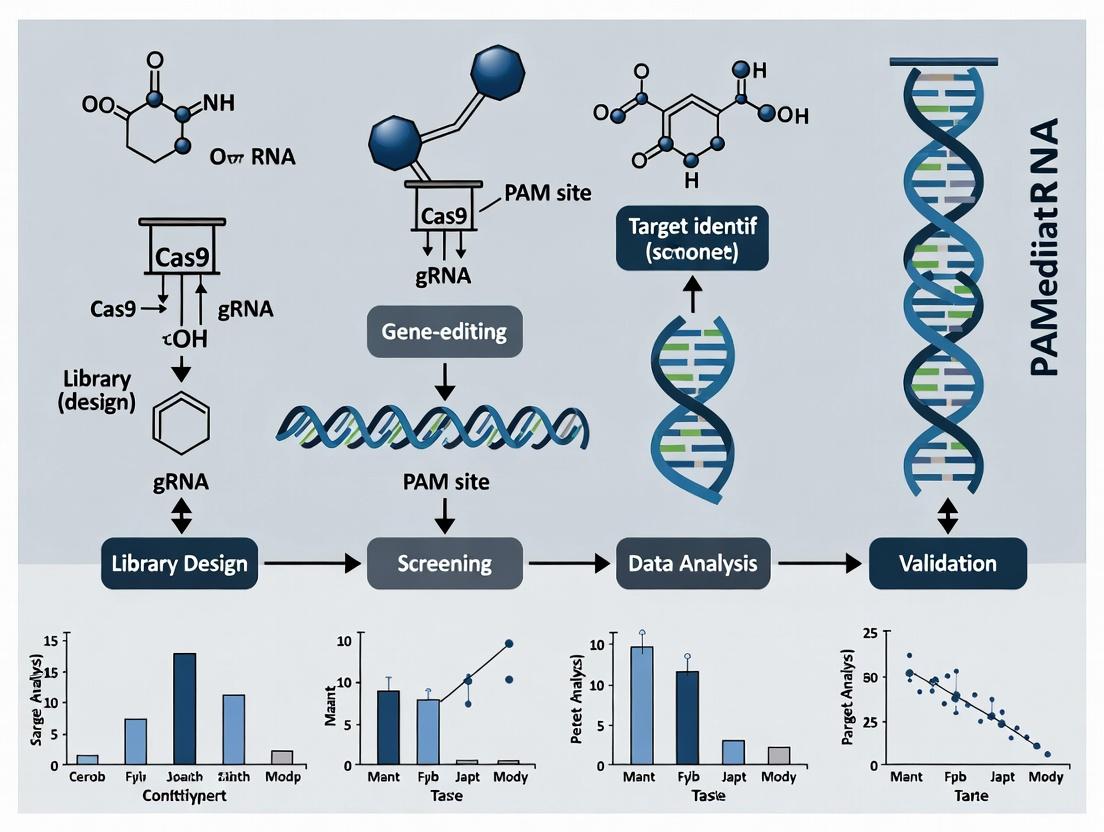
This article provides a comprehensive guide to using CRISPR screening for identifying novel immunotherapy targets.
Unlocking Cancer's Secrets: How CRISPR Screens Are Revolutionizing Immunotherapy Target Discovery
Abstract
This article provides a comprehensive guide to using CRISPR screening for identifying novel immunotherapy targets. Aimed at researchers and drug development professionals, it explores the foundational principles of CRISPR-Cas9 in immunology, details current methodological workflows from library design to hit validation, addresses common troubleshooting and optimization challenges, and compares validation strategies. By synthesizing the latest research and technological advances, this article serves as a practical resource for designing and implementing successful CRISPR screens to accelerate the development of next-generation immunotherapies.
The Power of CRISPR Screening: Foundational Principles for Immuno-Oncology Discovery
Application Notes in Immunotherapy Target Discovery
CRISPR-Cas9 screens have become indispensable for systematically identifying genes that modulate immune cell function and tumor immunogenicity. Within the thesis context of CRISPR screens for immunotherapy targets, this technology enables high-throughput interrogation of gene function in complex co-culture systems involving immune effector cells (e.g., T cells, NK cells) and cancer cells. Key applications include:
- Identifying Tumor-Intrinsic Resistance Mechanisms: Genome-wide knockout screens in cancer cells co-cultured with T cells can pinpoint genes whose loss confers resistance to cytotoxic killing, revealing potential targets for combination therapy.
- Uncovering Regulators of Immune Cell Activation: CRISPR knockout or activation (CRISPRa) screens in primary human T cells can discover genes that enhance persistence, cytotoxicity, or overcome exhaustion.
- Validating Novel Checkpoint Targets: Focused library screens can validate the function of newly discovered cell-surface proteins as inhibitory or stimulatory immune checkpoints.
Recent pooled in vivo screens have quantitatively identified novel targets whose modulation enhances CAR-T cell efficacy or overcomes immunosuppressive tumor microenvironments. Data from a representative 2023 study are summarized below.
Table 1: Quantitative Output from an In Vivo CRISPR Screen for CAR-T Enhancement Targets
| Target Gene Identified | Log2 Fold Change (KO vs. Control) | p-value | Proposed Function in T Cells | Validation Model |
|---|---|---|---|---|
| PTPN2 | +3.2 | 1.5e-09 | Negative regulator of IFNγ signaling | Murine leukemia (BCL1) |
| SOCS1 | +2.8 | 4.3e-08 | Suppressor of cytokine signaling | Human melanoma (A375) co-culture |
| RASA2 | +2.5 | 2.1e-07 | Ras GTPase-activating protein; modulates activation | Primary human CAR-T cells |
| TLE4 | +1.9 | 6.7e-06 | Transcriptional corepressor | Murine solid tumor (MC38) |
Detailed Experimental Protocols
Protocol 1: Pooled CRISPR Knockout Screen in Tumor Cells for Immune Evasion Genes
Objective: To identify tumor cell genes whose knockout confers resistance to antigen-specific T cell killing.
Materials: See "Research Reagent Solutions" table.
Method:
- Library Lentiviral Production: Generate high-titer lentivirus for a genome-wide sgRNA library (e.g., Brunello).
- Infection and Selection: Infect the target cancer cell line (e.g., A375 melanoma) at an MOI of ~0.3 to ensure single integration. Select with puromycin (2 µg/mL) for 7 days.
- Population Maintenance: Maintain a minimum of 1000 cells per sgRNA representation throughout expansion. Harvest a pre-selection sample (Day 0).
- Co-culture Assay: Co-culture CRISPR-pooled tumor cells with antigen-specific cytotoxic T lymphocytes (CTLs) at a 1:2 effector:target ratio. Include a "No T cell" control culture.
- Harvest and Sample Collection: Harvest tumor cells from both co-culture and control conditions at 72-hour and 144-hour time points by using a tumor-cell-specific surface marker for FACS sorting.
- Genomic DNA Extraction & NGS Prep: Isolate gDNA using a column-based kit. Amplify integrated sgRNA sequences via a two-step PCR: (i) Add Illumina adaptors and sample barcodes. (ii) Add full sequencing adapters and indexes.
- Sequencing & Analysis: Sequence on an Illumina NextSeq. Align reads to the library reference, count sgRNA abundances, and use MAGeCK or similar algorithms to calculate statistically enriched/depleted sgRNAs.
Protocol 2: Arrayed CRISPR-Cas9 Validation in Primary Human T Cells
Objective: To validate hits from pooled screens by assessing functional impact on T cell activation and cytotoxicity.
Method:
- sgRNA Cloning: Clone validated sgRNA sequences into a lentiviral vector harboring a fluorescent marker (e.g., GFP).
- Primary T Cell Activation: Isolate CD8+ T cells from human PBMCs using negative selection. Activate with CD3/CD28 beads.
- Lentiviral Transduction: On Day 2 post-activation, transduce T cells with sgRNA lentivirus via spinfection (1000 x g, 90 min, 32°C) in the presence of protamine sulfate (8 µg/mL).
- Selection & Expansion: Culture cells in IL-2 (50 U/mL) and IL-7 (5 ng/mL). Allow 5-7 days for gene knockout.
- Functional Assays:
- Cytotoxicity: Co-culture edited T cells with labeled target tumor cells at various E:T ratios. Measure specific lysis via flow cytometry (Annexin V/PI) or impedance-based assays (xCELLigence).
- Cytokine Profiling: Re-stimulate T cells with PMA/ionomycin or antigen-presenting cells. Quantify IFNγ, TNFα, IL-2 via intracellular staining or ELISA.
- Phenotyping: Assess activation (CD69, CD25) and exhaustion (PD-1, TIM-3, LAG-3) markers by flow cytometry.
Visualizations
Workflow for Pooled CRISPR Immunotherapy Screen
PTPN2 KO Enhances T Cell Anti-Tumor Response
The Scientist's Toolkit
Table 2: Key Research Reagent Solutions for CRISPR Immunotherapy Screens
| Item | Function & Application | Example/Note |
|---|---|---|
| Genome-wide sgRNA Library | Contains 4-6 sgRNAs per gene for pooled genetic perturbation. | Brunello (human) or Brie (mouse) libraries are highly specific. |
| Lentiviral Packaging System | Produces replication-incompetent virus for sgRNA delivery. | 2nd/3rd generation systems (psPAX2, pMD2.G). |
| CRISPR-Cas9 Expression System | Provides the Cas9 nuclease. | Lentiviral (all-in-one sgRNA+Cas9) or stable Cas9-expressing cell lines. |
| Nucleofection Kit for Primary Cells | Enables efficient RNP (sgRNA+Cas9 protein) delivery. | Lonza P3 Primary Cell 4D-Nucleofector Kit for T cells. |
| Cytokine Mix for T Cell Culture | Maintains T cell viability, stemness, and prevents exhaustion. | IL-2 (low dose), IL-7, and IL-15 are commonly used. |
| MAGeCK Software | Statistical tool for identifying enriched/depleted sgRNAs from NGS data. | Accounts for variance and calculates robust ranking. |
| Flow Cytometry Antibody Panel | To phenotype immune cells and sort populations post-screen. | Includes markers for cell type, activation, exhaustion. |
| gDNA Purification Kit | High-yield isolation of genomic DNA for NGS library prep from pooled cells. | Column-based kits scalable to 10-20 million cells. |
Why CRISPR Screens Are Ideal for Uncovering Immunotherapy Targets
Application Notes
Immunotherapy has revolutionized oncology, yet response rates vary widely, and resistance remains common. A central thesis in modern immuno-oncology is that the complex interplay between tumor intrinsic pathways and the tumor-immune microenvironment dictates therapeutic outcomes. CRISPR-based functional genomics screens are uniquely positioned to dissect this complexity at scale. By enabling systematic, genome-wide interrogation of gene function in relevant cellular contexts, these screens can map the genetic dependencies that govern immune evasion and sensitivity.
Pooled CRISPR knockout (KO) screens, in particular, have become a cornerstone for in vitro and in vivo target discovery. Their power lies in the ability to model genetic interactions within a physiologically relevant immune pressure. For example, co-culture screens of tumor cells with cytotoxic T cells or macrophages can identify tumor genes whose loss confers resistance or sensitivity to immune killing. In vivo screens, where CRISPR-modified tumor cells are grown in immunocompetent hosts, further capture the full complexity of the immune system.
The quantitative output of these screens—represented as enrichment or depletion of single-guide RNAs (sgRNAs) in selected versus control populations—provides a direct readout of gene essentiality under immune selection. This data-rich approach moves beyond correlation to establish causal relationships, directly nominating therapeutic targets whose inhibition may synergize with existing immunotherapies like immune checkpoint blockade (ICB).
Key Quantitative Findings from Recent CRISPR Screens in Immuno-Oncology
Table 1: Summary of Key CRISPR Screen Findings for Immunotherapy Targets
| Target Gene Identified | Screen Type & Model | Phenotype Observed | Potential Therapeutic Implication |
|---|---|---|---|
| PBAF Complex (Pbrm1, Arid2, Brd7) | In vivo CRISPR-KO in mouse melanoma (anti-PD-1 treated) | Loss sensitizes tumors to anti-PD-1 | PBAF inhibitors may synergize with ICB |
| APLNR | In vitro Co-culture (T cells) | Loss confers resistance to T cell killing | APLNR agonist may enhance T cell efficacy |
| CD58 | In vitro Co-culture (CAR-T cells) | Loss confers resistance to CAR-T cytotoxicity | CD58 status may predict CAR-T response |
| ADAR1 | In vitro Co-culture (T cells/IFN-γ) | Loss sensitizes tumors to immunotherapy | ADAR1 inhibition may overcome IFN-γ resistance |
| KDM5B | In vivo CRISPR-KO in mouse breast cancer | Loss promotes T cell infiltration & tumor rejection | KDM5B inhibitors may convert "cold" to "hot" tumors |
Experimental Protocols
Protocol 1: In Vitro CRISPR Knockout Screen for T Cell Evasion Genes
Objective: To identify tumor-intrinsic genes whose knockout confers resistance to cytotoxic T cell killing.
Materials: (See "Research Reagent Solutions" below)
Methodology:
- Library Production: Generate a lentiviral pool encoding the Brunello genome-wide sgRNA library (~77,441 sgRNAs targeting 19,114 genes).
- Cell Line Preparation: Infect the target tumor cell line (e.g., MC38 murine colon carcinoma) at a low MOI (~0.3) to ensure most cells receive a single sgRNA. Select with puromycin for 72 hours.
- Co-culture Assay:
- Split the selected tumor cell population into two arms: "Selected" and "Control."
- For the Selected arm: Seed tumor cells and activate, antigen-specific CD8+ T cells at a defined effector-to-target ratio (e.g., 1:1). Culture for 5-7 days, allowing T cell-mediated killing.
- For the Control arm: Seed tumor cells alone or with non-relevant T cells for an identical period.
- Genomic DNA Harvest & Sequencing: Collect cells from both arms at endpoint. Extract genomic DNA. Amplify integrated sgRNA sequences via PCR using indexing primers for NGS.
- Data Analysis: Sequence reads are aligned to the sgRNA library. Use MAGeCK or similar algorithms to compare sgRNA abundance between Selected and Control arms. Genes enriched in the Selected arm (whose knockout promoted survival under T cell pressure) are considered "hits."
Protocol 2: In Vivo CRISPR Screen for Immune Checkpoint Blocker Synergy
Objective: To identify tumor gene knockouts that enhance sensitivity to anti-PD-1 therapy in vivo.
Methodology:
- Tumor Cell Engineering: As in Protocol 1, stably introduce the pooled sgRNA library into an immunogenic, PD-1-responsive tumor cell line (e.g., B16.SIY melanoma).
- Tumor Implantation & Treatment: Inject 5-10 million engineered cells subcutaneously into immunocompetent C57BL/6 mice. Allow tumors to establish (~50 mm³).
- Treatment Cohorts: Randomize mice into two groups: 1) Anti-PD-1 group: Administer αPD-1 antibody (e.g., 200 µg i.p. every 3 days for 4 doses). 2) Isotype Control group.
- Tumor Harvest & Analysis: Harvest tumors at a defined endpoint (e.g., when control tumors reach volume limit). Isolate genomic DNA from the tumor cells.
- Sequencing & Hit Calling: Process DNA as in Protocol 1. Compare sgRNA abundance in tumors from αPD-1-treated mice versus control-treated mice. Genes whose sgRNAs are significantly depleted in the αPD-1 group represent candidates whose loss sensitizes the tumor to treatment (synthetic lethality with ICB).
Visualizations
Title: CRISPR Screen Workflow for Immunotherapy Targets
Title: Gene Knockout Effects on IFN-γ Mediated Killing
The Scientist's Toolkit
Table 2: Essential Research Reagent Solutions for CRISPR Immunotherapy Screens
| Reagent / Material | Function & Rationale |
|---|---|
| Genome-wide sgRNA Library (e.g., Brunello, GeCKOv2) | Pooled CRISPR guide libraries providing comprehensive coverage of protein-coding genes for systematic knockout screening. |
| Lentiviral Packaging System (psPAX2, pMD2.G) | Essential for producing high-titer, replication-incompetent lentivirus to deliver sgRNA and Cas9 stably into target cells. |
| Cas9-Expressing Tumor Cell Line | Stably expresses the Cas9 nuclease, enabling immediate genomic editing upon sgRNA delivery. Can be generated or purchased. |
| Activated Immune Cells (Primary T cells, CAR-T, macrophages) | Provide the physiologically relevant immune selection pressure in co-culture screens. Source and activation protocol are critical. |
| Immunocompetent Mouse Models (e.g., C57BL/6, BALB/c) | Hosts for in vivo screens, allowing study of genetic interactions within a complete, functional immune system. |
| Next-Generation Sequencing (NGS) Platform & Indexed Primers | For deep sequencing of sgRNA barcodes from genomic DNA to quantify guide abundance pre- and post-selection. |
| Bioinformatics Pipeline (MAGeCK, BAGEL, PinAPL-Py) | Specialized algorithms to statistically analyze NGS read counts, normalize data, and rank significantly enriched/depleted genes. |
| Anti-PD-1/CTLA-4 etc. Antibodies (In vivo grade) | For in vivo screens designed to find synthetic lethal partners or resistance mechanisms to specific immunotherapies. |
Thesis Context: This document details practical applications and methodologies central to performing CRISPR-based functional genetic screens for the discovery of novel immunotherapy targets, such as those in T cells, tumor cells, or co-culture systems.
Genetic Perturbation: Enabling Technologies and Reagents
Genetic perturbation in CRISPR screens involves systematically knocking out genes to assess their impact on cellular fitness and function.
Protocol 1.1: Lentiviral Library Production for a Genome-wide CRISPR-KO Screen
Objective: To produce high-titer, replication-incompetent lentivirus from a pooled sgRNA library (e.g., Brunello, Human CRISPR Knockout Pooled Library).
- Seed HEK293T cells in 15-cm plates at 70% confluence in DMEM + 10% FBS.
- Co-transfect using PEI Max:
- 9 µg Library Plasmid (pLX-sgRNA)
- 6.75 µg psPAX2 (packaging plasmid)
- 2.25 µg pMD2.G (VSV-G envelope plasmid)
- PEI Max reagent at a 3:1 ratio (PEI:DNA) in Opti-MEM.
- Replace media with fresh growth media 6-8 hours post-transfection.
- Collect viral supernatant at 48 and 72 hours post-transfection. Pool, filter through a 0.45 µm PES filter, and concentrate via ultracentrifugation or using Lenti-X Concentrator.
- Titer virus on target cells (e.g., Jurkat, primary T cells) using a functional titering method (e.g., by puromycin selection or flow cytometry for a GFP marker).
Protocol 1.2: Transduction and Selection for Pooled Screens
Objective: To achieve low-MOI (<0.3) transduction and select cells stably expressing the CRISPR machinery.
- Day -1: Seed or activate target cells (e.g., anti-CD3/CD28 activated primary human T cells).
- Day 0: Transduce cells in the presence of polybrene (8 µg/mL) or equivalent enhancer via spinfection (1000 x g, 32°C, 90 min).
- Day 1: Replace transduction media with fresh growth media.
- Day 2-5: Begin selection with appropriate antibiotic (e.g., 1-2 µg/mL puromycin). Maintain selection for 5-7 days until >90% of non-transduced control cells are dead.
Phenotypic Readouts: Measuring Functional Consequences
Phenotypic readouts are quantifiable measurements that define the biological state post-perturbation.
Protocol 2.1: Cell Fitness / Proliferation Screen Using Deep Sequencing
Objective: To identify genes essential for proliferation/survival under immunorelevant conditions (e.g., cytokine stimulation, tumor co-culture).
- Harvest Cells: Maintain the transduced, selected cell pool in biological replicates. Passage cells, keeping a minimum of 500 cells per sgRNA to maintain library representation. Harvest a genomic DNA (gDNA) sample at the initial timepoint (T0) and at the experimental endpoint (Tend, e.g., 14-21 days).
- Isolate gDNA: Use a column-based or phenol-chloroform extraction to obtain high-quality gDNA. Quantity by fluorometry.
- Amplify sgRNA Loci: Perform a two-step PCR to add Illumina adapters and sample barcodes.
- PCR1 (From gDNA): Use a master mix with high-fidelity polymerase. Typical cycle: 98°C 30s; [98°C 10s, 60°C 30s, 72°C 30s] x 22-28 cycles; 72°C 2 min. Use library-specific primers to amplify the sgRNA cassette.
- PCR2 (Add Barcodes): Use 1 µL of purified PCR1 product as template. Cycle: [98°C 10s, 65°C 30s, 72°C 30s] x 12-15 cycles.
- Sequence & Analyze: Pool purified PCR2 products for Illumina NextSeq sequencing (minimum 50-100 reads per sgRNA). Align reads to the reference library and quantify sgRNA abundance changes (Tend vs. T0) using specialized tools (MAGeCK, CRISPResso2).
Protocol 2.2: High-Content Flow Cytometry-Based Readout (e.g., Surface Marker Screen)
Objective: To identify genetic perturbations altering specific surface proteins (e.g., PD-1, TIM-3, ICOS).
- Stain Cells: Harvest cells from screen, wash in PBS, and resuspend in FACS buffer (PBS + 2% FBS). Incubate with fluorescently conjugated antibody cocktail for 30 min at 4°C. Include a live/dead stain.
- Sort or Analyze: Using a FACS sorter (e.g., Sony SH800, BD FACSAria), isolate the top and bottom 10-20% of cells based on the marker of interest intensity. Collect >10 million cells per population.
- Process Samples: Extract gDNA from sorted populations and proceed with sgRNA amplification and sequencing as in Protocol 2.1. Compare sgRNA enrichment/depletion between high and low expressing populations.
Table 1: Common Phenotypic Readouts in Immunotherapy Target Screens
| Readout Type | Example Assay | Measurement Technology | Typical Screen Format | Hit Output |
|---|---|---|---|---|
| Fitness / Viability | Proliferation in IL-2 | Deep Sequencing (NGS) | Pooled, Dropout | Essential Genes |
| Surface Proteomics | PD-1 upregulation | FACS + NGS | Pooled, FACS-based | Regulators of Target |
| Functional Activation | Cytokine Production (IFN-γ) | FACS (IC) / NGS | Pooled, FACS-based | Enhancers/Suppressors |
| Resistance to Exhaustion | Repeated Antigen Stimulation | NGS | Pooled, Dropout | Exhaustion Modifiers |
| In Vivo Fitness | Tumor Infiltration | NGS from Tumor | Pooled, In Vivo | Trafficking/Survival Genes |
Hit Identification: From Data to Candidate Targets
Hit identification involves robust statistical analysis to distinguish true biological signals from noise.
Protocol 3.1: Bioinformatic Analysis of Screen Data using MAGeCK
Objective: To statistically rank candidate genes from a pooled screen.
- Quality Control: Assess read distribution across sgRNAs and samples. Ensure high correlation between replicate samples.
- Read Count Normalization: Use MAGeCK count to normalize read counts across samples (e.g., median normalization).
- Test for Enrichment/Depletion: Run MAGeCK test (RRA algorithm) to compare sgRNA distributions between conditions (e.g., T14 vs T0, High vs Low PD-1). Key outputs: β score (log2 fold change), p-value, FDR.
- Hit Calling: Apply thresholds (commonly FDR < 0.1 or 0.25, |β| > 1). Prioritize genes with multiple independent sgRNAs showing a concordant phenotype.
- Pathway Analysis: Input significant gene lists into Enrichr or GSEA to identify enriched biological pathways (e.g., "T cell receptor signaling," "JAK-STAT pathway").
Table 2: Key Statistical Outputs from a Representative CRISPR Screen for T Cell Proliferation Modulators
| Gene | Number of sgRNAs | β score (log2 fold change) | p-value | FDR (Benjamini-Hochberg) | Interpretation |
|---|---|---|---|---|---|
| STAT1 | 4 | -3.21 | 2.5E-08 | 1.1E-05 | Strong depletion; essential for proliferation |
| PDCD1 | 4 | 1.87 | 4.8E-05 | 0.007 | Enrichment; knockout enhances proliferation |
| TP53 | 4 | -2.95 | 1.1E-07 | 3.8E-05 | Depletion; core essential gene |
| CBLB | 4 | 1.45 | 0.0003 | 0.032 | Enrichment; negative regulator knockout enhances fitness |
The Scientist's Toolkit: Research Reagent Solutions
| Reagent / Material | Vendor Examples | Function in CRISPR Screen |
|---|---|---|
| Genome-wide sgRNA Library (e.g., Brunello) | Addgene, Sigma-Aldrich | Defines the set of genes to be perturbed; cloned into lentiviral backbone. |
| Lentiviral Packaging Plasmids (psPAX2, pMD2.G) | Addgene | Required for production of replication-incompetent lentiviral particles. |
| Polyethylenimine (PEI Max) | Polysciences | High-efficiency transfection reagent for viral production in HEK293T cells. |
| Lenti-X Concentrator | Takara Bio | Simplifies concentration of lentiviral supernatants without ultracentrifugation. |
| Polybrene / Hexadimethrine bromide | Sigma-Aldrich | A cationic polymer that enhances viral transduction efficiency. |
| Puromycin Dihydrochloride | Gibco, Sigma-Aldrich | Selective antibiotic for cells expressing the puromycin resistance gene from the CRISPR vector. |
| PCR Kits for NGS Library Prep (Q5 High-Fidelity) | NEB | Ensures accurate, high-yield amplification of sgRNA sequences from genomic DNA. |
| MAGeCK Software Package | Source (GitHub) | Standard computational pipeline for the analysis of CRISPR screen NGS data. |
| Anti-human CD3/CD28 Activator | STEMCELL Tech | For activation and expansion of primary human T cells prior to transduction. |
| Fluorophore-conjugated Antibodies | BioLegend, BD Biosciences | Enable FACS-based phenotypic readouts and cell sorting. |
Visualizations
Title: CRISPR Screen Workflow for Immunotherapy Targets
Title: PD-1 Signaling & Screen Readout Logic
Application Notes
The Evolution of Functional Genomics in Target Discovery
The identification and validation of novel therapeutic targets, particularly in the field of oncology immunotherapy, has been revolutionized by successive waves of functional genomics technology. RNA interference (RNAi) emerged in the early 2000s as the first high-throughput tool for systematic loss-of-function screening. It enabled genome-scale interrogation of gene function by leveraging endogenous cellular machinery to degrade specific mRNA transcripts. While transformative, RNAi was hampered by issues of incomplete knockdown, off-target effects, and a reliance on often-unstable mRNA intermediates. This limited its precision, especially for identifying essential genes in complex phenotypic screens, such as those for tumor-immune interactions.
The advent of CRISPR-Cas9 genome editing technology around 2012 marked a paradigm shift. By enabling permanent, targeted knockout of gene function at the DNA level, CRISPR screens offered higher specificity, greater efficiency, and the ability to target non-coding genomic regions. For immunotherapy target discovery, this has meant more reliable identification of genes regulating tumor cell sensitivity to immune effector mechanisms (e.g., T-cell killing, macrophage phagocytosis) and immune cell function itself. The robustness of CRISPR has accelerated the discovery of novel immune checkpoints, synthetic lethal pairs, and mechanisms of resistance to existing immunotherapies like PD-1 blockade.
Quantitative Comparison of RNAi vs. CRISPR Screening Platforms
Table 1: Key Metrics Comparison for Functional Genomic Screening Technologies in Immunotherapy Research
| Parameter | RNAi (shRNA/siRNA) | CRISPR-Cas9 (KO) | CRISPRi/a (Modulation) |
|---|---|---|---|
| Mechanism of Action | Post-transcriptional mRNA degradation | DNA double-strand break, causing frameshift indels | Transcriptional repression (CRISPRi) or activation (CRISPRa) without DNA cleavage |
| On-Target Efficiency | Variable; often partial (~70-90% knockdown) | High; often complete knockout | High, tunable repression/activation |
| Off-Target Effects | High; seed-sequence driven miRNA-like effects | Low; but sequence-dependent off-target cutting possible | Very low; nuclease-dead Cas9 |
| Screening Dynamic Range | Moderate; can miss essential genes due to incomplete knockdown | Excellent; strong phenotypes for essential genes | Excellent for gain-of-function (CRISPRa) |
| Typical Library Size (Human) | ~5-10 shRNAs per gene | ~3-10 sgRNAs per gene | ~3-10 sgRNAs per gene |
| Primary Readout | mRNA depletion | DNA mutation | Altered transcription |
| Best Suited For | Hypomorph phenotypes, druggable target ID | Essential gene discovery, loss-of-function | Gain-of-function, enhancer mapping, fine-tuning expression |
| Cost (Relative) | Moderate | Low to Moderate | Moderate |
Key Applications in Immunotherapy Target Discovery
- Identification of Tumor-Intrinsic Immune Evasion Genes: Pooled CRISPR knockout screens in tumor cells co-cultured with immune effector cells (e.g., cytotoxic T cells, NK cells) have uncovered genes whose loss makes tumors more susceptible or resistant to immune killing.
- Synthetic Lethality with Immune Checkpoint Blockade: Screens to find genes whose knockout synergizes with anti-PD-1/PD-L1 therapy, revealing potential combination targets.
- Immune Cell Engineering: CRISPR screens in primary T cells or CAR-T cells to identify genes that enhance persistence, cytotoxicity, or overcome exhaustion.
- Modulating Antigen Presentation: Screens targeting the MHC class I and II pathways to discover regulators of tumor antigen presentation, a key determinant of immunotherapy response.
Protocols
Protocol 1: Pooled CRISPR Knockout Screen for Tumor Cell Resistance to T-cell Mediated Killing
Objective: To identify genes in tumor cells whose knockout confers resistance or sensitivity to antigen-specific cytotoxic T lymphocyte (CTL) killing.
Materials & Reagents:
- Tumor cell line expressing the target antigen.
- CRISPR-Cas9 stable tumor cell line or virus for Cas9/sgRNA delivery.
- Genome-scale pooled lentiviral sgRNA library (e.g., Brunello, Brie).
- Antigen-specific CD8+ T cells or tumor-infiltrating lymphocytes (TILs).
- Cell culture media, polybrene, puromycin.
- Genomic DNA extraction kit.
- PCR primers for sgRNA amplification, High-fidelity PCR master mix.
- Next-generation sequencing (NGS) platform and associated reagents.
Procedure:
- Library Transduction: Infect CRISPR-Cas9-expressing tumor cells with the pooled lentiviral sgRNA library at a low MOI (∼0.3) to ensure most cells receive a single sgRNA. Include a non-targeting control sgRNA population.
- Selection and Expansion: Select transduced cells with puromycin (2-5 µg/mL) for 7 days. Expand cells to a representation of ≥500 cells per sgRNA to maintain library complexity.
- Screen Setup:
- Day 0: Split cells into two arms: "T-cell Co-culture" and "Control" (Tumor Only).
- Seed tumor cells (with integrated sgRNA library) in replicate plates.
- Co-culture Challenge: For the "T-cell Co-culture" arm, add antigen-specific CTLs at a predetermined effector:target (E:T) ratio (e.g., 5:1). Maintain the "Control" arm without T cells.
- Harvest and Sample Collection: Culture for 5-7 days, allowing for multiple rounds of killing. Replenish T cells as needed. Harvest genomic DNA from both arms at the endpoint. Also, harvest a reference sample of the pooled tumor cells before co-culture (Day 0).
- NGS Library Preparation: Amplify integrated sgRNA sequences from genomic DNA via PCR using specific primers adding Illumina adapters and sample barcodes. Pool PCR products.
- Sequencing & Analysis: Perform high-throughput sequencing. Align reads to the sgRNA library reference. Use MAGeCK or similar algorithms to compare sgRNA abundance between "T-cell Co-culture" and "Control" arms. Genes with sgRNAs significantly depleted in the co-culture arm represent potential "sensitizers" to killing; genes with sgRNAs enriched represent potential "resistors."
Protocol 2: CRISPR Activation (CRISPRa) Screen in T Cells for Enhanced Anti-tumor Function
Objective: To identify genes that, when overexpressed, enhance primary human T cell proliferation, persistence, or cytotoxicity.
Materials & Reagents:
- Primary human CD8+ T cells from healthy donors.
- Lentiviral particles for dCas9-VPR (CRISPRa system) and sgRNA library.
- T cell activation beads (anti-CD3/CD28).
- IL-2 cytokine.
- Retronectin-coated plates.
- Flow cytometry antibodies for phenotyping (e.g., CD8, PD-1, TIM-3, LAG-3).
- In vitro cytotoxicity assay reagents (e.g., Incucyte, LDH release).
- Genomic DNA extraction kit, PCR, and NGS reagents as in Protocol 1.
Procedure:
- T Cell Activation & Engineering: Activate primary CD8+ T cells with anti-CD3/CD28 beads in IL-2-containing media for 48 hours.
- Dual Transduction: Co-transduce activated T cells first with lentivirus encoding the stable dCas9-VPR activator, select with appropriate antibiotic. Subsequently, transduce these cells with the genome-wide CRISPRa sgRNA library (e.g., Calabrese library).
- Phenotypic Selection & Expansion: Culture T cells for 2-3 weeks. Apply a phenotypic selection pressure. For example:
- Proliferation: Repeatedly sub-culture and harvest cells undergoing rapid division.
- Exhaustion Resistance: Repeatedly stimulate with antigen or plate-bound antibodies and sort for cells lacking exhaustion markers (PD-1low/TIM-3low).
- Cytotoxicity: Co-culture with tumor cells and sort for T cells from high-killing conditions.
- Sample Collection & Sequencing: Harvest genomic DNA from the selected population and an unselected reference population (library pre-selection). Amplify and sequence sgRNA inserts as in Protocol 1.
- Analysis: Identify sgRNAs significantly enriched in the selected population. These point to genes whose transcriptional activation confers the desired functional enhancement to T cells.
Diagrams
Diagram 1: Evolution of Functional Genomics Screens
Diagram 2: CRISPR Screen for Immunotherapy Targets Workflow
Diagram 3: Key Immune Pathways Interrogated by CRISPR Screens
The Scientist's Toolkit
Table 2: Essential Research Reagent Solutions for CRISPR Immunotherapy Screens
| Reagent / Solution | Function & Application | Example Vendor/Product |
|---|---|---|
| Genome-Scale sgRNA Libraries | Pre-designed, pooled collections of sgRNAs targeting all human/mouse genes. Essential for discovery-phase screens. | Broad Institute (Brunello, Brie), Addgene |
| Lentiviral Packaging Systems | Plasmids and cell lines (e.g., HEK293T) for producing high-titer lentivirus to deliver Cas9 and sgRNA constructs. | psPAX2, pMD2.G, Lenti-X systems |
| CRISPR-Cas9 Variants | Engineered Cas9 proteins: HiFi Cas9 (reduced off-target), dCas9 (for CRISPRi/a), Cas12a (different PAM). Enables diverse screening modalities. | Integrated DNA Technologies (IDT), Merck |
| CRISPR-ready Cell Lines | Cell lines stably expressing Cas9 (or dCas9). Simplifies screening by requiring only sgRNA delivery. Critical for primary immune cells. | Synthego, ATCC |
| Next-Generation Sequencing Kits | Reagents for amplifying sgRNA cassettes from genomic DNA and preparing libraries for Illumina sequencing. Key for screen deconvolution. | Illumina Nextera, New England Biolabs |
| Flow Cytometry Antibody Panels | Antibodies for immune phenotyping (CD3, CD8, activation/exhaustion markers) to sort cell populations or assess screen outcomes. | BioLegend, BD Biosciences |
| Cell Selection & Culture Media | Specialized media for primary immune cell (e.g., T cell, NK cell) expansion and co-culture with tumor cells during functional selection. | Gibco CTS, X-VIVO 15 |
| Bioinformatics Analysis Pipelines | Software packages for quantifying sgRNA abundance and identifying significant hits from NGS data. | MAGeCK, pinAPL-py, CRISPRcloud |
Within the broader thesis on utilizing CRISPR-based functional genomics for de novo discovery of immunotherapy targets, the initial and most critical step is the precise definition of the screening goal. This establishes the phenotypic readout, the in vitro or in vivo model, and the ultimate clinical translatability of identified hits. This document details application notes and protocols for three primary screening paradigms: Resistance, Sensitivity, and Immune Modulation.
Screening Paradigms: Definitions and Applications
| Screening Goal | Phenotypic Readout | Primary Model System | Thesis Relevance for Immuno-Oncology |
|---|---|---|---|
| Resistance | Survival/proliferation of tumor cells under immune pressure. | Co-culture with immune effector cells (e.g., primary T cells, NK cells) or cytokine exposure (e.g., TNF-α, IFN-γ). | Identifies genes whose loss allows tumors to evade immune killing (putative "immune evasion" targets). |
| Sensitivity | Death of tumor cells under immune pressure. | Identical to Resistance, but selecting for sgRNA depletion rather than enrichment. | Identifies genes essential for tumor cell survival under immune attack; loss sensitizes tumors ("synthetic lethal" with immune state). |
| Immune Modulation | Functional change in immune cells (e.g., activation, exhaustion, cytotoxicity). | CRISPR screening in immune cells (e.g., T cells) stimulated via antigen (e.g., TCR, CAR) or cytokines. | Directly discovers regulators of immune cell function for engineering enhanced cellular therapies. |
Detailed Experimental Protocols
Protocol 3.1: CRISPRko Resistance/Sensitivity Screen in Tumor Cells Under T-cell Pressure
Objective: To identify tumor-intrinsic genes whose knockout confers resistance or sensitivity to cytotoxic T-cell killing. Materials: See "Scientist's Toolkit" (Section 5). Workflow:
- Library Transduction: Infect target tumor cells (e.g., A375, MC38) at low MOI (<0.3) with a genome-wide or custom CRISPRko library (e.g., Brunello). Select with puromycin for 5-7 days.
- Population Expansion: Expand transduced cells to maintain >500x library representation.
- Co-culture Assay:
- Experimental Arm: Seed tumor cells and co-culture with pre-activated antigen-specific CD8+ T cells (e.g., OT-I TCR T cells with OVA-expressing tumor cells) at a defined Effector:Target (E:T) ratio (e.g., 1:1, 2:1). Use a control arm of tumor cells alone.
- Duration: Co-culture for 5-7 days, with possible replenishment of T cells at day 3.
- Harvest & Sequencing: Harvest tumor cells (using CD45- sorting if necessary) at the endpoint. Extract genomic DNA, amplify the sgRNA region via PCR, and perform next-generation sequencing.
- Analysis: Align sequences to the reference library. Use MAGeCK or BAGEL2 to compare sgRNA abundance between co-culture (selected) and tumor-cell-only (control) populations. Genes with enriched sgRNAs define "Resistance" hits; depleted sgRNAs define "Sensitivity" hits.
Diagram Title: CRISPR Tumor Cell Screen Workflow Under T-cell Pressure
Protocol 3.2: CRISPRi/a Immune Modulation Screen in Primary Human T Cells
Objective: To identify genes whose transcriptional repression (CRISPRi) or activation (CRISPRa) modulates T-cell activation or exhaustion phenotypes. Materials: See "Scientist's Toolkit" (Section 5). Workflow:
- Primary T-cell Activation & Transduction: Isolate CD3+ T cells from healthy donor PBMCs. Activate with CD3/CD28 beads. On day 2, transduce with lentiviral sgRNA library (dCas9-KRAB for CRISPRi; dCas9-VPR for CRISPRa) at high MOI.
- Selection and Expansion: Culture cells in IL-2/IL-7. Select with appropriate antibiotic if needed.
- Phenotypic Sorting: At day 7-10 post-transduction, stimulate cells briefly with PMA/lonomycin or via TCR. Stain for surface (e.g., PD-1, LAG-3, TIM-3) and intracellular (e.g., IFN-γ, TNF-α) markers.
- Sort Populations: FACS-sort into distinct bins (e.g., PD-1high/TIM-3high "Exhausted" vs. PD-1low/TIM-3low "Non-exhausted").
- Sequencing & Analysis: Process each sorted population separately for gDNA extraction, sgRNA amplification, and sequencing. Compare sgRNA abundance between phenotypic bins to identify regulators of that immune state.
Diagram Title: CRISPRi/a Immune Modulation Screen in Primary T Cells
Key Signaling Pathways in Screened Phenotypes
Diagram Title: Key Pathways in Resistance & Immune Modulation
The Scientist's Toolkit: Research Reagent Solutions
| Reagent/Material | Function & Application | Example Product/Catalog |
|---|---|---|
| Genome-wide CRISPRko Library | Provides sgRNAs targeting all protein-coding genes for loss-of-function screening. | Brunello (Addgene #73179) or TorontoKnockOut (TKO) v3. |
| CRISPRi/a Lentiviral Library | Enables transcriptional repression (i) or activation (a) screening. | Dolcetto (CRISPRi) or Calabrese (CRISPRa) human libraries. |
| dCas9-Engineered Cell Lines | Stable lines expressing dCas9 (for CRISPRi/a) in relevant cell types (tumor or immune). | Jurkat-dCas9-KRAB, or generate via lentivirus (dCas9-KRAB/VP64). |
| Primary Immune Cells | Physiologically relevant effectors for co-culture or direct screening. | Human PBMCs or CD8+ T cells from donor leukopaks. |
| Activation Beads | Polyclonal T-cell activation mimicking TCR engagement. | Dynabeads Human T-Activator CD3/CD28. |
| Cytokines (IL-2, IL-7, IL-15) | Maintain T-cell viability and promote specific differentiation states in vitro. | Recombinant Human IL-2, IL-7. |
| FACS Antibody Panels | For sorting or analyzing immune/tumor cell phenotypes post-screen. | Anti-human CD274 (PD-L1), PD-1, TIM-3, LAG-3, IFN-γ. |
| sgRNA Amplification Primers | For preparing NGS samples from harvested genomic DNA. | pLCKO sequencing primers (for GeCKO libraries). |
| Bioinformatics Software | Statistical analysis of sgRNA abundance changes. | MAGeCK, BAGEL2, CRISPRcleanR. |
Application Notes
Within the broader thesis on CRISPR screening for immunotherapy targets, robust in vitro immune cell models are fundamental. T cells and Natural Killer (NK) cells are primary cytotoxic effectors in anti-tumor immunity. Co-culture systems with cancer cell lines enable the functional identification of genes regulating immune cell activation, cytotoxicity, exhaustion, and tumor cell resistance. CRISPR knockout screens in either the immune effector population or the tumor cell population can pinpoint novel therapeutic targets to enhance adoptive cell therapies or overcome immune evasion.
Key Quantitative Comparisons
Table 1: Core Characteristics of T Cells and NK Cells in Immunotherapy Models
| Feature | Primary T Cells | NK Cell Line (e.g., NK-92) | Primary NK Cells |
|---|---|---|---|
| Source | Human PBMCs (CD4+/CD8+) | Immortalized cell line | Human PBMCs or cord blood |
| Proliferation | Requires activation (αCD3/CD28) | Continuous, IL-2 dependent | Requires IL-2/IL-15 |
| Genetic Manipulation | Moderate (Activated state) | High | Low to Moderate |
| Cytotoxicity Mechanism | TCR-dependent + Cytokines | FcγRIII (CD16)+, NKR, Cytokines | NKR (e.g., NKG2D), CD16, Cytokines |
| Typical Co-culture Ratio (Effector:Target) | 1:1 to 10:1 | 1:1 to 5:1 | 2:1 to 5:1 |
| Key Readout Assays | IFNγ/IL-2 ELISA, Cytotoxicity (Incucyte), Exhaustion markers (PD-1, TIM-3) | Real-time Cytotoxicity, CD107a degranulation | Multiplex Cytokine, CFSE-based killing |
Table 2: CRISPR Screening Readouts in Co-culture Systems
| Screen Target | Pooled Library Location | Primary Co-culture Readout | Validation Follow-up |
|---|---|---|---|
| Tumor Cell Resistance | Tumor cell genome | Survival (DNA yield) vs. T/NK cells | Flow cytometry for MHC-I, PD-L1, death receptors |
| Immune Cell Efficacy | T/NK cell genome | Tumor killing (luminescence/imaging) | Single-cell cytokine secretion, exhaustion profiling |
| Immune Cell Persistence | T/NK cell genome | Relative abundance (NGS) over time | Metabolic assays (Seahorse), in vivo models |
Experimental Protocols
Protocol 1: CRISPR-KO Pooled Screen in Tumor Cells for Resistance Genes to NK Cell Killing
Objective: Identify tumor-intrinsic genes whose knockout confers resistance or sensitivity to NK cell-mediated cytotoxicity.
Materials:
- Target Cells: A375 melanoma cell line (or other).
- Effector Cells: NK-92MI cell line (IL-2 independent).
- Lentiviral Pooled CRISPR-KO Library (e.g., Brunello).
- Puromycin, Polybrene.
- Cell culture medium (RPMI-1640 + 10% FBS).
- Incucyte Live-Cell Analysis System or similar.
Procedure:
- Library Transduction: A375 cells are transduced with the pooled Brunello sgRNA library at a low MOI (0.3-0.4) to ensure single integration. Cells are selected with puromycin (2 µg/mL) for 7 days.
- Screen Setup: Harvest library-expressing A375 cells. Seed 5x10^6 cells as the "Time Zero" (T0) control arm (harvest immediately for genomic DNA). For the co-culture arm, seed 5x10^6 A375 cells and add NK-92MI cells at an Effector:Target (E:T) ratio of 2:1 in a T-175 flask. Include a tumor-cell only control.
- Co-culture: Co-culture for 72-96 hours. For longer screens, re-feed with fresh medium and NK cells every 2-3 days.
- Harvest & Analysis: After co-culture, harvest surviving A375 cells by FACS sorting (based on a tumor-specific marker like GFP if engineered). Extract genomic DNA from T0 and co-culture samples.
- NGS & Hit Identification: Amplify the sgRNA region via PCR and subject to next-generation sequencing. Compare sgRNA abundance between T0 and co-culture conditions using MAGeCK or similar algorithms to identify significantly depleted (sensitizer genes) or enriched (resistance genes) sgRNAs.
Protocol 2: Primary Human T Cell Activation and CRISPR-Cas9 RNP Electroporation
Objective: Genetically modify primary human T cells for functional validation of screen hits.
Materials:
- Source: Human PBMCs from leukapheresis product.
- Isolation: CD3+ T Cell Isolation Kit (Miltenyi).
- Activation: Recombinant human IL-2, Anti-CD3/CD28 Activation Beads.
- CRISPR Reagents: Synthetic sgRNA (crRNA+tracrRNA), Alt-R S.p. Cas9 Nuclease V3.
- Electroporation: Lonza 4D-Nucleofector, P3 Primary Cell Kit.
Procedure:
- T Cell Isolation & Activation: Isolate CD3+ T cells using negative selection. Activate cells with anti-CD3/CD28 beads (bead:cell ratio 1:1) in TexMACS medium supplemented with 100 IU/mL IL-2.
- RNP Complex Formation: At 48 hours post-activation, form Ribonucleoprotein (RNP) complexes by incubating 60 pmol Cas9 protein with 120 pmol of synthetic sgRNA for 10 min at room temperature.
- Electroporation: Wash 1-2x10^6 activated T cells. Resuspend in P3 Primary Cell Solution. Mix cell suspension with pre-formed RNP complex and transfer to a 20µL Nucleocuvette. Electroporate using the DS-137 program on the 4D-Nucleofector.
- Recovery & Expansion: Immediately add pre-warmed medium and transfer cells to a plate. After 24h, replace medium with fresh IL-2-containing medium. Expand cells for 5-7 days before functional assays (e.g., co-culture killing, cytokine profiling).
Protocol 3: Real-Time Cytotoxicity Co-culture Assay
Objective: Quantify dynamic killing of tumor cells by engineered immune effector cells.
Materials:
- Target Cells: A375 cells stably expressing nuclear red fluorescent protein (NucLight Red).
- Effector Cells: CRISPR-engineered T or NK cells.
- Incucyte Cytotox Green Dye (for dead cell labeling).
- 96-well clear-bottom plate, Incucyte Live-Cell Analysis System.
Procedure:
- Plate Target Cells: Seed A375 NucLight Red cells at 5x10^3 cells/well in a 96-well plate. Allow to adhere overnight.
- Initiate Co-culture: Add effector cells at desired E:T ratio (e.g., 3:1). Add Incucyte Cytotox Green Dye at 1:2000 dilution.
- Live-Cell Imaging: Place plate in the Incucyte. Schedule scans every 2 hours for 48-72 hours.
- Data Analysis: Using Incucyte software, quantify total red object count (viable tumor cells) and total green object count (dead cells). Calculate specific cytotoxicity:
[1 - (Red Object Count (Co-culture) / Red Object Count (Target Only Control))] * 100%.
Diagrams
Workflow for CRISPR Screen in Tumor vs. Immune Co-culture
Primary T Cell CRISPR-Cas9 RNP Electroporation
Key Signaling in T Cell Activation vs. Exhaustion
The Scientist's Toolkit: Research Reagent Solutions
| Category | Item/Reagent | Function in Core Immune Cell Models |
|---|---|---|
| Cell Isolation & Culture | Human CD3+ T Cell Isolation Kit (Miltenyi) | Negative selection for high-purity, untouched primary T cells. |
| Recombinant Human IL-2 (Proleukin) | Critical cytokine for T and NK cell survival, activation, and expansion in vitro. | |
| Anti-CD3/CD28 Dynabeads (Gibco) | Provides strong, uniform activation signal for primary T cell expansion and transduction. | |
| Genetic Manipulation | Alt-R S.p. Cas9 Nuclease V3 (IDT) | High-fidelity Cas9 for RNP-based gene editing in primary immune cells. |
| Edit-R sgRNA (Dharmacon) or crRNA (IDT) | Synthetic sgRNA for RNP formation, ensuring high editing efficiency and reduced off-targets. | |
| P3 Primary Cell 4D-Nucleofector Kit (Lonza) | Optimized reagents for high-efficiency electroporation of primary T and NK cells. | |
| Screening & Analysis | Human Brunello CRISPR Knockout Library (Broad) | Genome-wide, 4 sgRNA/gene pooled library for loss-of-function screens. |
| Incucyte Cytotox Green/Red Dyes (Sartorius) | Real-time, live-cell labeling of dead cells in co-culture cytotoxicity assays. | |
| MACSQuant or BD Symphony Flow Cytometer | High-parameter phenotyping of immune cell exhaustion markers (PD-1, TIM-3, LAG-3). | |
| LEGENDplex Human CD8/NK Panel (BioLegend) | Multiplex bead-based assay for quantifying key effector cytokines (IFN-γ, Granzyme B, etc.). | |
| Co-culture Essentials | NucLight Lentivirus (Sartorius) | Enables generation of stable nuclear-labeled tumor cells for live-cell imaging. |
| CellTrace CFSE or Violet Proliferation Kits (Thermo) | For tracking immune cell division or distinguishing populations in co-culture. |
In the pursuit of novel immune-oncology targets, CRISPR-Cas9 functional genomics screens are a cornerstone technology. The strategic choice of gRNA library—genome-wide, focused, or custom—is a critical initial parameter that dictates the scope, resolution, cost, and feasibility of a screening campaign. This decision must align with the specific biological question, available model system, and downstream validation resources. Within a thesis focused on CRISPR screening for immunotherapy targets, this choice defines the hypothesis, from unbiased discovery of novel immune regulators to the nuanced dissection of known pathways.
Comparative Analysis of Library Types
The table below summarizes the key parameters for selecting a CRISPR library within an immunotherapy research context.
Table 1: Comparative Overview of CRISPR Library Types for Immunotherapy Screening
| Parameter | Genome-wide Library | Focused Library (e.g., Immuno-oncology) | Custom Library |
|---|---|---|---|
| Typical Size | ~60,000 - 120,000 gRNAs | ~1,000 - 10,000 gRNAs | User-defined, typically 10 - 5,000 gRNAs |
| Gene Coverage | All annotated protein-coding genes (~19,000 human genes) | Curated gene set (e.g., 1,000 immune-related genes) | User-selected genes, isoforms, or non-coding regions |
| Primary Goal | Unbiased discovery of novel hits | Hypothesis-driven interrogation of a pathway | Validation, saturation mutagenesis, or specialized questions |
| Screening Model | Robust in vitro models (e.g., immortalized T cells); complex in vivo models require high depth. | Flexible for in vitro and in vivo (e.g., murine tumor models, co-cultures). | Highly flexible, tailored to specific experimental models. |
| Required Cell Number | Very High (≥ 50 million for good coverage) | Moderate (5-20 million) | Low (1-5 million, depending on size) |
| Sequencing Depth & Cost | High depth (~500x), highest cost per sample. | Moderate depth (~200x), moderate cost. | Low depth (~50-100x), lowest cost. |
| Data Analysis Complexity | High; requires robust bioinformatics for hit calling. | Moderate; simplified by defined gene set. | Low to moderate; focused statistical analysis. |
| Best For Thesis Research | Exploratory phase to identify entirely novel immune checkpoints or regulators. | Mechanistic dissection of known pathways (e.g., cytokine signaling, exhaustion). | Validating hits from prior screens, targeting specific genomic regions, or screens in primary cells. |
Detailed Experimental Protocols
Protocol 1: Pooled Library Screening with a Focused Immuno-oncology Library in a T-cell Cytotoxicity Assay
Objective: To identify genes in tumor cells that confer resistance to cytotoxic T-cell killing.
Research Reagent Solutions:
- Focused gRNA Library: Commercially available lentiviral pooled library targeting 1,500 immune-modulatory genes (4-6 gRNAs/gene).
- Cas9-Expressing Tumor Cells: A375 melanoma cells stably expressing Cas9.
- Effector Cells: Primary human CD8+ T cells isolated from healthy donors and activated with CD3/CD28 beads.
- Lentiviral Packaging Mix: psPAX2 and pMD2.G plasmids for library virus production.
- Puromycin: For selection of transduced tumor cells.
- Cell Staining Dyes: CFSE for tumor cell labeling, CellTracker Deep Red for T-cell labeling.
- NGS Library Prep Kit: For amplifying integrated gRNAs from genomic DNA.
Procedure:
- Library Lentivirus Production: Produce lentivirus from the focused library plasmid pool in HEK293T cells using psPAX2 and pMD2.G. Titrate virus on A375-Cas9 cells.
- Tumor Cell Transduction: Transduce A375-Cas9 cells at a low MOI (~0.3) to ensure most cells receive one gRNA. Maintain at >500x library representation.
- Selection: Treat cells with puromycin (2 µg/mL) for 5-7 days to eliminate non-transduced cells.
- Co-culture Screen: Split transduced tumor pool into two arms: "Co-culture" and "Control." Label tumor cells with CFSE.
- Co-culture Arm: Seed tumor cells and mix with activated CD8+ T cells at a 1:2 effector-to-target ratio for 48-72 hours.
- Control Arm: Seed tumor cells without T cells.
- Cell Sorting & Recovery: After co-culture, use FACS to collect viable, CFSE+ tumor cells from both conditions.
- Genomic DNA (gDNA) Extraction: Isolate gDNA from a minimum of 10 million cells per sample using a column-based kit.
- gRNA Amplification & Sequencing: Perform a two-step PCR on gDNA. PCR1 amplifies the integrated gRNA cassette. PCR2 adds Illumina adapters and sample barcodes. Pool and sequence on an Illumina NextSeq platform to a depth of ~200x coverage per sample.
- Data Analysis: Align sequences to the library reference. Use MAGeCK or similar tool to compare gRNA abundance between Co-culture and Control arms, identifying enriched gRNAs (conferring resistance) and depleted gRNAs (conferring sensitivity).
Protocol 2: Custom Library Screen for Saturation Mutagenesis of a Specific Immunotherapy Target (e.g., PD-1)
Objective: To map all functional domains of the PD-1 protein critical for its interaction with PD-L1.
Research Reagent Solutions:
- Custom Saturation Library: Plasmid pool of gRNAs tiling every possible cut site across the PDCD1 (PD-1) gene locus, including introns and regulatory regions.
- Primary Human T Cells: Isolated from donor blood, activated, and electroporated with Cas9 RNP.
- Recombinant Cas9 Protein: High-purity, ready for RNP complex formation.
- In Vitro Transcription Kit: For generating gRNA from pooled oligonucleotide templates.
- PD-L1 Fc Fusion Protein: For binding and FACS-based enrichment.
- FACS Aria or SH800S Cell Sorter: For high-speed sorting based on PD-1 surface expression.
Procedure:
- Library Design & Synthesis: Design gRNAs tiling the PDCD1 locus (e.g., 1 gRNA per ~20 bp). Synthesize as a pooled oligonucleotide pool.
- gRNA Transcription: Amplify the oligo pool by PCR to add a T7 promoter, then perform in vitro transcription to generate the pooled gRNA library.
- RNP Complex Formation & Electroporation: For each screening replicate, complex the pooled gRNA with recombinant Cas9 protein. Electroporate this RNP complex into 20 million activated primary human CD8+ T cells using a 4D-Nucleofector.
- Phenotypic Sorting: 72-96 hours post-electroporation, stain cells with anti-CD8, anti-PD-1 antibody, and PD-L1 Fc. Sort into three populations:
- Population A (PD-1-/Lo, PD-L1 binding -): Cells with disrupted PD-1 expression/binding.
- Population B (PD-1 Hi, PD-L1 binding +): Cells with intact PD-1.
- Population C (Unsorted Input Control).
- gRNA Recovery & Sequencing: Extract gDNA from each sorted population. Perform PCR to amplify the in vitro transcribed gRNA sequence integrated into the cellular transcriptome (for RNP delivery) or the genomic locus (if a lentiviral approach is adapted). Prepare NGS libraries.
- Analysis: Sequence and map gRNA reads to the tiling reference. Compare gRNA frequencies in Population A (loss-of-function) vs. Population B (wild-type) to identify specific gRNAs (and thus genomic cutsites) that disrupt PD-1/PD-L1 interaction, creating a functional map of the protein.
Visualizations
Diagram 1: CRISPR Library Selection Decision Workflow
Diagram 2: Key Signaling Pathway in T-cell Exhaustion Screening
Diagram 3: Pooled CRISPR Screening Experimental Workflow
A Step-by-Step Guide: Executing a CRISPR Screen for Immunotherapy Targets
Within the broader research thesis aimed at identifying novel immunotherapy targets via functional genomics, Phase 1 is foundational. A well-designed CRISPR knockout screen can systematically identify genes that modulate tumor cell sensitivity to immune effector mechanisms, such as T-cell killing or checkpoint blockade. The selection of an appropriate gRNA library and experimental model directly determines the relevance, scalability, and success of subsequent validation phases.
Core Quantitative Data and Library Comparison
Table 1: Comparison of Common CRISPR Knockout Libraries for Immuno-Oncology Screens
| Library Name | Total gRNAs | Target Genes | Key Features | Best Suited For |
|---|---|---|---|---|
| Brunello (Human) | 77,441 | 19,114 | High efficiency, optimized rules; low risk of off-targets. | Genome-wide loss-of-function in human tumor cell lines. |
| Mouse Brie (Mouse) | 78,637 | 19,674 | Genome-wide mouse library; counterpart to Brunello. | Screens in mouse tumor cell lines or in vivo models. |
| Dolcetto (Human) | ~51,000 | ~17,000 | Focused on druggable genome. | Prioritizing therapeutically actionable targets. |
| Calabrese (Human) | 93,685 | 18,430 | Includes non-coding RNA targets. | Exploring coding and non-coding genetic elements. |
| Kosuke Yusa (Human) | 87,897 | 18,010 | Lentiviral, genome-wide. | Established, widely validated library. |
| Immuno-Oncology Focused Sub-Libraries | 1,000 - 5,000 | 200 - 1,000 | Custom sets of immune-related pathways (e.g., chemokine signaling, antigen presentation). | Targeted, high-depth interrogation of known immune modulators. |
Table 2: Key Experimental Design Parameters and Recommended Values
| Parameter | Recommended Specification | Rationale |
|---|---|---|
| Library Coverage | 500x minimum (≥1000x ideal) | Ensures statistical power to detect hits despite dropout. |
| Cell Line | Immunogenic human/mouse tumor line (e.g., MC38, B16, A375). | Must have baseline sensitivity to immune effector cells. |
| Selection Model | Co-culture with primary T cells (CD8+) or NK cells. | Recapitulates physiological immune killing pressure. |
| Screen Duration | 5-7 population doublings under selection. | Allows for significant depletion of sensitizing gene knockouts. |
| Replicates | Minimum 3 biological replicates. | Accounts for experimental noise; essential for robust hit calling. |
Detailed Experimental Protocol: Library Amplification and Titer Determination
Protocol 1: Large-Scale Library Plasmid Amplification
Objective: To produce high-diversity, high-quality plasmid DNA of the selected gRNA library for lentivirus production.
Materials:
- Brunello (or selected) library plasmid (Addgene #73178).
- Endura ElectroCompetent Cells (or equivalent high-efficiency electrocompetent bacteria).
- Super Optimal broth with Catabolite repression (SOC) medium.
- Large selective LB-agar plates (Ampicillin) and liquid broth.
- Maxiprep or Megaprep plasmid purification kit.
Method:
- Electroporation: Thaw Endura cells on ice. Aliquot 25 µl of cells per electroporation cuvette (1mm gap). Add 1 ng of library plasmid DNA, mix gently. Electroporate using standard settings (1.8 kV, 5 ms).
- Recovery: Immediately add 975 µl of pre-warmed SOC medium. Transfer to a culture tube and recover at 37°C for 1 hour with shaking.
- Plating and Harvesting: Plate the entire recovery volume across five 245 x 245 mm LB-Amp agar plates. Use sterile glass beads to spread evenly. Incubate overnight at 32°C (slower growth preserves diversity).
- Colony Collection: Add 10 ml of LB broth per plate, scrape colonies using a cell scraper, and pool into a sterile flask.
- Plasmid DNA Extraction: Purify pooled bacterial culture using a commercial megaprep kit. Determine DNA concentration via fluorometry. Verify library representation by next-generation sequencing (NGS) of a sample.
Protocol 2: Lentiviral Titer Determination for CRISPR Library Transduction
Objective: To determine the viral titer required to achieve a low Multiplicity of Infection (MOI ~0.3) for high library coverage.
Materials:
- HEK293T cells.
- Packaging plasmids (psPAX2, pMD2.G).
- Polyethylenimine (PEI) transfection reagent.
- Target tumor cell line for screen (e.g., MC38).
- Puromycin.
Method:
- Virus Production: In a 6-well plate, co-transfect HEK293T cells at 70-80% confluence with the library plasmid, psPAX2, and pMD2.G using PEI. Replace medium after 6-8 hours.
- Virus Harvest: Collect supernatant at 48 and 72 hours post-transfection, filter through a 0.45 µm filter, and concentrate using Lenti-X concentrator.
- Titering: Plate target cells in a 12-well plate. The next day, transduce with a series of viral dilutions (e.g., 1µl, 5µl, 25µl) in the presence of polybrene (8 µg/ml).
- Selection and Calculation: 48 hours post-transduction, split and culture cells under puromycin selection. Surviving cell colonies represent transduced cells. Titer (TU/ml) = (Number of colonies * Dilution Factor * 1000) / Volume of virus (µl). Aim for >1x10^8 TU/ml.
Signaling Pathways and Experimental Workflow
Diagram Title: CRISPR Screen Workflow for Immunotherapy Target Discovery
Diagram Title: Key Pathways Interrogated in Immuno-Oncology CRISPR Screens
The Scientist's Toolkit: Essential Research Reagent Solutions
Table 3: Key Reagents for CRISPR Screen Phase 1
| Reagent / Material | Function & Importance | Example Vendor/Product |
|---|---|---|
| Validated CRISPR Knockout Library | Pre-designed, sequence-validated pool of gRNAs targeting the genome of interest. Ensures coverage and specificity. | Addgene (Brunello, Brie); Horizon Discovery. |
| High-Efficiency Electrocompetent Cells | Essential for amplifying large plasmid libraries without losing diversity. | Lucigen (Endura), Thermo Fisher (One Shot). |
| Lentiviral Packaging System | Second-generation system for producing high-titer, replication-incompetent virus to deliver gRNAs. | Addgene plasmids (psPAX2, pMD2.G). |
| Polyethylenimine (PEI) | Cost-effective, high-efficiency transfection reagent for viral production in HEK293T cells. | Polysciences, linear PEI (MW 25,000). |
| Lentiviral Concentration Reagent | Increases viral titer for efficient transduction of hard-to-transduce primary or tumor cell lines. | Takara Bio (Lenti-X), System Biosciences. |
| Puromycin (or appropriate antibiotic) | Selective agent for cells successfully transduced with the CRISPR vector containing the resistance marker. | Thermo Fisher, Sigma-Aldrich. |
| Next-Generation Sequencing Kit | For validating library representation pre-screen and analyzing gRNA abundance post-screen. | Illumina (NovaSeq), kits from New England Biolabs. |
| Immunogenic Tumor Cell Line | A cell line with known sensitivity to immune effector killing, serving as the screening platform. | ATCC (e.g., A375, SK-MEL-5). |
| Primary Immune Cells | Primary human or mouse T/NK cells to apply physiologically relevant selection pressure. | STEMCELL Technologies (isolation kits), PBMCs from donors. |
Designing Immuno-Relevant sgRNA Libraries (e.g., KO, Activation, Inhibition)
CRISPR-based genetic screens using immuno-relevant sgRNA libraries are a cornerstone of modern immunology and immunotherapy target discovery. These screens, framed within a thesis on CRISPR screening for immunotherapy targets, enable the systematic, genome-wide interrogation of gene function in immune cells to identify key regulators of immune responses, checkpoint pathways, and resistance mechanisms. By deploying libraries tailored for gene knockout (KO), activation (CRISPRa), or inhibition (CRISPRi), researchers can model genetic alterations in both immune effector cells (e.g., T cells, NK cells) and cancer/stromal cells within co-culture systems.
Key Applications:
- Target Discovery: Uncover novel immune checkpoints, costimulatory molecules, or intracellular signaling nodes that modulate T-cell exhaustion, cytotoxicity, or memory differentiation.
- Mechanism Deconvolution: Identify genes that confer resistance to existing immunotherapies (e.g., anti-PD-1) or that regulate cytokine production and signaling.
- Synthetic Lethality: Find genetic vulnerabilities in cancer cells specific to immune cell-mediated killing.
- Enhancer Screening: Use CRISPRa libraries to discover non-coding genomic elements that control the expression of key immunomodulatory genes.
Table 1: Comparison of Core CRISPR sgRNA Library Types for Immunology
| Library Type | CRISPR System | Targeting Goal | Typical sgRNAs/Gene | Key Immune Application |
|---|---|---|---|---|
| Knockout (KO) | CRISPR-Cas9 (Nuclease) | Indel mutations, frameshift, functional knockout | 3-10 | Identifying essential genes for immune cell proliferation, activation, or tumor cell killing. |
| Activation (CRISPRa) | dCas9-VP64/p65/Rta | Gene upregulation via promoter/enhancer binding | 3-10 | Discovering genes that, when overexpressed, enhance immune cell function or restore tumor immunogenicity. |
| Inhibition (CRISPRi) | dCas9-KRAB | Transcriptional repression via promoter binding | 3-10 | Silencing genes to mimic drug inhibition or identify suppressors of immune responses. |
Table 2: Essential Considerations for Immuno-Relevant Library Design
| Consideration | Parameter | Impact on Screen |
|---|---|---|
| Cell Context | Primary immune cells vs. cell lines | Affects delivery efficiency (lentivirus, nucleofection) and screen duration. |
| Screen Format | Pooled vs. Arrayed | Pooled enables genome-wide scale; arrayed allows deep phenotypic analysis. |
| Phenotypic Readout | Proliferation, Cytotoxicity, Cytokine Secretion, Surface Markers (e.g., PD-1, TIM-3) | Determines selection pressure and sorting strategy (FACS, survival). |
| Control Guides | Non-targeting, Core Essential Genes, Positive Immune Regulators (e.g., IFNγR1) | Critical for normalization, hit calling, and assay validation. |
Experimental Protocols
Protocol 1: Designing a Custom Immuno-Relevant sgRNA Library Objective: To compile a focused sgRNA library targeting 500-1000 genes implicated in immune signaling pathways.
- Gene List Curation: Compile target genes from databases (ImmPort, KEGG Immune System pathways, recent literature on immunotherapy resistance). Include families: cytokine/receptors, checkpoint molecules, apoptosis regulators, TCR signaling components, epigenetic modifiers.
- sgRNA Selection: Use validated algorithms (e.g., Rule Set 2, CRISPick). For each gene, select 5-10 sgRNAs targeting early exons (for KO) or proximal promoters (for CRISPRa/i).
- Control Inclusion: Add at least 50 non-targeting control sgRNAs and 50 targeting core essential genes (e.g., RPL9, PSMC1) and positive controls (e.g., sgRNAs for PDCD1 in a KO T-cell activation screen).
- Library Synthesis: Order as an oligonucleotide pool. Amplify by PCR, clone into your chosen lentiviral sgRNA expression backbone (e.g., lentiGuide-puro for KO, lentiSAMv2 for activation).
- Quality Control: Sequence the plasmid library to confirm sgRNA representation and evenness.
Protocol 2: Executing a Pooled CRISPR-KO Screen in Primary Human T Cells Objective: To identify genes whose loss enhances T-cell persistence in a chronic stimulation model.
- Virus Production: Generate high-titer lentivirus from the sgRNA library in HEK293T cells.
- T-Cell Activation & Transduction: Isolate CD8+ T cells from healthy donor PBMCs. Activate with CD3/CD28 beads for 48h. Transduce with the sgRNA lentivirus at a low MOI (<0.3) to ensure single integration, in the presence of polybrene (8µg/mL). Centrifuge at 1000 × g for 90 min (spinoculation).
- Selection and Expansion: 48h post-transduction, begin puromycin selection (1-2µg/mL) for 3-5 days. Expand cells in IL-2 (50-100 U/mL).
- Phenotypic Challenge & Sorting: Re-stimulate T cells weekly with anti-CD3/CD28 beads or antigen-presenting cells. At Day 14, harvest cells. Stain for viability and a memory/activation marker (e.g., CD62L). Use FACS to sort the top and bottom 20% of the population based on CD62L expression.
- Genomic DNA Extraction & Sequencing: Extract gDNA from sorted populations and the initial plasmid library. Perform a two-step PCR to add Illumina sequencing adapters and sample barcodes to the integrated sgRNA cassette.
- Data Analysis: Sequence on a HiSeq. Align reads to the sgRNA library reference. Use MAGeCK or similar tools to compare sgRNA enrichment/depletion between high- and low-CD62L populations to identify hit genes.
The Scientist's Toolkit
Table 3: Key Research Reagent Solutions for Immuno-CRISPR Screens
| Reagent/Material | Function | Example Product/Catalog |
|---|---|---|
| Lentiviral sgRNA Backbone | Delivers sgRNA and selection marker into target cells. | lentiGuide-Puro (Addgene #52963) |
| dCas9 Effector Plasmids | For CRISPRa/i: Provides the transcriptional modulator. | lenti-dCas9-KRAB (CRISPRi, Addgene #89567); lenti-MS2-p65-HSF1 (CRISPRa, Addgene #89308) |
| Primary Immune Cell Media | Optimized formulation for viability and function. | X-VIVO 15, TexMACS Medium |
| Human T Cell Isolation Kit | Isolate specific immune subsets from PBMCs. | Miltenyi CD8+ T Cell Isolation Kit |
| T Cell Activation Beads | Provides strong, consistent TCR stimulation. | Gibco Dynabeads Human T-Activator CD3/CD28 |
| Recombinant Human IL-2 | Maintains T-cell proliferation and survival post-activation. | PeproTech Recombinant Human IL-2 |
| Next-Gen Sequencing Kit | Prepares sgRNA amplicons for sequencing. | Illumina MiSeq Reagent Kit v3 |
Visualizations
Title: Workflow for Pooled Immuno-CRISPR Screening
Title: Key Immune Pathway Nodes for Library Targeting
Within the context of a CRISPR screen for immunotherapy targets, the choice of cellular model is a foundational decision that dictates the biological relevance, throughput, and translatability of the findings. This application note details the comparative advantages and protocols for using three primary models: immortalized tumor cell lines, primary immune effector cells, and patient-derived organoids (PDOs). Each system offers unique insights into tumor-immune interactions, from target discovery in tumor intrinsic pathways to modeling complex multicellular resistance mechanisms.
Comparative Analysis of Cellular Models for Immuno-Oncology CRISPR Screens
The table below summarizes key quantitative and qualitative parameters for each model system, based on current literature and experimental standards.
Table 1: Comparison of Cellular Models for Immunotherapy Target Screens
| Parameter | Immortalized Tumor Cell Lines | Primary Immune Effectors (e.g., T cells, NK cells) | Patient-Derived Organoids (PDOs) |
|---|---|---|---|
| Genetic Stability | High, but may diverge from original tumor. | High for short-term use; limited ex vivo expansion. | Moderate; retains patient-specific genomic landscape. |
| Throughput | Very High (easily scalable for genome-wide screens). | Moderate (limited by donor variability and expansion capacity). | Low to Moderate (complex culture, limited scalability). |
| Physiological Relevance | Low (lacks tumor microenvironment/TME). | High for immune cell function. | Very High (3D architecture, often includes tumor stroma). |
| Key Screening Readout | Tumor cell intrinsic resistance to immune killing (e.g., after co-culture). | Immune cell fitness, activation, cytotoxicity. | Tumor survival/proliferation in complex TME during immune attack. |
| Cost & Technical Demand | Low | Moderate | High |
| Primary Application in Target Discovery | Identify tumor cell-autonomous "shield" genes (e.g., antigen presentation, death receptor pathways). | Identify genes regulating immune cell "fitness" and cytotoxic potency. | Identify complex, microenvironment-mediated "resistance" mechanisms. |
| Typical Screen Size (Guide Library) | Genome-wide (~80,000 guides) | Focused libraries (5,000-20,000 guides) | Focused to sub-genome libraries (<10,000 guides) |
Detailed Experimental Protocols
Protocol 2.1: CRISPR-KO Screen in Tumor Cells for Resistance to T-cell Mediated Killing
Objective: To identify tumor-intrinsic genes whose knockout confers resistance to cytotoxic T lymphocyte (CTL) attack. Materials: Target tumor cell line (e.g., A375, MCF-7), Cas9-expressing subline, genome-wide sgRNA library (e.g., Brunello), human CD8+ CTLs (antigen-specific or anti-CD3/28 activated), IL-2, cell culture media. Procedure:
- Library Transduction: Transduce Cas9+ tumor cells with the sgRNA lentiviral library at a low MOI (0.3-0.5) to ensure single integration. Culture under puromycin selection for 5-7 days to generate the mutant pool.
- Co-culture Challenge: Split the mutant pool. Maintain one portion as an untreated "reference" arm. For the "selected" arm, plate tumor cells and co-culture with CTLs at a defined effector-to-target (E:T) ratio (e.g., 1:1 to 5:1) in the presence of IL-2 (50 IU/mL). Include a tumor-cell-only control.
- Selection Pressure: Co-culture for 48-96 hours, allowing CTLs to kill susceptible tumor cells.
- Harvest and Recovery: Remove CTLs (e.g., via CD8+ magnetic bead depletion). Wash and recover the surviving tumor cells in fresh media for 3-5 days to allow depletion of sgRNAs from killed populations.
- Genomic DNA (gDNA) Extraction & NGS: Harvest ≥1e7 cells from both reference and selected arms. Extract gDNA. Amplify integrated sgRNA sequences via a two-step PCR, adding Illumina adapters and sample indexes.
- Sequencing & Analysis: Sequence on an Illumina platform. Align reads to the reference library. Use MAGeCK or similar tools to compare sgRNA abundance between selected and reference arms, identifying significantly depleted or enriched guides and their target genes.
Protocol 2.2: CRISPR Screen in Primary Human T Cells for Enhanced Fitness/Potency
Objective: To identify genes whose knockout enhances T cell persistence, proliferation, or cytotoxic function. Materials: Primary human CD8+ T cells from healthy donors, activated CD3/CD28 beads, IL-7/IL-15, lentivirus for Cas9-RNP delivery or Cas9 protein complexed with sgRNA (RNP), focused sgRNA library (e.g., kinome, immuno-oncology targets), flow cytometry antibodies. Procedure:
- T Cell Activation & Electroporation: Isolate and activate CD8+ T cells with anti-CD3/CD28 beads (1:1 bead-to-cell ratio) for 48 hours. Electroporate cells with pre-complexed Cas9-sgRNA ribonucleoproteins (RNPs) for the focused library. Use a non-targeting sgRNA control pool.
- Expansion & Phenotyping: Culture electroporated cells in IL-7/IL-15 (10 ng/mL each). Expand for 7-14 days. Periodically sample cells for flow cytometry analysis of activation markers (e.g., CD25, 4-1BB), memory markers (CD62L, CD45RO), and exhaustion markers (PD-1, TIM-3).
- Functional Assay & Sorting: At day 10-14, perform a functional assay. Option A: Re-stimulate with target tumor cells and sort live T cells based on a marker of activation (e.g., CD69+). Option B: Sort T cells based on a desired phenotype (e.g., CD62L+ central memory population).
- gDNA Extraction & NGS: Extract gDNA from sorted populations and the pre-sort input control. Amplify and sequence sgRNA cassettes as in Protocol 2.1.
- Analysis: Identify sgRNAs enriched in the functionally superior T cell population compared to the input control, pointing to potential knockout targets for enhancing T cell therapy.
Protocol 2.3: CRISPR Screening in Patient-Derived Organoids for Microenvironment-Driven Resistance
Objective: To identify genes in tumor organoids that confer resistance to immune attack within a 3D microenvironment. Materials: Established cancer PDO line (e.g., colorectal, pancreatic), Matrigel, organoid culture media, lentivirus for sgRNA delivery, focused sgRNA library, autologous or allogeneic peripheral blood mononuclear cells (PBMCs) or tumor-infiltrating lymphocytes (TILs). Procedure:
- Organoid Transduction & Selection: Mechanically/chemically dissociate PDOs into single cells or small clusters. Transduce with lentiviral sgRNA library in suspension, then embed in Matrigel droplets. Culture with appropriate media containing selection antibiotics (e.g., puromycin) for 5-7 days to establish edited organoid pools.
- Co-culture with Immune Cells: Harvest organoids, gently break into uniform-sized fragments, and re-embed in thin-layer Matrigel in 96-well plates. Add pre-activated PBMCs or antigen-specific T cells at a defined organoid:immune cell ratio.
- Selection and Harvest: Co-culture for 5-7 days, with media changes replenishing cytokines. Image organoids daily to monitor killing (size reduction, disintegration). Harvest surviving organoids by dissolving Matrigel with cold recovery solution. Pool surviving organoids from multiple wells.
- gDNA Extraction & Analysis: Extract gDNA from the surviving pool and a pre-co-culture reference pool. Due to low cell numbers, use a PCR amplification protocol optimized for low-input gDNA. Sequence and analyze as above to find sgRNAs enriched in surviving organoids.
Diagrams and Visualizations
Diagram 1: Tumor cell screen workflow for resistance genes.
Diagram 2: Primary T cell screen workflow for enhanced fitness.
Diagram 3: Organoid screen workflow for microenvironment resistance.
The Scientist's Toolkit: Essential Research Reagents
Table 2: Key Reagent Solutions for CRISPR Immunotherapy Screens
| Reagent/Material | Function & Application | Example Vendor/Product |
|---|---|---|
| Brunello or Brie Genome-wide KO Library | A highly active 4-guide-per-gene sgRNA set for human CRISPR knockout screens in tumor cells. | Addgene #73178 |
| Kinome/Immuno-oncology Focused Library | Curated sgRNA sets targeting kinases or known immune pathways for focused screens in primary cells. | Custom or from vendors like Synthego, Dharmacon. |
| Lentiviral Packaging Mix (psPAX2, pMD2.G) | Second-generation packaging plasmids for producing high-titer, replication-incompetent sgRNA lentivirus. | Addgene #12260, #12259 |
| Recombinant Cas9 Protein | High-purity Cas9 for complexing with sgRNA to form RNPs for delivery into primary immune cells via electroporation. | IDT, Thermo Fisher Scientific |
| LIVE/DEAD or Propidium Iodide Stain | Viability dyes for flow cytometry to distinguish live vs. dead cells during immune co-culture assays. | Thermo Fisher Scientific, BioLegend |
| Human T Cell Nucleofector Kit | Optimized reagents and protocols for high-efficiency electroporation of sgRNA RNPs into primary T cells. | Lonza |
| Recombinant Human IL-2, IL-7, IL-15 | Cytokines essential for maintaining primary T cell and NK cell viability, proliferation, and function during screens. | PeproTech, BioLegend |
| Growth Factor Reduced Matrigel | Basement membrane extract for 3D culture, essential for establishing and maintaining patient-derived organoids. | Corning |
| MAGeCK (Model-based Analysis of Genome-wide CRISPR-Cas9 Knockout) | Computational tool for identifying positively and negatively selected genes from CRISPR screen NGS data. | Open-source (https://sourceforge.net/p/mageck) |
Application Notes
Following target identification in Phase 1, Phase 2 focuses on the functional execution of the CRISPR screen and the subsequent delivery of target candidates for validation. This phase is critical for translating genetic perturbations into measurable phenotypes relevant to immunotherapy, such as tumor cell killing, cytokine production, or immune cell activation. The screen must be meticulously designed to model the tumor-immune microenvironment accurately. Pooled libraries (e.g., Brunello or Calabrese) are delivered via lentiviral transduction at a low Multiplicity of Infection (MOI < 0.3) to ensure single-guide RNA (sgRNA) integration. A critical parameter is library coverage, typically maintained at 500-1000 cells per sgRNA pre-selection to prevent stochastic dropout. Post-transduction, cells are selected with puromycin for 7-10 days to establish a stable knockout population before proceeding to the phenotypic assay.
The phenotypic interrogation is the core of execution. For immune-oncology, common assays include co-culture of CRISPR-modified tumor cells with immune effector cells (e.g., primary T cells or NK cells). Readouts are measured via next-generation sequencing (NGS) of sgRNA barcodes to determine enrichment or depletion. Key performance metrics must be tracked to ensure screen integrity.
Table 1: Key Performance Metrics for Screen Execution
| Metric | Target Value | Purpose | |
|---|---|---|---|
| Transduction Efficiency | > 50% | Ensures sufficient library representation. | |
| Post-Selection Viability | > 80% | Indicates successful knockout pool generation. | |
| Library Coverage | ≥ 500x per sgRNA | Minimizes guide drop-out due to drift. | |
| PCR Duplication Rate | < 20% | Ensures NGS library complexity. | |
| Screen Signal-to-Noise | Log2 fold-change > | 2 | Identifies hits with strong phenotypic effect. |
Experimental Protocols
Protocol 1: Lentiviral Transduction for Pooled CRISPR Screening
- Day -1: Seed 2e6 cells per well of a 6-well plate in standard growth medium.
- Day 0: Prepare transduction mix. For each well, combine: 1 mL fresh medium, 8 µg/mL polybrene, and lentiviral library stock at an MOI of 0.2-0.3. Remove cell medium and add 1 mL of transduction mix.
- Incubate for 24 hours at 37°C, 5% CO2.
- Day 1: Aspirate virus-containing medium and replace with 2 mL fresh growth medium.
- Day 2: Begin selection by adding puromycin at the pre-determined minimum lethal concentration (e.g., 1-2 µg/mL). Maintain selection for 7-10 days, passaging cells as needed to prevent over-confluence.
- Harvest a minimum of 5e6 cells (representing ≥500x coverage) for genomic DNA extraction (pre-selection sample).
- Propagate the remaining selected pool for the functional assay.
Protocol 2: Immune Cell Co-culture Phenotypic Assay
- Prepare Target Cells: Harvest the CRISPR-modified tumor cell pool from Protocol 1. Count and aliquot for co-culture and as a reference control (T0 sample).
- Prepare Effector Cells: Isolate primary human CD8+ T cells from PBMCs using magnetic beads and activate with CD3/CD28 beads for 3 days.
- Set Up Co-culture: Plate target cells in a 96-well U-bottom plate at 5e4 cells/well. Add effector T cells at specified Effector:Target (E:T) ratios (e.g., 1:1, 3:1). Include target-only and effector-only controls. Use at least 3 technical replicates.
- Incubate for 48-72 hours at 37°C, 5% CO2.
- Harvest: For pooled sequencing, carefully collect all co-cultured cells by pipetting. Wash once with PBS. Pellet and store at -20°C for gDNA extraction. The control T0 sample is processed in parallel.
- Genomic DNA Extraction & NGS Library Prep: Extract gDNA using a column-based kit (e.g., QIAamp DNA Blood Maxi Kit). Amplify sgRNA sequences via a two-step PCR protocol to add Illumina adapters and barcodes. Purify and quantify libraries before sequencing on an Illumina HiSeq or NextSeq platform (minimum 100 reads per sgRNA).
Mandatory Visualizations
Title: CRISPR Pooled Screen Execution Workflow
Title: Screening for Immune Evasion Pathway Modulators
The Scientist's Toolkit
Table 2: Key Research Reagent Solutions for CRISPR Screening
| Reagent / Material | Function | Example Product/Catalog |
|---|---|---|
| Genome-Wide sgRNA Library | Pre-designed pool targeting all human genes; basis for screen. | Brunello Human CRISPR Knockout Library (Addgene #73179) |
| Lentiviral Packaging Mix | Plasmid mix for producing replication-incompetent lentivirus. | Lenti-X Packaging Single Shots (Takara) |
| Polybrene (Hexadimethrine Bromide) | Cationic polymer that enhances viral transduction efficiency. | Millipore TR-1003-G |
| Puromycin Dihydrochloride | Selective antibiotic for cells expressing the puromycin resistance gene from the CRISPR vector. | Thermo Fisher A1113803 |
| Magnetic Cell Separation Beads | For rapid isolation of specific immune cell subsets for co-culture assays. | Miltenyi Biotec CD8+ T Cell Isolation Kit |
| Genomic DNA Extraction Kit | For high-yield, high-purity gDNA from cultured cells for sgRNA amplification. | QIAamp DNA Blood Maxi Kit (Qiagen 51194) |
| sgRNA Amplification Primers | Custom primers for PCR amplification and addition of NGS adapters from genomic DNA. | Illumina-compatible forward and reverse primer mix |
| Next-Generation Sequencing Service/Platform | For high-throughput sequencing of sgRNA barcodes to determine abundance. | Illumina NextSeq 550 System |
In the pursuit of identifying novel immunotherapy targets via large-scale CRISPR screening in primary immune cells, the choice of delivery method for CRISPR-Cas9 components is paramount. Lentiviral transduction and electroporation represent the two most prevalent strategies, each with distinct implications for screen design, cell viability, and experimental outcomes. This application note details their comparative advantages, protocols, and specific applications within the context of functional genomic screens aimed at discovering genes that modulate immune cell function (e.g., T-cell activation, tumor killing, exhaustion).
Quantitative Comparison of Delivery Methods
Table 1: Comparative Analysis of Lentiviral Transduction vs. Electroporation for CRISPR Delivery in Immune Cells
| Parameter | Lentiviral Transduction | Electroporation (RNP Delivery) |
|---|---|---|
| Primary Mechanism | Stable genomic integration of sgRNA via viral vector. | Direct, transient delivery of pre-complexed Cas9 protein and sgRNA (ribonucleoprotein, RNP). |
| Editing Efficiency | High (>70-80%) in permissive cells; can be lower in difficult-to-transduce primary cells (e.g., resting T cells). | Very high (often >80-90%) in various primary immune cells, including T cells, NK cells, macrophages. |
| Onset of Editing | Slow (days), requires viral integration and transcription. | Rapid (hours), editing occurs immediately upon cell entry. |
| Persistence of Editing | Permanent, heritable. Ideal for long-term assays and in vivo studies. | Transient. Ideal for acute, short-duration phenotypic assays. |
| Multiplexing Capacity | Excellent. Libraries of 100,000+ sgRNAs can be delivered efficiently. | Limited. Typically used for single or low-plex (≤10) sgRNA delivery. |
| Immunogenicity/Activation | Viral particles can trigger innate immune responses (e.g., IFN response). | Electroporation is inherently activating; requires optimized protocols to minimize over-stimulation. |
| Cell Viability | Moderate to high, dependent on viral titer and cell type. | Lower post-pulse (50-80% recovery common), but high editing in survivors. |
| Suitability for Primary Cells | Variable; often requires activation/pre-stimulation for efficient transduction. | Excellent for a wide range of primary immune cells, including hard-to-transfect cells. |
| Key Applications in Screening | Genome-wide, in vivo, or long-term in vitro proliferation/survival screens. | Focused, arrayed screens; validation of hits; screens in sensitive primary cells over days. |
| Safety Considerations | Biosafety Level 2+; risk of insertional mutagenesis. | Minimal biosafety concerns; no genome integration of delivery vehicle. |
Table 2: Typical Experimental Outcomes from CRISPR Screens in T Cells
| Metric | Lentiviral Pooled Screen | Electroporation (Arrayed RNP Screen) |
|---|---|---|
| Library Coverage | >500x | 1x-3x (per well in a plate) |
| Time to Phenotype Readout | 2-4 weeks | 3-7 days |
| Typical Hit Validation Workflow | Requires deconvolution & re-testing of individual sgRNAs/genes. | Direct, as each well tests a single pre-defined target. |
| Cost per Gene Screened | Low (high multiplexing). | Higher (lower multiplexing). |
Detailed Experimental Protocols
Protocol 1: Lentiviral Transduction of Human Primary T Cells for CRISPR Knockout Screens
Objective: To generate a stable knockout T-cell population for a long-term functional screen (e.g., resistance to exhaustion).
Materials: See "Scientist's Toolkit" below. Procedure:
- T Cell Activation: Isolate PBMCs and enrich CD3+ T cells. Activate using Human T-TransAct (Miltenyi) or plate-bound anti-CD3/anti-CD28 (1 µg/mL each) in TexMACS medium + 100 U/mL IL-2.
- Day 1 (24h post-activation): Viral Transduction.
- Pre-load retronectin (10 µg/mL) onto non-tissue culture treated plates. Block with 2% BSA.
- Spinoculate: Mix activated T cells (1e6/mL) with lentiviral sgRNA library (MOI ~0.3-0.5 to ensure single integration) and 8 µg/mL polybrene. Centrifuge at 800-1000 x g for 90 min at 32°C.
- Resuspend cells in fresh medium + IL-2 and transfer to a fresh plate.
- Day 3: Selection. Add puromycin (1-2 µg/mL) to select transduced cells. Maintain for 48-72 hours.
- Day 7 Onwards: Screen Execution. Harvest cells, count, and re-plate at a minimum coverage of 500x. Apply screening pressure (e.g., repetitive tumor cell challenge, cytokine deprivation). Maintain culture for 2-3 weeks, sampling genomic DNA at intervals for NGS-based sgRNA abundance quantification.
- Hit Deconvolution: Extract gDNA, amplify sgRNA regions via PCR, sequence, and analyze using MAGeCK or similar algorithms.
Protocol 2: Electroporation of Cas9 RNP into Human Primary NK Cells for Arrayed Validation
Objective: To rapidly validate a candidate gene's role in NK cell cytotoxicity.
Materials: See "Scientist's Toolkit" below. Procedure:
- RNP Complex Formation: For each target, combine 60 pmol of high-purity Cas9 protein with 60 pmol of synthetic sgRNA (resuspended in nuclease-free duplex buffer) in a total volume of 10 µL. Incubate at room temperature for 10-20 minutes.
- NK Cell Preparation: Isolate NK cells (e.g., from PBMCs using negative selection). Rest overnight in NK-specific medium (e.g., RPMI + 10% FBS + 100 U/mL IL-2).
- Electroporation:
- Wash 2e5 NK cells per condition. Resuspend in 20 µL of P3 Primary Cell Nucleofector Solution.
- Mix cell suspension with 10 µL pre-formed RNP complex. Transfer to a Nucleocuvette.
- Electroporate using a 4D-Nucleofector (program: EO-115 for NK-92; FF-137 for primary NK cells).
- Immediately add 80 µL pre-warmed medium to the cuvette and transfer cells to a 96-well plate containing 100 µL pre-warmed medium + IL-2.
- Post-Electroporation Culture: Culture cells at 37°C, 5% CO2. Assay for phenotype (e.g., degranulation via CD107a, cytokine production, killing against tumor cell lines) 72-96 hours post-electroporation, when editing is maximal and cells have recovered.
Visualizations
Workflow Comparison: Viral vs. Electroporation Delivery
The Scientist's Toolkit
Table 3: Essential Reagents and Materials for CRISPR Delivery in Immune Cells
| Item | Function/Description | Example Vendor/Catalog |
|---|---|---|
| Lentiviral sgRNA Library | Pooled or arrayed vectors for stable delivery of guide RNA and selection marker. | Addgene (GeCKO, Brunello), Custom from Cellecta or Sigma. |
| High-Purity Cas9 Protein | Recombinant Cas9 nuclease for RNP complex formation with in vitro transcribed or synthetic sgRNA. | IDT (Alt-R S.p. Cas9), Thermo Fisher (TrueCut Cas9). |
| Synthetic sgRNA (crRNA+tracrRNA) | Chemically modified for enhanced stability and reduced immunogenicity in RNP format. | IDT (Alt-R CRISPR-Cas9 sgRNA), Synthego. |
| Nucleofector/Electroporator | Device for high-efficiency RNP delivery via electrical pulses. | Lonza (4D-Nucleofector X Unit), Bio-Rad (Gene Pulser). |
| Cell-specific Nucleofection Kit | Optimized buffer/electrolyte solutions for primary immune cell viability. | Lonza (P3 Primary Cell Kit, SG Cell Line Kit). |
| T Cell Activation Reagent | Stimulates T cells to induce cell cycling, required for lentiviral integration. | Miltenyi (T-TransAct), Stemcell (ImmunoCult). |
| Recombinant Human IL-2 | Cytokine essential for T and NK cell survival and proliferation post-manipulation. | PeproTech, R&D Systems. |
| Retronectin | Recombinant fibronectin fragment used to co-localize virus and cells, enhancing transduction. | Takara Bio. |
| Puromycin Dihydrochloride | Selection antibiotic for cells transduced with puromycin-resistance carrying lentiviruses. | Thermo Fisher, InvivoGen. |
| NGS Library Prep Kit | For amplification and preparation of sgRNA sequences from genomic DNA for deep sequencing. | Illumina (Nextera XT), NEBnext. |
Within the broader thesis research employing CRISPR screens to identify novel immunotherapy targets, the application of precise selective pressure is paramount. This protocol details three core methodologies—co-culture with immune effector cells, cytokine exposure, and pharmacologic treatment—to enrich for genetically modified cells (e.g., tumor cells) with enhanced survival or functional phenotypes under immunorelevant stress. These approaches enable the discovery of gene knockouts that confer resistance to immune attack or modulate cytokine responsiveness, revealing potential targets for combination immunotherapy or biomarkers of resistance.
Application Notes
Objective: To apply distinct immunological or pharmacological pressures on a pooled CRISPR-knockout library to select for gene perturbations that confer a survival advantage, followed by next-generation sequencing (NGS) to deconvolute enriched or depleted guide RNAs (gRNAs).
Key Considerations:
- Library Complexity: Maintain a minimum of 500 cells per gRNA throughout the selection process to prevent bottleneck effects.
- Pressure Duration & Intensity: Titrate immune cell:target ratios, cytokine concentrations, or drug doses to achieve ~30-60% target cell death in the control (non-targeting gRNA) population over the selection period.
- Replicates: Perform a minimum of three biological replicates per condition.
- Controls: Include untreated controls and cells transduced with non-targeting gRNAs harvested at the selection's start (T0) for reference.
Table 1: Comparison of Selective Pressure Modalities
| Modality | Typical Agents/Cells | Primary Mechanism | Readout | Thesis Context: Target Discovery For |
|---|---|---|---|---|
| Co-culture | Primary CD8+ T cells, NK cells, CAR-T cells | Cell-mediated cytotoxicity (perforin/granzyme, death receptors) | Survival of edited target cells | Overcoming tumor immune evasion; enhancing adoptive cell therapy |
| Cytokine Exposure | IFN-γ, TNF-α, IL-2 | Activation of JAK/STAT, NF-κB, and other signaling pathways; induction of apoptosis or senescence | Proliferation or survival of edited target cells | Modulating inflammatory signaling; cytokine release syndrome (CRS) mitigation |
| Drug Treatment | Immune-checkpoint inhibitors (e.g., anti-PD-1), targeted therapies (e.g., kinase inhibitors), chemotherapeutics | Pharmacologic inhibition or activation of specific pathways | Survival or functional resistance of edited cells | Identifying synthetic lethalities; mechanisms of drug resistance |
Detailed Protocols
Protocol 1: Co-culture with Primary Human CD8+ T Cells
Principle: Edited target cells are co-cultured with activated CD8+ T cells to select for gene knockouts that confer resistance to T cell-mediated killing.
Materials:
- Target Cells: Cas9-expressing tumor cell line (e.g., A375, K562) transduced with a genome-wide or focused CRISPR knockout library.
- Effector Cells: Isolated primary human CD8+ T cells from healthy donor PBMCs.
- Activation Reagents: CD3/CD28 Dynabeads, IL-2 (100 IU/mL).
- Culture Media: Appropriate complete media for target and T cells (e.g., RPMI-1640 + 10% FBS).
Procedure:
- T Cell Activation: Isolate CD8+ T cells using a negative selection kit. Activate with CD3/CD28 Dynabeads at a 1:1 bead:cell ratio in media containing IL-2. Culture for 3-5 days.
- Co-culture Setup: Harvest library cells. Seed target cells at a predetermined density in a multi-well plate. Add activated T cells at specified Effector:Target (E:T) ratios (e.g., 0.5:1, 2:1, 5:1). Include target-cell-only controls.
- Selection: Co-culture for 24-72 hours. Monitor cell death via trypan blue exclusion or live-cell imaging.
- Harvest & Recovery: Carefully remove T cells by gentle washing or, if using adherent targets, by differential trypsinization. Recover viable target cells and expand in culture for 2-3 doublings to allow phenotype manifestation.
- Sample for NGS: Harvest genomic DNA from the surviving population and the T0 reference control.
Protocol 2: Cytokine Exposure (IFN-γ)
Principle: Sustained exposure to pro-inflammatory cytokines selects for gene knockouts that disrupt apoptotic or anti-proliferative signaling pathways.
Materials:
- Recombinant human IFN-γ.
- Cell culture media and reagents.
Procedure:
- Titration: Perform a kill curve by treating parental Cas9+ cells with a range of IFN-γ concentrations (e.g., 10 - 1000 ng/mL) for 5-7 days. Determine the concentration that inhibits cell growth by ~50%.
- Selection: Seed the CRISPR library pool and treat with the determined IC~50~ concentration of IFN-γ. Refresh cytokine and media every 2-3 days.
- Duration: Maintain selection pressure for 7-14 days, or approximately 5-7 population doublings of the untreated control.
- Harvest: Collect genomic DNA from cytokine-treated and matched untreated control cells at the endpoint.
Protocol 3: Drug Treatment (Anti-PD-1 Antibody in Co-culture)
Principle: Combining pharmacologic pressure (checkpoint blockade) with immune co-culture selects for gene knockouts that synergize with or confer resistance to immunotherapy.
Materials:
- Therapeutic anti-human PD-1 antibody (e.g., Nivolumab, Pembrolizumab) or isotype control.
- Co-culture system components (as in Protocol 1).
Procedure:
- Co-culture Setup: Establish a co-culture as in Protocol 1 using a sub-saturating E:T ratio.
- Drug Addition: Add anti-PD-1 antibody at a clinically relevant concentration (e.g., 10 µg/mL) to the appropriate wells. Include isotype control antibody wells.
- Selection & Harvest: Follow co-culture and recovery steps as in Protocol 1. Compare surviving populations from anti-PD-1 vs. isotype control conditions.
Diagrams
Title: CRISPR Screen Workflow Under Selective Pressure
Title: IFN-γ JAK-STAT Signaling & Selection
The Scientist's Toolkit
Table 2: Essential Research Reagent Solutions
| Reagent / Material | Function & Rationale | Example Product/Catalog |
|---|---|---|
| Genome-Scale CRISPR Knockout Library | Delivers a pool of gRNAs targeting all genes for unbiased discovery. Essential for initial screen. | Brunello Human CRISPR Knockout Pooled Library (Addgene #73179) |
| Lentiviral Packaging Mix | Produces lentiviral particles for efficient, stable delivery of the CRISPR library into target cells. | Lenti-X Packaging Single Shots (Takara Bio) |
| Polybrene (Hexadimethrine bromide) | A cationic polymer that enhances viral transduction efficiency by neutralizing charge repulsion. | Commonly used at 4-8 µg/mL. |
| Puromycin or other Selection Antibiotic | Selects for cells successfully transduced with the CRISPR vector, which contains an antibiotic resistance gene. | Critical for establishing the library pool post-transduction. |
| Magnetic Cell Separation Kits (for Immune Cells) | Isolates high-purity primary immune cell subsets (e.g., CD8+ T cells, NK cells) from PBMCs for co-culture. | Human CD8+ T Cell Isolation Kit (Miltenyi Biotec) |
| Recombinant Human Cytokines | Provides defined, consistent cytokine pressure (e.g., IFN-γ, TNF-α). Carrier-protein-free formulations are preferred. | PeproTech or R&D Systems products. |
| Therapeutic Grade Antibodies | For drug treatment modalities; ensures the agent is clinically relevant (e.g., anti-PD-1, anti-CTLA-4). | BioLegend Pure功能性 Grade antibodies. |
| Genomic DNA Extraction Kit (Large Scale) | High-yield, high-quality gDNA extraction from 1e7-1e8 cells for subsequent PCR amplification of integrated gRNAs. | QIAamp DNA Blood Maxi Kit (Qiagen) |
| NGS Library Preparation Kit for gRNA Amplification | Adds sequencing adapters and barcodes to amplified gDNA for multiplexed deep sequencing. | NEBNext Ultra II DNA Library Prep Kit (NEB) |
Application Notes
In the context of a CRISPR screen for identifying novel immunotherapy targets, Phase 3 involves converting pooled genetic perturbations within a phenotypically selected cell population into quantifiable sequencing data. This phase is critical for deconvoluting which single-guide RNAs (sgRNAs) confer a selective advantage or disadvantage upon immune co-culture (e.g., with T cells or CAR-T cells), thereby pinpointing potential target genes. The transition from cellular phenotypes to digital count data must be robust, high-throughput, and minimize bias to ensure statistical power in downstream analysis.
Key Quantitative Considerations
Table 1: Critical Parameters for NGS Library Preparation and Sequencing
| Parameter | Typical Value/Range | Impact on Data Quality |
|---|---|---|
| Minimum Cellular Input | 1x10^6 cells (Post-selection) | Ensures >500x coverage of library complexity; prevents bottlenecking. |
| sgRNA Library Coverage | >500x cells per sgRNA at input | Reduces stochastic dropout effects. |
| PCR Amplification Cycles | 14-18 cycles | Minimizes amplification bias and duplication artifacts. |
| Sequencing Read Depth | >200 reads per sgRNA | Enables robust fold-change calculation. |
| Sequencing Platform | Illumina NextSeq 550/2000 | Balances output, read length (75bp single-end), and cost. |
| Demultiplexing Threshold | Q-score ≥ 30 | Ensures high-quality sample/index assignment. |
Table 2: Expected Sequencing Output Metrics
| Metric | Ideal Outcome | Warning Sign |
|---|---|---|
| Cluster Density | 180-220 K/mm² (Illumina) | <150 or >250 K/mm² affects pass filter rates. |
| Q30 Score | ≥ 85% | < 80% indicates poor base-call accuracy. |
| sgRNA Alignment Rate | ≥ 80% of reads | < 70% suggests library contamination or poor design. |
| Reads per sgRNA (CV) | Coefficient of Variation < 15% | High CV indicates amplification bias. |
Experimental Protocols
Protocol 1: Genomic DNA Extraction from Pooled Screening Samples
Function: Isolate high-quality, high-molecular-weight gDNA from phenotypically selected (e.g., tumor cell survivors of immune attack) and unselected control cell pools.
Materials:
- Cell pellet (≥1x10^6 cells)
- Lysis Buffer (Qiagen Blood & Cell Culture DNA Kit)
- Proteinase K
- RNase A
- Ethanol (96-100%)
- Elution Buffer (10 mM Tris-HCl, pH 8.5)
Procedure:
- Resuspend cell pellet in 200 µL PBS. Add 20 µL Proteinase K.
- Add 200 µL lysis buffer (containing RNase A). Mix thoroughly and incubate at 56°C for 10 minutes.
- Add 200 µL ethanol (96-100%) and mix by vortexing.
- Transfer mixture to a DNeasy Mini spin column placed in a 2 mL collection tube. Centrifuge at 8000 x g for 1 minute. Discard flow-through.
- Wash column with 500 µL Buffer AW1. Centrifuge at 8000 x g for 1 min. Discard flow-through.
- Wash column with 500 µL Buffer AW2. Centrifuge at 14,000 x g for 3 min. Discard flow-through and collection tube.
- Place column in a clean 1.5 mL microcentrifuge tube. Apply 50-100 µL Elution Buffer directly to the center of the membrane. Incubate at room temperature for 5 min.
- Centrifuge at 14,000 x g for 1 min to elute DNA. Quantify gDNA using a fluorometric method (e.g., Qubit).
Protocol 2: Two-Step PCR Amplification of sgRNA Sequences for NGS
Function: Amplify the integrated sgRNA cassette from genomic DNA and attach Illumina sequencing adapters and sample barcodes.
Materials:
- Extracted gDNA (1-2 µg per sample)
- KAPA HiFi HotStart ReadyMix (2X)
- PCR Primers (See Table 3)
- AMPure XP beads
- Qubit dsDNA HS Assay Kit
Procedure:
- PCR 1 (Add Sequencing Handles):
- Set up 100 µL reactions: 2 µg sheared gDNA, 2 µM PCR1Fwd primer, 2 µM PCR1Rev primer, 50 µL KAPA HiFi Mix, nuclease-free water.
- Cycle: 95°C 3 min; [98°C 20 sec, 60°C 30 sec, 72°C 30 sec] x 14-16 cycles; 72°C 5 min.
- Purify amplicons using 1.8X volume AMPure XP beads. Elute in 30 µL water.
- PCR 2 (Add Illumina Adaptors & Indexes):
- Set up 50 µL reactions: 5 µL purified PCR1 product, 5 µM full adapter forward primer, 5 µM indexed reverse primer, 25 µL KAPA HiFi Mix.
- Cycle: 95°C 3 min; [98°C 20 sec, 65°C 30 sec, 72°C 30 sec] x 8-10 cycles; 72°C 5 min.
- Purify with 1X volume AMPure XP beads. Elute in 25 µL. Quantify and pool libraries equimolarly.
Table 3: Primer Sequences for sgRNA Amplification
| Primer Name | Sequence (5' -> 3') | Purpose |
|---|---|---|
| PCR1_Fwd | ACACTCTTTCCCTACACGACGCTCTTCCGATCTNNNNGGTTTTAGAGCTAGAAATAGC | Adds partial i5 adapter; captures sgRNA scaffold. |
| PCR1_Rev | GTGACTGGAGTTCAGACGTGTGCTCTTCCGATCTNNNNGTTGCAGATTTTGTCACGTC | Adds partial i7 adapter. |
| i5FullAdapter | AATGATACGGCGACCACCGAGATCTACAC[i5_index]ACACTCTTTCCCTACACGACG | Full i5 sequencing adapter with index. |
| i7IndexedRev | CAAGCAGAAGACGGCATACGAGAT[i7_index]GTGACTGGAGTTCAGACGTGTG | Full i7 sequencing adapter with index. |
Ns represent variable nucleotides to increase library complexity.
Protocol 3: Next-Generation Sequencing (Illumina Platform)
Function: Generate raw read data for sgRNA quantification.
Procedure:
- Library QC: Assess final pooled library concentration via Qubit and profile via Bioanalyzer/TapeStation (expect sharp peak ~270-300 bp).
- Denature & Dilute: Denature 2 nM pooled library with 0.1 N NaOH. Dilute to 20 pM in HT1 buffer. For NextSeq, add 1% PhiX control to mitigate low diversity.
- Load & Sequence: Load cartridge according to Illumina NextSeq system guide. Use a 75-cycle single-end run. The read structure should cover the entire sgRNA (20 bp) and part of the scaffold for verification.
Visualizations
Sequencing Library Prep Workflow
From gDNA to Sequencing Data Pathway
The Scientist's Toolkit
Table 4: Essential Research Reagents & Materials for Phase 3
| Item | Function & Rationale |
|---|---|
| DNeasy Blood & Tissue Kit (Qiagen) | Reliable, scalable silica-membrane-based gDNA extraction ensuring high purity and yield from mammalian cells. |
| KAPA HiFi HotStart ReadyMix | High-fidelity polymerase essential for minimizing PCR errors during sgRNA library amplification to prevent count bias. |
| AMPure XP SPRI Beads | Size-selective magnetic beads for consistent PCR purification and size selection, removing primer dimers and large contaminants. |
| Qubit dsDNA HS Assay Kit | Fluorometric quantification specific for double-stranded DNA, critical for accurate library pooling and avoiding over/under-clustering on sequencer. |
| Bioanalyzer High Sensitivity DNA Kit (Agilent) | Microfluidics-based capillary electrophoresis for precise library fragment size distribution analysis prior to sequencing. |
| Illumina NextSeq 500/550 High Output Kit v2.5 (75 Cycles) | Optimized chemistry for medium-throughput, single-end sequencing runs ideal for sgRNA library read depth requirements. |
| Unique Dual Indexes (UDIs) | 8-base index primers that minimize index hopping and sample misassignment in multiplexed sequencing runs. |
Harvesting Cells and Preparing Genomic DNA for NGS
CRISPR-based functional genomics screens have become indispensable for identifying novel immunotherapy targets, such as genes regulating T-cell exhaustion, tumor antigen presentation, or immune checkpoint pathways. The fidelity of these screens depends entirely on the quality of the starting genomic DNA (gDNA) template. This protocol details robust methods for harvesting cells and preparing high-integrity gDNA suitable for next-generation sequencing (NGS) library construction, specifically within the workflow of a genome-wide CRISPR knockout screen aimed at discovering novel immune-oncology drug targets.
Key Research Reagent Solutions
Table 1: Essential Reagents for Cell Harvesting and gDNA Preparation
| Reagent/Category | Example Product/Brand | Primary Function |
|---|---|---|
| Cell Dissociation Agent | TrypLE Express Enzyme | Gentle, non-animal origin reagent for adherent cell detachment. |
| Nuclease Inhibitors | RNase A, DNase Inhibitors | Protect gDNA from degradation during lysis and purification. |
| Proteinase K | Molecular Biology Grade | Digests nucleases and other proteins for pure DNA isolation. |
| Lysis Buffer | QuickExtract DNA Extraction Solution | Rapid, single-tube solution for cell lysis and protein denaturation. |
| Magnetic Beads | AMPure XP Beads | Size-selective purification and cleanup of gDNA and NGS libraries. |
| gDNA Quantification | Qubit dsDNA HS Assay | Fluorometric, specific quantification of double-stranded DNA. |
| DNA Integrity Assay | Genomic DNA Analysis ScreenTape | Capillary electrophoresis to assess gDNA fragment size distribution. |
Table 2: Critical Metrics for gDNA Quality in NGS-based CRISPR Screens
| Parameter | Target Specification | Measurement Method | Impact on NGS |
|---|---|---|---|
| Concentration | > 50 ng/µL | Qubit Fluorometry | Ensures sufficient material for library prep. |
| Purity (A260/A280) | 1.8 - 2.0 | Nanodrop Spectrophotometry | Low protein/phenol contamination reduces PCR efficiency. |
| Fragment Size | > 10 kb (for PCR-free) | TapeStation/Fragment Analyzer | Larger fragments ensure amplicon integrity for sgRNA PCR. |
| Total Yield | ≥ 7.5 µg per 10^7 cells | Qubit Fluorometry | Required for deep-coverage, multiplexed sequencing. |
| PCR Amplifiability | Cq < 22 (vs. reference) | qPCR (e.g., RNase P assay) | Indicator of inhibitor-free, high-quality template. |
Detailed Protocols
Protocol 4.1: Harvesting Cells from a CRISPR Screen
Application: Collecting pelleted cells from a pooled CRISPR knockout screen in an in vitro T-cell/tumor cell co-culture assay.
Materials:
- PBS, ice-cold
- Trypsin-EDTA or TrypLE for adherent cells
- Soybean Trypsin Inhibitor (optional)
- Centrifuge and conical tubes
Method:
- Terminate Assay: For suspension cells (e.g., T-cells), proceed directly to step 2. For adherent cells, aspirate media, wash once with PBS, and add pre-warmed dissociation reagent. Incubate at 37°C until cells detach. Neutralize with complete media or inhibitor.
- Transfer & Wash: Transfer cell suspension to a conical tube. Pellet cells at 300 x g for 5 min at 4°C.
- Wash: Carefully aspirate supernatant. Resuspend cell pellet in 5 mL of ice-cold PBS.
- Final Pellet: Centrifuge again at 300 x g for 5 min at 4°C. Aspirate supernatant completely.
- Storage: Flash-freeze cell pellet in dry ice or liquid nitrogen. Store at -80°C until gDNA extraction. Avoid more than one freeze-thaw cycle.
Protocol 4.2: Salting-Out Method for High-Molecular-Weight gDNA Preparation
Application: Scalable, cost-effective gDNA isolation from millions of screen cells, ideal for PCR-based NGS library construction of sgRNA amplicons.
Materials:
- Cell Lysis Buffer: 10 mM Tris-HCl (pH 8.0), 400 mM NaCl, 2 mM EDTA, 1% SDS
- Proteinase K (20 mg/mL stock)
- RNase A (10 mg/mL stock)
- Saturated NaCl solution (~6 M)
- 100% and 70% Ethanol
- TE Buffer: 10 mM Tris-HCl, 1 mM EDTA (pH 8.0)
Method:
- Lysis: Thaw cell pellet on ice. Resuspend thoroughly in 500 µL Cell Lysis Buffer per 5x10^6 cells. Add Proteinase K to 100 µg/mL and RNase A to 20 µg/mL. Mix by inversion.
- Digest: Incubate at 56°C for 2 hours (or overnight for >10^7 cells) with gentle agitation.
- Protein Precipitation: Cool to room temp. Add 167 µL of saturated NaCl solution per 500 µL of lysate. Cap and shake vigorously for 15 sec. Centrifuge at >12,000 x g for 15 min at 4°C.
- DNA Precipitation: Transfer supernatant to a fresh tube. Add 2 volumes of 100% ethanol. Mix by inversion until DNA threads precipitate. Spool DNA with a sealed pipette tip or glass rod.
- Wash & Hydrate: Dip DNA into 1 mL of 70% ethanol. Transfer to a clean microcentrifuge tube. Air-dry for 5-10 min. Dissolve in TE Buffer at 56°C for 1-2 hours with gentle mixing.
- Quantify & QC: Measure concentration and purity (Table 2). Assess integrity via gel electrophoresis or TapeStation.
Protocol 4.3: Magnetic Bead-Based Cleanup of gDNA for NGS
Application: Purification and size-selection of gDNA post-extraction or post-amplification to remove contaminants and primers.
Materials:
- AMPure XP or SPRIselect Beads
- Fresh 80% Ethanol
- Nuclease-free water or EB Buffer (10 mM Tris-HCl, pH 8.5)
- Magnetic stand
Method:
- Bind: Vortex magnetic beads to resuspend. Add beads to gDNA sample at a recommended ratio (e.g., 0.8X for post-PCR cleanup). Mix thoroughly by pipetting.
- Incubate: Incubate at room temperature for 5 minutes.
- Capture: Place tube on a magnetic stand until supernatant is clear (~2-5 min). Carefully aspirate and discard supernatant.
- Wash: With tube on magnet, add 200 µL of freshly prepared 80% ethanol. Incubate for 30 sec, then remove ethanol. Repeat wash step once. Air-dry beads for 2-5 min.
- Elute: Remove tube from magnet. Add elution buffer (e.g., 30 µL). Pipette mix thoroughly. Incubate at room temp for 2 min.
- Recover: Place tube back on magnet. Transfer clean, purified gDNA supernatant to a new tube.
Visualized Workflows & Pathways
Title: gDNA Prep Workflow for CRISPR Screens
Title: gDNA's Role in CRISPR-IO Thesis
Guide RNA Amplification and Next-Generation Sequencing (NGS) Strategies
Application Notes
CRISPR-based genetic screens are essential for identifying novel immunotherapy targets, such as regulators of T-cell cytotoxicity, PD-1 signaling, or tumor cell evasion. The screen's success hinges on accurately quantifying guide RNA (gRNA) abundance from pre- and post-selection pools via NGS. Efficient and unbiased gRNA amplification is critical for maintaining library representation and identifying hits with statistical confidence. This document details optimized protocols and considerations for gRNA amplicon preparation and sequencing, framed within a pooled CRISPR-knockout screen for cancer immunotherapy target discovery.
Key challenges include preventing PCR-mediated recombination, maintaining complexity during amplification, and achieving sufficient sequencing depth for robust statistical analysis. The following data summarizes critical quantitative benchmarks for a typical genome-wide screen.
Table 1: Key Quantitative Benchmarks for a Genome-wide CRISPR Screen
| Parameter | Typical Value or Requirement | Rationale |
|---|---|---|
| Library Size | 50,000 - 200,000 gRNAs | Ensures sufficient coverage of the genome (3-10 gRNAs/gene + non-targeting controls). |
| Cell Coverage | 200-1000x cells per gRNA | Prevents stochastic loss of gRNAs during screening. |
| Sequencing Depth (Post-screen) | 500-1000 reads per gRNA | Provides power for statistical detection of enriched/depleted gRNAs. |
| PCR Cycles (Amplification) | ≤ 18 cycles | Minimizes amplification bias and recombination artifacts. |
| Read Length (Paired-end) | Read 1: 20-30 bp; Read 2: 20-30 bp | Read 1 captures the gRNA sequence; Read 2 can capture a sample barcode. |
Experimental Protocols
Protocol 1: gDNA Isolation from Pooled CRISPR Screens
Application: Isolate high-quality genomic DNA (gDNA) containing integrated gRNA sequences from pelleted screening cells (e.g., tumor cells co-cultured with immune cells).
- Pellet 1e7 to 1e8 cells and lyse using Proteinase K in a lysis buffer (e.g., 10 mM Tris-HCl, 100 mM NaCl, 10 mM EDTA, 0.5% SDS).
- Incubate at 56°C for 2-16 hours.
- Perform ethanol precipitation or use a silica-column based gDNA purification kit.
- Elute DNA in nuclease-free water or low-EDTA TE buffer. Quantify by fluorometry (e.g., Qubit). Aim for >10 µg of total gDNA.
Protocol 2: Two-Step PCR Amplification for Illumina NGS
Objective: Amplify gRNA cassettes from gDNA and attach Illumina sequencing adapters with sample barcodes.
- Materials: High-fidelity DNA polymerase (e.g., KAPA HiFi), Primer Set 1 (gRNA-specific), Primer Set 2 (with full Illumina adapters and indices), purified gDNA.
Step 1 (PCR1): Add gRNA-specific sequences and partial adapters.
- Reaction Setup: In a 50 µL reaction: 2-5 µg gDNA, 0.5 µM each forward/reverse PCR1 primer, 1x polymerase mix.
- Thermocycling: 95°C for 3 min; 18 cycles of (98°C 20s, 60°C 30s, 72°C 30s); 72°C for 5 min.
- Purification: Clean up the entire reaction using a 1.2x ratio of SPRIselect beads. Elute in 25 µL.
Step 2 (PCR2): Add full Illumina flow cell binding sites and dual indices.
- Reaction Setup: In a 50 µL reaction: 5 µL purified PCR1 product, 0.5 µM each forward/reverse indexed primer, 1x polymerase mix.
- Thermocycling: 95°C for 3 min; 10-12 cycles of (98°C 20s, 65°C 30s, 72°C 30s); 72°C for 5 min.
- Purification: Clean up with a 0.8x SPRIselect bead ratio to remove primer dimers. Elute in 30 µL. Quantify and pool libraries equimolarly for sequencing.
Protocol 3: Single-Cell gRNA Sequencing Library Prep (for Perturb-seq)
Objective: Amplify gRNAs from single-cell RNA-seq lysates to link cellular phenotypes to perturbations.
- Following reverse transcription of poly-A RNA, an aliquot of the cDNA is used for gRNA amplification.
- Perform a nested PCR: Round 1 uses an extension primer complementary to the gRNA scaffold and a template-switch oligonucleotide. Round 2 adds full Illumina adapters and cell barcode information.
- Purify the final product with SPRIselect beads (0.8x ratio). This library is sequenced separately from the transcriptome library.
Mandatory Visualization
Two-Step gRNA NGS Library Prep Workflow
CRISPR Screen for Immunotherapy Targets
The Scientist's Toolkit
Table 2: Essential Research Reagents for gRNA Amplification & NGS
| Reagent / Material | Function in Protocol | Key Considerations |
|---|---|---|
| High-Fidelity DNA Polymerase (e.g., KAPA HiFi) | Amplifies gRNA region with minimal bias/errors. | Essential for maintaining library representation over limited PCR cycles. |
| SPRIselect Magnetic Beads | Size-selective purification and cleanup of PCR products. | Ratios (0.8x, 1.2x) are critical for removing primers and selecting correct fragment size. |
| gRNA-Specific PCR Primers | Contains sequences complementary to the lentiviral vector backbone. | Must be designed for your specific CRISPR library (e.g., GeCKO, Brunello). |
| Indexed Illumina P5/P7 Primers | Adds full adapter sequences and unique dual indices for multiplexing. | Enables pooling of multiple samples in one sequencing run. |
| Fluorometric DNA Quantifier (Qubit) | Accurate quantification of gDNA and final libraries. | More accurate for NGS library prep than absorbance (A260). |
| Bioanalyzer/TapeStation | Assesses final library fragment size distribution and quality. | Confirms successful amplification and absence of adapter dimers. |
| Murine RNase Inhibitor (for Perturb-seq) | Protects gRNA molecules in single-cell lysates during RT. | Critical for successful gRNA recovery from single cells. |
Overcoming Challenges: Troubleshooting and Optimizing Your Immuno-CRISPR Screen
Within the critical research pipeline of using CRISPR screens to identify novel immunotherapy targets, three interconnected technical hurdles consistently impede progress: low viral titer during library delivery, poor editing efficiency in primary immune cells, and compromised cell viability. These pitfalls can invalidate screen results, leading to false negatives and wasted resources. This Application Note provides detailed protocols and analyses to diagnose and overcome these challenges, ensuring robust and reproducible data for target discovery.
Pitfall 1: Low Viral Titer
Low lentiviral titer is the primary bottleneck for achieving high-quality, uniform library representation in a pooled CRISPR screen.
Table 1: Key parameters influencing lentiviral titer production.
| Parameter | Optimal Range/Type | Impact on Titer (IU/mL) | Notes |
|---|---|---|---|
| Transfection DNA Ratio | 3:2:1 (Vector:psPAX2:pMD2.G) | 1-5 x 10^7 (HEK293T) | Standard calcium phosphate protocol. PEI-based can yield 2-8 x 10^7. |
| Harvest Time Post-Transfection | 48-72 hours | Peak at ~60 hours | Titer drops after 72h due to vector degradation and cell toxicity. |
| Concentration Method | Ultracentrifugation vs. Precipitation | 50-100x concentration factor | Ultracentrifugation (100,000 x g) preserves infectivity better than PEG precipitation. |
| Cell Confluence at Transfection | 70-80% | Up to 2-fold difference | Lower confluence reduces packaging cell viability and yield. |
| Vector Backbone | 3rd Generation (e.g., lentiCRISPRv2, lentiGuide-Puro) | Baseline | Contains WPRE and cPPT/CTS elements for higher titer and nuclear import. |
Detailed Protocol: High-Titer Lentivirus Production & QC
Objective: Produce replication-incompetent lentivirus at >1x10^8 IU/mL for CRISPR library transduction.
Materials:
- HEK293T/17 Cells: Readily transfectable, high virus production.
- 3rd Gen Packaging Plasmids: psPAX2 (packaging), pMD2.G (VSV-G envelope).
- CRISPR Library Plasmid: e.g., Brunello or custom sgRNA library.
- Polyethylenimine (PEI), 1 mg/mL: High-efficiency transfection reagent.
- Ultracentrifugation Tubes: Polyallomer tubes compatible with high g-forces.
Procedure:
- Day 0: Seed HEK293T cells in 15-cm dishes at 6x10^6 cells/dish in DMEM + 10% FBS (no antibiotics). Target 70-80% confluence for tomorrow.
- Day 1 (Transfection): a. For one dish, prepare DNA mix in 1.5 mL Opti-MEM: Library/Vector plasmid (20 µg), psPAX2 (15 µg), pMD2.G (10 µg). b. In a separate tube, mix 135 µL PEI with 1.5 mL Opti-MEM. Incubate 5 min at RT. c. Combine DNA and PEI mixes. Vortex immediately, then incubate 20 min at RT. d. Add the 3 mL transfection complex dropwise to the dish. Gently swirl. e. Change medium 6-8 hours post-transfection to 20 mL fresh pre-warmed complete medium.
- Day 2 (24h post-transfection): Replace medium with 20 mL fresh complete medium.
- Day 3 & 4 (Harvest): Carefully collect supernatant (~40 mL total) 48h and 72h post-transfection. Filter through a 0.45 µm PES filter to remove cell debris.
- Concentration (Ultracentrifugation): Pool filtered supernatals. Load into ultracentrifugation tubes. Balance carefully. Spin at 70,000 x g, 4°C for 2 hours. Carefully aspirate supernatant. Resuspend the viral pellet in 200-400 µL of cold HBSS + 1% HEPES. Aliquot and store at -80°C.
- Titer Determination (qPCR-based): a. Transduce HEK293T cells in a 24-well plate with a serial dilution of virus in the presence of 8 µg/mL polybrene. b. 72 hours post-transduction, extract genomic DNA. c. Perform qPCR targeting the lentiviral backbone (e.g., WPRE sequence) and a single-copy genomic reference gene (e.g., RPP30). d. Calculate titer: Titer (IU/mL) = (C * N * D * 1000) / V, where C=WPRE copy#, N=cell number at transduction, D=dilution factor, V=volume of virus (µL).
Pitfall 2: Poor Editing Efficiency
Inefficient sgRNA delivery and Cas9 activity, especially in challenging primary T cells or NK cells, lead to a high percentage of unedited cells, diluting screen signal.
Table 2: Comparison of methods to improve editing efficiency in immune cells.
| Method | Target Cell Type | Typical Editing Efficiency | Key Advantage | Key Limitation |
|---|---|---|---|---|
| Lentiviral Spinoculation | Primary T cells | 60-80% | Simple, effective for activated T cells. | Requires high MOI, can impact viability. |
| Electroporation of RNP | Primary T/NK cells, iPSCs | 70-90% | Fast, high efficiency, reduces off-target effects. | Requires specialized equipment, optimizaiton for cell type. |
| AAV6 Delivery | Hematopoietic Stem Cells | 40-70% | High infectivity for stem cells, single-stranded DNA. | Size limit for cargo, cost. |
| Conjugate-modified mRNA | Resting Immune Cells | 30-60% | Can transfect hard-to-edit resting cells. | Complex reagent preparation, transient expression. |
Detailed Protocol: Cas9 RNP Electroporation for Primary T Cells
Objective: Achieve >70% knockout efficiency in primary human CD8+ T cells.
Materials:
- Primary Human CD8+ T Cells: Isolated via negative selection.
- Cas9 Nuclease, HiFi: High-fidelity variant to reduce off-targets.
- sgRNA, chemically modified: Target-specific, with 2'-O-methyl 3' phosphorothioate modifications for stability.
- Electroporation Buffer (P3) & Nucleofector Device: e.g., Lonza 4D-Nucleofector.
- Recombinant Human IL-2 & IL-7/IL-15: For post-electroporation recovery and expansion.
Procedure:
- T Cell Activation: Isolate CD8+ T cells. Activate with CD3/CD28 Dynabeads (1:1 bead:cell ratio) in RPMI-1640 + 10% FBS + 50 U/mL IL-2 for 48 hours.
- RNP Complex Assembly: For one reaction, combine 30 pmol of HiFi Cas9 protein with 60 pmol of sgRNA (2:1 molar ratio) in duplex buffer. Incubate at room temperature for 10-20 minutes.
- Cell Preparation: Harvest activated T cells. Count and wash with PBS. Resuspend at 1x10^7 cells per 20 µL of P3 buffer.
- Electroporation: Mix 20 µL cell suspension with pre-assembled RNP complex. Transfer to a nucleofection cuvette. Run the appropriate program (e.g., EH-115 for T cells). Immediately add 80 µL of pre-warmed complete medium (with IL-2) to the cuvette.
- Recovery and Culture: Transfer cells to a 24-well plate with 1 mL pre-warmed medium containing IL-2 (50 U/mL) and IL-7/IL-15 (10 ng/mL each). Remove activation beads after 24 hours. Culture for 72+ hours before assessing editing.
- Efficiency Assessment: Harvest cells 5-7 days post-electroporation. Use T7E1 or Surveyor assay on PCR-amplified target region, or analyze by next-generation sequencing (NGS) for precise indel quantification.
Pitfall 3: Cell Viability
Post-transduction/editing viability is critical for screen success; poor viability introduces selective pressure unrelated to the target gene.
Table 3: Common causes of low viability and mitigation strategies.
| Cause of Low Viability | Typical Impact (Viability Drop) | Mitigation Strategy | Expected Outcome |
|---|---|---|---|
| Viral Toxicity (High MOI) | 40-60% | Titrate MOI to achieve 30-40% transduction. Use spinoculation to reduce required viral load. | Viability >70% post-transduction. |
| Cas9 Toxicity / DNA Damage | 50-70% | Use HiFi Cas9 variants. Electroporate RNP for shorter exposure vs. lentiviral Cas9. | Improved viability by 20-30%. |
| Electroporation Stress | 30-50% | Optimize cell health and activation pre-nucleofection. Use recovery media with cytokines (IL-2, IL-7, IL-15). | Recovery to >80% viability in 4-7 days. |
| Antibiotic Selection (Puromycin) | 60-80% | Titrate kill curve for each cell type. Use shortened selection window (24-48h). | Remove unmodified cells while preserving library diversity. |
Integrated Workflow for a Robust CRISPR Screen in T Cells
This workflow integrates solutions to the three pitfalls in a sequential protocol for an immunotherapy target discovery screen.
Title: Integrated workflow to overcome key CRISPR screen pitfalls.
The Scientist's Toolkit: Key Reagents & Materials
Table 4: Essential research reagents for CRISPR screens in immunotherapy.
| Reagent/Material | Supplier Examples | Function & Importance |
|---|---|---|
| Lentiviral Packaging Plasmids (psPAX2, pMD2.G) | Addgene | Essential for producing safe, replication-incompetent lentiviral particles. Third-generation system improves titer and safety. |
| Polybrene (Hexadimethrine bromide) | Sigma-Aldrich | A cationic polymer that enhances viral transduction efficiency by neutralizing charge repulsion between virus and cell membrane. |
| Recombinant Human IL-2, IL-7, IL-15 | PeproTech, R&D Systems | Cytokines critical for primary T cell survival, activation, and expansion post-transduction/electroporation, maintaining population diversity. |
| HiFi Cas9 Nuclease | Integrated DNA Technologies (IDT) | Engineered Cas9 protein with reduced off-target effects, crucial for maintaining cell viability and screen accuracy during RNP delivery. |
| Chemically Modified sgRNA (Synthego) | Synthego | sgRNAs with 2'-O-methyl 3' phosphorothioate modifications; increase stability and editing efficiency, especially in RNP formats. |
| Nucleofector Kit for Primary T Cells | Lonza | Optimized buffers and protocols for high-efficiency, low-toxicity delivery of RNPs or plasmids into hard-to-transfect primary immune cells. |
| Next-Generation Sequencing Library Prep Kit | Illumina, New England Biolabs | For amplifying and preparing sgRNA libraries from genomic DNA pre- and post-screen to determine enrichment/depletion via deep sequencing. |
| Magnetic Cell Separation Beads (e.g., for CD8+) | Miltenyi Biotec, STEMCELL Tech | For rapid, high-purity isolation of specific immune cell populations from PBMCs, ensuring a homogeneous starting cell population. |
Application Notes and Protocols
1. Introduction & Thesis Context Within the broader thesis research employing CRISPR-Cas9 screens to identify novel immunotherapy targets, a critical bottleneck is the efficient genetic modification of primary human immune cells. T cells and macrophages are notoriously hard-to-edit due to intrinsic biological barriers like quiescence, robust DNA damage response, and, in the case of macrophages, resistance to viral entry. Optimizing transduction protocols is therefore not merely a technical step but a foundational prerequisite for generating high-quality, unbiased screening data. This document outlines current strategies and detailed protocols to overcome these barriers, enabling robust functional genomics in primary T cells and macrophages.
2. Key Challenges & Optimization Strategies Primary T cells and macrophages present distinct challenges. T cells, especially naïve and resting subsets, are refractory to transduction and require precise activation. Macrophages, derived from monocytes, are highly phagocytic and endocytic but have low permissiveness to lentiviral transduction (LV) and express restrictive factors like SAMHD1.
Table 1: Key Challenges and Corresponding Optimization Strategies
| Cell Type | Primary Challenge | Optimization Strategy | Typical Improvement Fold |
|---|---|---|---|
| Primary T Cells | Low proliferation/activation state | Pre-activation with CD3/CD28 beads; IL-7/IL-15 culture | 10-50x increase in transduction efficiency (TE) |
| Viral vector silencing | Use of lentiviral vectors with EF1α or modified PGK promoters | TE sustained >70% over 14 days | |
| Cytotoxicity from high MOI | Optimization of MOI (Range 10-50) + addition of polyprene (4-8 µg/mL) or Vectofusin-1 | Vectofusin-1 can increase TE by 2-5x at lower MOI | |
| Primary Macrophages | Restriction factor SAMHD1 | Addition of Vpx protein or Vpx-containing VLPs during transduction | 20-100x increase in LV TE (M1 > M2) |
| Low proliferation rate | Use of high-titer, concentrated virus (>10^8 TU/mL); Spinoculation | TE increase from <5% to 30-60% | |
| Cell type-specific promoter activity | Use of synthetic promoters (e.g., CAG, MND) or endogenous macrophage promoters (e.g., CD68) | 3-10x higher expression vs. standard EF1α |
3. Detailed Experimental Protocols
Protocol 3.1: High-Efficiency Lentiviral Transduction of Primary Human T Cells for CRISPR Screening Objective: To achieve >70% knockout efficiency in primary CD4+/CD8+ T cells for pooled or arrayed CRISPR screens. Materials: See "Scientist's Toolkit" (Section 5). Procedure:
- Isolation & Activation: Isolate naïve or total T cells from PBMCs using a negative selection kit. Resuspend cells at 1x10^6 cells/mL in complete T-cell media (RPMI-1640, 10% FBS, 1% Pen/Strep) supplemented with 100 U/mL IL-2.
- Activation: Add human CD3/CD28 T Cell Activator beads at a 1:1 bead-to-cell ratio. Incubate for 48 hours at 37°C, 5% CO2.
- Virus Preparation: Thaw high-titer CRISPR lentivirus (e.g., sgRNA against target gene or library) on ice. Dilute in fresh media to desired MOI (start with MOI=20).
- Transduction: At 48h post-activation, collect cells, count, and resuspend at 1x10^6 cells/mL in fresh complete media with IL-2. Add Vectofusin-1 at 2 µg/mL directly to the virus-containing media, mix, and incubate 5-10 min at RT. Combine cell suspension and virus-Vectofusin-1 mixture. Plate in non-tissue culture treated 24-well plates.
- Spinoculation: Centrifuge plates at 800 x g for 90 min at 32°C. Subsequently, incubate at 37°C, 5% CO2.
- Post-Transduction: After 16-24 hours, remove virus-containing media, wash cells once, and resuspend in fresh complete media with IL-2. Expand cells as needed.
- Selection & Analysis: For screens, apply puromycin selection (0.5-1 µg/mL) starting 72h post-transduction for 5-7 days. Validate knockout efficiency by flow cytometry (for surface proteins) or NGS of target site at day 7-10.
Protocol 3.2: SAMHD1-Bypassing Transduction of Primary Human Macrophages Objective: To achieve efficient gene editing in monocyte-derived macrophages (MDMs) using lentiviral vectors. Materials: See "Scientist's Toolkit" (Section 5). Procedure:
- Monocyte Differentiation: Isolate CD14+ monocytes from PBMCs using positive selection. Culture monocytes at 5x10^5 cells/mL in macrophage differentiation media (RPMI-1640, 10% human serum, 50 ng/mL M-CSF) for 6-7 days to generate MDMs.
- Vpx-VLP Treatment: On day 6 of differentiation, harvest MDMs by gentle scraping. Seed 2x10^5 cells per well in a 24-well plate. Resuspend SIV3+ Vpx-VLPs in differentiation media and add to cells (typical dose: 10-50 ng p27 capsid equivalent per well). Incubate for 2 hours at 37°C.
- Virus Transduction: Without removing the Vpx-VLP media, add concentrated lentivirus (MOI 50-100) directly to the well. Immediately perform spinoculation at 1200 x g for 60 min at 32°C. Return to incubator.
- Post-Transduction Culture: After overnight incubation, carefully remove supernatant, wash cells once with PBS, and replenish with fresh macrophage differentiation media.
- Analysis: Allow transgene expression or CRISPR editing to proceed for 7-10 days before analysis via flow cytometry, qPCR, or functional assays.
4. Visualization of Key Methodologies and Pathways
Diagram 1: Workflow for Transducing T Cells vs Macrophages
Diagram 2: SAMHD1 Restriction and Vpx-VLP Bypass Mechanism
5. The Scientist's Toolkit
Table 2: Essential Research Reagents & Materials
| Reagent/Material | Supplier Examples | Function in Protocol |
|---|---|---|
| Human CD3/CD28 T Cell Activator Beads | Thermo Fisher, Stemcell Tech | Polyclonal activation of primary T cells, priming them for transduction and proliferation. |
| Recombinant Human IL-2 | PeproTech, BioLegend | Supports T-cell growth and survival during activation and post-transduction expansion. |
| Vectofusin-1 | Miltenyi Biotec | Cationic peptide that enhances lentiviral fusion with cell membranes, boosting TE in hard-to-transduce cells. |
| SIV3+ Vpx-Virus Like Particles (VLPs) | NIH AIDS Reagent Program, Cedarlane Labs | Delivers Vpx protein to degrade SAMHD1 in macrophages, enabling lentiviral transduction. |
| Recombinant Human M-CSF | PeproTech, R&D Systems | Differentiates human CD14+ monocytes into macrophages. |
| High-Titer Lentiviral Particles (CRISPR sgRNA library or single guide) | Custom production (e.g., VectorBuilder) | Delivers genetic payload (Cas9 + sgRNA) for gene knockout in target cells. |
| Polybrene (Hexadimethrine bromide) | Sigma-Aldrich | Cationic polymer that reduces charge repulsion between virus and cell membrane (alternative to Vectofusin-1). |
| Retronectin | Takara Bio | Recombinant fibronectin fragment used to co-localize virus and cells on plate surface, enhancing transduction. |
Application Notes CRISPR screening in complex co-culture systems, such as tumor-immune cell co-cultures, is a powerful tool for deconvoluting mechanisms of action and identifying novel immunotherapy targets. However, these systems introduce significant biological "noise" from variable cell-cell interactions, heterogeneous cell states, and paracrine signaling, which can obscure genuine genetic hits. This protocol details a systematic approach to enhance signal-to-noise ratio (SNR) by integrating optimized co-culture design, multiplexed readouts, and computational deconvolution, framed within a thesis researching CRISPR screens for immunotherapy targets.
Key strategies include:
- Defined Cellular Barcoding: Using lentiviral barcodes to tag distinct cell populations (e.g., tumor vs. immune) enables precise tracking and deconvolution of cell-type-specific effects from pooled sequencing data.
- Multi-Parameter Endpoint Analysis: Moving beyond simple viability to include secreted factor profiling (e.g., multiplex cytokine arrays) and high-content imaging (e.g., phagocytosis, cell-cell conjugation) captures complex phenotypic outcomes.
- Controlled Effector:Target Ratios: Titrating immune effector to tumor target cell ratios identifies conditions that maximize dynamic range for detecting both sensitizing and resistance genetic perturbations.
- Noise-Reducing Bioinformatic Pipelines: Implementing analytical tools like
MAGeCK-MLEorCRISPR-Screenthat account for population variance and model the co-culture context is critical for hit calling.
Quantitative Data Summary
Table 1: Impact of Co-culture Optimization on Screen Performance Metrics
| Parameter | Standard Co-culture | Optimized Co-culture (This Protocol) | Notes |
|---|---|---|---|
| Technical Replicate Correlation (r) | 0.65 - 0.75 | 0.88 - 0.94 | Pearson correlation of gRNA abundances. |
| False Discovery Rate (FDR) at 5% Significance | 15-25% | 5-8% | Estimated from negative control gRNA distribution. |
| Dynamic Range (Log2 Fold Change) | ~3-4 | ~6-8 | Difference between top positive and negative control hits. |
| Hit Consistency (Overlap in Top 100 Hits) | 60-70% | 90-95% | Overlap between two independent biological screens. |
Table 2: Key Research Reagent Solutions
| Item | Function in Co-culture Screen | Example Product/Catalog |
|---|---|---|
| LentiCRISPRv2 (BLAST) Library | Delivers gRNA and Cas9; BLAST adds a unique barcode for each gRNA to track clonal abundance. | Addgene #52961; Custom BLAST libraries. |
| Cell Hashtag Oligonucleotides (HTOs) | Antibody-conjugated oligonucleotides to label and multiplex different cell populations for single-cell sequencing. | BioLegend TotalSeq-A antibodies. |
| Multiplex Cytokine Assay | Quantifies multiple secreted immune mediators (e.g., IFN-γ, TNF-α, Granzyme B) from co-culture supernatant. | Luminex xMAP or MSD U-PLEX assays. |
| Viability Stain (Nucleus & Membrane) | Distinguishes live/dead cells in each population for flow cytometry analysis. | Zombie NIR Fixable Viability Kit. |
| Cell Trace Proliferation Dyes | Labels effector and target cells with distinct fluorescent dyes to track divisions and interactions. | CellTrace CFSE, CellTrace Violet. |
| Next-Generation Sequencing Kit | For gRNA and cellular barcode recovery and amplification. | Illumina Nextera XT. |
Experimental Protocols
Protocol 1: Barcoded Co-culture CRISPR Screen for Immunotherapy Targets
Objective: Identify tumor-intrinsic genes whose loss sensitizes cells to immune effector killing (e.g., T cells or macrophages) with high SNR.
Materials:
- Target Cells: Tumor cell line of interest.
- Effector Cells: Primary human T cells (activated) or engineered macrophages.
- LentiCRISPRv2 BLAST sgRNA library (e.g., human whole-genome Brunello).
- Polybrene (8 µg/mL), Puromycin, Flow cytometry sorter.
- Cell hashing antibodies (TotalSeq-A).
- Buffer RLT Plus (Qiagen) for lysis.
Procedure: Day 1-3: Target Cell Library Generation.
- Infect target cells at an MOI of ~0.3 with the BLAST sgRNA library spinfection to ensure >500x representation per gRNA.
- Select with puromycin (dose determined by kill curve) for 5-7 days.
- Harvest a pre-co-culture reference sample (10^7 cells). Pellet, lyse in Buffer RLT Plus, and store at -80°C for gDNA extraction.
Day 8: Co-culture Setup.
- Harvest library cells and label with CellTrace CFSE.
- Label effector cells with CellTrace Violet.
- Coat plates with appropriate adhesion molecules (e.g., ICAM-1 for T cells).
- Seed target and effector cells in triplicate at optimized E:T ratios (e.g., 1:1, 5:1) in complete media with IL-2 (for T cells). Include effector-only and target-only controls.
- Co-culture for 96-120 hours.
Day 12-13: Cell Recovery & Sorting.
- Harvest all cells, stain with Zombie NIR, and label with Hashtag Oligonucleotides for each experimental condition.
- Pool all samples and perform FACS to isolate three populations: Live Target Cells (CFSE+, Violet-), Live Effector Cells (CFSE-, Violet+), and Dead/Double Positive Cells. Collect >10^7 cells per population of interest.
- Pellet sorted populations, lyse in Buffer RLT Plus, store at -80°C.
Day 14-21: Sequencing Library Preparation & Analysis.
- Extract gDNA using a Maxi prep kit.
- Perform a two-step PCR to first amplify the integrated sgRNA-barcode region and then add Illumina sequencing adapters and sample indices.
- Sequence on an Illumina NextSeq (~20M reads per sample).
- Analysis: Use
MAGeCK-MLEorCRISPR-Screento model gRNA counts across conditions, incorporating the barcode information to account for clonal variance and the cell sorting data as separate count matrices for integrated analysis.
Protocol 2: Multiplexed Secretome Profiling from Co-culture Supernatants
Objective: Obtain a quantitative, multi-parametric functional readout to complement cell abundance data.
Materials:
- Co-culture supernatants (from Protocol 1, Step 8).
- MSD U-PLEX or Luminex custom panel (e.g., IFN-γ, TNF-α, IL-2, Granzyme B, Perforin, IL-10).
- Plate washer, Meso QuickPlex SQ 120 or Luminex analyzer.
Procedure:
- Collection: At assay endpoint (e.g., 96h), centrifuge co-culture plates at 300g for 5 min. Carefully transfer 100 µL of supernatant to a fresh plate. Store at -80°C.
- Assay Setup: Thaw samples on ice. Following manufacturer's protocol for the multiplex kit, incubate samples with the coupled biomarker detection plate.
- Detection: After final wash, add reading buffer and immediately read on the appropriate instrument.
- Analysis: Convert electrochemiluminescence or fluorescence signals to concentration using a standard curve for each analyte. Normalize values to cell number (e.g., from flow cytometry) or total protein. Integrate cytokine signatures with genetic screen data to link hits to specific immune functional states.
Visualizations
Title: Workflow for High-SNR Co-culture CRISPR Screen
Title: Noise Sources & Mitigation Strategy Map
Mitigating Off-Target Effects and False Positives in Immune Contexts
Within the broader thesis of identifying novel immunotherapy targets via CRISPR screening, a critical challenge is the reliable distinction of true phenotype-driving hits from artifacts. In immune cell co-culture or in vivo screening contexts, off-target effects of guide RNAs (gRNAs) and technical false positives are magnified due to complex cellular interactions and potent paracrine signaling. This document outlines application notes and detailed protocols to mitigate these issues, ensuring robust target discovery.
Table 1: Common Sources of Error in Immunological CRISPR Screens
| Source of Error | Typical Impact (Fold-Change Artifact) | Frequency in Primary Immune Screens |
|---|---|---|
| gRNA Off-Target Cleavage | 1.5 - 4x (False Pos./Neg.) | Estimated 5-15% of gRNAs (varies by library) |
| Immune Cell Toxicity (e.g., p53 activation) | Up to 10x depletion (False Negative) | 1-5% of targeting gRNAs |
| Cytokine-Driven Bystander Effects | 2 - 8x (False Positive in bystanders) | Highly context-dependent |
| Variable Antigen Presentation | 3 - 6x (Increased variance) | In all antigen-dependent models |
| Batch Effects in Co-culture Setup | 2 - 5x (Masking true signal) | Common in multi-replicate designs |
Table 2: Comparison of Mitigation Strategies Efficacy
| Strategy | Estimated Reduction in False Discovery Rate | Key Limitation | Best Use Case |
|---|---|---|---|
| High-Fidelity Cas Variants (e.g., SpCas9-HF1) | 60-80% | Some reduction in on-target efficiency | All screen types |
| Dual-guRNA Scoring (e.g., CERES, ATLANTIS) | 70-90% | Doubles library size; computational complexity | Essential for in vivo screens |
| Pharmacological Inhibition (e.g., p53 inhibitor) | 90%+ for toxicity artifacts | Potential confounding phenotypes | Screens sensitive to DNA damage |
| Pooled Controls (Non-targeting, Safe-Targeting) | 50-70% (better normalization) | Does not prevent off-targets | Any screen; mandatory baseline |
| Annotated Off-Target Databases (e.g., GuideScan) | 40-60% (predictive avoidance) | Incomplete for all genomes/conditions | Library design phase |
Core Experimental Protocols
Protocol 3.1: Primary T-Cell CRISPR-KO Screen with HiFi Cas9
Objective: To perform a knockout screen in primary human T-cells for identifying regulators of T-cell activation and proliferation with minimized off-target effects.
Materials:
- Primary human CD8+ T-cells from healthy donor.
- High-Fidelity SpCas9 (SpCas9-HF1) mRNA or recombinant protein.
- Lentiviral library: Focused immune gene set (500-1000 genes) with 4-6 gRNAs/gene, designed using GuideScan with strict off-target filters (<=3 mismatches).
- Control gRNAs: Minimum 50 non-targeting, 20 targeting "safe-harbor" loci (e.g., AAVS1, CCR5).
- T-cell activation/transduction media: OpTmizer CTS, IL-7 (5ng/mL), IL-15 (10ng/mL).
- Dynabeads Human T-Activator CD3/CD28.
- Flow cytometer with cell sorter.
- Genomic DNA extraction kit (e.g., QIAamp DNA Blood Maxi).
- NGS library preparation reagents.
Procedure:
- T-Cell Activation: Isolate CD8+ T-cells. Activate with CD3/CD28 beads (1:1 bead:cell ratio) in OpTmizer + cytokines for 24h.
- Lentiviral Transduction: Transduce activated T-cells at an MOI of ~0.3-0.5 with the gRNA library in the presence of 8μg/mL polybrene. Spinoculate at 800xg for 90min at 32°C.
- Selection & Expansion: 48h post-transduction, begin puromycin selection (1-2μg/mL) for 3 days. Maintain cells in IL-7/IL-15 for 14-21 days, splitting as needed.
- Phenotypic Sorting: At day 14 and 21, sort cells into bins based on phenotype of interest (e.g., CD25+ vs. CD25-, PD-1+ vs. PD-1-, proliferative dye-low vs. -high). Collect ≥500 cells per gRNA representation per bin.
- Genomic DNA Extraction & NGS: Extract gDNA from sorted populations and input library. Perform a two-step PCR to amplify integrated gRNA cassettes and add Illumina adapters/indexes.
- Analysis: Sequence and count gRNAs. Use a robust computational pipeline (e.g., MAGeCK-VISPR or CRISPRcleanR) incorporating the non-targeting control distribution to correct for batch effects and identify significantly enriched/depleted genes. Apply CERES-like correction for copy-number effects if needed.
Protocol 3.2: Validation Using Inducible Cas9 and Dual-guRNA Approach
Objective: To validate candidate hits while controlling for gRNA-specific off-targets.
Materials:
- Target immune cell line (e.g., Jurkat, NK-92) with stable, inducible expression of HiFi Cas9 (e.g., Cas9-HF1-ERT2).
- Two independent lentiviral vectors each expressing a distinct gRNA for the candidate gene and a fluorescent reporter (e.g., GFP, mCherry).
- Control gRNAs (non-targeting, positive control like B2M).
- 4-Hydroxytamoxifen (4-OHT).
- Co-culture assay components (e.g., tumor cells, target cells, flow cytometry antibodies).
Procedure:
- Generate Polyclonal Validation Models: For each candidate gene, transduce the inducible Cas9 cell line with the two independent gRNA vectors to create two separate polyclonal populations. Include control populations.
- Induce Knockout: Treat all populations with 500nM 4-OHT for 5-7 days to induce Cas9 nuclear localization and cutting.
- Functional Assay: Perform the relevant functional assay (e.g., tumor cell killing, cytokine production, proliferation in co-culture).
- Analysis: Compare the phenotype across the two independent gRNA populations. A phenotype reproduced by both independent gRNAs with high confidence, but absent in non-targeting controls, strongly indicates an on-target effect. Quantify using flow cytometry or luminescence assays.
Visualizations
Diagram 1: Primary T-Cell CRISPR Screen Workflow (87 chars)
Diagram 2: Key T-Cell Signaling & False Positive Nodes (100 chars)
The Scientist's Toolkit
Table 3: Essential Research Reagent Solutions for Immune CRISPR Screens
| Item | Function & Rationale | Example Product/Catalog |
|---|---|---|
| High-Fidelity Cas9 Nuclease | Reduces off-target DNA cleavage while maintaining on-target activity, critical for minimizing false positives/negatives. | SpCas9-HF1 protein (IDT), HiFi Cas9 mRNA (TriLink). |
| Curated gRNA Library | Pre-designed libraries with filtered gRNAs to avoid known off-targets in immunologically relevant genomes (e.g., with GuideScan scores). | Human CRISPR Knockout Library (Brunello) with immune addendum, custom immune-focused sets. |
| Non-Targeting & Safe-Targeting Control gRNAs | Essential for determining baseline distribution of gRNA counts and normalizing screen data against experimental noise. | 50+ non-targeting gRNAs (e.g., from Brunello), gRNAs targeting AAVS1 safe harbor. |
| Immune Cell-Specific Transduction/Analysis Reagents | Optimized for challenging primary immune cells (low transduction efficiency, sensitivity). | Lentiviral transduction enhancers (ViroMag), cytokine cocktails (IL-7/IL-15), flow antibodies for immune phenotyping. |
| Pharmacologic Inhibitors (Control Reagents) | Used to suppress common confounding pathways (e.g., p53-mediated toxicity). | Pifithrin-α (p53 inhibitor), Z-VAD-FMK (apoptosis inhibitor) for rescue experiments. |
| gRNA Amplification & NGS Kits | Robust, high-fidelity PCR for accurate representation of gRNA abundance from limited immune cell genomic DNA. | NEBNext Ultra II Q5 Master Mix, Illumina indexing primers. |
| Analysis Software with Correction Algorithms | Specialized computational tools to identify and statistically correct for screen-specific artifacts. | MAGeCK-VISPR, CRISPRcleanR, PinAPL-Py. |
Application Notes Within a CRISPR screen for immunotherapy targets, primary T cells or NK cells are genetically perturbed and co-cultured with target cancer cells. The key phenotypic outputs—cytotoxicity, cytokine secretion, and proliferation—are interdependent yet distinct. Accurate, orthogonal measurement of each is critical for hit validation. Common pitfalls include assay interference, poor signal-to-noise, and off-target effects from genetic tools. These notes provide a framework for diagnosing and resolving such issues to ensure robust data generation.
Quantitative Data Summary: Common Issues & Parameters
Table 1: Troubleshooting Key Phenotypic Assays in CRISPR Immunotherapy Screens
| Assay | Common Issue | Typical Impact | Recommended QC Parameter | Target Acceptable Range |
|---|---|---|---|---|
| Cytotoxicity (e.g., LDH, Incucyte) | High background release | False positive killing signal | Spontaneous LDH release (Effector only, Target only) | <10-15% of max release |
| Effector cell proliferation | Overestimation of specific lysis | Count effector cells post-co-culture; use proliferation-normalized formulas | Varies by system | |
| Cytokine Secretion (e.g., ELISA/MSD) | Cytokine hook effect | False low concentration | Test sample dilutions; use assay with wide dynamic range | Signal within linear range of standard curve |
| Degradation/adsorption | False low concentration | Use protease inhibitors; low-binding tubes | >90% spike-in recovery | |
| Proliferation (e.g., CFSE, Nucleotide analog) | Dye/quench transfer | False positive target proliferation | Include target-only control with dye; use membrane-bound dyes (CFSE) | ΔMFI (targets alone) < 5% |
| Cytokine-induced bystander proliferation | Non-specific signal | Use transwell or conditioned media controls | Proliferation in control < 5% |
Detailed Experimental Protocols
Protocol 1: Normalized Real-Time Cytotoxicity Assay using Incucyte Cytolytic Assay Purpose: To measure dynamic cell-mediated killing while accounting for concurrent immune cell proliferation.
- Label Target Cells: Label 1x10⁶ target cells (e.g., A375 cancer cells) with 5 µM Nuclight Red dye (Incucyte) for 1 hour. Wash 3x and resuspend in complete media.
- Seed Co-culture: Plate 5x10³ labeled target cells per well in a 96-well flat-bottom plate. Allow to adhere overnight.
- Add Effectors: Add CRISPR-modified T cells at desired Effector:Target (E:T) ratios (e.g., 3:1, 10:1). Include controls: targets alone (spontaneous death), targets + 1% Triton X-100 (max death).
- Add Green Caspase-3/7 Reagent: Add 1:1000 dilution of Incucyte Green Caspase-3/7 reagent to each well to label apoptotic targets.
- Live-Cell Imaging & Analysis: Place plate in Incucyte. Scan every 2 hours for 48-72h. Analyze using Incucyte software:
- Total Cytotoxicity (%) = (Green (Caspase+) Object Count / Red (Nuclight+) Object Count) * 100.
- Normalize for effector proliferation by quantifying effector confluence (phase object count) and applying background subtraction.
Protocol 2: Multiplexed Cytokine Analysis (MSD/U-PLEX) for Hit Validation Purpose: To quantitatively profile multiple secreted cytokines from the same sample with high sensitivity.
- Sample Collection: Centrifuge co-culture supernatants at 500 x g for 5 min. Aliquot and store at -80°C. Avoid repeated freeze-thaw.
- Assay Setup: Bring all reagents to room temperature. Configure a 10-spot U-PLEX assay (e.g., IFN-γ, TNF-α, IL-2, IL-6, IL-10, Granzyme B).
- Plate Coating: Add 150 µL of Biotinylated Capture Antibody Linker Solution to each well of a MSD GOLD 96-well plate. Seal and shake (300-500 rpm) for 1 hour.
- Wash & Block: Wash 3x with PBS + 0.05% Tween-20. Block with 150 µL MSD Blocker A for 30 min with shaking.
- Sample & Detection: Add 25 µL of standard or sample per well. Add 25 µL of Detection Antibody Solution. Seal, shake for 2 hours. Wash 3x.
- Readout: Add 150 µL MSD GOLD Read Buffer B. Read immediately on a MSD MESO QuickPlex SQ 120. Analyze data using MSD Discovery Workbench software, applying a 4- or 5-parameter logistic fit.
The Scientist's Toolkit: Key Research Reagent Solutions
| Item | Function & Rationale |
|---|---|
| Incucyte Cytolytic Assay | Integrates fluorescent target labeling and apoptosis dye for real-time, label-free quantification of cytotoxicity and cell confluence. |
| MSD U-PLEX Assays | Electrochemiluminescent multiplex immunoassays allowing simultaneous quantitation of up to 10 cytokines from a single 25 µL sample with minimal cross-talk. |
| CellTrace CFSE | Stable, membrane-bound fluorescent dye for tracking multiple rounds of cell division via dye dilution in proliferation assays. |
| Recombinant Human IL-2 | Essential cytokine for maintaining primary T-cell viability and function during extended co-culture assays post-CRISPR editing. |
| Polybrene/Hexadimethrine Bromide | Enhances lentiviral transduction efficiency during delivery of CRISPR libraries to primary immune cells. |
| Cas9 Electroporation Enhancer | Improves viability and editing efficiency of primary T cells during CRISPR RNP electroporation. |
Visualizations
Title: Workflow for Immunotherapy Target CRISPR Screen
Title: Core Functional Pathways & Corresponding Assays
1. Introduction & Thesis Context Within the broader thesis of discovering novel immunotherapy targets using CRISPR screening, rigorous experimental design is paramount. High-throughput genetic screens generate vast datasets where signal can be obscured by technical noise and biological variability. This document outlines established and emerging best practices for implementing screen controls, determining replicate strategy, and ensuring robust statistical power to confidently identify genes that modulate immune cell function and tumor cell susceptibility.
2. Core Principles & Quantitative Benchmarks
Table 1: Key Parameters for Screen Design & Analysis
| Parameter | Recommended Practice | Quantitative Benchmark / Rationale |
|---|---|---|
| Replicate Number | Biological replicates are mandatory. | Minimum of 3 independent biological replicates. Increases power and allows for assessment of reproducibility (Pearson R > 0.8 between replicates is a common target). |
| Library Coverage | Ensure sufficient cells per guide. | >500x coverage per guide at the time of screening initiation. For a 10-guide/gene library, this means >5000 cells per gene. |
| Control Guides | Non-targeting (Negative) & Essential Genes (Positive). | Minimum of 30 non-targeting control (NTC) guides per library. Include 100+ core essential genes (e.g., from Hart et al.) as positive controls for lethality. |
| Statistical Power | Determined by effect size, variability, and false discovery rate (FDR). | For a typical dropout screen, aim for 80% power to detect a fold-change of 0.5 with an FDR < 5%. Simulation using tools like POWER or sgRNApower is advised. |
| Sample Size per Arm | Calculate based on power analysis. | For co-culture screens (T cells + tumor cells), pilot data is critical. Variability is often higher; cell numbers may need scaling by 1.5-2x versus monoculture screens. |
3. Detailed Experimental Protocols
Protocol 3.1: Implementation of Control Guides in a CRISPR-knockout Pooled Screen for Immune Evasion Genes
- Objective: To accurately distinguish true hits from background noise using embedded controls.
- Materials: CRISPR knockout library (e.g., Brunello, Calabrese), containing NTC guides and targeting essential and non-essential positive control genes.
- Procedure:
- Library Amplification: Amplify the plasmid library following manufacturer's protocol. Sequence to confirm guide representation.
- Virus Production: Produce lentivirus for the library in HEK293T cells. Titer virus to achieve an MOI of ~0.3-0.4 to ensure most cells receive a single guide.
- Cell Transduction & Selection: Transduce target cells (e.g., tumor cell line of interest) at a coverage of >500x. Select with puromycin (or relevant antibiotic) for 5-7 days.
- Sample Collection:
- T0 Sample: Harvest ~500 cells per guide (i.e., 500x coverage) immediately post-selection. This is the reference baseline.
- Experimental Arms: For immunotherapy context: split cells into "Control" (tumor cells alone) and "Treatment" (tumor cells co-cultured with primary human T cells or CAR-T cells at a defined effector:target ratio, e.g., 5:1) arms. Maintain coverage >500x.
- Endpoint Sampling: Harvest cells after a defined period (e.g., 5-7 population doublings for control arm; 5-14 days for co-culture based on pilot kinetics).
- Genomic DNA Extraction & Sequencing: Extract gDNA (using a scalable method like QIAamp 96). Perform a two-step PCR to amplify integrated sgRNA sequences and add sequencing adapters/indexes. Use dual-indexing to prevent sample cross-talk. Sequence on an Illumina platform to achieve >100 reads per guide.
Protocol 3.2: Power Analysis and Replicate Design for a Genome-wide Screen
- Objective: To determine the necessary number of biological replicates.
- Materials: Pilot screen data or historical variance data from similar assays. Software: R with packages
POWERorsgRNApower. - Procedure:
- Estimate Parameters: From pilot data, calculate the median log2 fold-change for a set of known "hit" genes (effect size, d) and the standard deviation of NTC guides (sigma, σ).
- Define Criteria: Set desired statistical power (e.g., 0.8) and Type I error rate (alpha, e.g., 0.05).
- Run Simulation: Using the
sgRNApowerpackage, input d, σ, and the number of guides per gene (e.g., 4-10). The tool will output the necessary number of biological replicates to achieve the desired power. - Iterate: If the required replicates are impractical, consider using a focused sub-library (e.g., druggable genome) to reduce multiple-testing burden and increase per-gene guide count, thereby reducing required replicates.
4. Visualization of Key Concepts
Title: CRISPR Screen Workflow for Immunotherapy Targets
Title: Factors Determining Statistical Power in Screens
5. The Scientist's Toolkit: Research Reagent Solutions
Table 2: Essential Reagents & Materials for CRISPR Immunotherapy Screens
| Item | Function & Critical Feature |
|---|---|
| Genome-wide CRISPRko Library (e.g., Brunello, Brie) | Pre-designed, cloned sgRNA pools targeting all human genes. Optimized for minimal off-target effects and maximal on-target activity. |
| Non-Targeting Control (NTC) Guide Pool | A defined set of 20-100+ sgRNAs with no target in the relevant genome. Serves as the empirical null distribution for statistical testing. |
| Plasmid: psPAX2 | Lentiviral packaging plasmid (gag/pol/rev). Essential for production of VSV-G pseudotyped lentivirus. |
| Plasmid: pMD2.G | Lentiviral envelope plasmid expressing VSV-G. Enables broad tropism for infecting most mammalian cell lines. |
| Magnetic Cell Separation Kits (e.g., for CD8+ T cells) | For rapid isolation of primary immune cells from PBMCs for co-culture assay setup. Maintains high cell viability and function. |
| Cell Viability Dye (e.g., CFSE, CellTrace) | To differentially label tumor and immune cells in co-culture for FACS-based sorting prior to gDNA extraction. |
| High-Throughput gDNA Extraction Kit (e.g., 96-well plate format) | Enables parallel processing of many screen samples with consistent yield and purity for subsequent PCR. |
| Dual-Indexed Sequencing Primers | Allows multiplexing of hundreds of samples in a single sequencing run while minimizing index hopping errors. |
| Analysis Software (MAGeCK, CERES, PinAPL-Py) | Specialized algorithms that normalize read counts, calculate guide/gene fitness scores, and assign statistical significance, correcting for copy number effects (CERES). |
From Hit to Target: Validation Strategies and Comparative Analysis of CRISPR Screens
Within the context of a thesis focused on CRISPR screening for novel immunotherapy targets, primary hit validation represents the critical transition from high-throughput discovery to credible biological insight. Following a primary screen that identifies gene candidates whose knockout modulates a phenotype of interest (e.g., enhanced tumor cell killing by T cells), a series of rigorous, orthogonal follow-up experiments is mandatory. This document outlines the essential protocols and analytical frameworks required to validate primary hits, ensuring that only the most promising candidates are advanced into mechanistic and preclinical studies.
Secondary Validation Using Orthogonal Modalities
Primary CRISPR screens can yield false positives due to off-target effects or screening noise. Validation with independent gene-targeting tools is essential.
Table 1: Comparison of Primary vs. Secondary Validation Tools
| Tool | Mechanism | Key Advantage for Validation | Typical Validation Readout |
|---|---|---|---|
| Primary CRISPR (Cas9) Screen | Nuclease-induced indel mutations. | High-throughput discovery. | Pooled sequencing (phenotype-based enrichment). |
| CRISPR-Cas9 (Single Guide) | Individual guide transduction in target cells. | Confirms phenotype from primary pool. | Flow cytometry (e.g., % tumor cell killing), proliferation assays. |
| CRISPR Interference (CRISPRi) | dCas9-KRAB represses transcription. | Reduces off-target DNA damage effects; tunable knockdown. | qPCR (mRNA reduction), functional assays. |
| RNA Interference (siRNA/shRNA) | Post-transcriptional mRNA degradation. | Orthogonal, RNA-based modality. | Western Blot (protein reduction), replicate functional assays. |
| Small Molecule Inhibitor | Pharmacological protein inhibition. | Assesses druggability; rapid phenotype test. | Dose-response curves (IC50 determination). |
Protocol 1.1: Secondary Functional Validation with Individual sgRNAs Objective: To confirm the phenotype observed in the pooled screen using individually cloned sgRNAs.
- Cloning: Clone 2-3 independent sgRNAs per candidate gene (distinct from primary screen guides) into a lentiviral vector with a fluorescent marker (e.g., GFP).
- Virus Production: Produce lentivirus in HEK293T cells using standard packaging plasmids (psPAX2, pMD2.G).
- Transduction & Selection: Transduce target tumor cell lines at low MOI (<0.3) to ensure single copy integration. Select with puromycin or FACS for GFP+ cells for 5-7 days.
- Functional Co-culture Assay: Co-culture validated knockout cells with primary human T cells (or engineered CAR-T/TCR-T cells) at varying Effector:Target (E:T) ratios. Include non-targeting sgRNA and known essential gene (e.g., PSMB2) controls.
- Analysis: Measure tumor cell viability after 24-72h using real-time cell analysis (e.g., xCELLigence) or endpoint assays (ATP-based luminescence). Calculate specific lysis.
Phenotypic Robustness Across Models
A robust hit should manifest across diverse genetic and experimental contexts.
Table 2: Multi-model Validation Strategy
| Validation Dimension | Experimental Model | Key Metric | Purpose |
|---|---|---|---|
| Genetic Robustness | 2-3 additional cell lines (same lineage). | Fold-change in killing vs. control. | Rules out cell line-specific artifacts. |
| Immune Effector Specificity | Primary CD8+ T cells, NK cells, CAR-Ts. | % Specific lysis, cytokine (IFN-γ) release. | Determines immune compartment relevance. |
| Assay Orthogonality | Long-term killing, apoptosis assays, colony formation. | Caspase-3/7 activity, clonogenic survival. | Confirms phenotype via multiple readouts. |
Protocol 2.1: Cytokine Release Measurement (ELISA) Objective: Quantify T-cell activation upon engagement with validated knockout tumor cells.
- Co-culture: Set up co-culture as in Protocol 1.1, using a 1:1 E:T ratio in a 96-well plate. Include tumor cells alone and T cells alone as controls.
- Supernatant Collection: After 18-24 hours, centrifuge plate (300 x g, 5 min) and carefully collect 100 µL of supernatant.
- ELISA: Use a human IFN-γ ELISA kit per manufacturer's instructions. Briefly, coat plate with capture antibody, block, add supernatant and standards, detect with biotinylated detection antibody, followed by streptavidin-HRP and TMB substrate.
- Analysis: Measure absorbance at 450nm. Plot standard curve and calculate IFN-γ concentration for each condition.
Mechanistic Validation: Confirming Target Engagement
Demonstrating that the phenotype is directly linked to the intended genetic perturbation is crucial.
Protocol 3.1: Verification of Gene Knockout at Protein Level Objective: Confirm loss of target protein in validated cell pools.
- Cell Lysis: Harvest ~1x10^6 cells per sample. Lyse in RIPA buffer with protease inhibitors on ice for 30 min.
- Western Blot: Resolve 20-40 µg total protein on SDS-PAGE gel. Transfer to PVDF membrane.
- Immunoblotting: Block membrane, incubate with primary antibody against target protein and a loading control (e.g., β-Actin, GAPDH) overnight at 4°C. Use HRP-conjugated secondary antibody and chemiluminescent detection.
- Analysis: Image and quantify band intensity. Successful knockout should show >70% reduction versus non-targeting control.
Pathway and Interaction Analysis
Placing validated hits within their biological context reveals mechanisms and potential combination strategies.
Diagram Title: Validated Hit in Immune Synapse Context
The Scientist's Toolkit: Research Reagent Solutions
| Reagent / Solution | Function in Validation | Key Consideration |
|---|---|---|
| Lentiviral sgRNA Expression Vectors (e.g., lentiGuide-Puro) | Delivery of individual sgRNAs for secondary validation. | Use vectors with different resistance/fluorescence markers for multiplexing. |
| CRISPRi-dCas9-KRAB Stable Cell Line | Enables inducible, reversible transcriptional repression for hit validation. | Critical for validating essential genes where knockout is lethal. |
| Validated Antibodies for Flow Cytometry (e.g., anti-PD-1, anti-HLA) | Measures surface protein changes on knockout tumor or immune cells. | Validate for specific application (e.g., staining post-fixation). |
| Recombinant Cytokines & Ligands (e.g., IFN-γ, PD-L1 Fc) | Tests pathway-specific rescue or enhancement of phenotype. | Use to probe mechanism (e.g., does adding IFN-γ rescue phenotype?). |
| Next-Generation Sequencing Library Prep Kits | Amplicon sequencing for indel analysis and off-target assessment. | Essential for confirming on-target editing efficiency and specificity. |
| Real-Time Cell Analysis (RTCA) Instrumentation | Label-free, kinetic monitoring of tumor cell killing and proliferation. | Provides high-temporal resolution data for co-culture assays. |
Protocol 4.1: Protein-Protein Interaction Validation (Co-Immunoprecipitation) Objective: Identify binding partners of the validated hit protein to elucidate mechanism.
- Sample Preparation: Generate tumor cell line stably expressing tagged (FLAG/HA) version of the hit protein or use validated antibody for endogenous protein.
- Cell Lysis: Lyse cells in mild IP lysis buffer (e.g., with 1% NP-40) to preserve interactions.
- Pre-Clearance: Incubate lysate with control IgG and protein A/G beads for 1h at 4°C.
- Immunoprecipitation: Incubate pre-cleared lysate with antibody against tag or endogenous protein overnight at 4°C. Add protein A/G beads for 2h.
- Wash & Elute: Wash beads 3-4 times with lysis buffer. Elute proteins in 2X Laemmli buffer.
- Analysis: Analyze by Western blot for suspected interacting partners (e.g., components of the interferon signaling pathway).
Systematic primary hit validation, employing orthogonal gene perturbation, multi-model phenotypic assessment, and mechanistic deconvolution, is the cornerstone of translating CRISPR screen data into viable immunotherapy target discovery. The protocols and frameworks outlined here provide a rigorous roadmap for researchers to confidently prioritize candidates for further therapeutic development within their thesis research and beyond.
Employing Orthogonal Validation (RNAi, Antibody Blockade, Small Molecules)
The identification of novel immunotherapy targets via high-throughput CRISPR screens generates numerous candidate genes. To prioritize targets for resource-intensive development, orthogonal validation is essential to mitigate false positives and confirm target biology through independent mechanisms. This application note details protocols for validating hits from a pooled in vivo CRISPR screen for tumor-immune interactions, employing three orthogonal modalities: RNA interference (RNAi), antibody blockade, and small-molecule inhibition.
RNAi-Based Validation (siRNA/shRNA)
Protocol: Knockdown Validation in Co-culture Assays
Objective: To confirm that genetic knockdown of a candidate target gene phenocopies the CRISPR knockout effect on immune cell-mediated tumor killing.
Materials & Workflow:
- Cell Preparation: Seed candidate target-positive tumor cells in 96-well plates.
- Transfection/Transduction: For each candidate gene, transfert with 3 distinct siRNA pools or transduce with shRNA lentivirus. Include non-targeting (scramble) and positive control (e.g., essential gene) siRNAs.
- Knockdown Confirmation: At 48-72 hours post-transfection, harvest a replicate plate for qRT-PCR (mRNA) or western blot (protein) to confirm knockdown efficiency (>70% recommended).
- Functional Co-culture Assay: Co-culture treated tumor cells with primary human T cells (or PBMCs) at a predetermined effector:target ratio (e.g., 5:1). Use an immune cell activator (e.g., anti-CD3/28 beads for T cells).
- Viability Readout: After 24-48 hours, measure tumor cell viability using a real-time ATP luminescence assay (e.g., CellTiter-Glo).
Key Data Points to Record:
Table 1: Example RNAi Validation Data Output
| Target Gene | siRNA ID | Knockdown Efficiency (%) | Tumor Cell Viability (% of Scramble) | p-value vs. Scramble |
|---|---|---|---|---|
| Candidate A | siPool-1 | 85 | 45 | <0.001 |
| Candidate A | siPool-2 | 78 | 52 | <0.001 |
| Candidate B | siPool-1 | 90 | 95 | 0.32 |
| Positive Ctrl | siEssential | 92 | 15 | <0.001 |
| Negative Ctrl | Scramble | 0 | 100 | N/A |
Antibody Blockade-Based Validation
Protocol: Functional Blockade in Immune Cell Activation Assays
Objective: To determine if a neutralizing antibody against a cell surface target protein modulates immune cell function, supporting its therapeutic potential.
Materials & Workflow:
- Antibody Titration: Perform a dose-response curve of the neutralizing antibody (e.g., 0.1, 1, 10 µg/mL) to establish optimal concentration.
- Immune Cell Treatment: Pre-incubate isolated human T cells or NK cells with the antibody or isotype control for 30-60 minutes.
- Target Engagement Check: For surface receptors, use flow cytometry to confirm antibody binding and, if possible, ligand displacement.
- Functional Output Assay:
- For Stimulatory Targets: Measure enhanced cytokine production (IFN-γ, TNF-α via ELISA/CBA) or proliferation (CFSE dilution) upon suboptimal activation.
- For Inhibitory Targets (Immune Checkpoints): Measure enhanced tumor cell killing in co-culture or restored cytokine production from exhausted T cells.
- Data Analysis: Compare fold-change in functional readouts between neutralizing antibody and isotype control conditions.
Table 2: Example Antibody Blockade Validation Data
| Target Protein | Antibody Clone | Conc. (µg/mL) | IFN-γ Increase (Fold over Isotype) | Tumor Killing Increase (% Points) |
|---|---|---|---|---|
| Candidate A | mAb-12 | 10 | 4.2 | +38 |
| Candidate A | mAb-12 | 1 | 3.1 | +25 |
| PD-1 (Pos Ctrl) | Nivolumab | 10 | 5.5 | +42 |
| Isotype Ctrl | IgG1 | 10 | 1.0 | 0 |
Small-Molecule Inhibitor-Based Validation
Protocol: Pharmacological Inhibition in In Vivo Efficacy Models
Objective: To validate a druggable target using a selective chemical probe in a syngeneic or humanized mouse model.
Materials & Workflow:
- Inhibitor Selection: Source a well-characterized, selective small-molecule inhibitor for the candidate target (e.g., from Selleck Chemicals, Tocris).
- In Vitro Potency Check: Confirm the inhibitor's IC50 in a relevant biochemical or cellular assay (e.g., kinase activity, reporter assay).
- In Vivo Study Design:
- Implant tumor cells (candidate target-positive) into immunocompetent mice.
- Randomize mice into treatment groups (n=8-10): Vehicle, Anti-PD-1 (positive control), Small-Molecule Inhibitor (at two doses based on PK/PD).
- Administer treatment via oral gavage or IP injection per established schedule.
- Endpoint Analyses:
- Primary: Tumor volume measurement over time.
- Secondary: Terminal flow cytometry of tumor infiltrating lymphocytes (TILs) for immune profiling (CD8+/Treg ratio, activation markers).
- Pharmacodynamics: Assess target modulation in tumors (e.g., phosphorylation status).
Table 3: Example *In Vivo Small-Molecule Validation Summary*
| Treatment Group | Dose & Schedule | Mean Tumor Volume (mm³) Day 21 | TIL CD8+/Treg Ratio | p-value (vs. Vehicle) |
|---|---|---|---|---|
| Vehicle | QD, oral | 1200 | 2.1 | -- |
| Anti-PD-1 | 10 mg/kg, BIW, IP | 450 | 8.5 | <0.01 |
| SM Inhibitor (X) | 50 mg/kg, QD, oral | 650 | 6.3 | <0.05 |
| SM Inhibitor (X) | 25 mg/kg, QD, oral | 900 | 4.8 | 0.07 |
Integrated Orthogonal Validation Workflow Diagram
Diagram 1: Orthogonal validation workflow from CRISPR hit to high-confidence target.
Key Signaling Pathways for Common Immunotherapy Targets
Diagram 2: Simplified T-cell activation signaling with example target nodes.
The Scientist's Toolkit: Research Reagent Solutions
Table 4: Essential Reagents for Orthogonal Validation of Immunotherapy Targets
| Reagent Category | Specific Example | Function & Application in Validation |
|---|---|---|
| CRISPR Screening Library | Brunello or Custom in vivo library | Generation of initial hit list from genetic screens. |
| RNAi Reagents | ON-TARGETplus siRNA (Dharmacon) or MISSION shRNA (Sigma) | Specific, potent knockdown for orthogonal genetic confirmation. |
| Neutralizing Antibodies | Recombinant anti-human [Target] IgG (Bio X Cell, R&D Systems) | Functional blockade of protein-protein interactions on immune or tumor cells. |
| Small Molecule Probes | Selective inhibitors/agonists (Selleck, MedChemExpress) | Pharmacological modulation of enzymatic or receptor targets in vitro and in vivo. |
| Immuno-Oncology In Vivo Models | Syngeneic (MC38, CT26) or Humanized (NOG-EXL, NSG-SGM3) mice | Preclinical assessment of target biology and therapeutic effect in an immune context. |
| Immune Cell Assays | Primary Human T/NK Cells (STEMCELL), CellTrace Kits (Thermo), LEGENDplex (BioLegend) | Quantitative functional readouts of immune activation, exhaustion, and cytotoxicity. |
| Multiparametric Flow Cytometry | Antibody Panels for TIL profiling (CD45, CD3, CD8, CD4, FoxP3, PD-1, etc.) | Deep phenotypic analysis of immune modulation in tumor microenvironment. |
Within a broader thesis focused on CRISPR screening for immunotherapy targets, functional validation of candidate genes is the critical step that transitions from in vitro discovery to therapeutic relevance. This protocol outlines integrated application notes for validating hits using two advanced, complementary model systems: engineered in vivo mouse models and ex vivo patient-derived samples. This approach ensures that targets are evaluated for their role in modulating anti-tumor immune responses in both controlled physiological environments and human-relevant contexts.
Application Note 1: In Vivo Validation in Immunocompetent Mouse Models
Objective
To validate the role of CRISPR screen-identified targets in modulating tumor-immune interactions and response to immunotherapy within a live, fully intact biological system.
Protocol: Syngeneic Tumor Implantation and In Vivo CRISPR Editing
Key Research Reagent Solutions:
| Reagent/Material | Function |
|---|---|
| Cas9-Expressing Syngeneic Cell Line (e.g., MC38-Cas9, B16-F10-Cas9) | Provides a constant source of Cas9 protein for in vivo sgRNA delivery and target gene knockout. |
| Lentiviral sgRNA Pool (or individual constructs) | Delivers genetic material for CRISPR/Cas9-mediated knockout of target genes in tumor cells in vivo. |
| Anti-PD-1/CTLA-4 Checkpoint Inhibitor Antibodies | Standard-of-care immunotherapies used to test if target knockout enhances or suppresses therapeutic efficacy. |
| IVIS Imaging System or Calipers | Enables longitudinal monitoring of tumor growth kinetics and metastasis. |
| Flow Cytometry Antibody Panel (CD45, CD3, CD4, CD8, FoxP3, etc.) | For comprehensive immune profiling of tumor microenvironment (TME) at endpoint. |
Methodology:
- Tumor Cell Preparation: Harvest and resuspend the Cas9-expressing syngeneic tumor cells (e.g., MC38-Cas9) in PBS.
- In Vivo Knockout: Mix cells with lentiviral particles encoding a pool of sgRNAs targeting validation hits or a non-targeting control. Incubate (37°C, 30 min) to allow viral attachment.
- Implantation: Inject 0.5-1x10^6 cells subcutaneously into the flank of immunocompetent C57BL/6 mice (n=8-10 per group).
- Treatment: When tumors reach ~50 mm³, randomize mice into treatment groups. Administer anti-PD-1 antibody (200 µg, i.p., twice weekly) or isotype control.
- Monitoring: Measure tumor dimensions 2-3 times weekly. Calculate volume: (Width² x Length)/2.
- Endpoint Analysis: Euthanize mice at a predetermined volume endpoint (~1500 mm³). Harvest tumors, weigh, and process into single-cell suspensions for:
- Flow Cytometry: Analyze immune infiltrate composition.
- Genomic DNA Extraction: Perform next-generation sequencing (NGS) on the sgRNA region to confirm target depletion/enrichment in the tumor cell population.
Expected Quantitative Outcomes: Table 1: Representative In Vivo Validation Data for a Putative Resistance Target
| Experimental Group | Final Tumor Volume (mm³) ± SEM | Tumor-Free Survivors (%) | CD8+ T cell Infiltration (% of Live Cells) ± SEM |
|---|---|---|---|
| Control sgRNA + Isotype | 1450 ± 210 | 0 | 12.5 ± 2.1 |
| Control sgRNA + α-PD-1 | 850 ± 180 | 20 | 22.4 ± 3.5 |
| Target KO sgRNA + Isotype | 1100 ± 190 | 10 | 18.7 ± 2.8 |
| Target KO sgRNA + α-PD-1 | 350 ± 95* | 60* | 35.2 ± 4.1* |
Significant enhancement (p<0.01) vs. Control sgRNA + α-PD-1 group.
Application Note 2: Ex Vivo Validation Using Patient-Derived Samples
Objective
To assess the translational relevance of candidate targets using primary human tumor cells and autologous immune cells, preserving native genetics and tumor heterogeneity.
Protocol: Co-culture Assay with CRISPR-Modified Tumor Organoids and TILs
Key Research Reagent Solutions:
| Reagent/Material | Function |
|---|---|
| Patient-Derived Tumor Organoids (PDOs) | 3D cultures that retain the genetic and phenotypic diversity of the original patient tumor. |
| Tumor-Infiltrating Lymphocytes (TILs) or PBMCs | Autologous immune cells provide a patient-specific readout of immune recognition and killing. |
| CRISPR RNP (Ribonucleoprotein) Complexes | Cas9 protein + sgRNA complexes for efficient, transient knockout of target genes in PDOs without requiring stable Cas9 expression. |
| Cytokine Release Assay (e.g., IFN-γ ELISA) | Quantifies T-cell activation upon recognition of tumor organoids. |
| Live-Cell Imaging System | Enables real-time, longitudinal tracking of organoid killing by T cells. |
Methodology:
- PDO Generation: Establish and expand PDOs from consented patient tumor samples in basement membrane extract (BME) with tailored growth factor media.
- CRISPR Knockout: Dissociate PDOs into single cells. Electroporate cells with CRISPR RNP complexes targeting the candidate gene or a non-targeting control.
- Recovery & Re-formation: Culture electroporated cells in BME droplets for 5-7 days to allow for gene editing and re-formation of mini-organoids.
- Co-culture Setup: Harvest autologous TILs or activate PBMCs with anti-CD3/CD28 beads and IL-2. Seed CRISPR-edited or control organoids in a 96-well plate and add T cells at a defined effector-to-target ratio (e.g., 10:1).
- Functional Readouts:
- Cytotoxicity: Use live-cell imaging (e.g., IncuCyte) with a cell death dye over 72-96 hours. Quantify organoid killing kinetics.
- Immune Activation: Collect supernatant at 24h for IFN-γ quantification by ELISA.
- Molecular Validation: Harvest a subset of co-cultured organoids for genomic DNA extraction and NGS to verify editing efficiency.
Expected Quantitative Outcomes: Table 2: Representative Ex Vivo Data from Patient-Derived Co-Culture Assay
| Sample & Condition | Organoid Viability (% of Baseline) at 96h | IFN-γ Secretion (pg/mL) at 24h | Target Gene Editing Efficiency (%) |
|---|---|---|---|
| Patient A: Control sgRNA | 85 ± 7 | 150 ± 25 | <1 |
| Patient A: Target KO sgRNA | 35 ± 12* | 620 ± 85* | 78 |
| Patient B: Control sgRNA | 92 ± 5 | 80 ± 20 | <1 |
| Patient B: Target KO sgRNA | 78 ± 9 | 110 ± 30 | 65 |
*Significant increase in killing and immune activation (p<0.01).
Integrated Analysis and Thesis Context
Data from both model systems must be synthesized. A target validated in both contexts—showing enhanced response to immunotherapy in mice and increased sensitivity to human T-cell killing—provides compelling evidence for its role as a regulator of immune evasion and a high-priority candidate for drug development within the immunotherapy target pipeline.
Visualizations
Title: Functional Validation Workflow from CRISPR Hits
Title: Potential Target Role in T-cell Signaling
Comparing CRISPR-KO, CRISPRa, and CRISPRi Screens for Immuno-Discovery
Within the broader thesis on CRISPR screening for immunotherapy target discovery, selecting the appropriate perturbation modality is foundational. CRISPR-Knockout (KO), CRISPR activation (CRISPRa), and CRISPR interference (CRISPRi) offer complementary approaches to interrogate gene function in immune cells and co-culture systems. This application note details their comparative applications and provides protocols tailored for immuno-discovery screens aimed at identifying novel immune checkpoints, enhancing CAR/T cell efficacy, and modulating cytokine responses.
Comparative Analysis of CRISPR Screening Modalities
The table below summarizes the core characteristics, best applications, and quantitative outputs of each screen type in an immunology context.
Table 1: Comparative Overview of CRISPR-KO, CRISPRa, and CRISPRi for Immuno-Discovery
| Aspect | CRISPR-KO | CRISPRa | CRISPRi |
|---|---|---|---|
| Core Mechanism | Cas9-induced DSBs cause frameshift indels and loss-of-function. | dCas9 fused to transcriptional activators (e.g., VPR, SAM) upregulates gene expression. | dCas9 fused to transcriptional repressors (e.g., KRAB) downregulates gene expression. |
| Targeting | Exons (early). | Transcriptional start sites (TSS) of genes or enhancers. | TSS or proximal promoter regions. |
| Phenotype | Permanent, complete loss-of-function. | Stable gain-of-function. | Stable, tunable knock-down (reversible). |
| Primary Readout | Depletion or enrichment of gRNAs under selective pressure. | Enrichment of gRNAs conferring a survival/proliferation advantage. | Depletion of gRNAs conferring a fitness defect. |
| Key Immuno-Discovery Applications | Identifying essential genes, tumor suppressors, or negative immune regulators (immune checkpoints). | Identifying genes whose overexpression enhances immune cell function (e.g., cytokine production, tumor killing). | Identifying essential genes or positive regulators in a tunable manner; modeling pharmacological inhibition. |
| Typical Hit Yield* | ~5-15% of library (broad). | ~1-5% of library (focused). | ~5-10% of library (broad). |
| Reversibility | No. | Often reversible upon dCas9-removal. | Typically reversible. |
| Example: Percent of library gRNAs significantly enriched/depleted in a T-cell proliferation screen. |
Detailed Experimental Protocols
Protocol 1: CRISPR-KO Screen for Negative Immune Regulators in Human T Cells
Objective: Identify genes whose knockout enhances T-cell persistence or cytotoxicity in a tumor co-culture model.
- Library Transduction: Activate primary human CD8+ T cells with CD3/CD28 beads. At 48h, transduce with a lentiviral genome-wide KO sgRNA library (e.g., Brunello) at an MOI of ~0.3 to ensure >500x coverage. Spinfect (1000g, 90 min, 32°C) with polybrene (8 µg/mL).
- Selection & Expansion: After 48h, apply puromycin (1-2 µg/mL) for 72h to select transduced cells. Expand cells in IL-2 (100 IU/mL) for 7 days, maintaining >500x library coverage.
- Selection Pressure: Co-culture T cells with target tumor cells (e.g., A375) at a defined effector:target ratio for 5-7 days. Include a "Day 0" reference sample harvested pre-co-culture.
- Genomic DNA (gDNA) Extraction & Sequencing: Harvest T cells post-co-culture. Extract gDNA (Qiagen Maxi Prep). Perform a two-step PCR to amplify integrated sgRNA sequences from ~200x coverage of cells. Purity and sequence on an Illumina NextSeq.
- Analysis: Align sequences to the library reference. Use MAGeCK or similar to compare sgRNA abundances between Day 0 and post-selection samples. Hits are genes with multiple enriched sgRNAs (FDR < 0.05).
Protocol 2: CRISPRa Screen for Genes Enhancing Macrophage Phagocytosis
Objective: Identify genes whose overexpression potentiates macrophage phagocytosis of cancer cells.
- Cell Line Engineering: Stably transduce an immortalized macrophage line (e.g., iBMDM) with dCas9-VPR. Clone and validate with a positive control sgRNA.
- Library Transduction: Transduce the engineered line with a focused lentiviral sgRNA library targeting immune gene promoters. Maintain >500x coverage.
- Phagocytosis Assay: Co-culture library-expressing macrophages with fluorescently labeled, opsonized tumor cells for 2-4h. Use FACS to isolate the top ~10-20% of macrophages with high phagocytic signal (high fluorescence).
- Sample Processing & Analysis: Extract gDNA from sorted (high) and unsorted control populations. Process as in Protocol 1. Analyze for sgRNA enrichment in the high-phagocytosis population using MAGeCK.
Protocol 3: CRISPRi Screen for Essential Genes in CAR-T Cells
Objective: Identify genes essential for CAR-T cell proliferation/survival using a tunable, reversible knockdown system.
- System Establishment: Engineer primary human T cells to stably express a CAR construct and the dCas9-KRAB repressor. Validate repression with a control sgRNA.
- Library Transduction: Transduce with a lentiviral CRISPRi sgRNA library (designed for TSS-proximal targeting) at low MOI. Select and expand.
- Proliferation Pressure: Culture cells for 14 days, splitting as needed, to allow depletion of sgRNAs targeting essential genes. Harvest timepoints at Day 4, 7, and 14.
- Analysis: Extract gDNA from all timepoints. Sequence and analyze sgRNA depletion kinetics relative to the initial plasmid library or early timepoint using MAGeCK MLE for time-series analysis.
Visualizations
Screening Modality Selection Logic
CRISPR Screening Decision Tree for Immuno-Discovery
The Scientist's Toolkit: Key Research Reagent Solutions
Table 2: Essential Materials for CRISPR Immuno-Screens
| Reagent / Solution | Function / Purpose | Example Product/System |
|---|---|---|
| Validated sgRNA Libraries | Pre-designed, pooled sgRNA sets for specific perturbation modalities. | Broad GPP Brunello (KO), Calabrese CRISPRi, SAM/CRISPRa libraries. |
| Lentiviral Packaging System | Production of high-titer, safe lentivirus for sgRNA/dCas9 delivery. | 2nd/3rd gen systems (psPAX2, pMD2.G, pCMV-VSV-G). |
| dCas9 Effector Cell Lines | Stable cell lines expressing dCas9-activator or -repressor for CRISPRa/i. | Commercial dCas9-VPR or dCas9-KRAB macrophage/T-cell lines. |
| Primary Immune Cell Activation Kits | Activate and maintain T cells ex vivo for high-efficiency transduction. | Human T-Activator CD3/CD28 Dynabeads, recombinant IL-2. |
| Next-Generation Sequencing (NGS) Kit | Amplify and prepare sgRNA amplicons from genomic DNA for sequencing. | NEBNext Ultra II DNA Library Prep Kit. |
| CRISPR Screen Analysis Software | Statistical analysis of sgRNA read counts to identify hit genes. | MAGeCK, CRISPResso2, PinAPL-Py. |
| Flow Cytometry Antibody Panels | Phenotypic validation of screen hits (activation, exhaustion, memory). | Anti-human CD69, PD-1, TIM-3, LAG-3, CD62L, CD45RO. |
| Functional Assay Kits | Validate hits using specific immune functional readouts. | IFN-γ/IL-2 ELISA, LDH cytotoxicity, Incucyte phagocytosis. |
1. Introduction Within the context of a thesis focused on identifying novel immunotherapy targets using CRISPR-based functional genomics, it is imperative to benchmark this approach against established, alternative screening modalities. Two critical comparator techniques are short hairpin RNA (shRNA) screens for gene knockdown and phenotypic small molecule screens. This document provides application notes and detailed protocols for these alternative techniques, enabling direct comparison with CRISPR screens in immunotherapy target discovery.
2. Application Notes & Comparative Analysis
2.1 shRNA Screens shRNA screens utilize viral delivery of sequences that are processed into siRNAs to achieve stable, partial knockdown of target genes. They are valuable for identifying genes whose suppression confers a selective survival or functional advantage/disadvantage in immune cells or co-cultured cancer cells.
- Key Advantages: Stable, long-term knockdown suitable for prolonged assays (e.g., chronic T-cell exhaustion models). Established, extensive historical libraries.
- Key Limitations: High off-target effects due to miRNA-like seed sequence activity; incomplete knockdown; difficult to target non-coding regions.
- Primary Application in Immunotherapy: Screening for genes modulating T-cell activation, persistence, or tumor cell resistance to immune killing.
2.2 Small Molecule Screens Small molecule screens interrogate phenotype modulation using chemical inhibitors or activators. They identify targets and pathways that are "druggable" and can immediately inform drug repurposing or development.
- Key Advantages: Targets functional protein states (inhibition/activation); directly translates to therapeutic intervention; can be used in primary cells without genetic manipulation.
- Key Limitations: Polypharmacology (off-target effects); limited to "druggable" proteome; requires known bioactive compounds.
- Primary Application in Immunotherapy: Identifying signaling pathways controlling immune cell function (e.g., kinase inhibitors) or tumor cell immunogenicity.
2.3 Quantitative Comparison of Screening Platforms
Table 1: Benchmarking of Functional Screening Platforms
| Parameter | CRISPR-KO Screen | shRNA Knockdown Screen | Small Molecule Screen |
|---|---|---|---|
| Genetic Perturbation | Complete gene knockout | Partial, stable knockdown | Pharmacological modulation |
| Target Space | Coding & non-coding genes | Primarily coding transcripts | "Druggable" proteome |
| On-target Efficiency | High (KO) | Moderate (Variable KD) | Variable (compound-dependent) |
| Off-target Effects | Low (with careful gRNA design) | High (seed-mediated) | High (polypharmacology) |
| Phenotype Onset | Dependent on protein turnover | Dependent on mRNA/protein turnover | Immediate (minutes-hours) |
| Therapeutic Translation | Identifies target genes | Identifies target genes | Directly identifies drug-like molecules |
| Typical Screening Duration | 14-21 days (positive selection) | 14-28 days (positive selection) | 1-7 days (acute treatment) |
| Primary Cell Compatibility | Moderate (depends on delivery) | Moderate (depends on delivery) | High |
3. Detailed Experimental Protocols
3.1 Protocol: Arrayed shRNA Screen for T-cell Proliferation Modulators
Aim: To identify genes whose knockdown enhances human T-cell proliferation under suboptimal stimulation.
Research Reagent Solutions:
- shRNA Library (Arrayed): GIPZ or TRC-based lentiviral particles in 96-well format. Targets kinases, phosphatases, and immune checkpoints.
- Human CD8+ T-cells: Isolated from healthy donor PBMCs using immunomagnetic negative selection kits.
- Lentiviral Transduction Enhancer: Polybrene (8 µg/mL) or RetroNectin.
- Activation Beads: Anti-CD3/CD28 Dynabeads.
- Puromycin: For selection of transduced cells.
- Proliferation Dye: CellTrace Violet.
- Cell Culture Media: X-VIVO 15, supplemented with 5-10% human AB serum, IL-2 (50 IU/mL), and IL-7 (5 ng/mL).
Procedure:
- Day -1: Plate lentiviral shRNA particles (MOI ~3-5) in 96-well plates. Add polybrane.
- Day 0: Isolate and label primary human CD8+ T-cells with CellTrace Violet. Seed 50,000 cells per well onto the virus plate. Centrifuge (1000g, 90 min, 32°C) for spinfection.
- Day 1: Transfer cells to fresh plates. Add fresh media with low-dose IL-2/IL-7. Do not activate.
- Day 2: Begin puromycin selection (1-2 µg/mL) for 72h to eliminate non-transduced cells.
- Day 5: Wash out puromycin. Stimulate cells with a suboptimal dose of anti-CD3/CD28 beads (1:5 bead:cell ratio).
- Day 10-12: Harvest cells. Analyze by flow cytometry for CellTrace Violet dilution (proliferation) and cell viability.
- Data Analysis: Normalize proliferation (Division Index) per well to non-targeting shRNA controls. Hits: genes whose knockdown yields a Division Index >2 SD from the plate mean.
3.2 Protocol: High-Content Small Molecule Screen for Macrophage Phagocytosis
Aim: To identify compounds that enhance macrophage phagocytosis of tumor cells.
Research Reagent Solutions:
- Compound Library: 1,280-biased library (kinase inhibitors, epigenetic modifiers, GPCR ligands) in 384-well format.
- Macrophages: Human monocyte-derived macrophages (MDMs) or iPSC-derived macrophages.
- Target Tumor Cells: Raji B-lymphoma cells stably expressing nuclear GFP.
- Phagocytosis Dye: pHrodo Red, SE (a dye that fluoresces intensely only in acidic phagosomes).
- High-Content Imaging System: e.g., ImageXpress Micro Confocal.
- Cell Staining: Hoechst 33342 (nuclei), CellMask Deep Red (macrophage cytoplasm).
Procedure:
- Day -5: Differentiate primary human monocytes into MDMs with M-CSF (50 ng/mL) in 384-well imaging plates.
- Day -1: Label Raji cells with 5 µg/mL pHrodo Red, SE for 30 min at 37°C. Wash thoroughly.
- Day 0: Pin-transfer compounds from library to assay plates (final concentration ~1 µM). Pre-treat MDMs for 2h.
- Add Target Cells: Add pHrodo-labeled Raji cells at a 5:1 (target:effector) ratio. Centrifuge briefly (100g, 1 min) to initiate contact.
- Incubate: Incubate for 90-120 min at 37°C, 5% CO2.
- Stain & Fix: Add Hoechst and CellMask dyes. Fix with 4% PFA.
- Image & Analyze: Acquire 4 sites/well using 20x objective. Automated analysis: segment macrophages (CellMask), identify acidic phagosomes (pHrodo Red puncta within macrophage mask), quantify phagocytosis score (pHrodo signal area/cell).
- Hit Identification: Normalize to DMSO controls. Primary hits: compounds increasing phagocytosis score >3 SD above median. Confirm in dose-response.
4. Visualization of Concepts & Workflows
5. The Scientist's Toolkit
Table 2: Key Research Reagent Solutions for Featured Screens
| Reagent/Material | Supplier Examples | Function in Protocol |
|---|---|---|
| TRC shRNA Library | Horizon Discovery | Comprehensive, barcoded library for stable gene knockdown. |
| Lentiviral Packaging Mix | Takara Bio, Addgene | Produces high-titer, replication-incompetent lentivirus for shRNA/CRISPR delivery. |
| RetroNectin | Takara Bio | Coating reagent enhancing lentiviral transduction efficiency of T-cells. |
| CellTrace Violet | Thermo Fisher Scientific | Fluorescent dye for tracking multiple rounds of cell division via dye dilution. |
| pHrodo Red, SE | Thermo Fisher Scientific | pH-sensitive dye for specific, background-free quantification of phagocytosis. |
| Bioactive Compound Library | Selleckchem, MedChemExpress | Curated collection of small molecules for high-throughput phenotypic screening. |
| Human M-CSF | PeproTech | Differentiates primary human monocytes into macrophages for effector cell assays. |
| Anti-CD3/CD28 Dynabeads | Thermo Fisher Scientific | Provides strong, uniform TCR stimulation for T-cell activation and proliferation assays. |
Application Note: Target Validation from Genome-Wide CRISPR Screens in Immunotherapy
The systematic identification of novel therapeutic targets for cancer immunotherapy represents a primary application of CRISPR-Cas9 screening. Pooled, genome-wide knockout screens in co-culture models with immune effector cells (e.g., T cells, NK cells) can pinpoint genes whose loss confers tumor cell resistance or sensitivity to immune killing. Two compelling case studies are the PBAF chromatin remodeling complex and the Apelin Receptor (APLNR), which emerged from distinct screens and have undergone subsequent validation.
Case Study 1: PBAF Complex (PBRM1, ARID2, BRD7)
A CRISPR screen in melanoma cells co-cultured with tumor-infiltrating lymphocytes (TILs) identified several components of the PBAF (SWI/SNF) chromatin remodeling complex—particularly PBRM1, ARID2, and BRD7—as genes whose knockout enhanced tumor resistance to T-cell-mediated killing.
Key Quantitative Data:
| Target Gene | Screen Hit Enrichment (Log2 Fold Change) | Validation Method | Effect on IFN-γ Response | Reference |
|---|---|---|---|---|
| PBRM1 | -3.5 to -4.2 (Resistance) | Individual KO & Rescue | Attenuated | Pan et al., Nature, 2018 |
| ARID2 | -2.8 to -3.6 (Resistance) | Individual KO | Attenuated | Same study |
| BRD7 | -2.5 to -3.1 (Resistance) | Individual KO | Attenuated | Same study |
Mechanistic Insight: Loss of PBAF subunits leads to decreased transcriptional response to interferon-gamma (IFN-γ), reducing the expression of antigen presentation machinery (e.g., MHC Class I) and chemokine signaling, thereby allowing tumors to evade immune detection.
Case Study 2: APLNR (Apelin Receptor)
A CRISPR loss-of-function screen in murine cancer cells treated with a combination of VEGF-targeting antiangiogenic therapy and anti–PD-1 immunotherapy identified Aplnr as a top resistance gene. Tumor cells lacking APLNR were non-responsive to the combinatorial therapy.
Key Quantitative Data:
| Parameter | Screen Result | In Vivo Validation Result | |
|---|---|---|---|
| Aplnr gRNA Enrichment | Significant enrichment in treatment-resistant tumors | N/A | |
| Tumor Growth Inhibition | N/A | ~80% inhibition in APLNR-WT vs. ~10% in APLNR-KO upon combo therapy | |
| Immune Cell Infiltration | N/A | Reduced CD8+ T cell infiltration in APLNR-KO tumors | Reference: Chow et al., Nature, 2020 |
Mechanistic Insight: APLNR is required for the beneficial vascular remodeling induced by VEGF blockade. Its loss abrogates the normalization of tumor blood vessels, preventing enhanced T-cell infiltration into the tumor, thereby rendering anti–PD-1 therapy ineffective.
Protocols
Protocol 1: Genome-Wide CRISPR Knockout Screen for Immune Evasion Genes
Application: Identifying tumor-intrinsic genes that modulate sensitivity to T-cell killing. Workflow Overview: 1. Library transduction, 2. Co-culture selection, 3. Genomic DNA prep & NGS, 4. Hit analysis.
Detailed Methodology
Library Lentivirus Production:
- Use the Brunello human genome-wide knockout sgRNA library (≈77,441 sgRNAs).
- Transfect HEK293T cells with library plasmid, psPAX2, and pMD2.G using PEI.
- Harvest virus supernatant at 48h and 72h, concentrate via ultracentrifugation.
Target Cell Transduction and Selection:
- Transduce target tumor cells (e.g., A375 melanoma) at an MOI of ~0.3 to ensure single copy integration.
- Select with puromycin (2 µg/mL) for 7 days to generate a mutagenized cell pool.
Co-Culture Selection Assay:
- Co-culture CRISPR-pooled tumor cells with primary human TILs or antigen-specific T cells at an Effector:Target (E:T) ratio of 3:1 for 5-7 days.
- Include a no-T-cell control arm.
- Harvest genomic DNA from the surviving tumor cell population at Day 0 and after co-culture using a Maxi Prep kit.
Sequencing Library Preparation & Analysis:
- Amplify integrated sgRNA sequences via a two-step PCR using Herculase II polymerase.
- Purify amplicons and sequence on an Illumina NextSeq.
- Align reads to the library reference and calculate sgRNA depletion/enrichment using MAGeCK or CRISPResso2.
Protocol 2: Validation of Candidate Gene via Individual Knockout and Rescue
Application: Confirm phenotype from pooled screen and control for off-target effects.
Cloning of Individual sgRNA and Rescue Construct:
- Clone candidate gene-specific sgRNA (e.g., targeting PBRM1 exon) into lentiCRISPRv2 (Addgene #52961).
- For rescue, clone a cDNA of the target gene with silent mutations in the sgRNA protospacer adjacent motif (PAM) site into a lentiviral vector with a blasticidin resistance marker.
Generation of Stable Cell Lines:
- Produce lentivirus and transduce parental tumor cells.
- For rescue, first generate the KO line, select with puromycin, then transduce with the rescue construct and select with blasticidin.
Functional Co-Culture Assay:
- Co-culture engineered tumor cells with T cells (E:T = 3:1) for 48 hours.
- Measure tumor cell viability via CellTiter-Glo and/or IFN-γ secretion in supernatant by ELISA.
Mechanistic Follow-up:
- Perform RNA-Seq or qPCR on KO cells ± IFN-γ stimulation to assess pathway disruption.
- Flow cytometry to assess surface MHC Class I expression.
Visualizations
Title: PBAF Loss Disrupts IFN-γ Signaling Leading to Immune Evasion
Title: APLNR is Required for VEGF/PD-1 Combo Therapy Efficacy
Title: Workflow for CRISPR Immune Evasion Screen
The Scientist's Toolkit: Research Reagent Solutions
| Reagent / Material | Function & Application in Target Validation |
|---|---|
| Brunello Genome-wide sgRNA Library | Optimized, human CRISPR knockout library for highly specific gene targeting in pooled screens. |
| lentiCRISPRv2 Vector | All-in-one lentiviral vector for sgRNA expression and stable Cas9 delivery for individual gene KO. |
| Recombinant Human IFN-γ | Cytokine used to stimulate JAK-STAT pathway and assay transcriptional response in target validation. |
| Anti-HLA-A,B,C Antibody (Flow) | Antibody to quantify surface MHC Class I expression via flow cytometry post-KO. |
| CellTiter-Glo Assay | Luminescent assay to precisely measure tumor cell viability after immune co-culture. |
| MAGeCK Software | Computational tool for analyzing CRISPR screen NGS data to identify enriched/depleted sgRNAs. |
| Puromycin & Blasticidin | Selection antibiotics for maintaining CRISPR-edited and rescue-construct cell populations. |
Integrating Multi-Omics Data for Target Prioritization and Mechanistic Insight
1. Introduction Within the broader thesis on CRISPR screens for immunotherapy targets, a critical bottleneck is translating hit genes from pooled screens into actionable, contextually validated candidates. This document provides application notes and protocols for integrating multi-omics data to prioritize these hits and derive mechanistic insights into their roles in tumor-immune biology.
2. Application Notes: A Multi-Omics Triangulation Framework Following a genome-wide CRISPR-KO screen in a co-culture system (e.g., tumor cells with engineered T cells), candidate target genes are identified. Multi-omics integration refines this list.
- 2.1. Transcriptomic Corroboration (Bulk & Single-Cell RNA-seq): Screen hits are cross-referenced with differential expression data from patient tumor biopsies (e.g., TCGA, internal cohorts). Targets showing correlation with immune infiltration signatures (e.g., from CIBERSORTx) or resistance pathways are prioritized.
- 2.2. Epigenetic & Proteomic Context: ATAC-seq or ChIP-seq data reveals if a target gene's regulatory elements are active in the tumor. Surface proteomics (e.g., via CITE-seq or mass cytometry) confirms protein-level expression, crucial for druggability.
- 2.3. Functional Genomic Integration: Public dependency maps (e.g., DepMap) are queried. Hits exhibiting synthetic lethality with known immunotherapy resistance markers (e.g., IFN-γ pathway defects) gain priority.
- 2.4. Data Synthesis & Scoring: A quantitative scoring matrix consolidates evidence.
Table 1: Multi-Omics Prioritization Scoring Matrix for CRISPR Screen Hits
| Omics Layer | Data Source | High-Priority Evidence (Score=2) | Supporting Evidence (Score=1) | Counter Evidence (Score=-1) |
|---|---|---|---|---|
| Transcriptomics | scRNA-seq from co-culture | Gene expression correlates with T cell cytotoxicity signature. | Differential expression in responsive vs. non-responsive tumors. | Expression in healthy essential tissues. |
| Epigenetics | ATAC-seq/ChIP-seq | Open chromatin at gene locus in target tumor cell population. | Enhancer activity linked to oncogenic transcription factor. | No activity in disease model. |
| Proteomics | Mass Cytometry / CITE-seq | High surface protein expression on tumor cells. | Protein upregulated upon IFN-γ exposure. | Protein shed or intracellular only. |
| Functional Genomics | DepMap / Internal Screens | Synthetic lethal with JAK1/2 loss. | Essential in cancer cell line of origin. | Pan-essential gene (low selectivity). |
| Clinical Association | TCGA / GEO Datasets | High expression correlates with poor survival and low CD8+ T cell infiltration. | Associated with known resistance pathway (e.g., WNT, MAPK). | No significant association. |
Prioritization: Genes with a cumulative score ≥6 are advanced for mechanistic validation.
3. Detailed Protocols
Protocol 3.1: Integrated Analysis of CRISPR Screen Hits with scRNA-seq Co-culture Data Objective: To link genetic perturbations to changes in the tumor-immune cell transcriptional landscape. Materials: Single-cell RNA-seq library from tumor-T cell co-culture, with cells tagged (e.g., Cell Hashing), CRISPR sgRNA barcode sequencing results. Procedure:
- Cell Ranger (10x Genomics) or equivalent for demultiplexing, alignment, and feature counting.
- Filter cells (min genes/cell=200, max mitochondrial %=20). Integrate samples with Seurat (v4) or Scanpy.
- Demultiplex cell type origin using hashtag antibodies or species-specific reads.
- For tumor cells: Import sgRNA barcode assignments. Create a metadata column for "Perturbation" (sgRNA target gene or non-targeting control).
- Perform differential expression analysis (e.g., MAST, Wilcoxon) within the tumor cluster, comparing cells with a specific perturbation to non-targeting controls.
- Run pathway enrichment (GSEA, Reactome) on DEGs. Visualize key altered pathways (e.g., IFN response, antigen presentation).
Protocol 3.2: Target Validation via High-Throughput Surface Proteomics Objective: Quantify changes in surface protein expression following target gene perturbation. Materials: CRISPR-perturbed tumor cell pool, Antibody-oligo conjugated panels (e.g., BioLegend TotalSeq), flow cytometer or sorter with index sorting capability, sequencing platform. Procedure:
- Harvest cells 5-7 days post-transduction/selection.
- Stain with a TotalSeq antibody panel targeting ~50-100 surface proteins relevant to immune modulation (e.g., PD-L1, MHC-I/II, costimulatory molecules).
- Index Sorting: Sort 10,000-20,000 single cells into a 96-well plate, recording the fluorescence intensity for 2-3 key proteins per cell.
- Lyse cells and amplify cDNA (including antibody-derived tags (ADTs) and sgRNA barcodes) for NGS.
- Align reads. Correlate sgRNA identity with ADT counts (surface protein levels) for each cell using CITE-seq-Count and Seurat.
- Identify surface proteins significantly upregulated or downregulated by the target gene knockout.
4. The Scientist's Toolkit
Table 2: Key Research Reagent Solutions
| Item | Function in Multi-Omics Integration |
|---|---|
| 10x Genomics Single Cell Immune Profiling | Captures paired TCR, transcriptome, and surface protein (CITE-seq) from co-cultures. |
| BioLegend TotalSeq Antibodies | Oligo-tagged antibodies for multiplexed surface protein quantification via sequencing. |
| Addgene Pooled Libraries (e.g., Brunello) | Genome-wide CRISPR knockout libraries for primary screening. |
| Takara Bio SMART-Seq HT Kit | For high-sensitivity, full-length RNA-seq from low-input validation samples. |
| Cell Ranger Feature Barcoding | Software for processing CITE-seq and CRISPR Perturb-seq data. |
| Partek Flow / QIAGEN CLC Genomics | Commercial GUI-based platforms for integrated multi-omics analysis. |
| Cytobank / OMIQ | Cloud platforms for advanced high-dimensional cytometric data analysis. |
5. Visualization Diagrams
Multi-Omics Integration for CRISPR Hit Prioritization
Mechanistic Insight: Target Gene Modulates Immune Pathways
Conclusion
CRISPR screening has emerged as an indispensable, high-throughput tool for deconvoluting the complex genetic interactions between tumors and the immune system, directly leading to the discovery of promising new immunotherapy targets. Success hinges on a rigorous foundational understanding, a meticulously planned and executed methodological pipeline, proactive troubleshooting, and robust, multi-layered validation. As the field advances, the integration of single-cell readouts, in vivo screening models, and base/prime editing technologies will further enhance precision and physiological relevance. For researchers and drug developers, mastering this approach is key to systematically uncovering the next generation of targets that will expand the reach and efficacy of immunotherapies for cancer patients.