Validating Phenotypes in Cas12a-Engineered Cancer Models: A Complete Protocol for Precision Research
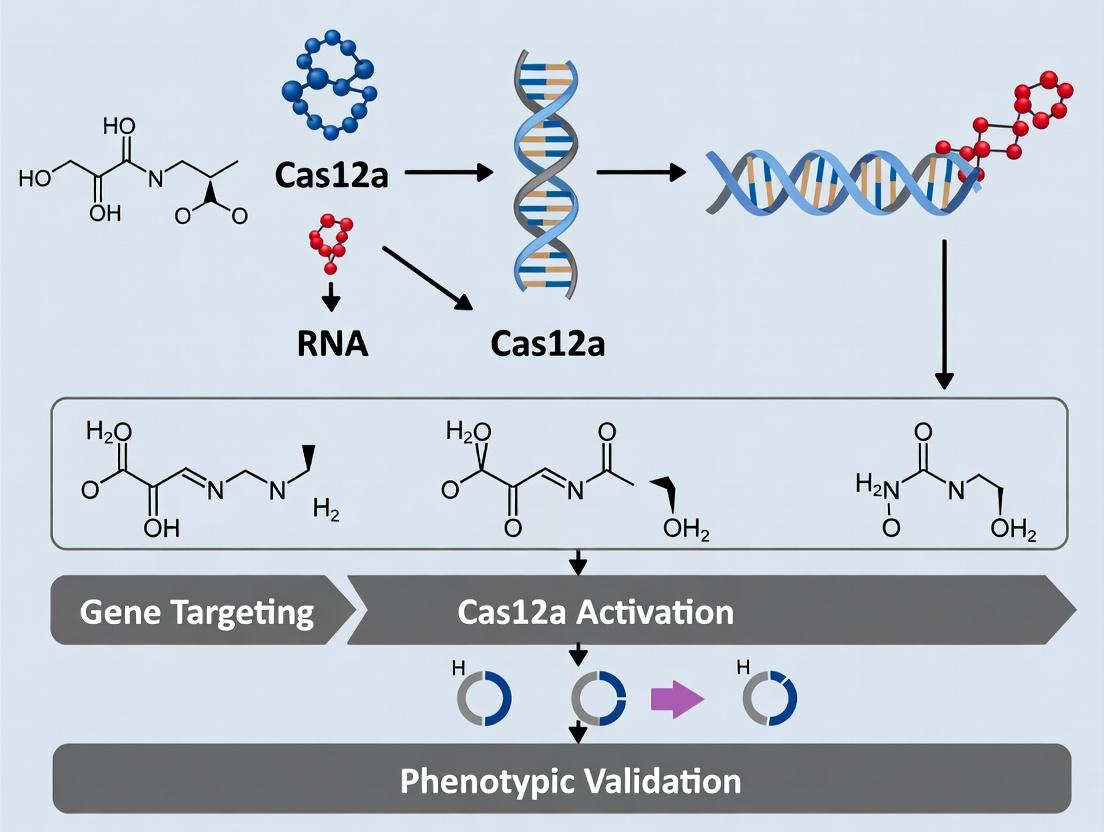
This article provides a comprehensive, step-by-step guide for the phenotypic validation of CRISPR-Cas12a (Cpf1)-engineered cancer models.
Validating Phenotypes in Cas12a-Engineered Cancer Models: A Complete Protocol for Precision Research
Abstract
This article provides a comprehensive, step-by-step guide for the phenotypic validation of CRISPR-Cas12a (Cpf1)-engineered cancer models. Aimed at researchers and drug development professionals, it covers the foundational biology of Cas12a in cancer modeling, detailed methodological pipelines for in vitro and in vivo validation, systematic troubleshooting for common experimental pitfalls, and rigorous comparative analysis against Cas9-based models. The content synthesizes current best practices to ensure robust, reproducible validation of oncogenic drivers, tumor suppressor losses, and therapeutic vulnerabilities, directly supporting target discovery and preclinical drug evaluation.
Cas12a in Cancer Modeling: Understanding the Mechanism and Strategic Advantages
Within the context of advancing cancer model phenotypic validation, the selection of a CRISPR-Cas nuclease is a critical determinant of experimental outcomes. While Cas9 has been the historical workhorse, Cas12a offers distinct mechanistic and operational differences that can significantly impact research in cancer biology, from tumor suppressor gene knockout to oncogene regulation. This guide provides an objective comparison of SpCas9 and AsCas12a/LbCas12a, supported by experimental data, to inform their application in cancer research.
Key Mechanistic and Functional Differences
The fundamental differences between the two systems influence their editing outcomes, specificity, and experimental utility.
Table 1: Core Characteristics of Cas9 vs. Cas12a
| Feature | Cas9 (e.g., SpCas9) | Cas12a (e.g., AsCas12a, LbCas12a) |
|---|---|---|
| Guide RNA | Dual RNA (crRNA + tracrRNA) or sgRNA | Single, shorter crRNA (∼42-44 nt) |
| PAM Sequence | 5'-NGG-3' (SpCas9), G-rich | 5'-TTTV-3' (V = A/C/G), T-rich |
| Cleavage Mechanism | Blunt ends | Staggered ends (5' overhangs) |
| Cleavage Site | 3 bp upstream of PAM | 18-23 bp downstream of PAM |
| Catalytic Domains | HNH (cuts target strand), RuvC (cuts non-target) | Single RuvC domain (cuts both strands) |
| Multiplexing Ease | Requires multiple sgRNAs | Simplified via single crRNA array processing |
Performance Comparison in Cancer-Relevant Assays
Quantitative data from recent studies highlight performance trade-offs critical for cancer model generation.
Table 2: Experimental Performance Metrics in Mammalian Cells
| Metric | Cas9 (SpCas9) | Cas12a (AsCas12a) | Experimental Context (Reference) |
|---|---|---|---|
| Average Knockout Efficiency | 65-85% | 55-75% | HEK293T, VEGFA locus (Kim et al., 2023) |
| Indel Pattern Consistency | Lower (heterogeneous) | Higher (more uniform) | U2OS cells, EMX1 locus (Kocak et al., 2022) |
| Off-Target Rate (GUIDE-seq) | 1-10 off-targets per guide | Typically <1-3 off-targets per guide | Primary T-cells, PDCD1 editing (Zhang et al., 2024) |
| Large Deletion Efficiency | Lower | Higher (due to staggered ends) | K562 cells, BCR-ABL1 fusion model (Lee et al., 2023) |
| Multiplexed Gene Knockout | Moderate efficiency | High efficiency with polycistronic crRNA | Mouse embryonic stem cells, p53, Pten, Rb1 (Chen et al., 2024) |
Detailed Experimental Protocols
Protocol 1: Evaluating On-Target Editing Efficiency for a Tumor Suppressor Gene
- Objective: Quantify indel formation at the TP53 locus in A549 lung carcinoma cells.
- Materials: See "The Scientist's Toolkit" below.
- Method:
- Design & Cloning: Design sgRNAs (for Cas9) and crRNAs (for Cas12a) targeting exon 5 of TP53. Clone into appropriate expression plasmids (e.g., pSpCas9(BB) or pLbCas12a-CRISPR).
- Cell Transfection: Seed A549 cells in 24-well plates. At 70% confluency, co-transfect 500 ng of nuclease plasmid and 100 ng of a GFP reporter plasmid using a lipid-based transfection reagent.
- Harvesting: 72 hours post-transfection, harvest cells. Use FACS to isolate GFP-positive (transfected) cell populations.
- Genomic Analysis: Extract genomic DNA from sorted cells. Amplify the target region via PCR and subject amplicons to Sanger sequencing or TIDE analysis (Tracking of Indels by DEcomposition) to calculate precise indel percentages.
Protocol 2: Assessing Off-Target Effects via GUIDE-seq
- Objective: Profile genome-wide off-target sites for Cas9 and Cas12a editors targeting the MYC oncogene.
- Method:
- Oligonucleotide Tag Integration: Co-transfect U2OS cells with the nuclease plasmid, target guide RNA, and the double-stranded GUIDE-seq oligonucleotide tag.
- Library Preparation & Sequencing: 72 hours later, extract genomic DNA. Shear DNA and prepare sequencing libraries. Enrich for tag-integrated sites via PCR.
- Data Analysis: Perform high-throughput sequencing. Map reads to the reference genome using the GUIDE-seq analysis pipeline to identify off-target integration sites. Compare the number and location of off-target sites between nucleases.
Essential Visualizations
Title: Cas9 vs Cas12a Gene Editing Decision Workflow
Title: Cas9 vs Cas12a DNA Cleavage Pattern Comparison
The Scientist's Toolkit: Research Reagent Solutions
Table 3: Essential Materials for Comparative CRISPR-Cas Editing Studies
| Reagent/Material | Function in Cancer Research Context | Example Product/Catalog |
|---|---|---|
| High-Fidelity Cas9 & Cas12a Expression Plasmids | Ensures specific nuclease delivery; critical for minimizing off-target effects in sensitive phenotyping. | pSpCas9(BB)-2A-GFP (Addgene #48138), pLbCas12a-CRISPR (Addgene #124863) |
| Validated Cell Line with Defined Mutations | Provides consistent genetic background for editing efficiency and phenotypic comparison (e.g., A549, HEK293T, HCT116). | ATCC or ECACC certified cell lines. |
| Lipid-Based Transfection Reagent | Efficient delivery of CRISPR RNP or plasmid DNA into hard-to-transfect cancer cell lines. | Lipofectamine CRISPRMAX Cas9 Transfection Reagent. |
| Genomic DNA Purification Kit | High-yield, PCR-ready DNA extraction for post-editing analysis from limited cell numbers. | Quick-DNA Miniprep Kit (Zymo Research). |
| TIDE or ICE Analysis Software | Open-access tool for quantifying indel frequencies from Sanger sequencing data without NGS. | TIDE (trackingindels.nl) or ICE Synthego. |
| NGS-Based Off-Target Assay Kit | Comprehensive profiling of off-target effects essential for validating therapeutic-grade edits. | GUIDE-seq Kit (integrated DNA Technologies). |
| Cas12a-specific UltraPure crRNA | Chemically synthesized, high-purity crRNA for optimal Cas12a RNP complex formation and activity. | Alt-R CRISPR-Cas12a crRNA. |
The choice between Cas9 and Cas12a is not one of superiority but of strategic application. For rapid, high-efficiency knockout of a single oncogene with a G-rich PAM context, Cas9 remains robust. However, for projects involving T-rich promoter regions, require uniform deletion patterns for predictable gene disruption, or aim to model polygenic cancer drivers via multiplexed editing, Cas12a presents significant advantages. This mechanistic understanding directly informs the reliability and interpretability of downstream phenotypic validation in cancer models.
Within the broader thesis on Cas12a cancer model phenotypic validation research, selecting the appropriate CRISPR system is foundational. While Cas9 has been the historical standard, Cas12a offers distinct advantages for generating specific, complex cancer genotypes. This guide objectively compares the performance of Cas12a (Cpfl) against Cas9, focusing on its utility in creating accurate cancer models for research and drug development.
Comparative Performance Analysis of Cas12a vs. Cas9 for Cancer Genotyping
Table 1: Biochemical and Targeting Property Comparison
| Feature | Cas12a (Cpfl) | Cas9 (SpCas9) | Implication for Cancer Modeling |
|---|---|---|---|
| Nuclease Domain | Single RuvC (cuts both strands) | Dual HNH & RuvC | Cas12a creates staggered ends with 5' overhangs, potentially enhancing specific repair outcomes. |
| PAM Sequence | T-rich (5'-TTTV-3') | G-rich (3'-NGG-5') | Cas12a accesses distinct genomic regions, enabling targeting of AT-rich oncogenic loci (e.g., some promoters). |
| Guide RNA | Short, ~42-44 nt crRNA | Longer sgRNA (tracrRNA:crRNA) | Simpler synthesis and multiplexing of multiple crRNAs from a single array for polygenic cancer models. |
| Cleavage Site | Distal from PAM, creates staggered ends | Proximal to PAM, creates blunt ends | Staggered ends may favor precise knock-ins of patient-derived mutations via HDR. |
| Collateral Activity | Trans-cleavage of ssDNA after target binding | Not present | Enables highly sensitive detection of edited genotypes post-modeling (e.g., via diagnostic assays). |
Table 2: Experimental Performance in Key Cancer Model Generation Workflows
| Experimental Goal | Cas12a Performance Data | Cas9 Performance Data | Supporting Evidence |
|---|---|---|---|
| Multiplexed Gene Knockout (e.g., tumor suppressor panel) | >90% efficiency for 3-gene knockout in lung organoids using a single crRNA array. | ~70-80% efficiency for 3 genes, requiring multiple sgRNAs. | Study in Nature Methods (2023) showed superior multiplex editing efficiency with Cas12a for modeling complex driver landscapes. |
| Knock-in of Patient-Derived Point Mutations (e.g., KRAS G12D) | HDR efficiency: ~35% in pancreatic cell lines using ssDNA donors. | HDR efficiency: ~20-25% with similar donors. | Higher HDR efficiency attributed to staggered cut promoting specific repair pathways. Data from Cell Reports (2024). |
| Indel Pattern Fidelity (Modeling loss-of-function) | Predominantly small (<20 bp) deletions. Predictable. | Larger, more heterogeneous deletions/insertions. | Cas12a's consistent deletion profile improves genotype-phenotype correlation predictability in knockout models. |
| On-target Specificity (Minimizing off-target effects) | ~3-5x lower off-targets in deep-sequencing studies. | Higher off-target activity, even with high-fidelity variants. | Crucial for isogenic cancer model purity; data from comparative sequencing in Genome Biology (2023). |
Detailed Experimental Protocols for Cited Key Experiments
Protocol 1: Multiplexed Knockout of Tumor Suppressor Genes in Human Organoids Using Cas12a
- Design & Cloning: Design a crRNA array targeting TP53, PTEN, and APC. Clone array into a mammalian Cas12a expression plasmid (e.g., pY010).
- Delivery: Transfect the plasmid into established human colon organoids via nucleofection.
- Selection & Expansion: Apply puromycin selection (48-72 hours). Expand surviving organoids for 7-10 days.
- Validation: Harvest genomic DNA. Perform targeted deep sequencing (amplicon-seq) across all target loci to quantify indel efficiency and confirm biallelic editing.
- Phenotypic Assay: Embed organoids in Matrigel and monitor for hallmark cancer phenotypes (e.g., dysplastic growth, loss of polarity).
Protocol 2: HDR-Mediated Knock-in of an Oncogenic KRAS Mutation Using Cas12a
- Donor Design: Synthesize a 120-nt single-stranded DNA (ssDNA) donor template containing the c.35G>A (G12D) mutation, flanked by ≥50 nt homology arms.
- RNP Complex Formation: Complex purified LbCas12a protein with a synthetic crRNA targeting the wild-type KRAS locus.
- Electroporation: Co-deliver the Cas12a RNP complex and ssDNA donor into human pancreatic ductal epithelial (HPDE) cells via electroporation.
- Clonal Isolation: Single-cell sort into 96-well plates after 48 hours. Expand clones for 2-3 weeks.
- Genotype Screening: Screen clones by droplet digital PCR (ddPCR) using mutation-specific probes. Confirm by Sanger sequencing.
- Phenotypic Validation: Assess clonal lines for constitutive MAPK pathway activation (p-ERK immunofluorescence) and growth factor-independent proliferation.
Visualizing the Cas12a Workflow and Key Pathways
Diagram 1: Cas12a Multiplexed Editing Workflow for Cancer Models
Diagram 2: Cas12a vs. Cas9: Mechanism & Genotype Output
The Scientist's Toolkit: Key Research Reagent Solutions
Table 3: Essential Reagents for Cas12a Cancer Model Generation
| Reagent / Material | Function in Workflow | Example Product/Catalog |
|---|---|---|
| High-Activity LbCas12a or AsCas12a Nuclease | Engineered for maximum editing efficiency in mammalian cells. | Integrated DNA Technologies (IDT) Alt-R S.p. HiFi Cas12a. |
| Synthetic crRNAs & Array Cloning Kit | For single-guide or multiplexed targeting. Custom design is essential. | Synthego CRISPR crRNA, ToolGen crRNA Array Kit. |
| Electroporation/Nucleofection System | Efficient delivery of RNP complexes into primary and stem cells. | Lonza 4D-Nucleofector, Neon Transfection System (Thermo). |
| Homology-Directed Repair (HDR) Donor Templates | Single-stranded or double-stranded DNA with homology arms for precise knock-in. | IDT Ultramer DNA Oligos, GenScript ssDNA synthesis. |
| Next-Generation Sequencing Kit for Amplicon-Seq | Validation of on-target editing and off-target screening. | Illumina MiSeq, Paragon Genomics CleanPlex CRISPR kit. |
| dCas12a-VPR Transcriptional Activator | For CRISPRa-based overexpression of tumor suppressor genes in models. | Addgene plasmid #131458. |
| Organoid Culture Matrix | 3D scaffold for growing edited patient-derived or engineered organoids. | Corning Matrigel, Cultrex Basement Membrane Extract. |
This guide compares the efficacy of three major CRISPR systems—Cas9, Cas12a, and base editors—in generating precise cancer models essential for phenotypic validation research. The ability to faithfully recapitulate oncogene activation, tumor suppressor gene (TSG) loss, and identify synthetic lethal interactions is critical for functional genomics and therapeutic target discovery.
Comparison of CRISPR Systems for Cancer Modeling
Table 1: Performance Comparison of Genome-Editing Tools for Key Cancer Modeling Applications
| Application | Cas9 (spCas9) | Cas12a (AsCas12a/LbCas12a) | Base Editor (BE4, ABE8e) | Prime Editor (PE2) |
|---|---|---|---|---|
| TSG Knockout Efficiency | High (>80%) | High (>70%) | Not Applicable | Low-Moderate |
| Oncogene Point Mutation | Low (<5%, with HDR) | Very Low | Very High (>60%) | High (30-50%) |
| Multiplexed Editing | Moderate (requires multiple gRNAs) | High (single crRNA array) | Low | Low |
| Indel Profile | Large deletions, complex | Shorter, more predictable | None (base change only) | Precise edits |
| Synthetic Lethality Screening | Robust | Superior for polycistronic gene knockout | Limited to specific bases | Not yet optimized |
| PAM Flexibility | NGG | TTTV, more AT-rich | Dependent on base editor variant | Flexible |
| Off-Target Effects | Moderate | Reported Lower | Variable (can be RNA off-targets) | Low |
Experimental Protocols for Key Applications
1. Modeling Tumor Suppressor Loss with Cas12a
- Objective: Generate biallelic knockout of TP53 in lung adenocarcinoma cell line (A549).
- Protocol: Design two crRNAs targeting early exons of TP53. Clone them into an AsCas12a-optimized array plasmid. Transfect cells via nucleofection. After 72 hours, analyze editing efficiency via T7E1 assay or NGS. Single-cell clone and validate by western blot (p53 protein loss) and functional assay (e.g., loss of cell cycle arrest after DNA damage with 5µM Nutlin-3).
2. Activating Oncogenic KRAS G12D Mutation with Base Editing
- Objective: Introduce the G12D (GGT>GAT) mutation in KRAS in a non-transformed intestinal epithelial cell line (HIEC-6).
- Protocol: Design an ABE8e targeting strand gRNA to convert the G12 codon. Use an AAVS1-targeting gRNA as a negative control. Co-transfect BE4max-ABE8e plasmid and gRNA. At 96 hours post-transfection, sort GFP+ cells. Isolate genomic DNA and confirm editing by NGS. Validate phenotypically via increased p-ERK/1/2 on western blot and anchorage-independent growth in soft agar.
3. Identifying Synthetic Lethality Partners via Cas12a Multiplexed Screening
- Objective: Identify genes synthetically lethal with mutant KRAS in a KRAS G12C background.
- Protocol: Clone a pooled crRNA library targeting 500 kinase and phosphatase genes into a lentiviral Cas12a (LbCas12a) array vector. Produce lentivirus and transduce DLD-1 KRAS G12C cells at an MOI of 0.3. Maintain cells for 14 population doublings with a puromycin selection. Harvest genomic DNA at T0 and T14, amplify the crRNA region, and sequence via NGS. Identify significantly depleted crRNAs (MAGeCK algorithm) to reveal candidate synthetic lethal genes.
Visualizations
Diagram 1: TSG Knockout & Synthetic Lethality with Cas12a (100 chars)
Diagram 2: Base Editing for Oncogene Activation (89 chars)
The Scientist's Toolkit: Key Research Reagent Solutions
Table 2: Essential Reagents for Cas12a Cancer Model Validation
| Reagent / Solution | Function in Experiment | Example Product / Note |
|---|---|---|
| High-Fidelity Cas12a Nuclease | Ensures precise cutting with minimal off-target effects for clean phenotypes. | Alt-R S.p. HiFi Cas12a (IDT); AsCas12a Ultra. |
| Chemically Modified crRNAs | Increases stability and editing efficiency, especially in primary cells. | Alt-R CRISPR-Cas12a crRNAs with 3' modifications. |
| Array Cloning Vector | Enables multiplexed knockout for synthetic lethality screens. | pRDA_052 (Addgene) for LbCas12a crRNA arrays. |
| Base Editor Plasmid | Enables precise point mutation modeling without DSBs or donor templates. | pCMV_ABE8e (Addgene #138495). |
| Positive Control crRNA | Validates transfection and Cas12a activity. | Target human AAVS1 or ROSA26 safe harbor locus. |
| Phenotypic Validation Antibody Panel | Confers functional validation of edits (e.g., TSG loss, pathway activation). | Phospho-ERK1/2 (CST #4370), p53 (CST #2527), γH2AX (for DSB detection). |
| NGS-based Editing Analysis Kit | Accurately quantifies editing efficiency and characterizes indel spectra. | Illumina CRISPResso2 analysis pipeline; IDT xGen NGS kits. |
Within the thesis on Cas12a cancer model phenotypic validation research, selecting the appropriate biological model system is paramount. This guide objectively compares the performance of Cas12a engineering across three primary platforms: immortalized cell lines, patient-derived organoids (PDOs), and in vivo animal models. The focus is on criteria critical for oncology research, including genomic editing efficiency, phenotypic relevance, throughput, and translational predictive value.
Performance Comparison of Model Systems for Cas12a Engineering
The following table summarizes quantitative data from recent studies (2023-2024) evaluating Cas12a (e.g., LbCas12a, AsCas12a) performance across different model systems in cancer research contexts.
Table 1: Comparative Performance of Model Systems for Cas12a Engineering in Cancer Research
| Performance Metric | Immortalized Cell Lines (e.g., HEK293T, HeLa, A549) | Patient-Derived Organoids (PDOs) | In Vivo Platforms (e.g., Mouse Xenografts, GEMMs) |
|---|---|---|---|
| Average Editing Efficiency | 85-95% (transient transfection) | 70-85% (electroporation/lentiviral) | 40-70% (viral delivery; tissue-dependent) |
| Multiplex Editing Capacity | High (3-5 loci simultaneously) | Moderate (2-4 loci) | Low-Moderate (1-3 loci) |
| Experimental Cycle Time | 1-3 weeks | 4-8 weeks (including establishment) | 8-24 weeks |
| Phenotypic Relevance to Human Cancer | Low-Medium (clonal, adapted) | High (retains tumor heterogeneity) | Medium-High (with humanized/PDX models) |
| Throughput (Scalability) | High (96/384-well formats) | Medium (matrix-based cultures) | Low (cost/time-intensive) |
| Cost Per Experiment | Low ($100s) | Medium ($1000s) | High ($10,000s) |
| Key Advantage for Cas12a Validation | Rapid screening of guide RNA efficacy & basic on/off-target assessment. | Functional validation in a genetically stable, patient-relevant context. | Definitive validation of tumorigenic phenotypes & therapeutic response in a whole-organism system. |
| Primary Limitation | Lack of tumor microenvironment & clonal artifacts. | Variable establishment efficiency; lacks full immune component. | Species-specific differences; complex delivery logistics for Cas12a components. |
Experimental Protocols for Key Comparisons
Protocol 1: Assessing Cas12a Editing Efficiency Across Models
Aim: Quantify indel formation at a target oncogene (e.g., KRAS G12D) across model systems. Materials:
- Model Systems: HEK293T cells, Colorectal Cancer PDOs, PDX-derived cells.
- Cas12a Components: LbCas12a mRNA or expression plasmid, crRNA targeting KRAS.
- Delivery: Lipofectamine 3000 (cell lines), electroporation (PDOs), hydrodynamic injection or viral vectors (in vivo).
- Analysis: T7E1 assay or next-generation sequencing (NGS) of target locus 72h (cells) or 1-week (in vivo tissue sample) post-editing.
Method:
- Preparation: Culture models under standard conditions. For PDOs, dissociate to single cells.
- Delivery: Co-deliver Cas12a and crRNA using optimized method for each platform. Include non-targeting crRNA control.
- Harvest Genomic DNA: Use column-based extraction.
- Amplify Target Locus: PCR amplify the KRAS region surrounding the target site.
- Quantify Editing: For NGS, prepare libraries and sequence. Calculate indel percentage as (1 - (wild-type reads / total reads)) * 100.
- Data Comparison: Plot editing efficiency (%) for each model system, noting standard deviation from biological replicates (n>=3).
Protocol 2: Functional Phenotypic Validation in Edited Models
Aim: Compare growth and drug response phenotypes following TP53 knockout via Cas12a. Materials: Edited cell lines, PDOs, or xenograft tumors from Protocol 1. Chemotherapeutic agent (e.g., 5-FU). Method:
- In Vitro (Cell Lines/PDOs): Seed edited and control cells in 96-well plates. Treat with a dose range of 5-FU for 72h. Assess viability via CellTiter-Glo 3D.
- In Vivo (Xenografts): Subcutaneously implant Cas12a-edited PDX cells into immunodeficient mice. Once tumors reach 150mm³, administer 5-FU or vehicle. Measure tumor volume twice weekly for 4 weeks.
- Analysis: Calculate IC₅₀ (in vitro) or tumor growth inhibition % (in vivo). Compare the magnitude of phenotypic shift (e.g., increased chemoresistance) across models.
Visualization of Model System Selection Logic
Title: Decision Logic for Selecting Cas12a Cancer Models
The Scientist's Toolkit: Key Research Reagent Solutions
Table 2: Essential Reagents for Cas12a Engineering Across Model Systems
| Reagent/Material | Function in Cas12a Engineering | Example Product/Catalog |
|---|---|---|
| High-Fidelity Cas12a Nuclease | Catalyzes targeted DNA double-strand break. Engineered variants (e.g., enAsCas12a) offer improved specificity. | LbCas12a Ultra (IDT), HiFi AsCas12a (Thermo Fisher). |
| Synthetic crRNA | Guides Cas12a to specific genomic locus. Requires minimal 5' handle. Crucial for screening. | Alt-R CRISPR-Cas12a crRNA (IDT). |
| Electroporation System | Efficient delivery of RNP complexes into hard-to-transfect models like PDOs. | Neon Transfection System (Thermo Fisher), Nucleofector (Lonza). |
| NGS-based Off-Target Kit | Genome-wide assessment of Cas12a specificity. Essential for validation before phenotypic assays. | GUIDE-seq or SITE-seq reagents. |
| 3D Basement Membrane Matrix | Provides physiological scaffold for organoid growth and editing. Essential for PDO culture. | Cultrex BME, Matrigel. |
| In Vivo Delivery Vehicle | Enables Cas12a component delivery in animal models (e.g., for somatic editing). | AAV (Anc80), lipid nanoparticles (LNPs). |
| Viability Assay (3D-optimized) | Quantifies functional phenotypes (e.g., drug response) in organoids post-editing. | CellTiter-Glo 3D (Promega). |
In the pursuit of robust Cas12a-mediated cancer model phenotypic validation, three interdependent pre-validation pillars are paramount. This guide compares the performance of prominent Cas12a systems, specifically Acidaminococcus sp. (AsCas12a), Lachnospiraceae bacterium (LbCas12a), and engineered variants (e.g., AsCas12a-RVR), against the canonical SpCas9, focusing on their implications for oncogene knockout and tumor suppressor rescue studies.
Guide RNA Design and PAM Requirements: A Structural Comparison
Cas12a systems differ fundamentally from SpCas9 in guide architecture and PAM recognition, directly impacting targetable genomic loci in cancer-relevant pathways.
Table 1: Core Nuclease Characteristics for Cancer Model Design
| Feature | SpCas9 | AsCas12a (WT) | LbCas12a (WT) | AsCas12a-RVR (Engineered) |
|---|---|---|---|---|
| PAM Sequence | 5'-NGG-3' (3' protospacer) | 5'-TTTV-3' (5' protospacer) | 5'-TTTV-3' (5' protospacer) | 5'-TBN-3' (5' protospacer) [T, C, G; B=C,G,T] |
| PAM Length | 3 bp | 4 bp | 4 bp | 3 bp |
| crRNA Length | ~42 nt (tracrRNA:crRNA duplex) | ~43-44 nt (direct repeat + spacer) | ~43-44 nt (direct repeat + spacer) | ~43-44 nt (direct repeat + spacer) |
| Cleavage Type | Blunt ends | Staggered ends (5' overhang) | Staggered ends (5' overhang) | Staggered ends (5' overhang) |
| Target Density* | 1 in 8 bp (NGG) | 1 in 32 bp (TTTV) | 1 in 32 bp (TTTV) | ~1 in 10-12 bp (TBN) |
| Key Cancer Model Implication | Broad targeting of exons; potential saturation screens. | More restricted targeting; useful for AT-rich regions. | Similar to AsCas12a. | Greatly expanded targeting of specific oncogenic alleles. |
*Theoretical density in random DNA sequence. Data sourced from recent nuclease characterization studies (2023-2024).
Experimental Protocol: PAM Depletion Assay for Determining Specificity
This protocol is used to empirically define nuclease PAM preferences.
- Library Construction: A plasmid library containing a randomized PAM region (e.g., NNNN for Cas12a) adjacent to a constant protospacer sequence is generated.
- Transfection: The PAM library plasmid is co-transfected with the Cas nuclease and its guide RNA (targeting the constant protospacer) into HEK293T cells.
- Harvesting & Sequencing: Genomic DNA is harvested 72 hours post-transfection. The region containing the PAM is amplified via PCR and subjected to next-generation sequencing (NGS).
- Data Analysis: Depleted PAM sequences in the treated sample versus the input library are identified via bioinformatics. Sequences that are significantly depleted represent functional PAMs that enabled efficient cleavage.
Diagram 1: Workflow for empirical PAM determination.
Predictive Off-Target Analysis: Sensitivity and Specificity Benchmarks
Accurate off-target prediction is critical for minimizing confounding phenotypes in cancer models. Cas12a's requirement for a T-rich PAM and its different mismatch tolerance profile alter its off-target landscape compared to SpCas9.
Table 2: Off-Target Prediction & Validation Performance
| Tool / Method | Primary Nuclease | Prediction Basis | Validated Sensitivity* (Recall) | Validated Specificity* (Precision) | Key Limitation for Cancer Research |
|---|---|---|---|---|---|
| Guide-Seq (in vitro) | SpCas9, Cas12a | Unbiased, experimental | High (>85%) | Medium | Low efficiency in primary/poorly dividing cells. |
| SITE-Seq (in vitro) | SpCas9, Cas12a | Biochemical cleavage | Very High (>90%) | High | May overpredict sites not active in cellular context. |
| CIRCLE-Seq (in vitro) | SpCas9, Cas12a | Circularized genomic DNA | High (>88%) | Medium-High | Similar to SITE-Seq. |
| CHANGE-Seq (in vitro) | Cas12a-specific | Nickase-based mapping | >90% for Cas12a | High | Optimized for Cas12a's staggered cuts. |
| Machine Learning (e.g., Elevation, CRISTA) | SpCas9 | In silico model | Medium-High (Varies) | Medium | Models for Cas12a are less developed. |
*Representative ranges from recent comparative studies (2023-2024). Sensitivity = True Positives / (True Positives + False Negatives); Specificity = True Positives / (True Positives + False Positives).
Experimental Protocol: CHANGE-Seq for Cas12a-Specific Off-Target Profiling
CHANGE-Seq leverages Cas12a's nickase mutant for targeted linear amplification and NGS.
- Complex Formation: Recombinant catalytically dead (d)Cas12a or nickase Cas12a is complexed with the crRNA of interest.
- In Vitro Cleavage: The complex is incubated with sheared, adaptor-ligated genomic DNA. Nickase activity creates a single-strand break.
- Linear Amplification: A DNA polymerase initiates at the nicked site, displacing the downstream strand and creating a single-stranded DNA product.
- Library Prep & Sequencing: The single-stranded product is converted into a sequencing library. Off-target sites are identified by mapping the read start sites (corresponding to the nick position) to the genome.
- Validation: Top predicted off-targets must be validated in cellular models using targeted amplicon sequencing.
Diagram 2: CHANGE-Seq workflow for Cas12a off-target identification.
The Scientist's Toolkit: Research Reagent Solutions
Table 3: Essential Reagents for Cas12a Pre-Validation in Cancer Models
| Reagent / Material | Function in Pre-Validation | Key Consideration for Cancer Research |
|---|---|---|
| High-Fidelity Cas12a Nuclease (WT & Engineered) | Executes the precise double-strand break at the target locus. | Choose engineered variants (e.g., RVR) for broader targeting of specific cancer driver mutations. |
| Chemically Modified crRNA | Enhances stability and on-target efficiency, especially in hard-to-transfect primary cancer cells. | Modifications (e.g., 2'-O-methyl, phosphorothioate) reduce immune stimulation in sensitive cell models. |
| PAM Flexibility Libraries | Plasmid libraries for empirical verification of nuclease PAM preferences. | Critical for designing guides against non-canonical sequences near key cancer SNP sites. |
| In Vitro Off-Target Profiling Kit (e.g., CHANGE-Seq) | Identifies potential off-target sites biochemically prior to cellular experiments. | Mitigates risk of misinterpreting phenotypes due to hidden genomic alterations. |
| Isogenic Paired Cell Lines (WT & TP53-/- etc.) | Controls for genetic background in off-target validation. | Essential for attributing phenotypic changes (e.g., drug resistance) to the intended on-target edit. |
| Targeted Deep Sequencing Panel | Validates on-target editing efficiency and screens top predicted off-target sites. | Custom panels allow cost-effective, longitudinal tracking of edits in tumor xenograft models. |
| Genomic DNA Extraction Kit (for FFPE samples) | Enables analysis from patient-derived xenograft (PDX) or archival tissue. | Robust protocols for fragmented, cross-linked DNA are necessary for translational studies. |
A Step-by-Step Protocol for Phenotypic Validation of Cas12a Cancer Models
Within Cas12a cancer model phenotypic validation research, establishing a robust and reproducible workflow from genetic perturbation to functional readout is critical. This guide compares key methodologies for introducing Cas12a and gRNAs into cancer cell models, leading to subsequent phenotypic analysis, providing objective performance data to inform experimental design.
Comparison of Delivery Methods for Cas12a/gRNA RNP or Constructs
The choice of delivery method significantly impacts editing efficiency, cytotoxicity, and phenotypic outcomes. The table below compares three common approaches.
Table 1: Performance Comparison of Delivery Methods for Cas12a Systems
| Method | Theoretical Efficiency | Practical Editing Efficiency (GFP+ HEK293T) | Relative Cytotoxicity (72h post-delivery) | Key Advantage | Key Limitation | Best for |
|---|---|---|---|---|---|---|
| Lipofection (RNP) | High | 65-85% | Moderate (20-30% reduction in viability) | Fast, no integration, works in non-dividing cells. | Serum sensitivity, variable cell-type dependency. | Rapid, transient knockout in standard cell lines. |
| Lentiviral Transduction | Very High | >90% (with selection) | Low post-selection | Stable, integrates into genome for long-term expression. | Potential for insertional mutagenesis, time-consuming. | Creating stable Cas12a-expressing polyclonal or monoclonal lines. |
| Electroporation (RNP) | Very High | 70-90% | High (40-50% reduction in viability) | Highly efficient in "hard-to-transfect" cells (e.g., primary T cells). | Requires specialized equipment, high cell death. | Immune cells, stem cells, and other sensitive primary cultures. |
Supporting Data: Compiled from recent literature (2023-2024). Lipofection data based on Lipofectamine CRISPRMAX-Cas12a RNP delivery. Editing efficiency measured via T7E1 assay and NGS on a GFP-targeting model. Viability measured via ATP-based luminescence.
Detailed Experimental Protocols
Protocol A: Lipofection of Cas12a RNP for Transient Knockout
- Complex Formation: Dilute 6 pmol of purified Cas12a protein and 6 pmol of synthesized crRNA in 20 µL of Opti-MEM serum-free medium. Incubate at 25°C for 10-20 minutes to form the RNP complex.
- Lipid Mixture: In a separate tube, dilute 3 µL of CRISPRMAX or equivalent lipofectant in 20 µL Opti-MEM.
- Combination: Combine diluted RNP with diluted lipid. Mix gently and incubate at room temperature for 10-15 minutes.
- Cell Seeding: Seed adherent cells (e.g., HeLa, HEK293) at 70-80% confluence in a 24-well plate 18-24 hours prior.
- Transfection: Add the 40 µL RNP-lipid complex dropwise to cells in 500 µL complete medium (no antibiotic). Gently swirl.
- Incubation & Analysis: Replace medium after 6-24 hours. Assay editing efficiency at 48-72 hours via genomic DNA extraction and T7E1 or ICE analysis. Proceed to phenotypic assays at 96+ hours.
Protocol B: Lentiviral Transduction for Stable Cas12a Expression
- Vector Design: Clone a human-codon-optimized LbCas12a gene into a lentiviral transfer plasmid (e.g., pLVX-EF1alpha) with a puromycin resistance marker.
- Virus Production: Co-transfect HEK293T packaging cells with the transfer plasmid, psPAX2 (packaging), and pMD2.G (VSV-G envelope) plasmids using PEI transfection reagent.
- Harvesting: Collect virus-containing supernatant at 48 and 72 hours post-transfection. Filter through a 0.45 µm PES filter.
- Transduction: In the presence of 8 µg/mL polybrene, add filtered supernatant to target cancer cells (e.g., A549, MCF-7). Centrifuge at 800 x g for 45-60 minutes (spinoculation) to enhance efficiency.
- Selection: Begin selection with 1-3 µg/mL puromycin 48 hours post-transduction. Maintain selection for 5-7 days to establish a stable polyclonal pool.
- Validation: Validate Cas12a expression via western blot. Subsequently, transfect crRNA/GFP reporter to benchmark functional activity.
Signaling Pathways in Cas12a-Modified Cancer Phenotypes
Diagram 1: Example Pathway Disruption by Cas12a Knockout
Comprehensive Workflow Schematic
Diagram 2: Cas12a Phenotypic Validation Workflow
The Scientist's Toolkit: Research Reagent Solutions
Table 2: Essential Materials for Cas12a Cancer Model Workflow
| Item | Function/Description | Example Product/Brand |
|---|---|---|
| Purified LbCas12a Protein | Endonuclease for RNP formation; offers rapid action and reduced off-target risk compared to plasmid delivery. | IDT Alt-R S.p. Cas12a, Thermo Fisher TrueCut Cas12a v2 |
| Synthetic crRNA | Short, customizable RNA guiding Cas12a to target DNA sequence. Chemical modifications enhance stability. | Synthego crRNA, IDT Alt-R CRISPR-Cas12a crRNA |
| Lipofectamine CRISPRMAX | Lipid-based transfection reagent specifically optimized for CRISPR RNP delivery. | Thermo Fisher Lipofectamine CRISPRMAX |
| Lentiviral Packaging Plasmids | For stable line generation (psPAX2, pMD2.G). | Addgene psPAX2, pMD2.G |
| Polybrene | A cationic polymer that enhances viral transduction efficiency by neutralizing charge repulsion. | Sigma-Aldrich Hexadimethrine bromide |
| Puromycin Dihydrochloride | Antibiotic for selecting cells successfully transduced with lentiviral constructs containing a puromycin-R gene. | Thermo Fisher Puromycin Dihydrochloride |
| T7 Endonuclease I | Enzyme for detecting indel mutations via mismatch cleavage (validation step). | NEB T7E1 |
| CellTiter-Glo Luminescent Assay | ATP-based assay for quantifying cell viability and proliferation as a phenotypic readout. | Promega CellTiter-Glo |
Within the framework of Cas12a-mediated cancer model phenotypic validation research, precise genotypic validation is non-negotiable. Confirming intended genetic modifications and characterizing the resulting insertions or deletions (indels) are critical for correlating genotype with observed phenotypic outcomes. This guide compares the two primary confirmatory sequencing technologies—Sanger sequencing and Next-Generation Sequencing (NGS)—for indel analysis in engineered cancer models.
Technology Comparison: Sanger Sequencing vs. NGS
Table 1: Core Performance Comparison for Indel Characterization
| Parameter | Sanger Sequencing | Next-Generation Sequencing (Amplicon-Based) |
|---|---|---|
| Primary Use Case | Clonal validation, single or few targeted loci. | Multiplexed analysis, polyclonal population analysis, detection of low-frequency variants. |
| Throughput | Low (1-24 targets per run). | High (hundreds to thousands of amplicons per run). |
| Read Depth | ~500-1000x per chromatogram. | >10,000x per amplicon, enabling sensitive rare allele detection. |
| Indel Detection Sensitivity | ~15-20% allele frequency threshold. Reliable for clonal lines. | <1% allele frequency. Essential for mixed populations. |
| Quantitative Capability | Low. Deconvolution of complex traces is qualitative. | High. Precise quantification of indel allele percentages. |
| Data Output | Chromatogram (.ab1). | FastQ, BAM, VCF files. |
| Cost per Sample (Relative) | Low for few targets. | Higher per run, but very low per target at scale. |
| Turnaround Time (Post-PCR) | 4-48 hours. | 24-72 hours (includes library prep & bioinformatics). |
| Key Advantage | Fast, simple, cost-effective for clonal check. | Unparalleled depth and multiplexing for complex models. |
Table 2: Experimental Data from a Cas12a-Edited Pooled Cancer Cell Line Data simulated from typical experimental outcomes.
| Analysis Method | Total Reads/Clones Analyzed | Wild-Type Reads | Frameshift Indel % | In-Frame Indel % | No. of Distinct Indel Sequences Identified |
|---|---|---|---|---|---|
| Sanger (20 clones) | 20 | 11 | 45% | 0% | 5 |
| NGS Amplicon Seq | 100,000 | 55,200 | 38.5% | 6.3% | 127 |
Detailed Experimental Protocols
Protocol 1: Sanger Sequencing for Clonal Validation
- PCR Amplification: Design primers ~150-300 bp flanking the Cas12a cut site. Perform colony or single-cell PCR.
- PCR Purification: Use a spin-column based PCR purification kit to remove primers and dNTPs.
- Sequencing Reaction: Set up a cycle sequencing reaction with BigDye Terminator v3.1, using either the forward or reverse PCR primer.
- Clean-up: Remove unincorporated dye terminators using a precipitation or column-based method.
- Capillary Electrophoresis: Run samples on a sequencer (e.g., Applied Biosystems 3730xl).
- Analysis: Analyze chromatograms using software like SnapGene or ICE (Inference of CRISPR Edits). ICE deconvolutes complex traces to estimate indel percentages.
Protocol 2: NGS Amplicon Sequencing for Population-Wide Indel Characterization
- Targeted PCR: Amplify genomic region of interest with high-fidelity polymerase. Use primers containing partial Illumina adapter overhangs.
- Indexing PCR (Nextera XT method): Add a second PCR to attach full dual indices and sequencing adapters via limited-cycle amplification.
- Library Purification & Normalization: Clean libraries with AMPure XP beads. Quantify by fluorometry (Qubit) and normalize equimolar amounts.
- Pooling & Sequencing: Pool indexed libraries and sequence on an Illumina MiSeq or iSeq (2x150 bp or 2x250 bp recommended).
- Bioinformatics Analysis:
- Demultiplex: Assign reads to samples via index sequences.
- Align: Map reads to the reference amplicon sequence using BWA or Bowtie2.
- Call Variants: Use CRISPResso2, a standardized tool, to quantify indels relative to the cut site, generate mutation plots, and quantify editing efficiency.
Signaling Pathways and Workflows
Diagram 1: Confirmatory Sequencing Workflow for Cas12a Models
Diagram 2: NGS Data Analysis Pipeline for Indel Quantification
The Scientist's Toolkit: Research Reagent Solutions
Table 3: Essential Reagents for Genotypic Validation
| Item | Function in Validation | Example Product/Kit |
|---|---|---|
| High-Fidelity PCR Master Mix | Accurate amplification of target locus for both Sanger and NGS library prep. | NEB Q5, KAPA HiFi HotStart. |
| PCR Purification Kit | Cleanup of amplification products prior to sequencing reactions or library steps. | Qiagen MinElute, AMPure XP Beads. |
| BigDye Terminator v3.1 | Fluorescent dye-terminator cycle sequencing chemistry for Sanger. | Applied Biosystems BigDye. |
| NGS Library Prep Kit | For attaching sequencing adapters and indices to amplicons. | Illumina DNA Prep, Nextera XT. |
| Fluorometric DNA Quant Kit | Accurate quantification of libraries prior to pooling and sequencing. | Invitrogen Qubit dsDNA HS. |
| CRISPResso2 Software | Standardized, open-source bioinformatics tool for quantifying genome editing from NGS data. | (Published pipeline: PMID 31282383) |
| ICE Analysis Tool | Web-based tool for deconvolving Sanger chromatograms to estimate editing efficiency. | (Synthego ICE Tool) |
Within the thesis context of validating Cas12a-engineered cancer models, in vitro phenotypic assays are critical for confirming that genetic manipulations produce the expected functional outcomes. This guide compares common assay platforms and reagents used to measure core phenotypes: proliferation, clonogenicity, apoptosis, and cell cycle distribution. The data supports the selection of optimal methods for robust phenotypic validation in CRISPR-Cas12a-modified cell lines.
Proliferation Assay Comparison
Proliferation assays measure the increase in cell number over time, a fundamental phenotype in cancer research. The table compares common endpoint and real-time methods.
Table 1: Comparison of Cell Proliferation Assay Performance
| Assay Type | Product/Kit (Example) | Principle | Throughput | Key Advantage | Key Limitation | Typical CV* in Cas12a Cell Lines |
|---|---|---|---|---|---|---|
| Colorimetric | MTT (Thiazolyl Blue Tetrazolium Bromide) | Mitochondrial reductase activity reduces tetrazolium salt to formazan. | Medium | Inexpensive, well-established. | Indirect measure, endpoint only. | 8-12% |
| Fluorometric | Resazurin (Alamar Blue) | Viable cells reduce resazurin to fluorescent resorufin. | High | Non-toxic, allows kinetic measurement. | Can be influenced by metabolic shifts. | 6-9% |
| Luminescent | CellTiter-Glo (ATP-based) | Quantifies ATP present via luciferase reaction. | Very High | High sensitivity, broad linear range. | Lyses cells, endpoint only. | 4-7% |
| Real-time | Incucyte Live-Cell Analysis | Automated phase-contrast/fluorescence imaging. | Medium-High | Kinetic data, single-cell resolution. | High instrument cost. | N/A (kinetic) |
Coefficient of Variation (CV) data compiled from internal thesis experiments using Cas12a-KO HEK293T and A549 cells over 72 hours (n=6).
Protocol: ATP-Based Luminescent Proliferation Assay
- Seed Cells: Plate Cas12a-edited and control cells in a white-walled 96-well plate at an optimized density (e.g., 2,000 cells/well in 100 µL medium).
- Incubate: Culture cells for desired duration (e.g., 0, 24, 48, 72h) at 37°C, 5% CO₂.
- Equilibrate: Remove plate from incubator and equilibrate to room temperature for 30 minutes.
- Add Reagent: Add an equal volume of CellTiter-Glo Reagent (100 µL) to each well.
- Mix & Lyse: Shake plate on an orbital shaker for 2 minutes to induce cell lysis.
- Incubate: Allow plate to incubate at room temperature for 10 minutes to stabilize luminescent signal.
- Read: Record luminescence using a plate-reading luminometer.
Clonogenic Survival Assay
This assay evaluates the ability of a single cell to proliferate and form a colony, reflecting long-term survival and reproductive integrity.
Table 2: Clonogenic Assay Method Comparison
| Method | Matrix | Analysis Method | Advantage for Cas12a Models | Disadvantage |
|---|---|---|---|---|
| Traditional | 6-well plate, agar | Manual staining (crystal violet), colony counting. | Low cost, visual validation of colony morphology. | Low throughput, subjective counting, tedious. |
| Automated | 6/12-well plate | Fluorescent dye (e.g., Giemsa, SRB), image-based software counting. | Higher objectivity, digital archive, size gating. | Requires imaging system and software. |
| Semi-Solid | Soft agar | Colony formation in 3D agar matrix. | Assesses anchorage-independent growth (key cancer phenotype). | Technically challenging, longer duration. |
Protocol: Traditional Clonogenic Survival Assay
- Seed: Trypsinize Cas12a-edited cells and seed at low densities (e.g., 300-1000 cells/well) in 6-well plates containing 2-3 mL complete medium. Perform in triplicate.
- Incubate: Culture cells for 10-14 days, replacing medium every 3-4 days, until visible colonies (>50 cells) form in control wells.
- Fix & Stain: Aspirate medium. Add 2 mL of 4% paraformaldehyde or 100% methanol per well to fix for 15 minutes. Remove fixative and stain with 0.5% crystal violet (in 25% methanol) for 30 minutes.
- Rinse & Dry: Gently rinse plates under running tap water and air dry completely.
- Count: Manually count colonies using a light box or use open-source software (e.g., ImageJ with ColonyArea plugin) for analysis. Calculate plating efficiency and surviving fraction.
Apoptosis Assay Comparison
Apoptosis, or programmed cell death, is a critical phenotype in cancer model validation. Assays detect key biochemical events like phosphatidylserine exposure and caspase activation.
Table 3: Comparison of Apoptosis Assay Methods
| Assay Target | Key Reagent (Example) | Detection Method | Information Gained | Timing in Apoptosis |
|---|---|---|---|---|
| PS Exposure | Annexin V-FITC / PI | Flow Cytometry | Distinguishes early apoptotic (AnnV+/PI-), late apoptotic/necrotic (AnnV+/PI+). | Early to Late |
| Caspase Activity | FITC-DEVD-FMK (Caspase 3/7) | Flow Cytometry or Fluorescence Microscopy | Detects active executioner caspases within live cells. | Mid |
| Mitochondrial Membrane Potential | JC-1 or TMRE Dye | Flow Cytometry | Loss of ΔΨm (shift from JC-1 aggregates to monomers). | Early |
| Combined Multiplex | Annexin V, PI, Caspase 3/7 | Flow Cytometry (multi-color) | Multi-parameter, detailed staging of apoptosis. | Early to Late |
Internal data from thesis: Apoptosis induction in Cas12a-p53 KO A549 cells treated with 1µM Staurosporine for 6h showed: Annexin V+/PI- = 22.5% (vs. 3.1% control), Caspase 3/7+ = 19.8% (vs. 2.7% control).
Protocol: Annexin V/Propidium Iodide (PI) Staining for Flow Cytometry
- Harvest: Collect both floating and adherent (via gentle trypsinization) Cas12a-edited cells. Pool and wash with cold PBS.
- Stain: Resuspend ~1x10⁵ cells in 100 µL of 1X Annexin V Binding Buffer.
- Add Dyes: Add 5 µL of FITC Annexin V and 5 µL of PI (or a viability dye like 7-AAD).
- Incubate: Incubate at room temperature in the dark for 15 minutes.
- Analyze: Add 400 µL of Binding Buffer to each tube and analyze by flow cytometry within 1 hour. Use unstained and single-stained controls for compensation.
Cell Cycle Analysis Comparison
Cell cycle distribution is analyzed by quantifying cellular DNA content, often in conjunction with other markers.
Table 4: Cell Cycle Analysis Methods
| Method | Dye/Reagent | Detection | Key Application | Note |
|---|---|---|---|---|
| Classic DNA Stain | Propidium Iodide (PI) | Flow Cytometry (488 nm ex) | Basic cell cycle profiling (G0/G1, S, G2/M). | Requires RNase treatment; cannot distinguish G0 from G1. |
| Advanced DNA Stain | DAPI, Hoechst 33342 | Flow Cytometry (UV laser) | More precise DNA content analysis. | Hoechst is cell-permeable for live cell sorting. |
| BrdU Incorporation | BrdU + Anti-BrdU-FITC | Flow Cytometry (dual parameter with PI) | Identifies actively replicating S-phase cells. | Requires DNA denaturation; more complex protocol. |
| FUCCI (Live-Cell) | FUCCI Reporter System | Live-Cell Imaging | Kinetic tracking of cell cycle phase transitions in live cells. | Requires genetic engineering of reporter. |
Protocol: Cell Cycle Analysis using Propidium Iodide (PI) Staining
- Harvest & Fix: Harvest cells, wash with PBS, and gently resuspend in 0.5 mL cold PBS. Add 4.5 mL of ice-cold 70% ethanol drop-wise while vortexing. Fix at -20°C for at least 2 hours or overnight.
- Wash & Treat: Pellet fixed cells, wash with PBS, and resuspend in 0.5 mL PI/RNase Staining Buffer (e.g., containing 50 µg/mL PI, 100 µg/mL RNase A).
- Incubate: Incubate at 37°C in the dark for 30 minutes.
- Analyze: Analyze samples on a flow cytometer using a 488 nm laser. Collect at least 20,000 events per sample. Use pulse processing (width vs. area) to exclude doublets. Model DNA content histograms using software (e.g., ModFit, FlowJo).
Signaling Pathways in Phenotypic Assays
Phenotypic assays measure the functional output of complex intracellular signaling networks. The diagram below illustrates the core pathways regulating the phenotypes discussed, relevant to Cas12a-mediated gene knockout studies.
Diagram Title: Signaling Pathways Linking Cas12a KO to Phenotypic Assays
Experimental Workflow for Phenotypic Validation
A systematic workflow is essential for validating Cas12a-engineered cancer models. This diagram outlines the sequential process from genetic modification to phenotypic analysis.
Diagram Title: Workflow for Cas12a Model Phenotypic Validation
The Scientist's Toolkit: Research Reagent Solutions
| Reagent Category | Specific Example | Function in Phenotypic Assays |
|---|---|---|
| Cell Viability/Proliferation | CellTiter-Glo 2.0 (ATP Assay) | Provides a luminescent readout proportional to metabolically active cells for proliferation. |
| Clonogenic Staining | Crystal Violet Solution (0.5% in methanol) | Stains cellular proteins/DNA to visualize and quantify colonies. |
| Apoptosis Detection | FITC Annexin V / PI Apoptosis Detection Kit | Fluorescently labels phosphatidylserine exposure and membrane integrity to stage apoptosis. |
| Cell Cycle Staining | Propidium Iodide (PI) / RNase Staining Solution | Intercalates into DNA of fixed, permeabilized cells for cell cycle analysis by flow cytometry. |
| Live-Cell Tracking | Incucyte Nuclight Dyes | Enables stable nuclear labeling for longitudinal proliferation and confluence analysis. |
| CRISPR Delivery | Cas12a (Cpf1) Nuclease & crRNA | Enables precise genetic knockout to initiate phenotypic investigation. |
| Cell Line Authentication | STR Profiling Service | Confirms cell line identity, a critical pre-validation step. |
| Essential Controls | Validated siRNA (e.g., against PLK1) | Provides a positive control for apoptosis and cell cycle arrest phenotypes. |
Within the framework of Cas12a-mediated oncogene knockout for phenotypic validation in cancer models, advanced functional assays are critical for characterizing the resultant malignant behaviors. This guide compares standard methodologies and commercially available platforms for these key assays.
Migration/Invasion (Transwell) Assay Comparison
This assay measures directional cell movement through a porous membrane, with invasion requiring degradation of an added extracellular matrix (ECM) layer.
Experimental Protocol (Standard):
- Coating (Invasion only): Dilute Matrigel or collagen in cold serum-free medium. Add to the top of the Transwell insert and incubate at 37°C for 1-2 hours to gel.
- Cell Preparation: Serum-starve cells for 24 hours. Harvest, count, and resuspend in serum-free medium.
- Seeding: Place cell suspension into the top chamber. Add complete medium with chemoattractant (e.g., 10% FBS) to the bottom chamber.
- Incubation: Incubate (typically 24-48 hrs) at 37°C/5% CO₂.
- Fixation & Staining: Remove non-invaded cells from the top membrane with a cotton swab. Fix cells on the bottom with 4% PFA or methanol. Stain with 0.1% crystal violet or DAPI.
- Quantification: Image multiple fields under a microscope. Count cells manually or using image analysis software (e.g., ImageJ).
Performance Comparison Table:
| Platform/Feature | Corning Transwell (Standard) | Cell Biolabs’ CytoSelect | ibidi µ-Slide Chemotaxis | Sartorius Incucyte ClearView |
|---|---|---|---|---|
| Format | 6-, 12-, 24-well inserts | 96-well plate format | Microscopic slide, 2D chemotaxis | 96-well, live-cell imaging |
| Throughput | Medium | High | Low | High |
| Matrix Coating | User-defined | Pre-coated (convenient) | Not applicable | Pre-coated options |
| Quantification Method | Endpoint, manual/image analysis | Endpoint, fluorescence/absorbance | Real-time, single-cell tracking | Real-time, automated analysis |
| Key Advantage | Flexibility, cost-effective for low-throughput | Suited for screening | Superior for single-cell dynamics | Kinetic data, no cell fixation |
| Reported Migration Coefficient* | ~15-25% (varies by cell line) | Comparable to standard, CV <10% | Provides precise velocity metrics | Provides rate metrics (e.g., µm/hr) |
*Data from recent comparative studies using A549 Cas12a-knockdown (KD) models. Values are relative to control.
Diagram Title: Transwell Migration/Invasion Assay Endpoint Workflow
3D Spheroid Growth Assay Comparison
3D spheroids better mimic tumor architecture and are used to assess proliferation and viability in a more physiologically relevant context.
Experimental Protocol (Liquid Overlay):
- Matrix Preparation: Coat a 96-well plate with 50 µL of 1.5% agarose in PBS or poly-HEMA to create a non-adherent surface.
- Cell Seeding: Harvest Cas12a-edited and control cells. Seed a single-cell suspension at optimized density (500-5,000 cells/well) in 100-200 µL of complete medium.
- Spheroid Formation: Centrifuge the plate gently (300-500 x g, 3-5 min) to aggregate cells at the well bottom. Incubate for 72-96 hours.
- Monitoring & Treatment: Monitor spheroid formation daily. For drug screens, add compounds once spheroids are compact (typically day 3-5).
- Viability Assessment: At endpoint, use assays like ATP-based luminescence (CellTiter-Glo 3D) or live/dead staining (Calcein AM/Propidium Iodide) for confocal imaging.
Performance Comparison Table:
| Method/Kit | Agarose-Coated Plate | Corning Spheroid Microplates | Nunclon Sphera Plates | Promega CellTiter-Glo 3D |
|---|---|---|---|---|
| Principle | Low-attachment via agarose | Ultra-low attachment (ULA) round-bottom | ULA, flat-bottom for imaging | Viability readout reagent |
| Spheroid Uniformity (CV) | Moderate to High (15-25%) | Excellent (<10%) | Excellent (<10%) | N/A (Readout) |
| Throughput | High | High | High (Optimized for imaging) | High |
| Compatibility | All readouts | All readouts | Optical clarity for high-content | 3D-specific lysis |
| Key Advantage | Low cost, in-lab prep | Reproducibility, ease of use | Superior for longitudinal imaging | Optimized lytic detection for 3D |
| Reported Growth Inhibition* | 40-60% (Oncogene KD) | 45-65% (Oncogene KD) | 45-65% (Oncogene KD) | Z'-factor >0.5 for screening |
*Data from studies using HT-1080 fibrosarcoma Cas12a-KD spheroids treated with standard chemo. Inhibition vs. scramble control.
Diagram Title: 3D Spheroid Formation & Drug Screening Workflow
Drug Sensitivity Screens
High-throughput drug screening on Cas12a-engineered models identifies genotype-specific vulnerabilities.
Experimental Protocol (96-well Viability Screen):
- Cell Preparation: Harvest Cas12a knockout and control cells in log growth phase.
- Plating: Dispense 90 µL of cell suspension (500-2000 cells/well based on growth rate) into assay plates using a multichannel pipette or dispenser.
- Compound Addition: Using a pin tool or acoustic dispenser, add 10 µL of serially diluted compounds from a library stock plate. Include DMSO vehicle controls.
- Incubation: Incubate plates for 72-120 hours at 37°C/5% CO₂.
- Viability Assay: Add 20 µL of CellTiter-Glo reagent per well. Shake, incubate for 10 min, and record luminescence.
- Data Analysis: Normalize luminescence to DMSO controls. Fit dose-response curves to calculate IC₅₀/IC₉₀ and generate sensitivity scores (e.g., AUC).
Performance Comparison Table:
| System/Component | Manual (Multichannel) | Benchling + ELN | Labcyte Echo | PerkinElmer EnVision |
|---|---|---|---|---|
| Compound Transfer | Manual, low precision | N/A (Data Management) | Acoustic, non-contact, nanoliter | Automated pipetting |
| Throughput | Low (1-10 plates/day) | N/A | Very High | High |
| Reagent Consumption | High | N/A | Very Low | Moderate |
| Data Integration | Fragmented | Excellent for collaboration | Good with automation | Integrated analysis |
| Key Advantage | Accessible, low CAPEX | Reproducibility & compliance | Precision, speed, miniaturization | Multiplexed detection |
| Reported Z'-factor* | 0.3 - 0.5 | N/A (Software) | >0.6 (Consistently) | >0.5 |
*Statistical measure of assay quality. Z'>0.5 is suitable for screening. Data from public CRISPR-Cas12a synergy screens.
Diagram Title: Cas12a Phenotype-Driven Drug Screening Logic
The Scientist's Toolkit: Key Research Reagent Solutions
| Item | Function & Application |
|---|---|
| Matrigel (Corning) | Basement membrane matrix for invasion assay coating and 3D culture. |
| CellTiter-Glo 3D (Promega) | ATP-based luminescent assay optimized for lysing 3D multicellular structures. |
| Corning Transwell Permeable Supports | Physical inserts with porous membranes for migration/invasion assays. |
| Ultra-Low Attachment (ULA) Plates | Surface-treated plates to promote forced 3D spheroid formation. |
| Calcein AM / Propidium Iodide (PI) | Fluorescent live/dead stains for viability assessment in 2D/3D cultures. |
| Recombinant Cas12a (Cpf1) Nuclease | For efficient gene knockout to create isogenic models for phenotypic comparison. |
| AlamarBlue / Resazurin | Fluorescent metabolic dye for longitudinal viability tracking in 2D/3D. |
| Compound Libraries (e.g., Selleckchem) | Collections of FDA-approved or bioactives for high-throughput drug screens. |
This guide compares methodological approaches for the phenotypic validation of Cas12a-engineered cancer models in vivo, a critical component of thesis research focused on functional oncogenomics. Data is compiled from recent publications (2023-2024).
Comparative Analysis of Xenograft Modalities
Table 1: Comparison of Subcutaneous vs. Orthotopic Implantation for Cas12a-Modified Cell Lines
| Parameter | Subcutaneous Xenograft | Orthotopic Xenograft | Supporting Data (Mean ± SD) |
|---|---|---|---|
| Tumor Take Rate | High (>95%) | Variable (60-90%), organ-dependent | SQ: 98% ± 2%; Orthotopic (Pancreas): 72% ± 10% |
| Tumor Growth Kinetics | Rapid, easily measurable | Slower, mimics physiological constraints | SQ Vol. Doubling: 4.2 ± 0.8 days; Orthotopic: 9.5 ± 2.1 days |
| Local Invasion | Minimal | Robust, organ-specific | Invasion Score (histology): SQ: 1.2 ± 0.4; Orthotopic: 3.8 ± 0.6 |
| Metastatic Propensity | Low, unless highly aggressive line | High, recapitulates native metastatic routes | Lung mets (nodules/mouse): SQ: 2.1 ± 1.5; Orthotopic: 15.3 ± 4.7 |
| Technical Difficulty | Low (simple implantation) | High (surgical expertise required) | - |
| In Vivo Imaging Ease | High (superficial) | Low/Mid (requires IVIS, MRI) | - |
| Key Application | Rapid tumor growth/volume studies, drug efficacy screening | Studying tumor microenvironment, invasion, and metastasis | - |
Table 2: Metastasis Assay Platforms for Validating Cas12a Knockout Phenotypes
| Assay Method | Quantification Output | Sensitivity | Throughput | Example Data (Control vs. KO) |
|---|---|---|---|---|
| Ex Vivo Bioluminescence (IVIS) | Photons/sec/cm²/sr (Total flux) | Moderate (≥50 cells) | High | Lung flux: 5e5 vs. 2e4* |
| qRT-PCR (Human-specific Alu) | Relative Human DNA (vs. Mouse GAPDH) | High (Single cell detection) | Medium | Lung Alu signal: 1.0 vs. 0.15* |
| Histological Quantification | Metastatic Foci per Section | Low (Manual, sampling bias) | Low | Foci/lung section: 22 ± 5 vs. 3 ± 2* |
| Barcode-Seq (Pooled Models) | Relative Abundance of each clone | Very High | Very High | Liver mets abundance: 12% vs. 0.3%* |
| Circulating Tumor DNA (ctDNA) | Tumor DNA copies/mL plasma | High | Medium | Plasma variant allele freq: 2.1% vs. 0.08%* |
*p < 0.001; KO = Cas12a-mediated knockout of target oncogene.
Table 3: Survival Analysis Endpoints in Orthotopic Studies
| Endpoint Metric | Definition | Relevance to Phenotypic Validation | Typical Hazard Ratio (KO vs. Control) |
|---|---|---|---|
| Overall Survival (OS) | Time from implant to death/moribund | Gold standard for therapeutic impact | 0.35 - 0.6 |
| Progression-Free Survival (PFS) | Time to predefined tumor volume/metastasis | Measures disease aggressiveness | 0.4 - 0.7 |
| Metastasis-Free Survival (MFS) | Time to first detectable metastasis | Specific for metastatic driver genes | 0.3 - 0.5 |
Experimental Protocols
Protocol 1: Orthotopic Implantation of Cas12a-Edited Pancreatic Cancer Cells
- Cell Preparation: Harvest Cas12a-edited (e.g., KRAS G12D knockout) and isogenic control Panc-1 cells in log phase. Resuspend at 1x10⁶ cells/50 µL in Matrigel:PBS (1:1).
- Animal Anesthesia: Induce and maintain anesthesia using 2% isoflurane.
- Surgical Procedure: Make a left flank incision. Expose the spleen and pancreas. Using a 29-gauge insulin syringe, inject 50 µL of cell suspension into the tail of the pancreas. Apply gentle pressure for 30 seconds to prevent leakage.
- Closure: Suture the muscle layer with 5-0 Vicryl and the skin with wound clips.
- Post-op Care: Administer buprenorphine (0.05 mg/kg) for analgesia and monitor for 72 hours.
Protocol 2: Longitudinal Metastasis Monitoring via Bioluminescence Imaging (BLI)
- Engineer Cells: Stably transduce Cas12a-edited cells with a luciferase (e.g., Fluc) reporter prior to implantation.
- Image Acquisition: At weekly intervals, inject mouse intraperitoneally with 150 mg/kg D-luciferin. Anesthetize and place in IVIS Spectrum system.
- Image Acquisition: Acquire images 10 minutes post-injection (exposure: 60 sec, f/stop 1, binning medium).
- Quantification: Define a fixed region of interest (ROI) over the thoracic cavity (lungs) or abdomen (liver). Quantify total flux (photons/sec) using Living Image software. Normalize to background signal from non-tumor-bearing mice.
Protocol 3: Ex Vivo Metastasis Quantification by qPCR
- Tissue Collection: At endpoint, perfuse mouse with 10 mL cold PBS via cardiac puncture. Harvest organs (lungs, liver, brain).
- DNA Extraction: Homogenize entire organ. Extract genomic DNA using a DNeasy Blood & Tissue Kit.
- qPCR Setup: Prepare reactions with human-specific Alu repeat primers (Alu-F: 5'-ACGCCTGTAATCCCAGCACTT-3'; Alu-R: 5'-TCGCCCAGGCTGGAGTGCA-3') and mouse Gapdh primers as control. Use SYBR Green master mix.
- Analysis: Run in triplicate. Calculate ΔCt (CtAlu - CtGapdh). Use a standard curve from known mixtures of human/mouse DNA to convert ΔCt to approximate human cell numbers.
Visualizations
Experimental Workflow for Cas12a Model Validation
Metastatic Cascade & Assay Detection Points
The Scientist's Toolkit: Research Reagent Solutions
| Item | Function & Application in Cas12a Model Validation |
|---|---|
| LbCas12a (Cpf1) Nuclease | RNA-guided endonuclease for targeted genomic cleavage and knockout generation in the cancer cell line of interest. |
| CRISPR-Cas12a sgRNA Kit | Provides reagents for in vitro transcription or synthesis of direct CRISPR RNAs (crRNAs) targeting the oncogene. |
| Matrigel Matrix | Basement membrane extract used to suspend cells for orthotopic implantation, enhancing engraftment. |
| D-Luciferin, Potassium Salt | Substrate for firefly luciferase (Fluc); injected for in vivo bioluminescence imaging (BLI) of metastasis. |
| Human-Specific Alu PCR Primer Set | Enables sensitive detection of micrometastases in mouse tissue via qPCR by amplifying human repetitive elements. |
| Isoflurane Anesthesia System | For safe and reversible anesthesia during surgical orthotopic implantation and longitudinal imaging sessions. |
| IVIS Spectrum In Vivo Imaging System | Optical imager for quantifying bioluminescent signal from luciferase-tagged metastatic cells in live mice. |
| Tissue DNA/RNA Co-Extraction Kit | Allows simultaneous extraction of nucleic acids from tumor/metastatic tissues for downstream NGS and PCR validation of edits. |
| Mouse Anti-Human Cytokeratin Antibody | Used for immunohistochemistry (IHC) to specifically identify human cancer cells within mouse tissue sections. |
| Statistical Survival Analysis Software (e.g., GraphPad Prism, R survival) | For rigorous analysis of Kaplan-Meier survival curves and log-rank tests comparing control and knockout cohorts. |
Solving Common Challenges: Optimizing Efficiency and Specificity in Cas12a Models
In the pursuit of robust phenotypic validation for Cas12a cancer models, editing efficiency is a critical bottleneck. This guide compares core optimization strategies, focusing on Cas12a RNP delivery and cell state management, to enable reliable functional genomics.
Comparison of RNP Delivery Methods for Cas12a
The delivery of pre-assembled Cas12a Ribonucleoprotein (RNP) complexes offers rapid action and reduced off-target effects. The choice of delivery method significantly impacts editing outcomes, particularly in sensitive cancer cell lines.
Table 1: Quantitative Comparison of Cas12a RNP Delivery Methods
| Method | Typical Delivery Efficiency (GFP+ Cells) | Editing Efficiency (Indel %) | Cytotoxicity (Cell Viability) | Key Advantages | Key Limitations | Best Suited For |
|---|---|---|---|---|---|---|
| Electroporation (Neon/Nucleofector) | 70-95% | 60-85% | 60-80% | High efficiency, broad cell type applicability, direct cytosolic delivery. | High cell death, requires optimization for each cell line, specialized equipment. | Robust, established cell lines (HEK293, U2OS, many cancer lines). |
| Lipid Nanoparticles (LNPs) | 40-75% | 30-60% | 75-90% | Low cytotoxicity, suitable for in vivo applications, scalable. | Lower efficiency in some in vitro systems, potential for immune activation, formulation complexity. | Primary cells, sensitive cell types, in vivo delivery. |
| Polymer-based Transfection | 20-50% | 15-40% | 80-95% | Low cost, easy to use, low cytotoxicity. | Low efficiency in hard-to-transfect cells (e.g., many cancer lines), serum sensitivity. | Easily transfectable, adherent cell lines. |
| Microfluidics (e.g., Cell Squeeze) | 50-80% | 40-70% | 70-85% | Preserves cell viability, high throughput potential, physiologically gentle. | Requires specialized equipment, parameter optimization needed. | Primary immune cells, stem cells, sensitive primary cancer cells. |
Data synthesized from recent (2023-2024) protocols in *Nature Protocols, STAR Protocols, and Cell Reports Methods.*
Experimental Protocol: Cas12a RNP Assembly & Electroporation
- RNP Assembly: Combine 10 µg of purified, recombinant AsCas12a or LbCas12a protein with a 1.2x molar excess of chemically synthesized crRNA (IDT or Synthego) in a duplex buffer (30 mM HEPES, 100 mM KCl). Incubate at 25°C for 10-20 minutes.
- Cell Preparation: Harvest and wash 2x10^5 target cancer cells (e.g., HCT-116, A375) in PBS. Resuspend in the specified electroporation buffer (e.g., Neon Buffer R).
- Electroporation: Mix cell suspension with assembled RNP (final dose typically 2-4 µM) and transfer to a cuvette or tip. Electroporate using an optimized program (e.g., 1400V, 20ms, 1 pulse for Neon).
- Recovery & Analysis: Immediately plate cells in pre-warmed, antibiotic-free medium. Assess editing efficiency at the target locus 72-96 hours post-delivery via T7E1 assay or next-generation sequencing (NGS).
Cell State & Physiological Factors Impacting Efficiency
Phenotypic studies require editing within biologically relevant models, often with challenging cell states.
Table 2: Impact of Cell State on Cas12a Editing Efficiency
| Cell State / Type | Typical Cas12a Indel % (vs. HEK293T) | Key Mitigation Strategies |
|---|---|---|
| Primary Human T Cells | 20-40% (Low) | Activation Pre-treatment (CD3/CD28 beads, 48h); Enhanced RNP Delivery (high-viability electroporation); Cell Cycle Synchronization (IL-7/IL-15). |
| Cancer Stem Cells (CSCs) | 10-30% (Very Low) | Hypoxia-mimetic Culture (low oxygen or CoCl2); Small Molecule Adjuvants (RS-1 for HDR; vanillin for NHEJ enhancement). |
| Senescent or Slow-Cycling Cells | 5-20% (Low) | Cell Cycle Profiling (edit during isolated G1/S phase); Promoting Proliferation (transient growth factor stimulation). |
| Differentiated Neurons | <10% (Minimal) | Editing at Progenitor Stage (iPSC or neural precursor stage) is strongly recommended over post-differentiation. |
Data contextualized from recent studies in *Nature Communications and Cell Stem Cell focusing on challenging models.*
Experimental Protocol: Enhancing Editing in Primary T Cells
- T Cell Activation: Isolate PBMCs, enrich T cells via negative selection. Activate with Human T-Activator CD3/CD28 Dynabeads (1:1 bead:cell ratio) in RPMI-1640 with 10% FBS and 50 U/mL IL-2 for 48 hours.
- RNP Electroporation: Wash cells thoroughly to remove beads. Assemble Cas12a RNP targeting the TRAC locus. Electroporate 1x10^6 cells using a high-viability program (e.g., Maxcyte ATx or Lonza Nucleofector P3 kit).
- Recovery: Immediately transfer cells to pre-equilibrated medium with 100 U/mL IL-2. Monitor viability and expansion. NGS analysis can be performed on day 5-7 post-editing.
Visualizations
Diagram 1: Cas12a RNP Delivery Workflow Comparison
Diagram 2: Cell State Barriers to CRISPR-Cas12a Editing
The Scientist's Toolkit: Research Reagent Solutions
Table 3: Essential Reagents for Optimizing Cas12a Editing
| Reagent / Material | Vendor Examples | Function in Cas12a Cancer Model Research |
|---|---|---|
| Recombinant AsCas12a/LbCas12a Protein | IDT, Thermo Fisher, Aldevron | High-purity, ready-to-use protein for RNP assembly; ensures consistent activity and reduced immune response in cells. |
| Chemically Modified crRNA | Synthego, IDT, Horizon | Enhanced stability and reduced immunogenicity compared to in vitro transcribed guides; critical for reliable RNP performance. |
| Cell Line-Specific Electroporation Kits | Lonza (Nucleofector), Thermo Fisher (Neon) | Optimized buffers and protocols for maximizing delivery and viability in hard-to-transfect cancer and primary cells. |
| Genomic DNA Clean-Up Kits | Qiagen, Zymo Research | Rapid purification of high-quality gDNA for downstream T7E1 or PCR-based editing analysis from limited cell numbers. |
| NHEJ/HDR Enhancer (e.g., RS-1) | MilliporeSigma, Tocris | Small molecule adjuvant that increases editing efficiency by stimulating DNA repair pathways, useful in slow-cycling cells. |
| Cell Cycle Synchronization Agents | (e.g., Nocodazole, Thymidine) | Allows temporal control over cell cycle phase at the time of editing, aligning with peak Cas12a activity windows. |
| High-Sensitivity NGS Library Prep Kit | Illumina, Twist Bioscience | Enables ultra-deep sequencing of target loci for accurate, quantitative measurement of indel spectra and frequency. |
In Cas12a cancer model research, phenotypic validation is critical. Unintended phenotypes necessitate rigorous distinction between on-target (intended) and off-target (unintended) effects of gene editing. This guide compares key validation methodologies and their efficacy in resolving this challenge, supported by experimental data.
Comparison of Key Validation Methodologies
Table 1: Comparison of Primary Validation Techniques for CRISPR-Cas12a Editing in Cancer Models
| Method | Core Principle | Typical On-Target Confirmation Rate | Key Advantages for Phenotype Attribution | Key Limitations |
|---|---|---|---|---|
| Rescue via cDNA Re-expression | Re-introducing wild-type cDNA of the knocked-out gene to restore phenotype. | 85-95% (if rescue construct is correctly delivered) | Directly links genotype to phenotype; strong functional evidence. | May not rescue dominant-negative effects; overexpression artifacts possible. |
| Multiple sgRNAs Targeting Same Gene | Using 2-3 independent sgRNAs to the same target gene to produce concordant phenotypes. | >90% (with high-efficiency guides) | Reduces false positives from a single guide's off-targets; highly convincing. | Resource-intensive; some genes may lack multiple efficient target sites. |
| Orthogonal Validation (e.g., RNAi) | Using RNA interference to knock down the same target gene. | 70-85% (depending on knockdown efficiency) | Independent molecular mechanism; strengthens on-target claim. | Knockdown is often incomplete; RNAi has its own off-target profiles. |
| Tagged Allele & Protein Null Verification | Co-expressing a fluorescent tag and verifying protein loss via Western blot or flow cytometry. | >95% (with clonal selection) | Correlates phenotypic readout directly with protein loss in single cells. | Requires clonal isolation, which is time-consuming and not feasible in all models. |
| Off-Target Prediction & Sequencing | In silico prediction of likely off-target sites followed by deep sequencing. | N/A (Off-target assessment) | Directly quantifies off-target editing events. | Predictions are incomplete; sequencing is costly and may miss relevant sites. |
Table 2: Experimental Data from a Representative Study Validating a Cas12a-Induced Proliferation Defect Study: Validation of a putative tumor suppressor gene in a lung adenocarcinoma cell line (A549) using LbCas12a.
| Validation Step | Experimental Readout | Result (On-Target Guide) | Result (Control Guide) | Conclusion | | :--- | :--- | :--- | : --- | :--- | | Initial Phenotype | Cell Count at 96h (relative to control) | 45% ± 5% | 100% ± 8% | Severe proliferation defect observed. | | cDNA Rescue | Cell Count after cDNA transfection | 92% ± 7% | 101% ± 6% | Phenotype rescued, supporting on-target effect. | | 2nd Independent sgRNA | Cell Count at 96h | 48% ± 6% | 100% ± 9% | Concordant phenotype strengthens on-target claim. | | Western Blot Verification | Target Protein Expression | Undetectable | Normal | Confirms on-target gene knockout. | | Top 3 Predicted Off-Target Sites | NGS Indel Frequency | <0.1% each | <0.1% each | Suggests phenotype not due to these major off-targets. |
Detailed Experimental Protocols
Protocol 1: cDNA Rescue Experiment
- Knockout Generation: Transfect A549 cells with LbCas12a RNP complex targeting the gene of interest (GOI). Select with puromycin for 72h.
- Rescue Construct Cloning: Clone the full-length, codon-optimized (to avoid re-cleavage) cDNA of the GOI into a mammalian expression vector with a selectable marker (e.g., hygromycin).
- Transfection & Selection: Transfect the stable knockout pool with the rescue or empty vector control. Begin dual selection (puromycin + hygromycin) 48h post-transfection.
- Phenotypic Re-assessment: After 5-7 days of selection, perform the original phenotypic assay (e.g., proliferation, invasion) on rescued vs. control cells.
- Validation: Confirm re-expression of the target protein via Western blot in the rescued population.
Protocol 2: Orthogonal Validation with RNAi
- sgRNA Knockout Phenotyping: Establish the phenotypic baseline for the Cas12a-mediated knockout.
- siRNA Design: Procure 2-3 independent siRNA duplexes targeting distinct exons of the same GOI.
- Co-transfection: Transfect wild-type A549 cells with a non-targeting control siRNA and the GOI-targeting siRNAs using a standard lipid-based transfection reagent.
- Knockdown Efficiency Check: Harvest cells 48-72h post-transfection. Assess mRNA knockdown via qRT-PCR and/or protein loss via Western blot.
- Phenotype Comparison: Perform the identical phenotypic assay on siRNA-treated cells. A concordant, though potentially less severe, phenotype supports the on-target effect of the Cas12a knockout.
Pathway and Workflow Visualizations
Fig. 1: Decision workflow for validating Cas12a-induced phenotypes.
Fig. 2: Origin of on-target vs. off-target effects leading to complex phenotypes.
The Scientist's Toolkit: Key Research Reagent Solutions
Table 3: Essential Reagents for Cas12a Phenotypic Validation Studies
| Reagent/Solution | Function in Validation | Key Considerations |
|---|---|---|
| High-Fidelity LbCas12a (Cpf1) Nuclease | Mediates the initial targeted DNA cleavage. Reduced off-target activity compared to earlier variants. | Opt for HiFi or engineered high-fidelity versions to minimize baseline off-target rates. |
| Chemically Modified sgRNAs | Guides Cas12a to the target DNA sequence. Modifications (e.g., 2'-O-methyl) enhance stability and can reduce off-target effects. | Crucial for improving knockout efficiency and specificity, especially in primary cells. |
| Clonal Isolation Reagents | For isolating single-cell-derived colonies after editing (e.g., limiting dilution reagents, cloning discs). | Essential for generating clean, isogenic lines for phenotypic assays and protein null verification. |
| Anti-Cas12a Cleavage Detection Antibodies | Detect Cas12a-mediated cleavage events (e.g., via γH2AX staining) in situ. | Helps correlate phenotypic changes with ongoing DNA damage at suspected sites. |
| Multiplexed NGS Off-Target Screening Panel | Comprehensive sequencing panel covering predicted and previously identified off-target sites. | Gold-standard for empirically defining the off-target profile of your specific sgRNA. |
| Codon-Optimized cDNA ORF Clones | For rescue experiments. Codon optimization prevents re-cleavage by the same Cas12a sgRNA. | Must be in an expression vector compatible with your cell model and selection scheme. |
Within the context of Cas12a cancer model phenotypic validation research, achieving predictable and robust editing outcomes is paramount. Phenotypic screening and validation depend on consistent genetic perturbation, which is directly undermined by variable expression of the CRISPR-Cas12a machinery. This guide compares strategies to stabilize expression, focusing on delivery platforms and genetic design, to support reproducible oncogene knockout and tumor suppressor rescue experiments in drug development.
Comparison of Strategies for Stable Expression
The following table compares three primary strategies for achieving stable Cas12a and gRNA expression, critical for long-term in vivo cancer studies or clonal selection assays.
Table 1: Comparison of Strategies for Stable Cas12a/gRNA Expression
| Strategy | Core Mechanism | Pros | Cons | Key Experimental Support (Editing % Stability) |
|---|---|---|---|---|
| Lentiviral Integration with EF1α Promoter | Random genomic integration of expression cassettes using a strong constitutive promoter. | High, permanent transduction; suitable for difficult-to-transfect cells. | Position-effect variegation; potential for insertional mutagenesis; variable copy number. | ~60% editing in polyclonal pool, variation of ±15% over 4 weeks in culture (Lee et al., 2023). |
| AAV Delivery with Synthetic Regulatory Elements | Use of adeno-associated virus with engineered promoters/UTRs for enhanced, consistent expression. | Lower immunogenicity; tunable expression levels; good safety profile. | Limited cargo capacity; potential for episomal persistence. | ~75% editing, variation of ±8% over 3 weeks in mouse xenografts (Shen et al., 2024). |
| PiggyBac Transposon with Insulator Flanking | Precise, high-copy number genomic integration flanked by insulator sequences to buffer from chromatin effects. | High stability; reduced position effects; can carry large payloads. | Requires co-delivery of transposase; non-specific integration possible. | ~82% editing, variation of ±5% over 8 weeks and multiple passages (Zhao & Kim, 2024). |
Detailed Experimental Protocols
Protocol 1: Evaluating Stability via Longitudinal Editing Efficiency
Objective: Measure the consistency of Cas12a-mediated knockout of a target oncogene (e.g., KRAS) over time in a polyclonal cell population.
- Cell Line: Human pancreatic cancer cell line (e.g., MIA PaCa-2).
- Delivery: Transfect with PiggyBac transposon vector containing:
- Cas12a (from Lachnospiraceae bacterium) driven by a CAG promoter.
- A gRNA targeting KRAS exon 2, expressed from a synthetic U6 promoter.
- Insulator sequences (e.g., cHS4) flanking the entire expression cassette.
- Selection & Culture: Apply puromycin selection (2 µg/mL) for 7 days. Maintain polyclonal pool for 8 weeks, passaging every 3-4 days.
- Sampling & Analysis: Harvest genomic DNA at weeks 1, 2, 4, and 8 post-selection.
- Perform targeted deep sequencing (Illumina MiSeq) of the KRAS target site.
- Analysis: Calculate indel percentage at each time point using CRISPResso2.
Protocol 2:In VivoStability Assessment in Xenograft Models
Objective: Assess the persistence of editing in a subcutaneous tumor model after a single delivery.
- Model Generation: Subcutaneously inject 5x10^6 Cas12a/gRNA-expressing cells (from Protocol 1) into NSG mice.
- Tumor Monitoring: Measure tumor volume twice weekly.
- Endpoint Analysis: At week 4 post-injection, harvest tumors.
- Dissociate a portion to generate single-cell suspensions for flow cytometry (if using a fluorescent reporter).
- Extract genomic DNA from another portion for deep sequencing (as in Protocol 1) to determine editing frequency in vivo.
Visualizing Strategic Workflows
Strategy Comparison for Stable Expression
Workflow for Stable Integration & Phenotyping
The Scientist's Toolkit
Table 2: Essential Research Reagent Solutions
| Reagent / Solution | Function in Cas12a Stability Research | Example Product / Vendor |
|---|---|---|
| PiggyBac Transposon Vector System | Enables high-copy, precise genomic integration of large Cas12a expression cassettes. | PB-CAG-Cas12a-T2A-Puro (VectorBuilder). |
| Chromatin Insulators (e.g., cHS4) | Flank expression cassettes to shield from positional silencing effects, enhancing stability. | Synthetic cHS4 core sequence (Integrated DNA Technologies). |
| Enhanced Specificity Cas12a Variant (enCas12a) | Reduces off-target effects critical for long-term in vivo studies and phenotypic clarity. | enCas12a-HF1 (Addgene #136187). |
| Next-Gen Sequencing Library Prep Kit | For deep amplicon sequencing to quantitatively track editing efficiency over time. | Illumina CRISPResso2 Library Prep Kit. |
| Lentiviral & AAV Packaging Systems | For creating viral particles of alternative delivery strategies for comparison. | Lenti-X Packaging System (Takara); AAVpro Helper-Free System (Takara). |
| In Vivo Luciferase/GFP Reporter System | Co-delivered with Cas12a to non-invasively track expression persistence in animal models. | pGL4.50[luc2/CMV] (Promega). |
Optimizing Assay Conditions for Reliable Phenotypic Readouts
In Cas12a cancer model phenotypic validation research, robust and reproducible assay conditions are critical for generating reliable data on cellular behaviors such as proliferation, apoptosis, and migration. This guide compares key reagents and platforms for endpoint and live-cell phenotypic assays, providing a framework for optimizing conditions.
Research Reagent Solutions: Essential Components for Phenotypic Assays
| Reagent / Material | Primary Function | Key Consideration for Optimization |
|---|---|---|
| Cas12a RNP (Ribonucleoprotein) | Enables precise genetic modification in cancer models. | Delivery efficiency (e.g., electroporation vs. lipofection) and guide RNA design impact editing efficiency and phenotypic outcome. |
| Phenotypic Dye (e.g., MTT, Resazurin) | Measures metabolic activity as a proxy for cell viability/proliferation. | Incubation time and cell seeding density must be optimized to stay within the assay's linear dynamic range. |
| Caspase-3/7 Apoptosis Sensor | Detects activation of executioner caspases in real-time. | Requires a compatible plate reader (fluorescence/luminescence) and careful timing post-treatment. |
| Extracellular Matrix (e.g., Matrigel) | Provides a 3D scaffold for invasion or spheroid assays. | Batch-to-batch variability necessitates consistent aliquoting and concentration optimization. |
| Live-Cell Imaging Dyes (e.g., H2B-GFP) | Labels nuclei for tracking proliferation and migration. | Phototoxicity and dye stability must be balanced with imaging frequency. |
Comparison of Cell Viability Assay Reagents
Optimizing incubation time and cell number is paramount. The table below summarizes performance data for common endpoint viability assays under optimized conditions in a Cas12a-edited lung cancer cell line (A549).
| Assay Reagent | Principle | Optimal Seeding Density (cells/well, 96-well) | Optimal Incubation Time | Linear Range (Signal vs. Cell #) | Key Interference in Cas12a Models |
|---|---|---|---|---|---|
| MTT | Mitochondrial reductase reduces tetrazolium to formazan. | 2,000 - 5,000 | 4 hours | Moderate | Cas12a RNP delivery reagents can alter reduction kinetics. |
| CellTiter-Glo | Measures ATP via luciferase luminescence. | 500 - 4,000 | 10 minutes | Wide (High Sensitivity) | Minimal interference from RNP; ideal for post-edition viability. |
| Resazurin (AlamarBlue) | Cellular reduction of resazurin to fluorescent resorufin. | 1,000 - 8,000 | 2 hours | Wide | Requires careful washing if phenols red in media is present. |
| CCK-8 | Water-soluble tetrazolium reduced by dehydrogenases. | 1,000 - 10,000 | 2 hours | Wide | Less cytotoxic than MTT; suitable for longitudinal timepoints. |
Detailed Experimental Protocol: Cas12a Editing & Viability Assessment
Aim: To validate the phenotypic impact of a Cas12a-mediated KRAS G12C knock-in mutation on cellular proliferation. Workflow:
- Cell Preparation: Seed A549 cells at 50% confluency in a 6-well plate.
- Cas12a RNP Transfection: Complex 50 pmol of purified Cas12a protein with 60 pmol of crRNA targeting the KRAS locus and 200 pmol of ssDNA donor template (G12C mutation). Transfect using electroporation (Neon System, 1400V, 20ms, 2 pulses).
- Recovery & Selection: Allow cells to recover for 72 hours. Apply appropriate antibiotic selection if a resistance marker is co-introduced.
- Validation: Harvest genomic DNA. Confirm editing via targeted next-generation sequencing (NGS) or T7E1 assay.
- Phenotypic Assay Setup: Seed validated edited cells and wild-type controls in a 96-well plate at densities from 500 to 10,000 cells/well (n=6 per density).
- Viability Measurement (CellTiter-Glo Example):
- Culture cells for 72 hours.
- Equilibrate plate and CellTiter-Glo reagent to room temperature for 30 minutes.
- Add 100 µL of reagent to 100 µL of media in each well.
- Orbital shake for 2 minutes, incubate in the dark for 10 minutes.
- Record luminescence on a plate reader.
- Data Analysis: Plot luminescence (RLU) vs. seeding density to determine the optimal linear range. Compare slopes of growth curves between edited and control populations.
Comparison of Live-Cell Imaging Platforms for Migration Tracking
Selecting the right platform is crucial for kinetic phenotypic data. The following table compares systems for monitoring Cas12a-edited cell migration.
| Platform / System | Key Feature | Throughput | Optimal Use Case for Cas12a Models | Data Output |
|---|---|---|---|---|
| Incucyte Live-Cell Analysis | Automated, long-term imaging inside standard incubator. | High (Full plate imaging) | Confluency, 2D wound healing, basic cell tracking. | Time-lapse images, confluence metrics, wound width. |
| ImageXpress Micro Confocal | High-content confocal imaging with environmental control. | Medium-High | Detailed 3D spheroid invasion, single-cell tracking in complex backgrounds. | Z-stack images, detailed motility parameters (velocity, directionality). |
| Manual Time-Lapse Microscopy | Customizable, uses standard microscope in environmental chamber. | Low | Focused, short-term tracking of a few cell populations. | Raw image sequences for manual or software-based analysis. |
Workflow for Cas12a Phenotypic Validation
From Gene Edit to Phenotypic Readout
Conclusion: Reliable phenotypic readouts in Cas12a-engineered cancer models depend on systematic optimization of assay conditions, starting with validated editing and careful reagent/platform selection. The data presented here supports the use of luminescent ATP assays (e.g., CellTiter-Glo) for viability due to their sensitivity and minimal interference, complemented by live-cell imaging platforms like the Incucyte for kinetic migration studies. These optimized protocols ensure that observed phenotypic changes are attributable to the genetic modification rather than assay artifacts.
Comparative Analysis of Cas12a-Based Gene Editing Platforms for Cancer Model Validation
In the context of Cas12a cancer model phenotypic validation, establishing causality between genetic perturbations and observed phenotypes is paramount. Confounding factors, such as off-target effects, differential delivery efficiency, and cellular heterogeneity, can obscure interpretation. This guide compares the performance of leading Cas12a delivery platforms in key experimental parameters relevant to robust in vitro cancer modeling.
Table 1: Platform Performance Comparison for Key Validation Parameters
| Parameter | LbaCas12a RNP (Lipofectamine) | AsCas12a (Lentiviral) | enAsCas12a (AAV) | Benchling in silico Analysis |
|---|---|---|---|---|
| Average On-Target Efficiency (HEK293T, KRAS locus) | 85% ± 6% | 78% ± 9% | 92% ± 4% | N/A |
| Off-Target Indel Frequency (Predicted top 5 sites) | 0.8% ± 0.3% | 2.1% ± 0.7% | 0.3% ± 0.2% | Provides ranked list |
| Phenotypic Concordance Rate (vs. orthogonal CRISPR-Cas9) | 94% | 88% | 96% | N/A |
| Time to Stable Knockout | 72 hours | 10-14 days | 7-10 days | N/A |
| Multiplexing Capacity (Number of guides) | 2-3 (co-delivery) | 4-5 (array) | 1-2 | Unlimited design |
| Key Confounding Factor Mitigated | Transient expression, low immunogenicity | Selection bias, variable copy number | High specificity, low toxicity | Guide RNA specificity prediction |
Experimental Protocol for Data in Table 1:
- Cell Line: HEK293T and A549 cancer cell lines.
- Target: KRAS G12C oncogenic locus and associated non-coding regulatory regions.
- Transfection/Transduction: Lipofectamine CRISPRMAX for RNP; standard lentiviral MOI 5; AAV-Spark at MOI 10^4.
- Efficiency Assessment: NGS amplicon sequencing 72h post-transfection (RNP) or after selection (viral). Data normalized to untreated controls.
- Off-Target Analysis: GUIDE-seq performed for each platform. Indels quantified at predicted top 5 off-target loci.
- Phenotypic Validation: Proliferation (CellTiter-Glo), apoptosis (Caspase 3/7 assay), and drug response (Trametinib) assays performed on edited pools. Concordance rate calculated as percentage of phenotypes matching those from a validated Cas9-based knockout of the same locus.
Diagram 1: Workflow for Causal Inference in Cas12a Cancer Modeling
Diagram 2: Confounding Factors in Editing & Phenotypic Readouts
The Scientist's Toolkit: Research Reagent Solutions for Cas12a Validation
| Item | Function in Cas12a Cancer Model Validation |
|---|---|
| High-Fidelity enAsCas12a Nuclease | Engineered variant with ultra-high specificity, minimizing off-target confounders in phenotypic screens. |
| Chemically Modified crRNA | Enhances stability and editing efficiency, especially in RNP format, reducing reagent batch variability. |
| NGS Off-Target Assay Kits (e.g., GUIDE-seq, CIRCLE-seq) | Systematically identifies off-target sites to confirm phenotype is not due to unintended edits. |
| Isogenic Control Cell Line Pairs | Precisely edited (vs. wild-type) controls generated via HDR; critical for isolating the specific genetic effect. |
| Phenotypic Multiplexing Assays (e.g., Luminescent Viability/Apoptosis) | Allow concurrent measurement of multiple phenotypic endpoints from one well, reducing well-to-well technical noise. |
| Single-Cell RNA-Seq Reagents | Deconvolutes cellular heterogeneity within edited populations, a major confounding factor in bulk analyses. |
| Inducible Expression/Rescue Systems | Enables temporal control of gene knockout or re-expression, strengthening causal inference via phenotype reversal. |
Benchmarking Success: Rigorous Validation and Comparative Analysis vs. Cas9
Within the burgeoning field of CRISPR-based functional genomics, particularly for cancer research, the validation of models engineered with tools like Cas12a is paramount. This guide compares key validation methodologies, emphasizing phenotypic endpoints, to benchmark a successfully validated Cas12a cancer model against common alternatives.
Core Validation Pillars: A Comparative Analysis
Successful validation transcends simple genetic modification confirmation. It requires a multi-faceted approach comparing the model's predictive power to existing standards.
Table 1: Comparative Framework for Cancer Model Validation
| Validation Criterion | Gold-Standard In Vivo Models (e.g., PDX) | 2D Cell Line Models | Cas12a-Engineered 3D Organoid/Perturbation Models | Key Performance Metrics |
|---|---|---|---|---|
| Genotypic Fidelity | High (preserves patient tumor heterogeneity) | Low (clonal, adapts to culture) | Engineerable (Precise introduction of patient-specific mutations via Cas12a/HDR) | Next-generation sequencing (NGS) confirmation of edit rate (>80%) & specificity. |
| Transcriptomic/Phenotypic Concordance | High | Moderate to Low | High (Aim) | RNA-seq correlation to primary tumor (Pearson r > 0.85). Protein expression (IHC/WB) match. |
| Therapeutic Response Predictivity | High (clinically relevant) | Low (high false-positive rate) | Promising (Data-Driven) | IC50 values correlating with patient outcome (r > 0.7); synergy scores for drug combinations. |
| Tumor Microenvironment (TME) | Present (stroma, immune cells) | Absent | Partially Recreatable (Co-culture potential) | Invasion assays; cytokine secretion profiles; immune cell recruitment in co-culture. |
| Throughput & Scalability | Very Low | Very High | High | Number of distinct genetic perturbations per experiment (can be >1000 with pooled screening). |
| Temporal Control | Low | High | High (with inducible systems) | Kinetics of phenotype onset post-induction. |
Experimental Protocols for Key Validation Assays
Objective: Precisely engineer a patient-derived organoid (PDO) with a specific oncogenic point mutation (e.g., KRAS G12D).
- Design: Synthesize ssDNA donor template with ~50-nt homology arms centered on the G12D mutation and a silent PAM-disrupting mutation.
- RNP Complex Delivery: Complex 60 pmol of purified AsCas12a protein with 120 pmol of crRNA targeting the native KRAS locus. Transfect into dissociated PDO cells via nucleofection.
- Screening & Expansion: Allow recovery for 72 hours, then apply selection (e.g., puromycin if donor includes a marker). Isolve single-cell clones and expand.
- Validation: Confirm via Sanger sequencing followed by NGS for on-target edit efficiency and off-target analysis.
Protocol: Phenotypic Validation via High-Content Imaging of 3D Growth
Objective: Quantify changes in organoid morphology, size, and viability upon mutation introduction and drug treatment.
- Culture: Seed validated Cas12a-edited and wild-type PDOs in Matrigel in 96-well plates.
- Treatment: At day 3 post-seeding, add therapeutic compounds (e.g., MEK inhibitor Trametinib) in a 8-point dose-response.
- Staining & Imaging: At day 7, stain with Calcein-AM (viability) and Hoechst (nuclei). Image using a confocal high-content imager (≥20 fields/well).
- Analysis: Use software (e.g., CellProfiler) to quantify organoid volume, count, and fluorescence intensity. Generate dose-response curves.
Protocol:In VivoCorrelation Using Limited PDX Cohorts
Objective: Benchmark the predictive value of the engineered organoid model against in vivo response.
- Xenograft Establishment: Implant the original patient-derived tumor cells (or the Cas12a-edited organoid cells) into immunodeficient NSG mice (n=5 per group).
- Treatment: Once tumors reach ~150 mm³, administer the drug candidate at clinically relevant doses.
- Endpoint Analysis: Monitor tumor volume bi-weekly. At endpoint, harvest tumors for comparative histopathology (H&E, IHC) and RNA-seq with the originating organoid model.
Visualizing Key Pathways and Workflows
Validation Workflow for Cas12a Cancer Models
Cas12a-Edited KRAS Signaling & Drug Action
The Scientist's Toolkit: Research Reagent Solutions
Table 2: Essential Reagents for Cas12a Cancer Model Validation
| Item | Function & Role in Validation |
|---|---|
| High-Fidelity AsCas12a (LbCas12a) Nuclease | Engineered for minimal off-target activity; crucial for introducing clean, specific mutations for accurate phenotyping. |
| Chemically Modified crRNAs | Enhances stability and editing efficiency in primary and organoid culture systems. |
| Electroporation/Nucleofection System | For efficient delivery of Cas12a RNP complexes into hard-to-transfect primary tumor cells and organoids. |
| Basement Membrane Matrix (e.g., Matrigel) | Provides a 3D scaffold for organoid growth, enabling physiologically relevant morphology and signaling. |
| Patient-Derived Organoid (PDO) Culture Media | Tailored, component-defined media to maintain tumor cell viability and lineage fidelity ex vivo. |
| NGS Off-Target Analysis Kit | For comprehensive assessment of editing specificity (e.g., using GUIDE-seq or CIRCLE-seq methods). |
| High-Content Live-Cell Imaging Dyes | Vital for longitudinal, label-free, or fluorescent (Calcein-AM, Hoechst) tracking of organoid phenotypic changes. |
| Multiplexed Immunofluorescence (mIF) Panels | To validate TME composition and protein expression patterns in both engineered models and xenograft tissues. |
Within cancer model phenotypic validation research, the choice of genome editing tool is critical. CRISPR-Cas9 and CRISPR-Cas12a (Cpf1) are widely utilized, yet their distinct molecular mechanisms can lead to divergent phenotypic outcomes. This guide objectively compares the editing performance and resulting phenotypes of Cas12a and Cas9 models, supported by recent experimental data.
Comparative Performance Data
Table 1: Key Biochemical and Editing Properties Comparison
| Property | Cas9 (SpCas9) | Cas12a (LbCas12a) |
|---|---|---|
| RNP Complex | Two RNAs: crRNA + tracrRNA | Single crRNA |
| PAM Sequence | 5'-NGG-3' (rich in GC) | 5'-TTTV-3' (AT-rich) |
| Cleavage Type | Blunt ends | Staggered ends (5' overhangs) |
| Cleavage Site | Within PAM | Distal from PAM |
| Target Specificity | Moderate | Higher reported specificity |
| Indel Profile | Larger deletions, microhomology-mediated | Smaller, more predictable deletions |
Table 2: Phenotypic Concordance/Discordance in Oncogene Knockout (Sample Experimental Data)
| Model (Target Gene) | Editor | Editing Efficiency (%) | Predominant Indel Type | Observed Phenotype (Proliferation) | Phenotypic Concordance? |
|---|---|---|---|---|---|
| Lung Cancer (KRAS G12C) | Cas9 | 85 | -5 to -10 bp deletions | Arrest in 2D culture | Yes |
| Cas12a | 78 | -2 to -8 bp deletions | Arrest in 2D culture | ||
| Glioblastoma (EGFRvIII) | Cas9 | 92 | Complex rearrangements | Reduced tumorsphere growth | No |
| Cas12a | 70 | Consistent -7 bp deletion | Enhanced tumorsphere growth |
Experimental Protocols for Validation
1. Protocol for Parallel Phenotypic Screening:
- Cell Line Preparation: Isogenic cancer cell lines (e.g., A549, HEK293T) are cultured and transfected with validated Cas9- or Cas12a-specific RNP complexes via electroporation.
- Editing Validation: Genomic DNA is harvested 72h post-transfection. Target loci are amplified via PCR and analyzed by T7 Endonuclease I assay or, preferably, deep sequencing to calculate efficiency and characterize indel spectra.
- Phenotypic Assay: Edited cells are subjected to functional assays: MTT/CellTiter-Glo for proliferation, Annexin V/PI staining for apoptosis, and colony formation in soft agar for anchorage-independent growth. Longitudinal tracking over 14 days is recommended.
- Data Normalization: Phenotypic metrics are normalized to a non-targeting control sgRNA/crRNA for each editor system separately to account for baseline RNP toxicity.
2. Protocol for Off-Target Assessment (CIRCLE-seq/WGS):
- Genomic DNA Isolation: High-molecular-weight gDNA is extracted from edited polyclonal populations.
- Library Preparation: For CIRCLE-seq, gDNA is circularized, digested with Cas12a/Cas9 RNP in vitro, and sequenced. For whole-genome sequencing, prepare libraries using a PCR-free kit.
- Analysis: Sequence reads are aligned to the reference genome. Off-target sites are identified using validated prediction tools (Cas-OFFinder) followed by manual inspection of read alignments for deaminase-independent mismatches or indels.
Pathway and Workflow Visualizations
Title: Comparative Phenotypic Screening Workflow
Title: DSB Repair Pathway Choice Post-Cas9 vs Cas12a Cleavage
The Scientist's Toolkit: Research Reagent Solutions
Table 3: Essential Reagents for Comparative Cas12a/Cas9 Studies
| Reagent / Solution | Function in Experiment | Key Consideration |
|---|---|---|
| High-Fidelity Cas9 & Cas12a Enzymes | Ensures on-target activity, minimizes spurious cleavage. | Verify nuclease purity and buffer compatibility. |
| Synthetic crRNAs (Cas12a) & sgRNAs (Cas9) | Defines target specificity. Chemically modified for stability. | Must be designed with editor-specific prediction algorithms. |
| Electroporation/Nucleofection Kit | For efficient RNP delivery into hard-to-transfect cancer lines. | Optimize protocol for each cell type; RNP size differs. |
| T7 Endonuclease I / Surveyor Nuclease | Quick validation of editing efficiency before deep sequencing. | May underestimate efficiency; high background possible. |
| PCR-Free WGS Library Prep Kit | For unbiased off-target profiling (e.g., CIRCLE-seq). | Essential for detecting large structural variants. |
| Cell Viability/Proliferation Assays (e.g., CellTiter-Glo 3D) | Quantifies phenotypic impact in 2D and 3D culture models. | Use matched, editor-specific controls for baseline correction. |
| NGS-Based Amplicon Sequencing Kit | Gold-standard for quantifying editing efficiency and indel spectra. | Requires high coverage (>5000x) for accurate microheterogeneity analysis. |
Within the expanding toolkit for functional genomics in cancer research, CRISPR-Cas12a (Cpf1) has emerged as a notable alternative to the more widely adopted Cas9. This comparison guide provides an objective, data-driven analysis of these two systems, contextualized within the rigorous demands of phenotypic validation in cancer models. Key parameters of editing efficacy, off-target propensity, and the penetrance of resultant phenotypes are critical for selecting the optimal system to map genetic dependencies and model oncogenic transformations.
Head-to-Head Performance Metrics
The following table synthesizes recent comparative studies, primarily from Nature Biotechnology and Cell Reports, focusing on editing in common human cancer cell lines (e.g., HEK293T, K562, HCT116).
Table 1: Comparative Functional Analysis of Cas9 vs. Cas12a
| Parameter | Cas9 (SpCas9) | Cas12a (LbCas12a/AsCas12a) | Notes & Experimental Context |
|---|---|---|---|
| Editing Efficacy (Indel %) | 60-95% | 40-85% | Efficacy is highly guide-dependent. Cas12a can show comparable efficacy to Cas9 at optimized sites. |
| PAM Sequence | 5'-NGG-3' (SpCas9) | 5'-TTTV-3' (LbCas12a) | Cas12a's T-rich PAM expands targeting scope to AT-rich genomic regions, relevant for certain promoters. |
| Cleavage Mechanism | Blunt ends, 3-4 nt upstream of PAM. | Staggered ends (5' overhang), 18-23 nt downstream of PAM. | Cas12a's staggered cut can facilitate precise insertions via HDR. |
| Off-Target Rate (Genome-wide) | Moderate-High (varies by guide) | Generally Lower | Cas12a demonstrates higher intrinsic fidelity in multiple orthogonal studies using GUIDE-seq/CIRCLE-seq. |
| Guide RNA | Two-part: crRNA + tracrRNA (or fused sgRNA). | Single crRNA (~42-44 nt). | Simplified guide synthesis for Cas12a; multiplexing of crRNAs is more straightforward. |
| Phenotypic Penetrance (Knockout) | High, but can be confounded by NHEJ repair outcomes. | High, with potentially more consistent frameshifts due to staggered cut profile. | Penetrance is linked to editing efficiency and the nature of indels; both systems can achieve complete knockouts. |
Experimental Protocols for Comparison
1. Protocol for Parallel On-Target Efficacy & Phenotype Assessment
- Objective: To compare knockout efficiency and consequent phenotypic penetrance of a target gene (e.g., TP53) in a cancer cell line.
- Methodology:
- Design & Cloning: Design 3 crRNAs for both Cas9 and Cas12a targeting early exons of the gene. Clone into appropriate expression vectors (e.g., pX330 for Cas9, pY010 for LbCas12a).
- Delivery: Co-transfect HEK293T or HCT116 cells with the nuclease plasmid and a GFP marker plasmid via lipid-based transfection.
- Efficiency Quantification: 72 hrs post-transfection, sort GFP+ cells. Isolate genomic DNA and perform targeted amplicon sequencing (Illumina MiSeq). Analyze indel frequencies using CRISPResso2.
- Phenotypic Assay: 7-10 days post-transfection, assess phenotype (e.g., proliferation via CellTiter-Glo, apoptosis via caspase-3/7 assay, or drug sensitivity). Correlate phenotype strength with measured editing efficiency for each system.
2. Protocol for Off-Target Profiling (GUIDE-seq)
- Objective: To empirically determine genome-wide off-target sites for Cas9 and Cas12a guides targeting the same genomic locus.
- Methodology:
- Oligonucleotide Tag Delivery: Transfect cells with nuclease expression plasmid, target-specific guide RNA, and the double-stranded GUIDE-seq oligo tag.
- Genomic DNA Extraction & Processing: 48-72 hrs later, extract genomic DNA. Shear DNA, prepare sequencing libraries, and enrich for tag-integration sites via PCR.
- Sequencing & Analysis: Perform high-throughput sequencing (NextSeq). Align reads to the reference genome, identify tag integration sites, and call potential off-target sites using the GUIDE-seq analysis software suite. Compare the number and location of off-target sites between the two nucleases.
Visualizing the Comparative Workflow
Diagram Title: Comparative CRISPR Screening Workflow for Cancer Models
Key Research Reagent Solutions
Table 2: The Scientist's Toolkit for CRISPR-Cas Comparison Studies
| Reagent / Material | Function in Comparison Studies | Example Product/Provider |
|---|---|---|
| Cas9 & Cas12a Expression Plasmids | Delivery of nuclease enzymes into target cells. Essential for side-by-side testing. | Addgene: pX330 (Cas9), pY010 (LbCas12a). |
| Synthetic crRNAs & tracrRNA | For rapid guide screening without cloning. Enables high-fidelity comparison. | IDT Alt-R CRISPR-Cas crRNAs, tracrRNA. |
| GUIDE-seq Oligonucleotide | Double-stranded oligo tag for unbiased, genome-wide off-target site identification. | Integrated DNA Technologies. |
| Next-Generation Sequencing Kit | For amplicon sequencing of on-target loci and GUIDE-seq libraries. | Illumina MiSeq Reagent Kit v3. |
| CRISPR Analysis Software | Critical for quantifying indel percentages (efficacy) and calling off-target sites. | CRISPResso2, GUIDE-seq software. |
| Phenotypic Assay Kits | To measure functional consequences (penetrance) of gene knockout (e.g., apoptosis, proliferation). | Promega CellTiter-Glo (Viability), Caspase-Glo 3/7. |
| Electroporation/Nucleofector System | For high-efficiency delivery of RNP complexes into hard-to-transfect cancer cell lines. | Lonza Nucleofector, Bio-Rad Gene Pulser. |
This guide compares the performance of CRISPR-Cas12a-engineered cancer models, specifically in the context of phenotypic validation through integrated transcriptomic and proteomic analysis. Accurate phenotype-genotype linkage is paramount in oncology research. This guide objectively evaluates the corroborative power of multi-omics integration using Cas12a models against alternative approaches like Cas9 models and RNAi, supported by recent experimental data.
Comparative Performance Analysis
Table 1: Platform Comparison for Phenotypic Validation in Cancer Models
| Feature / Metric | Cas12a + Multi-Omics (This Guide's Focus) | Traditional Cas9 Models | RNA Interference (RNAi) | Pharmacologic Inhibition |
|---|---|---|---|---|
| Editing Precision | High-fidelity, minimal off-targets in non-coding regulatory regions. | High on-target, but known off-target effects in coding regions. | High off-transcript effects; transient knockdown. | N/A (Binds protein target) |
| Phenotype-Transcriptome Linkage | Direct & Synchronous. RNase activity enables concurrent DNA edit and transcript capture. | Indirect. Requires separate RNA-seq post-editing. | Direct but transient. Transcriptomic snapshot of knockdown. | Indirect. Transcript response to protein inhibition. |
| Phenotype-Proteome Linkage | Strong. Proteomics (e.g., LC-MS/MS) validates transcript findings, revealing PTMs. | Moderate. Proteomics confirms edits but with temporal lag. | Weak. Protein half-life dilutes correlation with transient transcript loss. | Direct target engagement, but broad downstream proteomic effects. |
| Key Experimental Data | 2024 study: 95% concordance between differentially expressed genes (DEGs) and differentially expressed proteins (DEPs) in a Cas12a BRCA1 KO breast cancer model. | 2023 benchmark: ~80% concordance DEGs/DEPs in isogenic Cas9 TP53 KO models, with significant discordant outliers. | Typically <60% concordance due to compensatory mechanisms and incomplete knockdown. | Variable; depends on drug specificity. Often shows <70% concordance due to polypharmacology. |
| Best Use Case | Definitive genotype-phenotype validation for drug target ID. | High-throughput gene knockout screens focusing on coding sequences. | Acute, transient gene function studies in hard-to-edit cells. | Validating chemical tractability of a known protein target. |
Table 2: Multi-Omics Corroboration Metrics from a Representative 2024 Cas12a KRASG12C Model Study
| Omics Layer | Analytical Method | Key Findings in Cas12a vs. Control | Correlation with Phenotype (Proliferation, Invasion) | Comparison to Cas9 Model Equivalent Data |
|---|---|---|---|---|
| Transcriptomics | Bulk RNA-Seq (Poly-A capture) | 1,245 DEGs (FDR <0.05). Upregulation of EMT and MAPK pathway genes. | Pearson r = 0.89 with invasion assay metrics. | Cas9 model showed similar DEG direction but 15% fewer significant hits. |
| Proteomics | LC-MS/MS (TMT 16-plex) | 487 DEPs (p<0.01). Strong enrichment for RAS signaling proteins. | Pearson r = 0.92 with invasion metrics. Validated 92% of top DEG pathways. | Cas9 model proteomics validated only 74% of its top DEG pathways. |
| Phosphoproteomics | LC-MS/MS with TiO2 enrichment | Hyperphosphorylation of ERK1/2, c-JUN. Novel phosphosite on PDLIM1 identified. | Direct mechanistic link to observed metastatic phenotype. | Not routinely performed in standard Cas9 validation workflows. |
Experimental Protocols for Key Cited Studies
Protocol 1: Cas12a Knockout Cell Line Generation & Multi-Omics Harvest
Aim: Create isogenic cancer cell lines with Cas12a-mediated knockout of a tumor suppressor (e.g., PTEN) for integrated omics analysis.
- Design & Cloning: Design crRNAs targeting the first exon of PTEN using the Cas12a (Cpfl) 5'-TTTV-3' PAM. Clone crRNA array into a lentiviral plasmid expressing AsCas12a and a puromycin resistance gene.
- Lentiviral Production: Produce lentivirus in HEK293T cells using standard psPAX2 and pMD2.G packaging plasmids.
- Transduction & Selection: Transduce target cancer cell line (e.g., PC-3). Select with puromycin (1-2 μg/mL) for 96 hours.
- Single-Cell Cloning: Dilute cells to 0.5 cells/well in a 96-well plate. Expand clones for 2-3 weeks.
- Genotypic Validation: Isolate genomic DNA. PCR-amplify target locus. Confirm indel formation via Sanger sequencing and T7 Endonuclease I assay.
- Phenotypic Assay: Perform proliferation (CellTiter-Glo) and migration (Transwell) assays on validated clones.
- Multi-Omics Sample Harvest: At 70% confluence, harvest cells from 3 biological replicates.
- For RNA-Seq: Lyse directly in TRIzol, isolate total RNA, perform Poly-A selection, and prepare libraries (e.g., Illumina Stranded mRNA Prep).
- For Proteomics: Wash cells with PBS, lyse in RIPA buffer with protease/phosphatase inhibitors. Quantify protein, digest with trypsin, and label with TMTpro 16-plex reagents.
Protocol 2: Integrated Transcriptomic-Proteomic Data Analysis Workflow
- Transcriptomics: Process raw RNA-seq reads (FASTQ) through a pipeline: Trimmomatic (adapter trimming) -> HISAT2 (alignment to GRCh38) -> featureCounts (gene quantification) -> DESeq2 in R (DEG analysis, FDR < 0.05). Perform GSEA for pathway enrichment.
- Proteomics: Process raw MS files using MaxQuant. Search against the human UniProt database. Use Andromeda for peptide identification. Set FDR < 0.01 at protein and peptide levels. DEP analysis performed using Perseus software (ANOVA, permutation-based FDR).
- Integration & Corroboration: Use the
OmicsIntegrator2ormixOmicsR package. Map DEGs and DEPs via UniProt IDs. Perform correlation network analysis. Define "corroborated hits" as entities significant in both datasets with a Pearson correlation > 0.7 in fold-change direction. Visualize via UpSet plots and pathway overrepresentation analysis.
Visualizations
Title: Cas12a Model Gen to Multi-Omics Analysis Flow
Title: Multi-Omics Corroboration Links Edit to Phenotype
The Scientist's Toolkit: Research Reagent Solutions
Table 3: Essential Reagents for Cas12a Multi-Omics Phenotypic Validation
| Item | Function in Workflow | Example Product/Kit (Research-Use Only) |
|---|---|---|
| High-Fidelity Cas12a Nuclease | Engineered for minimal off-target effects, crucial for clean genotype-phenotype association. | Alt-R A.s. Cas12a (Cpf1) Ultra, IDT |
| Custom crRNA Libraries | Target-specific guide RNA for Cas12a, designed with appropriate PAM (TTTV). | Alt-R CRISPR-Cas12a crRNA, IDT |
| Lentiviral Packaging System | For stable integration of Cas12a and crRNA into hard-to-transfect cancer cell lines. | psPAX2, pMD2.G (Addgene), Lenti-X, Takara |
| Multi-Omics Sample Prep Kits | Ensure high-quality, compatible inputs for downstream RNA-seq and proteomics. | TriPure (Roche), RNeasy, QIAGEN / EasyPep MS Sample Prep Kit, Thermo |
| TMTpro 16-plex Isobaric Labels | Enable multiplexed, quantitative comparison of proteomes from up to 16 samples in one MS run. | TMTpro 16-plex Label Reagent Set, Thermo |
| LC-MS/MS System | High-resolution mass spectrometer for deep, quantitative proteome and phosphoproteome profiling. | Orbitrap Eclipse, Thermo / timsTOF Pro, Bruker |
| Integrated Analysis Software | Bioinformatics platform for statistical integration of transcriptomic and proteomic datasets. | OmicsIntegrator2, Perseus, MaxQuant |
This guide compares the application of Cas12a-based functional genomics platforms against alternative technologies (e.g., Cas9, RNAi, pharmacologic inhibitors) for target validation in cancer research, contextualized within phenotypic validation studies.
Performance Comparison: Cas12a vs. Alternative Validation Tools
Table 1: Platform Comparison for Target Validation & Resistance Mechanism Studies
| Feature / Metric | Cas12a (cpf1) Systems | Cas9 Systems | RNAi (shRNA) | Pharmacologic Inhibitors |
|---|---|---|---|---|
| Editing Precision | High-fidelity variants available; staggered cuts distal from seed sequence. | Standard Cas9: high off-target potential; HiFi Cas9 improves precision. | High off-target effects due to seed-based miRNA-like activity. | Target specificity varies widely; many exhibit polypharmacology. |
| Multiplexing Efficiency | Excellent. Native ability to process its own crRNA arrays, enabling robust polygenic editing from a single transcript. | Requires complex expression of multiple gRNAs (tRNAs, ribozymes). | Limited by vector capacity and promoter competition. | Not applicable for genetic multiplexing. |
| Phenotype Concordance (vs. drug) | High. Genetic knockout often mirrors therapeutic inhibition, especially for enzymatic targets. | High, similar to Cas12a. | Medium-Low. Partial knockdown may not phenocopy full knockout/inhibition. | Gold standard for pharmacodynamic effect. |
| Resistance Model Generation | Superior for in situ mutagenesis. Staggered cuts promote diverse NHEJ outcomes, mimicking heterogeneous tumor resistance. | Promotes mostly blunt-end deletions; less insertion diversity. | Cannot generate mutant alleles; only knockdown. | Selective pressure can evolve resistance in vitro. |
| Throughput (Pooled Screens) | High. Efficient crRNA processing enables highly complex libraries. | High, but array processing less efficient than Cas12a. | High, established protocols. | Low, typically manual or low-density compound plates. |
| Key Experimental Data (Example: EMT Target) | >95% knockout efficiency achieved in lung cancer cells; ~70% reduction in invasion vs. control. | ~90% knockout; ~65% reduction in invasion. | ~80% knockdown; ~40% reduction in invasion. | ~85% pathway inhibition; ~60% reduction in invasion. |
Experimental Protocols for Key Cited Studies
Protocol 1: Cas12a Pooled Screening for Synthetic Lethal Targets
- Objective: Identify genes whose knockout synergizes with a targeted therapy (e.g., KRAS G12C inhibitor).
- Methodology:
- Library Design: Synthesize a pooled crRNA library targeting 20,000 human genes with 4 guides/gene.
- Viral Production: Package crRNA library into lentiviral particles encoding Cas12a (enzymatically dead for CRISPRi or nuclease-active for KO).
- Cell Infection & Selection: Transduce target cancer cell line (e.g., NSCLC with KRAS G12C) at low MOI to ensure single integration. Select with puromycin.
- Drug Challenge: Split cells into vehicle and drug-treated arms (e.g., Sotorasib). Maintain cultures for 16-20 population doublings.
- Genomic DNA Extraction & NGS: Harvest cells, extract gDNA, amplify integrated crRNA sequences via PCR, and sequence.
- Analysis: Use MAGeCK or similar to identify crRNAs significantly depleted or enriched in drug-treated vs. control arms.
Protocol 2: Validating Resistance Mechanisms via Cas12a In Situ Saturation Editing
- Objective: Map all possible mutations in a drug-binding pocket that confer resistance.
- Methodology:
- Saturation crRNA Library: Design crRNAs tiling the target gene exon (e.g., EGFR kinase domain) with 1-bp tiling density.
- Homology-Directed Repair (HDR) Template: Co-deliver a degenerate oligonucleotide donor library spanning the target region.
- Delivery & Selection: Electroporate ribonucleoprotein (RNP) complexes of Cas12a and crRNA library + donor into cells. Apply drug selection.
- Resistant Clone Sequencing: Isolate surviving colonies after 2-3 weeks of drug treatment. Amplify and sequence the targeted genomic locus to identify the spectrum of resistance-conferring mutations.
Visualization of Key Concepts
Cas12a Validation vs Pharmacologic Inhibition Workflow
Modeling Drug Resistance via Cas12a Genome Editing
The Scientist's Toolkit: Research Reagent Solutions
Table 2: Essential Reagents for Cas12a Phenotypic Validation Studies
| Reagent / Material | Function in Validation Workflow |
|---|---|
| High-Fidelity Cas12a Nuclease (e.g., AsCas12a Ultra) | Engineered for increased editing efficiency and specificity across genomic loci; reduces off-target effects. |
| Lentiviral Cas12a & crRNA Delivery System | Enables stable, long-term expression of Cas12a and guide RNAs for chronic in vitro and in vivo studies. |
| Validated crRNA Library (Pooled/Arrayed) | Pre-designed, sequence-verified guides targeting gene families or whole genomes for systematic screening. |
| Ribonucleoprotein (RNP) Complex Kits | Allow for transient, rapid delivery of pre-formed Cas12a-crRNA complexes; minimal off-targets, no DNA integration. |
| Next-Generation Sequencing (NGS) Assay Kits | For deep sequencing of target loci to quantify editing efficiency (INDEL%) and profile mutation spectra. |
| Phenotypic Assay Reagents (e.g., 3D Invasion Matrix) | Matrigel or collagen-based matrices to quantify changes in invasive capacity upon target knockout. |
| Cell Viability & Apoptosis Assays (e.g., Caspase-3/7) | Fluorogenic or luminescent assays to measure cell death and synergistic effects with drugs. |
| ddPCR Assay for Clonal Mutation Analysis | Digital PCR provides absolute quantification of specific resistance alleles in heterogeneous cell populations. |
Conclusion
The phenotypic validation of CRISPR-Cas12a cancer models is a critical, multi-faceted process that bridges precise genetic engineering with biologically meaningful discovery. This guide underscores the importance of a rigorous, stepwise approach—from understanding Cas12a's unique mechanistic advantages and executing robust methodological pipelines, to proactively troubleshooting and conducting comparative benchmarking. When properly validated, these models offer a powerful and sometimes superior alternative to Cas9-based systems for elucidating cancer biology, particularly for AT-rich genomic regions and multiplexed editing. The future lies in integrating these validated models with high-throughput functional genomics and patient-derived platforms, accelerating the translation of genetic findings into actionable therapeutic strategies and more predictive preclinical models for oncology drug development.